
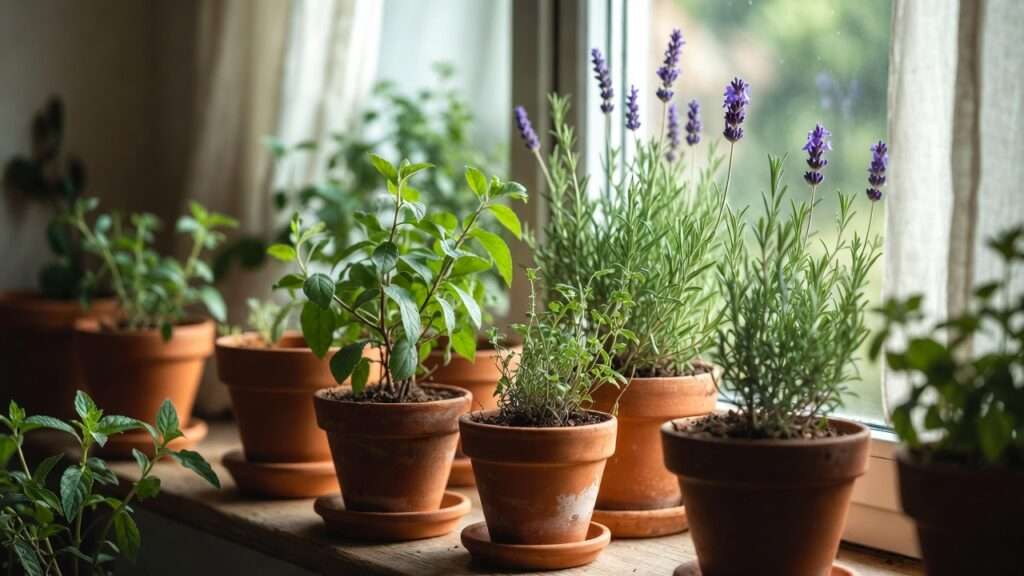
Imagine stepping into your home after a long, stressful day and immediately feeling a wave of calm wash over you—not from a candle or diffuser, but from the gentle, natural aroma of fresh herbs thriving right on your windowsill. 😌 In our busy modern lives, many of us seek simple, chemical-free ways to ease anxiety, improve sleep, boost focus, and create a more serene living space. Growing aromatherapy herbs indoors offers the perfect solution: therapeutic scents released naturally as you brush against leaves or harvest sprigs, plus fresher air, homegrown wellness ingredients for teas or infusions, and the rewarding satisfaction of tending a mini garden year-round—even in apartments with limited space or during chilly winters. 🌱
As a plant care enthusiast with years of experience nurturing indoor gardens (including aromatic herbs in low-light urban setups), I’ve seen firsthand how these plants transform homes into personal sanctuaries. This in-depth guide draws on horticultural best practices, aromatherapy research, and practical indoor growing insights to help beginners and experienced gardeners alike build a fragrant, calming indoor herb collection. We’ll explore the top picks, detailed care instructions, harvest techniques, creative uses, and troubleshooting tips—so you can enjoy natural calm and fragrance without leaving home. Ready to start your own aromatic oasis? Let’s dive in! 🌸
Why Grow Aromatherapy Herbs Indoors? The Real Benefits 😌
Growing aromatic herbs indoors goes beyond pretty greenery—it’s a practical way to support holistic wellness naturally. Here’s why so many people are turning to indoor herb gardens for aromatherapy:
- Natural stress relief and mood enhancement — Many of these herbs release volatile compounds (essential oils) that interact with our limbic system when inhaled. Studies show lavender and rosemary can reduce anxiety, improve sleep quality, and even enhance cognitive function in some cases.
- Better indoor air quality — Herbs like peppermint and thyme help filter airborne particles and add subtle humidity, combating dry air from heating systems.
- Year-round availability — No waiting for summer; harvest fresh leaves anytime for teas, infusions, or simply to enjoy the scent.
- Cost savings and sustainability — Skip expensive essential oils or store-bought bundles—grow your own for pennies per use.
- Mental health boost from biophilic connection — Caring for plants reduces cortisol levels and promotes mindfulness, turning routine care into a relaxing ritual.
- Dual-purpose versatility — Most double as culinary herbs for cooking, teas, or DIY remedies.
From my own setups, even a small collection of 3–4 pots has noticeably improved daily mood and home ambiance. These benefits make indoor aromatherapy herbs a smart, accessible choice for anyone seeking natural calm.
Top 10 Aromatherapy Herbs You Can Grow Indoors 🌿
Here are my top recommendations—selected for strong aromatic profiles, proven wellness benefits, indoor adaptability, and ease of growth. Each includes key details to help you choose wisely.
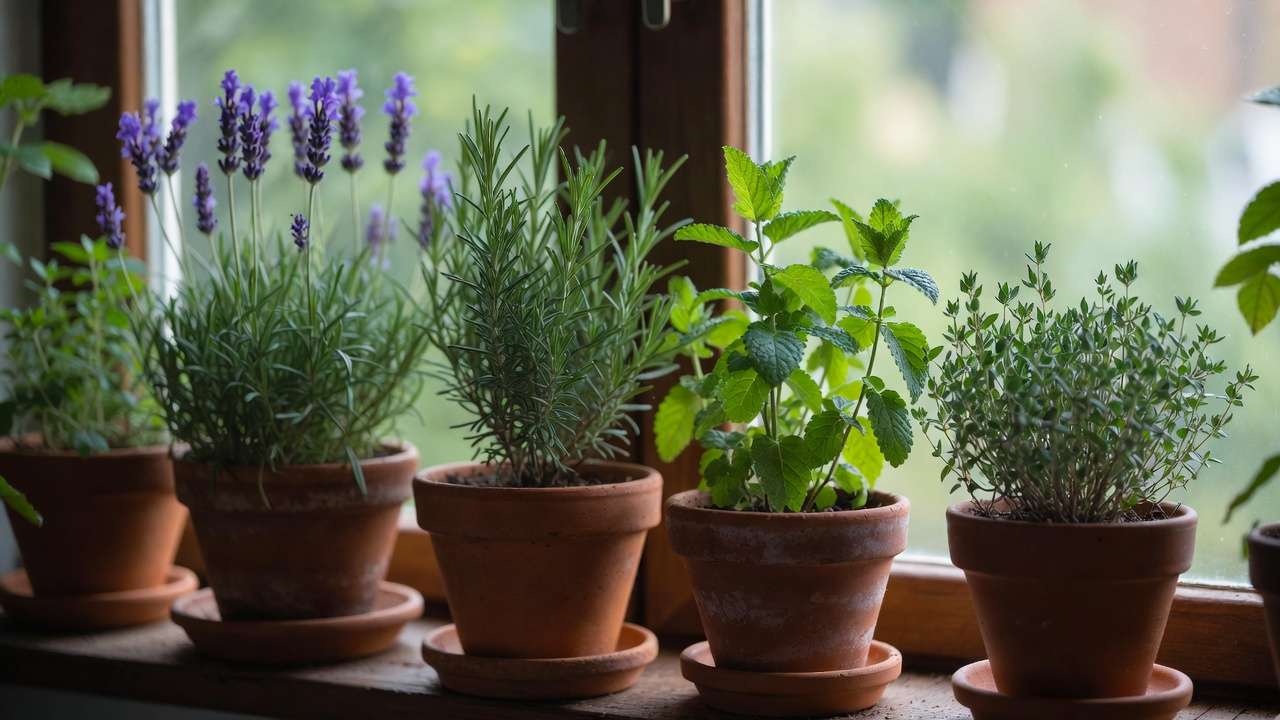
Lavender (Lavandula angustifolia – dwarf varieties like ‘Munstead’, ‘Hidcote’, or ‘Wee One’) Signature scent: Sweet, floral, and deeply calming. Aromatherapy benefits: Promotes relaxation, reduces anxiety, aids sleep 😴 (supported by studies on its calming effects). Difficulty: Intermediate (needs excellent drainage and bright light). Ideal pot size: 8–12 inches. Why indoor-friendly: Compact dwarfs stay small and bloom beautifully under grow lights.
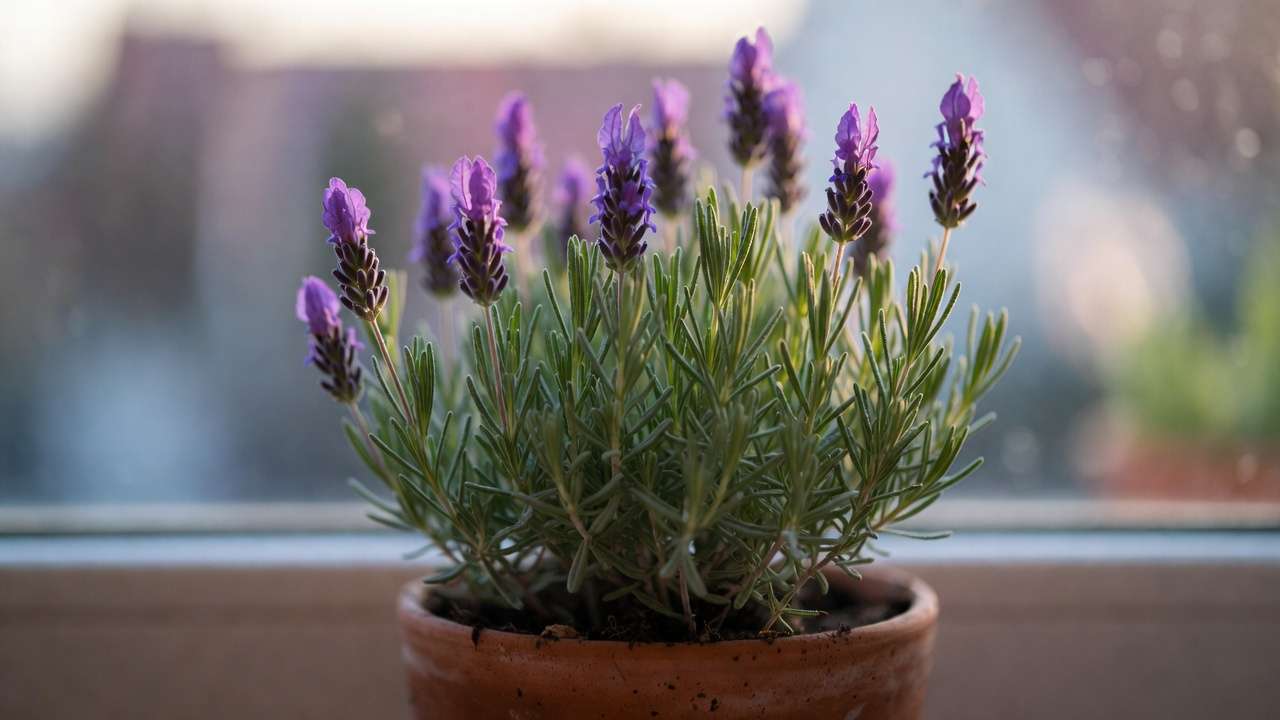
Rosemary (Rosmarinus officinalis) Signature scent: Fresh, woody-herbal with pine notes. Aromatherapy benefits: Boosts focus, memory, and alertness (research links it to cognitive enhancement). Difficulty: Beginner-friendly once established. Ideal pot size: 10–12 inches. Pro tip: Upright varieties thrive near sunny windows.
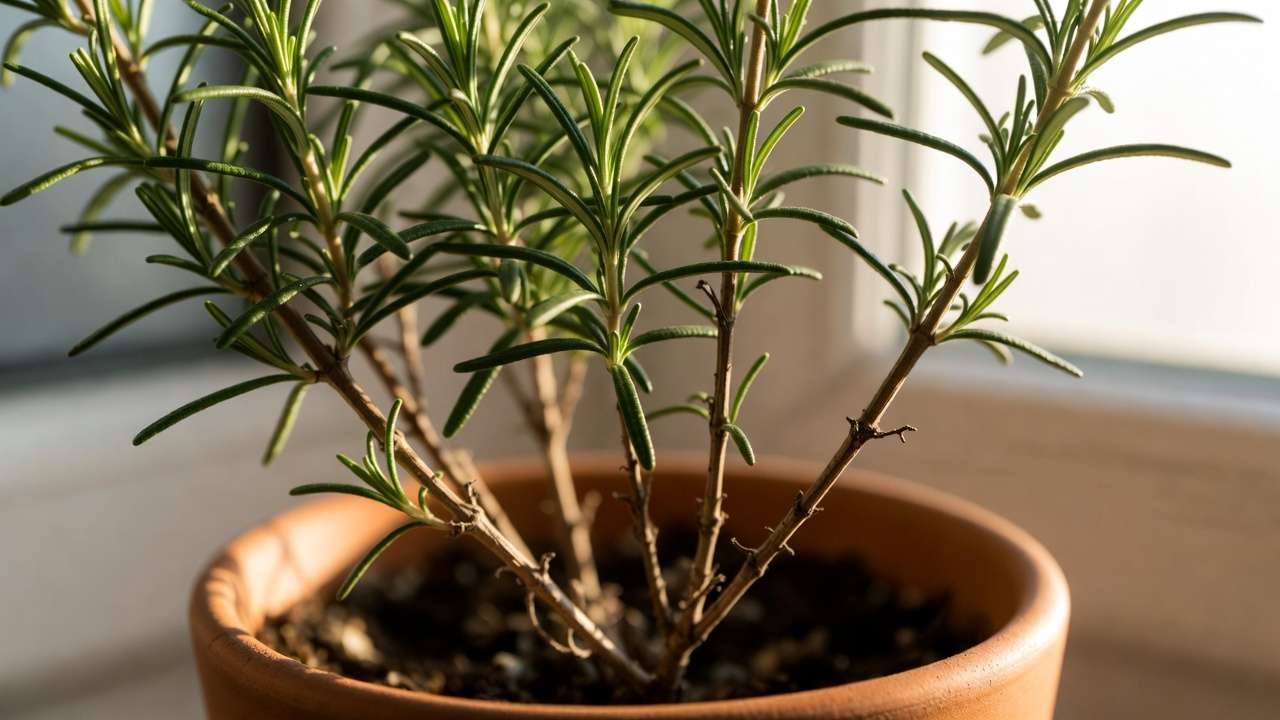
Peppermint / Spearmint (Mentha × piperita / Mentha spicata) Signature scent: Cool, minty, invigorating. Aromatherapy benefits: Eases headaches, nausea, and mental fatigue 🍃. Difficulty: Very easy (grows vigorously!). Ideal pot size: 8–10 inches (contain it to prevent spreading). Bonus: Refreshing for teas or steam inhalations.
Lemon Balm (Melissa officinalis) Signature scent: Bright lemony-floral. Aromatherapy benefits: Uplifting yet calming; great for stress and mood support. Difficulty: Easy. Ideal pot size: 8 inches. Fun fact: Attracts pollinators if you ever move pots outside.
Thyme (Thymus vulgaris or lemon thyme) Signature scent: Earthy, herbaceous with citrus hints. Aromatherapy benefits: Supports respiratory health and has antimicrobial properties. Difficulty: Easy. Ideal pot size: 6–8 inches. Great for grouping with other dry-loving herbs.
Basil (Ocimum basilicum – holy basil/tulsi or lemon basil preferred) Signature scent: Sweet-spicy, warm. Aromatherapy benefits: Mood-lifting and clarifying. Difficulty: Easy but needs warmth. Ideal pot size: 8 inches. Harvest often for bushier growth.
Sage (Salvia officinalis) Signature scent: Warm, camphor-like, grounding. Aromatherapy benefits: Purifying and mentally clarifying. Difficulty: Easy. Ideal pot size: 8–10 inches. Use sparingly—strong aroma!
Chamomile (Matricaria chamomilla – German variety) Signature scent: Sweet, apple-like. Aromatherapy benefits: Ultimate relaxation and gentle sleep aid 🌼. Difficulty: Moderate (grows as annual but reseeds easily). Ideal pot size: 6–8 inches.
Oregano (Origanum vulgare) Signature scent: Robust, herbaceous. Aromatherapy benefits: Immune support and air-purifying qualities. Difficulty: Easy. Ideal pot size: 8 inches.
Bay Laurel (Laurus nobilis) Signature scent: Subtle eucalyptus-floral. Aromatherapy benefits: Enhances mental clarity and freshens air. Difficulty: Moderate (slow grower, tree-like). Ideal pot size: 10+ inches for longevity.
These selections outperform typical lists by including more variety (10 vs. 5–7 common ones) and focusing on true aromatherapy powerhouses suited to indoor constraints.
How to Set Up Your Indoor Aromatherapy Herb Garden 🪴
Starting an indoor herb garden for aromatherapy doesn’t require a green thumb or fancy equipment—just a little planning to mimic the sunny, well-drained conditions these Mediterranean-origin herbs love. Here’s a clear, step-by-step setup guide that works even in small apartments or low-light homes.
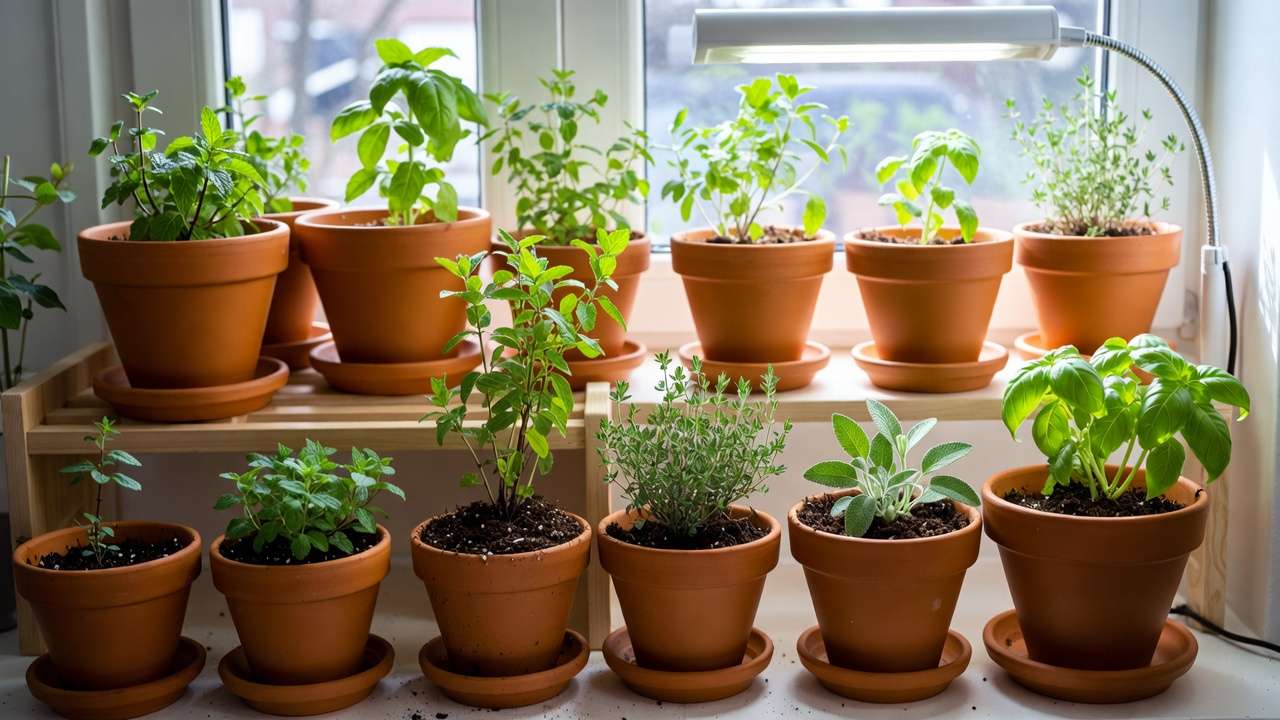
1. Choose the Perfect Spot Most aromatic herbs crave 6–8 hours of bright, indirect or direct sunlight daily. A south-facing window is ideal; east- or west-facing works well too.
- If natural light is limited (common in urban apartments or northern climates), invest in full-spectrum LED grow lights. Affordable clip-on or standing models (10–20 watts per square foot) placed 6–12 inches above plants for 12–16 hours/day produce excellent results.
- Rotate pots every few days for even growth.
2. Select Containers with Great Drainage Poor drainage is the #1 killer of indoor herbs.
- Use terracotta, ceramic, or plastic pots with drainage holes. Terracotta is especially good because it wicks away excess moisture, preventing root rot in humidity-loving mints while suiting drought-tolerant rosemary.
- Size guide: Start with 6–8 inch pots for most herbs; upgrade lavender, rosemary, and bay to 10–12 inches as they mature.
- Always place a saucer underneath to catch water (empty it after 30 minutes to avoid soggy roots).
3. Mix the Right Soil Aromatherapy herbs (especially lavender, rosemary, thyme, sage) hate “wet feet.” Use a well-draining potting mix:
- 50% standard potting soil
- 30% perlite or coarse sand
- 20% coco coir or peat moss for moisture retention without sogginess Pre-mixed “cactus & succulent” soil works beautifully as a base—add a handful of compost for slow-release nutrients.
4. Planting Step-by-Step
- Fill pot ⅓ with soil mix.
- Gently remove plant from nursery pot, loosen roots slightly.
- Position so crown (where stem meets roots) sits at soil level.
- Fill around with soil, press lightly, and water thoroughly until it drains out the bottom.
- Let excess water drain completely before placing on saucer.
5. Watering & Humidity Basics
- Water when the top 1–2 inches of soil feel dry (stick your finger in to check).
- Mediterranean herbs (lavender, rosemary, thyme, sage, oregano) prefer to dry out between waterings—overwatering causes more problems than underwatering.
- Mints, lemon balm, basil, and chamomile like consistently moist (but never soggy) soil.
- Mist leaves occasionally or place pots on a pebble tray with water for gentle humidity boost (especially helpful in dry winter heating).
Pro Grouping Tip 🌿 Plant herbs with similar needs together in larger containers or on the same shelf:
- Dry-loving group: Lavender + Rosemary + Thyme + Sage + Oregano
- Moist-loving group: Mint + Lemon Balm + Basil + Chamomile
This makes care much easier and creates beautiful, fragrant mini ecosystems.
Essential Care Tips for Thriving Aromatherapy Herbs ✂️
Once your garden is set up, consistent (but minimal) care keeps the aroma potent and plants healthy.
- Fertilizing — Less is more with aromatic herbs. Over-fertilizing reduces essential oil concentration and weakens scent. Use a diluted organic liquid fertilizer (e.g., fish emulsion or seaweed extract) at ¼ strength every 4–6 weeks during spring and summer. Skip in fall/winter when growth slows.
- Pruning & Pinching for Bushier Growth Regular harvesting actually encourages denser, healthier plants and stronger fragrance.
- Pinch tips above a leaf node every 2–3 weeks.
- Harvest no more than ⅓ of the plant at once.
- For lavender and rosemary, trim lightly after flowering to maintain shape.
- Pest & Disease Prevention Common indoor pests: spider mites, aphids, whiteflies.
- Inspect weekly under leaves.
- Spray with neem oil solution (1 tsp neem + 1 tsp dish soap per quart of water) every 7–10 days as prevention or treatment.
- Good airflow (small fan on low) prevents powdery mildew on crowded plants.
- Seasonal Adjustments Winter light drop is the biggest challenge. Supplement with grow lights from November–March. Reduce watering frequency and stop fertilizing during shorter days.
- Common Mistakes & Quick Fixes Yellow leaves → usually overwatering or poor drainage. Leggy growth → not enough light—increase hours or move closer to window/grow light. No scent → low light, over-fertilizing, or harvesting too early in the day (best in late morning after oils build up).
With these habits, your herbs will stay lush, fragrant, and productive for months (perennials like rosemary, thyme, and lavender can live 3–5+ years indoors with good care!).
Harvesting, Drying & Maximizing Aromatherapy Benefits 🌟
The magic of your indoor aromatherapy herb garden truly shines when you start harvesting and using the leaves, stems, and flowers. Proper timing and methods preserve (and often enhance) the concentration of essential oils responsible for those calming, uplifting, or clarifying scents.
When & How to Harvest for Peak Aroma Harvest in the late morning on a dry day, after the dew has evaporated but before the midday heat—this is when essential oil levels are highest in most herbs.
- Use clean, sharp scissors or herb snips.
- Never strip more than one-third of the plant at once to avoid stressing it.
- For leafy herbs (mint, lemon balm, basil, sage): Pinch or cut just above a leaf node to encourage bushier regrowth.
- For flowering herbs (lavender, chamomile): Snip entire flower stems right as buds begin to open for maximum fragrance.
- Rosemary & thyme: Take 4–6 inch stem cuttings, focusing on new growth.
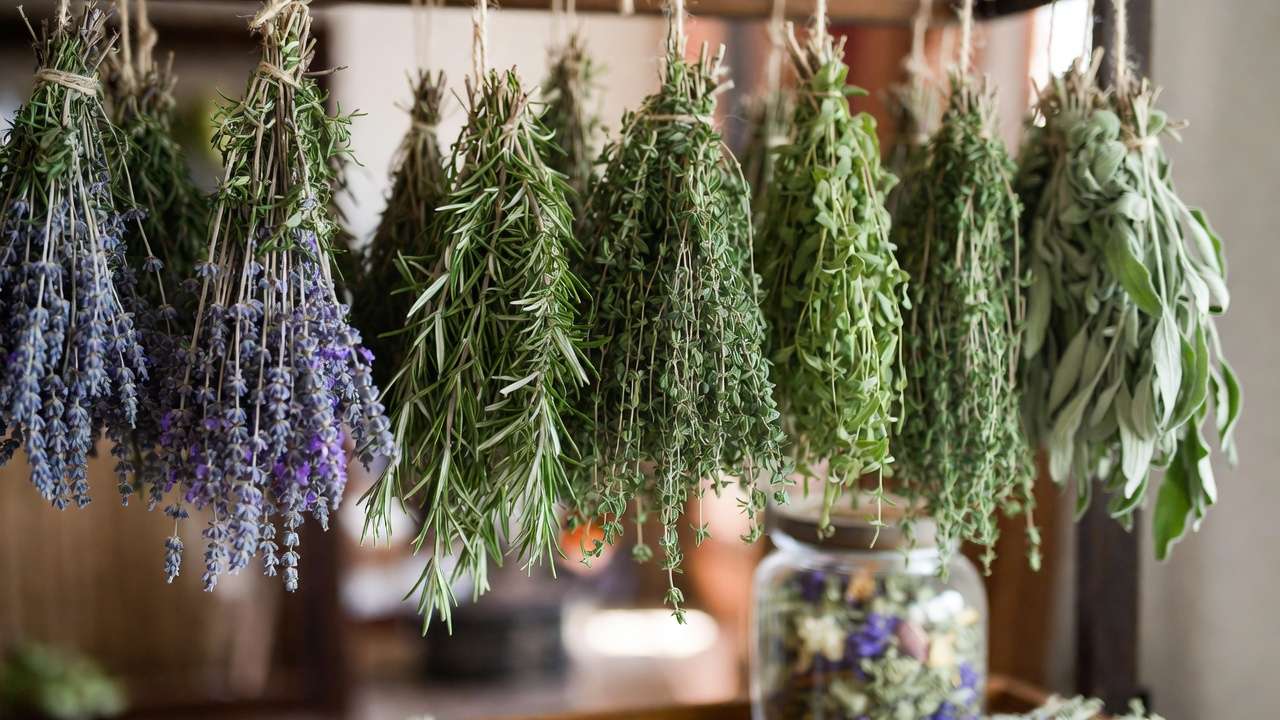
Simple Drying Methods to Preserve Scent Drying concentrates the aroma and lets you enjoy the benefits long after fresh harvest.
- Air drying (best for small batches)
- Bundle 5–10 stems with twine or a rubber band.
- Hang upside down in a warm, dark, well-ventilated spot (closet, pantry, or shaded room) for 1–3 weeks until leaves crumble easily.
- Ideal for lavender, rosemary, thyme, sage, oregano.
- Dehydrator or oven (faster option)
- Spread leaves/flowers in a single layer on trays.
- Set dehydrator to 95–110°F (35–43°C) for 2–6 hours.
- Oven method: Lowest setting (~170°F/75°C) with door slightly ajar for 1–3 hours—check frequently to avoid burning oils.
- Storage
- Once crisp, strip leaves from stems and store in airtight glass jars (amber or dark preferred to block light).
- Label with herb name and date—properly stored dried herbs retain strong aroma for 6–12 months.
Creative Ways to Enjoy Your Homegrown Aromatherapy Here are practical, beginner-friendly ideas to bring natural calm and fragrance into daily life:
- Fresh use — Brush leaves gently with your fingers or rub them between palms to release oils instantly for an instant mood lift.
- Herbal teas & infusions — Steep 1–2 tsp fresh or dried leaves in hot water for 5–10 minutes (lavender + lemon balm for bedtime calm, peppermint for focus, rosemary for mental clarity).
- Steam inhalation — Add a handful of fresh peppermint, thyme, or rosemary to a bowl of hot water, drape a towel over your head, and inhale deeply for 5–10 minutes (great for congestion or headaches).
- Scented sachets & pillows — Fill small fabric pouches with dried lavender, chamomile, or lemon balm and tuck under pillows, in drawers, or in car for gentle, continuous fragrance.
- Room freshening spray — Steep strong herbal infusion (e.g., rosemary + thyme), cool, add to a spray bottle with a splash of witch hazel or vodka as a preservative—mist around rooms naturally.
- Potpourri bowls — Mix dried herbs (lavender, rose petals if you have them, bay leaves) in decorative bowls for passive room scenting.
Safety Notes Always start with small amounts when using herbs therapeutically—some (like sage in large quantities) can be too strong. If pregnant, nursing, or on medication, consult a healthcare professional before regular internal use. Keep pots out of reach of pets (most are safe in small amounts, but mint family can upset some cats’ stomachs).
Bonus: Combining Herbs for Custom Aromatherapy Blends 🌸
Mixing your homegrown herbs creates personalized scent profiles stronger than single plants alone. Try these simple combinations:
- Deep Relaxation Blend — Dried lavender + lemon balm + chamomile Perfect for evening wind-down sachets or bedtime tea.
- Focus & Energy Boost — Fresh rosemary + peppermint + basil Rub leaves before work/study sessions or use in a morning steam.
- Respiratory & Immune Support — Thyme + oregano + bay laurel Hang bundles near your workspace or add to steam for clearer breathing.
- Uplifting Mood Lift — Lemon balm + spearmint + holy basil Great for daytime teas or light room sprays.
Experiment with small test blends—your nose knows best!
Troubleshooting & FAQs ❓
Here are answers to the most common questions I hear from indoor herb growers:
Q: Why doesn’t my lavender smell as strong as expected? A: Usually due to insufficient light, overwatering, or harvesting too early/too late in the day. Move to brighter spot or add grow lights, ensure excellent drainage, and harvest in late morning.
Q: Can I grow these without a sunny window? A: Yes! Full-spectrum LED grow lights (6500K daylight bulbs) for 12–16 hours daily make it possible. Many people in apartments successfully grow full, fragrant herbs this way.
Q: Are these herbs pet-safe? A: Most are non-toxic in small amounts (lavender, rosemary, thyme, mint are generally safe), but cats may nibble mints excessively and get upset stomachs. Keep pots elevated and monitor.
Q: How long until I can start harvesting? A: Mint, lemon balm, basil: 4–6 weeks from planting. Rosemary, thyme, sage: 6–10 weeks. Lavender, chamomile: 8–12 weeks for first light harvests.
Q: What’s the best grow light for herbs? A: Look for full-spectrum LEDs rated 20–40 watts, with adjustable height. Brands like Spider Farmer, Roleadro, or simple Sansi bulbs work well and are budget-friendly.
Conclusion 💚
Starting an indoor aromatherapy herb garden is one of the simplest, most rewarding ways to bring natural calm, better air, and daily wellness into your home. Begin small—perhaps with just lavender, rosemary, and peppermint on a sunny shelf—and watch how quickly the scents and the act of caring for them become part of your self-care routine. These aren’t just plants; they’re living diffusers, mood enhancers, and gentle reminders to slow down.
Your windowsill sanctuary awaits. Grab a few pots, some well-draining soil, and get planting—you’ll be breathing easier (and smelling better) in no time. 🌱✨











