
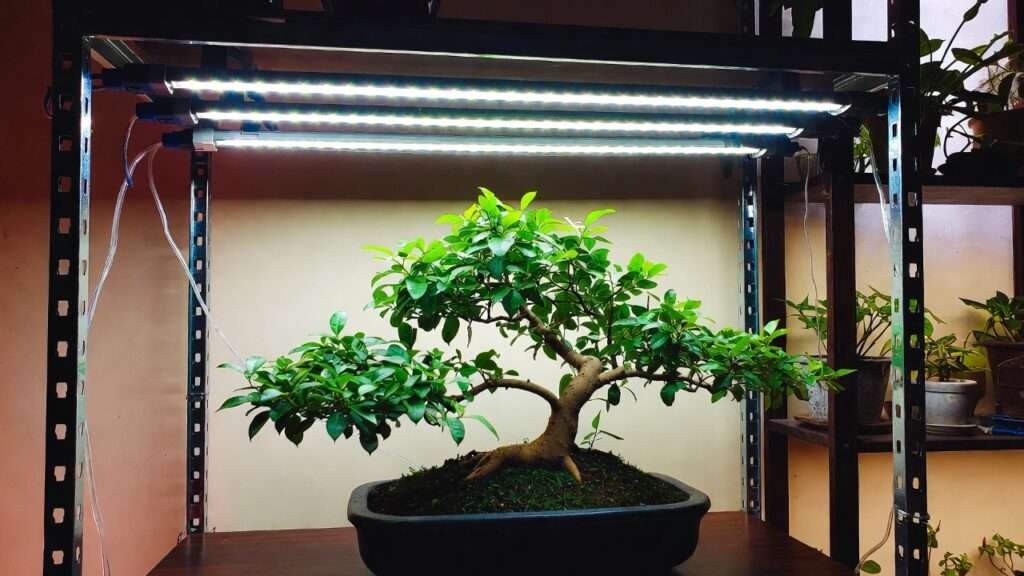
Imagine bringing home a beautiful Ficus retusa or a lush Jade bonsai, only to watch its leaves pale, drop off, or stretch into leggy, weak branches within weeks. 😔 This heartbreaking scene plays out in homes across Dhaka and beyond, where apartments, offices, and variable weather limit natural sunlight. The culprit? Insufficient light for these tropical or subtropical species that crave bright, consistent conditions year-round.
Artificial lighting for indoor bonsai isn’t just a nice-to-have—it’s often the essential tool that turns struggling trees into vibrant, compact masterpieces. With the right setup, you can mimic equatorial sunlight, promote dense branching, vibrant foliage, and even encourage back-budding for better styling. In this ultimate guide, I’ll share expert insights from years of growing and advising on indoor bonsai collections (including many tropical species thriving under optimized LED systems). We’ll cover the science, best lights in 2026, step-by-step setups, common pitfalls, and troubleshooting—so your bonsai not only survives indoors but thrives. ✨
Whether you’re a beginner in a low-light Dhaka apartment or an experienced enthusiast battling short winter days, proper grow lights solve the core problem of inadequate illumination and unlock year-round success.
Why Indoor Bonsai Need Artificial Lighting 🌱
Most “indoor” bonsai—Ficus, Jade (Crassula ovata or Portulacaria afra), Serissa, Fukien Tea, Schefflera—are tropical or subtropical natives accustomed to 10-15 hours of bright light daily. Windows often fall short: even a south-facing one in Dhaka may deliver inconsistent intensity due to pollution, shading, or seasonal changes.
Signs your bonsai suffers from low light include:
- Leggy, elongated shoots (etiolation) reaching for sun.
- Small, pale, or yellowing leaves 🍂.
- Leaf drop, especially lower ones.
- Weak, sparse branching and poor back-budding.
- Stunted overall growth or dieback.
Proper artificial lighting reverses these issues by providing:
- Consistent intensity for strong photosynthesis.
- Balanced spectrum for compact form and color.
- Year-round growth without seasonal decline.
- Better health, denser ramification, and styling potential. 🚀
In my experience, supplementing or replacing natural light transforms “barely surviving” trees into showpieces.
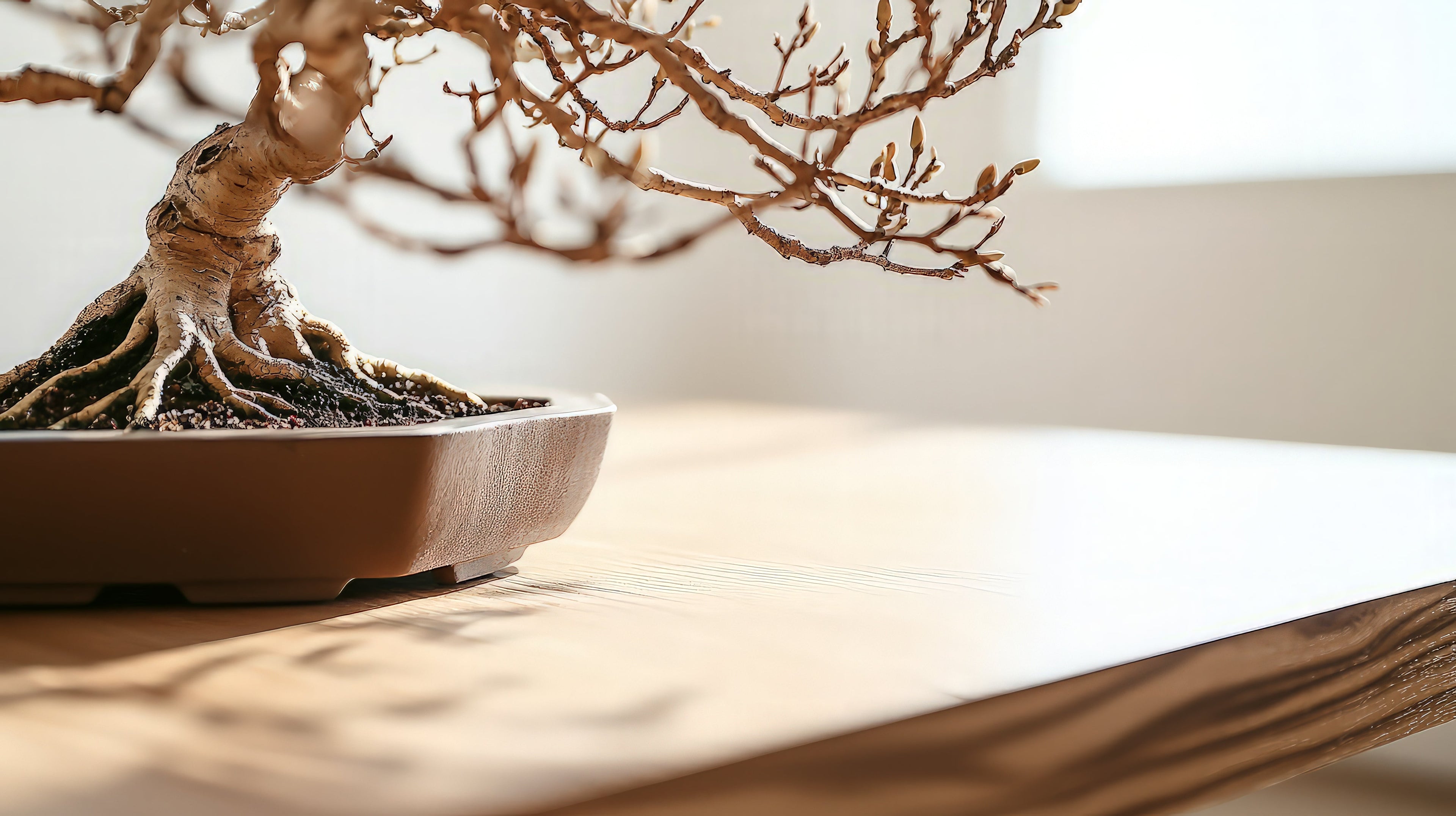
(These show examples of bonsai stress from light deficiency, like yellowing or sparse leaves—contrast with healthy growth under lights!)
Understanding Light Science for Bonsai 🔬
Light isn’t just “bright”—it’s measured in ways that matter for plants.
- PPFD (Photosynthetic Photon Flux Density): Measures usable light (µmol/m²/s). For most indoor tropical bonsai like Ficus, aim for 80–160 µmol/m²/s (moderate); Jade tolerates higher (up to 160–250+ for compact growth). Avoid exceeding 300–400 to prevent burn.
- DLI (Daily Light Integral): Total light per day (mol/m²/day). Target 6–12 mol for Ficus, 8–15 for vigorous growers like Jade.
- Spectrum: Full-spectrum LEDs with strong blue (compact growth, prevent stretching) + red (photosynthesis) outperform old red/blue “blurples.”
- Photoperiod: 12–16 hours daily mimics tropics (use timers for consistency).
Measure accurately with affordable tools like the Photone app (free on smartphones) or a PAR meter—essential for dialing in your setup.
From Bonsai Empire and expert forums, LEDs excel for energy efficiency and low heat, ideal for enclosed spaces.
(Real indoor bonsai setups with shelving and bar lights—perfect inspiration!)
Best Types of Artificial Lights for Indoor Bonsai 🛠️
In 2026, LED grow lights dominate for bonsai due to efficiency, low heat, and customizable full-spectrum output. 🌈
- Full-spectrum LEDs → Best overall (avoid cheap blurples).
- Fluorescent (T5HO or CFL) → Budget option for moderate needs.
- HID (MH/HPS) → Powerful but hot/inefficient—skip for home use.
Popular 2026 picks:
- Barrina T5/T8 strips → Affordable, linkable for shelves.
- Leoter gooseneck/clip-on → Great for single trees.
- Soltech Aspect → Premium, aesthetic full-spectrum.
- Orchbloom standing lights → Adjustable height for taller bonsai.
- Spider Farmer SF series → Reliable for multiple trees.
Comparison: LEDs win on energy savings (25W models cover small setups) and longevity.

(Barrina-style LED strips—popular, effective for bonsai shelving!)
Choosing the Right Grow Light Setup for Your Bonsai 🛠️
Selecting the perfect light depends on your tree’s species, size, available space, and budget. Here’s a practical breakdown:
- Single small bonsai (e.g., beginner Ficus or Serissa <30 cm tall): A simple clip-on or gooseneck LED works wonders. These are flexible, easy to position, and inexpensive (often 10-20W).

(Clip-on/gooseneck LEDs—perfect for desk or shelf single-tree setups. Adjustable arms let you direct light precisely where needed!)
- Multiple trees or a small collection: Use linkable LED strips like Barrina T5/T8 series. Mount them under shelves or in a dedicated plant rack for even coverage.

(Barrina LED strips in action—link several for a full shelf of thriving bonsai. Low profile, bright, and budget-friendly!)
- Taller or larger bonsai (e.g., mature Jade or Ficus >50 cm): Opt for adjustable standing lights or premium full-spectrum panels (Soltech Aspect or similar) that can be raised/lowered.

(Aesthetic standing lights blend into home decor while delivering powerful, even illumination.)
Key factors:
- Coverage: Ensure the light footprint matches your canopy (e.g., 2-4 ft strips for shelves).
- Distance: Start 12-18 inches above the top leaves; lower to 6-10 inches for weaker lights.
- Heat: LEDs run cool—ideal for indoor use without stressing roots or drying soil too fast.
- Budget tiers: Entry-level (BDT 1,500-4,000), mid-range (BDT 5,000-12,000), premium (BDT 15,000+).
In Dhaka’s humid climate, prioritize lights with good airflow and no excessive heat buildup.
Step-by-Step Setup Guide 📝
Follow this checklist to get your bonsai glowing:
- Assess current conditions — Use the Photone app to measure natural light (aim to supplement where <80 µmol/m²/s midday).
- Choose your light — Match to species: Ficus needs moderate (100-200 PPFD), Jade thrives higher (150-300 PPFD for compact growth).
- Install safely — Use timers (digital plug-in ones are cheap), secure mounts, and keep cords away from water.
- Position for even light — Center above canopy; angle sides if needed. Rotate the tree 90-180° weekly for symmetrical growth. 🔄
- Set photoperiod — 12-14 hours standard for tropicals (e.g., 7 AM–9 PM). Use a timer for consistency—bonsai hate sudden changes!
- Hybrid setups — Place near a window during day; supplement evenings/winter for 14+ total hours.
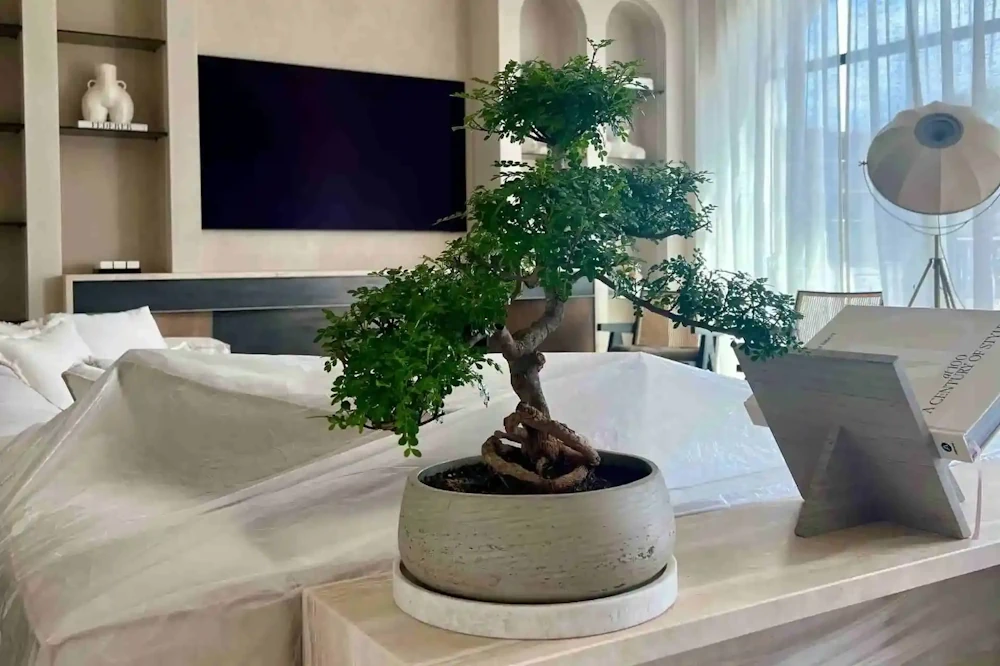
(Real-life examples of successful indoor bonsai under lights—notice the dense, vibrant foliage!)
Daily Care Tips with Artificial Lighting 💚
Artificial light changes other care aspects:
- Watering — Soil dries slower under consistent (but not blazing) light. Check top 2-3 cm soil daily; water when slightly dry. Overwatering is the #1 killer indoors.
- Humidity — Tropical bonsai love 50-70%. Use pebble trays, misting, or small humidifiers—especially with AC in Dhaka summers.
- Fertilizing — With good light, growth accelerates. Use balanced liquid fertilizer (e.g., 10-10-10 or bonsai-specific) at 1/2 strength every 1-2 weeks in growing season.
- Pruning & wiring — Lights promote back-budding → perfect for pinching new shoots and refining ramification.
- Seasonal tweaks — Extend to 14-16 hours in winter/short days; reduce slightly if leaves show heat stress (rare with LEDs).
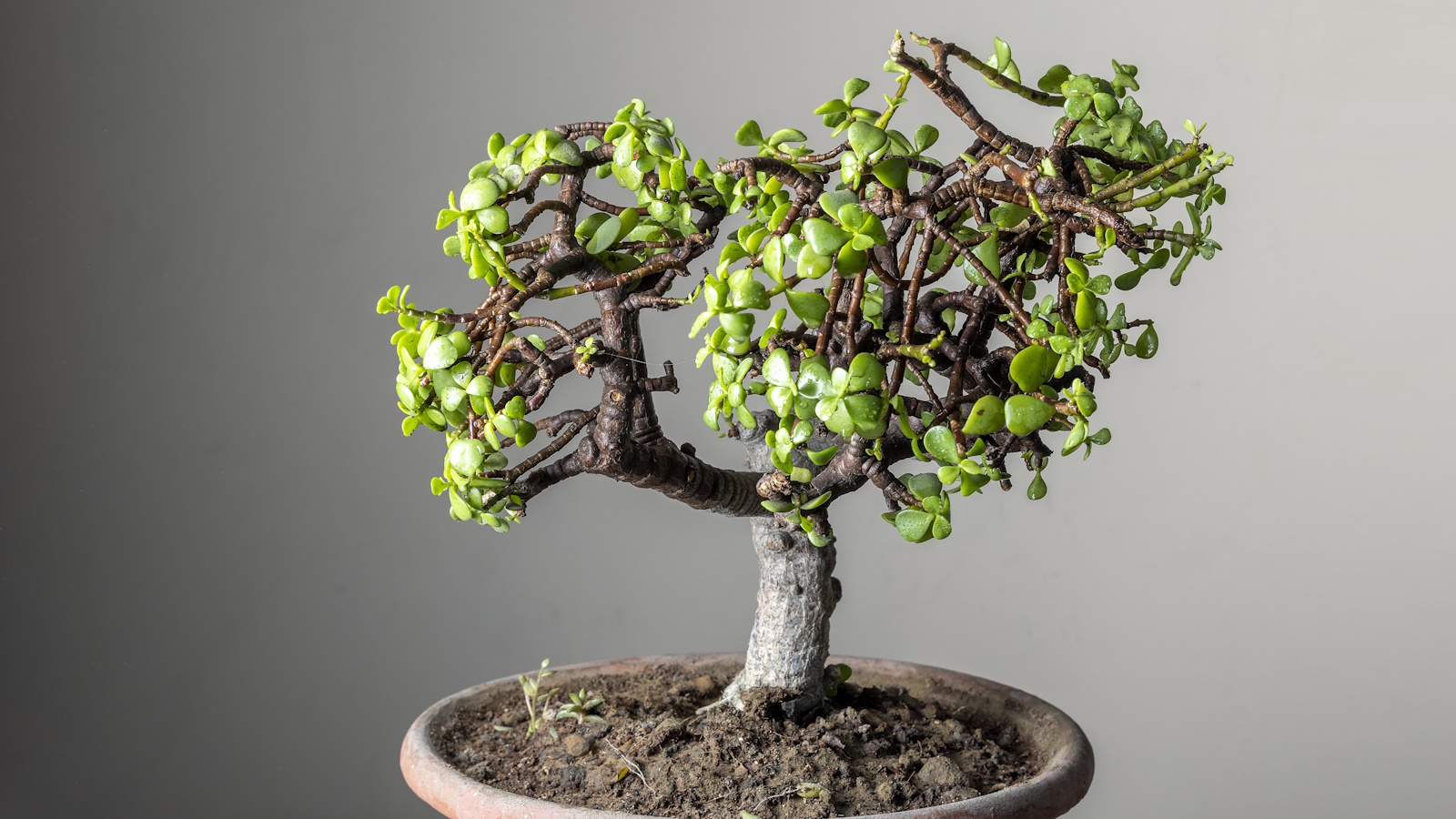
(Thriving Jade/Portulacaria afra bonsai under lights—compact, green, and full of character!)
Common Mistakes & Troubleshooting ⚠️
Even experienced growers run into issues when first using artificial lighting. Here are the most frequent problems I see (and how to fix them):
- Mistake #1: Placing the light too close / too intense Symptom: Bleached, scorched, or crispy leaf edges; curled leaves 🍂 Fix: Raise the light to 12–18 inches above the canopy (or more for high-PPFD models). Start conservative and gradually lower over days while monitoring. Most tropical bonsai prefer moderate intensity indoors.
- Mistake #2: Light too far away or too weak Symptom: Continued stretching, tiny pale new growth, sparse branching Fix: Lower the fixture or upgrade wattage/PPFD. Use the Photone app to confirm you’re hitting at least 100–150 µmol/m²/s at canopy level. Rotate the tree weekly to prevent one-sided leaning.
- Mistake #3: Wrong spectrum or poor-quality “blurples” Symptom: Weird coloration (purple/red tint on leaves), excessive stretching despite decent brightness Fix: Switch to reputable full-spectrum LEDs (4000–6500K color temperature with good red & blue peaks). Avoid very cheap red/blue-only panels—they save money short-term but produce weaker, leggier trees.
- Mistake #4: Inconsistent photoperiod Symptom: Stress signs, leaf drop after power outages or manual switching Fix: Invest in a reliable digital timer (even BDT 300–500 models last years). Set it and forget it—consistency is more important than perfection.
- Mistake #5: Ignoring heat buildup Symptom: Soil dries extremely fast, roots overheat, leaves wilt despite watering Fix: Use fans for gentle airflow (small USB desk fans work great). LEDs produce far less heat than old fluorescents or HIDs, but still ventilate enclosed shelves.
- Bonus tip from experience: If you notice sudden decline after adding lights, check for salt buildup in soil (common in Dhaka’s tap water). Flush thoroughly with rainwater or low-EC water once every 2–3 months.
Most issues resolve within 2–4 weeks after corrections—patience is key!
Top Recommended Grow Lights for Bonsai in 2026 🏆
Here are my current top picks (updated for availability and performance in 2026, especially in markets like Bangladesh):
- Best Budget Pick 🌟 Barrina T5/T8 LED Shop Lights (4-pack linkable, ~20–40W each) → ~BDT 3,000–6,000 for a set. Excellent coverage for shelves, bright full-spectrum, daisy-chainable. Thousands of indoor bonsai growers swear by them.
- Best Value / All-Rounder Leoter Grow Light with Gooseneck or Clip-on (10–30W models) → Adjustable, flexible positioning, timer-compatible. Ideal for 1–3 trees on a desk or windowsill.
- Best Premium / Aesthetic Soltech Aspect Full-Spectrum Grow Light (or Aspect pendant versions) → Beautiful design that doesn’t scream “grow light,” excellent PAR output, low heat. Perfect if your bonsai lives in the living room.
- Best Standing / Tall Trees Orchbloom or similar adjustable standing LED towers (24″–72″ height) → Great for larger Ficus or Jade bonsai. Easy height adjustment as the tree grows.
Pro tip: In Dhaka, check Daraz, Pickaboo, or local hydroponics shops for these brands. Read recent reviews (2025–2026) for heat & longevity feedback.
(Examples of popular Barrina-style setups and premium Soltech-style lights in real homes—clean, effective, and bonsai-friendly!)
FAQs ❓
Can all bonsai species thrive under artificial light? Most tropical indoor species (Ficus, Jade, Serissa, Fukien Tea, Schefflera, Carmona) do very well. Temperate species (Japanese Maple, Pine, Juniper) usually need cold dormancy and more natural seasons—artificial light alone isn’t enough for long-term health.
How many hours per day should I run the lights? 12–14 hours is the sweet spot for most tropical bonsai. 16 hours max in very low-natural-light situations. Never run 24/7—plants need a dark rest period.
Do I still need to rotate my tree? Yes! Even with good lights, growth can favor the brightest side. Rotate 90–180° every 5–7 days for symmetrical development.
Are expensive lights worth it? For 1–2 trees, mid-range options (BDT 4,000–10,000) perform nearly as well as premium ones. Spend more if you want aesthetics, longer warranty, or larger coverage.
What if my bonsai shows stress after adding lights? Gradual introduction is key. Start at 10 hours/day and increase by 1–2 hours every few days. Check PPFD, distance, and watering first.
Conclusion & Final Expert Insights 🌟
Mastering artificial lighting for indoor bonsai is one of the single biggest upgrades you can make to your collection—especially in urban apartments with limited natural sun. The difference between a pale, leggy survivor and a dense, glossy, vigorous mini-tree is often just the right amount of consistent, full-spectrum light.
Start simple: measure your current conditions, pick one quality LED fixture, dial in distance and hours, and observe. Within a few months, you’ll see stronger back-budding, richer color, and the kind of compact ramification that makes bonsai so rewarding.
Experiment, keep notes, and don’t be afraid to tweak—every space and tree is a little different. If you’re in Dhaka or any low-light city, artificial lighting isn’t optional; it’s your bonsai’s lifeline.
Have you set up grow lights for your indoor trees yet? Drop a comment with your setup, species, or any questions—I’d love to help refine it! 💚











