

Have you ever planted the exact same variety of rose or fruit tree in two spots just a few feet apart, only to see one burst with vibrant blooms and juicy fruit while the other wilts, browns, or barely survives? 😩 Or noticed your neighbor’s veggies ripening weeks earlier than yours despite similar care?
The culprit is rarely bad luck—it’s microclimates. These tiny, localized climate zones in your yard create dramatic differences in temperature, sunlight, moisture, wind, and more, often overriding your broader USDA hardiness zone. Assessing your home’s microclimates is the single most powerful step you can take to match plants perfectly to their ideal spots, prevent heartbreaking losses, extend growing seasons, and build a resilient, low-maintenance landscape full of healthy trees and thriving plants.
As a seasoned horticulturist with over 15 years guiding homeowners through yard transformations (including urban lots, suburban backyards, and rural properties), I’ve seen firsthand how this simple assessment turns frustrating failures into joyful successes. In this in-depth guide, we’ll cover everything from spotting hidden frost pockets to creating custom warm zones—armed with practical steps, real examples, and pro tips to make your garden outperform expectations. Let’s unlock your yard’s true potential! 🏡🌱
What Exactly Are Microclimates? (And Why They Matter More Than Your USDA Zone) ❄️🔥
A microclimate is a small area where weather conditions differ noticeably from the surrounding region—sometimes by several degrees in temperature, higher humidity, less wind, or altered sunlight. Unlike your macroclimate (the big-picture regional weather your USDA zone reflects), microclimates operate on the scale of your backyard, front yard, or even a single wall.
These variations can be as small as a 3×3-foot nook or span an entire side yard. A south-facing brick wall might act as a heat sink, creating a pocket 1–2 hardiness zones warmer in winter 🌞, while a low spot at the base of a slope collects cold air overnight, forming a frost pocket that kills tender buds even when the rest of the yard is fine ❄️.
Why does this matter for plant and tree care?
- Extend growing seasons — Start tomatoes or figs earlier in warm spots.
- Grow “impossible” plants — Citrus or palms in marginal zones near heat-retaining structures.
- Boost tree health — Place shade trees where they cool hot areas or windbreaks to protect evergreens from desiccation.
- Reduce failures — Stop wasting money on replacements by avoiding mismatched conditions.
In short: Your USDA zone gives the broad rules, but microclimates write the exceptions that make your garden exceptional. 🌳💚
Why Assessing Microclimates Is a Game-Changer for Plant and Tree Care 🌳💚
Too many gardeners rely solely on zone maps and plant tags, then wonder why things fail. Assessing microclimates solves real problems:
- Avoid common frustrations — No more “full sun” plants scorching in reflected heat or shade-lovers stretching leggy in unexpected sun.
- Healthier roots and resilience — Right conditions mean stronger root systems, better nutrient uptake, natural pest/disease resistance.
- Higher yields and longevity — Fruit trees in frost-free pockets produce more reliably; ornamentals bloom longer.
- Eco-benefits — Water-wise planting reduces irrigation needs; diverse microclimate-matched natives support pollinators and birds 🐝🦋.
- Personal joy — Less trial-and-error, more watching your landscape thrive season after season.
Mastering this turns average yards into personalized havens. It’s sustainable gardening at its best!
Key Factors That Create Microclimates in Your Home Yard 🏠🌬️
Understanding the building blocks helps you spot them quickly.
Sunlight and Shade Patterns ☀️🌤️
Track daily and seasonal sun: Morning vs. afternoon exposure matters hugely. South-facing areas get intense all-day light; north-facing stay cooler and shadier. Deciduous trees shift patterns—full sun in winter, dappled shade in summer. Use apps like Sun Seeker or simple hourly flags to map.
Temperature Variations (Hot Spots & Cold Pockets) 🌡️
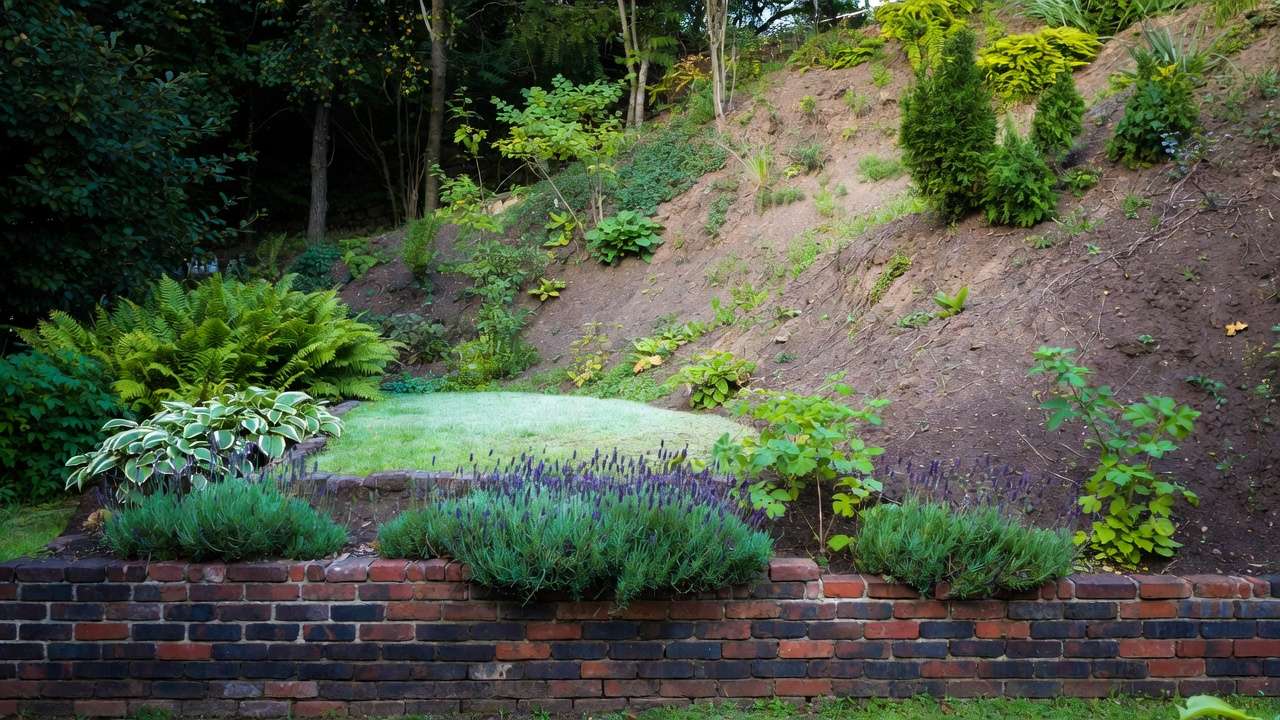
- Frost pockets — Low-lying areas or valley-like dips where cold air sinks and pools. Avoid early-blooming fruits here.
- Heat islands — Patios, walls, rocks, or dark mulch absorb daytime heat and radiate it at night, creating warmer zones (up to 10°F difference!).
- Warm refuges — South walls or house foundations protect tender plants in winter.
Wind Patterns and Protection 🌬️🛡️
Wind tunnels between buildings dry out foliage fast and damage young trees. Sheltered corners near fences or hedges stay humid and calm, ideal for moisture-loving species.
Moisture and Drainage Dynamics 💧
Slopes shed water quickly (dry zones); low spots hold it (wet zones). Downspouts, poor soil, or clay create soggy pockets. Test drainage with a simple percolation hole.
Soil and Topography Influences 🪴⛰️
Slope direction (south = warmer/drier; north = cooler/moister), elevation changes, soil texture (sandy drains fast; clay retains), pH variations. Even small ridges can divert cold air.
Other Influences: Structures, Water Features & Vegetation 🏡🌊
Buildings/fences block wind/shade; pools add humidity; large trees create understory shade and leaf litter mulch.
Step-by-Step Guide: How to Assess Your Home’s Microclimates 🗺️🔍
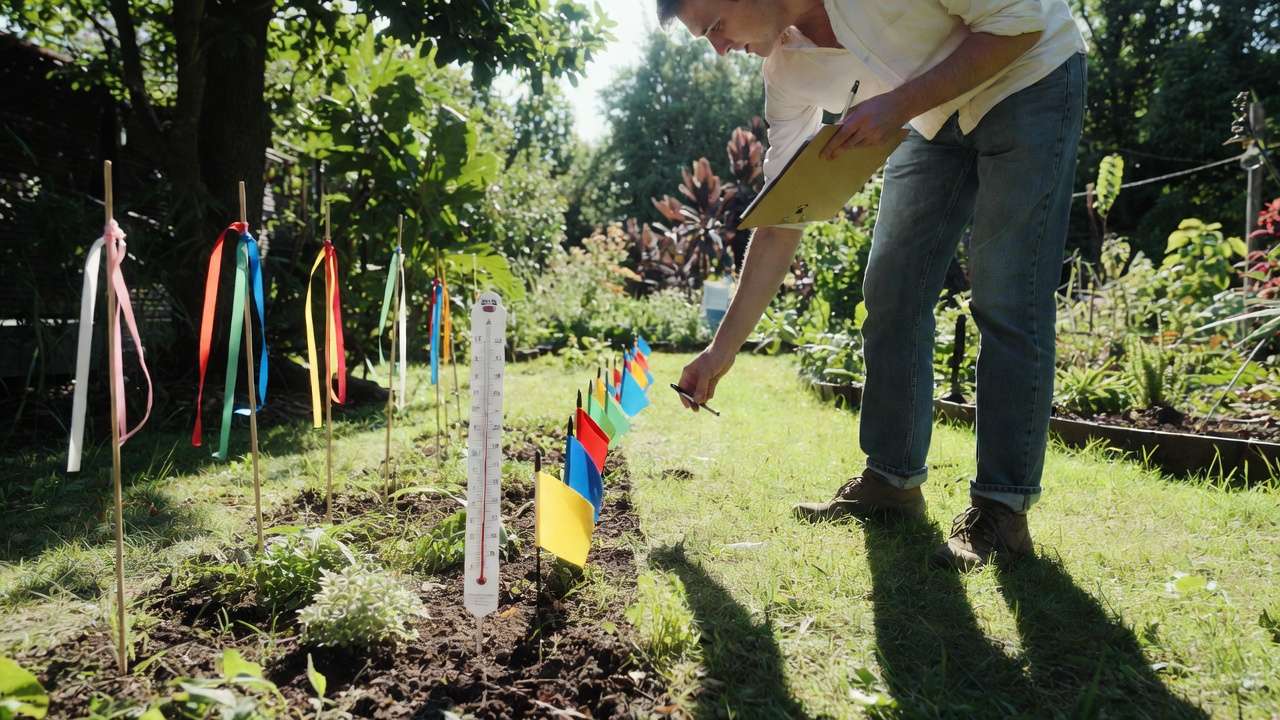
Grab a notebook, phone camera, thermometer (or min-max one), stakes/flags, timer, and perhaps incense for wind. Best in spring/fall for temperature extremes, but observe year-round.
- Prepare Your Tools 📝 — Printable worksheet (like UC Master Gardeners’ form) for notes.
- Observe Over Time — Visit multiple times daily/seasonally. Note frost dates, first/last sun.
- Map Sun & Shade — Mark hourly shadows; use apps or string lines. Label full sun (6+ hrs), partial, deep shade.
- Measure Temperature — Place thermometers in suspected hot/cold spots; record air/soil mins/maxes. Compare to local weather station.
- Test Wind & Airflow — Tie ribbons or use smoke to see direction/strength.
- Assess Moisture & Drainage — Dig test holes; observe puddles after rain. Feel soil moisture consistency.
- Document Topography & Soil — Sketch yard contours, note slopes/aspects, do basic soil texture test (jar method).
- Create Your Microclimate Map — Divide into zones (e.g., “Warm Sunny South Wall,” “Cool Moist North Slope”). Color-code or label!
Pro Tip 🌟: Take photos every few weeks—visual proof of changes helps hugely.
Interpreting Your Microclimate Map: What the Data Tells You 📊🌡️
Once your map is complete, the real magic begins: translating observations into actionable plant decisions. Divide your yard into clearly defined zones based on the dominant conditions you recorded. Here are common zone types and what they reveal:
- Warm, sunny, sheltered zones (south/west-facing walls, patios, dark mulch areas): High daytime heat, good winter protection, low frost risk. Ideal for heat-loving plants that need extra warmth to fruit or overwinter.
- Hot, dry, exposed zones (open sunny slopes, wind-prone areas with fast-draining soil): Intense sun + rapid evaporation. Drought-tolerant natives and Mediterranean species excel here.
- Cool, moist, shaded zones (north-facing slopes, under dense canopy, low spots with good drainage): Lower temperatures, higher humidity, less evaporation. Perfect for woodland plants, acid-lovers, and moisture-dependent trees.
- Cold, frost-prone pockets (low-lying dips, north slopes, areas near cold-retaining surfaces like concrete): Cold air settles here. Reserve for ultra-hardy species or delay planting tender perennials until late spring.
- Windy, drying corridors (between buildings, open fences): High evaporation, physical stress on leaves. Wind-tolerant, leathery-leafed plants or dense evergreens thrive.
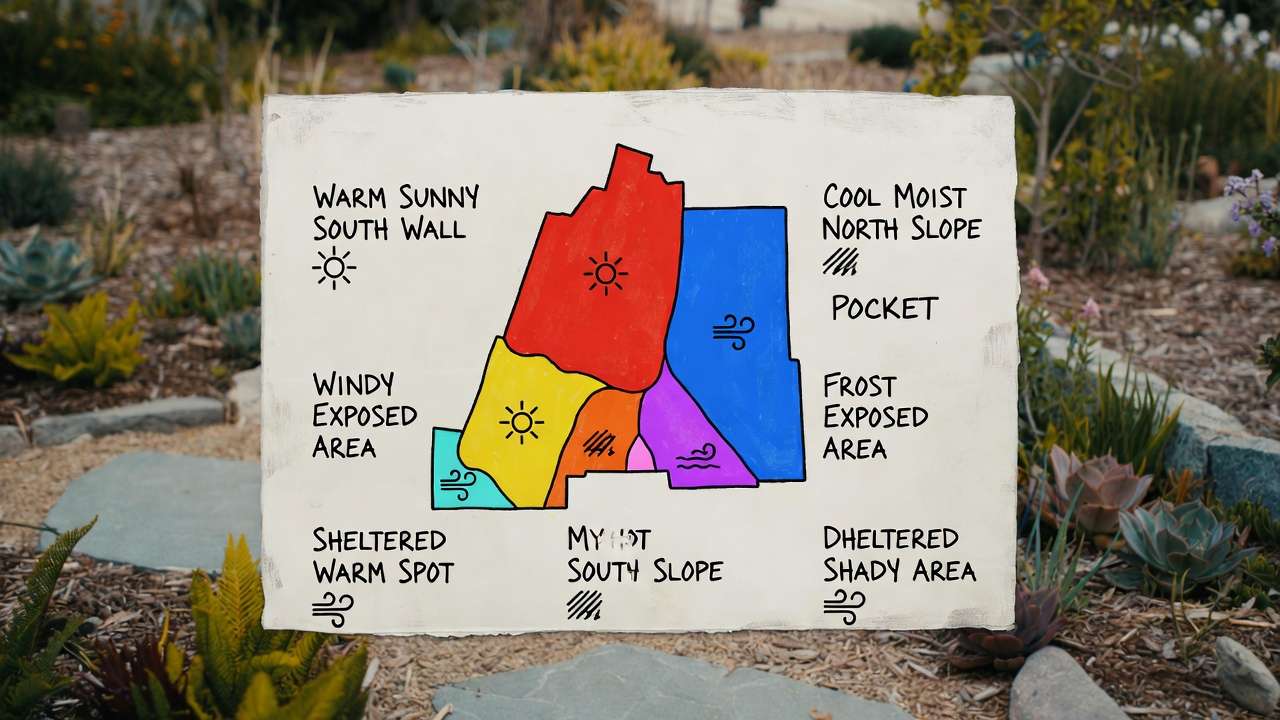
Cross-reference each zone with plant requirements (light, temperature tolerance, water needs, soil pH). For example:
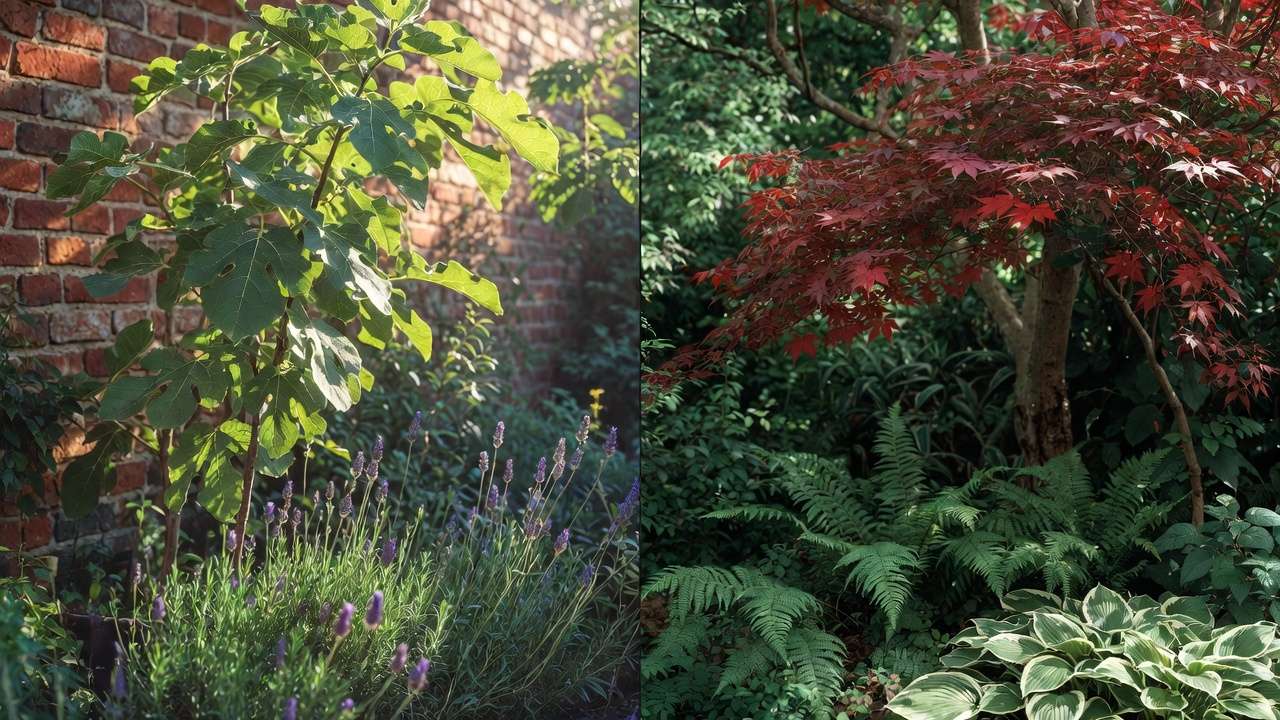
- A “Warm Sunny South Wall” zone might let you successfully grow figs, pomegranates, or hardy citrus varieties even if your USDA zone is borderline.
- A “Cool Moist North Slope” could support spectacular hydrangeas, Japanese maples, or ferns that would scorch elsewhere.
This interpretation step eliminates guesswork and prevents the classic “wrong plant, wrong place” syndrome that frustrates so many gardeners.
Choosing the Right Plants and Trees for Each Microclimate 🌲🍃
Matching plants to microclimates is where theory becomes beautiful reality. Here’s a curated selection guide based on common home-yard zones:
Warm, sunny, sheltered zones 🌞🏡
- Trees: Fig (Ficus carica), hardy citrus (e.g., ‘Improved Meyer’ lemon), olive, serviceberry
- Shrubs: Lavender, rosemary, salvia, cape plumbago
- Perennials: Agastache, gaura, yarrow
- Why they succeed: These love reflected heat and minimal frost exposure.
Cool, shady, moist pockets 🌿❄️
- Trees: Japanese maple (Acer palmatum), dogwood (Cornus), magnolia (certain species), redbud
- Shrubs: Hostas, ferns, rhododendrons/azaleas, camellia
- Groundcovers: Astilbe, bleeding heart, foamflower
- Why they succeed: Protection from hot afternoon sun + consistent moisture.
Hot, dry, exposed areas 🔥🏜️
- Trees: Crape myrtle, desert willow, honey locust, certain pines
- Shrubs: Texas sage, lantana, butterfly bush, Russian sage
- Perennials: Echinacea, black-eyed Susan, sedum, agave
- Why they succeed: Deep roots, waxy leaves, low water needs.
Windy, tough spots 🌬️🛡️
- Trees: Eastern red cedar, arborvitae, live oak, certain junipers
- Shrubs: Rugosa rose, ninebark, potentilla, cotoneaster
- Why they succeed: Flexible branches, small or leathery leaves reduce wind damage.
Special tree care tips 🌳
- Fruit trees: Place in frost-avoiding microclimates (e.g., south slopes or near warm walls) to prevent late-spring bloom loss.
- Young trees: Protect from wind with temporary burlap screens until established.
- Shade trees: Use large deciduous species in hot zones to naturally cool patios/house in summer while allowing winter sun.
Prioritize native and locally adapted plants whenever possible—they’re already tuned to your regional microclimate quirks and require far less intervention.
Advanced Strategies: Creating or Modifying Microclimates 🌟🛠️
You don’t have to accept the microclimates you find—you can engineer better ones!
- Build heat-retaining features — South-facing rock walls, gravel paths, or dark-colored raised beds absorb and radiate warmth.
- Install windbreaks — Layered hedges (tall evergreens + mid-height shrubs + low perennials) or solid fences reduce wind speed by 50–70% on the leeward side.
- Plant strategic companions — Tall trees or vines to cast summer shade over tender understory plants; nurse shrubs to shelter young trees.
- Improve drainage — French drains, raised beds, or swales move excess water away from wet zones.
- Add humidity — Small water features, mulch rings, or grouping plants close together increase local moisture.
- Seasonal tweaks — Use frost blankets, cloches, shade cloth, or burlap wraps to extend protection in marginal spots.
These interventions can shift a zone by the equivalent of half to one USDA hardiness zone—huge for borderline plants!
Common Mistakes to Avoid When Assessing & Using Microclimates 🚫⚠️
Even experienced gardeners slip up. Watch for these:
- Relying only on one season’s data — Conditions change dramatically from spring to winter.
- Ignoring seasonal sun shifts — Deciduous trees that shade in summer expose plants to full sun in winter.
- Over-relying on USDA zones — They’re averages; microclimates create real exceptions.
- Planting without drainage testing — Many failures stem from “wet feet” rather than cold.
- Forgetting future growth — A tiny sapling today becomes a large shade-casting tree in 10 years.
Real-Life Examples & Case Studies 🌍🏡
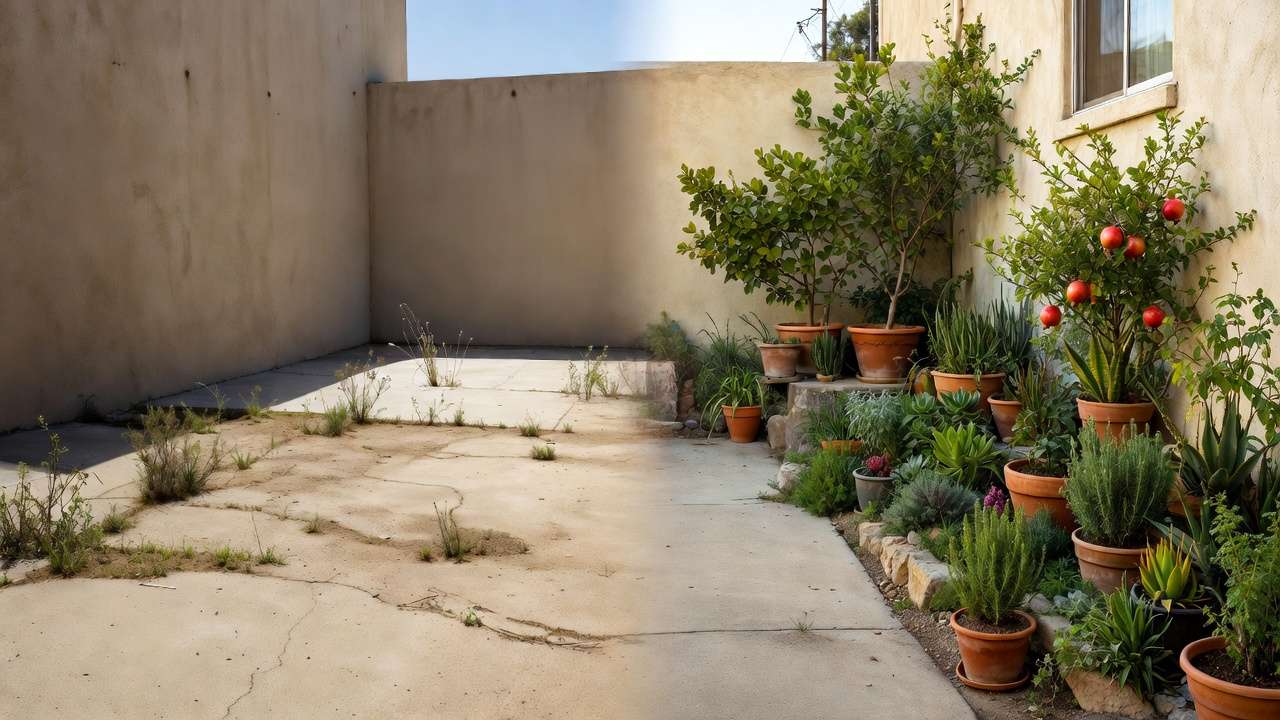
Urban Side-Yard Success — A client in a hot-summer city had a narrow concrete side yard that baked at 110°F+. After mapping, we discovered it was a perfect heat-trap microclimate. We planted heat-loving figs, pomegranates, and drought-tolerant succulents along the wall—now it produces fruit and looks lush with almost no watering.
Suburban Frost-Pocket Rescue — A low backyard dip killed cherry blossoms every spring. We mapped the cold air drainage, then planted ultra-hardy apples and pears higher on the slope. The low spot became a fern garden. Result: Reliable fruit and zero losses.
Small-Balcony Microclimate — Apartment renters used south-facing wall heat + reflective pots to grow dwarf citrus and herbs successfully, despite being in a cooler zone overall.
Expert Insights & Quick Tips from Seasoned Gardeners 👨🌾💡
After guiding hundreds of homeowners (from tiny urban balconies to sprawling rural acreages), here are some battle-tested nuggets I’ve collected—and still use myself:
- Observe for at least one full year 🌍 — Weather quirks (unusually wet springs, freak late frosts) only reveal themselves over time. One season’s data is a snapshot; a year gives the full picture.
- Start small if overwhelmed — Pick just one problem area (e.g., that spot where everything dies) and map it thoroughly before tackling the whole yard. Success breeds motivation!
- Use technology wisely — Free apps like Sun Seeker (tracks sun path by date/time/location), Weather Underground personal stations, or even your phone’s compass + level for slope/aspect make mapping faster and more accurate.
- DIY frost blanket hack — Old sheer curtains or floating row covers ($10–20 at garden centers) can add 4–8°F of protection in marginal microclimates—enough to save early blooms.
- Mulch is your microclimate ally — Light-colored mulch reflects heat (cools soil); dark mulch absorbs it (warms soil). Use accordingly!
- Check soil temperature, not just air — Many perennials and trees fail because soil stays too cold/wet. A $10 soil thermometer reveals the truth.
- Document failures too — Note what died where and why. Over time, your personal “failure map” becomes your most valuable planting guide.
These small habits separate casual gardeners from those whose yards look magazine-worthy year after year.
Frequently Asked Questions (FAQs) ❓🌿
How long does it really take to assess microclimates properly? A thorough first assessment takes 4–12 months of periodic observation (weekly checks in key seasons). But you can start planting smarter within a single weekend of basic sun/shade and drainage mapping. Refine as you go—it’s an ongoing process.
Can microclimates change over time? Absolutely! New house additions, mature trees casting more shade, removed fences, changing drainage from landscaping, even climate shifts—all alter microclimates. Reassess every 3–5 years or after major yard changes.
What if I rent, have a small balcony, or tiny courtyard? Microclimates exist everywhere! Balconies often have hot/windy south exposures or sheltered/shaded corners. Use large pots to create mini heat sinks (dark ceramic absorbs warmth), group plants for humidity pockets, and hang sheer fabric for wind protection. The same principles apply—just on a smaller scale.
Do microclimates affect indoor plants near windows? Yes! South-facing windows create warm, bright microclimates perfect for succulents/citrus; north-facing stay cool and low-light—ideal for ferns/peace lilies. Drafty spots near doors mimic windy outdoor zones. Observe temperature swings near glass and adjust placement accordingly.
Is assessing microclimates worth it for low-maintenance native gardening? Especially so! Natives are already adapted to your region’s broad climate, but matching them to specific yard microclimates (e.g., dry prairie natives on sunny slopes vs. woodland natives in shade) dramatically reduces watering, weeding, and replacement needs.
What’s the biggest mistake beginners make? Planting based only on the pretty picture on the tag without checking actual light, wind, and drainage in their specific yard spots.
Conclusion: Unlock Your Yard’s Full Potential Today! 🚀🌱
Assessing your home’s microclimates isn’t just another gardening task—it’s the foundation of intelligent, joyful, and sustainable plant and tree care. When you stop fighting your yard’s natural variations and start working with them, everything changes: fewer dead plants, healthier trees with stronger structure and longer lifespans, bigger harvests, more pollinators, lower water bills, and that deep satisfaction of seeing your landscape truly thrive.
You don’t need fancy equipment or a botany degree. Grab a notebook (or your phone), step outside this weekend, and begin observing. Start with one corner, one bed, one tree. Map the sun, feel the wind, note the frost line. Each discovery is a step toward a garden that feels custom-designed for success.
Your yard already has secret superpowers hidden in plain sight. Now you know how to find—and use—them.
What’s the most surprising microclimate you’ve noticed in your own yard? Drop it in the comments below—I read every one and love swapping stories with fellow plant lovers! Let’s grow better together. 💬🌳











