
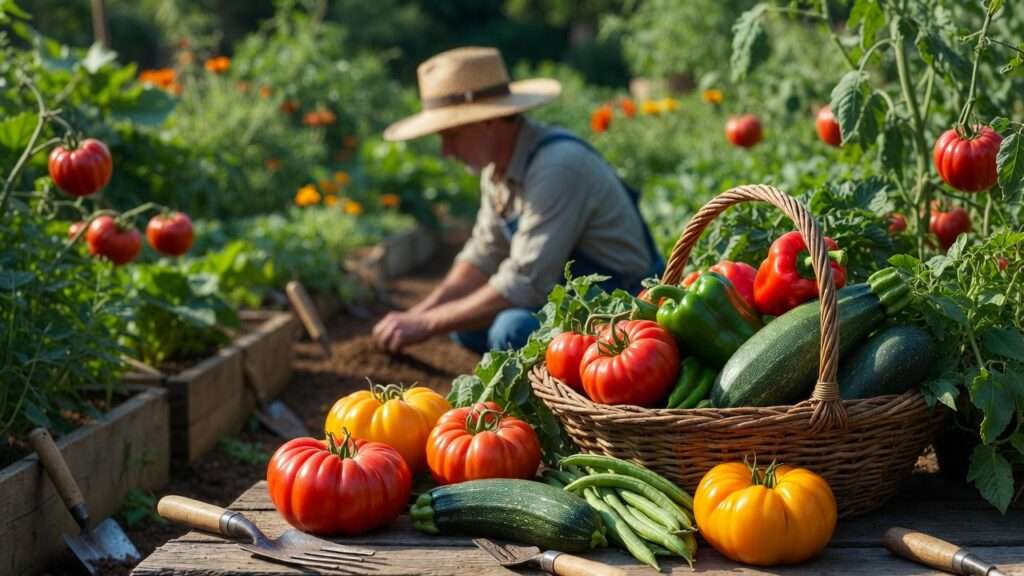
August hits like a garden explosion—your tomatoes are ripening faster than you can say “caprese,” zucchini are multiplying overnight, and beans are begging to be picked before they turn tough. 😅 If you’re like most home gardeners, this peak summer bounty feels thrilling… until the overwhelm sets in. What do you harvest first? How do you keep it from going to waste? And most importantly, how do you turn this chaotic abundance into a plan that keeps your garden producing well into fall and beyond?
August garden harvest planning is the secret weapon that separates good gardeners from great ones. It’s not just about grabbing what’s ready today—it’s a strategic pivot: timing your picks for peak flavor and yield, preserving the surplus so nothing goes to waste, and planting succession crops right now so your beds stay productive when summer fades. Done right, you’ll enjoy fresher, homegrown food longer, reduce kitchen waste, save money, and give your plants (and fruit trees) the care they need to thrive through the transition season.
As a lifelong gardener who’s managed plots from zone 5 to zone 9, I’ve learned that August isn’t the end of the growing season—it’s the launchpad for your best harvests yet. In this in-depth guide, we’ll cover everything from spotting perfect ripeness 🍅 to zone-specific fall planting blueprints, with proven preservation methods and troubleshooting tips drawn from real-world experience and extension service best practices.
Why August Is the Pivotal Month for Garden Success 🗓️
By mid-to-late summer, daylight shortens slightly, nights cool (even if days stay hot), and heat-loving crops hit their stride. This creates a narrow but powerful window: harvest what’s peaking now, preserve the overflow, and sow or transplant cool-season crops that love the coming milder weather.
Many gardeners treat August reactively—picking only when produce piles up—but proactive August garden harvest planning maximizes yield by 20-50% through frequent harvesting (which stimulates more production) and prevents gaps in your supply chain. Your first frost date matters hugely here—check yours via local extension resources or tools like the Old Farmer’s Almanac.
Quick USDA zone impact overview:
- Zones 3-5 (Northern): Focus on harvesting summer crops quickly; plant fast-maturing fall veggies ASAP.
- Zones 6-7: Prime succession time—plenty of window for brassicas and roots.
- Zones 8-10 (Southern): Heat lingers, so prioritize heat-tolerant fall starts and shade strategies.
No matter your zone, acting in August means non-stop fresh produce from garden to table.
Mastering Peak Harvest Timing – When & How to Pick for Best Flavor & Yield 🍓🥒
Harvesting at the right moment isn’t just about looks—it’s about flavor, texture, and encouraging plants to keep producing. Pick too early, and you miss sweetness; too late, and quality drops while plants slow down.
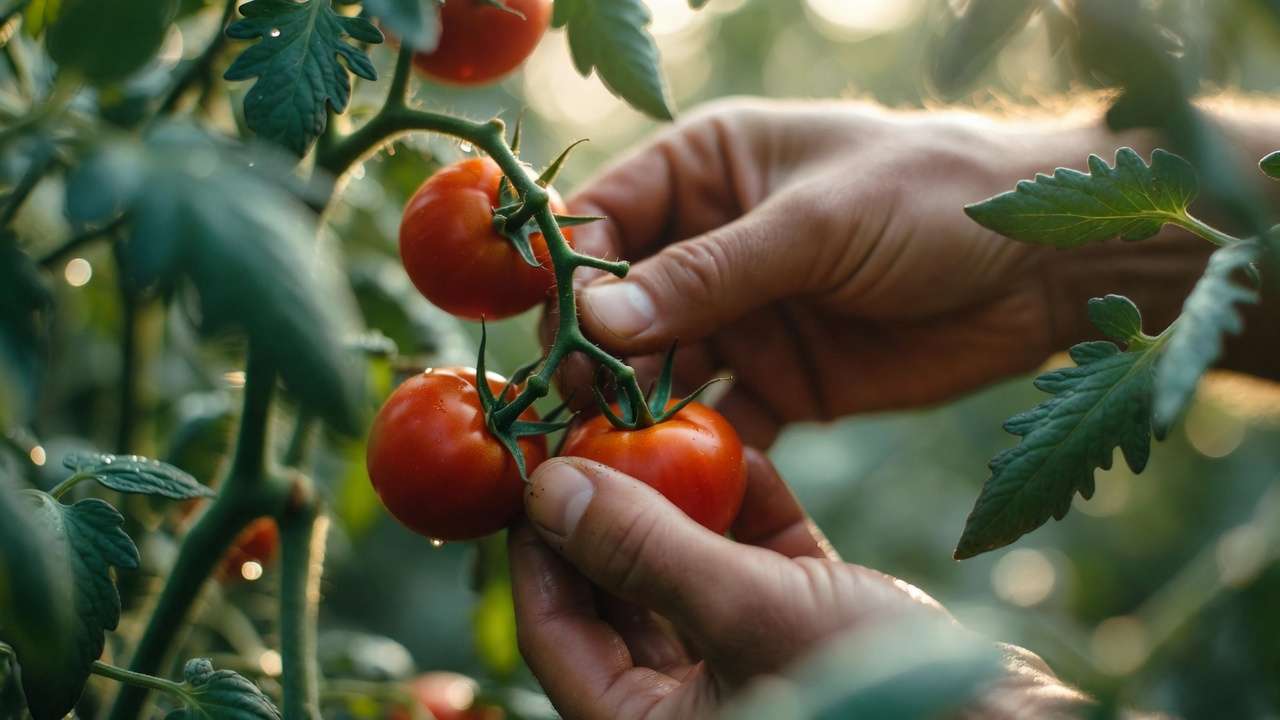
Signs Your Crops Are at Peak Perfection
- Tomatoes 🍅: Full, deep color (red, yellow, etc., per variety), glossy skin, slight give when gently squeezed. They should slip easily from the vine. For best flavor, harvest when fully colored but still firm—hot weather can cause quick softening, so pick morning and ripen indoors if needed.
- Zucchini & Summer Squash 🥒: Harvest at 6-8 inches long (or smaller for baby size). Larger ones get seedy and bitter fast. Check daily!
- Beans (bush/pole): Pick when pods are firm, crisp, and seeds inside are small. Every 1-2 days prevents toughness and boosts yield.
- Peppers 🌶️: Green bells at 3-4 inches for crunch; let color fully develop for sweeter reds/yellows. Hot peppers peak when fully ripe for maximum heat.
- Fruits/Berries (including tree care tie-in): Berries when fully colored and easily detach; early apples/plums when they lift with a gentle twist.
Daily vs. Every-Other-Day Harvest Rules Frequent picking (every 1-2 days) tricks indeterminate tomatoes, beans, and squash into producing more—I’ve seen yields jump dramatically with this habit. Morning harvests in cool air preserve crispness and flavor.
Tools & Techniques for Gentle, Efficient Picking ✂️ Use sharp pruners or scissors to avoid tearing stems (which invites disease). Support heavy fruits with one hand while cutting. For trees, use pole pickers to reach high branches without damage.
Expert Tip 🌟: Regular harvesting can increase production by 20-50%. In my own garden, consistent bean picking turned one row into a non-stop supply all August!
(Placeholder note: Image of perfectly ripe tomatoes on the vine being harvested gently in morning light)
What’s Ready to Harvest in August – Your Zone-by-Zone Peak Crops List 📋
August is prime time for heat-lovers still pumping out fruit.
Top Vegetables & Fruits to Harvest Now
- Heat-lovers: Tomatoes, peppers (sweet & hot), eggplant, okra, sweet corn (when silks brown and kernels exude milky juice when punctured).
- Prolific producers: Zucchini, cucumbers, bush/pole beans—pick relentlessly!
- Transition crops: Onions/garlic (cure in shade when tops yellow), early sweet corn.
Regional Variations (Zones 3-10 Quick Reference)
- Zones 3-5: Heavy focus on zucchini, beans, cucumbers, tomatoes—harvest before early frosts threaten.
- Zones 6-7: All above plus peppers, eggplant; start watching for fall prep.
- Zones 8-10: Okra, southern peas, plus holdouts like late tomatoes—southern gardeners often harvest into September/October.
Handy checklist: Print this and tick off as you go!
- Tomatoes 🍅: Daily checks
- Zucchini 🥒: Every 1-2 days
- Beans: Every other day
- Peppers 🌶️: As they size up
- Cucumbers: Before they yellow
This targeted approach ensures nothing overripens on the vine.
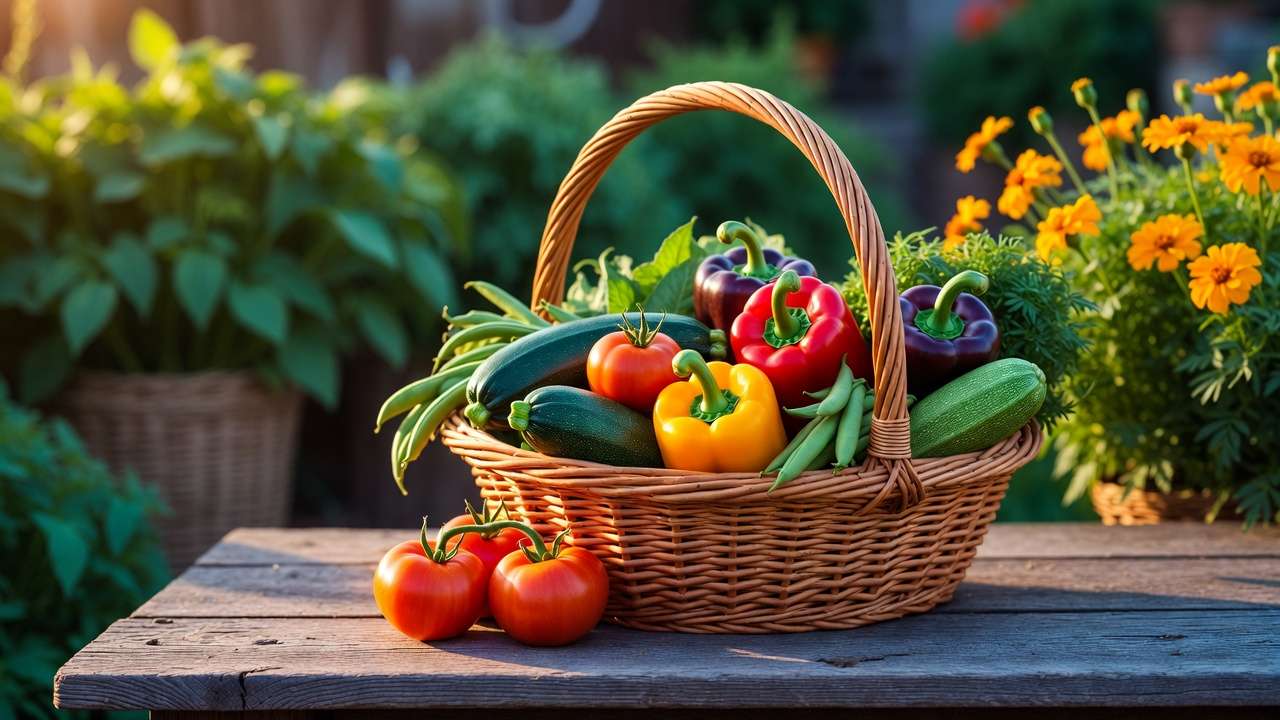
(Placeholder: Colorful August harvest basket overflowing with tomatoes, zucchini, beans, peppers)
Preservation Powerhouse – Turn Surplus into Year-Round Goodness 🫙🔥
One of the biggest mistakes gardeners make in August is letting beautiful produce rot because there’s simply too much to eat fresh. Smart preservation transforms that “problem” into months of homegrown flavor—and saves serious money on grocery bills. Here are the most reliable, beginner-friendly methods tailored to peak August crops.
Best Ways to Preserve Your August Bounty
-
Freezing (easiest and most versatile) Freezing locks in summer taste with minimal effort. Key rule: blanch most vegetables first to stop enzyme activity that causes off-flavors and texture loss.
Quick blanching chart for common August crops:
- Green beans: 3 minutes
- Broccoli: 3 minutes
- Corn on the cob: 4–7 minutes (depending on size)
- Zucchini (sliced or shredded for baking): 1–2 minutes
- Peppers (whole or sliced): No blanching needed—just wash, dry, and freeze flat
- Tomatoes (for sauce or stewing): No blanching—core, freeze whole, then slip skins off when thawed
Pro tip: Portion into family-sized bags (1–2 cups), label with date, and lay flat to freeze quickly. Vacuum-seal if possible to prevent freezer burn.
-
Canning (great for shelf-stable storage) Use a water-bath canner for high-acid foods (tomatoes, pickles, jams) or a pressure canner for low-acid veggies (beans, corn, beets). Safety first—always follow current USDA guidelines or Ball Blue Book recipes.
Popular August projects:
- Tomato sauce or crushed tomatoes 🍅
- Dill pickles or bread-and-butter pickles 🥒
- Peach or berry jam (if you grow fruit trees)
-
Drying / Dehydrating Perfect for herbs, cherry tomatoes, hot peppers, and fruit slices. Use a dehydrator (135–145°F) or oven on lowest setting with door cracked.
Favorites: Sun-dried tomato halves (great for winter pasta), dried oregano/basil bundles, apple or plum chips from tree fruit.
-
Fermenting & Quick Pickling Low-effort, probiotic-rich options.
- Refrigerator pickles: Slice cucumbers or green beans, pack in jars with vinegar brine, garlic, dill—ready in 48 hours and last 2–3 months in the fridge.
- Small-batch sauerkraut or kimchi from cabbage starts.
Step-by-Step Example: Easy Refrigerator Dill Pickles
- Wash and slice 1–2 lbs cucumbers into spears.
- Pack tightly into clean quart jars with fresh dill sprigs, garlic cloves, mustard seeds.
- Heat 2 cups water + 1 cup vinegar + 2 Tbsp salt + 1 Tbsp sugar until dissolved.
- Pour hot brine over cucumbers, leaving ½-inch headspace.
- Cool, seal, refrigerate. Ready in 2 days—crisp and tangy for months!
Storage Hacks for Fresh Eating Longer
- Cure onions/garlic in a dry, shaded, well-ventilated spot for 2–3 weeks until necks are tight and papery.
- Store potatoes, winter squash, and pumpkins in a cool (50–60°F), dark place.
- Keep tomatoes at room temperature (never refrigerate—they lose flavor).
Pro Insight 🌟: In my experience, dedicating just one weekend in August to batch preserving can easily yield 30–50 quarts/jars/freezer bags of summer goodness—enough to cut winter veggie purchases by half or more.
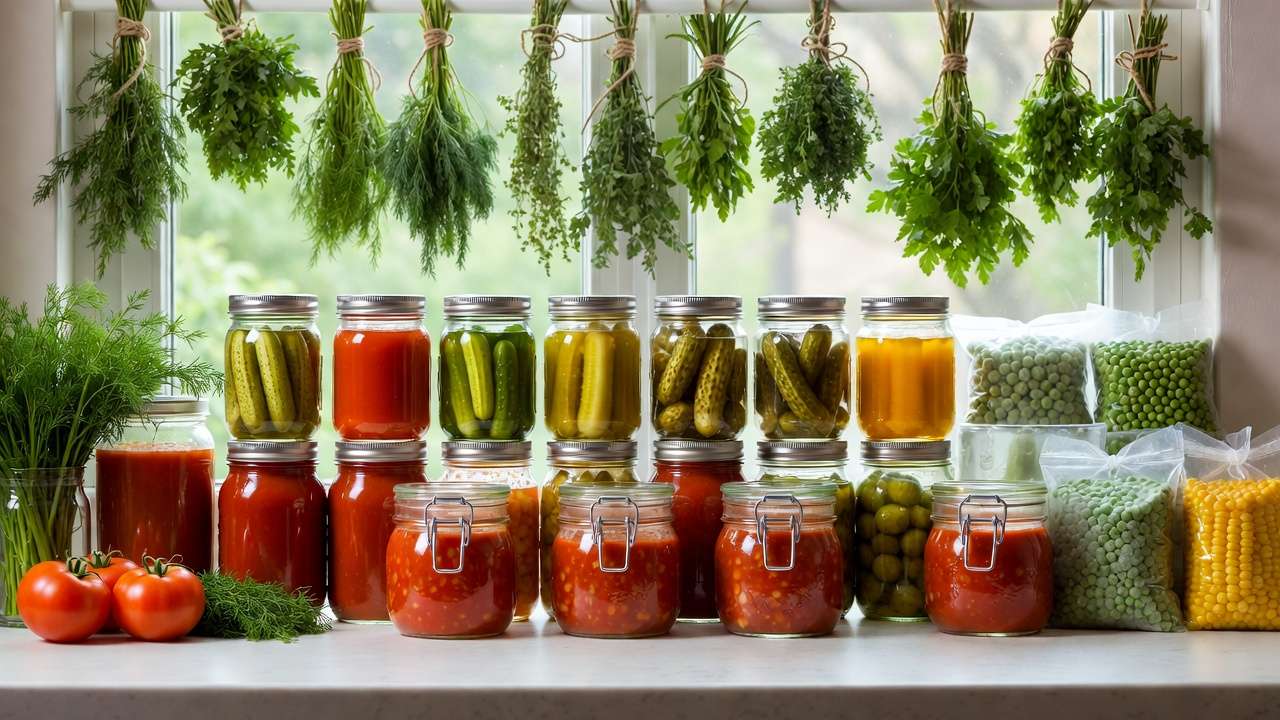
(Placeholder: Image of neatly labeled mason jars filled with colorful canned tomatoes, pickles, and frozen veggie bags ready for the freezer)
Succession & Fall Crop Strategies – Plant Now for Non-Stop Harvests 🌱🍂
The real magic of August garden harvest planning happens when you look forward. Many beds will empty soon—don’t let them sit bare! Succession planting and timely fall starts keep the harvest rolling through autumn (and sometimes winter with row covers).
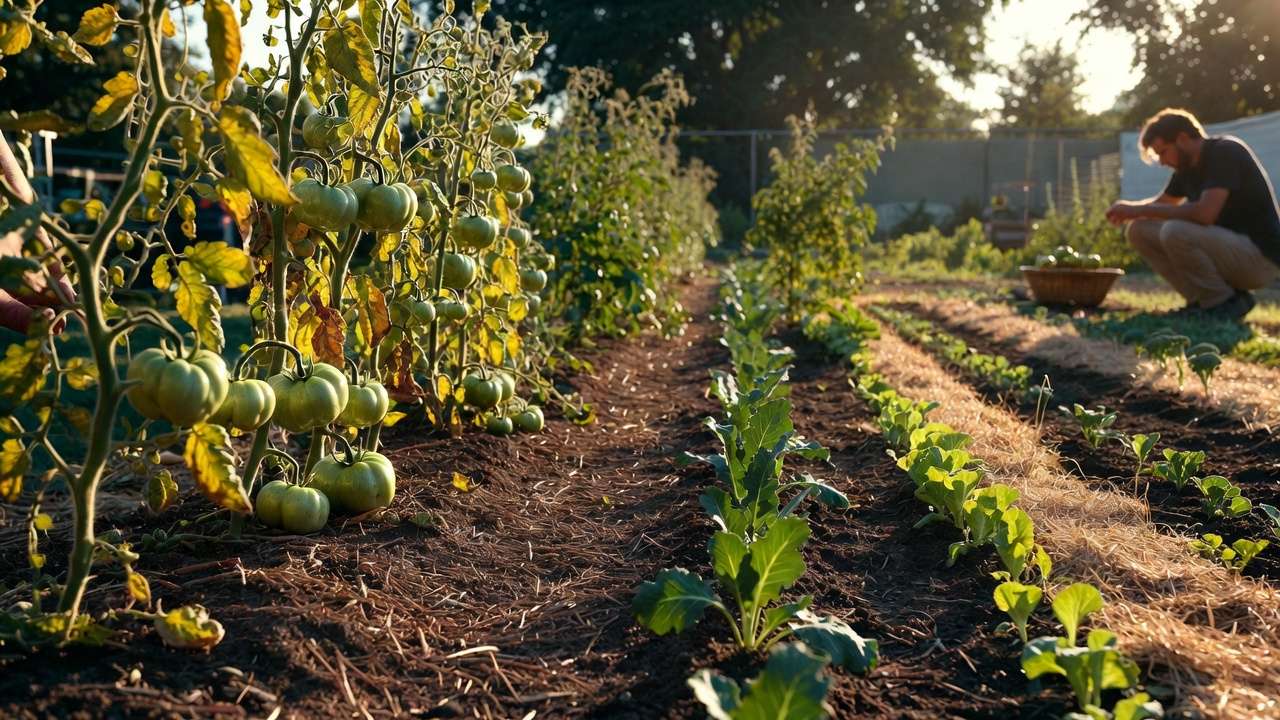
Planning Your Fall & Winter Garden in August
- Check your average first frost date (important!).
- Look at “days to maturity” on seed packets.
- Subtract ~2 weeks (plants grow slower as days shorten) to find safe planting windows.
Top 15+ Crops to Sow/Transplant in August
- Fast & reliable direct-sow greens: Arugula (20–40 days), spinach (35–50 days), lettuce mixes (30–60 days), mustard greens, mizuna, tatsoi
- Roots that love cooling weather: Beets (50–60 days), carrots (60–80 days), radishes (20–30 days), turnips (40–55 days)
- Transplants to set out now: Broccoli, cauliflower, cabbage, Brussels sprouts, kale, collards (start seeds indoors now or buy starts)
- Others: Peas (cool-weather lovers—sow mid-to-late August in many zones), cilantro, green onions, Asian greens (bok choy, pak choi)
Zone-Specific Timing & Tips
- Zones 3–5: Sow fast crops (radishes, lettuce, arugula) immediately; use row covers or low tunnels later.
- Zones 6–7: Excellent window—direct sow most roots and greens; transplant brassicas mid-August.
- Zones 8–10: Heat may linger—use shade cloth for young seedlings, mulch heavily, water consistently. Sow heat-tolerant greens (mustard, Asian types) first, then cooler crops in September.
Soil Prep, Watering, & Heat Mitigation Tricks
- Refresh beds: Remove spent plants, add compost, lightly till or fork.
- Mulch 2–3 inches with straw or shredded leaves to retain moisture and cool soil.
- Install shade cloth (30–50% shade) over new seedlings during hot afternoons.
- Water deeply but less frequently—aim for consistent moisture without waterlogging.
With this plan, many gardeners enjoy fresh salads into November and even early greens under protection through winter.
(Placeholder: Image showing a garden bed mid-transition—half harvested summer crops, half newly planted rows of kale, lettuce, and carrots with mulch and shade cloth visible)
Troubleshooting August Challenges to Protect Your Harvest 🛡️
Late summer brings its own set of hurdles—scorching heat, sudden pest surges, and disease pressure can derail even the best-laid August garden harvest planning. Here’s how to spot and fix the most common issues quickly and organically.
Common August Garden Problems & Fixes
- Heat stress & premature bolting Symptoms: Leafy greens (lettuce, spinach, arugula) send up flower stalks and turn bitter. Fixes: Harvest early, provide afternoon shade cloth (30–50%), mulch heavily to keep roots cool, and water deeply in the morning. Plant bolt-resistant varieties for fall (e.g., ‘Summer Crisp’ lettuce).
- Pests: Squash bugs, tomato hornworms, aphids
- Squash bugs: Hand-pick adults and crush egg clusters (bronze, shiny) on leaf undersides.
- Tomato hornworms: Look for large green caterpillars with white stripes; hand-remove (they’re surprisingly easy to spot once you see the black droppings).
- Aphids: Blast with strong water spray or use insecticidal soap/neem oil in evening. Encourage beneficials: Ladybugs, lacewings, and predatory wasps love August gardens—plant dill, fennel, or alyssum nearby.
- Diseases: Early blight, powdery mildew Early blight (tomatoes/peppers): Dark concentric rings on lower leaves. Powdery mildew: White powdery coating on squash, cucumbers, beans. Fixes: Improve airflow (prune lower leaves, space plants), avoid overhead watering, remove affected foliage (don’t compost), apply neem oil or baking soda spray (1 Tbsp baking soda + 1 tsp dish soap per gallon water) preventatively.
- Watering wisely during dry spells August heat evaporates soil moisture fast. Deep, infrequent watering (1–1.5 inches per week) encourages strong roots. Use soaker hoses or drip irrigation to keep foliage dry and reduce disease.
Organic & Natural Remedies Roundup
- Neem oil: Broad-spectrum, safe when used in evening.
- Companion planting: Marigolds, nasturtiums, basil deter many pests.
- Hand-picking + BT (Bacillus thuringiensis): Gold standard for caterpillars.
Quick action in August prevents small issues from wiping out your fall crops.
(Placeholder: Image of a gardener using neem oil spray on tomato plants showing early blight spots, with healthy new growth emerging)
Bonus Expert Insights & Pro Tips from Years in the Garden 🌟
After tending gardens through every kind of August weather, here are my favorite hard-won lessons:
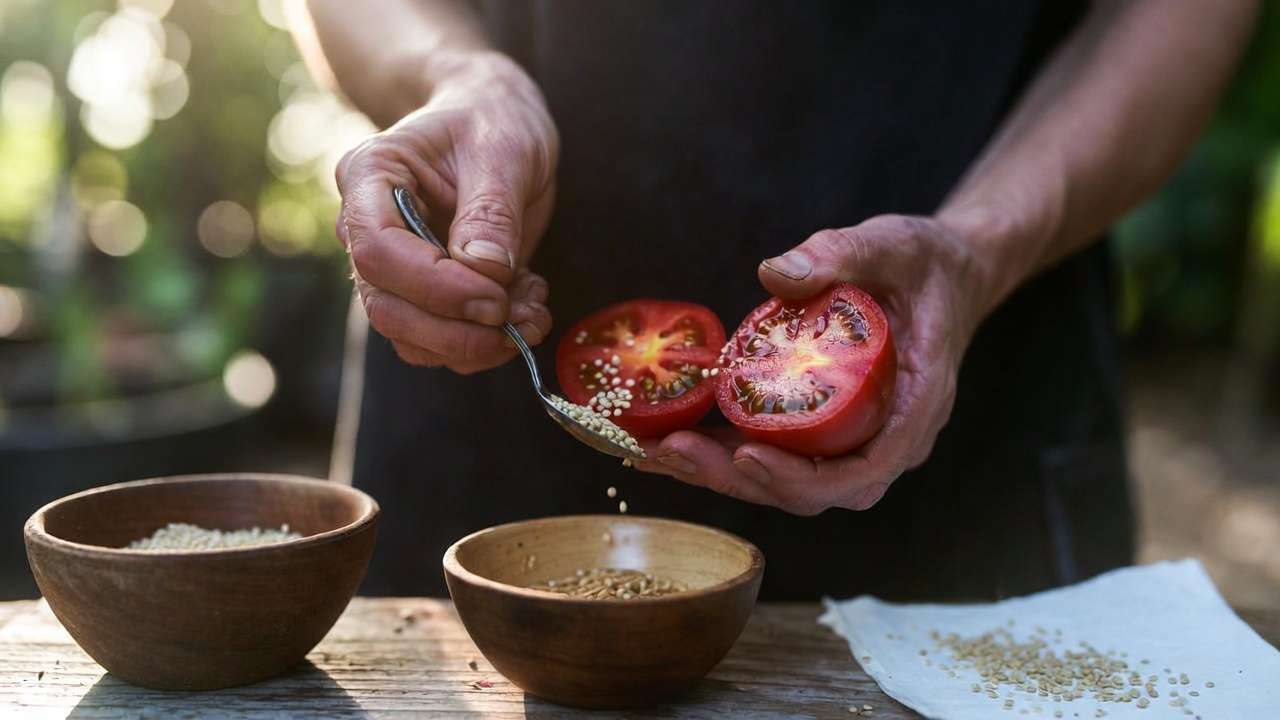
- Seed saving jackpot: August is prime time to save seeds from your best performers—open-pollinated tomatoes, peppers, beans, and herbs. Choose the healthiest, tastiest fruits, ferment tomato seeds briefly, dry thoroughly, and store in cool, dark conditions. You’ll have free, adapted seed for next year.
- One-trick fall kale booster: In zone 6/7, I direct-sow kale mid-August, then cover young plants with floating row cover when nights dip below 50°F. Result? Tender kale harvests straight through December.
- Fruit tree tie-in: If you grow plums, apples, or peaches, August is when late-season varieties ripen. Thin heavy clusters now (if not already) to improve size and quality of remaining fruit. Also, start noting which branches produced best—this informs winter pruning.
- Tool upgrade for August chaos: Invest in a good harvest apron or belt with pockets—saves trips back to the house when you’re picking beans and tomatoes simultaneously.
These small habits compound into dramatically bigger, longer harvests.
Conclusion: Your August Action Plan – Turn Planning into Abundance ✅
Here’s your streamlined checklist to conquer August garden harvest planning this week:
- Harvest daily or every other day—focus on peak-ripeness picks 🍅🥒
- Batch-preserve one major crop (e.g., freeze beans, can tomatoes, pickle cucumbers) 🫙
- Clear spent beds, amend with compost, mulch, and sow/transplant fall crops immediately 🌱
- Scout for pests/disease and treat early 🛡️
- Celebrate the bounty—share extras with neighbors or food banks!
August isn’t the finish line; it’s the powerful transition that sets up your most rewarding fall and winter ever. When you combine perfect timing, smart preservation, and forward-thinking planting, you create a garden that keeps giving month after month.
What’s one crop you’re harvesting like crazy right now? Drop it in the comments—I’d love to hear your August wins and swap tips! Happy gardening! 🌿✨
FAQs ❓
What vegetables should I harvest in August? Tomatoes, zucchini, cucumbers, beans, peppers, eggplant, okra, sweet corn, and early onions/garlic are usually at peak. Check daily for best quality.
Can I still plant anything in August for fall? Absolutely! Fast greens (lettuce, arugula, spinach), roots (radishes, beets, carrots), and brassica transplants (broccoli, kale, cabbage) thrive when started now in most zones.
How do I preserve tomatoes without a pressure canner? Freeze whole (core first), make and freeze sauce, dehydrate into chips, or water-bath can as crushed tomatoes or sauce using added lemon juice or citric acid for safety.
What’s the best way to succession plant in hot weather? Sow in late afternoon/evening, provide shade cloth until established, mulch heavily, and keep soil consistently moist (not soggy). Start seeds indoors for transplants if direct sowing fails.
How often should I harvest beans and zucchini in August? Every 1–2 days. Frequent picking stimulates more flowers and prevents over-maturity, which can halt production.
Will fall crops planted in August really produce before frost? Yes—in zones 5–10, most greens, roots, and brassicas have 40–70 day maturity windows that fit perfectly before first frost when planted mid-to-late August.
What if my area is still very hot in late August? Use shade cloth, plant heat-tolerant varieties (Asian greens, mustard), water consistently, and consider a second wave of sowing in early September.











