
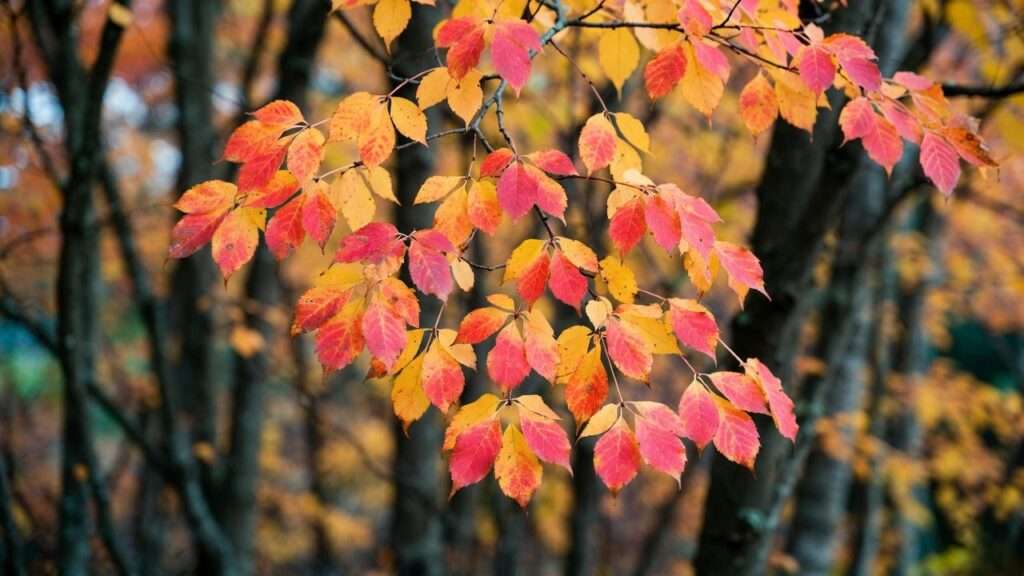
Imagine stepping outside on a crisp fall morning, the air filled with the earthy scent of decaying leaves, and looking up to see a canopy ablaze in fiery reds, glowing oranges, and brilliant yellows. It’s one of nature’s most spectacular shows—a breathtaking transformation that turns ordinary trees into living works of art. But have you ever wondered why autumn leaves on a tree change color like this? And more importantly, how can you ensure your own trees put on the most vibrant display possible?
As a certified arborist with over 15 years of experience caring for deciduous trees across various climates, I’ve witnessed countless fall seasons and helped hundreds of homeowners enhance their trees’ natural beauty. Understanding the science behind autumn leaves on a tree changing color isn’t just fascinating—it’s key to promoting healthier trees and more stunning foliage year after year. In this comprehensive guide, we’ll dive deep into the biology, debunk common myths, explore influencing factors, and share proven expert tips to maximize your fall colors. Whether you’re a gardening enthusiast or simply love the seasonal spectacle, this article will equip you with actionable knowledge to appreciate and improve nature’s annual masterpiece.
:max_bytes(150000):strip_icc()/autumn-blaze-maple-trees-2132093-hero-fa089ca1b33645028d65d2876d1dae2e.jpg)
The Science Behind Autumn Leaves on a Tree Changing Color 🧪
The magical shift from summer green to autumn vibrancy is a carefully orchestrated biological process driven by pigments, daylight, and temperature. Let’s break it down step by step.
What Happens Inside the Leaf Year-Round
Leaves appear green throughout spring and summer primarily due to chlorophyll, the pigment responsible for photosynthesis—the process where trees convert sunlight, water, and carbon dioxide into energy. Chlorophyll dominates, masking other pigments like carotenoids (which produce yellows and oranges, as seen in carrots and corn) and potential anthocyanins (reds and purples, common in berries and grapes).
These accessory pigments are always present but hidden during the growing season. Carotenoids help capture additional light energy, while anthocyanins can protect against excess sunlight in some species.
The Trigger: Shorter Days and Cooler Nights 🌅❄️
The primary signal for color change is photoperiodism—the decreasing length of daylight as autumn approaches. Shorter days trigger hormonal changes in the tree, slowing chlorophyll production. Cooler nights (ideally 32–45°F) further accelerate chlorophyll breakdown without freezing the leaves.
This combination is crucial: As chlorophyll degrades, the green fades, unmasking carotenoids for yellow/orange hues. Simultaneously, trapped sugars in the leaves (from ongoing photosynthesis on sunny days) react to form anthocyanins, producing vivid reds and purples.

Step-by-Step Color Transformation Process
- Early Fall: Chlorophyll breakdown begins, revealing carotenoids. Leaves shift from green to yellow/orange.
- Mid-Fall: On bright, sunny days with cool nights, excess sugars build up, synthesizing anthocyanins for red/purple tones.
- Peak Color: A mix of remaining chlorophyll, carotenoids, and new anthocyanins creates multi-colored displays—often on the same tree!
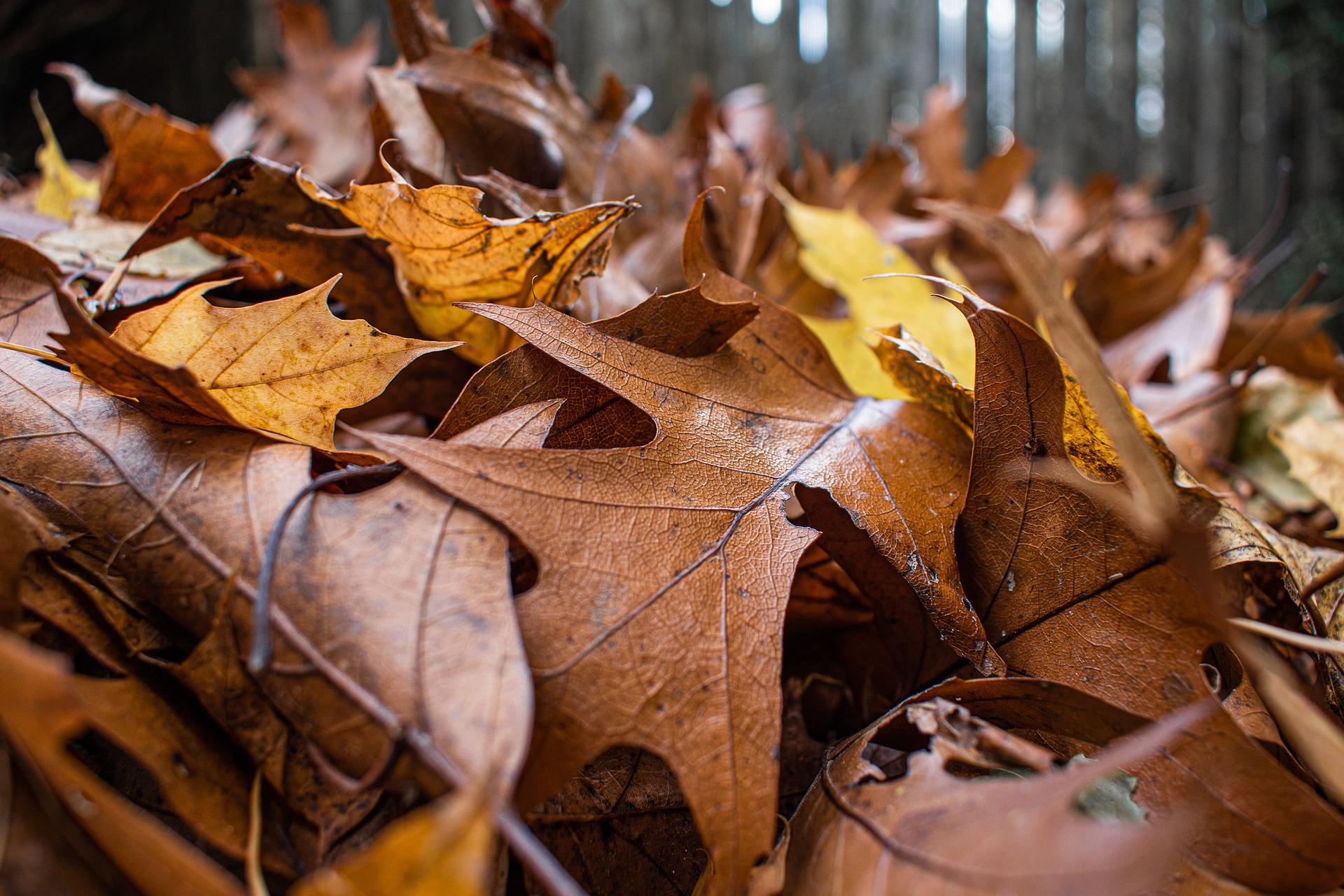
- Late Fall: All chlorophyll gone; anthocyanins and carotenoids fade under frost or wind, leaving tannins for brown hues.
The timeline varies: Colors start in early September at higher elevations and progress southward, peaking over 7–10 days per location.
Why Some Trees Turn Brilliant and Others Don’t
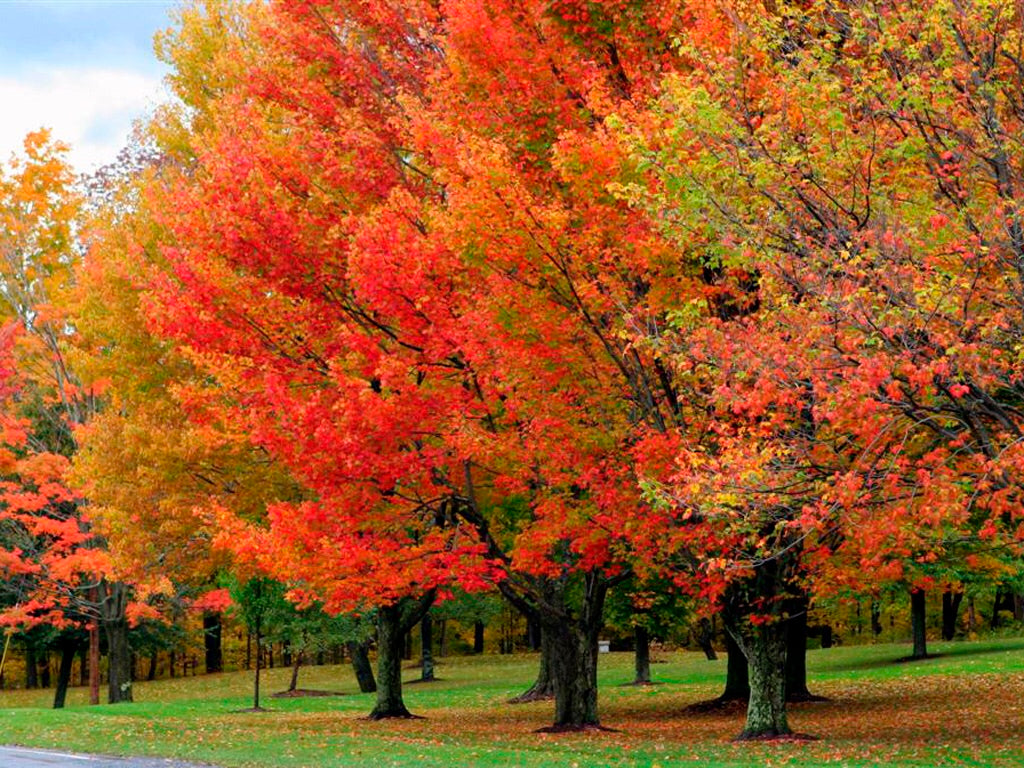
Genetics play a huge role—species like sugar maples (Acer saccharum) reliably produce intense reds/oranges, while aspens (Populus tremuloides) go golden yellow. Environmental stress (drought, poor soil) can dull colors or cause early drop, while ideal conditions amplify vibrancy.
Common Myths About Fall Leaf Color – Busted! 🚫
Misinformation abounds about autumn foliage. Let’s set the record straight with science-backed facts.
- Myth 1: Frost causes the brightest colors False! Frost often ends the show by damaging leaves, leading to brown edges or premature drop. Optimal reds come from cool (not freezing) nights and sunny days. Sources like the U.S. Forest Service confirm bright sunlight and moderate coolness drive anthocyanin production.
- Myth 2: All trees change color the same way No—evergreens retain needles, while deciduous species vary. Oaks often turn brown (tannins dominant), maples blaze red (anthocyanins), and birches go yellow (carotenoids).
- Myth 3: Early leaf drop means the tree is dying Not necessarily. Drought stress or pests can cause premature drop, but healthy trees drop leaves naturally after color peak to conserve energy for winter.
Real-world example: In dry years, I’ve seen maples drop green leaves early due to stress, missing their color potential entirely.
Factors That Influence Vibrant Autumn Leaves on a Tree 🍂✨
Vibrant fall displays depend on multiple interconnected factors. Understanding them helps you optimize your trees’ performance.
Soil Health and Nutrition
Nutrient balance is critical. Nitrogen promotes green growth but excess delays color change. Deficiencies in iron or magnesium can cause chlorosis (yellowing) year-round, muting fall hues.
- Key Tip: Test soil pH (ideally 6.0–7.0 for most deciduous trees). Amend with organic matter to improve nutrient uptake.
| Nutrient Deficiency | Symptoms | Impact on Fall Color |
|---|---|---|
| Nitrogen (low) | Pale leaves | Earlier, brighter yellows |
| Iron | Yellow veins | Dull overall display |
| Phosphorus | Purple tinges early | Enhanced reds if balanced |
Watering Practices Through the Seasons
Consistent moisture is essential—summer drought stresses trees, leading to subdued colors or early drop. Deep, infrequent watering builds resilient roots.
- Fall tip: Water deeply into early autumn if dry, but avoid soggy soil to prevent root rot.
Sunlight Exposure and Tree Placement
Full sun intensifies anthocyanin production for bolder reds. Shaded leaves often stay greener longer or turn dull yellow.
- Prune lower branches for better light penetration to the canopy.
Weather Patterns and Climate Impact
Ideal: Sunny days, cool nights, moderate rain. Excessive rain leaches pigments; warm nights hinder anthocyanin buildup.
Climate change is shifting timings—warmer falls delay or dull colors in some regions, per USDA and university extension reports.
Expert Tips for Healthier, More Colorful Fall Foliage 🌟
As an arborist, I’ve helped countless clients transform lackluster trees into autumn showstoppers. The secret? Consistent, proactive care that supports the natural processes we discussed earlier. Here are my proven strategies to boost vibrant autumn leaves on a tree.

Year-Round Tree Care Routine
Healthy trees start with foundational care:
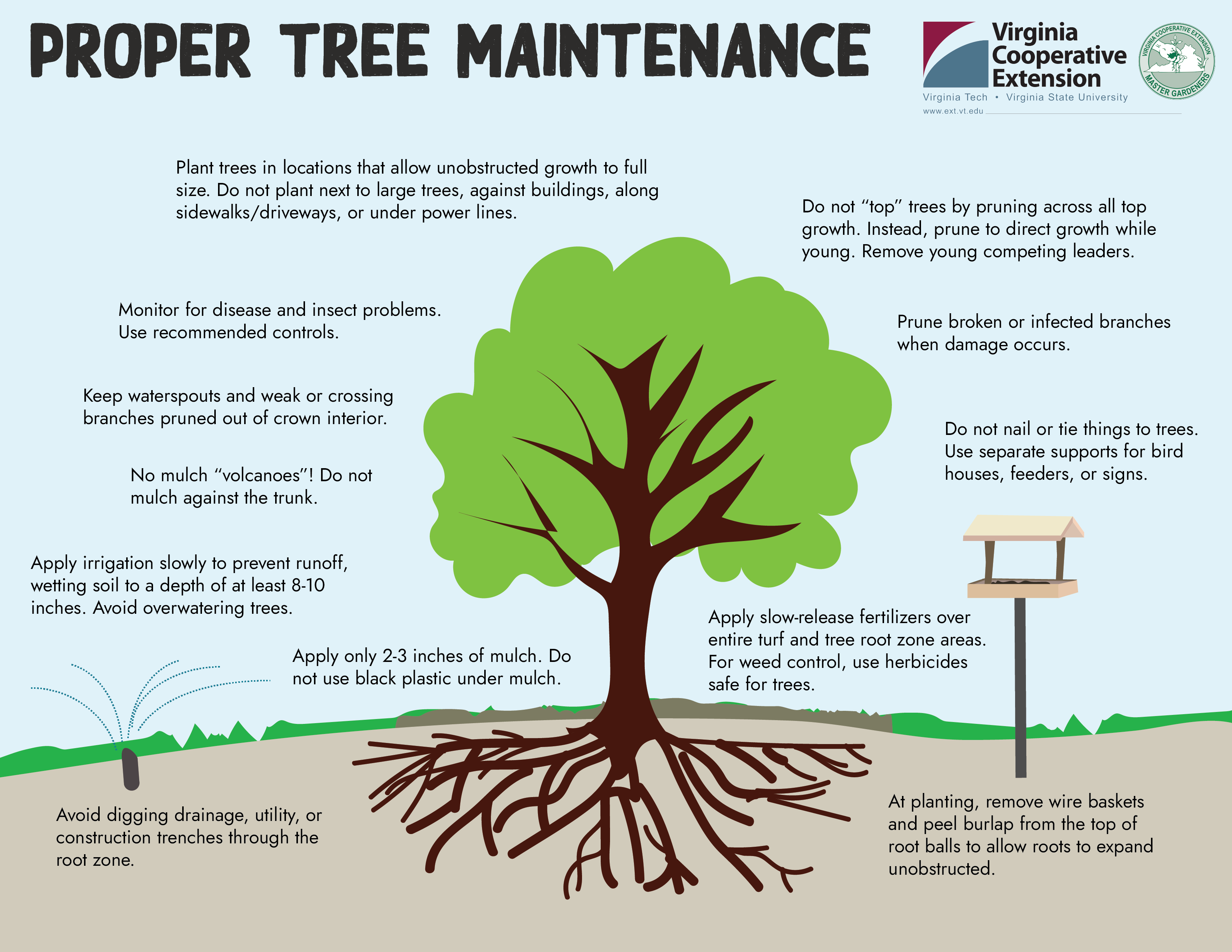
- Spring Fertilization: Use a slow-release, balanced fertilizer (e.g., 10-10-10) in early spring to promote strong growth without excess nitrogen that could delay fall color. Avoid high-nitrogen feeds after midsummer.
- Summer Monitoring: Regularly inspect for pests (like aphids or scale) and diseases (anthracnose, powdery mildew). Early intervention with organic or targeted treatments prevents stress that dulls foliage.
- Mulching: Apply 2–4 inches of organic mulch (wood chips or shredded leaves) around the base, keeping it away from the trunk to prevent rot. This retains moisture, moderates soil temperature, and adds nutrients as it decomposes.
Late Summer and Early Fall Preparations
Timing is everything for peak color:
- Strategic Watering: If rainfall is low, provide deep watering (1–2 inches weekly) through late summer. Stressed trees from drought produce muted colors.
- Avoid Late Nitrogen: Skip fertilizing after July to encourage hardening off and pigment development.
- Light Pruning: Remove dead or crossing branches in late summer for better air circulation and light exposure—never remove more than 20% of the canopy at once.
Choosing the Right Trees for Stunning Autumn Displays
Select species suited to your zone for reliable brilliance. Here’s my top 10 recommendations:
| Tree Species | Fall Color | Hardiness Zones | Notes 🍁 |
|---|---|---|---|
| Sugar Maple (Acer saccharum) | Brilliant red/orange | 3–8 | Iconic, syrup source |
| Red Maple (Acer rubrum) | Vibrant red | 3–9 | Tolerates wet soil |
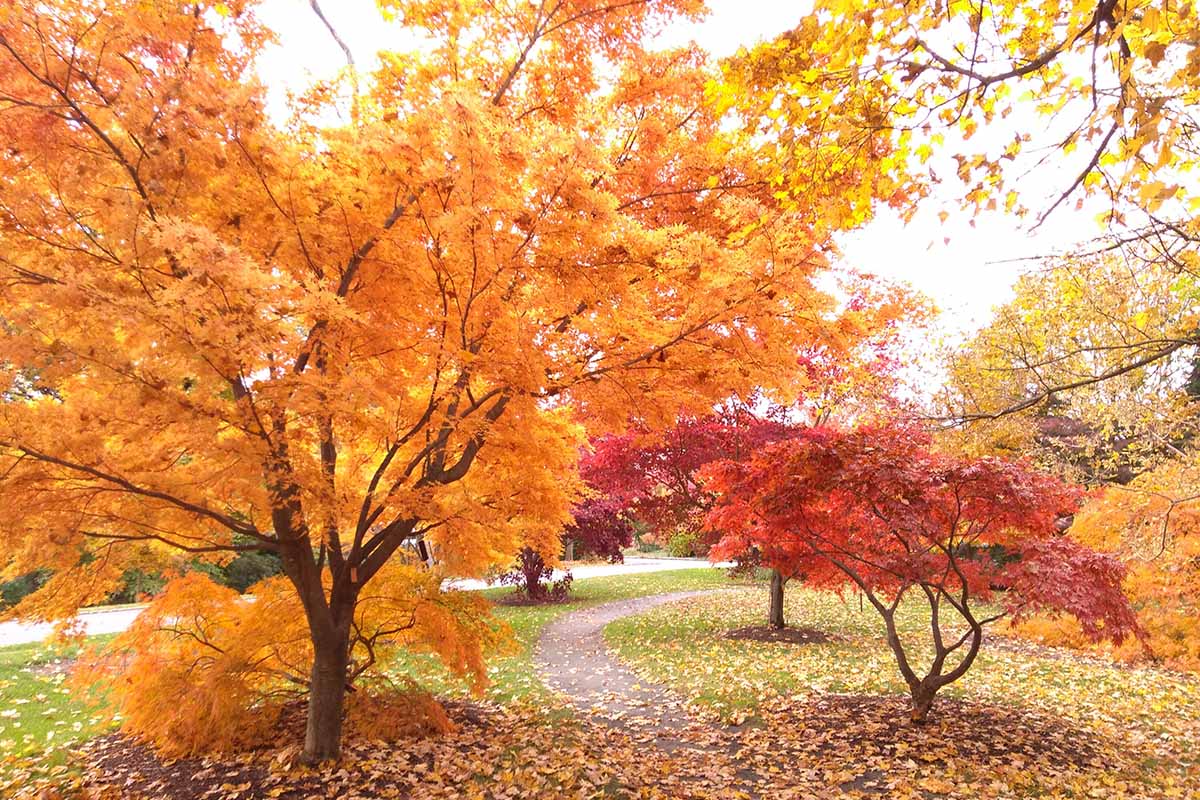
| Japanese Maple (Acer palmatum) | Scarlet to purple | 5–9 | Ornamental varieties abound |
| Ginkgo (Ginkgo biloba) | Golden yellow | 3–8 | Unique fan-shaped leaves |
| Quaking Aspen (Populus tremuloides) | Bright yellow | 1–7 | Stunning in groves |
| Sweetgum (Liquidambar styraciflua) | Red, purple, yellow | 5–9 | Star-shaped leaves |
| Black Tupelo (Nyssa sylvatica) | Deep crimson | 4–9 | Early color changer |
| Serviceberry (Amelanchier) | Orange-red | 4–9 | Bonus spring flowers & berries |
| Dogwood (Cornus florida) | Red-purple | 5–9 | Beautiful bracts in spring |
| Oak (select species like Pin Oak) | Deep red/brown | Varies | Long-lasting leaves |
Native species support local ecosystems and often perform best.
Troubleshooting Dull or Early-Dropping Leaves
Common issues and fixes:
- Dull Colors: Often nutrient deficiency or poor sunlight. Soil test and amend accordingly.
- Early Drop: Drought, root damage, or verticillium wilt. Improve watering; consult an arborist for disease.
- Spotty Display: Pests or fungal issues—use horticultural oil or fungicides as needed.
When in doubt, a professional diagnosis saves trees long-term.
Regional Guide to Peak Autumn Leaf Color in 2025–2026 🗺️
Fall foliage timing varies by latitude, elevation, and weather. As of late 2025, here’s a snapshot for planning:
- Northeast US (New England): Peak mid-September to late October. Vermont, New Hampshire, and Maine often hit spectacular levels in early October.
- Midwest: Late September to mid-October, with Michigan’s Upper Peninsula leading.
- Pacific Northwest: October, favoring maples and larches.
- Europe (e.g., UK, Germany): Mid-October to November.
- Southern Hemisphere: March–May for reverse seasons.
Use resources like the USDA Forest Service foliage hotline or apps (Smoky Mountains predictor) for real-time updates. Warmer trends may shift peaks later.

Environmental Benefits of Autumn Leaves on a Tree 🌍
Beyond beauty, fall foliage serves vital ecological roles:
- Nutrient Cycling: Fallen leaves decompose, returning organic matter and nutrients to soil—nature’s free fertilizer.
- Wildlife Support: Leaves provide habitat for insects (food for birds), insulation for small mammals, and overwintering sites for butterfly pupae.
- Carbon Sequestration: During the growing season, trees absorb CO2; healthy foliage maximizes this.
Leave some leaves in place as natural mulch to boost biodiversity—scientists from the National Wildlife Federation recommend “Leave the Leaves” campaigns.
Frequently Asked Questions (FAQ) ❓
Why do some autumn leaves on a tree stay green longer? Remaining chlorophyll in shaded or stressed parts; evergreens don’t change at all.
Can I make my tree’s leaves turn redder? Partially—ensure cool nights, full sun, and phosphorus-rich soil for anthocyanin boost, but genetics set the limit.
Is it normal for leaves to fall before changing color? Yes, in drought or severe stress; address root causes for better future displays.
How does pollution affect fall foliage? Air pollution (ozone) can cause stippling or early senescence; urban trees often underperform.
What should I do with fallen leaves — rake or leave? Shred and leave as mulch where possible; compost excess. Avoid piling against trunks.
Conclusion: Embrace and Enhance Nature’s Annual Masterpiece 🎨
Understanding why autumn leaves on a tree change color reveals the intricate dance of pigments, light, and care that creates this seasonal wonder. By applying these expert tips—from soil health to species selection—you can ensure your trees deliver healthier, more vibrant fall foliage for years to come.
Take a moment this season to observe your trees closely. Share your favorite fall photos in the comments below—I’d love to see them! For personalized advice, consider consulting a local certified arborist.
Thank you for reading. Here’s to a colorful autumn ahead! 🍂✨











