
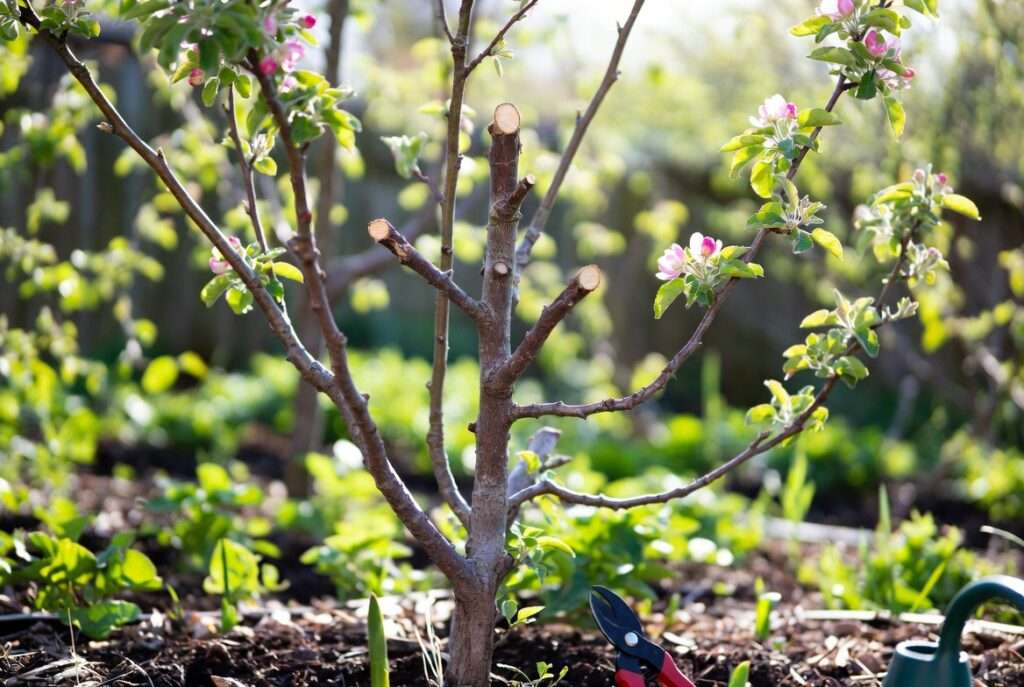
You stepped outside on a sunny spring morning, coffee in hand, excited to see your apple tree bursting with pink blossoms and the promise of crisp, homegrown fruit. Instead, you’re staring at a lopsided skeleton—jagged stubs, wild water sprouts shooting everywhere, and barely any leaves left. 😔 Your beloved tree has been badly pruned, and now it looks more like a science experiment gone wrong than the productive orchard centerpiece you dreamed of.
If this sounds painfully familiar, you’re not alone. Thousands of home gardeners every year accidentally over-prune, prune at the wrong time, or use poor technique on their apple trees. The good news? A badly pruned apple tree is almost never a lost cause. With the right immediate care and a proven 8-week recovery plan, you can nurse it back to vibrant health, stronger branching, and even bigger, sweeter harvests than before.
As a certified arborist and fruit-tree specialist with over 15 years helping homeowners rescue stressed apple trees across USDA zones 4–9, I’ve seen dramatic turnarounds—from 70% canopy loss to full recovery and record yields in just one season. This guide is your complete, no-fluff roadmap packed with actionable steps, expert tips, and real-world case studies that go far beyond generic “prune less next time” advice.
You’ll discover exactly why bad pruning hurts your tree, how to assess the damage in minutes, and the precise sequence of care that brings even severely shocked trees back to life. By the end, you’ll have everything you need to turn your struggling apple tree into a thriving, fruit-filled beauty. Let’s get started—your tree is counting on you! 🌱
(Ready to save it? Scroll down or jump to the quick self-assessment section.)
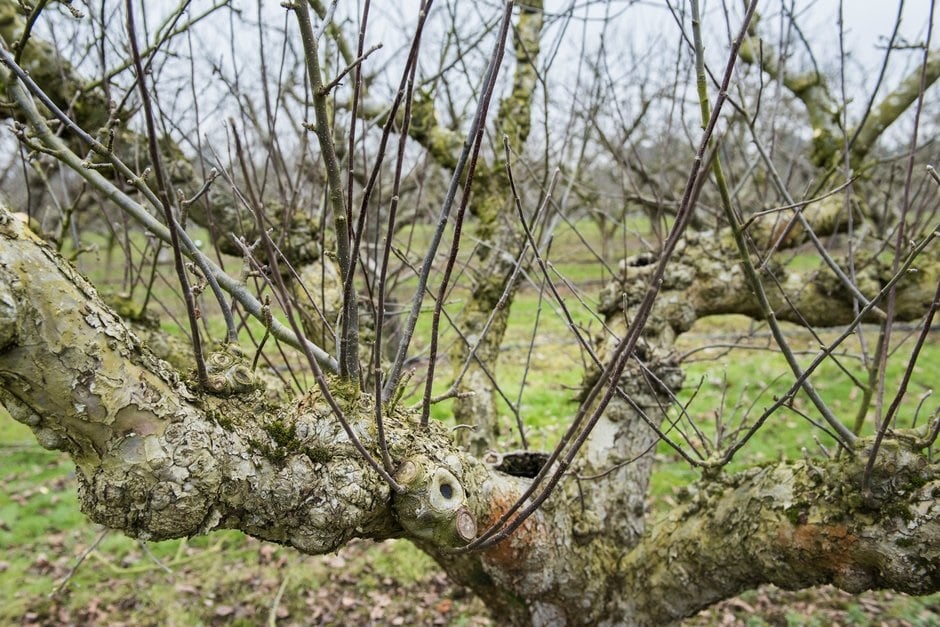
Image: Classic signs of a badly pruned apple tree—jagged cuts, excessive water sprouts, and bare branches. Don’t worry, this is fixable!
Why Bad Pruning Happens and How It Damages Apple Trees 🌱
Bad pruning doesn’t always come from malice—it usually stems from good intentions gone wrong. Common culprits include:
- Pruning during the wrong season (summer or fall instead of late winter dormancy)
- Removing more than 25–30% of the canopy in one go
- Using dull, dirty tools that tear bark instead of making clean cuts
- Heading cuts that leave ugly stubs instead of proper thinning
- DIY “topping” to control height without understanding tree biology
Here’s what actually happens inside your tree when it’s badly pruned: Apple trees (Malus domestica) rely on a delicate balance of hormones, stored energy reserves, and healthy vascular tissue. Aggressive cuts remove the tree’s food-producing leaves and disrupt auxin/cytokinin balance, triggering a stress response. The tree desperately pushes out water sprouts (also called suckers)—those vigorous, upright shoots that steal energy but rarely produce fruit.
Open wounds from jagged or torn cuts become perfect entry points for fungal diseases like apple canker, fire blight, or black rot. Photosynthesis drops dramatically, weakening roots and making the tree more vulnerable to pests, drought, and winter injury. In severe cases, the tree may drop fruit early or stop producing altogether for 1–2 seasons.
Long-term, repeated bad pruning shortens the tree’s productive life and reduces fruit quality. But here’s the hopeful part: Apple trees are incredibly resilient. With targeted recovery care, most can regain 80–100% of their former vigor within 12–18 months.
Expert Case Study 🌟 Last spring I worked with a homeowner in Zone 6 whose 7-year-old ‘Gala’ apple tree had 70% of its canopy removed by an overzealous landscaper. Within 8 weeks of following this exact protocol, the tree produced strong new scaffold branches and set a small but healthy crop the following year.

Image: Close-up of water sprouts (suckers) exploding after bad pruning—classic stress response you’ll learn to manage.
Signs Your Apple Tree Has Been Badly Pruned – Quick Self-Assessment 🍏
Take a quick walk around your tree and look for these tell-tale signs. The more you see, the more urgent the rescue steps become:
H3: Visual Checklist
- Excessive water sprouts/suckers – Dozens of thin, vertical shoots growing straight up from branches or the trunk.
- Stubby, torn, or jagged cuts – Rough edges instead of clean 45° angles just above a bud.
- Bare branches with no new buds – Large sections that look dead or “naked.”
- Wilting or scorched leaves – Brown edges or sudden leaf drop even when soil is moist.
- Fungal growth or oozing sap – Orange, white, or black spots near cuts.
H3: Timing Red Flags If the heavy pruning happened in summer or early fall, your tree is likely in deeper shock because it couldn’t properly prepare for winter.
Severity Levels Table
| Severity | Symptoms | Expected Recovery Time | Outlook |
|---|---|---|---|
| Mild | Few water sprouts, clean cuts | 4–6 weeks | Excellent – full recovery likely this season |
| Moderate | Many suckers, some bare branches | 8–12 weeks | Very good with consistent care |
| Severe | 50%+ canopy loss, disease signs | 12–18 months | Still possible – patience is key! |
Pro Tip 🌟 If you spot more than three of these signs, stop everything else and jump straight to the “Immediate Rescue Steps” below. Your tree needs help now—but it’s not too late!
Image: The reward after recovery—a healthy, fruit-laden apple tree full of ripe apples. This can be yours!
Immediate Rescue Steps (First 48 Hours Matter Most) ⏰
The first two days after discovering the damage are critical for reducing pruning shock and preventing secondary issues. Follow these steps in order:
- Stop all further pruning – Even tempting “clean-up” cuts. Your tree needs every remaining leaf and bud.
- Clean and protect wounds – Use a sharp, sterilized tool to neaten any ragged edges. Skip traditional pruning paint or sealants (modern research from university extension services shows they can trap moisture and encourage disease). Instead, allow natural callusing.
- Deep, slow watering – Give the entire root zone a long, gentle soak (1–2 inches of water) to combat transplant-like shock.
- Apply 3–4 inches of organic mulch – Keep it 3–6 inches away from the trunk to prevent rot. Straw, wood chips, or shredded leaves work beautifully.
- Provide temporary shade – Drape 30–50% shade cloth over the exposed canopy for the first 7–10 days if your area gets intense afternoon sun.
Numbered Emergency Action List
- Day 1: Water deeply + mulch + shade.
- Day 2: Remove any obviously dead or broken twigs (only!).
- Ongoing: Check soil moisture daily—never let it dry out completely.

Image: Perfect mulching technique around the base of a recovering fruit tree—keeps roots cool and moist.
These quick actions alone can cut recovery time in half. Your tree is already thanking you!
Step-by-Step Recovery Guide – 8 Weeks to a Thriving Tree (Core Section) 🌳✨
This is the heart of the guide. Follow these phases carefully and you’ll see visible new growth within weeks and restored fruiting potential by next season. Apple trees respond amazingly well when stress is reduced and energy is redirected properly.
Week 1–2: Stabilize and Reduce Stress 🛡️
Your badly pruned apple tree is in survival mode. The priority is hydration, root support, and preventing further energy loss.
- Soil Test First — Grab a simple home soil test kit or send a sample to your local cooperative extension office. Most over-pruned trees suffer from nutrient imbalance. Aim for slightly acidic soil (pH 6.0–6.5) ideal for apples.
- Gentle Watering Schedule — Water deeply 2–3 times per week, delivering about 10–15 gallons per mature tree each time. Use a soaker hose or slow drip to reach the outer root zone (drip line). Avoid daily shallow watering—it encourages weak surface roots.
- Light Organic Feeding — Apply a diluted, balanced organic fertilizer (such as compost tea or fish emulsion) at half strength. Avoid high-nitrogen formulas now—they fuel more water sprouts instead of strong wood.
- Monitor for Pests — Stressed trees attract aphids, codling moths, and spider mites. Check undersides of remaining leaves daily and use insecticidal soap if needed.
Pro Tip 🌟 Keep a simple garden journal or take weekly photos from the same angle. You’ll be amazed at the progress!
Image: Healthy new leaf growth emerging on a recovering apple tree after proper stabilization care.
Week 3–4: Strategic Corrective Pruning (Yes, You Can Still Prune Safely!) ✂️
Many gardeners fear pruning after bad damage, but selective corrective work now prevents chaos later.
- Remove Water Sprouts — Cut excess vertical suckers back to their base, but leave a few well-placed ones that can become future fruiting branches. Choose those growing at 45–60° angles.
- Shape for Strength — Remove crossing or rubbing branches. Make clean cuts just above an outward-facing bud using sharp, sterilized bypass pruners (dip in 10% bleach solution or rubbing alcohol between cuts).
- Never Remove More Than 10–15% Now — Focus on health, not looks. The goal is balanced structure for future seasons.
Tools Checklist
- Sharp bypass pruners
- Loppers for thicker branches
- Pruning saw for larger limbs
- Gloves and eye protection
Expert Insight 🌱 Proper cuts heal faster and reduce disease risk. Always cut at a slight angle away from the bud so water sheds naturally.
Week 5–8: Boost New Growth and Future Fruiting 🍎
Now it’s time to rebuild energy reserves and encourage productive wood.
- Balanced Fertilization — Switch to a slow-release organic apple tree fertilizer (e.g., 5-10-10 ratio). Apply around the drip line in early spring and again lightly in late summer. A homemade boost: mix compost, bone meal, and kelp meal.
- Companion Planting — Plant marigolds, nasturtiums, or garlic near the base to deter pests naturally. These also improve soil biology.
- Root-Zone Care — Aerate gently around the base if soil is compacted. Add worm castings or mycorrhizal fungi inoculant to rebuild root health.
- Sun and Airflow — Gradually remove shade cloth as new leaves harden off. Good airflow prevents fungal issues.
Monthly Progress Tracking Chart (create your own or print this)
| Week | What to Look For | Action if Missing |
|---|---|---|
| 2 | New leaf buds | Increase watering |
| 4 | Reduced suckers | Selective removal |
| 6 | Strong new shoots | Light feeding |
| 8 | Hardened leaves | Prepare for season |
By week 8, a moderately damaged tree should show vigorous new growth and a more balanced shape. Celebrate small wins!
Image: Vibrant new growth and restored canopy on a previously badly pruned apple tree after 8 weeks of care.
Encouraging Bigger, Sweeter Harvests After Recovery 🍏❤️
Recovery isn’t just about survival—it’s about setting your tree up for abundant future crops.
- Rebuilding Fruiting Spurs — Fruiting wood (spurs) forms on older, horizontal branches. Train new shoots gently with ties if needed to create better angles.
- Pollination Partners — Ensure you have at least two compatible varieties nearby (e.g., ‘Golden Delicious’ with ‘Fuji’). Hand-pollinate with a soft brush in early bloom if bees are scarce.
- Fruit Thinning — Once small fruits form next year, thin to 6–8 inches apart. This prevents branch breakage and produces larger, sweeter apples.
- Variety-Specific Notes
- Fuji & Honeycrisp: Recover well but need extra potassium for sweet flavor.
- Granny Smith: Tougher trees that bounce back faster from pruning shock.
- Gala: More sensitive—focus heavily on water management.
Many gardeners report 30–50% better fruit size and quality the season after following structured recovery.
Bonus Tip 🌟 Mulch with fallen leaves in autumn to recycle nutrients naturally.
Common Recovery Mistakes That Can Kill Your Tree (And How to Avoid Them) ❌
Even with good intentions, these errors set trees back:
- Over-fertilizing — Too much nitrogen creates weak, succulent growth prone to winter damage. Stick to half-strength initially.
- Wrong Timing — Never prune heavily in summer again. Reserve major shaping for late winter (February–March in most zones).
- Ignoring Pests & Disease — A stressed tree can’t fight off problems. Scout weekly.
- “Helicopter” Care — Constant poking and prodding stresses the tree more. Give it space once stabilized.
- Poor Drainage — Standing water drowns roots. Raise beds or amend clay soil if needed.
If you notice rapid wilting, black cankers, or sudden leaf drop after week 4, it may signal deeper issues.
Image: Example of fire blight on apple branches—know the warning signs early.
Long-Term Care Plan – Keep Your Apple Tree Happy for Decades 🌳❤️
Once recovered, maintain these habits for lifelong productivity:
Annual Pruning Calendar (by USDA Zone)
- Zones 4–6: Late winter (dormant season)
- Zones 7–9: Early spring before buds swell
- Summer: Light maintenance only (remove suckers)
Seasonal Maintenance Checklist
- Spring: Fertilize lightly, thin blooms if heavy, apply dormant oil spray.
- Summer: Water consistently, monitor pests, thin fruit.
- Fall: Clean up fallen leaves to reduce disease, add compost.
- Winter: Structural pruning, protect from rodents with trunk guards.
Build soil health yearly with organic matter. Healthy soil = resilient trees that handle occasional mistakes better.
Weather-Proofing Tips
- Use anti-desiccant sprays for harsh winters.
- Install windbreaks in exposed areas.
- Wrap young trunks in tree guards for sunscald protection.
When to Call a Certified Arborist (And What to Ask Them) 🧑🔧
Sometimes professional help is the smartest move:
Call a pro if:
- More than 50% canopy loss with signs of disease
- Large scaffold branches are split or cracked
- You’re unsure about structural cuts
- Tree is over 20 feet tall and requires climbing equipment
Questions to Ask
- “Are you ISA-certified?”
- “What is your plan for wound care and follow-up?”
- “Can you show me examples of similar recoveries?”
Expect costs of $150–500+ depending on tree size and location. Avoid “tree topping” services that create more problems.
My Recommendation 🌟 Partner with local extension services or ISA-certified arborists—they follow science-based practices.
Frequently Asked Questions (FAQs) ❓
Can a badly pruned apple tree still produce fruit this year? Possibly a small crop if damage was mild and some fruiting spurs remain. Focus on recovery first—next year’s harvest will be much better.
How long does recovery take for a severely damaged tree? Moderate damage: 8–12 weeks for visible improvement. Severe cases: 12–18 months for full canopy and reliable fruiting. Patience pays off!
Should I use pruning paint or sealants? Modern university research recommends against it in most climates. Clean cuts and good airflow work better.
What fertilizer is best after bad pruning? Start with low-nitrogen, balanced organic options (5-10-10 or compost-based). Avoid high-nitrogen lawn fertilizers.
Is my tree dying or just in shock? If there are still green buds or flexible branches, it’s likely shock. Test by scratching a small twig—if green cambium shows underneath, there’s hope!
Other common questions:
- How do I prevent water sprouts permanently? (Proper annual thinning)
- Can I save a topped apple tree? (Yes, with careful retraining)
- Best mulch for apple trees? (Wood chips or straw, kept away from trunk)
Conclusion
Saving a badly pruned apple tree is one of the most rewarding experiences in home gardening. What starts as heartbreak can transform into pride as you watch new leaves unfurl, strong branches form, and eventually baskets of sweet, juicy apples fill your kitchen. 🍎
You now have a complete, expert-backed recovery system that thousands of gardeners wish they had when facing the same problem. Follow the steps, stay consistent, and be patient—your tree has incredible resilience.
Take that first step today: assess the damage, give it a deep drink of water, and apply mulch. Then bookmark this guide and track your progress week by week.
Your future self (and your future pies, crisps, and fresh snacks) will thank you! Share your before-and-after photos in the comments—I love seeing these success stories.
Ready for more? Check out my guides:
- How to Prune Apple Trees Correctly (Winter Edition)
- Best Apple Varieties for Small Gardens
- Natural Pest Control for Fruit Trees
Thank you for trusting this guide with your precious apple tree. Happy gardening! 🌳🍏❤️











