
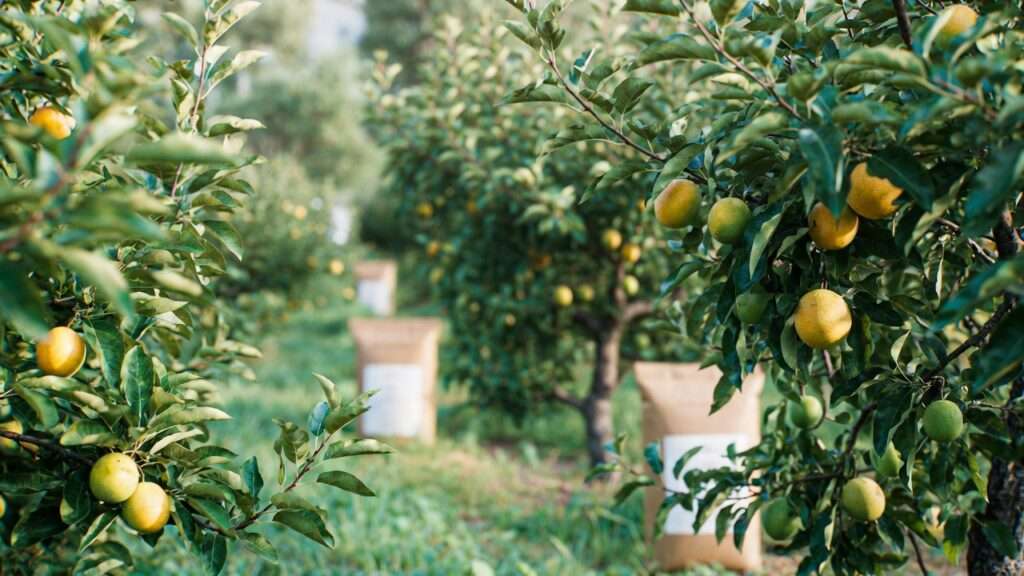
Imagine stepping into your backyard orchard, baskets in hand, only to find your apple tree loaded with lush green leaves but barely a handful of fruit — or your peach tree struggling with weak branches and small, bland peaches. 😔 This heartbreaking scenario is all too common for home gardeners who plant fruit trees dreaming of juicy, homegrown harvests. The culprit? Often, it’s imbalanced or improper fertilization that pushes excessive leafy growth at the expense of fruit production.
The good news? Balanced fertilizer options for fruit trees can transform your garden into a bountiful paradise. These fertilizers provide nitrogen (N), phosphorus (P), and potassium (K) in roughly equal proportions (like the classic 10-10-10), supporting strong roots, vibrant foliage, beautiful blooms, and — most importantly — abundant, high-quality fruit. 🌸🍑
In this in-depth guide, we’ll explore why balanced nutrition matters, how to choose the right options (synthetic and organic), expert-backed application methods, timing tips, and common pitfalls to avoid. Drawing from university extension services (such as UNH Extension, Purdue, UF/IFAS, and others), we’ll help you achieve healthier trees and bigger yields. Whether you’re growing apples, citrus, mangoes, or stone fruits in your home garden, you’ll find practical, trustworthy advice to solve nutrient-related frustrations once and for all. Let’s dig in! 🧑🌾
Understanding Nutrient Needs for Fruit Trees 📊
Fruit trees aren’t like lawn grass — they need a thoughtful balance of nutrients to thrive without tipping the scales toward too much vegetation and too little fruit. The big three macronutrients (N-P-K) each play starring roles:
The Role of N-P-K in Fruit Tree Health
- Nitrogen (N): Fuels vigorous leaf and shoot growth 🍃. Too much leads to “all leaves, no fruit” syndrome.
- Phosphorus (P): Builds strong root systems and supports flower formation and fruit set 🌸. Essential for young trees establishing themselves.
- Potassium (K): Boosts overall plant health, improves fruit size/quality/taste, enhances disease resistance, and helps trees handle drought and cold stress better 🍑.
Many fruit tree experts recommend balanced fertilizers (equal or near-equal N-P-K ratios) for most home situations because they promote steady, all-around development rather than explosive top growth.
When Balanced (e.g., 10-10-10) Beats High-Nitrogen Formulas High-nitrogen fertilizers (like 20-10-10 or lawn formulas) are great for turf but often counterproductive for fruit trees. They trigger rapid vegetative growth that shades out fruiting wood, delays maturity, and makes trees more susceptible to pests and diseases. University extensions frequently advise against them unless a soil test shows severe nitrogen deficiency.
Instead, balanced options like 10-10-10 provide harmony — especially for young or moderately vigorous trees. For mature or bearing trees, slightly lower-N formulas (e.g., 8-3-9 or 6-2-4) often perform even better, prioritizing fruit quality over excess foliage. This approach aligns with guidelines from sources like Iowa State University Extension and UNH Extension.
Signs Your Fruit Trees Need (or Don’t Need) Fertilizer 👀
Before grabbing any bag, observe your trees — nature provides the best clues!
- Ideal annual growth: Young non-bearing trees should add 15–30 inches of new growth yearly; mature bearing trees aim for 8–15 inches.
- Deficiency red flags: Pale/yellow older leaves (low N), poor root development or few flowers/fruits (low P), small/poorly colored fruit, scorched leaf edges, or weak branches (low K).
- Over-fertilization warnings: Excessive soft, green shoots; reduced flowering/fruiting; leaf burn (brown tips/edges); or increased pest/disease pressure ⚠️.
If your trees are growing vigorously with good fruit set and color, you may not need to fertilize annually — a common recommendation from extension services to prevent waste and environmental harm.
Get a Soil Test Before Choosing Any Fertilizer 🧪
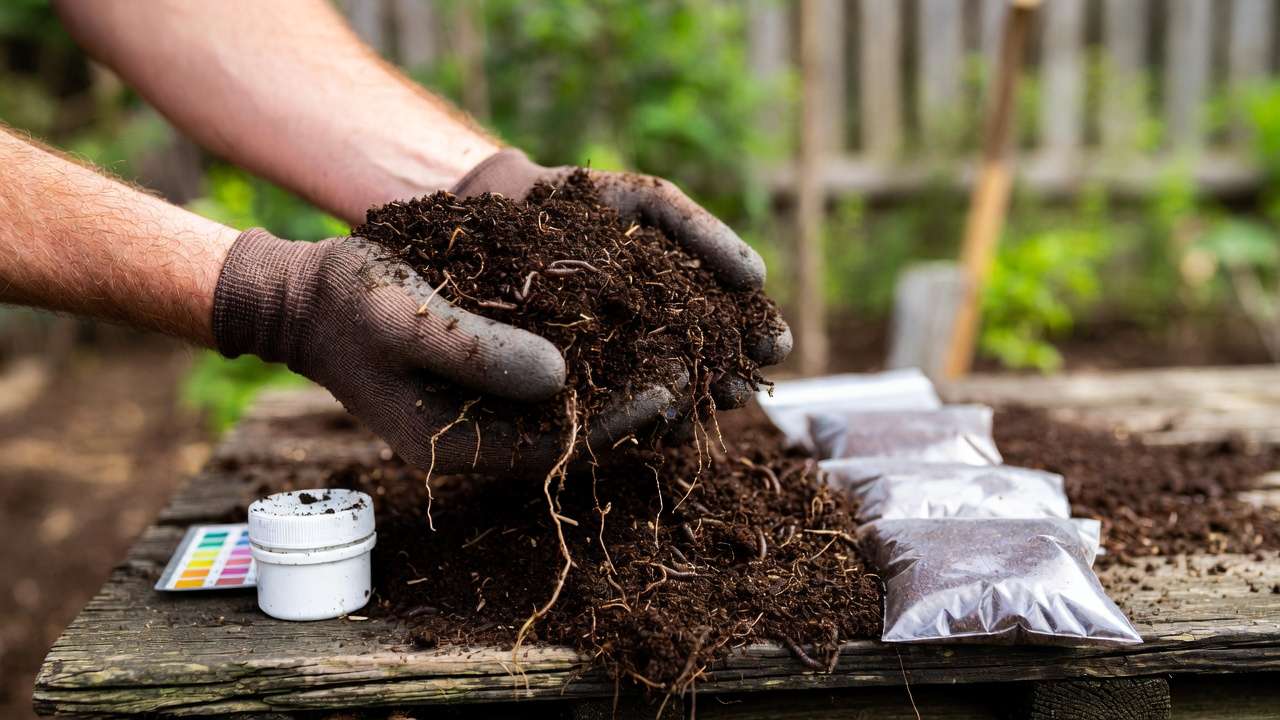
The single smartest step any fruit tree grower can take? Soil testing. It reveals pH, nutrient levels, and micronutrient status so you fertilize precisely — not guesswork.
- Ideal pH for most fruit trees: 6.0–6.5 (slightly acidic to neutral). Many native soils (especially in regions like Bangladesh) are more acidic, so lime may be needed months ahead.
- How to test: Use affordable home kits for quick checks or send samples to a local agricultural lab/extension service for detailed reports (including micronutrients like zinc, boron, iron — frequent deficiencies in fruit trees).
- Interpret results: If N-P-K are adequate and pH is right, skip or reduce fertilizer. Adjust based on recommendations (e.g., add sulfur to lower pH).
Skipping this step is one of the biggest mistakes — it leads to over-application or missing hidden issues.
Top Synthetic Balanced Fertilizers 🌟
Synthetic options deliver fast, predictable results and are widely available.
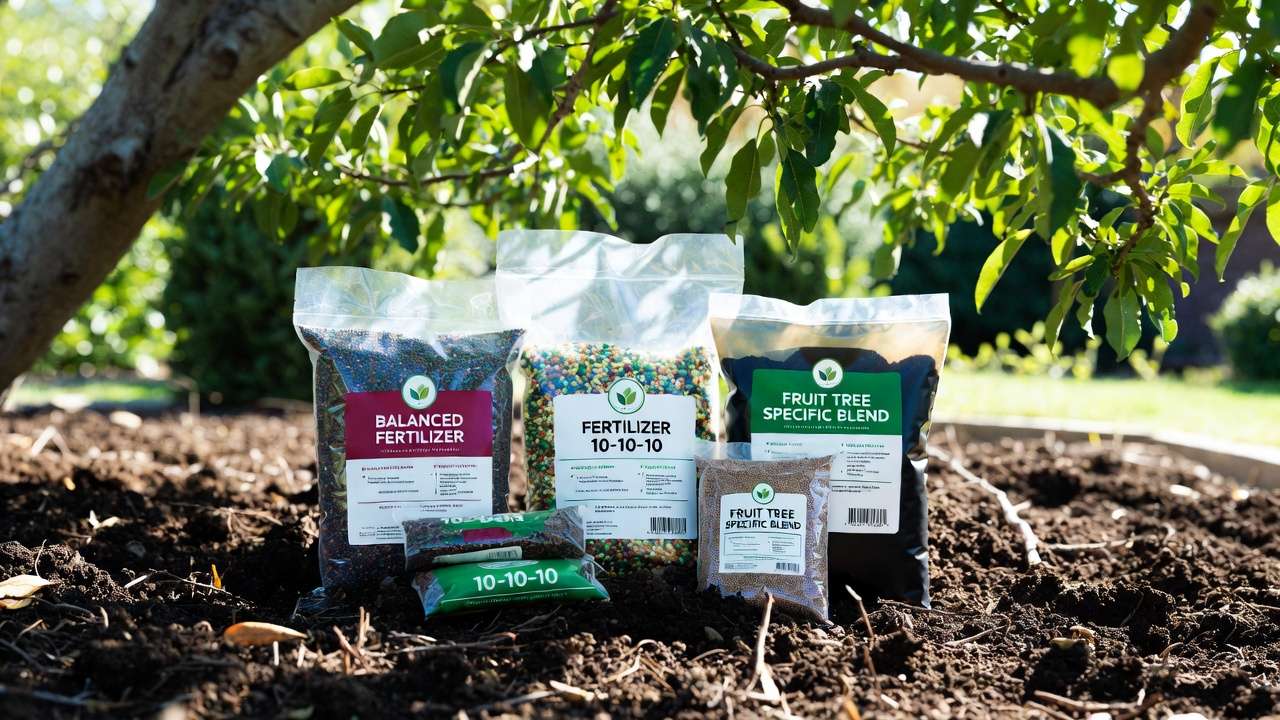
Classic Granular Choices (10-10-10, 12-12-12) These all-purpose balanced fertilizers are affordable and effective for many home orchards. Pros: Quick nutrient release, easy to find, supports balanced growth in young trees. Best for: Non-bearing or moderately vigorous trees. Apply in early spring before bud break. Typical rates (university guidelines): About 1/10 lb actual nitrogen per year of tree age (e.g., a 5-year-old tree gets ~0.5 lb N, or roughly 5 lb of 10-10-10). Never exceed 10 lb per tree to avoid burn.
Fruit-Tree-Specific Blends (e.g., 8-3-9 or similar low-N/high-K) Many commercial “fruit tree” fertilizers feature lower nitrogen and higher potassium for better fruiting, especially in mature or tropical trees (citrus, mango, lychee). They often include micronutrients. These shine for bearing trees where fruit quality is priority.
Best Organic Balanced Fertilizer Options 🌿
Organic choices build long-term soil health, feed beneficial microbes, and reduce burn risk — perfect for eco-conscious gardeners.
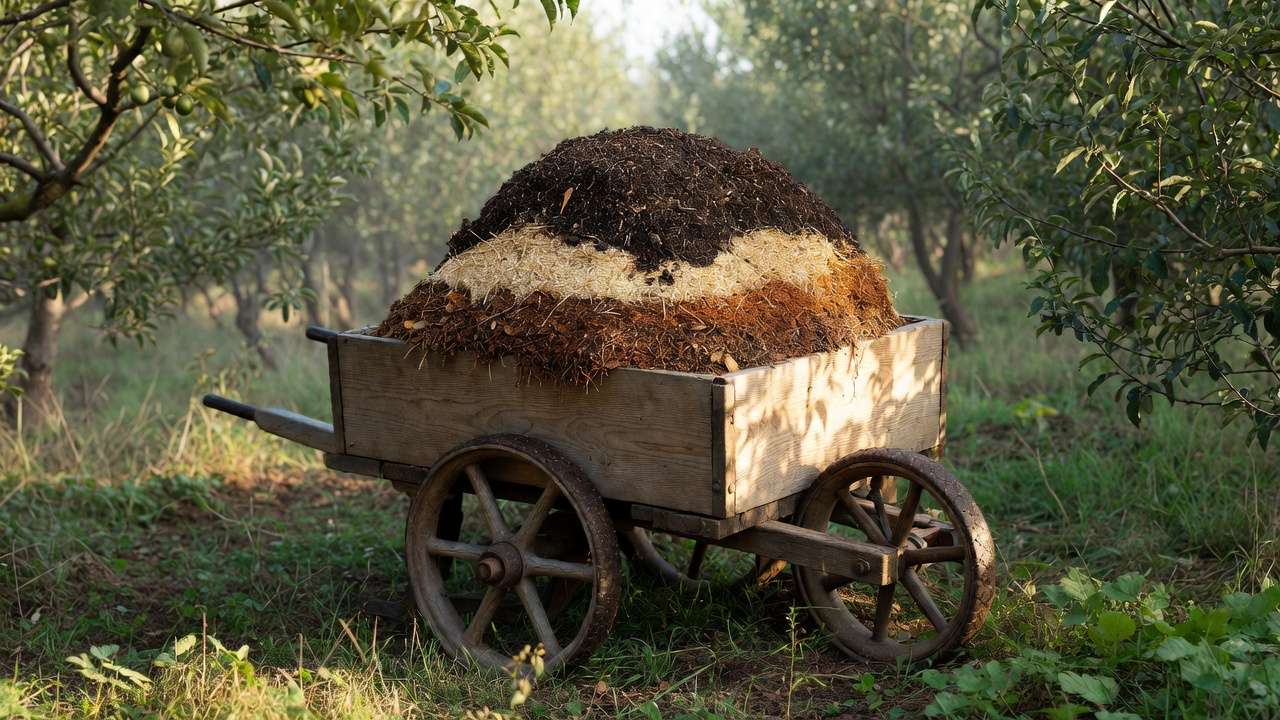
Compost and Aged Manure The gold standard slow-release option! Compost improves soil structure, water retention, and microbial life while providing balanced, gentle nutrients. Application: Topdress 2–4 inches under the drip line annually in spring. Aged manure (cow, horse, or chicken — composted to avoid pathogens) works similarly.
Commercial Organic Blends Popular picks include:
- Down To Earth Fruit Tree (6-2-4) — OMRI-listed, focused on fruit production with trace minerals.
- Espoma Tree-Tone or Jobe’s Organics Fruit & Citrus — Microbial boosters + balanced NPK.
- Dr. Earth Natural Wonder or similar all-purpose organics. These release slowly, enrich soil biology, and suit certified organic growing.
Other Organic Sources
- Chicken manure pellets (slow N release).
- Soybean meal, fish emulsion, kelp/alfalfa meal for micronutrients.
- Homemade compost tea for foliar or supplemental feeding.
Comparing Options: Which Balanced Fertilizer Is Right for You? ⚖️
| Type | Examples | Release Speed | Cost | Best For | Pros | Cons |
|---|---|---|---|---|---|---|
| Synthetic Balanced | 10-10-10, 12-12-12 | Fast | Low | Young/moderate trees | Quick results, precise | Potential burn if over-applied |
| Fruit-Specific Synthetic | 8-3-9 blends | Medium | Medium | Mature/bearing trees | Fruit-focused, micronutrients | Slightly pricier |
| Organic Blends | Down To Earth 6-2-4, Espoma Tree-Tone | Slow | Medium-High | All, especially organic gardens | Soil-building, safe | Slower visible results |
| Compost/Manure | Homemade compost, aged manure | Very Slow | Low | Long-term health | Improves soil structure | Variable nutrient levels |
Quick decision guide: Beginners often start with 10-10-10; organic enthusiasts choose compost + blends; mature trees benefit from lower-N options.
Best Timing for Fertilizing Fruit Trees ⏰
Timing is everything when it comes to fertilizing fruit trees. Applying nutrients at the wrong time can waste product, stress the tree, or even reduce next year’s harvest.
- Primary window: Early spring (pre-bud break) This is the golden period recommended by nearly every university extension service (Purdue, UF/IFAS, UNH, etc.). Fertilize just as the soil warms and buds begin to swell but before significant leaf-out. Trees use the nutrients immediately to fuel new root, shoot, and flower growth. In Barisal Division’s climate (warm, humid subtropical with distinct wet/dry seasons), aim for late February to mid-March, depending on your local weather patterns.
- Split applications for certain situations On very sandy soils (common in some riverine areas of Bangladesh) or for young, rapidly growing trees, split the total annual amount into two applications: ½ in early spring and ½ about 6–8 weeks later (but never later than early June). This reduces leaching and burn risk.
- When to avoid fertilizing
- Late summer or fall: New growth stimulated late in the season is tender and easily damaged by early cold snaps or heavy monsoon winds.
- During drought or extreme heat: Without adequate water, roots can’t absorb nutrients effectively and burn risk skyrockets.
- On newly planted trees in the first year: Wait until the second spring to avoid shocking fragile roots.
Step-by-Step Application Guide 🛠️
Follow these steps to get the most benefit with the least risk:
- Measure your tree For most guidelines: Use trunk diameter (measured 4–6 inches above soil line) or tree age. A common rule of thumb from extension services: Apply approximately 0.1–0.2 lb of actual nitrogen per inch of trunk diameter (or per year of age for younger trees).
- Calculate the amount Example: A 6-inch diameter mature apple tree might receive 0.6–1.2 lb actual N per year.
- For 10-10-10 fertilizer (10% N): Divide desired N by 0.10 → 6–12 lb of product total.
- For a 6-2-4 organic blend (6% N): You’d need 10–20 lb of product.
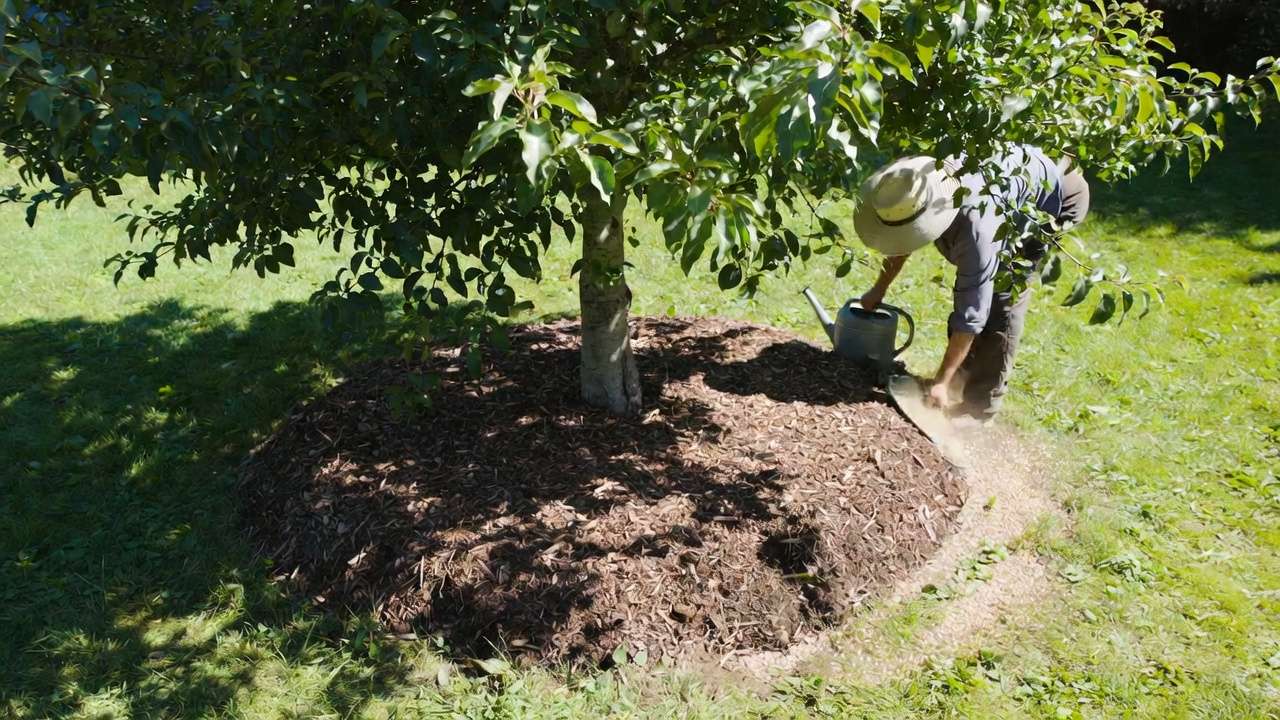
- Spread evenly Apply in a wide band starting about 1 foot from the trunk and extending to (or slightly beyond) the drip line — the outer edge of the canopy where rain drips off. Never pile fertilizer against the trunk; this causes burn and invites rot.
- Water deeply after application A good soaking (equivalent to 1 inch of rain) helps dissolve granules and carry nutrients to the root zone.
- Mulch for retention Top with 2–4 inches of organic mulch (wood chips, straw, compost) after fertilizing. This conserves moisture, moderates soil temperature, suppresses weeds, and slowly adds more nutrients as it breaks down. Keep mulch 2–3 inches away from the trunk to prevent rot.
Special Considerations by Tree Type and Age 🌴🍑🍎
Different fruit trees and life stages have slightly different needs.
Young / Non-Bearing Trees (Years 1–4)
- Goal: Build strong structure and root system.
- Best choice: Balanced 10-10-10 or slightly higher-P formulas (e.g., 10-20-10) to encourage root and framework development.
- Higher annual growth target (15–30 inches).
- Fertilize more generously (but never exceed recommended rates).
Mature Bearing Trees (Year 5+)
- Goal: Maintain health while maximizing fruit quality and quantity.
- Best choice: Lower-N / higher-K balanced options (e.g., 8-3-9, 6-2-4, or 5-10-10 fruit-tree blends).
- Target moderate growth (8–15 inches new shoots).
- Many experts suggest reducing or skipping fertilization if growth and fruiting are already excellent.
Stone Fruits (Peach, Plum, Mango, Lychee) vs. Pome (Apple, Pear) vs. Citrus
- Stone fruits & mango: Often prefer slightly lower nitrogen and higher potassium for better fruit size and flavor.
- Pome fruits: Tolerate classic 10-10-10 well in many soils.
- Citrus (if grown in pots or protected areas in Bangladesh): Frequently need micronutrients (especially iron, zinc, manganese) — look for citrus-specific balanced blends with added chelates.
Pro Tips to Maximize Results 🌟
- Layer nutrition: Combine granular fertilizer with annual topdressing of compost or aged manure for the best of both quick-release and slow-release benefits.
- Foliar micronutrient sprays: Every 2–3 years, apply a foliar spray of zinc, boron, or manganese in early spring if soil tests or leaf symptoms indicate deficiency (very common in fruit trees).
- Monitor yearly: Measure new growth each season and adjust next year’s rate up or down accordingly.
- Record keeping: Keep simple notes of what you applied, when, and how the tree responded — this turns you into your own best expert over time.
8 Common Mistakes to Avoid ⚠️
- Over-fertilizing young trees (causes weak, leggy growth).
- Skipping the soil test and guessing.
- Dumping fertilizer near or against the trunk.
- Using lawn or high-nitrogen turf fertilizers on fruit trees.
- Fertilizing during drought or late in the growing season.
- Ignoring micronutrient deficiencies (yellowing between veins often means iron or zinc shortage).
- Applying too much at once instead of splitting on poor soils.
- Forgetting to water deeply after application.
Frequently Asked Questions (FAQs) ❓
Is 10-10-10 good for all fruit trees? It’s an excellent general-purpose choice for most young and middle-aged fruit trees in average garden soils. For mature heavy-bearing trees or tropical species, many growers prefer lower-N / higher-K blends.
How often should I fertilize fruit trees? Most home fruit trees only need fertilizing once a year in early spring. If growth is poor or soil is very sandy, a light split application may help. Luxuriant trees with good fruit set often need little to none annually.
Organic vs. synthetic — which is better? Neither is universally “better.” Synthetics give faster, more predictable results and are often cheaper. Organics build healthier long-term soil biology, reduce burn risk, and align with sustainable practices. Many successful growers use a hybrid approach.
What if my fruit trees are in pots? Use half-strength balanced fertilizer (synthetic or organic) every 4–6 weeks during the growing season, and flush pots occasionally to prevent salt buildup. Potting soil tests are especially important.
Can I use lawn fertilizer on fruit trees? Avoid high-nitrogen lawn formulas (e.g., 20-5-10). They push too much leafy growth and reduce fruiting. Stick to balanced garden or fruit-tree formulas.
Conclusion: Achieve Your Best Harvest Yet! 🎉🍎
Growing delicious, homegrown fruit doesn’t have to be a guessing game. By starting with a soil test, choosing appropriate balanced fertilizer options for fruit trees, applying them at the right time and place, and observing your trees’ response each year, you set the stage for healthier growth, stronger disease resistance, and — best of all — abundant, flavorful harvests.
Take that first step this season: Get a soil test, pick one of the balanced options that fits your trees and philosophy (synthetic speed or organic soil-building), and apply thoughtfully. Your future self (and your taste buds) will thank you!











