
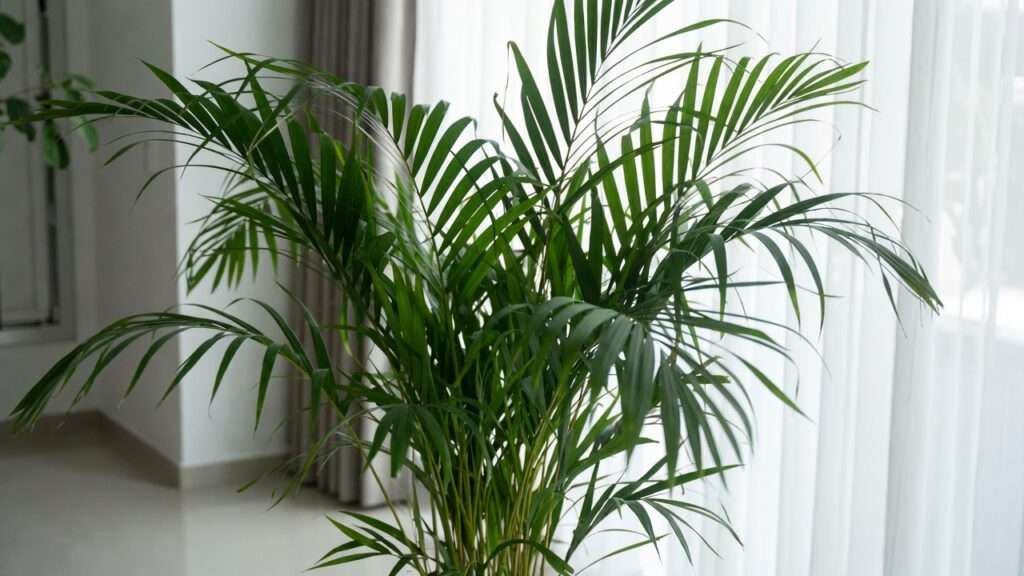
Imagine stepping into your home after a long day, only to be greeted by stale, stuffy air laced with invisible toxins from paints, furniture, carpets, and cleaning products 😷. In modern sealed homes and offices—especially in urban areas like ours—the indoor air can be 2–5 times more polluted than outside. But what if a single elegant plant could help filter those harmful volatile organic compounds (VOCs), boost humidity, and bring a touch of tropical serenity? Enter the Bamboo Palm (Chamaedorea seifrizii), a standout from NASA’s famous Clean Air Study 🌱.
This graceful, reed-like palm isn’t just beautiful—it’s one of the top performers for bamboo palm care for indoor air quality. It excels at removing formaldehyde, benzene, trichloroethylene, xylene, and toluene while naturally humidifying the air through transpiration. Plus, it’s pet-safe, beginner-friendly, and thrives in low-light spots where many other plants struggle 🏡💚.
In this comprehensive guide, we’ll cover everything you need to keep your Bamboo Palm thriving so it can maximize its air-purifying magic. Whether you’re dealing with dry winter air, low-light apartments, or just want cleaner breathing space, these expert tips will help you succeed. Let’s turn your home into a fresher, greener oasis! 🌴
Why the Bamboo Palm Excels at Improving Indoor Air Quality 🌟
The foundation of the Bamboo Palm’s reputation comes from the landmark NASA Clean Air Study (1989, with ongoing relevance confirmed in recent reviews through 2025–2026). In sealed chamber tests, this palm removed significant amounts of key toxins:
- Formaldehyde (from pressed-wood products, adhesives): Up to thousands of micrograms per plant in 24 hours.
- Benzene (from paints, detergents, smoke): High removal rates in experiments.
- Trichloroethylene (from solvents, dry cleaning): Strong performer among tested plants.
- Xylene and toluene (from paints, thinners): Effectively filtered.
Its large leaf surface area and high transpiration rate allow it to pull in pollutants, break them down via soil microbes and roots, and release cleaner, more humid air. Recent sources (2025–2026) still rank it among the best low-light air purifiers, often alongside Peace Lily or Snake Plant—but the Bamboo Palm wins for combining toxin removal with natural humidification in dry or air-conditioned spaces ❄️💦.
Compared to others:
- Snake Plant: Great for low light and nighttime oxygen, but less humidity boost.
- Peace Lily: Excellent remover, but fussier about watering and light.
- Bamboo Palm: Versatile, elegant, and especially suited for bedrooms or offices needing subtle purification.
In 2026, with rising focus on indoor wellness, this palm remains a top choice for urban dwellers seeking natural air quality solutions.
Understanding Your Bamboo Palm: Basics & Characteristics 🪴
Scientific name: Chamaedorea seifrizii Common names: Bamboo Palm, Reed Palm Native habitat: Understory of rainforests in Mexico and Central America—hence its love for shade and moisture 🌴.
Indoors, it grows as a clumping palm with slender, bamboo-like stems and feathery, arching fronds. Mature height: 4–12 feet (depending on conditions), spread 3–6 feet. It’s slow to moderate-growing, making it perfect for long-term indoor use without overwhelming small spaces.
Key perks for air quality seekers:
- Thrives in low to medium light (ideal for north-facing windows or fluorescent offices).
- Non-toxic to cats, dogs, and kids (ASPCA-approved) 🐶👶.
- Adds tropical vibe while actively cleaning air.
Optimal Lighting for Maximum Air-Purifying Power 💡
Light directly impacts photosynthesis, toxin absorption, and overall health—crucial for bamboo palm care for indoor air quality.
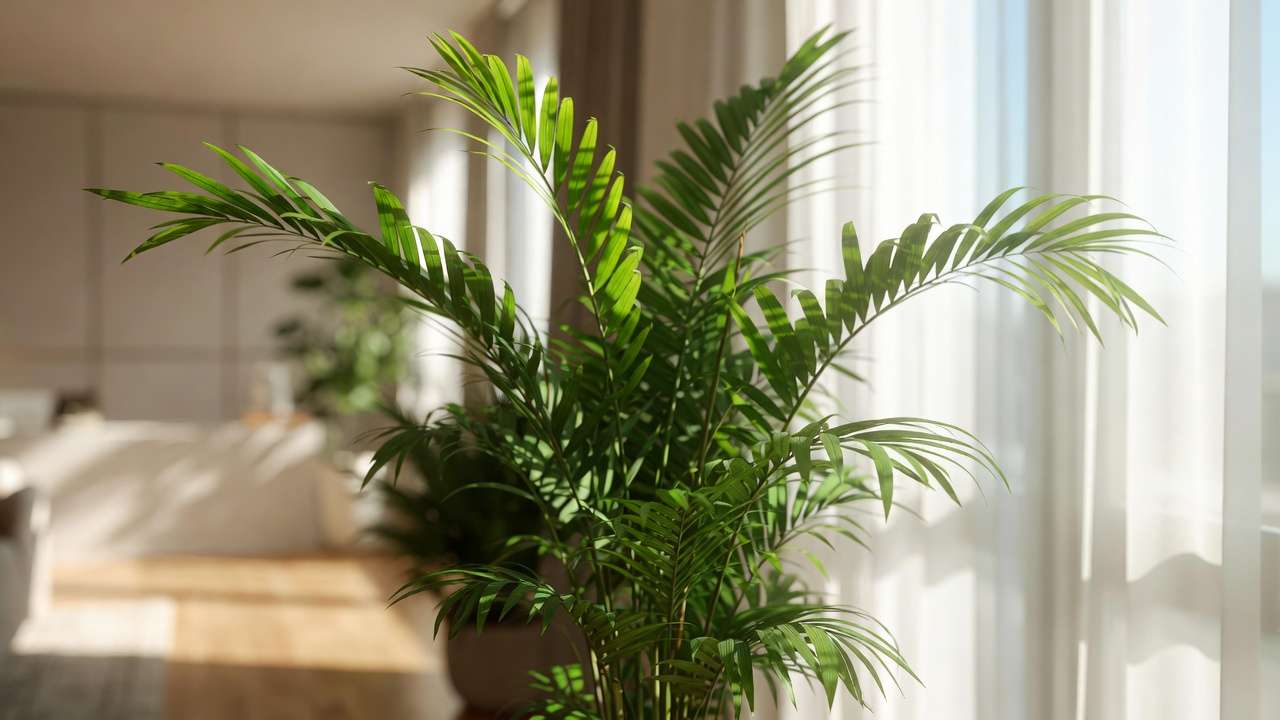
- Ideal: Bright indirect light (east/west windows filtered by sheer curtains) 🌅. This promotes lush growth and peak purification.
- Tolerates well: Low to medium light (north-facing windows, 3–10 feet from south windows, office fluorescents). Growth slows, but air-cleaning continues effectively 🏢.
- Avoid: Harsh direct sun (scorching brown tips) ☀️🚫.
Pro tips:
- Use a light meter app or observe: If shadows are soft but defined, it’s perfect.
- Rotate the plant quarterly for even frond growth.
- In very low light? Supplement with full-spectrum LED grow lights (12–14 hours/day) to boost vigor and air benefits 🔦.
Watering Wisely: The Key to Healthy Roots & Air Cleaning 💧
Overwatering kills more Bamboo Palms than anything else—yet underwatering causes crispy tips. Balance is everything for root health and transpiration (the process that pulls in toxins and adds humidity).
- Rule: Keep soil consistently moist but never soggy. Water when the top 1–2 inches feel dry (finger test!).
- How-to: Thoroughly soak until water drains out, then empty saucer. Use room-temperature filtered or rainwater to avoid fluoride/chlorine sensitivity 🌧️.
- Seasonal adjustments: More frequent in spring/summer (every 5–7 days); less in fall/winter (every 10–14 days).
- Signs & fixes:
- Yellowing tips/leaves: Often overwatering or poor drainage → Improve airflow, repot if needed.
- Brown tips/edges: Underwatering, low humidity, or tap water salts → Increase misting, use filtered water.
- Wilting: Check roots for rot; trim damaged parts if needed.
Bottom watering (place pot in water for 20–30 min) helps prevent crown rot and encourages deep roots.
Soil, Potting & Repotting for Long-Term Success 🪴
The right soil foundation supports healthy roots, prevents common issues like root rot, and ensures your Bamboo Palm can keep transpiring efficiently to purify air.
- Best potting mix: Use a well-draining, peat-based or palm-specific blend. A popular expert-recommended recipe includes:
- 2 parts standard potting soil or peat moss (for moisture retention)
- 1 part perlite or coarse sand (for excellent drainage)
- 1 part orchid bark or pine bark (for aeration and mimicking forest floor conditions)
- Optional: Add a handful of compost or coco coir for extra organic matter 🌱
This mix holds consistent moisture without becoming waterlogged—crucial since soggy soil kills more Bamboo Palms than underwatering.
- Pot selection: Choose a heavy, stable container (ceramic or terracotta for breathability) with drainage holes. Add a saucer but always empty excess water. Start with a pot 2–4 inches wider than the root ball for young plants.
- Repotting guide: Every 2–3 years in spring (when active growth begins), or when roots circle the pot or emerge from drainage holes.
- Gently remove from old pot; tease apart compacted roots.
- Trim any mushy/black roots with sterilized scissors.
- Place in new pot with fresh mix; water thoroughly.
- Avoid fertilizing immediately—give roots 4–6 weeks to settle.
Fresh soil every few years refreshes nutrients and prevents salt buildup, keeping your palm vigorous for maximum air-cleaning performance.
Humidity & Temperature: Mimicking Its Tropical Roots 🌡️💦
As a rainforest understory native, the Bamboo Palm thrives when conditions feel like home—higher humidity boosts transpiration rates, which directly enhances toxin removal and adds natural moisture to dry indoor air.
- Ideal humidity: 50–60%+ (higher is better for lush fronds and purification). Many homes drop to 30–40% in winter or with AC/heating.
- Easy ways to boost humidity:
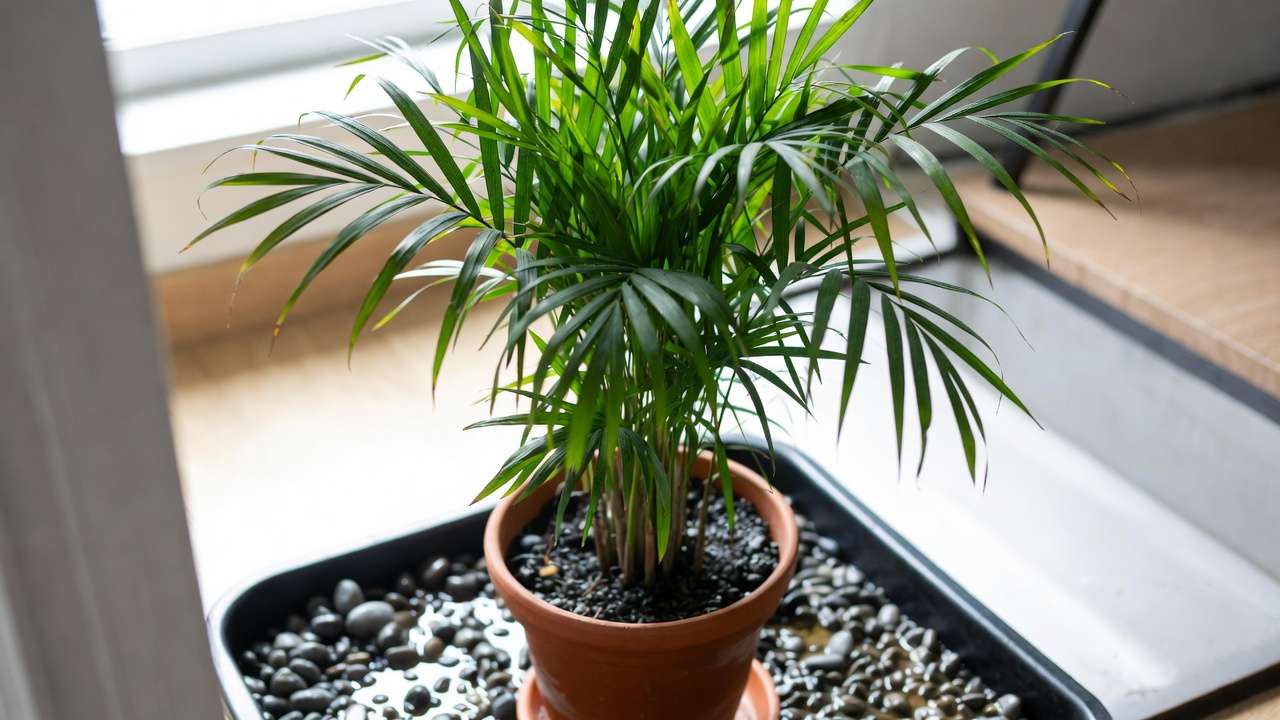
- Pebble tray: Fill a tray with pebbles + water; set pot on top (pot bottom above water line) 🌊
- Humidifier: Place nearby for consistent levels (aim for 50%+).
- Grouping plants: Cluster with other houseplants to create a micro-humid zone.
- Gentle misting: Spray fronds 2–3 times/week with room-temperature water (avoid over-wetting to prevent fungal issues).
- Temperature sweet spot: 65–80°F (18–27°C) daytime; no lower than 60°F at night.
- Avoid cold drafts, AC vents, or heaters—sudden drops cause brown tips or leaf drop ❄️🚫.
- In cooler climates (like parts of Bangladesh during winter), move away from windows at night.
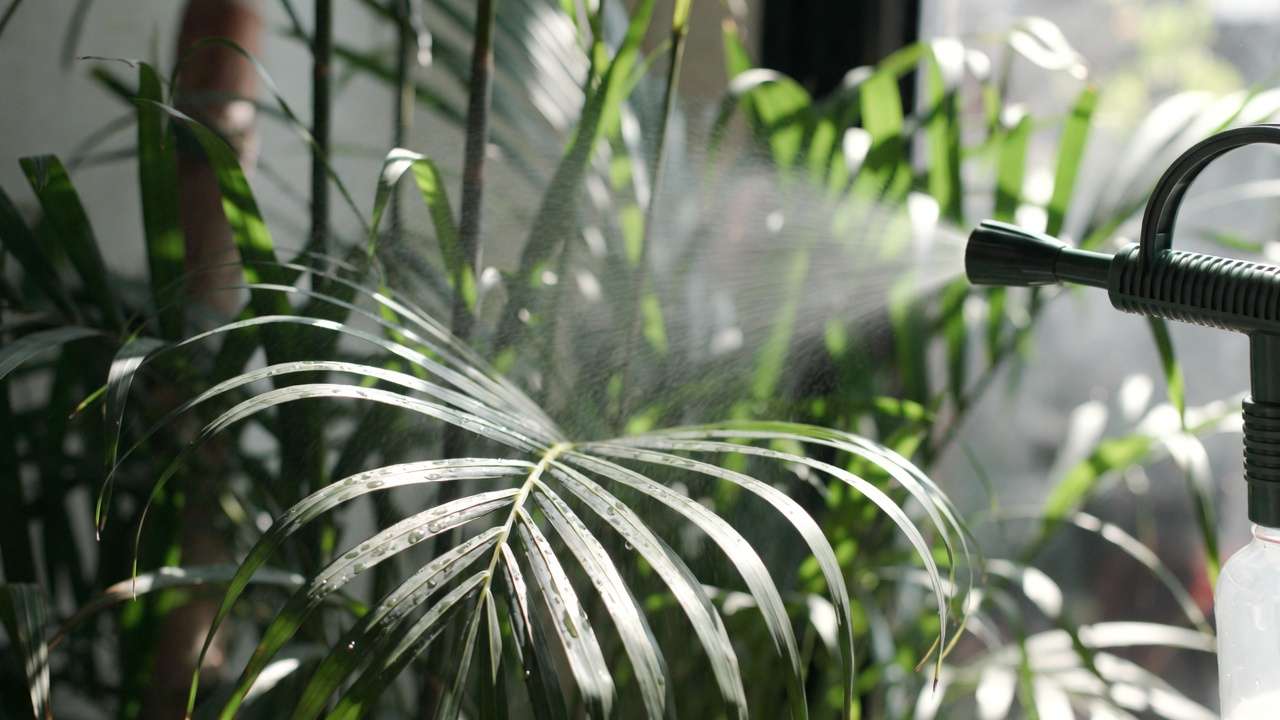
Higher humidity not only prevents crispy edges but amplifies the palm’s role as a natural humidifier—perfect for combating dry, polluted air in bedrooms or living spaces.
Fertilizing for Lush Growth & Peak Air Purification 🍃
Healthy, actively growing fronds mean more leaf surface for filtering toxins—proper feeding keeps your Bamboo Palm performing at its best.
- Recommended fertilizer: Balanced liquid (e.g., 10-10-10 or palm-specific) diluted to half-strength. Organic options like fish emulsion or seaweed extract work well too.
- Schedule:
- Spring–summer (growing season): Every 4–6 weeks.
- Fall–winter: Reduce to every 8–12 weeks or stop entirely if growth slows.
- Application tips: Always water first, then fertilize—never on dry soil to avoid root burn. Flush soil monthly with plain water to prevent salt buildup.
- Common mistakes to avoid: Over-fertilizing (causes tip burn) or feeding during dormancy (wastes nutrients).
With consistent feeding, you’ll see richer green fronds and stronger air-purifying action year-round.
Pruning, Cleaning & Maintenance for Healthy Fronds ✂️
Regular upkeep keeps your plant looking elegant and functioning optimally.
- Pruning: Use clean, sharp scissors to remove yellowed, brown, or damaged fronds at the base. Cut close to the stem but avoid damaging new growth. Remove spent fronds promptly to redirect energy.
- Leaf cleaning: Dust accumulates fast—gently wipe fronds with a damp cloth monthly. Clean leaves = better photosynthesis and toxin absorption 🧹✨.
- Pest monitoring: Watch for spider mites (fine webbing, stippled leaves), scale (brown bumps), or mealybugs (white cottony spots).
- Prevention: Good airflow, quarantine new plants.
- Natural remedies: Neem oil spray, insecticidal soap, or wipe with alcohol-dipped cotton. Treat early for best results 🐛🚫.
Common Problems & Solutions: Troubleshooting Guide 🛠️
Even experts face issues—here’s how to diagnose and fix quickly:
- Brown tips/edges: Low humidity, fluoride in tap water, underwatering, or fertilizer burn. Solution: Switch to filtered water, increase humidity, adjust watering.
- Yellow leaves: Overwatering/root rot or poor drainage. Check roots; repot if needed with fresh mix.
- Slow growth/pale fronds: Low light or nutrient deficiency. Move to brighter indirect spot; fertilize appropriately.
- Leggy/spindly stems: Insufficient light. Prune back and improve lighting.
- Wilting despite moist soil: Root rot—repot, trim bad roots, improve drainage.
Most problems stem from watering/humidity imbalances—monitor closely in the first few months.
Maximizing Air Quality Benefits: Placement & Quantity Strategies 📍
To get the most powerful air-purifying results from your Bamboo Palm, strategic placement and thoughtful quantity make all the difference.
- Best room locations:
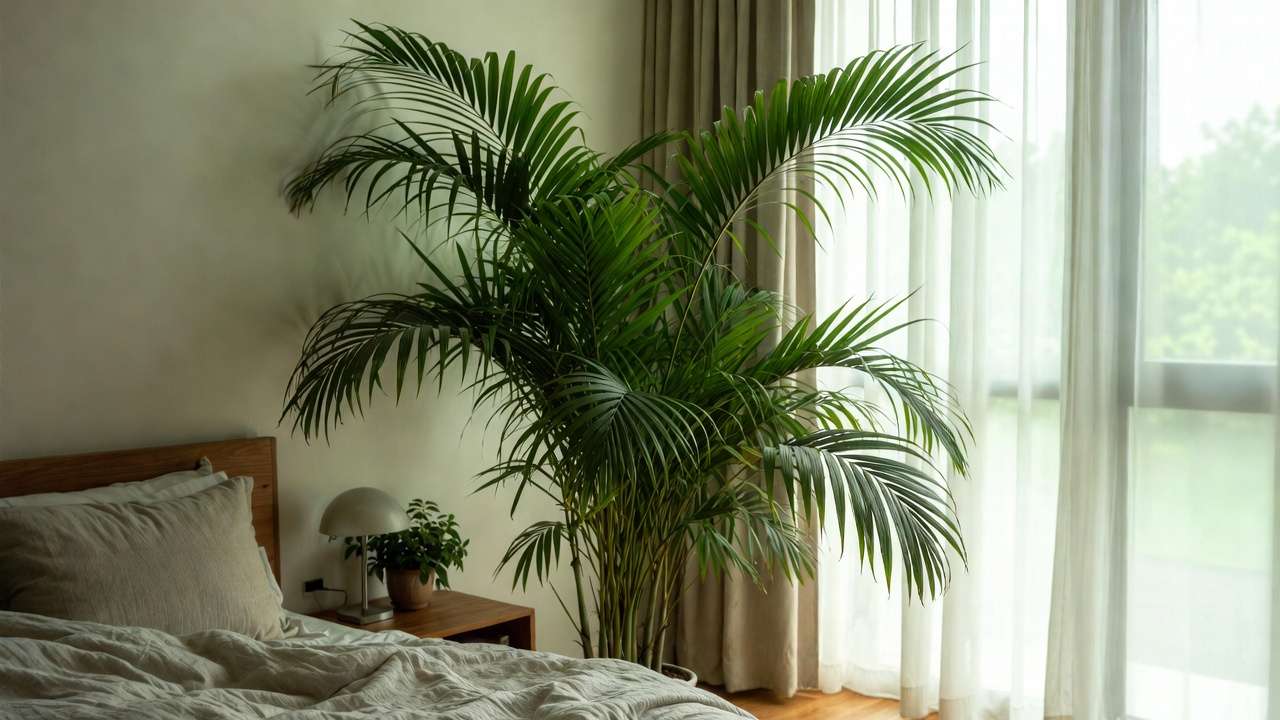
- Bedrooms: Place near the bed or window to filter overnight pollutants and add gentle humidity for better sleep 😴.
- Living rooms & family areas: Position close to sofas, carpets, or newly painted walls—these are common sources of VOCs like formaldehyde and benzene 🛋️.
- Home offices: Ideal for desks under fluorescent lights; it thrives here and counters printer ink, electronics off-gassing, and dry AC air 💻.
- Bathrooms & kitchens (with caution): Good humidity tolerance, but avoid direct steam or cooking grease splatter.
- How many plants for noticeable effect? NASA’s original research suggested roughly one good-sized air-purifying plant per 100 square feet of floor space for meaningful toxin reduction in a sealed environment. For most homes:
- Small room (100–150 sq ft): 1–2 mature Bamboo Palms.
- Medium living area (200–300 sq ft): 2–4 plants.
- Whole-house approach: Combine 4–8 across main living zones for cumulative benefits.
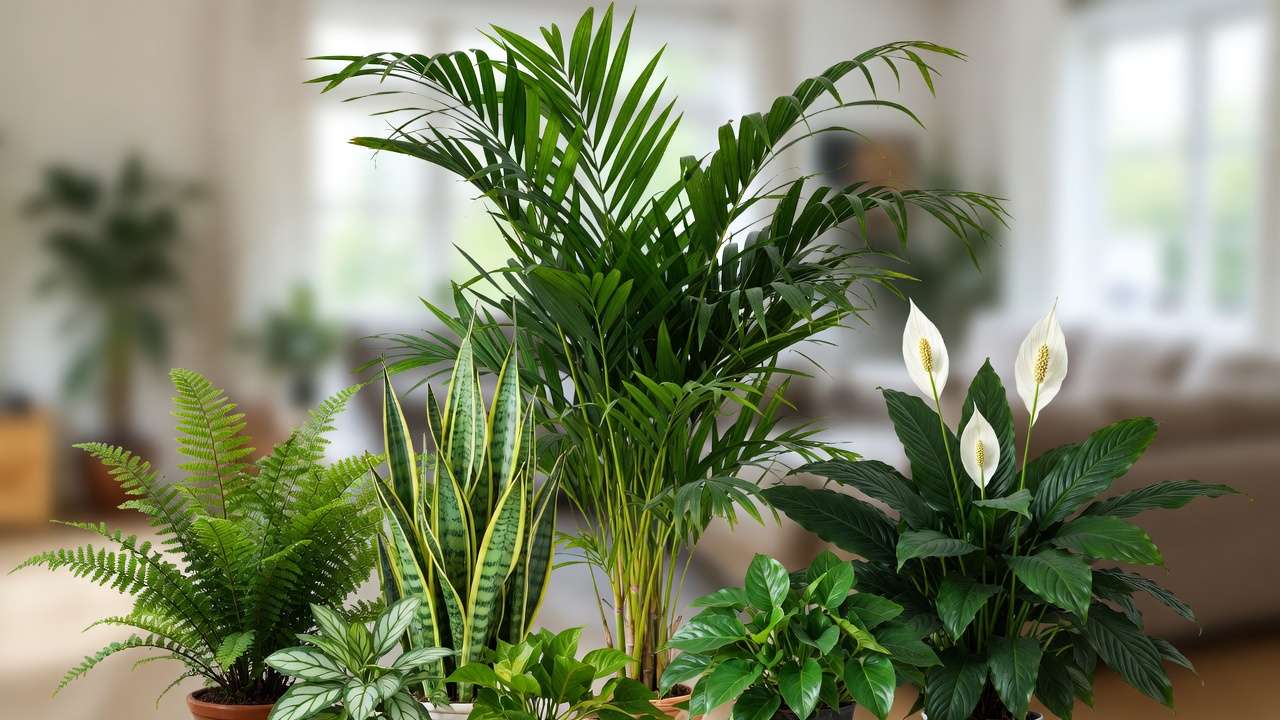
- Synergy with other plants: Create a “clean air team” by pairing your Bamboo Palm with complementary purifiers:
- Snake Plant or ZZ Plant (nighttime oxygen + low light tolerance)
- Peace Lily or Boston Fern (extra humidity & formaldehyde removal)
- Areca Palm or Dracaena (broader toxin coverage) Grouping increases local humidity and creates a mini-ecosystem that works harder together than alone 🌿🌿🌿.
- Bonus benefit in dry climates: In places like Khulna during the dry winter months (when humidity can dip below 40%), a few thriving Bamboo Palms act as living humidifiers, gently raising moisture levels and making indoor air feel fresher and less irritating to skin and airways 💨.
Is the Bamboo Palm Right for You? Pros, Cons & Alternatives 🤔
Before investing, weigh these realistic points:
Pros ✅
- Outstanding low-light tolerance — perfect for apartments, shaded rooms, or offices with limited windows
- Top-tier air purification backed by decades of research
- Elegant, architectural look that fits modern, minimalist, or tropical décor
- Pet- and child-safe (non-toxic)
- Relatively low-maintenance once established
- Natural humidifier effect — great for dry or air-conditioned spaces
Cons ❌
- Can be more expensive than common houseplants (especially larger specimens)
- Sensitive to overwatering and poor drainage — requires attentive care at first
- Slow growth means it takes time to reach full air-purifying size
- Fronds can develop brown tips if humidity or water quality isn’t ideal
- Not the fastest-growing option if you want quick impact
Quick alternatives if Bamboo Palm isn’t the perfect fit:
- Parlor Palm (Neanthe bella) — similar look, even more shade-tolerant, slightly less powerful purification
- Snake Plant — ultra-low maintenance, great for beginners, nighttime oxygen release
- Peace Lily — faster grower, excellent remover, but needs more watering attention
- Areca Palm — brighter, feathery look with strong air-cleaning, but prefers more light
Frequently Asked Questions (FAQ) ❓
Does Bamboo Palm really purify air according to NASA? Yes — it was one of the top performers in the 1989 NASA Clean Air Study for removing formaldehyde, benzene, trichloroethylene, xylene, and toluene. Recent reviews (2024–2026) confirm its effectiveness remains valid, especially in low-light indoor settings.
How fast does Bamboo Palm grow indoors? Slow to moderate: 6–12 inches per year under good conditions. It can reach 4–6 feet in 3–5 years and up to 10–12 feet over a decade with excellent care.
Is Bamboo Palm toxic to cats, dogs, or children? No — it’s non-toxic according to the ASPCA and other pet-safety sources. Safe around curious paws and little hands 🐱👶.
Can I grow Bamboo Palm in a low-light office or apartment? Absolutely — it’s one of the best palms for low to medium indirect light. Growth will be slower, but air purification and health remain strong.
How do I revive a struggling Bamboo Palm with lots of brown tips? Increase humidity (pebble tray or humidifier), switch to filtered/rainwater, check for over/underwatering, trim damaged fronds, and move to brighter indirect light if possible. Most recover within 1–3 months with consistent care.
Does misting really help, or is it a myth? Misting provides short-term humidity relief and keeps fronds dust-free, but it’s not a substitute for consistent ambient humidity (50%+). Combine with pebble trays or humidifiers for best results.
Can Bamboo Palm survive air conditioning all day? Yes, if kept away from direct cold blasts and humidity is supplemented. AC dries air quickly, so monitor for crispy tips.
How often should I clean the leaves? Every 4–6 weeks — or whenever you notice dust buildup. Clean leaves absorb pollutants and photosynthesize better.
Conclusion: Breathe Easier with Your Thriving Bamboo Palm 🌬️🌴
Caring for a Bamboo Palm is one of the simplest, most beautiful ways to fight indoor air pollution naturally. By providing bright indirect light, consistent (but not excessive) moisture, higher humidity, proper soil, and occasional feeding, you’ll nurture a living air filter that not only removes harmful VOCs but also adds elegance, humidity, and tranquility to your home.
Start small — even one healthy specimen can make a difference — and watch how your space feels fresher, calmer, and more alive. In a world full of synthetic materials and sealed environments, choosing plants like the Bamboo Palm is a small green act with big health rewards 💚🏠.











