
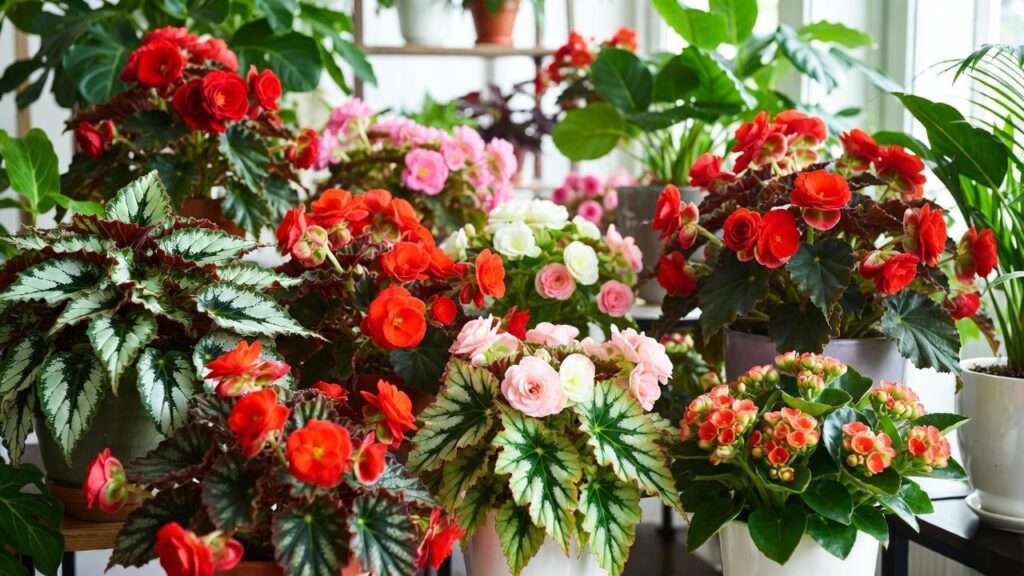
Have you ever fallen in love with a stunning begonia at the nursery, brought it home full of excitement, only to watch its gorgeous leaves turn crispy, drop off, or fade within weeks? 😩 You’re not alone—this is one of the most common frustrations for houseplant enthusiasts trying to grow begonias as indoor plants. These beauties promise vibrant foliage and blooms that can brighten any room, but without the right knowledge, they can quickly become a disappointment.
The good news? With proper care, begonias can thrive indoors for years, rewarding you with lush growth, intricate leaf patterns, and even continuous flowers. In this ultimate guide, I’ll share everything I’ve learned from over 15 years as a certified horticulturist and passionate plant collector, having grown hundreds of begonia varieties in my own home and greenhouse. We’ll cover selection, light, watering, soil, humidity, propagation, troubleshooting, and more—so you can confidently turn your begonias into show-stopping houseplants. Let’s dive in and unlock the secrets to success! 🌸
Why Choose Begonias as Indoor Plants? 🌸
Begonias are among the most versatile and rewarding houseplants you can grow. With over 2,000 species and countless hybrids, there’s a begonia for every indoor setting—from low-light corners to bright shelves. They’re prized for their asymmetrical leaves, stunning textures, and colors ranging from silver and burgundy to pink and green swirls.
:max_bytes(150000):strip_icc()/grow-rex-begonia-1902492-5-94396a6711614886a9bfbbca7e6a9306.jpg)
The Incredible Diversity of Begonias
Begonias are broadly categorized into types ideal for indoor growing:
- Rex Begonias: Known as “painted-leaf” or foliage begonias, these feature spectacular swirled, spotted, or metallic leaves. They’re grown primarily for foliage rather than flowers.
- Wax or Fibrous Begonias (Begonia semperflorens): Compact, bushy plants with glossy leaves and clusters of pink, red, or white blooms that can flower year-round indoors.
:max_bytes(150000):strip_icc()/KaraRileyWaxBegonias-22-dcf22f310a00457e8c926a39ce88b066.jpg)
- Angel Wing or Cane Begonias: Tall, upright growers with spotted, wing-shaped leaves and dangling flower clusters. Popular varieties include Begonia maculata (polka dot begonia).
:max_bytes(150000):strip_icc()/KaraRileyBegoniaMaculata-23H-8652c7a7ce084592a9a386e9d5927acf.jpg)
- Rhizomatous and Tuberous Begonias: Rhizomatous types have interesting textured leaves, while tuberous offer large, showy blooms (though trickier indoors).
This diversity means you can curate a collection that provides year-round interest—foliage stars in winter, blooming types in summer.
Benefits of Growing Begonias Indoors
Beyond aesthetics, begonias offer practical perks:
- Air Purification: Studies, including NASA’s Clean Air Study, highlight certain begonias (like wax types) for removing indoor pollutants such as benzene and formaldehyde.
- Adaptability to Moderate Light: Unlike many flowering houseplants that demand direct sun, most begonias thrive in bright indirect light—perfect for apartments or offices.
- Compact and Versatile: Many stay under 12–18 inches, making them ideal for tabletops, shelves, hanging baskets, or terrariums.
- Therapeutic Joy: Caring for these plants is rewarding; watching a propagated leaf cutting develop into a full plant is pure magic! ✨
Common Myths Debunked
Myth: “Begonias are too finicky for beginners.” Reality: While they dislike extremes, with consistent care (especially avoiding overwatering), even novices can succeed. I’ve seen countless plant parents transform struggling begonias into thriving specimens by following a few key principles.
Choosing the Perfect Begonia for Your Home 🏡
Not all begonias are created equal for indoor life. Selecting the right variety sets you up for success.
Best Begonia Varieties for Beginners
Here are my top recommendations:
- Begonia rex hybrids (e.g., ‘Escargot’ or ‘Silver Swirl’): Forgiving foliage types with snail-like spirals or shimmering patterns.
- Wax Begonias (Semperflorens cultivars like ‘Cocktail’ series): Tough, bloom reliably, tolerate lower humidity.
- Polka Dot Begonia (Begonia maculata): Dramatic spotted leaves; grows tall but easy once established.
- Angel Wing Begonias: Cascading flowers and spotted foliage—great for hanging.
- Iron Cross Begonia (Begonia masoniana): Textured leaves with a bold cross pattern.
Pros for beginners: These tolerate occasional mistakes better than delicate tuberous types.
Where to Buy Healthy Begonias
Avoid impulse buys from big-box stores where plants may be stressed or pest-ridden. Opt for:
- Specialty online nurseries (e.g., Logee’s, Steve’s Leaves, or Glasshouse Works).
- Local greenhouses or plant shops.
- Etsy sellers with high ratings and recent photos.
What to Look For:
- Firm, vibrant leaves without spots, yellowing, or wilting.
- No visible pests (check undersides).
- Moist but not soggy soil.
- Strong root system if visible.
Expert Tip: Always quarantine new plants for 2–4 weeks in a separate room to prevent spreading pests like spider mites. 🛡️ I’ve saved entire collections this way!
Essential Light Requirements for Indoor Begonias ☀️
Light is the foundation of healthy begonia growth—too little and they stretch leggy; too much and leaves scorch.
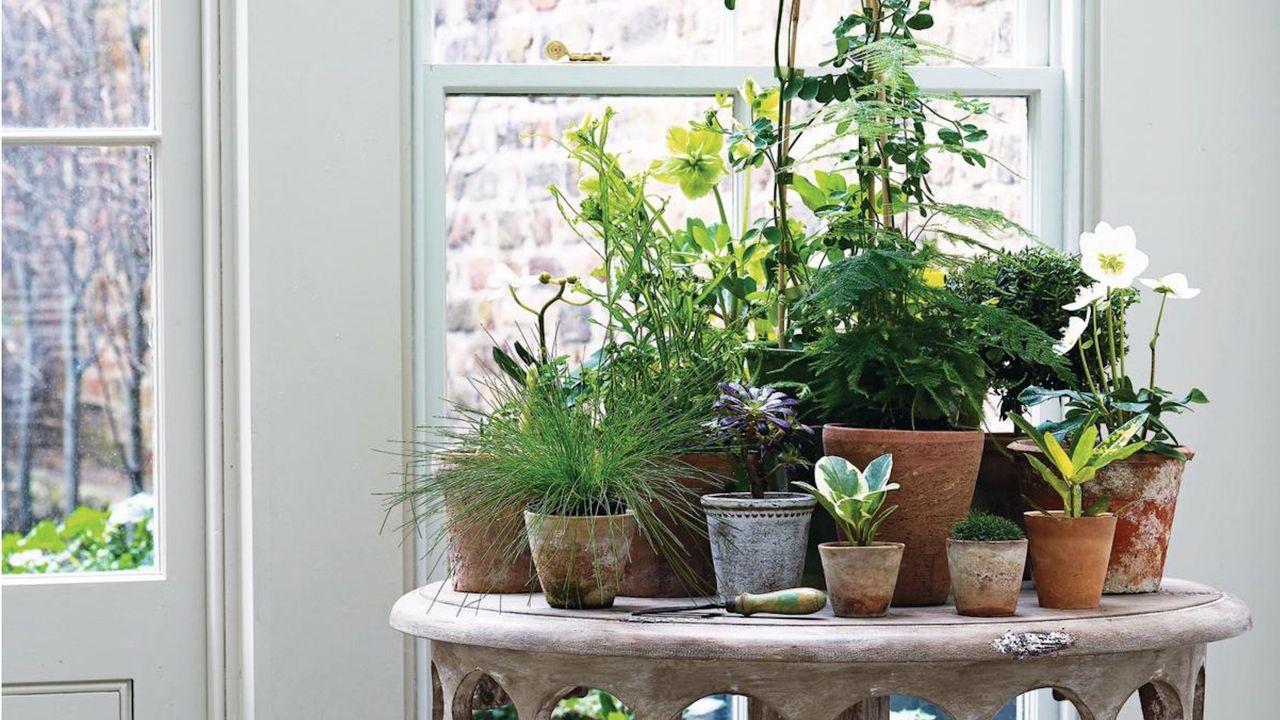
Understanding Bright Indirect Light
This means strong light without direct rays. Think: near an east-facing window or a few feet from south/west windows with sheer curtains.
Test your spot: If you can read a book comfortably without a lamp during the day, it’s likely ideal.
Ideal Placement by Begonia Type
- Foliage/Rex Begonias: Prefer medium to bright indirect light. Direct sun fades colors.
- Flowering Types (Wax, Rieger): Can handle a bit more light for better blooms, including 1–2 hours of gentle morning sun.
Grow Light Recommendations: If natural light is limited, use full-spectrum LED grow lights (10–14 hours/day). Position 12–18 inches above plants. Brands like Spider Farmer or Barrina offer affordable options.
Signs of Too Much or Too Little Light
- Too Much: Scorched, bleached, or brown patches on leaves.
- Too Little: Leggy stems, small pale leaves, no flowers.
Rotate plants quarterly for even growth.
Watering Begonias the Right Way 💧
Overwatering is hands-down the most common reason begonias struggle as indoor plants. Their fleshy stems and rhizomes store water, making them susceptible to root rot if soil stays soggy too long. In my experience growing hundreds of specimens, mastering watering has saved more begonias than any other factor.
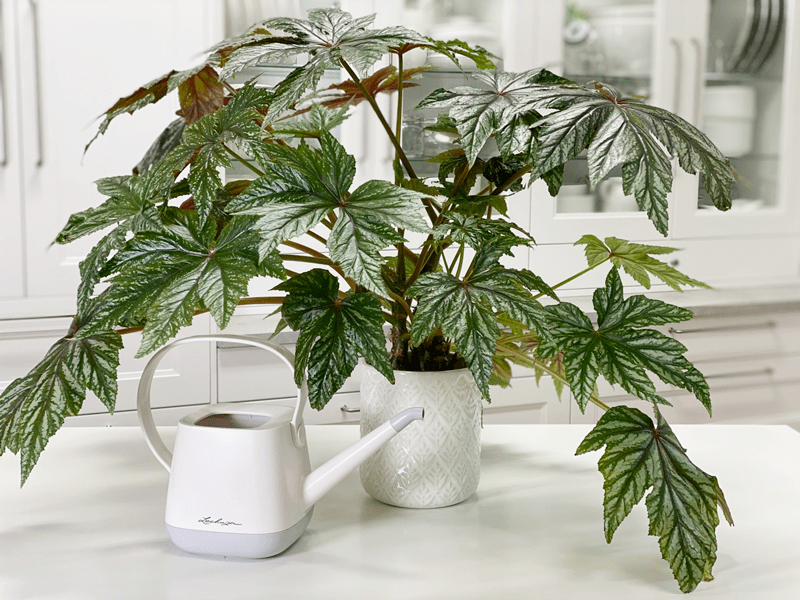
The Golden Rule: Water When the Top Inch is Dry
Stick your finger into the soil—if the top 1–2 inches feel dry, it’s time to water. This simple check prevents guesswork and overwatering disasters. Factors like pot size, light intensity, and season affect drying time: smaller pots dry faster, brighter light speeds evaporation.
Best Watering Techniques
- Bottom Watering (My Preferred Method): Place the pot in a saucer of room-temperature water for 20–30 minutes. The soil absorbs what it needs from below, keeping leaves dry and reducing fungal risks. This also encourages deeper roots.
- Top Watering Tips: If top watering, pour slowly until water drains out the bottom. Always empty the saucer afterward—no sitting in water!
Use filtered or distilled water if your tap is hard or chlorinated; let it sit overnight to off-gas chlorine.
Common Mistake Alert: Cold water straight from the tap shocks roots. Always use room-temperature water! ❄️
Seasonal Adjustments
- Active Growth (Spring/Summer): Water more frequently, perhaps every 7–10 days.
- Dormancy (Fall/Winter): Reduce to every 2–3 weeks as growth slows and evaporation decreases. Tuberous types may go nearly dry.
Monitor weight: Lift the pot—light means thirsty, heavy means wait.
Soil, Pots, and Repotting Secrets 🌱
The right growing medium is crucial for begonias indoors, as they hate “wet feet” but need consistent moisture.
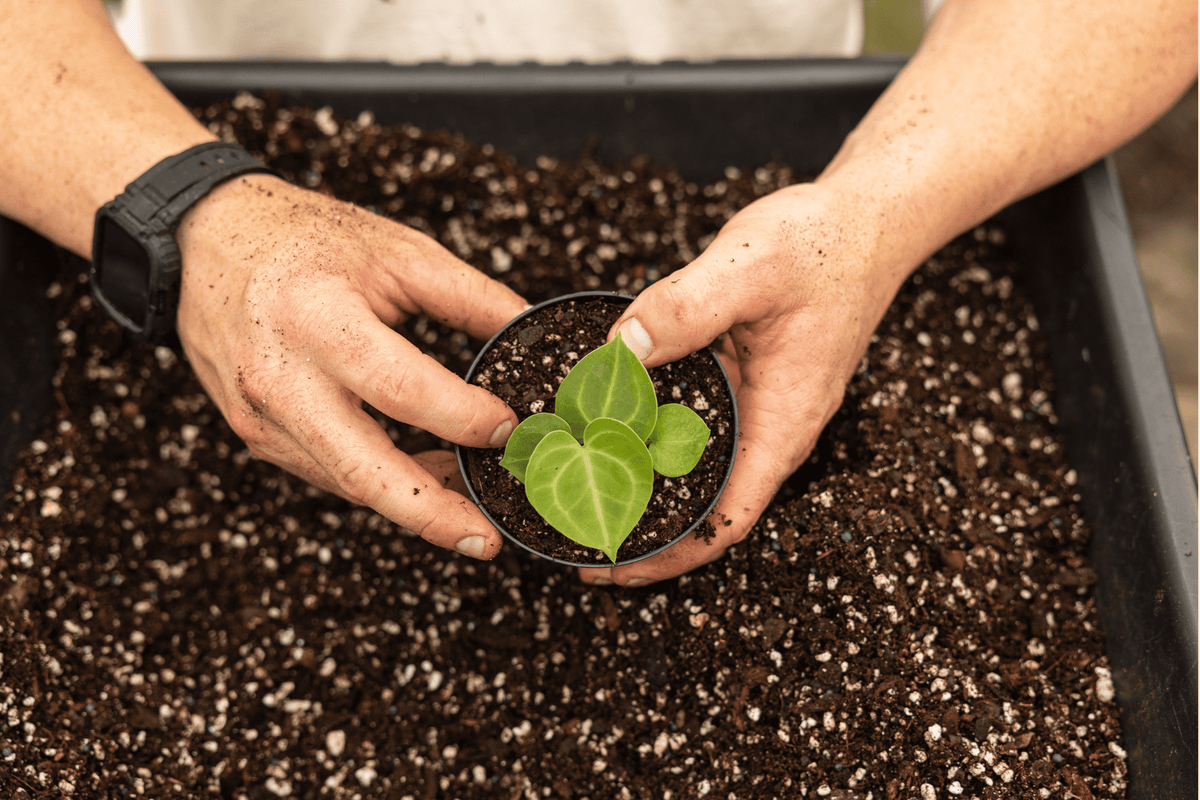
The Perfect Potting Mix Recipe
Begonias thrive in loose, well-aerated, slightly acidic soil (pH 5.5–6.5).
DIY Mix (My go-to recipe):
- 50% peat moss or coco coir (retains moisture)
- 30% perlite or pumice (drainage and aeration)
- 20% vermiculite or orchid bark (extra lightness)
Add a handful of worm castings for gentle nutrients. Commercial options: African violet mix amended with extra perlite works beautifully.
Choosing the Right Pot
- Material: Terracotta breathes and prevents overwatering; plastic retains moisture longer (better for forgetful waterers).
- Essential Feature: Drainage holes are non-negotiable! Use a saucer or cache pot.
- Size: Only go 1–2 inches larger than the root ball—too big leads to soggy soil.
When and How to Repot
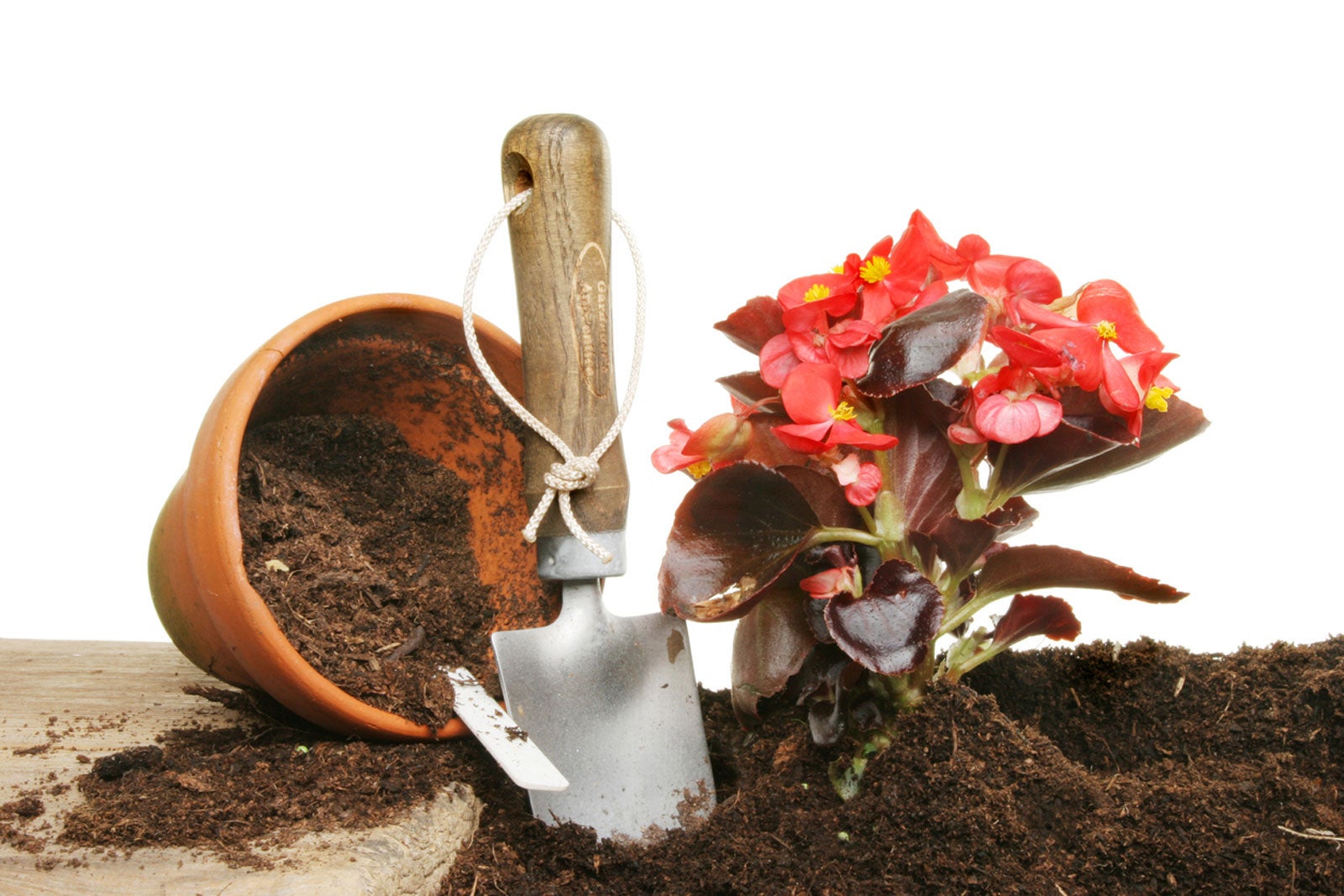
Repot when roots circle the pot, growth stalls, or soil breaks down (every 1–2 years, ideally spring).
Step-by-Step:
- Water lightly the day before.
- Gently remove from pot, tease tangled roots.
- Trim any black/rotten roots.
- Add fresh mix to new pot, position plant at same depth.
- Fill around roots, tap to settle, water thoroughly.
Humidity and Temperature Needs 🌡️
Begonias evolved in tropical understories, so replicating moderate humidity is key indoors—especially during dry winter heating seasons.
:max_bytes(150000):strip_icc()/SPR-how-to-make-a-pebble-tray-7371481-Hero-C-5d303cbb85744594b59e9839a63d5abd.jpg)
Ideal Humidity Levels (50–60%)
Low humidity causes crispy leaf edges—a classic begonia complaint.
Boosting Methods:
- Pebble Trays: Fill a tray with pebbles and water; set pot on top (not touching water). Evaporation raises local humidity.
- Humidifiers: Cool-mist models are excellent for larger collections.
- Grouping Plants: Creates a microclimate.
- Misting: Temporary relief, but avoid wetting leaves long-term to prevent mildew.
Pro Tip: Kitchens and bathrooms often have naturally higher humidity—perfect spots for begonias! 🚿
Temperature Sweet Spot
- Daytime: 65–75°F (18–24°C)
- Nighttime: No lower than 60°F (15°C)
- Avoid: Cold drafts, hot radiators, or sudden changes.
Consistent warmth promotes steady growth and flowering.
Fertilizing for Vibrant Growth and Blooms 🌺
Feeding fuels those stunning leaves and flowers, but begonias are light feeders—overdo it and you’ll get burned tips.
Best Fertilizer Types and Schedules
- Balanced Formula: Use a diluted 1/4-strength balanced liquid fertilizer (e.g., 10-10-10) every 2–4 weeks during spring/summer.
- For Flowering Types: Switch to bloom-booster (higher phosphorus, like 10-20-10) when buds appear.
Always fertilize moist soil to avoid root burn.
Organic Alternatives
- Worm castings tea: Gentle, micronutrient-rich.
- Fish emulsion: Diluted heavily for indoor use (mind the smell!).
- Compost top-dressing: Slow-release goodness.
Stop fertilizing in fall/winter when growth slows.
Pruning, Propagation, and Maintenance ✂️
Regular maintenance keeps begonias compact, healthy, and multiplies your collection effortlessly.
Pruning for Bushier, Healthier Plants
Prune leggy stems to encourage branching. Cut just above a leaf node with clean shears. Remove spent flowers (deadhead) on blooming types for continuous display.
Best time: Early spring or after flowering.
Easy Propagation Methods
Begonias are propagation superstars—free plants galore!
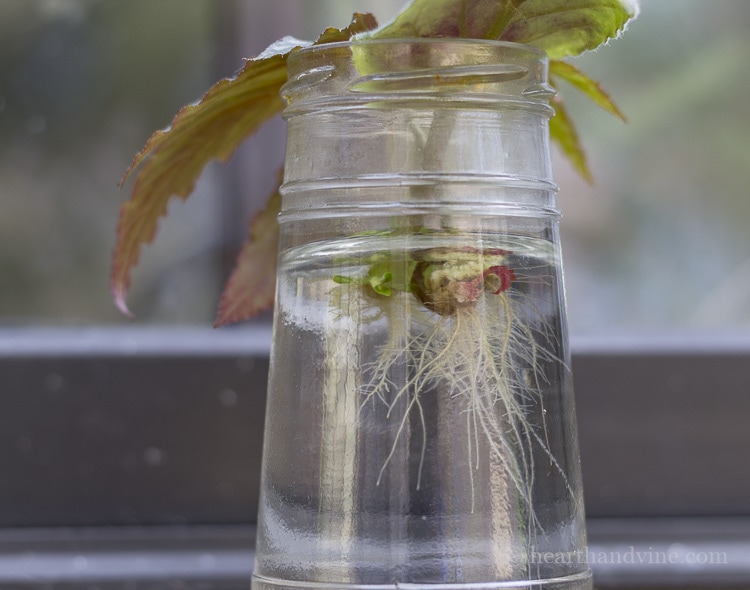
Leaf Cuttings (Rex/Foliage Types):
- Cut a healthy leaf with 1–2 inches of petiole.
- Insert into moist soil or water; cover with a bag for humidity.
- Roots and plantlets form in 4–8 weeks.
Stem Cuttings:
- Take 3–4 inch tip cuttings.
- Root in water or soil—change water weekly.
Division (Rhizomatous): Split rhizomes during repotting, ensuring each section has eyes.
Success tip: Use rooting hormone for faster results. Warmth (70°F+) and bright indirect light speed things up.
Seasonal Care Calendar
- Spring: Repot, resume fertilizing, prune.
- Summer: Monitor watering/humidity, enjoy blooms.
- Fall: Reduce feeding/watering.
- Winter: Maximize light, protect from drafts.
Common Problems and How to Fix Them 🛠️
Even with the best care, issues can arise when growing begonias as indoor plants. The key is early detection and prompt action. Below, I’ll cover the most frequent problems I’ve encountered (and resolved) in my collections.
Pests (Mealybugs, Spider Mites, Aphids)
Pests love the tender leaves and stems of begonias. Regular inspections (especially undersides) are your best defense.
- Mealybugs: Appear as white, cottony masses in leaf axils or along stems. They suck sap, causing yellowing and weakness.
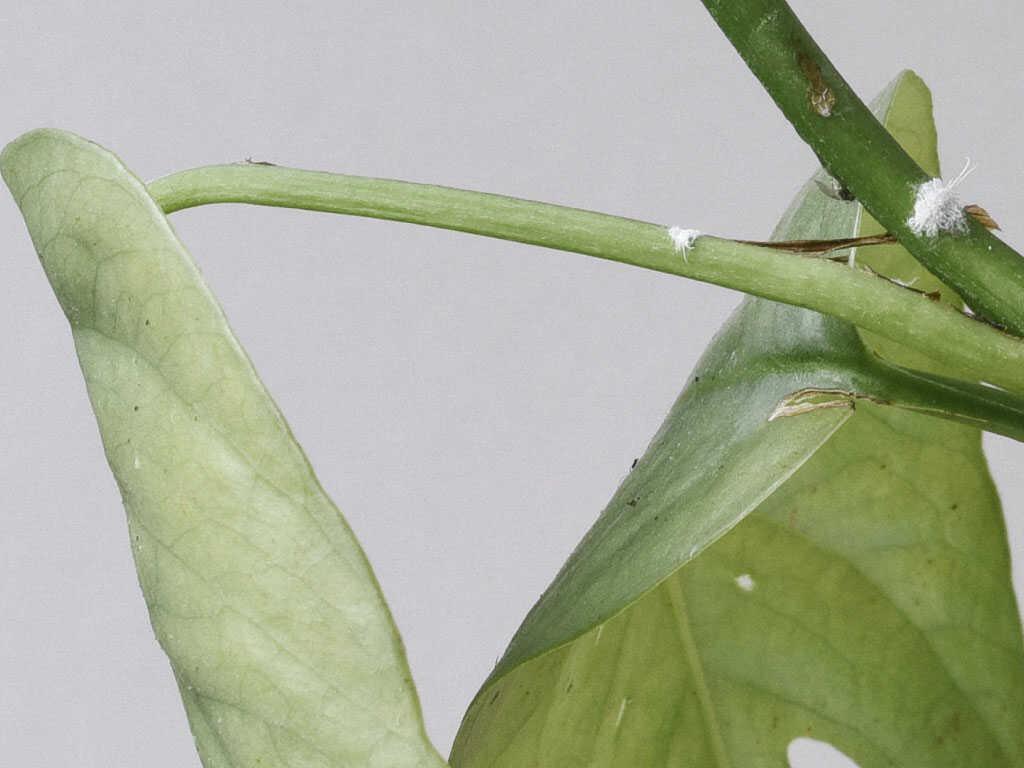
Treatment: Dab with 70% isopropyl alcohol on a cotton swab for small infestations. For larger, spray with insecticidal soap or neem oil weekly until gone. Repeat after 7–10 days to catch eggs.
- Spider Mites: Tiny pests causing stippled, bronzed leaves and fine webbing (especially in dry conditions).

Treatment: Increase humidity, rinse leaves under lukewarm shower, and apply miticide or neem. Severe cases may require predatory mites (biological control).
-
Aphids: Small green/black insects clustering on new growth.
Treatment: Hose off or use insecticidal soap.
Prevention: Quarantine new plants, maintain good airflow, and avoid over-fertilizing (which attracts pests).
Diseases (Powdery Mildew, Botrytis, Root Rot)
Fungal issues thrive in humid, poorly ventilated conditions.
- Powdery Mildew: White powdery spots on leaves, often from low light/high humidity.

Treatment: Improve airflow, reduce overhead watering, apply baking soda solution (1 tsp soda + 1 qt water + drop of soap) or fungicide.
-
Botrytis (Gray Mold): Fuzzy gray growth on dying tissue.
Treatment: Remove affected parts, increase ventilation.
-
Root Rot: Black, mushy roots from chronic overwatering—often fatal if advanced.

Treatment: Unpot, trim rotten roots, repot in fresh mix, and adjust watering drastically.
Yellowing Leaves, Dropping Buds, Crispy Edges
These symptoms usually point to environmental stress.
- Yellowing Leaves: Overwatering (lower leaves), underwatering (uniform), or nutrient deficiency.
- Curling/Crispy Edges: Low humidity, dry soil, or salt buildup from hard water.

- Dropping Buds: Sudden temperature swings, dry air, or insufficient light.
Quick Diagnosis Chart:
- Crispy tips → Boost humidity
- Yellow lower leaves → Check for soggy soil
- Leggy growth → More light
- No blooms → Increase light/fertilizer
Advanced Tips for Show-Stopping Begonias ✨
Once basics are mastered, elevate your begonias to masterpiece level.
- Creative Displays: Use hanging baskets for trailing types like Begonia boliviensis, closed terrariums for compact rex varieties, or mixed planters with ferns and ivy for lush arrangements.

- Encouraging Continuous Blooming: Provide 12–14 hours of bright indirect light, consistent phosphorus feeding, and deadhead spent flowers.
- Overwintering Tuberous Begonias: Reduce water in fall, let foliage die back, store dry tubers in peat at 50°F, replant in spring.
Expert Insight: My all-time favorites are Rex ‘Jurassic Watermelon’ for insane color vibrancy and Begonia maculata for elegant drama. With optimal conditions, rex leaves can reach vivid pinks and silvers that rival any artwork.

Frequently Asked Questions (FAQ) ❓
How often should I water begonias as indoor plants? Wait until the top 1–2 inches of soil is dry—typically every 7–14 days, depending on light and season.
Can begonias live in low light? Some (like certain rex) tolerate lower light but grow slower and lose color intensity. Bright indirect is best.
Are begonias toxic to pets? Yes, mildly toxic to cats and dogs (causing oral irritation). Keep out of reach.
Why are my begonia leaves curling? Usually low humidity, underwatering, or pest damage. Increase moisture and inspect closely.
How do I make my rex begonia more colorful? Provide bright indirect light, cool nights (60–65°F), and balanced fertilizer—avoid direct sun which fades patterns.
Can I grow begonias from seed indoors? Yes, but it’s slow and tricky. Leaf/stem cuttings are far easier for home growers.
Conclusion 🌟
Growing begonias as indoor plants doesn’t have to be intimidating. The secrets to thriving specimens boil down to bright indirect light, mindful watering (err on the dry side), elevated humidity, and quick response to issues. Follow these proven strategies—drawn from years of hands-on experience—and your begonias will reward you with lush, vibrant foliage and blooms that transform any space into a tropical oasis.
Ready to build your own begonia collection? Start with one forgiving variety, apply these tips, and watch the magic unfold. Share your progress or questions in the comments—I’d love to hear about your begonia journey! For more expert houseplant guides, subscribe today. Happy growing! 🌿✨











