
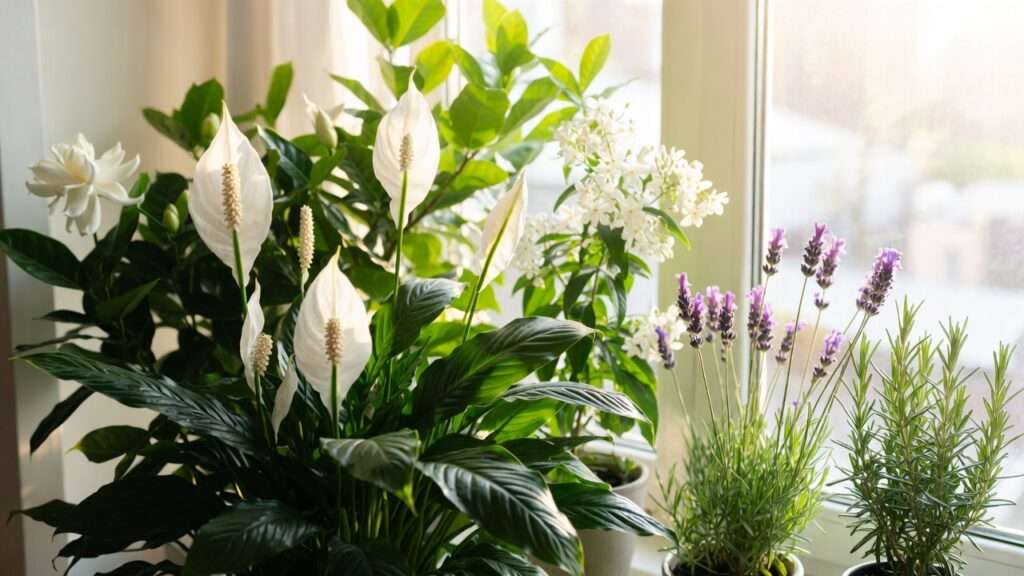
Imagine stepping through your door after a stressful day, and instead of stale office air hitting you, a gentle, uplifting wave of fresh citrus and calming floral notes greets you — all from the living plants thriving in your home. 😌 No plug-in diffusers, no synthetic fragrances, just nature doing its quiet magic. This isn’t a fantasy; it’s the real, science-backed power of benefits of essential oils from indoor plants — or more precisely, the natural volatile compounds (like terpenes such as linalool, limonene, and pinene) that many houseplants release through their leaves, flowers, and gentle brushing.
In our modern world, where we spend over 90% of our time indoors, poor air quality, chronic stress, and low mood have become common challenges. Indoor plants offer a beautiful, low-effort solution: they naturally emit subtle aromatic compounds that mimic the effects of essential oils in aromatherapy, while also purifying the air and enhancing overall well-being. Backed by NASA-inspired research on air purification and emerging studies on plant volatiles for mental and physical health, growing aromatic indoor plants can transform your living space into a natural sanctuary.
In this comprehensive guide, we’ll explore the science behind these plant-derived “essential oils,” the top houseplants that deliver the most benefits, practical ways to maximize their effects through proper care, and real tips to avoid common pitfalls. Whether you’re a beginner plant parent or a seasoned green thumb, you’ll discover how to harness these natural aromas for better sleep, reduced anxiety, cleaner air, and a happier home. Let’s dive in! 🌱
What Are “Essential Oils from Indoor Plants”? Understanding the Science 🧪🌿
Many people think of essential oils as bottled concentrates from steam distillation — think lavender or peppermint oils from a diffuser. But essential oils from indoor plants refer to something even more accessible: the volatile organic compounds (VOCs) and terpenes that houseplants naturally release into the air.
These compounds — including linalool (calming, found in lavender and basil), limonene (uplifting, in citrus plants), and β-caryophyllene (anti-inflammatory) — serve as the plant’s defense system against pests and environmental stress. When released, they create a gentle, continuous aromatherapy effect right in your home.
The Difference Between Bottled Essential Oils and Natural Plant Volatiles Bottled oils are highly concentrated and potent (sometimes too strong if overused), while plant volatiles are milder, released gradually through transpiration or when you gently rub a leaf. This makes them safer for daily, passive exposure — no risk of skin irritation or overwhelming scents. Plus, living plants add humidity, oxygen, and visual beauty!
How Indoor Plants Release These Beneficial Compounds Plants emit volatiles mainly through tiny pores on leaves (stomata) during photosynthesis and transpiration. Flowering plants like jasmine burst with scent during bloom, while herbs like rosemary release invigorating notes when brushed. Even subtle actions — like a breeze or your hand grazing foliage — amplify the aroma release. 🌬️

Backed by Research – Key Studies on Plant Aromas & Health The foundation starts with NASA’s famous 1989 Clean Air Study, which showed houseplants remove indoor pollutants like formaldehyde, benzene, and trichloroethylene (VOCs from paints, furniture, and cleaners). While critics note the sealed-chamber setup doesn’t perfectly mirror real homes, follow-up research confirms plants act as natural biofilters, reducing airborne toxins and supporting better indoor air quality.
More recent studies highlight the human health perks of emitted terpenes:
- Forest bathing research (shinrin-yoku) shows inhaling terpenes like α-pinene and limonene reduces stress hormones, lowers blood pressure, and boosts immune function.
- Linalool demonstrates anxiolytic (anti-anxiety) effects, improving mood and sleep by modulating GABA receptors — similar to lavender aromatherapy.
- Limonene exhibits anti-inflammatory and mood-enhancing properties, with potential benefits for focus and alertness.
- Overall, exposure to plant volatiles can increase alpha brain waves (relaxation), improve heart rate variability, and even offer subtle antimicrobial effects by reducing airborne microbes.
These aren’t just feel-good claims; they’re supported by peer-reviewed papers on terpenes’ neuroprotective, anti-inflammatory, and psychophysiological benefits. Growing aromatic plants brings these perks indoors naturally! 📚❤️
Top Indoor Plants That Naturally Release Beneficial Aromas (with Benefits) 🌸🥰
Here are the standout aromatic houseplants that excel at emitting wellness-boosting volatiles. I’ve prioritized easy-to-care-for options suitable for most homes, with evidence-based perks.
Best Aromatic Houseplants for Wellness & Easy Care
Peace Lily (Spathiphyllum) 🌼 Key compounds: β-caryophyllene and other calming volatiles. Main benefits: Excellent air purifier (NASA top pick for VOC removal), subtle floral scent promotes relaxation, potential antiviral properties from emitted compounds. Care level: Low-maintenance; thrives in low light, keeps soil moist. Emoji rating: 🌟🌟🌟🌟
Gardenia (Gardenia jasminoides) 💐 Key compounds: Rich terpenes and alcohols. Main benefits: Luxurious, sweet fragrance for mood lift, blood pressure regulation, and stress reduction (studies link gardenia volatiles to relaxation). Care level: Medium (needs bright indirect light, humidity). Emoji rating: 🌟🌟🌟🌟🌟
Jasmine (indoor varieties like Jasminum polyanthum) 🌺 Key compounds: Floral terpenes. Main benefits: Uplifting scent boosts energy, reduces anxiety, supports better sleep when placed in bedrooms. Care level: Medium (vining, needs support and bright light). Emoji rating: 🌟🌟🌟🌟
Lavender (dwarf varieties like Lavandula angustifolia ‘Munstead’) 💜 Key compounds: Linalool (classic calming terpene). Main benefits: Proven to lower stress, improve sleep quality, and ease headaches — nature’s built-in diffuser! Care level: Medium (needs good drainage, bright light). Emoji rating: 🌟🌟🌟🌟🌟
Rosemary & Other Herbs (Rosmarinus officinalis, basil, mint, scented geraniums like Pelargonium ‘Vicks’) 🌿 Key compounds: Camphor, menthol, limonene. Main benefits: Invigorating for focus/productivity, antimicrobial volatiles help purify air, great for kitchens. Care level: Easy (herbs love sunny windows). Emoji rating: 🌟🌟🌟🌟
Citrus Plants (Meyer lemon, calamondin orange, lime) 🍋 Key compounds: Limonene-rich peels and leaves. Main benefits: Fresh, energizing scent for mood/alertness boost, subtle air freshening. Care level: Medium (bright light, regular watering). Emoji rating: 🌟🌟🌟🌟
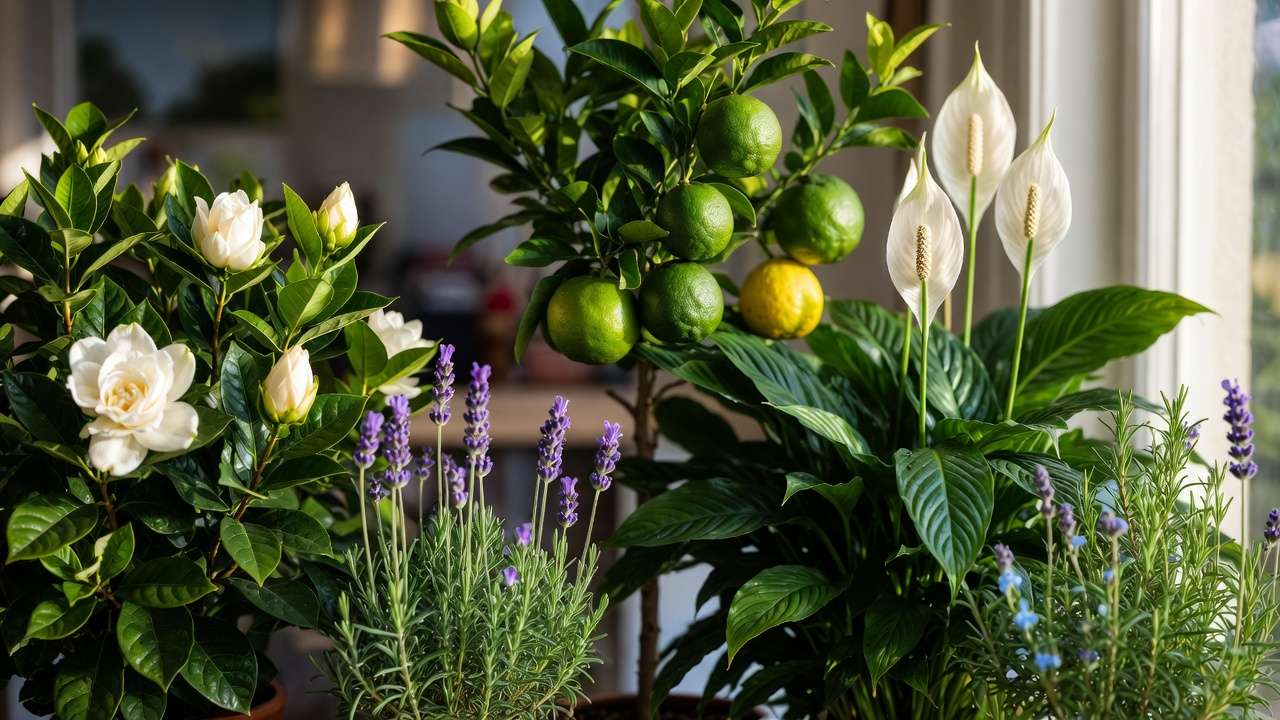
Others to Consider: Boston Fern (mild purifying + humidity), Spider Plant (easy VOC remover), Hoya (sweet night-blooming scent).
Quick Comparison Table (visualize this in your mind or add one in final formatting):
| Plant | Key Compounds | Main Benefits | Care Level | Emoji Rating |
|---|---|---|---|---|
| Peace Lily | β-caryophyllene | Air purification, calm | Low | 🌟🌟🌟🌟 |
| Gardenia | Terpenes/alcohols | Mood lift, relaxation | Medium | 🌟🌟🌟🌟🌟 |
| Jasmine | Floral terpenes | Energy, stress relief | Medium | 🌟🌟🌟🌟 |
| Lavender | Linalool | Sleep, anxiety reduction | Medium | 🌟🌟🌟🌟🌟 |
| Rosemary/Herbs | Limonene, menthol | Focus, antimicrobial | Easy | 🌟🌟🌟🌟 |
| Citrus | Limonene | Alertness, fresh air | Medium | 🌟🌟🌟🌟 |
These plants turn your home into a living essential oil garden! 🏡💚
How These Natural “Essential Oils” Boost Your Home Wellness 🌟💆♀️
The gentle aromas from your indoor plants aren’t just pleasant — they’re actively working to support your mental, emotional, and physical health in ways that bottled essential oils sometimes can’t match. Here’s how these natural volatile compounds deliver real, measurable benefits.
Mental & Emotional Benefits – Nature’s Free Aromatherapy 😌🧠 Many of the terpenes released by houseplants interact with our nervous system similarly to clinical aromatherapy. For example:
- Linalool (prominent in lavender, basil, and some scented geraniums) has anxiolytic effects, helping reduce anxiety by influencing GABA receptors in the brain — the same pathway targeted by some anti-anxiety medications, but far more gently. Studies on inhalation of linalool show decreased stress markers and improved mood within minutes.
- Limonene (abundant in citrus leaves and peels) uplifts energy and combats mild depression symptoms. Research links limonene exposure to increased serotonin and dopamine activity, promoting alertness without jitters.
- Floral volatiles from jasmine and gardenia increase alpha brain waves (associated with relaxed alertness) and can lower cortisol levels — the stress hormone. One study found that simply being in a room with fragrant plants improved self-reported relaxation and reduced tension more effectively than a neutral environment.
These effects accumulate over time: regular passive exposure through living plants creates a consistent, low-level “aromatherapy” that supports long-term emotional resilience, better focus during work or study, and an overall sense of calm in your home. Many readers report feeling noticeably less overwhelmed after adding aromatic plants to bedrooms or home offices. 🌸
Physical Health Perks – From Air Quality to Immunity 🫁💪 Beyond mood, these natural emissions contribute to tangible physical wellness:
- Enhanced Indoor Air Quality: While plants absorb harmful VOCs (like benzene and formaldehyde), they also release beneficial terpenes that can inhibit airborne bacteria and fungi. Rosemary and citrus volatiles, for instance, show antimicrobial properties in lab tests, subtly reducing mold spores and pathogens.
- Subtle Immune Support: Chronic stress suppresses immunity; by lowering stress hormones, plant aromas indirectly bolster your defenses. Terpenes like β-caryophyllene (from peace lilies) have anti-inflammatory effects that may help with minor respiratory irritation from indoor pollutants.
- Better Sleep Environment: Plants like lavender and jasmine release calming compounds at night, plus they produce oxygen and moderate humidity — creating ideal conditions for deeper rest. Placing one near your bed can make a noticeable difference in sleep quality over weeks.
Comparing to Diffusers – Why Plant-Based Is Often Better ⚖️ Diffusers deliver concentrated bursts, which is great for targeted sessions but can lead to sensitization, headaches, or overuse if not diluted properly. Living plants provide:
- Continuous, gentle release (no risk of “scent overload”).
- Added bonuses like natural humidity, CO₂ absorption during the day, and oxygen output at night (for some species).
- Visual and tactile joy — caring for plants is therapeutic in itself (known as horticultural therapy).
- Cost-effectiveness: One healthy plant can provide benefits for years, versus repurchasing oils.
In short, aromatic indoor plants offer a holistic, sustainable wellness upgrade that bottled options can’t fully replicate. 🌿❤️
Practical Tips: How to Maximize Benefits in Your Home 🏡🌿
Choosing & Placing Aromatic Plants for Optimal Effect To get the most aroma and wellness impact:
- Group them strategically: Cluster 3–5 plants in living rooms, bedrooms, or home offices for amplified volatile release (the “companion effect” increases humidity and scent concentration).
- Prioritize high-traffic areas: Place fragrant herbs like rosemary near kitchens for an invigorating boost while cooking. Bedroom-friendly picks include lavender or jasmine for nighttime calm.
- Light matters: Most aromatic plants thrive in bright, indirect light — south- or east-facing windows are ideal. Low-light lovers like peace lilies still release calming compounds even in shadier spots.
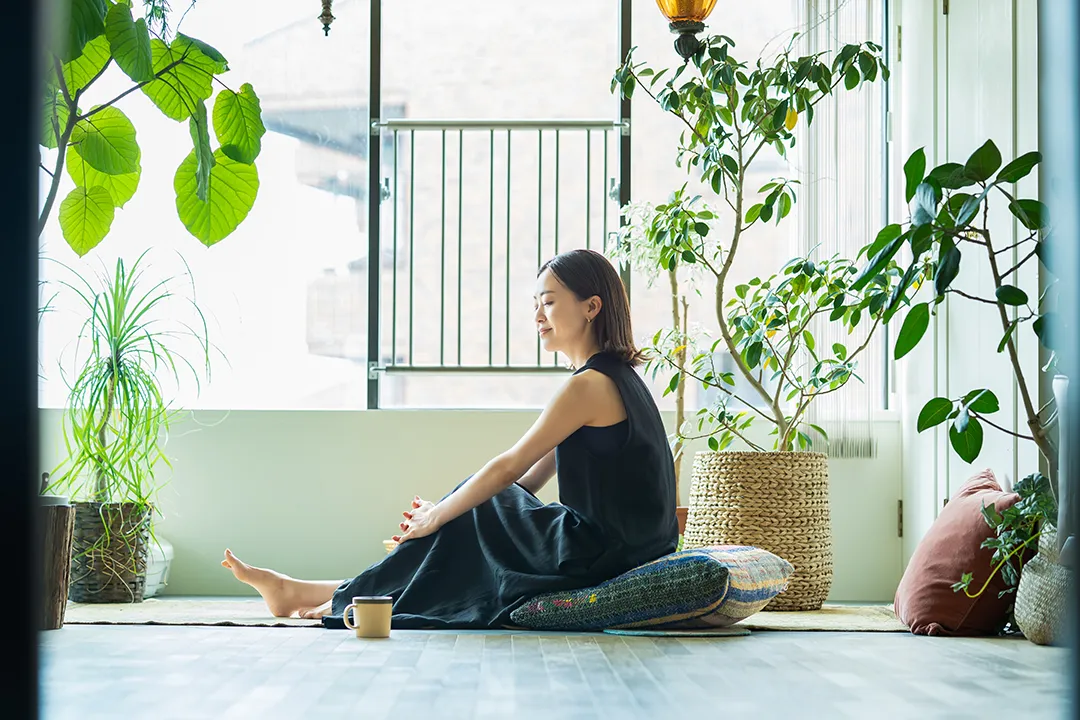
Here are some favorite placements visualized:

Care Guide to Keep Your Plants Healthy & Fragrant Healthy plants = stronger volatile production. Follow these expert tips:
- Watering: Keep soil evenly moist but not soggy (peace lilies dramatically droop when thirsty — a helpful reminder!). Herbs like rosemary prefer to dry out slightly between waterings.
- Soil & Pots: Use well-draining potting mix; terracotta pots help prevent root rot.
- Pruning & Touching: Gently rub or brush leaves weekly to release bursts of aroma and encourage new growth. Trim spent flowers to promote more blooms (and more scent!).
- Fertilizer: Feed monthly during growing season (spring–fall) with balanced, diluted houseplant fertilizer.
- Humidity: Many aromatic plants (gardenia, jasmine) love 50–60% humidity — group with other plants or use a pebble tray.
Safety Notes & Precautions ⚠️
- Pet safety: Peace lilies are toxic if ingested (keep out of reach of cats/dogs). Opt for pet-safe alternatives like spider plants, Boston ferns, or herbs.
- Allergies: Start with one or two plants if you’re sensitive to strong scents.
- Never ingest: These are for aromatic enjoyment only — don’t eat leaves or make teas without expert guidance.
Common Mistakes to Avoid + Expert Insights 👩🌾🔍
Even well-intentioned plant lovers can unintentionally reduce the wellness benefits of their aromatic houseplants. Here are the most frequent pitfalls — and how to sidestep them — drawn from years of observing home growers and consulting with horticulturists.
Myths Debunked: Not All Plants Are Equal
- Myth #1: “Any green plant gives off essential oil benefits.” Reality: Only certain species release noticeable, therapeutically relevant volatile compounds. Plain foliage plants like pothos or snake plants purify air wonderfully but don’t provide much aromatic impact. Focus on the fragrant ones listed earlier for true “essential oil from plants” effects.
- Myth #2: “More plants = stronger scent and benefits instantly.” Reality: Overcrowding without proper airflow and light can lead to weaker volatile production and increased pest/disease risk. Start small (3–5 well-cared-for plants) and scale up gradually.
- Myth #3: “You need to crush or heavily damage leaves to get aroma.” Reality: Aggressive handling stresses the plant and reduces long-term fragrance output. A gentle brush or rub once or twice a week is plenty — think loving caress, not squeezing! 😅
Pro Tips from Plant Care Experts
- Seasonal rotation: In cooler months (common in places like Khulna during winter), move citrus and rosemary closer to the brightest window; bring humidity-loving gardenias and jasmine into slightly warmer, more humid rooms if possible.
- Companion planting indoors: Pair a peace lily (air-purifying, low light) with a sunny rosemary or citrus on the same shelf — the combination boosts overall air quality and creates layered scents (fresh herbal + subtle floral).
- Mindfulness integration: Turn plant care into a mini ritual. While watering or gently touching leaves, practice 1–2 minutes of deep breathing to inhale the volatiles intentionally. Many people find this more grounding than using a diffuser timer.
- Monitor & adjust: If a plant’s fragrance seems to fade, check for dust on leaves (blocks stomata and volatile release) — wipe gently with a damp cloth monthly.
These small tweaks can double or triple the wellness payoff you get from the same plants. 🌱✨
FAQs – Quick Answers to Reader Questions ❓
1. Do all indoor plants release essential oils or similar compounds? No — only aromatic varieties (herbs, flowering plants, citrus, etc.) release noticeable amounts of beneficial terpenes and volatiles. Standard leafy houseplants focus more on air filtration than aroma.
2. Are the benefits from indoor plant volatiles as strong as bottled essential oils? Not in intensity (plants release much lower concentrations), but they often feel more balanced and sustainable for daily, passive exposure. You get gentler, longer-lasting effects without the risk of sensitization or headaches from overuse.
3. What’s the best beginner aromatic plant for wellness benefits? Peace lily or rosemary. Peace lily is nearly foolproof in low-to-medium light and gives calming + purifying benefits; rosemary is super easy on a sunny windowsill and delivers an invigorating, focus-boosting scent. Both are forgiving for new plant parents. 🏆
4. Can these plants help with allergies or asthma? Some can (their antimicrobial volatiles may reduce airborne microbes), but others (especially flowering ones) might trigger pollen sensitivities. Start with low-pollen options like herbs or peace lily, and monitor your response.
5. How many plants do I need to notice real wellness changes? 3–6 medium-sized aromatic plants in an average living space usually create a perceptible effect within 2–4 weeks — especially if placed in rooms where you spend the most time.
6. Are these plants safe around pets and children? Varies: Peace lilies, gardenias, and some citrus are toxic if chewed. Safe alternatives include rosemary, basil, spider plants, Boston ferns, and most scented geraniums (non-toxic but still supervise nibbling). Always research each plant.
7. Do I need to touch the leaves every day to get the benefits? No — passive release through normal transpiration is enough for most of the air-quality and subtle mood perks. Gentle touching just gives an occasional stronger “burst” when you want it.
8. Can I combine indoor plants with a diffuser for even more effect? Yes, but keep the diffuser on low and use complementary scents (e.g., lavender plant + a touch of lavender oil). Many people find the plants alone become sufficient after a month or two.
Conclusion – Bring Nature’s Healing Indoors Today 🌿❤️
You don’t need expensive gadgets, rare botanicals, or complicated routines to enjoy the benefits of essential oils from indoor plants. By welcoming just a few carefully chosen aromatic houseplants into your home — peace lily for calm air purification, rosemary for focus, lavender for restful nights, citrus for an energy lift — you create a living, breathing wellness system that works quietly around the clock.
These plants don’t just look beautiful; they subtly shift your environment toward cleaner air, lower stress, better mood, and even gentle immune support through their natural volatile compounds. The science is clear, the care is straightforward, and the payoff is deeply personal: a home that feels more alive, more nurturing, more yours.
Start small this week: pick one or two plants from the list that match your light conditions and personal scent preference. Give them a bright spot, consistent care, and a little loving attention — and watch how quickly your indoor world begins to feel lighter, fresher, and more restorative.
Your sanctuary is waiting… and it’s growing right on your windowsill. 🌱💚











