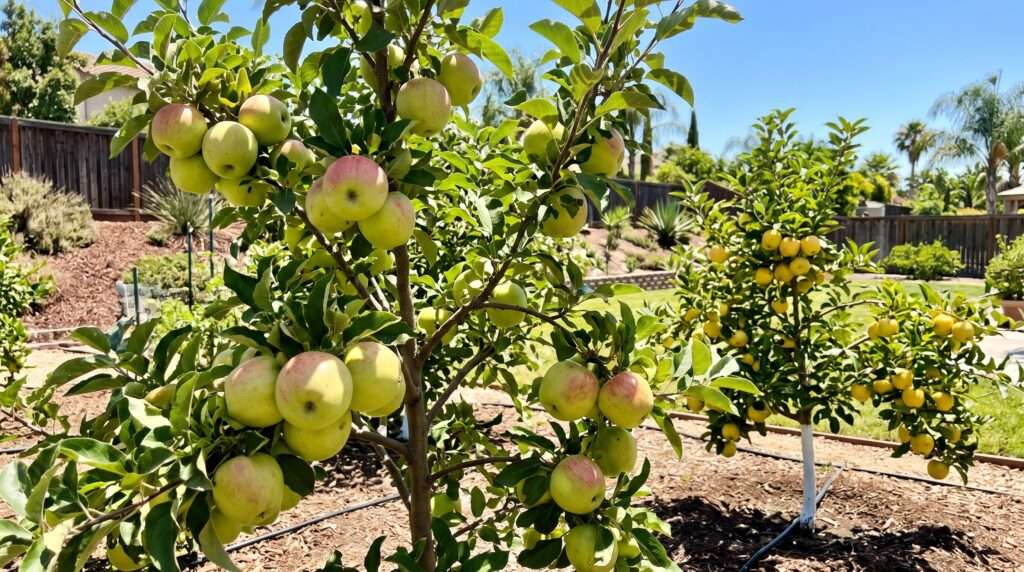
If you live in a warm climate, you’ve likely experienced the ultimate gardening heartbreak: planting a beautiful, healthy apple tree, only to watch it grow lush green leaves year after year while refusing to produce a single piece of fruit. The culprit isn’t your gardening skills; it’s the weather. To help you bypass this frustration and finally achieve a backyard harvest, we’ve researched and ranked the best 10 apple trees for zone 9b that are proven to thrive in southern heat.
Why do traditional apple trees fail in the South and coastal regions? It all comes down to “chill hours”—the number of cumulative hours a tree spends between 32°F and 45°F during winter dormancy. Famous supermarket varieties like McIntosh or Honeycrisp require 800 to 1,000 chill hours to trigger their spring blooming cycle. In Zone 9b, where winters are notoriously mild, those hours simply never add up, leaving standard apple trees confused and barren.
The secret to unlocking a crisp, sweet harvest in warm climates is planting “low-chill” apple trees. By selecting specialized cultivars that require fewer than 400 chill hours, you can completely bypass the deep-freeze requirement. These robust, heat-tolerant varieties are specifically bred to burst into fragrant blossoms and set heavy crops of fruit after even the mildest winters.
You don’t need to guess which varieties will survive your climate. We’ve analyzed Amazon’s top-rated nursery stock, evaluated customer reviews, and consulted orchard data to narrow down the best 10 apple trees for zone 9b. Whether you are looking for a tart baking apple or a crisp summer snack, this guide will help you confidently choose and plant a tree that will actually produce fruit in your backyard.
II. Quick Comparison Table
III. Detailed Product Reviews: The Best 10 Apple Trees for Zone 9b
1. Anna Apple Tree – Best Overall for Zone 9b
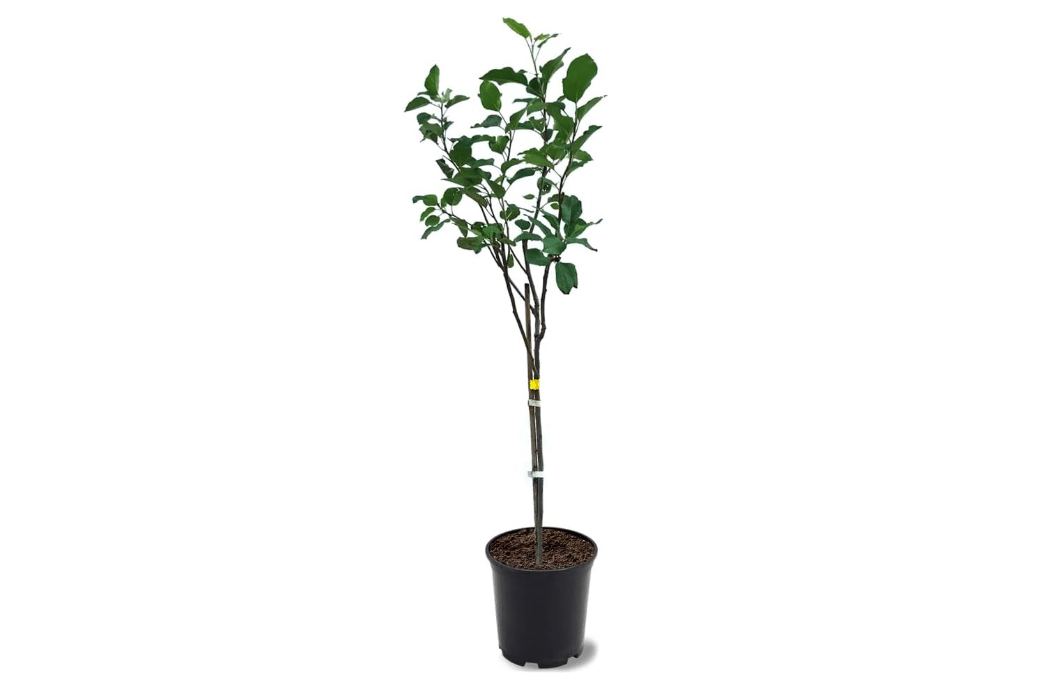
The Anna apple is the undisputed king of warm-climate orchards. Developed in Israel specifically to thrive in desert-like and tropical conditions, this tree produces heavy crops of large, light green apples with a beautiful red blush. The flavor is a remarkable balance of sweet and tart, with a crisp white flesh that is strikingly similar to an early Gala. Anna trees are incredibly vigorous and have been known to produce fruit in as little as two years after planting.
-
Price:
-
Key Features & Benefits:
-
Chill Hour Requirement: 200 hours (Ultra-low chill)
-
Size at Maturity: 12-15 feet (Semi-Dwarf rootstock)
-
Harvest Time: Early summer (June/July)
-
-
Pros:
-
Exceptional heat tolerance and vigor
-
Produces fruit at a very young age
-
Large, crisp apples excellent for fresh eating and applesauce
-
-
Cons:
-
Apples do not store for long periods; best eaten within a few weeks
-
Requires a pollinator (Dorsett Golden is best) for maximum yield
-
-
Amazon Customer Ratings & Reviews: 4.6/5 Stars. Buyers consistently praise the tree’s rapid growth rate and thick foliage. Several reviewers in Florida and Southern California noted their Anna trees blossomed beautifully even after winters with almost no freezing nights.
-
Why It’s a Good Choice for Zone 9b: It literally thrives where other apples die. Its 200-chill-hour threshold means even the mildest Zone 9b winters are sufficient to trigger a massive spring bloom.
-
Ideal Use Case: Best for warm-climate gardeners who want a reliable, heavy-producing tree for early summer harvests.
2. Dorsett Golden Apple Tree – Best Pollinator Companion
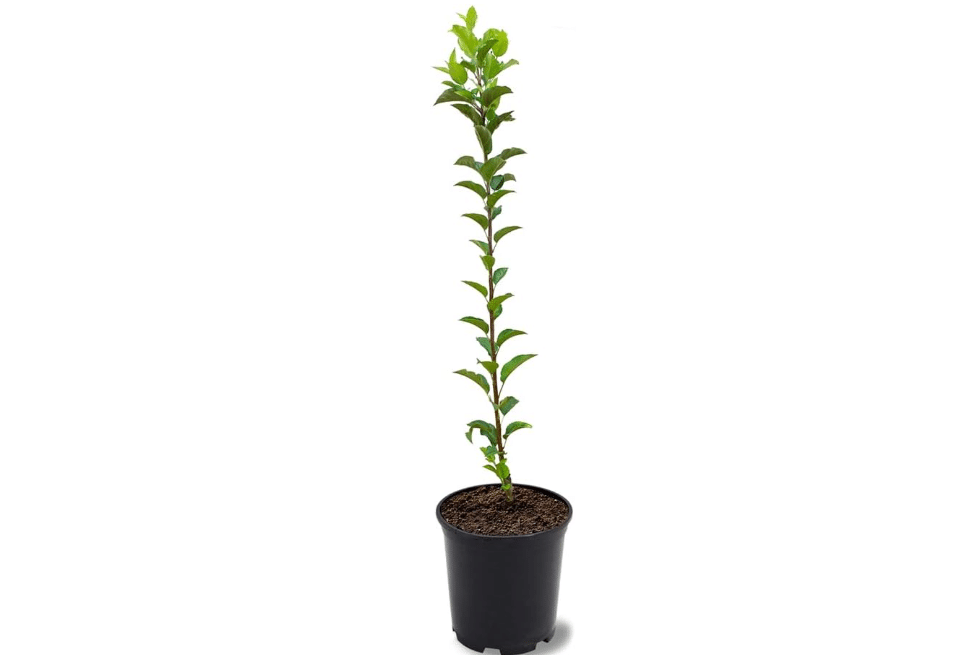
Discovered by chance in the Bahamas, the Dorsett Golden is a warm-weather marvel. It yields medium-to-large, golden-yellow apples with a firm, exceptionally sweet flesh that lacks the sharp tartness of other early-season apples. Beyond its delicious fruit, the Dorsett Golden is famous for being the absolute best cross-pollination partner for the Anna apple. The two trees bloom at the exact same time, ensuring a massive fruit set for both.
-
Price:
-
Key Features & Benefits:
-
Chill Hour Requirement: 100 – 300 hours
-
Size at Maturity: 10-15 feet
-
Disease Resistance: Highly resistant to apple scab and powdery mildew
-
-
Pros:
-
Incredibly sweet flavor profile with no tartness
-
Blooms alongside the Anna apple for perfect cross-pollination
-
Can tolerate intense summer sun without fruit drop
-
-
Cons:
-
Like Anna, the fruit has a short shelf life
-
Can occasionally over-produce, requiring you to thin the fruit by hand so branches don’t snap
-
-
Amazon Customer Ratings & Reviews: 4.5/5 Stars. Customers frequently buy this tree bundled with the Anna. Reviewers highlight how resilient the rootstock is during shipping and how quickly the tree establishes itself in sandy, southern soils.
-
Why It’s a Good Choice for Zone 9b: With a chill requirement that can dip as low as 100 hours, it is practically guaranteed to fruit in Zone 9b.
-
Ideal Use Case: Anyone planting an Anna apple tree should buy a Dorsett Golden immediately to plant nearby for maximum pollination.
3. TropicSweet Apple Tree – Crispiest Texture
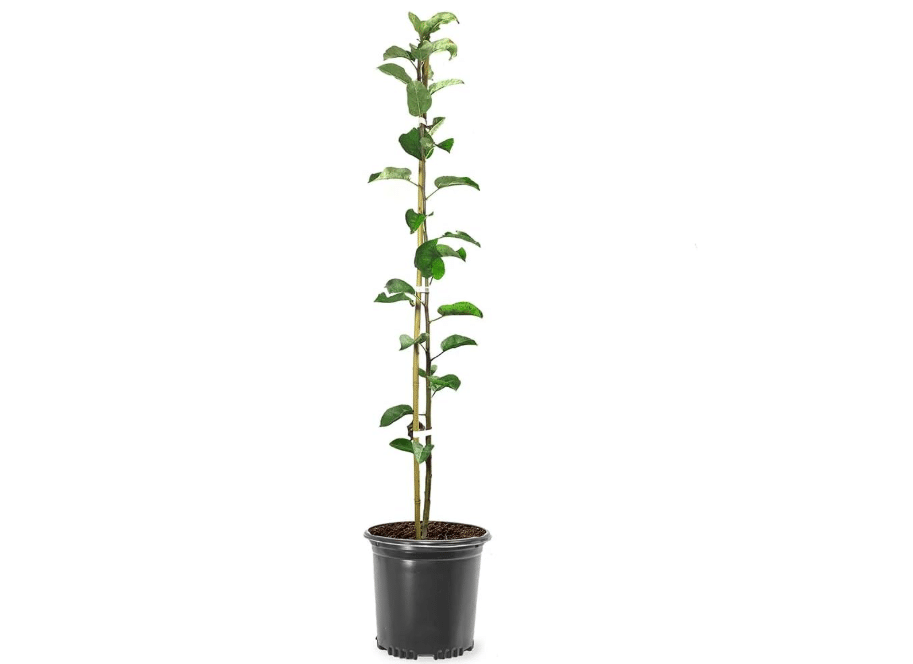
Patented by the University of Florida, the TropicSweet was engineered specifically to solve the texture problems sometimes found in warm-climate apples. While some early-summer apples can get mealy in the heat, the TropicSweet remains incredibly firm, crunchy, and juicy. It produces a green apple with a red wash that is significantly sweeter than the Anna.
-
Price:
-
Key Features & Benefits:
-
Chill Hour Requirement: 250 – 300 hours
-
Harvest Time: Early-to-mid June
-
Flavor Profile: High sugar content with low acidity
-
-
Pros:
-
Superior crunch and texture compared to older low-chill varieties
-
Excellent resistance to southern fungal diseases
-
Trees have a beautiful, upright growth habit perfect for landscaping
-
-
Cons:
-
Often harder to find in stock due to high demand
-
Needs cross-pollination to achieve the largest fruit size
-
-
Amazon Customer Ratings & Reviews: 4.7/5 Stars. Verified buyers love the crunch. One reviewer from Texas mentioned, “Finally, an apple grown in the South that doesn’t turn to mush in June!”
-
Why It’s a Good Choice for Zone 9b: It was genetically selected to handle the extreme humidity and heat of Zone 9 climates while maintaining a premium supermarket-quality crunch.
-
Ideal Use Case: Best for home orchardists who prioritize texture and want a very sweet, crunchy snacking apple.
4. Ein Shemer Apple Tree – Best Self-Fertile Option
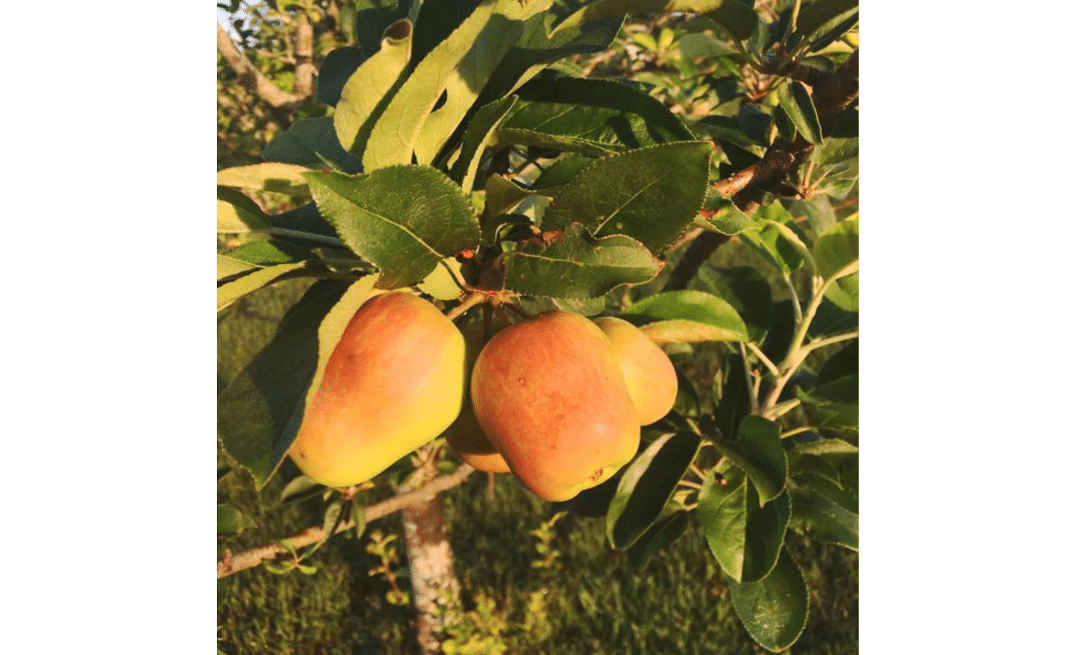
If you only have room in your yard for one single tree, the Ein Shemer is the one to get. Also hailing from Israel, this tree is highly self-fertile, meaning it does not need a second apple tree nearby to produce fruit. It yields medium-sized, pale yellow apples that have a tangy, sweet-tart flavor similar to a Golden Delicious, making it fantastic for fresh eating and phenomenal for homemade applesauce.
-
Price:
-
Key Features & Benefits:
-
Chill Hour Requirement: 100 – 300 hours
-
Pollination: Self-fertile (No partner needed)
-
Size at Maturity: 12-15 feet
-
-
Pros:
-
Saves space and money since you only need to buy one tree
-
Excellent heat tolerance and fast growth rate
-
Fruit is highly versatile for baking, cooking, or eating raw
-
-
Cons:
-
The apples are slightly smaller than Anna or Dorsett Golden
-
Can suffer from sunburn on the trunk if not properly shaded or painted when young
-
-
Amazon Customer Ratings & Reviews: 4.4/5 Stars. Customers with small urban yards love this tree. Reviews frequently highlight the convenience of a self-pollinating variety, with many noting fruit production by the third summer.
-
Why It’s a Good Choice for Zone 9b: It meets the ultra-low chill requirements of the zone while solving the space constraints many suburban homeowners face.
-
Ideal Use Case: Urban gardeners, patio growers, or anyone with limited yard space who wants a guaranteed harvest from a single tree.
5. Fuji Apple Tree (Low-Chill Strains) – Best for Sweetness
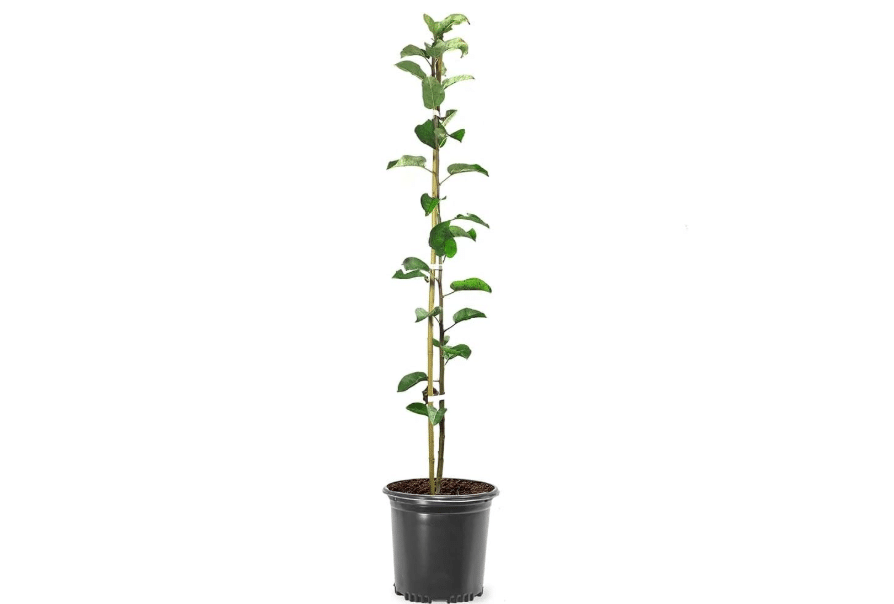
The Fuji is one of the most beloved supermarket apples in the world, famous for its dense, incredibly sweet, and juicy flesh. While traditional Fuji trees require more winter chill, newer semi-dwarf strains sold for southern climates have adapted well to the 350–500 chill hour range. This makes them highly viable for the cooler microclimates within Zone 9b. Fuji apples are exceptional keepers, lasting for months in the refrigerator without losing their signature snap.
-
Price:
-
Key Features & Benefits:
-
Chill Hour Requirement: 350 – 500 hours
-
Storage: Keeps up to 6 months in cold storage
-
Harvest Time: Late summer to early fall
-
-
Pros:
-
Unbeatable, world-class sugary sweet flavor
-
Incredible shelf life compared to early-summer varieties
-
Trees are highly productive once established
-
-
Cons:
-
Requires slightly more chill hours than Anna; best for the cooler edges of Zone 9b
-
Susceptible to fire blight in highly humid areas
-
-
Amazon Customer Ratings & Reviews: 4.6/5 Stars. Buyers rave about the familiar, premium taste. Some southern growers advise planting it in a spot that gets morning sun but a little afternoon shade to protect the fruit during extreme August heatwaves.
-
Why It’s a Good Choice for Zone 9b: It bridges the gap between commercial grocery store quality and warm-climate backyard growing, provided your specific zip code leans closer to 400 chill hours.
-
Ideal Use Case: Best for families who want a classic, universally loved sweet apple that can be stored well into the winter months.
6. Gala Apple Tree – Best for Beginners
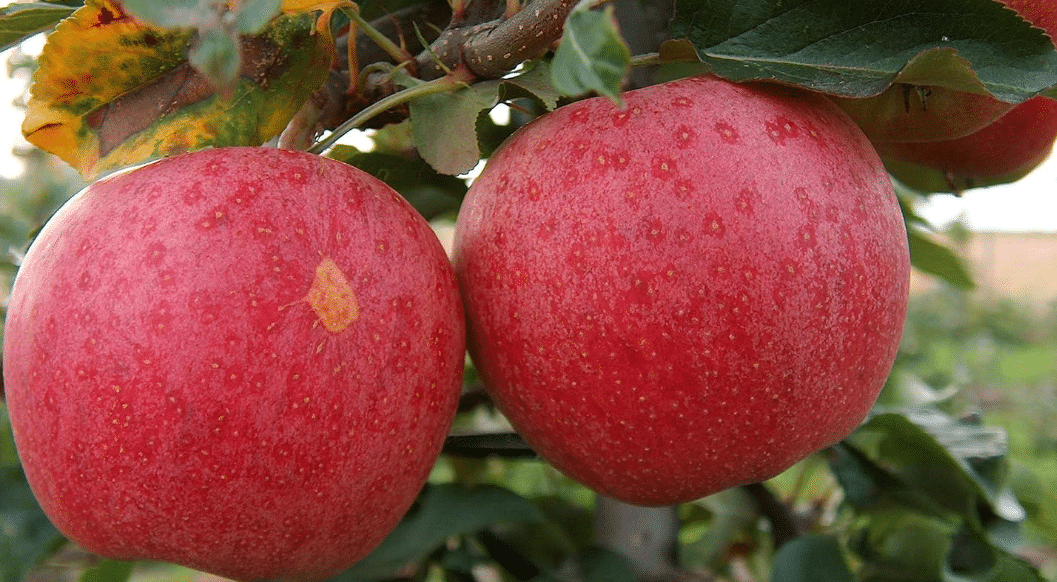
The Gala apple is a quintessential crowd-pleaser, known for its mild, sweet flavor, thin skin, and delightful crispness. While older Gala varieties required colder winters, modern semi-dwarf Gala trees available on Amazon have proven remarkably adaptable to the 400-chill-hour mark. This makes them a fantastic, low-maintenance option for the cooler, inland valleys of Zone 9b. Gala trees are vigorous growers and are famously forgiving for first-time fruit growers.
-
Price:
-
Key Features & Benefits:
-
Chill Hour Requirement: 400 – 500 hours
-
Harvest Time: Late August to early September
-
Pollination: Partially self-fertile, but yields double with a partner like Fuji or Granny Smith.
-
-
Pros:
-
Extremely easy to grow and forgiving of beginner pruning mistakes
-
Kid-friendly, sweet flavor with no tartness
-
Prolific bloomer with high fruit yields
-
-
Cons:
-
Susceptible to cedar apple rust
-
Apples can lose their crispness if left on the tree too long in extreme heat
-
-
Amazon Customer Ratings & Reviews: 4.7/5 Stars. Many novice gardeners report that their Gala tree was the first in their yard to successfully bear fruit. Reviewers frequently highlight the beautiful pink-orange striping on the fruit.
-
Why It’s a Good Choice for Zone 9b: It is highly adaptable to temperature fluctuations and consistently pushes through late, warm winters to produce a reliable late-summer crop.
-
Ideal Use Case: Families and beginner orchardists looking for a foolproof, universally loved snacking apple.
7. Granny Smith Apple Tree – Best for Baking
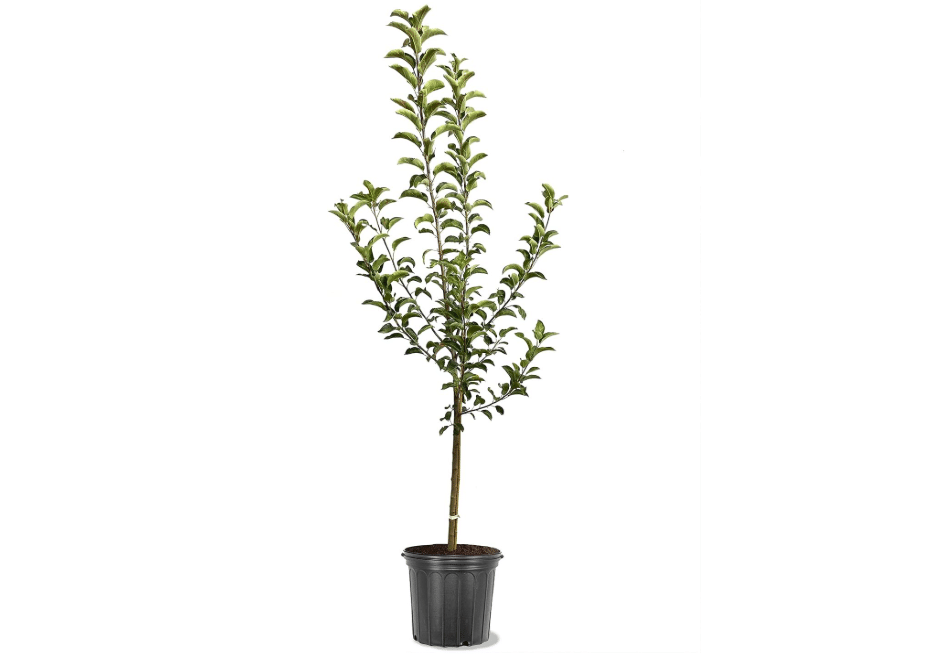
No warm-climate orchard is complete without a tart baking apple, and the Granny Smith is the undisputed champion. Famous for its bright green skin, intense tartness, and firm texture, this apple holds its shape perfectly in pies and cobblers. Originating in Australia, the Granny Smith tree is naturally adapted to long, hot summers and mild winters, making it perfectly at home in Zone 9b.
-
Price: $89.99
-
Key Features & Benefits:
-
Chill Hour Requirement: 400 hours
-
Size at Maturity: 12-15 feet
-
Flavor Profile: Sharp, tart, and highly acidic
-
-
Pros:
-
Thrives in intense, prolonged summer heat
-
Incredible shelf life; stores for months in the crisper drawer
-
Excellent for both fresh eating and baking
-
-
Cons:
-
Late harvester (October/November), meaning you must water it through the hottest months
-
Requires a pollinator (like Gala or Fuji) for the best yields
-
-
Amazon Customer Ratings & Reviews: 4.8/5 Stars. Bakers and home chefs praise the tree’s output. Reviewers in southern zones frequently mention how the thick green skin protects the fruit from sunscald better than red varieties.
-
Why It’s a Good Choice for Zone 9b: Its Australian heritage gives it a high tolerance for blazing sun, and its 400-hour chill requirement perfectly aligns with the zone’s climate.
-
Ideal Use Case: Home bakers and anyone who prefers a crisp, tart apple over a sugary sweet one.
8. Pink Lady (Cripps Pink) Apple Tree – Best for Storage
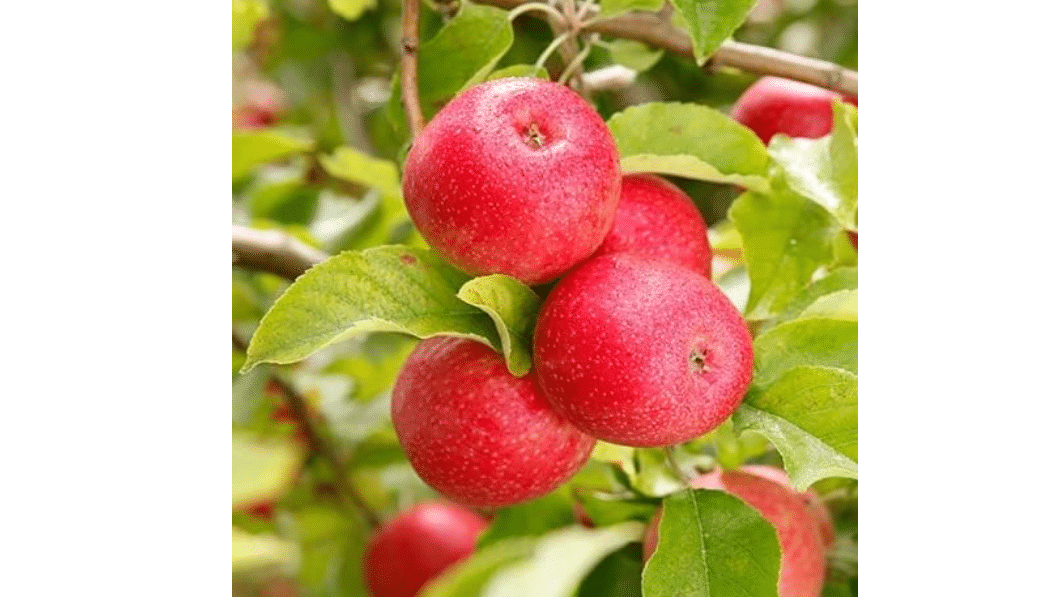
The Pink Lady (officially known as Cripps Pink) is a premium supermarket apple that actually performs brilliantly in home gardens. It is a cross between a Golden Delicious and a Lady Williams, resulting in a stunning pink-blushed apple with an effervescent, sweet-tart flavor. Pink Lady trees are heat-lovers that actually require a long, hot summer for the fruit to fully ripen and develop its signature pink hue.
-
Price:
-
Key Features & Benefits:
-
Chill Hour Requirement: 400 – 500 hours
-
Harvest Time: Late fall (October/November)
-
Storage: Can be stored for up to 6 months
-
-
Pros:
-
Gourmet, effervescent flavor profile
-
Exceptional storage capabilities
-
Beautiful pink blossoms in the spring
-
-
Cons:
-
Very late harvest; fruit hangs on the tree during peak pest season
-
Requires a pollinator (Granny Smith or Fuji)
-
-
Amazon Customer Ratings & Reviews: 4.6/5 Stars. Buyers love the ornamental beauty of the tree and the quality of the fruit. Several reviewers note that the apples actually taste better after spending a few weeks in the refrigerator.
-
Why It’s a Good Choice for Zone 9b: Unlike early-ripening varieties, the Pink Lady uses the extended, hot autumns of Zone 9b to build intense sugars and complex flavors.
-
Ideal Use Case: Gourmet apple lovers and those who want fresh fruit late in the season when summer crops have finished.
9. Gordon Apple Tree – Best Dual-Purpose
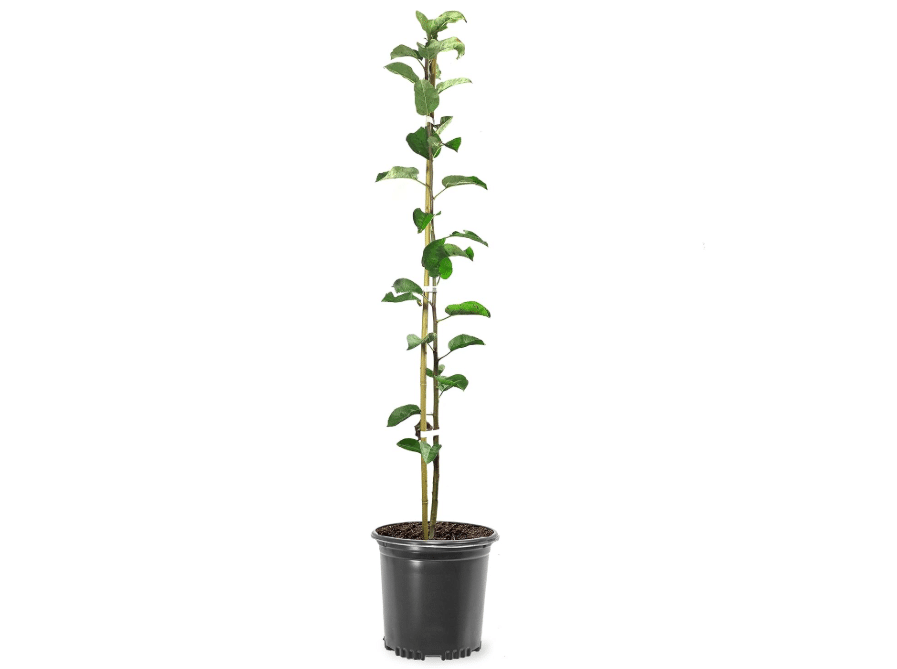
The Gordon apple is a legendary Southern California favorite. Discovered in Whittier, California, it was quite literally born in Zone 9. It produces large, green apples heavily striped with dark red. The texture is firm and crisp, and the flavor perfectly balances sweet and tart, making it an exceptional dual-purpose apple—just as good in a pie as it is eaten fresh off the branch.
-
Price:
-
Key Features & Benefits:
-
Chill Hour Requirement: 400 hours
-
Pollination: Self-fertile (Produces well on its own)
-
Harvest Time: Extended harvest from August through October
-
-
Pros:
-
Native to warm climates; highly reliable in Zone 9b
-
Self-fertile, making it great for small spaces
-
Unique, extended harvest window so you aren’t overwhelmed with fruit all at once
-
-
Cons:
-
Can be harder to find in stock online compared to commercial varieties
-
Requires aggressive pruning to maintain its shape
-
-
Amazon Customer Ratings & Reviews: 4.5/5 Stars. Reviewers in the Southwest swear by the Gordon apple, frequently praising its versatility in the kitchen and its ability to withstand intense dry heat.
-
Why It’s a Good Choice for Zone 9b: It was bred specifically for this climate. Its extended ripening period is perfect for backyard growers who want to pick a few fresh apples a week rather than harvesting the whole tree in a single weekend.
-
Ideal Use Case: Gardeners who want a versatile, self-fertile tree that provides a slow, steady harvest of baking and eating apples.
10. Beverly Hills Apple Tree – Coastal Favorite
If you love the tender, aromatic flavor of a classic McIntosh apple but live too far south to grow one, the Beverly Hills apple is your perfect alternative. Another California native, this tree thrives in coastal communities where winters are incredibly mild and summers are tempered by ocean breezes. It produces medium-sized, pale yellow apples with red striping that are juicy, slightly tart, and highly aromatic.
-
Price: $52.95
-
Key Features & Benefits:
-
Chill Hour Requirement: 300 hours
-
Pollination: Self-fertile
-
Harvest Time: Mid-summer (August)
-
-
Pros:
-
Excellent McIntosh substitute for warm zones
-
Self-fertile and highly productive
-
Thrives in humid, coastal microclimates
-
-
Cons:
-
Fruit is slightly softer; bruises easily if dropped
-
Short shelf life; meant for immediate eating or making cider
-
-
Amazon Customer Ratings & Reviews: 4.4/5 Stars. Coastal gardeners highly rate this tree. Many buyers from Florida and the Gulf Coast mention that it resists the fungal diseases that often plague other apple trees in humid environments.
-
Why It’s a Good Choice for Zone 9b: With a low chill requirement of 300 hours and a high tolerance for humidity, it easily bypasses the climatic barriers of the deep South and coastal West.
-
Ideal Use Case: Coastal residents in Zone 9b looking for a tender, aromatic, McIntosh-style apple for fresh eating and juicing.
IV. Buying Guide: How to Choose the Right Apple Tree for Zone 9b
Choosing a tree from our list of the best 10 apple trees for zone 9b requires a bit of strategy. To ensure your investment yields baskets of fresh fruit, keep these three crucial factors in mind before adding a tree to your Amazon cart.
1. Understanding Chill Hours As mentioned, chill hours are the non-freezing winter hours between 32°F and 45°F. Zone 9b typically receives between 200 and 400 chill hours annually. Check your specific local zip code’s historical chill hour average. If you are on the warmer edge of Zone 9b (closer to Zone 10a), stick exclusively to ultra-low chill varieties like Anna, Dorsett Golden, or TropicSweet. If you are on the cooler edge, you can safely experiment with Fuji or Pink Lady.
2. The Pollination Rule (Why You Usually Need Two Trees) Most apple trees are not self-fertile, meaning they require pollen from a completely different apple variety to produce fruit. If you buy an Anna apple, you must plant a Dorsett Golden nearby. If you buy a Granny Smith, plant a Fuji or Gala. If you only have space or budget for a single tree, you must select a self-fertile variety like the Ein Shemer or Gordon. To save on shipping and guarantee compatibility, look for bundled tree pairs on Amazon.
3. Rootstock Demystified (Dwarf vs. Semi-Dwarf) The size of your mature tree is dictated by its grafted rootstock.
-
Dwarf Trees: Grow 8–10 feet tall. They are perfect for small yards, easy to harvest without a ladder, and can even be grown in large 25-gallon planters. They usually bear fruit in just 2 to 3 years.
-
Semi-Dwarf Trees: Grow 12–18 feet tall. They take 3 to 5 years to fruit but develop much deeper, stronger root systems, making them significantly more drought-tolerant in the intense Zone 9b summer heat.
V. Essential Zone 9b Care Tips for New Trees
Once your new apple tree arrives, proper planting and care in the first year will determine its long-term survival in a warm climate.
-
Planting & Soil Prep: Dig a hole twice as wide as the root ball but no deeper. Zone 9b soils are often sandy or heavy clay. Amend the native soil with organic compost and a high-quality root stimulator (available on Amazon) to encourage rapid establishment. Ensure the graft union (the swollen bump at the base of the trunk) stays 2–3 inches above the soil line to prevent rot.
-
Sun Protection: Young apple trees in Zone 9b are highly susceptible to “sunscald,” which is essentially a severe sunburn on the trunk that invites pests. Protect your investment by painting the trunk from the soil line to the first branches with a 50/50 mixture of cheap, white interior latex paint and water.
-
Watering the Right Way: Do not water lightly every day. Instead, water deeply once or twice a week to force the roots to grow downward away from the scorching surface heat. Installing a simple drip irrigation timer system will save you time and ensure consistent moisture levels.
VI. Final Verdict
Growing your own crisp, sweet apples in a warm climate is entirely achievable when you match the right genetics to your environment. By skipping traditional northern varieties and choosing from the best 10 apple trees for zone 9b, you guarantee your tree gets the exact conditions it needs to bloom and fruit.
If you are just starting out and want the absolute highest success rate, purchase the Anna and Dorsett Golden trees together; their synergistic pollination and ultra-low chill requirements make them virtually foolproof in the South. If you only have room for one tree on a sunny patio, the self-fertile Ein Shemer is an unbeatable, space-saving choice. Spring inventory on Amazon moves incredibly fast as planting season approaches, so secure your preferred low-chill varieties today to get them in the ground before the summer heat arrives.