
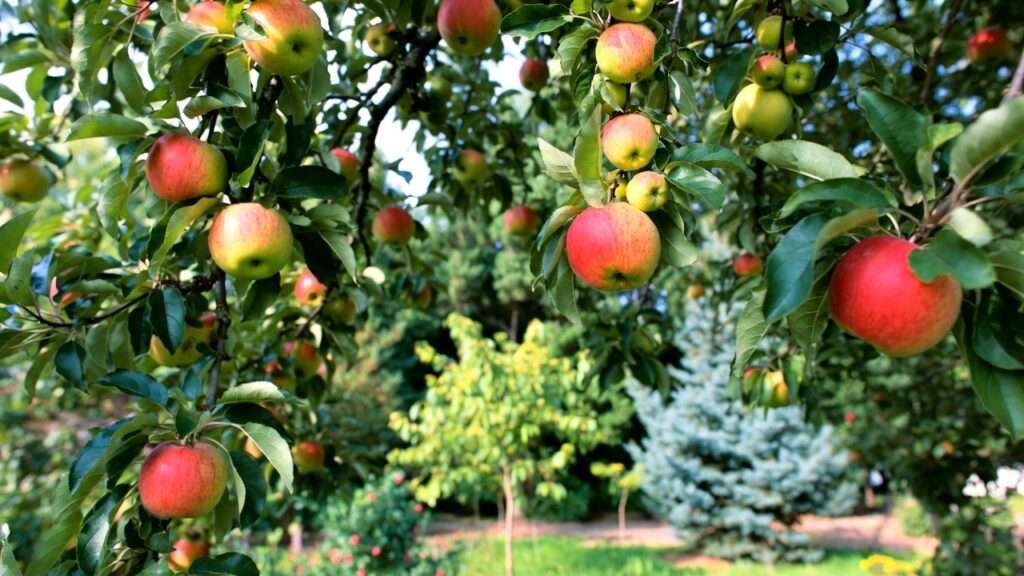
Imagine stepping into your backyard on a crisp morning, reaching up to pluck a perfectly ripe, sun-warmed apple straight from the branch—no grocery store wax, no long shipping miles, just pure, juicy homegrown flavor bursting in your mouth. 😍 That satisfying crunch, the sweet-tart balance, the pride of growing your own fruit… it’s a dream many gardeners chase!
But here’s the reality check: far too many beginners plant an apple tree only to face disappointment. Sparse harvests, constant disease battles, or zero fruit due to poor pollination choices turn excitement into frustration. The good news? Choosing the best apple varieties for home gardens can make all the difference. With the right picks—focusing on disease resistance, ease of care, reliable pollination, and exceptional taste—you can enjoy low-maintenance trees that deliver bountiful, delicious crops year after year.
As a horticulture enthusiast who’s guided countless home gardeners through setting up thriving backyard orchards (and battled my share of apple scab myself!), I’ve curated this ultimate guide based on university extension recommendations (like those from UMN, Ohio State, and UC ANR), real-world performance in home settings, and feedback from experienced growers. Whether you’re a total newbie with a small yard or an seasoned gardener wanting more variety, we’ll cover everything from beginner-friendly champs to flavor-packed heirlooms. Let’s turn your garden into a productive apple paradise! 🍏✨
Why Choosing the Right Apple Variety Matters for Home Gardeners 🤔🌳
Apple trees aren’t one-size-fits-all. Home gardeners face unique challenges: limited space, less time for spraying, variable climates, and the need for consistent, high-quality fruit without commercial-scale inputs.
Smart variety selection solves these problems head-on:
- Disease resistance reduces or eliminates sprays (key for organic or low-maintenance growing).
- Ease of growth means forgiving trees that thrive despite imperfect conditions.
- Great taste and productivity deliver rewarding harvests for fresh eating, baking, sauces, or cider.
- Pollination compatibility ensures fruit set—most apples need a compatible partner blooming at the same time.
Before diving in, assess your basics: USDA hardiness zone (or equivalent chill hours), available space (dwarf trees fit patios!), soil drainage, and sun (at least 8 hours daily). In warmer or subtropical areas (like parts of South Asia), prioritize low-chill varieties to avoid bloom failures.
Top 10+ Best Apple Varieties for Home Gardens 🌱🍎
Here are standout picks, grouped for your needs. Each includes taste notes, ripening season, disease resistance, best uses, ideal zones, tree size options, and real-world tips. These go beyond basic lists with deeper insights for success.
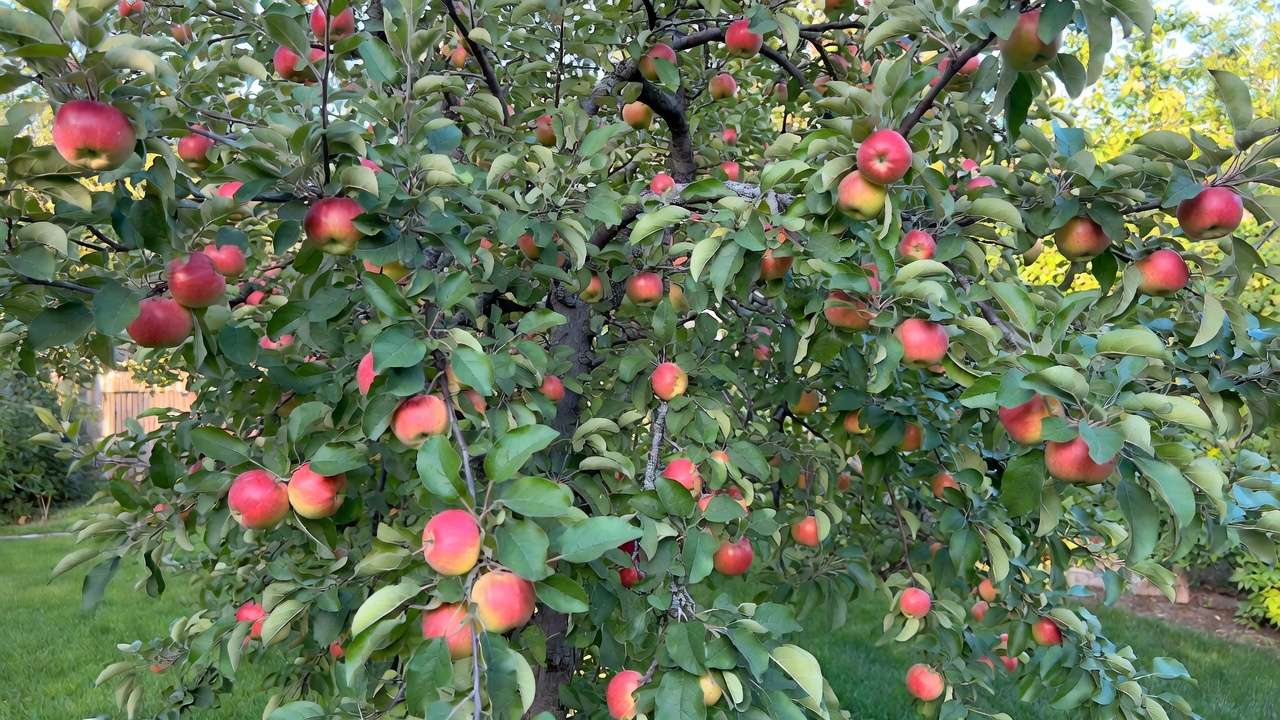
Easiest & Most Forgiving for Beginners 🌟
These low-spray, reliable producers are perfect starters.
- Liberty 🍏 A modern superstar! Crisp, juicy, sweet-tart red apples with McIntosh-like flavor. Ripens mid to late season (September–October). Excellent resistance to apple scab (near immune), fire blight, cedar apple rust, and powdery mildew—ideal for organic home gardens. Heavy, consistent crops. Best for fresh eating, pies, or cider. Thrives in zones 4–8. Dwarf or semi-dwarf rootstocks keep it manageable (8–15 ft). Pro tip: Pair with Enterprise or Golden Delicious for pollination. Many gardeners report zero major issues even without sprays!
- Enterprise 🌟 Late-season keeper (October–November) with glossy red, super-crisp, tangy-sweet fruit that stores 6+ months. Scab-immune, strong resistance to fire blight and rusts. Productive and vigorous. Zones 4–8. Great for fresh snacking or long-term storage. Tip: Thin fruit early for larger apples—yields can be massive!
- Pristine or Freedom Early yellow/red apples (July–August) with tart, refreshing flavor. Scab-immune and low-maintenance. Pristine excels in sauce/pies; Freedom adds rust resistance. Perfect for extending your harvest season.
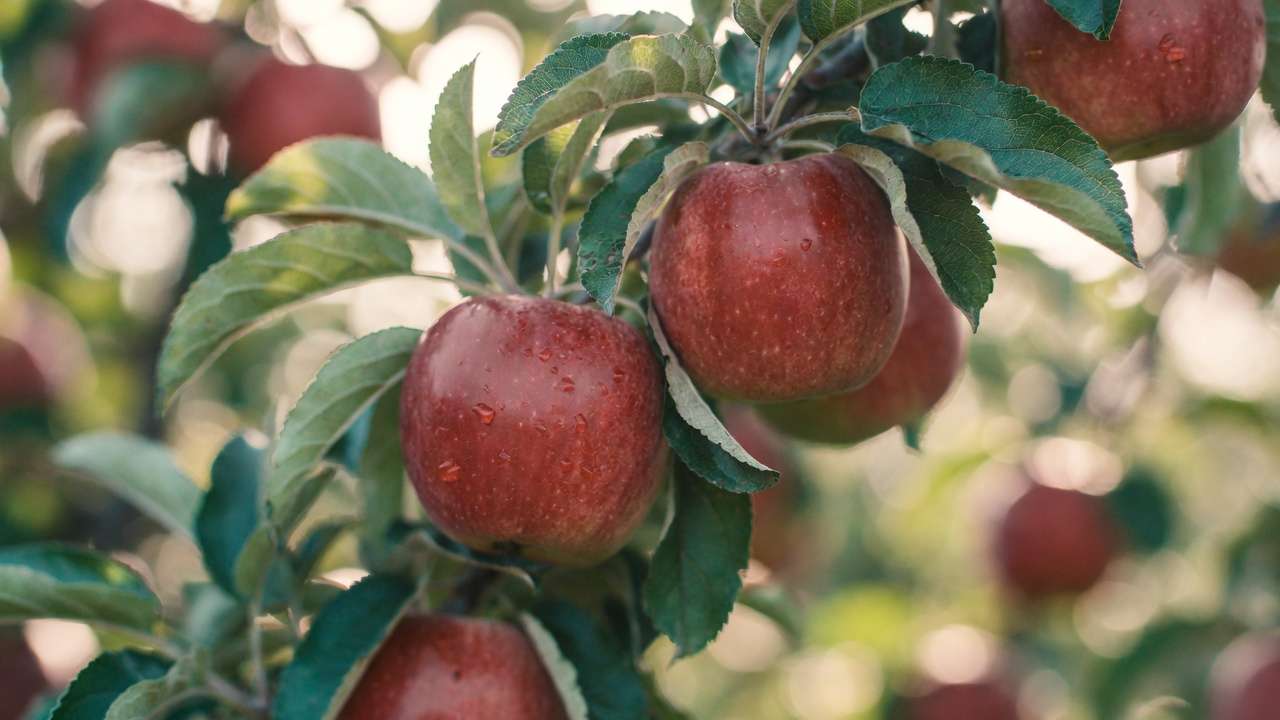
Best for Flavor & Fresh Eating 😋🍎
These deliver that “wow” grocery-store-rivaling taste.
- Honeycrisp The iconic crunchy, explosively juicy apple with balanced sweet-tart notes. Mid-season (September). Needs good care (prune well, thin aggressively) but rewards with premium flavor. Moderate disease resistance—pair with resistant partners. Zones 3–8. Dwarf options ideal for small yards. Tip: Plant in full sun with good airflow to prevent issues.
- Gala Sweet, mild, crisp red/yellow apples. Early harvest (August). Kid-friendly and productive. Good basic resistance; self-fertile in some cases but better with cross-pollination. Zones 4–8. Versatile for eating or salads.
- Fuji Ultra-sweet, dense, and crisp—stores exceptionally well. Mid to late (October). Excellent for fresh eating or baking. Zones 4–9 (tolerates some warmth). Tip: Multi-grafted trees let you try multiple varieties on one small tree!
- Pink Lady (Cripps Pink) Bright pink-red, tangy-sweet crunch. Late season (October–November). Long storage life. Zones 5–9. A favorite for its zingy flavor.
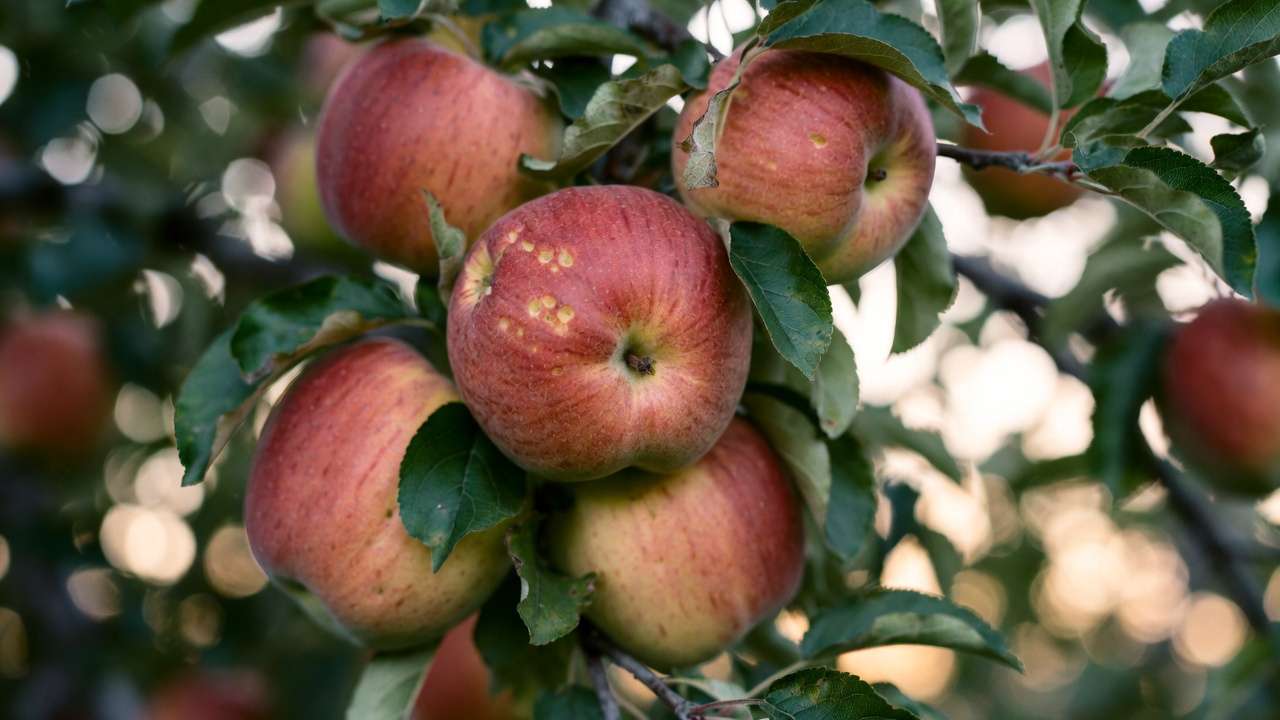
Top Performers for Baking, Sauce & Cider 🥧🍏
All-purpose powerhouses.
- Granny Smith Classic tart green apple—high acidity perfect for pies, sauce, and fresh with cheese. Late harvest. Good disease tolerance in many areas. Zones 5–9 (low-chill tolerant). Stores months!
- Golden Delicious Sweet, aromatic yellow apples. Self-fertile bonus! Versatile for everything. Mid-season. Zones 4–9. Reliable pollinator for others.
- Jonagold or Melrose Complex sweet-tart flavor, juicy. Heavy producers for cider or baking.
Heirloom & Unique Gems for Enthusiasts 🏆🍎
For richer, more nuanced tastes.
- Ashmead’s Kernel Intense sweet-tart, russeted skin—gourmet favorite for fresh or cider.
- Cox’s Orange Pippin or Northern Spy Rich, aromatic classics with exceptional depth.
Low-Chill or Warm-Climate Winners ☀️
For milder/subtropical areas (e.g., zones 8–10 or similar climates).
- Anna & Dorsett Golden Low-chill (200–300 hours) sweet apples. Anna is crisp and tangy; Dorsett Golden is like Golden Delicious. Plant together for pollination. Great for warmer regions!
How to Choose the Perfect Apple Tree for Your Garden 🛠️🌳
- Climate & Chill Hours — Check your zone and chill requirements (hours below 45°F/7°C needed). Use USDA maps.
- Tree Size — Dwarf (8–12 ft, M9/M27 rootstock) for small yards; semi-dwarf (12–18 ft, M26) for balance; columnar for tiny spaces.
- Pollination — Most need a partner. Use charts: e.g., Honeycrisp (mid-bloom) pairs with Gala or Fuji. Avoid triploids like Jonagold as sole pollinators.
- Buy Smart — Choose certified, grafted trees from reputable nurseries (disease-free, on right rootstock).
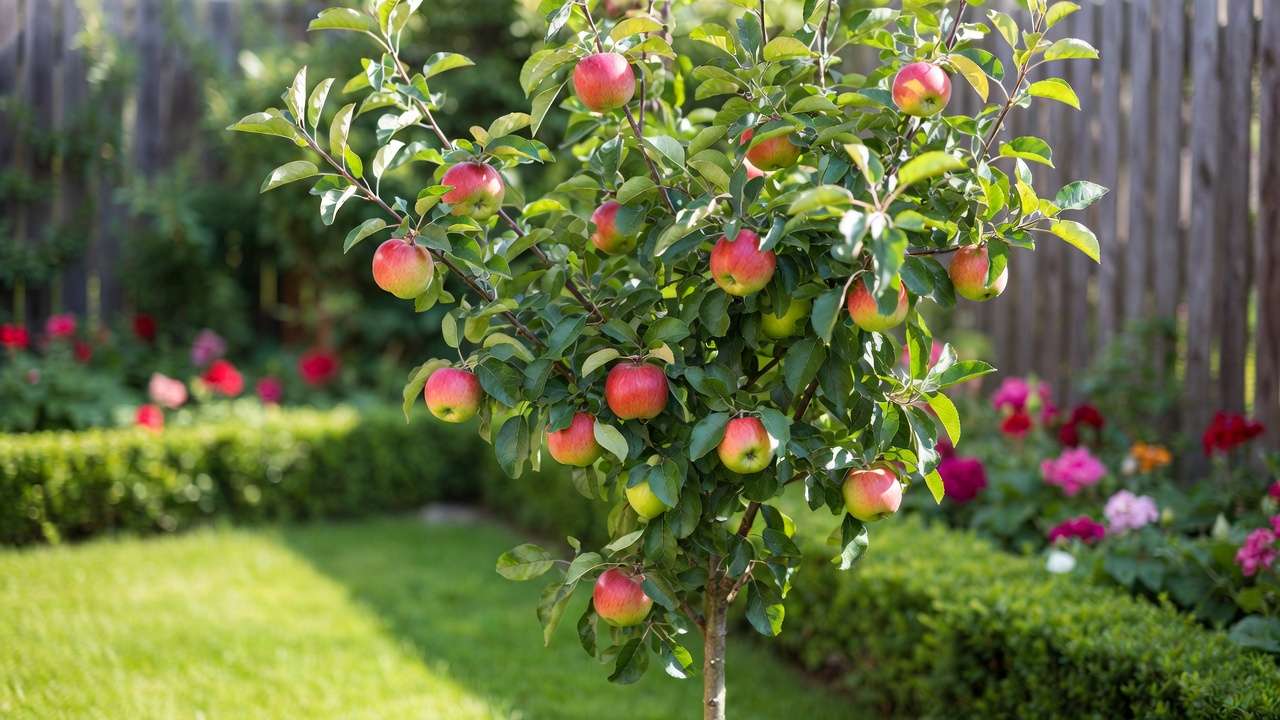
Planting & Care Essentials for Bountiful Harvests 🌱💧
- Site: Full sun, well-drained soil (pH 6.0–7.0), good air flow.
- Prep: Amend with compost; plant in spring/fall.
- Water/Mulch/Fertilize: Consistent moisture first year; organic mulch; balanced fertilizer sparingly.
- Prune: Open center or central leader for light/fruit.
- Pest/Disease: Resistant varieties + companions (e.g., garlic) minimize needs.
Common Mistakes to Avoid & Pro Tips from Experts 🔧🍏
Even with the best apple varieties for home gardens, small missteps can reduce your success. Here are the most frequent pitfalls I see (and how to sidestep them), plus insider tricks that separate average harvests from abundant ones.
Mistake #1: Ignoring Pollination Needs Many new gardeners plant a single Honeycrisp or Granny Smith and wonder why they get beautiful blossoms but no fruit. Most apple varieties are not fully self-fertile. Fix: Always plant at least two compatible varieties that bloom in the same window (early, mid, or late season). Use a pollination chart from university extensions. Quick winners: Golden Delicious or Crabapples (e.g., Dolgo) are excellent universal pollinators. Pro tip: Multi-variety grafted trees (often called “fruit cocktail” trees) give you 3–5 varieties on one small rootstock—perfect for tiny yards!
Mistake #2: Skipping Fruit Thinning Trees set way more fruitlets than they can support, leading to small, mealy apples and biennial bearing (heavy crop one year, almost none the next). Fix: Thin when fruitlets are marble-sized—leave the largest apple every 6–8 inches along each branch. This results in larger, better-quality fruit and more consistent yearly production.
Mistake #3: Planting in the Wrong Spot or Soil Shade, poor drainage, or compacted clay soil doom many trees before they start. Fix: Test soil pH (aim for 6.0–6.8) and improve drainage with raised beds if needed. Full sun and good air circulation prevent fungal issues.
Mistake #4: Over- or Under-Pruning Too much pruning shocks the tree; too little creates dense, disease-prone canopies. Fix: Follow the “open center” or “modified central leader” method for apples. Prune in late winter (dormant season) to remove dead, crossing, or inward-growing branches. Aim to let light and air reach the center.
Pro Tips from the Field ✨
- Espalier magic — Train trees flat against a wall or fence in cordon, fan, or Belgian fence styles. Saves space, looks stunning, and makes harvesting easy.
- Companion planting — Plant garlic, chives, or nasturtiums around the base to deter aphids and codling moth naturally.
- Mulch like a pro — Apply 3–4 inches of organic mulch (wood chips, straw) in a wide ring around the tree (but keep it away from the trunk) to retain moisture, suppress weeds, and regulate soil temperature.
- Monitor early — Walk your trees weekly in spring/summer. Catch codling moth or apple maggot issues before they explode.
Harvesting, Storing & Enjoying Your Homegrown Apples 🍎🥧
The moment you’ve been waiting for—harvest time!
When to Pick Apples are ready when:
- The background color under the red/yellow blush changes from green to yellowish.
- Seeds turn brown inside (cut one open to check).
- The fruit easily twists off the spur with a gentle upward lift (don’t yank).
- Taste-test one—flavor peaks at full maturity.
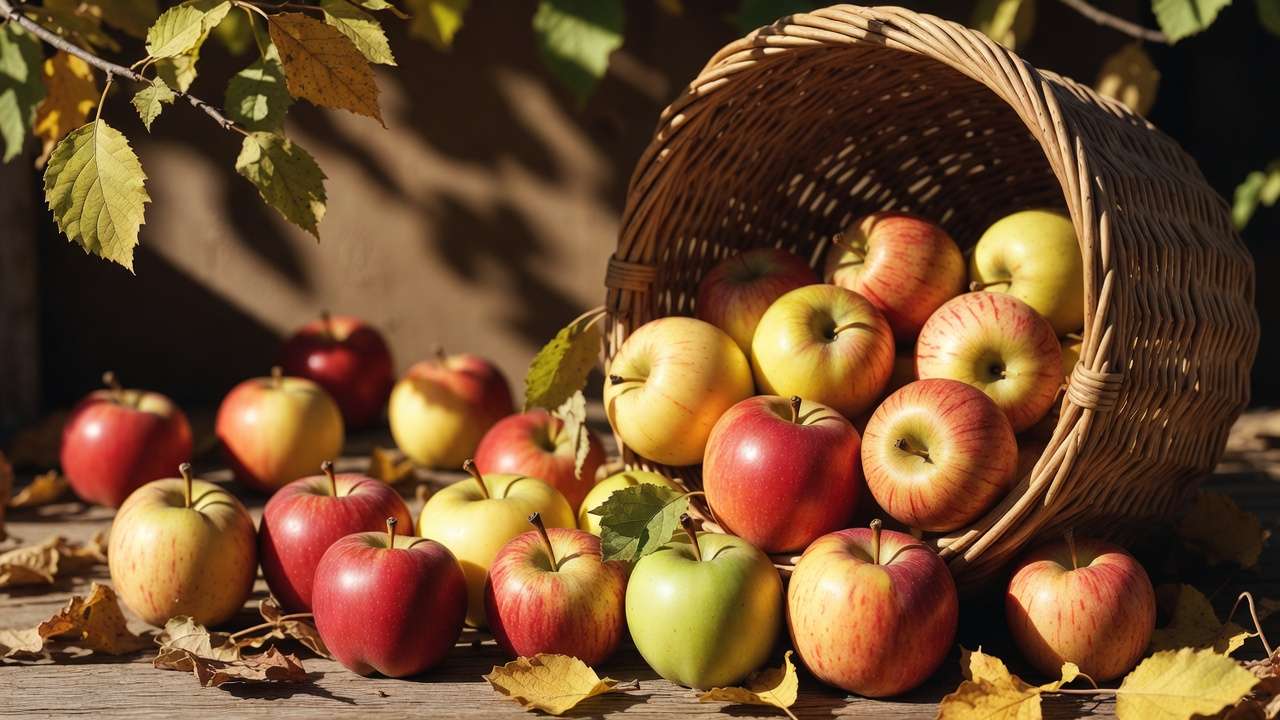
How to Harvest Use both hands: one supports the fruit, the other gently twists upward. For higher branches, use a fruit picker pole with a basket. Pick on a dry day to avoid spreading disease.
Storing for Months of Freshness
- Short-term (1–2 months): Store in the refrigerator crisper drawer in perforated plastic bags to maintain humidity without excess moisture.
- Long-term (3–6+ months): Keep in a cool (32–40°F / 0–4°C), humid (85–90%) spot like a basement, garage, or root cellar. Wrap individually in newspaper or store in ventilated crates. Varieties like Enterprise, Fuji, and Granny Smith store the longest. Pro tip: Check monthly and remove any softening fruit immediately to prevent ethylene gas from speeding ripening of others.
Delicious Ways to Enjoy Your Bounty
- Fresh: Straight off the tree or sliced with peanut butter.
- Baking: Classic apple pie (Granny Smith + Golden Delicious combo is unbeatable).
- Sauce & Butter: Simmer peeled chunks with cinnamon, sugar, and a splash of lemon.
- Cider: Press or juice blends of sweet (Fuji/Gala) and tart (Granny Smith/Liberty) for balanced flavor.
- Freezing: Peel, core, slice, toss in lemon water, and freeze in bags for year-round pies and smoothies.
Frequently Asked Questions (FAQs) ❓🍏
Do I really need two apple trees for pollination? Usually yes—most varieties require cross-pollination from a different but compatible variety blooming at the same time. Exceptions include some partially self-fertile types like Golden Delicious, but even they produce much heavier crops with a partner.
Which is the most disease-resistant apple variety for home gardens? Liberty and Enterprise consistently top the list for scab immunity, fire blight resistance, and overall low maintenance—ideal for organic or low-spray home growing.
Can I grow apple trees in pots or containers? Absolutely! Choose true dwarf rootstocks (M27 or M9) and a large container (at least 20–25 gallons). Varieties like Liberty, Gala, or columnar types (Scarlet Sentinel, Golden Sentinel) work beautifully on patios or balconies.
What’s the best low-maintenance apple for absolute beginners? Liberty is widely regarded as the top beginner choice—disease-resistant, productive, great flavor, and forgiving of minor care mistakes.
How long until my apple tree produces fruit? Dwarf and semi-dwarf trees on precocious rootstocks often bear light crops in year 2–3 and full production by year 4–5. Standard trees take 5–8 years. Proper care accelerates this timeline.
Conclusion: Start Your Home Apple Adventure Today! 🌳❤️
Growing your own apples is one of the most rewarding experiences in home gardening. With the best apple varieties for home gardens—Liberty and Enterprise for easy success, Honeycrisp and Fuji for unbeatable flavor, Granny Smith for baking magic, and low-chill picks like Anna for warmer climates—you can enjoy crisp, chemical-free fruit right from your backyard.
Take these steps now:
- Check your USDA zone (or local chill hours).
- Pick 2–3 compatible varieties from this guide.
- Source healthy, grafted trees from a trusted nursery.
- Plant this fall or next spring and follow basic care steps.
In a few short years, you’ll be harvesting baskets of delicious apples, sharing with neighbors, and savoring the taste of true self-sufficiency. Have questions or want to share your favorite variety? Drop a comment below—I’d love to hear your backyard apple stories! 🍎✨











