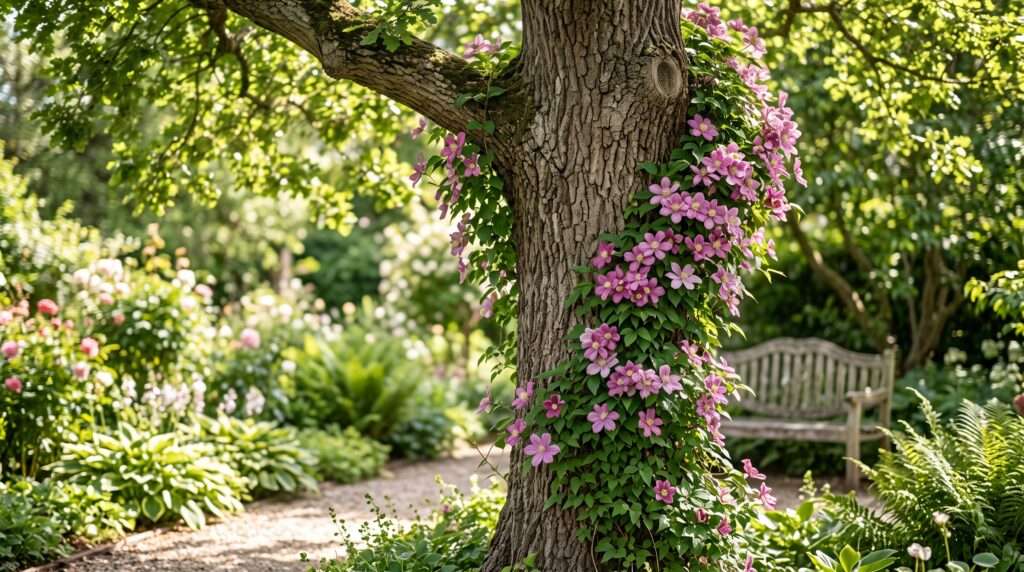
Look out at your garden. If you have mature trees, you likely have bare, uninspired trunks dominating your landscape. While most gardeners focus all their energy on the ground, they completely miss the untapped vertical potential right in front of them. Transforming that blank canvas of bark into a towering pillar of blooms and lush foliage can elevate an ordinary yard into a botanical masterpiece. To achieve this magical effect safely and beautifully, you need to know the best 10 climbers for trees.
However, utilizing this vertical space often comes with a healthy dose of fear. Gardeners frequently struggle with the idea of planting near established root systems, worrying that aggressive vines will suffocate the bark, steal vital nutrients, or become an invasive nightmare that ultimately brings down their favorite oak or maple. These are incredibly valid concerns—planting the wrong species (like aggressive English Ivy) can indeed spell disaster for a tree’s health and structural integrity.
The solution lies in the art of symbiotic planting. By choosing specific, well-behaved climbing vines, you can introduce plants that naturally thrive in root-dense zones. These carefully selected climbers use the host tree as a natural, sturdy trellis, either clinging harmlessly to the rough exterior or gently twining through the branches without ever restricting the tree’s growth or air circulation.
To help you make an informed and confident buying decision, we did the heavy lifting. We evaluated dozens of trailing and twining plants based on rigorous criteria: host tree compatibility, non-invasive growth habits, root competition, climate hardiness, and consistently high Amazon customer reviews. We’ve cut through the noise to bring you our meticulously curated guide to the best 10 climbers for trees, ensuring you can confidently choose the perfect vine to maximize every inch of your garden’s vertical space.
II. Buying Guide: How We Evaluated the Best Climbers
When pairing a climbing vine with a living tree, you aren’t just choosing a pretty flower—you are building a micro-ecosystem. To ensure our recommendations add value without causing harm, we evaluated each climber based on four strict, Wirecutter-style criteria:
-
Host Tree Compatibility: Not all vines climb the same way. We categorized climbers by their attachment style. Trees with thick, deeply furrowed, rough bark (like mature pines or oaks) can handle climbers with aerial roots, such as Climbing Hydrangea. Smooth-barked or smaller ornamental trees require lightweight, twining vines like Clematis that weave through branches without gripping the delicate bark.
-
Light & Soil Requirements: A tree canopy creates an umbrella effect, resulting in dry, shaded soil at the trunk base. We prioritized plants that can withstand root competition and tolerate the specific light levels found under trees, whether that is dense woodland shade or dappled sunlight.
-
Vigor vs. Invasiveness: There is a fine line between a vine that establishes quickly and a parasitic invader that smothers its host. We completely excluded aggressive, non-native threats like English Ivy or Japanese Wisteria. Instead, we focused on vigorous yet manageable species that enhance the tree rather than consume it.
-
Hardiness Zones: A plant is only a good investment if it survives your winter. We’ve highlighted the USDA hardiness zones for each pick so you don’t waste money ordering a tropical vine for a northern climate.
III. Quick Comparison: Top Climbers at a Glance
For optimal readability on mobile devices, use this quick-reference chart to match your specific garden needs with our top picks.
IV. The Top Picks: Best 10 Climbers for Trees
1. The Best Overall: Spring Hill Nurseries Clematis Montana (Live Bare Root)
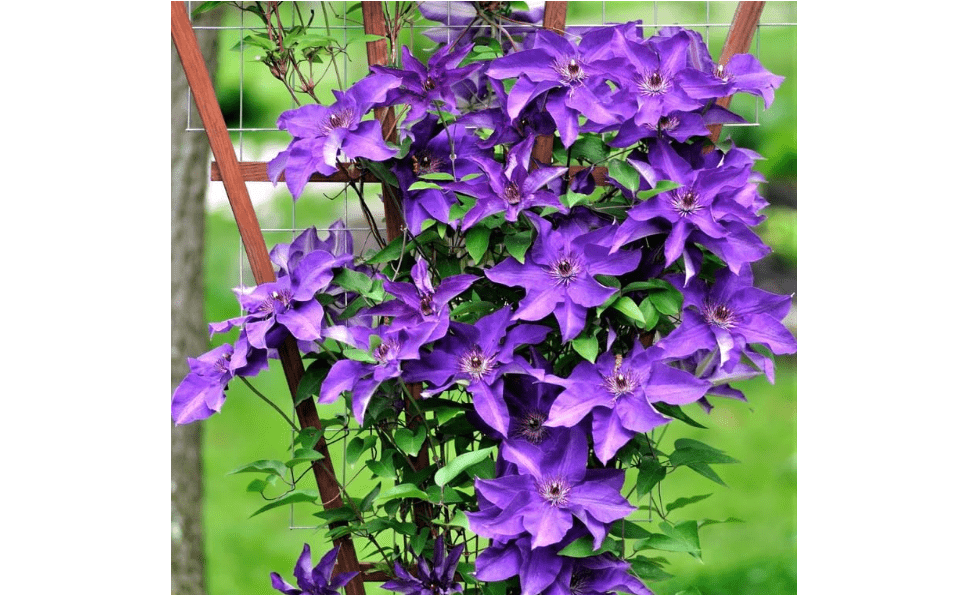
Product Description: When it comes to putting on a breathtaking, jaw-dropping display, the Clematis Montana is simply unrivaled. Shipped as a dormant bare root by the renowned Spring Hill Nurseries, this vigorous twining vine awakens in early spring to produce a cascading waterfall of four-petaled pink or white flowers. Because it is a twiner rather than a clinger, it scampers harmlessly through the branches of its host tree, utilizing the existing structure to reach the sunlight. The blossoms carry a delicate, vanilla-like fragrance, turning a standard garden tree into an aromatic masterpiece before the tree’s own leaves have fully unfurled.
Price:
Key Features & Benefits:
-
Growth Rate: Exceptionally fast once established; can grow up to 20-30 feet.
-
Zone Tolerance: Highly cold hardy, reliably returning in USDA Zones 4-9.
-
Bark Safe: Uses lightweight, twining leaf stalks to climb, meaning zero structural damage or moisture trapping against the host tree’s bark.
-
Early Bloomer: Puts on its main show in late spring, bridging the visual gap between early bulbs and summer perennials.
Pros and Cons:
-
Pros: Explosive vertical coverage; incredibly low maintenance; gorgeous, sweet scent; very hardy root system.
-
Cons: Because of its massive mature size, it can become top-heavy if not pruned; it strictly requires a mature, sturdy host tree (do not plant on fragile saplings).
Amazon Customer Ratings & Reviews: Rating: 4.3/5 Stars. Reviewers frequently highlight how quickly the bare roots break dormancy upon planting. Many customers post photos of explosive second-year growth, praising its ability to rapidly transform old, unsightly evergreens or dead tree snags into a pillar of pink blossoms.
Why It’s a Good Choice for the best 10 climbers for trees: It perfectly embodies the concept of a symbiotic climber. It doesn’t drill into the bark; it weaves naturally, making it incredibly safe for the host tree while delivering maximum visual impact.
Ideal Use Case: Gardeners with mature deciduous trees (like apples, cherries, or maples) looking for a massive explosion of early spring color before the tree’s dense summer canopy blocks the light.
2. The Best for Heavy Shade: Proven Winners Climbing Hydrangea (Hydrangea anomala petiolaris)
Product Description: If your mature trees create a dense, shady canopy where other blooming vines simply refuse to grow, the Climbing Hydrangea by Proven Winners is your ultimate problem-solver. Delivered as a robust, premium live shrub, this plant features lush, heart-shaped, dark green foliage that perfectly frames its massive, lacy white flower clusters. Even in the dead of winter, this climber adds structural interest with its rich, cinnamon-colored exfoliating bark. It climbs by producing small, root-like holdfasts (aerial rootlets) that grip onto rough surfaces.
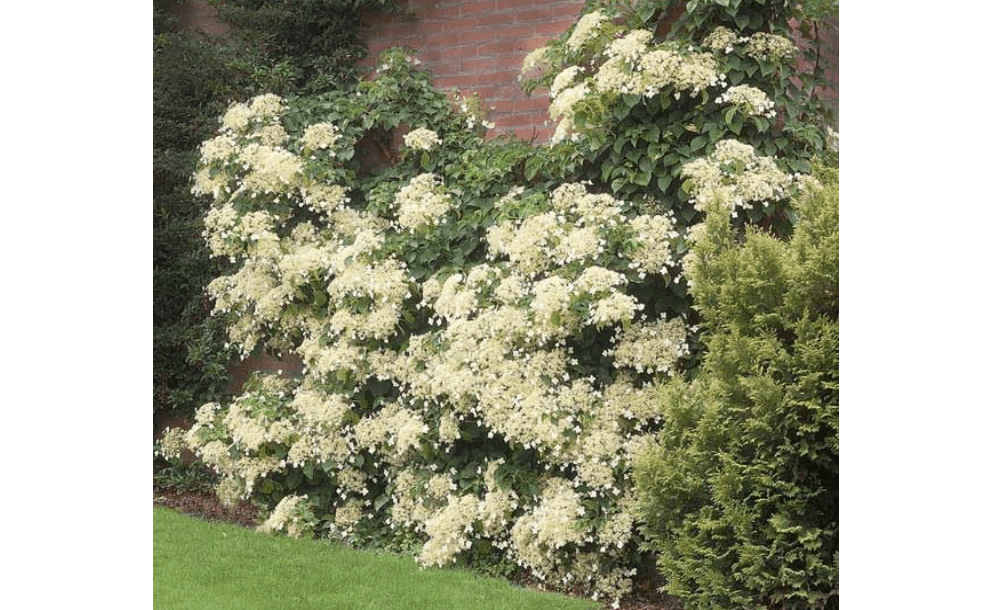
Price: $34.99
Key Features & Benefits:
-
Shade Champion: Thrives in part sun to heavy shade, making it the premier choice for woodland gardens.
-
Self-Clinging: No tying, trellising, or netting required; it naturally grips rough bark on its own.
-
Summer Blooms: Blooms beautifully in mid-summer when spring vines have already faded.
-
Four-Season Interest: Glossy foliage in summer, yellow leaves in fall, and peeling textured bark in winter.
Pros and Cons:
-
Pros: Will successfully bloom where almost all other flowering vines fail; extremely long-lived; requires almost zero pruning.
-
Cons: Notoriously slow to establish (“sleeps, creeps, then leaps”); the mature vine is incredibly heavy and can only be hosted by massive, thick-trunked trees.
Amazon Customer Ratings & Reviews: Rating: 4.6/5 Stars. Buyers consistently praise the meticulous, secure packaging that Proven Winners utilizes, ensuring the soil remains intact during transit. Gardeners note the exceptional health of the root system upon arrival, though many advise patience, confirming the plant takes 2-3 years to truly take off.
Why It’s a Good Choice for the best 10 climbers for trees: It occupies a highly specific niche, providing elegant, long-lasting floral displays in heavily shaded, root-dense environments where most landscape plants would wither.
Ideal Use Case: Gardeners in Zones 4-8 with massive, mature hardwood trees (like mature oaks or old pines) located in shaded, woodland borders.
3. The Best Evergreen (Warm Climates): Costa Farms Star Jasmine (Trachelospermum jasminoides)
Product Description: For gardeners in warmer zones who want to keep their tree trunks looking vibrant and lush all winter long, Costa Farms’ Star Jasmine is the premier choice. This elegant, trailing evergreen vine wraps beautifully around tree trunks, offering thick, leathery, glossy green leaves. Come late spring and early summer, the vine completely covers itself in a blizzard of pinwheel-shaped, pure white flowers. The scent is legendary—a rich, intoxicating perfume that will scent your entire yard on warm evenings.
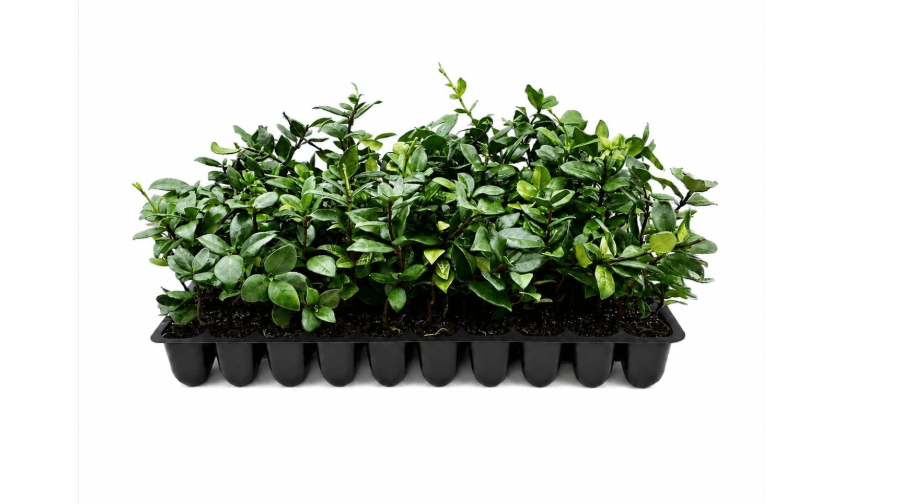
Price:
Key Features & Benefits:
-
Evergreen Foliage: Retains its rich green color year-round in warmer zones, hiding bare bark during winter months.
-
Intense Fragrance: Widely considered one of the most fragrant climbers available on the market.
-
Drought Tolerant: Once the root system is established, it requires very little supplemental watering, surviving well at the dry base of a tree.
-
Moderate Growth: Fast enough to be rewarding, but not so aggressive that it will strangle the host tree.
Pros and Cons:
-
Pros: Keeps the tree trunk looking lush 365 days a year; unmatched aromatic experience; highly deer resistant.
-
Cons: Strictly for warmer climates (Zones 8-10); requires some initial tying or loosely wrapped twine to encourage it to grip and start climbing the trunk initially.
Amazon Customer Ratings & Reviews: Rating: 4.5/5 Stars. Customers rave about the immediate aesthetic impact and the health of the plants delivered by Costa Farms. Many reviews highlight how the scent completely transforms patio and seating areas located near the host trees.
Why It’s a Good Choice for the best 10 climbers for trees: It brings multiple sensory experiences to the landscape—providing year-round visual texture while infusing the garden with a magnificent, sweet scent that drifts on the breeze.
Ideal Use Case: Southern or coastal gardeners looking to add year-round sensory appeal (both sight and smell) to bare palm trees, live oaks, or tall patio shade trees.
4. The Best for Autumn Color: Hirt’s Gardens Virginia Creeper (Parthenocissus quinquefolia)
Product Description: When the cool air of autumn arrives, few plants on earth put on a show like the Virginia Creeper. Hirt’s Gardens delivers this rugged, native North American vine ready to plant. Known for its distinct, five-lobed green leaves, this plant acts as a lush green column during the summer before undergoing a spectacular metamorphosis in the fall, turning a blazing, fiery crimson red. It clings to the tree trunk utilizing tiny, harmless adhesive pads (like frog toes), meaning its rootlets never drill into the bark to steal sap or cause rot.
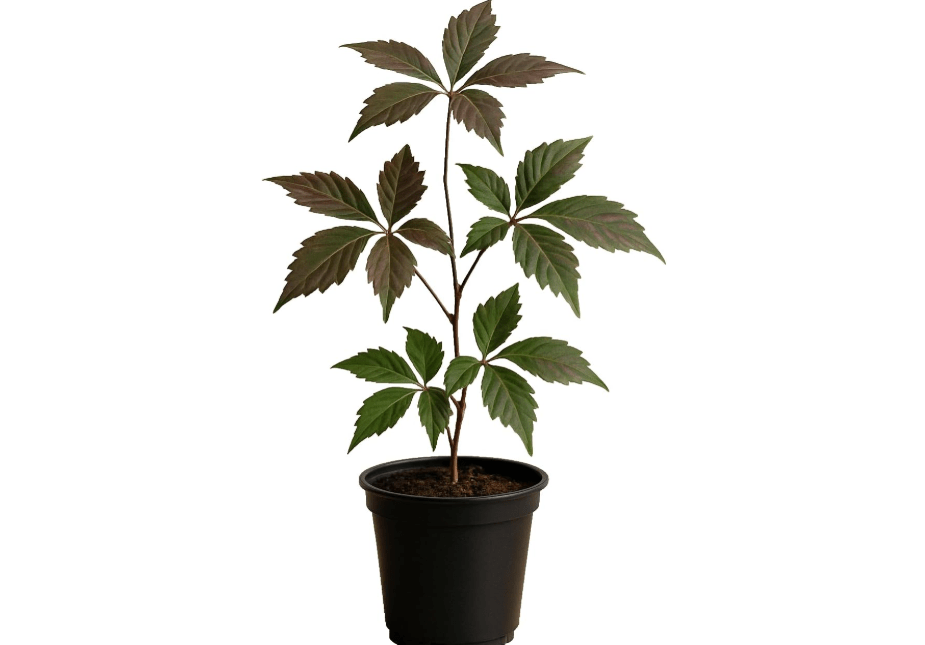
Price:
Key Features & Benefits:
-
Adhesive Pads: Clings tightly to tree bark without causing structural damage or introducing disease.
-
Native Species: Highly beneficial to local ecosystems, providing cover for insects and producing dark blue berries that feed native bird populations in late fall.
-
Indestructible Nature: Extremely adaptable to poor soils, drought, and heavy shade.
Pros and Cons:
-
Pros: Unbeatable, spectacular fall foliage; zero bark damage; native species supporting local wildlife; practically impossible to kill.
-
Cons: An extremely aggressive, fast-growing vine that will require strict boundary management (pruning) to keep it from completely covering the tree’s own canopy.
Amazon Customer Ratings & Reviews: Rating: 4.2/5 Stars. Reviewers frequently mention its incredible hardiness, noting its ability to thrive even in neglected, dry, or severely shaded corners of the landscape. Buyers appreciate how quickly it scrambles up 20-30 feet of trunk space.
Why It’s a Good Choice for the best 10 climbers for trees: It turns any ordinary, thick tree trunk into a striking, fiery autumnal focal point, offering a much safer, native alternative to the destructive and invasive English Ivy.
Ideal Use Case: Wildlife enthusiasts and native-plant gardeners looking for a tough, low-maintenance vine for large, very sturdy, towering trees.
5. The Best for Fast Canopy Coverage: Heirloom Roses Rambling Rose (e.g., ‘Paul’s Himalayan Musk’)
Product Description: When you want to completely transform an old, dying tree or a bare canopy into a romantic, fairy-tale focal point, a Rambling Rose is the ultimate solution. Unlike traditional climbing roses which are stiff and require horizontal tying, ramblers like ‘Paul’s Himalayan Musk’ (shipped on their own roots by Heirloom Roses) feature long, flexible canes designed by nature to weave and scramble up into tree canopies. By early summer, this vigorous vine produces a breathtaking, weeping display of thousands of delicate, double-pink blooms that cascade down from the high branches.
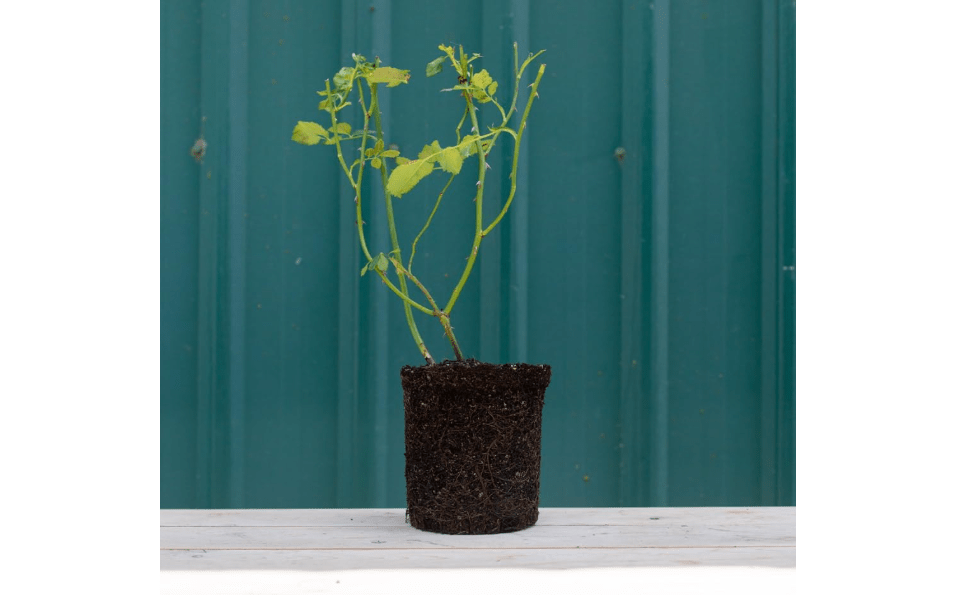
Price:
Key Features & Benefits:
-
Massive Height: Capable of reaching 30 feet or more, making it ideal for soaring vertically into large tree canopies.
-
Own-Root Plants: Heirloom Roses ships their plants on their own roots (not grafted), ensuring incredible winter hardiness and preventing the dreaded “rootstock sucker” takeover.
-
Disease Resistant: Highly resistant to black spot and powdery mildew compared to modern hybrid teas.
-
Cottage Aesthetic: Unrivaled for creating a lush, romantic, overgrown “secret garden” look.
Pros and Cons:
-
Pros: Extremely vigorous growth; unmatched floral display that literally drips from the branches; long-lived.
-
Cons: Ramblers generally only bloom once a year for a spectacular 3-4 week period; thorns make pruning difficult if it gets out of hand.
Amazon Customer Ratings & Reviews: Rating: 4.7/5 Stars. Buyers consistently rave about the robust root systems provided by Heirloom Roses. Many reviews note that while the first year is spent establishing roots, the second-year vertical growth is absolutely explosive, easily covering 10 to 15 feet in a single season.
Why It’s a Good Choice for the best 10 climbers for trees: Rambling roses evolved in the wild specifically to use trees for support. Their hook-shaped thorns naturally grip the bark and branches, making them biologically perfectly suited for this exact landscape application.
Ideal Use Case: Cottage gardeners with old, declining, or completely dead trees (snags) that they want to camouflage and repurpose as a magnificent, living floral structure.
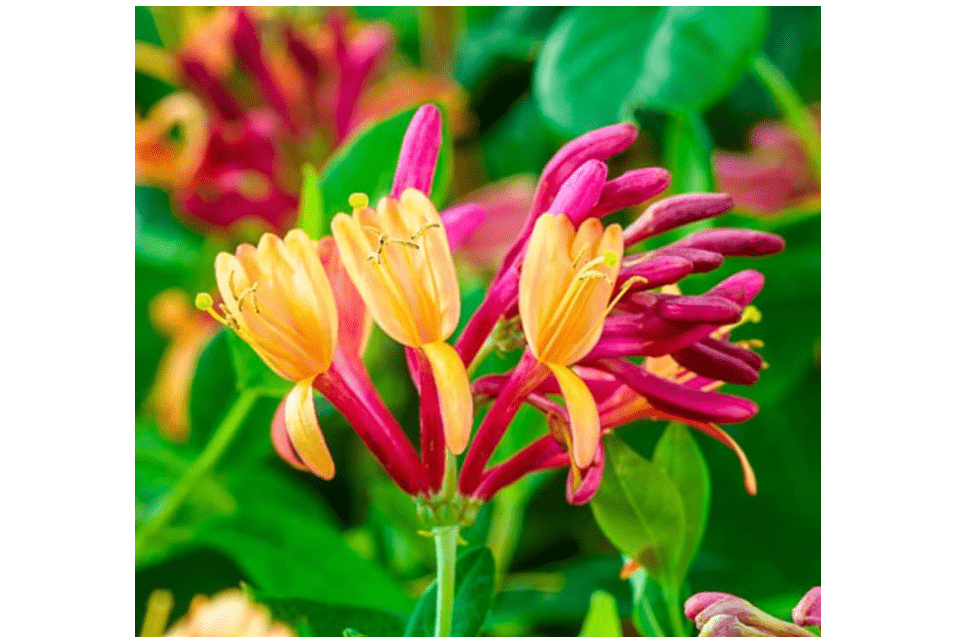
6. The Best for Attracting Pollinators: Outsidepride Honeysuckle (Lonicera periclymenum)
Product Description: If your goal is to bring a flurry of wildlife to your yard, the European Honeysuckle (Lonicera periclymenum) offered by Outsidepride is a must-have. This twining vine weaves its way up the lower trunks and branches of small-to-medium trees, bursting with tubular, bi-colored flowers (usually cream and pink/red) that are absolutely irresistible to hummingbirds, butterflies, and bees. Best of all, it offers that nostalgic, sweet honeysuckle scent, which intensifies beautifully in the evening air.
Price:
Key Features & Benefits:
-
Pollinator Magnet: The deep, tubular flowers are specifically designed to feed long-tongued pollinators like hummingbirds and hummingbird moths.
-
Non-Invasive: Unlike the highly invasive Japanese Honeysuckle (Lonicera japonica), this European native is well-behaved and won’t take over your local ecosystem.
-
Scent Profile: Emits a powerful, sweet fragrance, particularly noticeable at dusk.
-
Extended Bloom: Features a long blooming season that stretches from mid-summer well into early autumn.
Pros and Cons:
-
Pros: Incredibly easy to train; turns a static tree trunk into an active hub of wildlife; heavenly evening scent.
-
Cons: Without proper pruning every few years, the lower stems can become woody and bare, pushing all the flowers to the top of the vine.
Amazon Customer Ratings & Reviews: Rating: 4.0/5 Stars. Users appreciate the high germination rates of Outsidepride’s seeds and the rapid establishment of their starter plants. Reviewers frequently post videos of hummingbirds visiting the blooms just weeks after the first flowers open.
Why It’s a Good Choice for the best 10 climbers for trees: Because it is a lightweight twiner, it adds movement, color, and intense fragrance at eye-level when planted at the base of an ornamental tree, without adding dangerous weight to the branches.
Ideal Use Case: Eco-conscious gardeners aiming to build a certified pollinator-friendly habitat in dappled woodland shade.
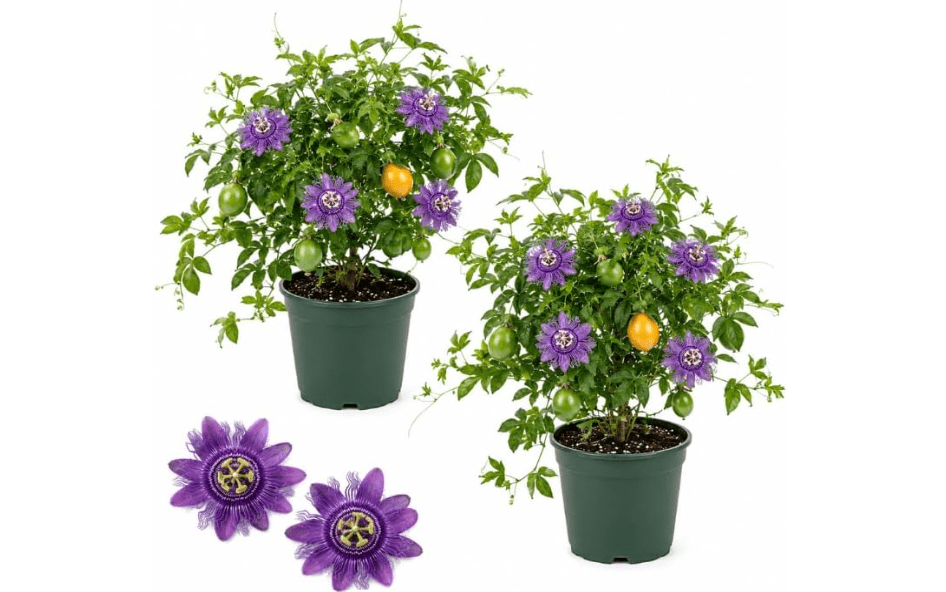
7. The Best Tropical Look: Emerald Goddess Gardens Passionflower Vine (Passiflora incarnata)
Product Description: Want to make your garden feel like an exotic botanical conservatory? The Passionflower Vine from Emerald Goddess Gardens delivers one of the most intricate, otherworldly blooms in the plant kingdom. Featuring complex, fringed purple and white flowers that look like alien spacecraft, this fast-growing vine uses delicate tendrils to grip the rough bark of host trees. Despite its tropical appearance, the native Passiflora incarnata (Maypop) is surprisingly hardy and serves as a vital host plant for the stunning Gulf Fritillary butterfly.
Price: $30.69
Key Features & Benefits:
-
Exotic Blooms: Produces highly complex, 3-inch flowers that bloom continuously throughout the heat of summer.
-
Wildlife Host: Serves as the exclusive food source for Gulf Fritillary caterpillars, guaranteeing a garden full of butterflies.
-
Lightweight Tendrils: Climbs via small, curly tendrils that grip bark tightly without causing structural weight issues for the tree.
Pros and Cons:
-
Pros: Jaw-dropping, unique aesthetics; incredibly fast summer growth; essential for butterfly conservation.
-
Cons: Acts as an herbaceous perennial in colder zones (dying completely back to the ground in winter); emerges very late in the spring, requiring patience.
Amazon Customer Ratings & Reviews: Rating: 4.4/5 Stars. Reviewers highlight the incredibly secure shipping methods used by Emerald Goddess Gardens. The most common piece of feedback is sheer amazement at how quickly butterflies arrive once the vine produces its first bloom.
Why It’s a Good Choice for the best 10 climbers for trees: Its delicate tendrils easily grip the rough bark of trees like pines or mature oaks, allowing the vine to scale the trunk quickly without smothering the host or trapping moisture against the wood.
Ideal Use Case: Gardeners in Zones 6-9 who want a dramatic, fast-growing, tropical aesthetic on their smaller landscape trees or palms.
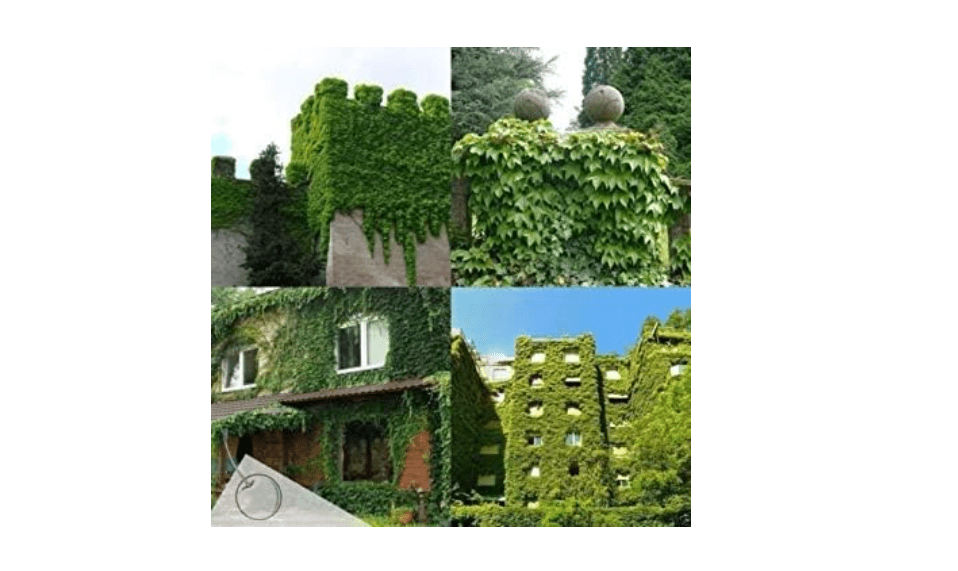
8. The Best for Thick, Uniform Coverage: Daylily Nursery Boston Ivy (Parthenocissus tricuspidata)
Product Description: For that classic, sophisticated, “Ivy League” aesthetic without the destructive tendencies of English Ivy, look to the Boston Ivy provided by Daylily Nursery. This vigorous climber tightly hugs tree trunks, creating a dense, beautifully manicured layer of overlapping, glossy green leaves. It is incredibly tolerant of poor conditions, thriving in urban pollution and dense shade. In autumn, the foliage transforms into a brilliant, uniform crimson red, turning the tree trunk into a striking pillar of seasonal color.
Price: $7.99
Key Features & Benefits:
-
Adhesive Discs: Climbs using small, suction-cup-like discs rather than invasive aerial roots, protecting the tree’s bark from structural damage.
-
Dense Foliage: Creates a very tight, flat, and uniform covering that hides unsightly trunks perfectly.
-
Urban Toughness: Highly tolerant of exhaust, pollution, and compacted soils, making it great for city gardens.
Pros and Cons:
-
Pros: Creates a perfectly manicured look with minimal effort; outstanding fall color; extremely resilient.
-
Cons: Can grow aggressively; if left entirely unchecked, it will eventually climb into the tree’s canopy and block sunlight from the host’s leaves.
Amazon Customer Ratings & Reviews: Rating: 4.1/5 Stars. Buyers consistently commend the plant’s resilience, noting that it rarely suffers from pests or disease. Many reviewers mention purchasing this specifically to cover tall, bare pine trunks, noting how rapidly it achieves full coverage.
Why It’s a Good Choice for the best 10 climbers for trees: It creates a smooth, architectural green column out of any tree trunk, offering a highly controlled and visually dense alternative to more damaging species.
Ideal Use Case: Urban gardeners, estate owners, and anyone looking to add a formal, structured layer of greenery to the base of towering shade trees.
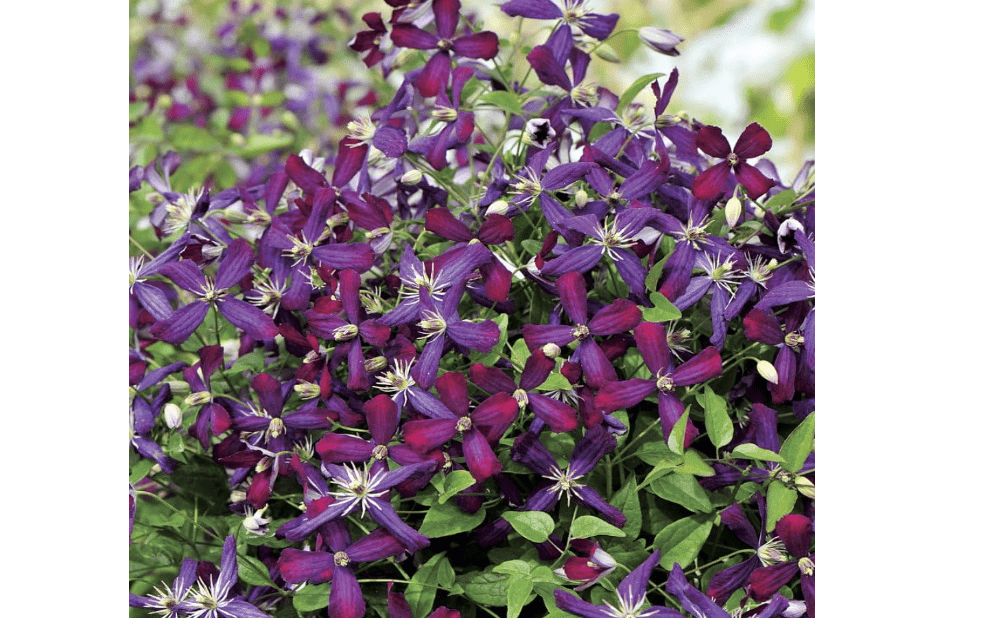
9. The Best for Late Season Color: Proven Winners ‘Sweet Summer Love’ Clematis
Product Description: Just when your garden begins to look tired and faded in the dog days of August, ‘Sweet Summer Love’ Clematis bursts onto the scene. Bred specifically for late-season performance, this breakthrough variety from Proven Winners utilizes a tree’s lower branches to display a profusion of cranberry-violet, star-shaped flowers. Beyond the striking color, it emits an intensely sweet, cherry-vanilla fragrance that carries across the yard. As a Group 3 Clematis, it is incredibly forgiving to prune—simply chop it down to about a foot off the ground every spring.
Price: $40.00
Key Features & Benefits:
-
Late Bloomer: Peaks from mid-summer through early autumn, providing critical late-season color.
-
Outstanding Fragrance: Offers a strong, sweet scent that is rare among late-blooming vines.
-
Disease Resistant: Highly resistant to the “clematis wilt” that plagues many older, large-flowered varieties.
-
Easy Care (Group 3): Takes all the guesswork out of pruning; hard pruning in early spring guarantees vigorous new growth and maximum blooms.
Pros and Cons:
-
Pros: Extends the garden’s overall blooming season; fantastic scent; foolproof pruning requirements.
-
Cons: Because it is planted near a tree, it will require highly consistent watering and fertilizer to ensure it doesn’t lose out to the tree’s root system during the heat of late summer.
Amazon Customer Ratings & Reviews: Rating: 4.6/5 Stars. Customers rave about the sheer volume of flowers this plant produces. Many note that the plants arrive from Proven Winners in pristine condition, with strong, green growth right out of the box.
Why It’s a Good Choice for the best 10 climbers for trees: It excels at succession planting. By sending this vine up a tree that blooms in the spring (like a Dogwood or Cherry), you effectively force the tree to “bloom twice”—once with its own flowers in April, and again with the Clematis flowers in August.
Ideal Use Case: Gardeners looking to breathe new life into their landscape during the late summer slump, particularly those with spring-blooming ornamental trees.
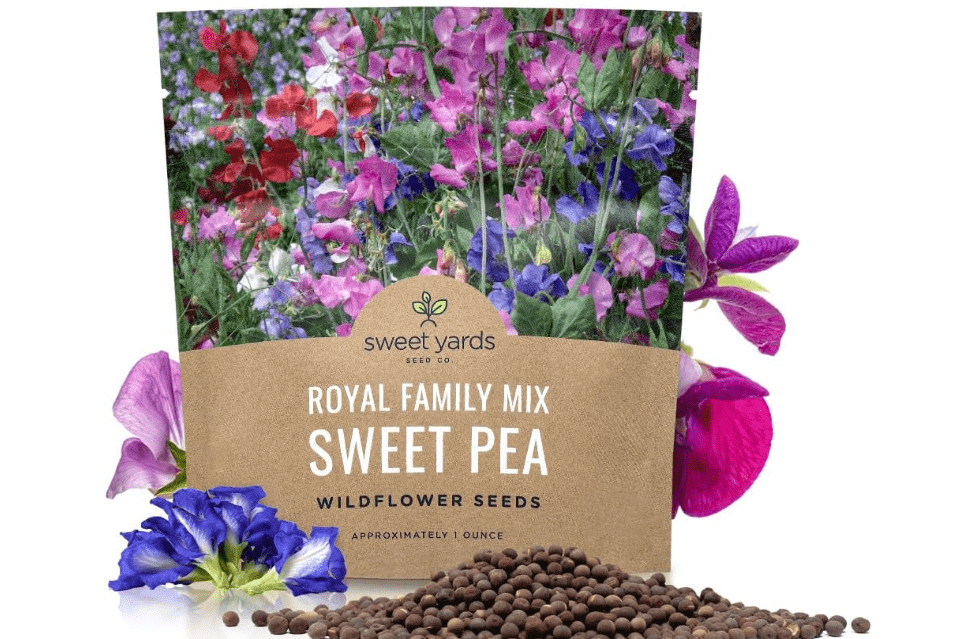
10. The Best Annual Climber: Burpee Sweet Pea Seeds (Lathyrus odoratus)
Product Description: If you love the idea of vertical gardening but aren’t ready to commit to a permanent, woody vine, Burpee’s Sweet Pea seeds are your perfect entry point. This heirloom annual vine is incredibly easy to grow from seed, quickly scrambling up the lower trunk of small trees or shrubs. By early summer, it produces ruffled, pastel blooms that are famous for their powerful, nostalgic fragrance. Because it is an annual, it is lightweight, temporary, and actually benefits the surrounding soil by fixing nitrogen.
Price: $7.99
Key Features & Benefits:
-
Zero Commitment: Completes its life cycle in one season, allowing you to change your garden’s design every single year.
-
Cut Flower Champion: Produces long stems ideal for bringing intense fragrance indoors.
-
Soil Builder: As a legume, it naturally fixes nitrogen in the soil, which subtly benefits the host tree.
-
Incredibly Cheap: A $5 packet of seeds can produce dozens of vines, making it highly budget-friendly.
Pros and Cons:
-
Pros: Zero risk of structural damage to the tree; outstanding fragrance; highly affordable.
-
Cons: It despises hot weather and will fade and die back when the intense heat of mid-summer arrives; you will need to wrap some twine or netting around the base of the tree trunk to give the tendrils something to grab initially.
Amazon Customer Ratings & Reviews: Rating: 4.5/5 Stars. Gardeners consistently praise the high germination rate of the Burpee seed line. Reviewers love the nostalgic scent and frequently recommend soaking the seeds overnight before planting to speed up sprouting.
Why It’s a Good Choice for the best 10 climbers for trees: It is the ultimate low-risk trial run. It allows you to experiment with utilizing the vertical space on your trees without worrying about long-term maintenance, pruning, or bark damage.
Ideal Use Case: Renters, beginner gardeners on a budget, or those with very young, delicate saplings that simply cannot yet support the weight of a heavy, perennial woody vine.
IV. Installation & Care: How to Plant Climbers Without Harming Your Tree
Choosing the right vine is only half the battle; how you install it dictates the success of both the climber and the tree. Follow these steps to ensure a healthy symbiotic relationship:
The Soil Gap (The 12 to 18-Inch Rule)
Never dig a hole directly against the bark of a tree. The base of the trunk (the root flare) needs air circulation to prevent rot. Furthermore, the soil directly against the trunk is devoid of nutrients and completely dry. Instead, plant your vine 12 to 18 inches away from the trunk. Dig a hole just deep enough for the root ball, being incredibly careful not to sever any major, woody roots belonging to the host tree.
Guiding the Vine
Because you planted the vine a foot or more away from the trunk, you need to bridge the gap.
-
Insert a bamboo cane into the ground near the base of your new vine, angling it diagonally so the top of the cane rests against the tree trunk.
-
Gently tie the young vine to the cane.
-
The plant will follow the cane upward and, upon touching the bark, will naturally begin to climb or twine into the lower branches.
Watering & Soil Health
A mature tree is a massive water pump. It will easily out-compete a newly planted vine for moisture.
-
Dedicated Watering: For the first two years, you must water the vine deeply and independently of your normal lawn irrigation. Consider setting up a dedicated drip emitter right at the base of the vine.
-
Compost: Top-dress the planting hole with a thick layer of rich compost to give the young vine a nutritional head start against the tree’s established root system.
V. Frequently Asked Questions
Will climbing plants strangle or kill my tree? If you choose the correct plant, no. The best 10 climbers for trees on our list are specifically selected because they are well-behaved. Problems occur when gardeners plant aggressive, parasitic, or invasive vines (like English Ivy, Kudzu, or Oriental Bittersweet) that add immense structural weight, block sunlight, and trap moisture against the bark. By choosing lightweight twiners or self-clinging vines with non-invasive rootlets, your mature trees will remain perfectly healthy.
What are the best evergreen climbers for trees? For warm climates (Zones 8-10), Star Jasmine is the undisputed champion for evergreen foliage and fragrance. If you live in a colder zone, consider the Climbing Hydrangea; while it drops its leaves in winter, it leaves behind a striking, cinnamon-colored exfoliating bark that provides excellent winter interest.
How do I prune a vine once it is high up in a tree? This depends on the vine. For vigorous Rambling Roses, you generally let them be, pruning only the lower, reachable canes to maintain tidiness at eye level. For vines like the ‘Sweet Summer Love’ Clematis (a Group 3), pruning is effortless: you simply “chop and drop.” Every spring, you cut all the stems down to about 12 inches above the ground, and it will rapidly regrow back up into the tree canopy by mid-summer.
VI. Conclusion
Leaving the trunks and lower canopies of your trees bare is a missed opportunity for spectacular vertical landscaping. By utilizing the best 10 climbers for trees, you can transform static wood into vibrant pillars of cascading blooms, intoxicating fragrances, and fiery autumn foliage.
If you are looking for an immediate, show-stopping floral display in the spring, you simply cannot beat the rapid growth of the Spring Hill Clematis Montana. If you are battling deep shade under massive hardwoods, the Proven Winners Climbing Hydrangea will faithfully bloom where others fail. And for southern gardeners seeking year-round lushness, the Costa Farms Star Jasmine delivers unmatched evergreen beauty and scent.
Before you buy, take a walk in your yard. Assess your tree’s bark type, note how much sunlight penetrates the canopy, and check your USDA hardiness zone. Once you have those details, use the Amazon links provided above to order your premium live plants. By getting them into the ground now, you’ll give the roots ample time to establish a healthy, symbiotic bond with your trees before the peak heat of summer arrives!