
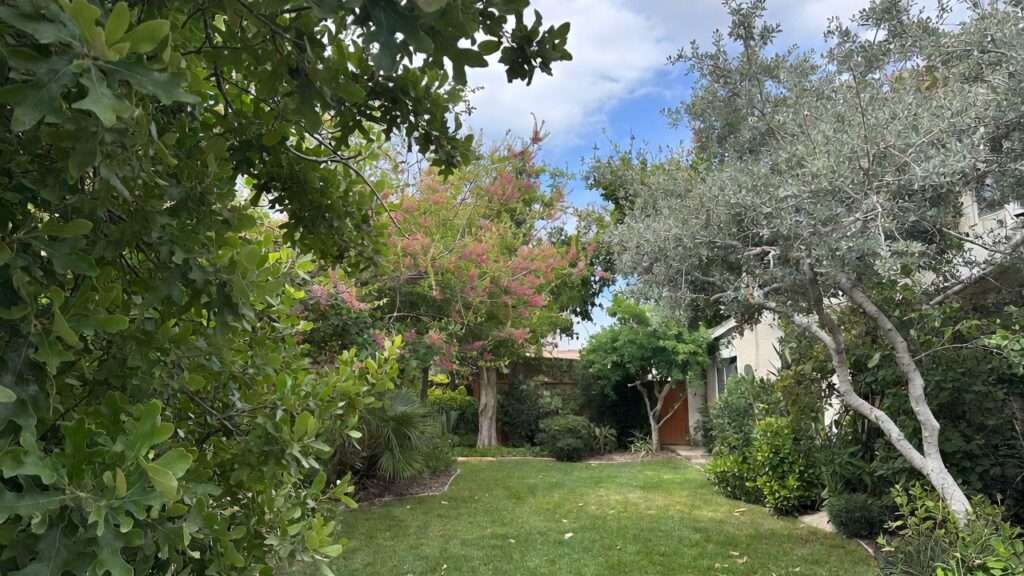
Imagine stepping into your backyard on a scorching summer day, enjoying deep, cooling shade from a majestic tree that thrives with barely any extra watering—while your water bill stays low and your landscape stays lush. 🌞 With rising temperatures, frequent droughts, and increasing water restrictions across many regions, homeowners are turning to drought-tolerant trees to create beautiful, sustainable yards without the constant hassle of irrigation.
Best drought-tolerant trees for home landscapes offer the perfect solution: resilient species that provide ample shade, stunning visual interest, wildlife habitat, and long-term cost savings. These trees not only conserve water (often reducing landscape irrigation by 50% or more once established) but also boost property value, support pollinators, and combat urban heat islands. As a horticulture expert with over 15 years of experience advising on sustainable landscaping, I’ve seen firsthand how the right choices transform challenging dry yards into thriving oases.
In this comprehensive guide, we’ll explore the top 15 drought-tolerant trees—selected for their proven performance in home settings, backed by university extension services, Arbor Day Foundation recommendations, and regional trials. Whether you’re dealing with arid Southwest deserts, humid Southeast summers, or cold Midwest winters, you’ll find adaptable picks here. Let’s dive in and find the perfect low-water tree for your space! 🌳💚
Why Choose Drought-Tolerant Trees for Your Home Landscape?
Drought-tolerant trees are more than just water-savers—they’re smart investments in a changing climate. Here are the key benefits:
- Water Conservation and Cost Savings 💧: Once established (typically after 1–3 years), these trees need minimal supplemental watering, slashing outdoor water use and lowering bills—especially valuable during restrictions or droughts.
- Resilience to Heat and Dry Spells 🔥: Deep root systems, waxy leaves, or reduced leaf surface help them withstand extreme conditions without wilting.
- Shade and Energy Efficiency ☀️: Broad canopies provide natural cooling, potentially reducing home energy costs by 10–25% through strategic placement.
- Environmental and Wildlife Support 🐦: Many are native or adapted, offering food, shelter, and habitat for birds, bees, and butterflies while improving soil health and carbon sequestration.
- Low Maintenance and Longevity 🛠️: Fewer pests, diseases, and pruning needs mean more enjoyment and less work.
Myth bust: Drought-tolerant doesn’t mean sparse or desert-like—many boast vibrant flowers, brilliant fall color, unique bark, or evergreen foliage for year-round appeal. These trees prove you can have a gorgeous, functional landscape that’s eco-friendly and beautiful. 🌸
How We Selected the Best Drought-Tolerant Trees
To ensure trustworthy recommendations, we drew from authoritative sources like the Arbor Day Foundation, university cooperative extensions (e.g., USDA zones data, regional trials), and arborist insights. Selection criteria included:
- Proven drought tolerance after establishment
- Excellent shade or ornamental value for residential use
- Mature size suitable for home yards (not overly massive)
- Good pest/disease resistance and adaptability
- Native or well-adapted status to minimize invasiveness
- Positive real-world performance across climates
We prioritized trees that solve common homeowner needs: low water, beauty, shade, and ease of care. 🌟
Top 15 Drought-Tolerant Trees for Home Landscapes
Here are our top picks, ranked for versatility and performance. Each includes key details to help you choose wisely.
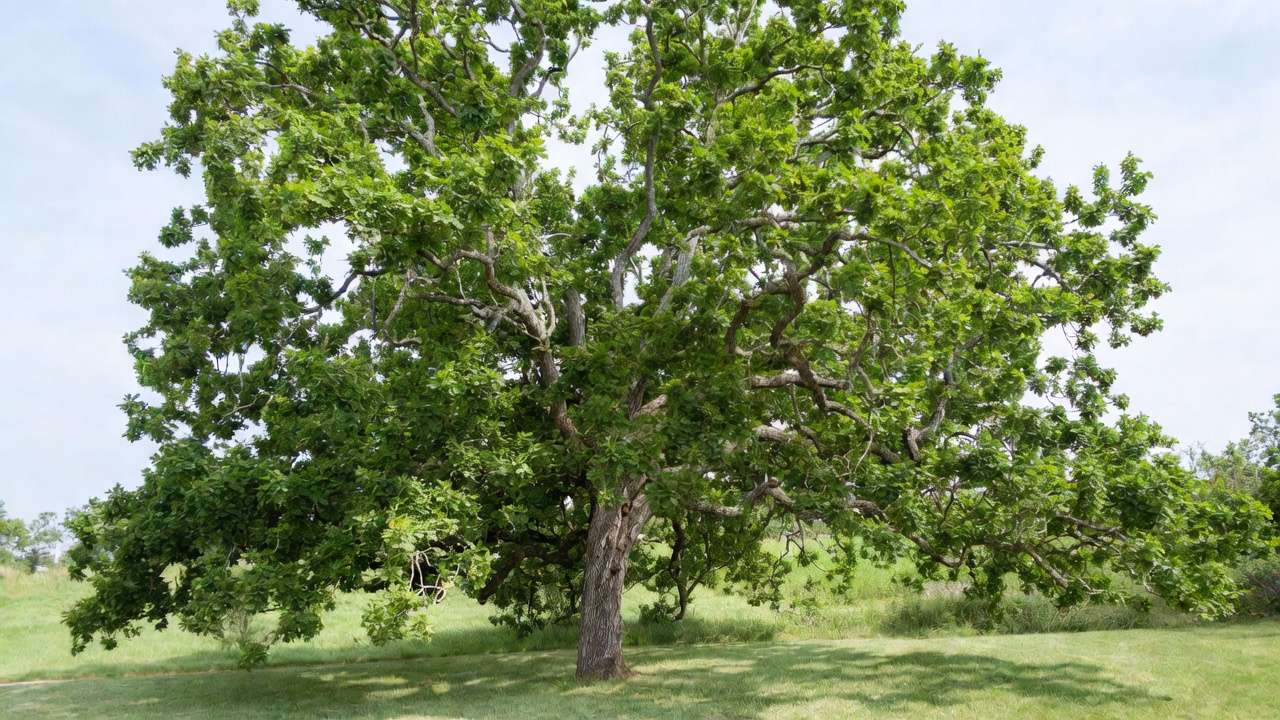
1. Bur Oak (Quercus macrocarpa)
Zones: 3–8 Mature Size: 70–90 ft tall, 60–90 ft wide Features: Massive, rounded canopy for deep shade; corky bark; acorns for wildlife. Drought Tolerance: Very high once established. Pros: Ultra-resilient to cold, heat, wind, and poor soil; long-lived (200+ years). Cons: Slow-growing; large acorns can be messy. Best Uses: Large backyards, parks; excellent northern shade tree. 🌳
2. Eastern Redcedar (Juniperus virginiana)
Zones: 2–9 Mature Size: 30–50 ft tall, 8–20 ft wide Features: Evergreen privacy screen; blue-gray berries for birds. Drought Tolerance: Extremely high. Pros: Fast-growing; wind/salt tolerant; low maintenance. Cons: Can spread via seeds if not managed. Best Uses: Windbreaks, hedges, wildlife gardens. 🌲
3. Honey Locust (Gleditsia triacanthos, thornless cultivars)
Zones: 3–9 Mature Size: 30–70 ft tall, 30–50 ft wide Features: Fine-textured leaves for dappled shade; golden fall color. Drought Tolerance: High. Pros: Adaptable to urban conditions; thornless varieties safe for yards. Cons: Seed pods (in non-sterile types). Best Uses: Street trees, lawns, filtered shade. 🍃
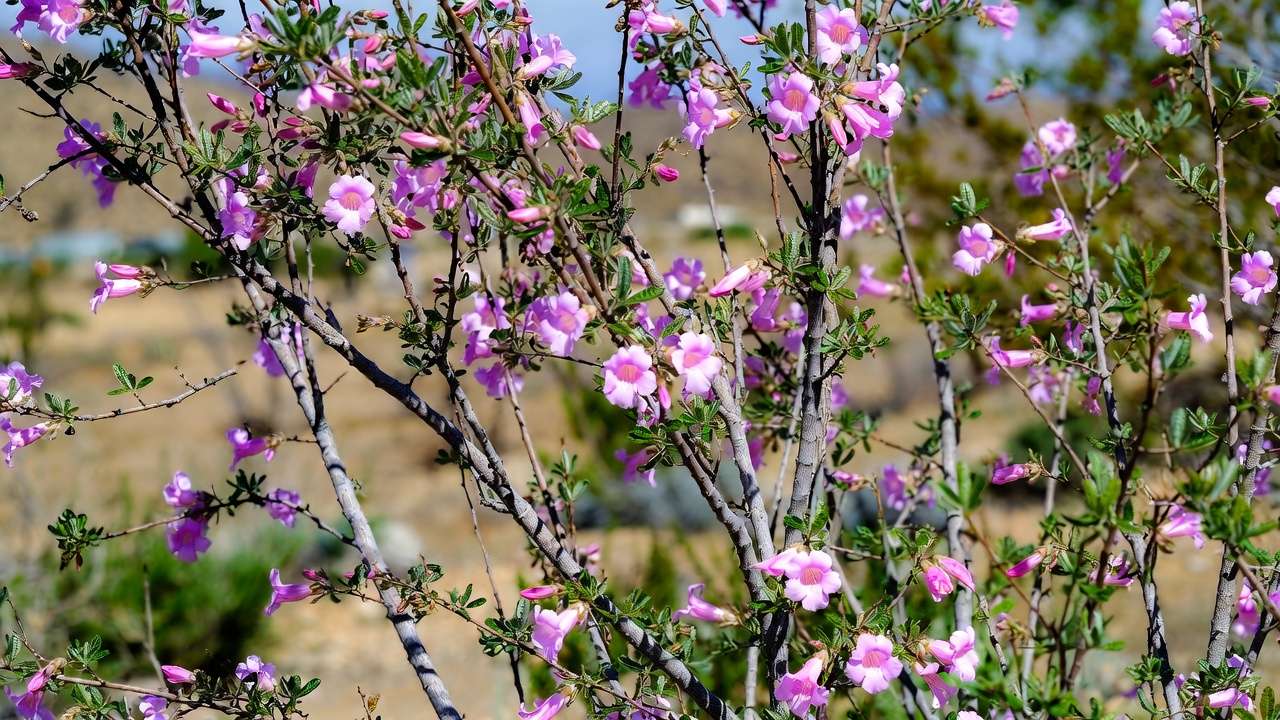
4. Desert Willow (Chilopsis linearis)
Zones: 7–11 Mature Size: 15–30 ft tall, 15–25 ft wide Features: Trumpet-shaped pink/purple flowers; willow-like leaves. Drought Tolerance: Very high. Pros: Fast-growing; attracts hummingbirds; compact for smaller yards. Cons: Not cold-hardy in northern zones. Best Uses: Flowering accent, patios, Southwest landscapes. 🌸
5. Cork Oak (Quercus suber)
Zones: 8–11 Mature Size: 40–60 ft tall, 40–60 ft wide Features: Thick, textured cork bark; evergreen foliage. Drought Tolerance: Very high. Pros: Unique Mediterranean look; long-lived. Cons: Slow to establish; prefers mild winters. Best Uses: Focal point, xeriscape yards. 🌍
6. Ginkgo Biloba
Zones: 3–8 Mature Size: 50–80 ft tall, 30–60 ft wide Features: Fan-shaped leaves turn brilliant gold in fall. Drought Tolerance: High. Pros: Ancient resilience; pollution/pest tolerant. Cons: Female trees produce smelly fruit (choose male cultivars). Best Uses: Urban streets, fall color display. 🍂
7. Kentucky Coffeetree (Gymnocladus dioicus)
Zones: 3–8 Mature Size: 60–75 ft tall, 40–50 ft wide Features: Large compound leaves; unique bark. Drought Tolerance: High. Pros: Tough urban survivor; low pest issues. Cons: Slow to leaf out in spring. Best Uses: Large shade, Midwest/Northeast yards.
8. Live Oak (Quercus virginiana)
Zones: 7–10 Mature Size: 40–80 ft tall, 60–100 ft wide Features: Evergreen; broad, majestic canopy. Drought Tolerance: High. Pros: Iconic Southern beauty; wind-resistant. Cons: Drops leaves year-round. Best Uses: Southern landscapes, shade.
9. Olive Tree (Olea europaea)
Zones: 8–11 Mature Size: 20–40 ft tall, 20–40 ft wide Features: Silvery evergreen leaves; edible fruit. Drought Tolerance: Very high. Pros: Elegant; Mediterranean vibe. Cons: Needs protection from hard freezes. Best Uses: Patios, small yards. 🫒
10. Blue Palo Verde (Parkinsonia florida)
Zones: 8–11 Mature Size: 20–30 ft tall, 20–30 ft wide Features: Green bark; bright yellow spring blooms. Drought Tolerance: Extremely high. Pros: Desert native; fast shade. Cons: Drops leaves in extreme drought. Best Uses: Arid Southwest yards. 💛
11. Hackberry (Celtis occidentalis)
Zones: 3–9 Mature Size: 40–60 ft tall, 40–60 ft wide Features: Warty bark; berries for birds. Drought Tolerance: High. Pros: Adaptable; tough. Cons: Can be messy with berries. Best Uses: Urban, wildlife-friendly.
12. Chaste Tree (Vitex agnus-castus)
Zones: 6–9 Mature Size: 10–20 ft tall, 10–20 ft wide Features: Spikes of lavender flowers; aromatic. Drought Tolerance: High. Pros: Compact; attracts pollinators. Cons: May die back in cold winters. Best Uses: Small yards, flowering.
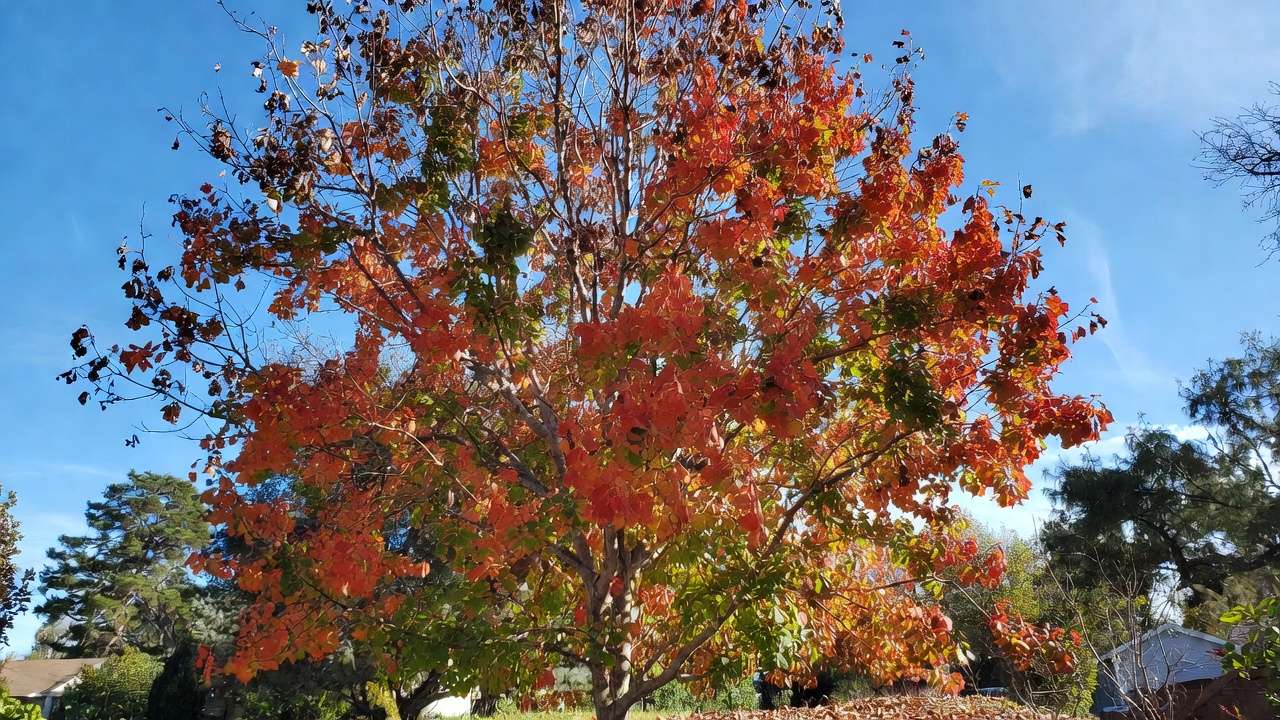
13. Chinese Pistache (Pistacia chinensis)
Zones: 6–9 Mature Size: 30–60 ft tall, 25–35 ft wide Features: Brilliant red/orange fall color. Drought Tolerance: High. Pros: Pest-free; reliable color. Cons: Slow to establish. Best Uses: Fall accents, shade.
14. Mesquite (Prosopis spp.)
Zones: 7–11 Mature Size: 20–50 ft tall, 20–40 ft wide Features: Twisted branches; edible pods. Drought Tolerance: Extremely high. Pros: Fast; nitrogen-fixing. Cons: Thorny; invasive in some areas. Best Uses: Desert landscapes.
15. Coast Live Oak (Quercus agrifolia)
Zones: 8–10 Mature Size: 20–70 ft tall, 30–70 ft wide Features: Evergreen; rounded canopy. Drought Tolerance: High. Pros: California native; wildlife support. Cons: Susceptible to oak diseases. Best Uses: Western coastal yards.
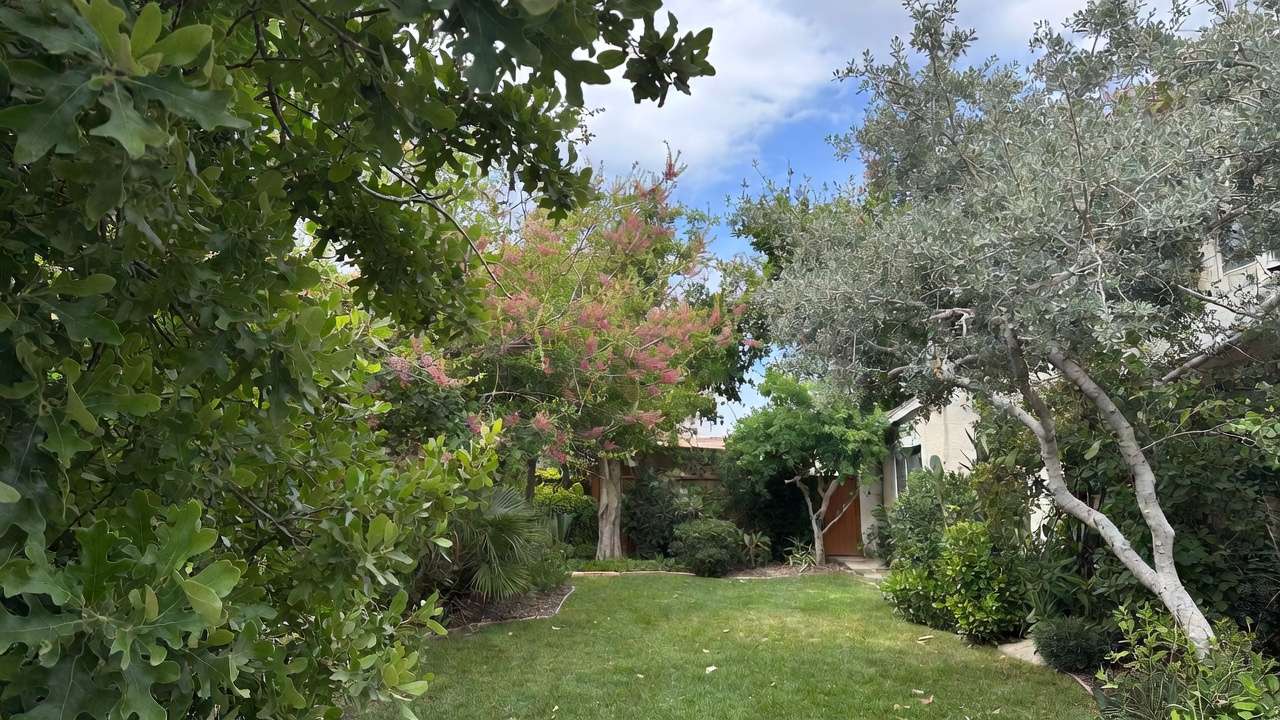
Comparison Table: Quick Pick Guide
| Tree | Height (ft) | Shade Density | Zones | Special Feature | Best Region | Small Yard? |
|---|---|---|---|---|---|---|
| Bur Oak | 70–90 | Dense | 3–8 | Long-lived resilience | North/Midwest | No |
| Eastern Redcedar | 30–50 | Medium | 2–9 | Evergreen privacy | Nationwide | Yes |
| Honey Locust | 30–70 | Dappled | 3–9 | Fall color | Urban areas | Yes |
| Desert Willow | 15–30 | Light | 7–11 | Flowers & hummingbirds | Southwest | Yes |
| Cork Oak | 40–60 | Dense | 8–11 | Unique bark | Mild climates | No |
| Ginkgo | 50–80 | Dense | 3–8 | Golden fall | Temperate | No |
| Blue Palo Verde | 20–30 | Light | 8–11 | Green bark & blooms | Desert | Yes |
| Chinese Pistache | 30–60 | Medium | 6–9 | Fiery fall color | West/South | Yes |
Choosing the Right Tree for Your Specific Landscape
Match your tree to your conditions for success:
- By Region/Climate: Cold-hardy picks like Bur Oak or Ginkgo for Zones 3–6; heat-lovers like Desert Willow or Blue Palo Verde for Zones 8–11.
- By Yard Size: Compact options (Desert Willow, Chaste Tree) for patios/small spaces; larger shade providers for big yards.
- By Purpose: Max shade (Bur Oak), privacy (Eastern Redcedar), flowers (Desert Willow), wildlife (Honey Locust).
- Soil & Sun: Most prefer full sun and well-drained soil; amend clay with organics.
Always check local extension offices for zone-specific advice—native trees often perform best! 📍
Planting and Care Tips for Success
Success starts with proper planting:
- Site Selection 🌱: Choose full sun, well-drained spots; avoid low-lying wet areas.
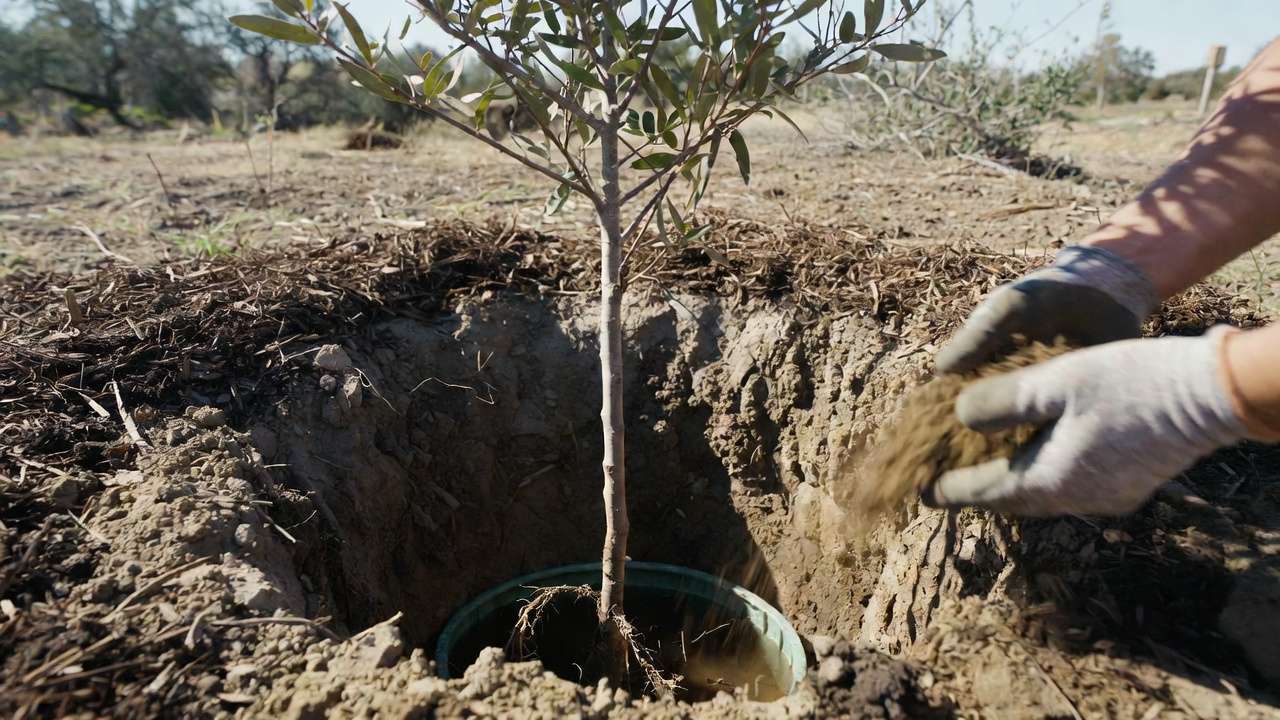
- Best Time & Method: Plant in fall/spring; dig hole twice as wide as root ball, same depth.
- Establishment Watering: Deep water weekly first year (adjust for rain); taper to infrequent deep soaks.
- Mulching & Pruning: 3-inch mulch ring; prune only dead branches.
- Long-Term Care: Fertilize sparingly; monitor for stress.
Expert tip: Deep, infrequent watering encourages strong roots—key to true drought tolerance! 💧
FAQs About Drought-Tolerant Trees for Home Landscapes
How long until a drought-tolerant tree is truly low-water? 1–3 years; water deeply during establishment.
Are these trees safe near foundations/pools? Yes, if planted 10–20 ft away; choose smaller species for tight spaces.
Best evergreen vs deciduous? Evergreen: Eastern Redcedar; Deciduous: Chinese Pistache for color.
Do they attract pests? Most are resistant; monitor for aphids or borers.
Can I plant in poor soil? Yes—many thrive in rocky/poor soil.
Fastest-growing? Honey Locust or Desert Willow.
Final Thoughts: Transform Your Yard Sustainably
Planting the right drought-tolerant tree brings lasting beauty, shade, and peace of mind—even in dry times. Start with one today: your yard, wallet, and planet will thank you! 🌳🏡
Which tree matches your climate and yard? Drop a comment below—I’d love to help personalize! Subscribe for more expert tree care guides. Happy planting! ✨











