Imagine walking out into your garden, reaching into a canopy of striking, lobed leaves, and plucking a warm, sun-ripened, jammy fig right off the branch. It is a true backyard luxury that you simply cannot experience from the bruised, prematurely picked, and overpriced figs sitting on grocery store shelves. To make this homegrown dream a reality, you need to start with the right plant. If you are searching for the best 10 fig tree options to buy online, you are in exactly the right place.
However, buying a live fruit tree on the internet can feel incredibly intimidating. Fig varieties have wildly different needs when it comes to winter cold hardiness, humidity tolerance, and physical space requirements. Because of these distinct differences, it is remarkably easy for beginners to accidentally choose the wrong tree for their climate—such as ordering a massive, heat-loving variety for a chilly northern patio.
That is exactly what this guide is here to solve. We are cutting through the guesswork and confusion by reviewing the best 10 fig tree live plants currently available on Amazon. Whether you have a sprawling backyard or a small apartment balcony that only has room for a single container, we will help you confidently choose the exact tree guaranteed to thrive in your space.
The Pre-Purchase Buying Guide
Before you add a live plant to your cart, it is crucial to understand the three main factors that determine whether a fig tree will flourish or fail in your care.
1. Know Your Hardiness Zone
Fig trees are Mediterranean natives, meaning they inherently love heat and sun. However, modern breeding and selection have given us incredible cold-hardy varieties.
-
Northern Growers (Zones 5-7): You must select a cold-hardy variety like the Chicago Hardy, which can die back to the ground in a freeze and still aggressively resprout and fruit the following summer.
-
Southern/Coastal Growers (Zones 8-10): You have the luxury of planting heat-loving varieties like the Black Mission or Peter’s Honey, which thrive in long, baking summers.
2. Container vs. In-Ground Cultivation
Not everyone has a sprawling backyard. If you are growing on a patio, balcony, or need to move your tree indoors for the winter, look for natural dwarf varieties like the Violette de Bordeaux. If you are planting in the ground and want a massive shade tree, vigorous growers like the Brown Turkey or Black Mission are better choices.
3. Flavor Profiles Decoded
Not all figs taste the same. They generally fall into three flavor categories:
-
Berry: Deep red or purple interior flesh with a complex, jammy, strawberry or raspberry flavor (e.g., Chicago Hardy, Violette de Bordeaux).
-
Sugar: Light amber or brown interior flesh with a straightforward, classic sweet brown sugar flavor (e.g., Celeste, Brown Turkey).
-
Honey: Golden or light green skin with pale flesh that tastes like pure, rich syrup or agave (e.g., Peter’s Honey, Desert King).
Quick Comparison Table
To help you narrow down your search, use this mobile-friendly, quick-reference table to find the tree that matches your needs.
The Top 10 Comparison & Detailed Reviews
Here is our deep dive into the best 10 fig tree live plants you can have shipped directly to your door.
1. Chicago Hardy (Ficus carica ‘Hardy Chicago’)
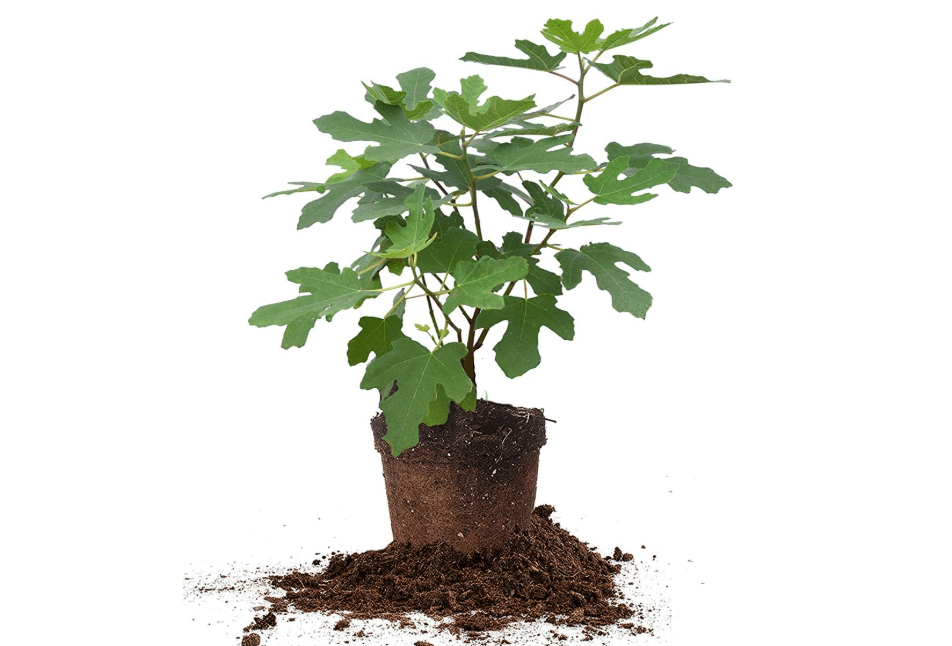
The Chicago Hardy is the undisputed champion of cold climates. It is the fig tree that defied expectations, proving that northern gardeners can enjoy fresh, Mediterranean fruit. With distinctive, deeply lobed leaves, this tree produces medium-sized fruits with a brown-purple skin and a vibrant, strawberry-red interior.
-
Estimated Price: $34.99
-
Key Features & Benefits:
-
USDA Zones: 5-10 (Can survive freezes down to -10°F when planted in-ground with mulch).
-
Mature Height: 15-30 feet (easily kept smaller with pruning).
-
Flavor Profile: Exceptionally rich, sweet strawberry jam.
-
Fruiting: Bears on new wood, meaning even if it dies back to the roots in winter, it will sprout and fruit the same year.
-
-
Pros & Cons:
-
Pros: Incredibly cold-tolerant, fast grower, drought-tolerant once established.
-
Cons: Can grow quite aggressively large if not pruned back annually.
-
-
Amazon Customer Ratings: Averages 4.3 out of 5 stars. Buyers rave about how well the roots survive harsh northern winters, though some note it takes a full season to bounce back from shipping shock.
-
Why it belongs on the best 10 fig tree list: It is the absolute safest bet for any gardener living north of the Mason-Dixon line who wants guaranteed fruit.
-
Ideal Use Case: Best for Northern gardeners (Zones 5 and 6) who want a reliable, cold-resistant in-ground tree.
2. Violette de Bordeaux
If you live in an apartment, have a small patio, or just love the idea of growing fruit in a gorgeous ceramic pot, the Violette de Bordeaux is your perfect match. This beautiful French heirloom variety has a naturally dwarf, bushy growth habit and produces small-to-medium figs with striking, near-black purple skin and a deep red, syrupy center.

-
Estimated Price: $24.99.
-
Key Features & Benefits:
-
USDA Zones: 7-10 (Perfect for bringing indoors during winter in colder zones).
-
Mature Height: 6-10 feet (Naturally compact).
-
Flavor Profile: Extremely complex, sweet berry flavor—often compared to fine wine or rich raspberry preserves.
-
Fruiting: Often produces two crops per year (an early “breba” crop and a main crop in late summer).
-
-
Pros & Cons:
-
Pros: Perfect for containers, highly ornamental foliage, incredibly rich flavor.
-
Cons: Slower growth rate compared to larger varieties; fruits are on the smaller side.
-
-
Amazon Customer Ratings: Averages 4.5 out of 5 stars. Reviewers consistently praise its small footprint and the incredible, intense flavor of the fruit.
-
Why it belongs on the best 10 fig tree list: It is undeniably the best choice for container gardening and small-space urban environments.
-
Ideal Use Case: Urban gardeners, balcony growers, and anyone wanting a low-maintenance potted fruit tree.
3. Black Mission
The Black Mission is the classic, quintessential fig. If you have ever eaten a fresh fig at a high-end restaurant or bought them at a farmer’s market, chances are it was a Black Mission. It is a highly vigorous, massive tree that produces an abundance of large, teardrop-shaped figs with purplish-black skin and amber-pink flesh.

-
Estimated Price: $33.99
-
Key Features & Benefits:
-
USDA Zones: 7-10.
-
Mature Height: 15-40 feet (Can become a massive shade tree if left unpruned).
-
Flavor Profile: The “classic” sweet fig flavor—earthy, rich, and sugary.
-
Fruiting: Highly productive, yielding incredibly large harvests once established.
-
-
Pros & Cons:
-
Pros: Massive yields, excellent all-purpose flavor (great for fresh eating, drying, or cooking), very fast grower.
-
Cons: Requires a lot of space; highly susceptible to frost damage in colder zones.
-
-
Amazon Customer Ratings: Averages 4.4 out of 5 stars. Customers love how fast it grows and how quickly it establishes a thick trunk, though buyers in Zone 6 frequently report winter die-back.
-
Why it belongs on the best 10 fig tree list: It is the commercial standard for a reason. If you have the space and the climate, it is the most reliable, heavy-producing tree you can buy.
-
Ideal Use Case: Southern and West Coast gardeners with large backyards looking to harvest baskets of fruit every summer.
4. Celeste (The “Sugar Fig”)
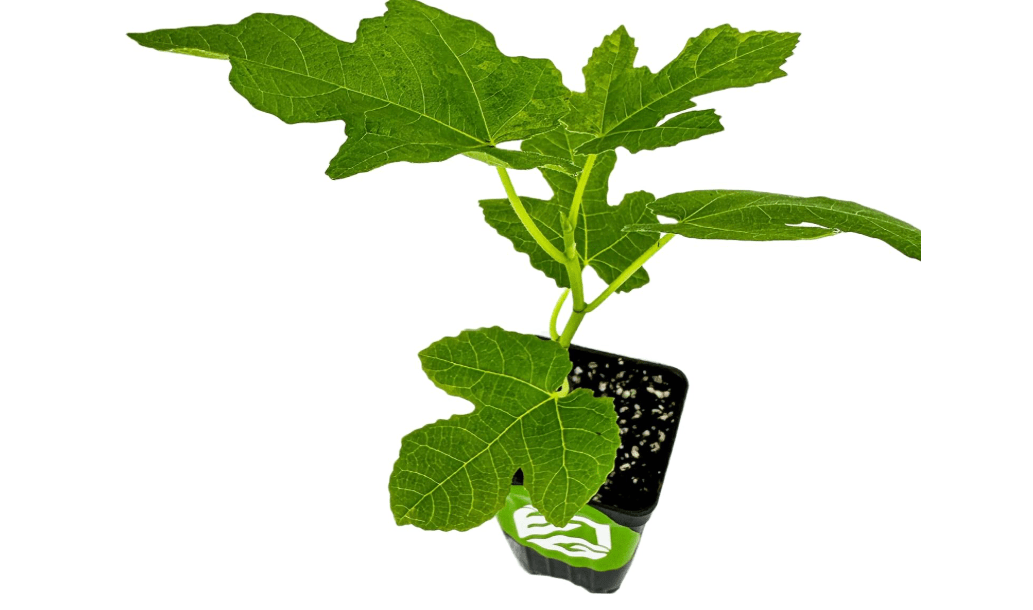
Known affectionately in the American South as the “Sugar Fig,” the Celeste variety is famous for its incredible sweetness and its ability to withstand hot, sticky, humid climates. One of the biggest problems with growing figs in rainy areas is that the fruit can swell and split open right before harvest. Celeste figs have a tight “eye” (the small opening at the bottom of the fruit), which keeps rain out and prevents souring.
-
Estimated Price: $16.99
-
Key Features & Benefits:
-
USDA Zones: 6-9.
-
Mature Height: 10-15 feet.
-
Flavor Profile: Intensely sweet, light brown sugar and caramel.
-
Fruiting: Produces small to medium, purplish-bronze figs very early in the season.
-
-
Pros & Cons:
-
Pros: Closed eye prevents rain splitting and pest damage; highly heat tolerant; very sweet.
-
Cons: The fruits are smaller than other varieties; it rarely produces a breba (early spring) crop.
-
-
Amazon Customer Ratings: Averages 4.6 out of 5 stars. Southern growers highly recommend it for its resilience against humidity and pests.
-
Why it belongs on the best 10 fig tree list: It solves the most common problem for Southern growers (souring and splitting in heavy summer rains).
-
Ideal Use Case: Gardeners in the Southeast (Florida, Georgia, Carolinas) where high humidity and heavy summer thunderstorms are common.
5. Desert King
Do not let the name fool you—the Desert King actually thrives in cooler, coastal, and mild climates, making it the absolute favorite among growers in the Pacific Northwest. Unlike most figs that rely heavily on a late-summer main crop (which requires a lot of heat to ripen), the Desert King is uniquely adapted to produce a massive “breba” crop in early-to-mid summer. It features beautiful green skin with a vibrant, strawberry-colored interior.

-
Estimated Price: $26.69
-
Key Features & Benefits:
-
USDA Zones: 5-9.
-
Mature Height: 15-20 feet.
-
Flavor Profile: Rich, melting honey and strawberry flavor.
-
Fruiting: Highly reliable early summer breba crop; fruits even in areas with cool, cloudy summers.
-
-
Pros & Cons:
-
Pros: Ripens dependably in cool climates; beautiful green skin makes it harder for birds to spot and steal the fruit.
-
Cons: If a late spring frost kills the early breba crop, you likely will not get any figs that year.
-
-
Amazon Customer Ratings: Averages 4.5 out of 5 stars. Pacific Northwest buyers consistently rate this as the only fig tree that reliably ripens in their short, cool summers.
-
Why it belongs on the best 10 fig tree list: It fills a vital niche, allowing gardeners in coastal and cool-summer climates to successfully grow figs.
-
Ideal Use Case: Gardeners in the Pacific Northwest, coastal California, or any region with mild, short, or foggy summers.
6. Brown Turkey
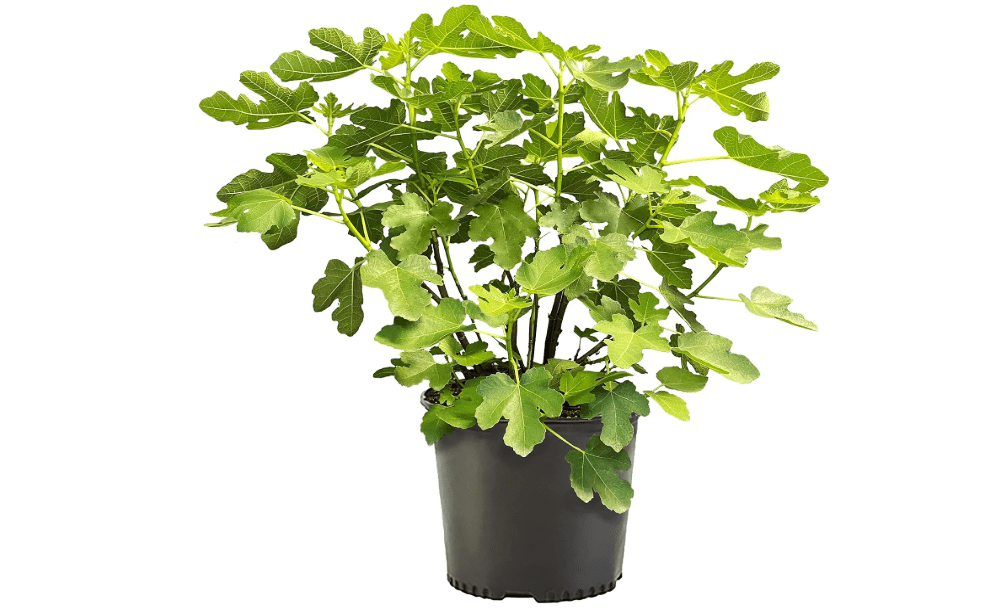
The Brown Turkey is the quintessential, low-maintenance classic of the fig world. If you want a vigorous, easy-to-grow tree that forgives beginner mistakes, this is it. It produces a prolific amount of medium-to-large, rust-colored figs with a mild, sweet, amber-colored interior. Because of its adaptability and fast growth rate, it is one of the most widely planted varieties in the United States.
-
Estimated Price: $39.89
-
Key Features & Benefits:
-
USDA Zones: 7-9 (Can survive Zone 6 with heavy winter protection).
-
Mature Height: 10-20 feet.
-
Flavor Profile: Mild, classic sweet sugar.
-
Fruiting: Very reliable; often produces both a breba (spring) and a main (late summer) crop.
-
-
Pros & Cons:
-
Pros: Extremely vigorous, drought-tolerant, great for beginners.
-
Cons: The flavor is milder and less complex than premium varieties; the eye is somewhat open, making it susceptible to souring in very heavy rain.
-
-
Amazon Customer Ratings: Averages 4.4 out of 5 stars. Buyers frequently mention how quickly the plant bounces back from shipping and how fast it puts on new growth.
-
Why it belongs on the best 10 fig tree list: It is the most reliable, foolproof starter tree for anyone new to fruit cultivation.
-
Ideal Use Case: Beginners, casual gardeners, and those wanting a traditional, fast-growing landscape tree.
7. LSU Purple
Bred specifically by Louisiana State University agricultural scientists, the LSU Purple is a masterclass in regional adaptation. It was engineered to thrive in the sweltering heat and oppressive humidity of the Deep South, while also carrying a high resistance to root-knot nematodes—a common soil pest in southern states. It yields medium-sized, glossy dark purple figs with a light strawberry flesh.

-
Estimated Price: $24.97.
-
Key Features & Benefits:
-
USDA Zones: 7-10.
-
Mature Height: 8-10 feet (A natural semi-dwarf, great for small yards).
-
Flavor Profile: Very sweet, light strawberry and cane sugar.
-
Fruiting: Known to start fruiting at a very young age, sometimes even in its first year.
-
-
Pros & Cons:
-
Pros: Highly nematode resistant, loves extreme heat, highly productive, compact size.
-
Cons: Needs long, hot summers to develop its peak sugar content.
-
-
Amazon Customer Ratings: Averages 4.6 out of 5 stars. Southern gardeners praise its toughness and how quickly it transitions from a potted starter to a fruit-bearing tree.
-
Why it belongs on the best 10 fig tree list: It is a scientifically bred problem-solver for gardeners battling extreme southern heat and soil pests.
-
Ideal Use Case: Gardeners in the Deep South, Gulf Coast, and anywhere with brutal summer humidity.
8. Panache “Tiger” Fig
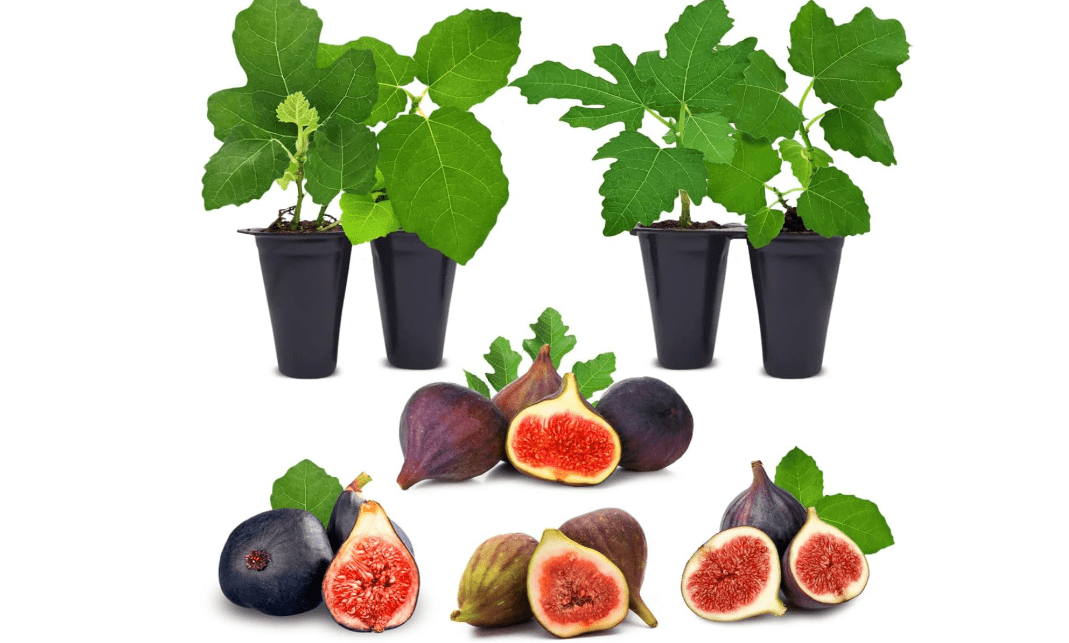
If you want your fruit tree to be a stunning visual centerpiece, the Panache “Tiger” Fig stands alone. The fruit itself is highly ornamental, featuring vibrant yellow and green stripes on the outside. Inside, it hides a brilliant, jammy, blood-red center. It does not just look good—it has a bright, tart-sweet flavor that many compare to a mix of citrus and raspberry.
-
Estimated Price: $31.99
-
Key Features & Benefits:
-
USDA Zones: 7-10.
-
Mature Height: 12-15 feet.
-
Flavor Profile: Bright citrus-berry and jam.
-
Fruiting: Requires a long, very warm growing season to ripen its late-summer crop.
-
-
Pros & Cons:
-
Pros: Unmatched visual appeal, exceptional and unique flavor profile.
-
Cons: Requires consistent, high heat to ripen; late harvests can be ruined by early fall frosts in cooler zones.
-
-
Amazon Customer Ratings: Averages 4.3 out of 5 stars. Reviewers buy it for the aesthetics and are blown away by the taste, though northern buyers report struggling to get the fruit to ripen fully before winter.
-
Why it belongs on the best 10 fig tree list: It is the ultimate choice for edible landscaping, offering both unmatched beauty and gourmet flavor.
-
Ideal Use Case: Edible landscapers and growers in hot climates (like California or Texas) wanting a true garden conversation piece.
9. Peter’s Honey
For those with a sweet tooth, Peter’s Honey is a revelation. Originating from Sicily, this tree produces gorgeous golden-yellow fruit with a pale, amber center that genuinely tastes like warm, rich honey. To achieve that syrupy sweetness, this tree demands full, baking sun and thrives in hot, arid conditions.

-
Estimated Price: $36.99
-
Key Features & Benefits:
-
USDA Zones: 7-10.
-
Mature Height: 15-25 feet.
-
Flavor Profile: Pure, syrupy honey and agave.
-
Fruiting: Produces exceptionally sweet main crop figs in mid-to-late summer.
-
-
Pros & Cons:
-
Pros: Top-tier sweetness, beautiful golden fruit, excellent for eating fresh or drying.
-
Cons: Performs poorly in cool, cloudy, or overly wet climates.
-
-
Amazon Customer Ratings: Averages 4.5 out of 5 stars. Buyers consistently highlight the dessert-like quality of the fruit, noting it tastes like nothing you can buy in a store.
-
Why it belongs on the best 10 fig tree list: It is the gold standard for growers who prefer the light, honey-flavored fig profile over the dark, berry-flavored varieties.
-
Ideal Use Case: Growers in hot, arid climates, desert regions, or anyone with a blazing hot, south-facing wall.
10. Osborne Prolific
Living up to its name, the Osborne Prolific is a powerhouse of production. If your goal is to harvest massive bowls of fruit for canning, dehydrating, and making homemade jams, this is the tree for you. It produces large, purplish-brown figs with sweet, amber-colored flesh. Notably, it performs surprisingly well in cooler summer climates where other varieties might struggle to ripen.

-
Estimated Price: $149.93
-
Key Features & Benefits:
-
USDA Zones: 7-9.
-
Mature Height: 10-15 feet.
-
Flavor Profile: Rich caramel and brown sugar.
-
Fruiting: Very heavy yielder; handles cool coastal summers better than most.
-
-
Pros & Cons:
-
Pros: Massive harvests, adaptable to cooler summers, large fruit size.
-
Cons: The fruit has delicate skin when fully ripe and does not keep long off the tree (must be eaten or preserved quickly).
-
-
Amazon Customer Ratings: Averages 4.4 out of 5 stars. Reviewers love the sheer volume of fruit the tree produces once fully established in the landscape.
-
Why it belongs on the best 10 fig tree list: It is the ultimate homesteading tree for gardeners focused on high yields and food preservation.
-
Ideal Use Case: Urban homesteaders, jam makers, and growers looking for bulk harvests.
Frequently Asked Questions (FAQ)
Do I need to buy two fig trees for them to produce fruit? No. All the varieties featured on this list are common figs, meaning they are entirely self-pollinating (parthenocarpic). You only need one tree to get a full harvest of fruit.
What size pot do I need to grow a fig tree on my patio? When your live plant arrives from Amazon, start by potting it in a 5-to-15-gallon container with well-draining soil. As the tree grows over the next few years, you will eventually want to pot it up to a 20-to-30-gallon container to give the roots enough room to support heavy fruiting.
When will my Amazon live plant start producing figs? This depends on the size of the starter plant you purchase. Small quart-sized liners may take 2 to 3 years to produce their first meaningful crop. Larger 1-to-2-gallon starter trees often produce a handful of figs in their very first summer, with yields increasing dramatically each year.
Conclusion & Final Verdict
Growing a fig tree is one of the most rewarding experiences a home gardener can have, but success comes down to choosing the right genetics for your specific environment.
If you live up North and battle freezing winters, the Chicago Hardy is your undisputed champion. If you only have a balcony or want to grow in containers, the dwarf Violette de Bordeaux will give you gourmet fruit without taking over your patio. Finally, if you have the space and want the ultimate classic fig experience, you cannot go wrong with the towering Black Mission.
Now that you know exactly what to look for, head over to Amazon to check the current availability and shipping times for these varieties. Getting your live plant ordered and in the soil today puts you one season closer to harvesting your own sun-warmed, jammy fruit straight from the branch.