Picture this: You are staring out your window at a plain, uninspired lawn. You want to add a vibrant pop of color, cooling shade, and undeniable curb appeal without spending thousands of dollars on a professional landscaper. If you are looking for the absolute best 10 flowring trees for backyard transformations, you are in the right place.
However, trying to upgrade your landscape without a plan can be a costly mistake. Buying a tree that isn’t suited for your specific climate, or choosing a species that grows too massive for a small yard, often leads to overgrown roots, poor blooming, or eventually, a dead plant.
The good news is that finding the perfect solution is easier than you think. Today, buying live trees on Amazon is remarkably safe and convenient. These gorgeous plants are often shipped directly from top-rated nurseries, arriving at your doorstep in specialized, safe-transit packaging ready to be planted.
To ensure you make an informed and confident buying decision, we didn’t just pick pretty plants. We carefully vetted our top choices by cross-referencing USDA hardiness zones, analyzing hundreds of verified Amazon buyer reviews, checking average growth rates, and evaluating overall disease resistance. Read on to discover the perfect blooming centerpiece that is guaranteed to thrive in your outdoor space.
II. Quick Comparison: Top Picks at a Glance
For the best mobile viewing experience, we’ve condensed our top recommendations into this simple, scannable three-column table so you can quickly find the perfect match for your yard.
III. Detailed Product Reviews: The 10 Best Options
1. Crape Myrtle (Lagerstroemia) – Best Overall for Summer Color
1. Product Description: Often referred to as the “Lilac of the South,” the Crape Myrtle is an absolute showstopper and our top pick for backyard landscaping. It is a stunning, low-maintenance ornamental tree famous for its smooth, exfoliating bark that adds winter interest. But the real draw is its explosive, brightly colored flower clusters (available in red, pink, purple, and white) that bloom relentlessly throughout the hottest days of summer and well into the fall.

2. Price:
3. Key Features & Benefits:
-
Extended Bloom Time: Produces flowers for up to 100 days continuously.
-
Rapid Growth: Capable of growing 3 to 5 feet per year under optimal conditions.
-
Drought Tolerance: Once established, it requires very little supplemental watering.
4. Pros and Cons:
-
Pros: Highly tolerant of extreme summer heat; attracts butterflies and pollinators; requires minimal pruning if you choose the right mature size.
-
Cons: Can drop spent blossoms, creating minor litter on nearby patios; susceptible to powdery mildew if planted in an area with stagnant, humid air.
5. Amazon Customer Ratings and Reviews: Average Rating: 4.4 out of 5 Stars. Buyers frequently praise how securely the nursery pots are packaged for shipping. Many reviews highlight that despite looking like “bare sticks” when shipped during winter dormancy, they leaf out beautifully and grow rapidly in their first spring.
6. Why it’s a good choice for backyards: If your backyard is sun-drenched and you want a vibrant centerpiece that peaks when most other spring-flowering trees have lost their blooms, the Crape Myrtle is unmatched. It delivers high-impact color precisely when you spend the most time outdoors.
7. Ideal Use Case or Who Should Buy It: Homeowners living in Southern and transition climates (USDA Zones 6-10) who want a fast-growing, highly visible focal point with very low maintenance requirements.
2. Eastern Redbud (Cercis canadensis) – Best for Early Spring Blooms
1. Product Description: The Eastern Redbud is a quintessential harbinger of spring. Before its leaves even emerge, the bare branches of this tree explode with tight clusters of rosy-pink and magenta flowers. As the blooms fade, stunning heart-shaped leaves appear, transitioning from a reddish-purple hue to a deep, healthy green. Its graceful, multi-trunked, vase-like shape makes it a landscape designer’s dream.

2. Price:
3. Key Features & Benefits:
-
Early Blooming: One of the first trees to flower in early spring, often in March or April.
-
Compact Size: Typically matures at a highly manageable 20 to 30 feet tall and wide.
-
Adaptability: Can grow in full sun but performs remarkably well in partial shade.
4. Pros and Cons:
-
Pros: Incredible early-season color; gorgeous heart-shaped foliage; non-invasive root system makes it safe near patios or walkways.
-
Cons: Relatively short lifespan for a tree (typically 20-30 years); prone to trunk canker if the bark is damaged by lawnmowers or weed whackers.
5. Amazon Customer Ratings and Reviews: Average Rating: 4.5 out of 5 Stars. Reviewers love the instant gratification of the early spring blooms. Many note that the tree establishes quickly and acts as a beautiful, structural piece of living art in their yard.
6. Why it’s a good choice for backyards: Its modest size makes it the ultimate choice for suburban backyards where space is at a premium. It won’t overwhelm a small property or threaten your foundation, but it still delivers a massive visual punch.
7. Ideal Use Case or Who Should Buy It: Perfect for homeowners in USDA Zones 4-9 who have compact properties or want a beautiful understory tree to plant near larger, existing shade trees.
3. Kwanzan Cherry Blossom Tree (Prunus ‘Kanzan’) – Best for Dramatic Floral Displays
1. Product Description: If you have ever marveled at the famous cherry blossom festivals in Washington D.C., you know the power of a flowering cherry tree. The Kwanzan variety is arguably the most spectacular, producing massive, deep-pink, double-petaled blossoms that look like carnations clustered tightly along the branches. It creates an unforgettable, cloud-like canopy of pink every spring.

2. Price: $133.99
3. Key Features & Benefits:
-
Show-Stopping Flowers: Features double the petals of standard cherry trees for a much fuller look.
-
Vibrant Fall Color: Leaves turn stunning shades of bronze, orange, and red in the autumn.
-
Sterile Variety: Does not produce fruit, meaning less mess and no unwanted seedlings in your lawn.
4. Pros and Cons:
-
Pros: Unbeatable curb appeal during its bloom cycle; wide, umbrella-like canopy provides nice light shade; sterile (fruitless).
-
Cons: The spectacular bloom period is relatively short (about two to three weeks); susceptible to pests like borers and aphids if stressed.
5. Amazon Customer Ratings and Reviews: Average Rating: 4.3 out of 5 Stars. Customers are consistently amazed by the vibrancy of the pink blooms. Some reviewers caution buyers to be patient during shipping, as the trees require careful unboxing, but the overwhelming consensus is that the springtime display is worth every penny.
6. Why it’s a good choice for backyards: It serves as the ultimate status-symbol tree for backyard landscaping. It instantly elevates the look of a patio or garden seating area, making your backyard look like a curated botanical garden.
7. Ideal Use Case or Who Should Buy It: Homeowners in USDA Zones 5-9 looking for a dramatic, classic springtime focal point that doesn’t produce messy fruit drops.
4. Jane Magnolia (Magnolia x ‘Jane’) – Best Cold-Hardy Magnolia
1. Product Description: Part of the renowned “Little Girl” series of magnolias, the Jane Magnolia was specifically bred for late-spring blooming to avoid the devastating frosts that often ruin the floral displays of early bloomers. It features breathtaking, large, tulip-shaped flowers that are a deep, rich reddish-purple on the outside and a striking white on the inside. It naturally grows as a dense, multi-stemmed shrub but can easily be pruned into an elegant small tree.

2. Price:
3. Key Features & Benefits:
-
Late-Spring Bloomer: Flowers emerge two to four weeks later than star or saucer magnolias, safely avoiding frost damage.
-
Re-blooming Potential: Often produces a lighter, secondary flush of blooms in mid-summer.
-
Compact Habit: Typically tops out at 10 to 15 feet tall and 8 to 10 feet wide.
4. Pros and Cons:
-
Pros: Exceptional cold hardiness; exquisite fragrance; perfect for small spaces; rarely troubled by pests or deer.
-
Cons: Slower growth rate compared to other landscape trees; requires slightly acidic soil to thrive.
5. Amazon Customer Ratings and Reviews: Average Rating: 4.6 out of 5 Stars. Buyers frequently rave about the hardiness of this tree, noting that it survives harsh winters beautifully and reliably delivers massive, fragrant blooms even in northern climates.
6. Why it’s a good choice for backyards: If you live in an area prone to unpredictable spring weather or late freezes, the Jane Magnolia guarantees a spectacular spring display without the heartbreak of frost-bitten flower buds.
7. Ideal Use Case or Who Should Buy It: Homeowners in cooler climates (USDA Zones 4-8) looking for a reliable, highly fragrant, compact ornamental tree for a patio corner or mixed border.
5. White Flowering Dogwood (Cornus florida) – Best for Shaded/Woodland Yards
1. Product Description: The White Flowering Dogwood is a classic American native tree that provides year-round beauty. In spring, it erupts with iconic, large white bracts (often mistaken for petals). During the summer, its tiered, horizontal branching provides excellent architectural structure. Come autumn, the leaves turn a brilliant shade of crimson, accompanied by clusters of bright red berries that attract local songbirds.

2. Price: $89.99
3. Key Features & Benefits:
-
Four-Season Interest: Spring flowers, summer shade, fiery fall foliage, and winter berries.
-
Shade Tolerant: One of the few flowering trees that actively prefers dappled sunlight or afternoon shade.
-
Wildlife Friendly: A crucial food source for robins, bluebirds, and cardinals.
4. Pros and Cons:
-
Pros: Native species that supports local ecosystems; stunning horizontal branching; gorgeous autumn color.
-
Cons: Susceptible to dogwood anthracnose (a fungal disease) if planted in full, baking sun or poorly drained soil; requires a layer of mulch to keep roots cool.
5. Amazon Customer Ratings and Reviews: Average Rating: 4.4 out of 5 Stars. Reviewers highlight its elegant shape and how well it performs in older, established yards where mature shade trees already block out full sun.
6. Why it’s a good choice for backyards: Most flowering trees demand full sun, making it difficult to add color to a yard surrounded by large oaks or pines. The Dogwood naturally grows as an understory tree, making it the perfect solution for shaded backyards.
7. Ideal Use Case or Who Should Buy It: Homeowners in USDA Zones 5-9 with woodland-style yards, large existing shade trees, or east-facing planting spots that only receive morning sun.
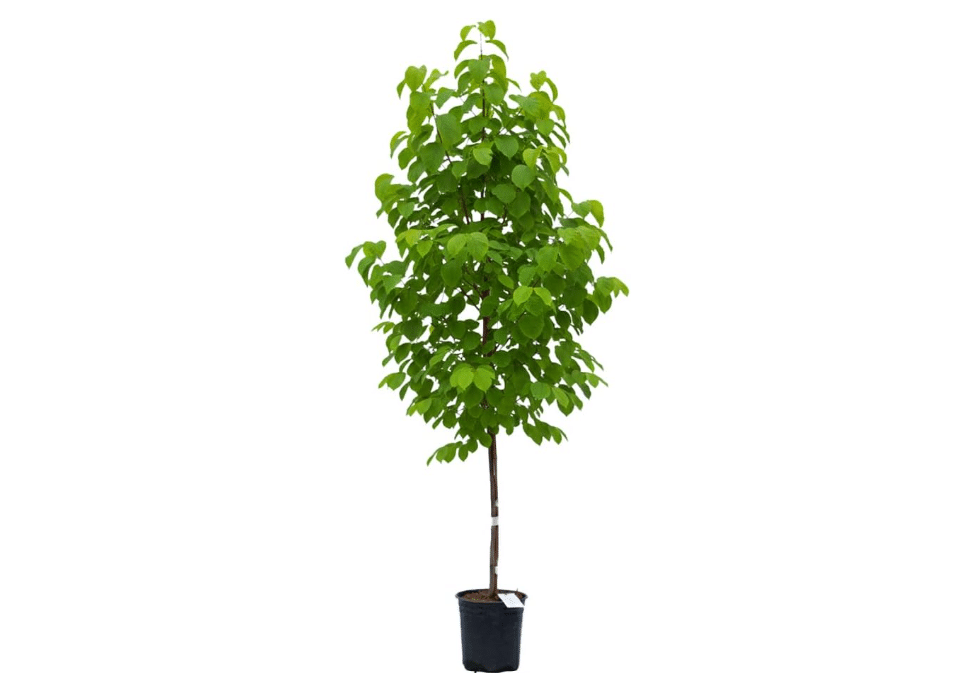
6. Autumn Brilliance Serviceberry (Amelanchier) – Best for Four-Season Interest
1. Product Description: The Autumn Brilliance Serviceberry is the ultimate multitasker of the landscaping world. It kicks off spring with delicate, star-shaped white flowers. By early summer, those flowers transition into delicious, blueberry-like edible fruits. In the fall, it lives up to its name, setting the landscape ablaze with spectacular orange-red foliage.
2. Price:
3. Key Features & Benefits:
-
Edible Harvest: Produces sweet, edible berries perfect for jams, pies, or fresh snacking.
-
Disease Resistant: The ‘Autumn Brilliance’ cultivar was specifically bred to resist leaf blight and powdery mildew.
-
Vibrant Fall Color: Consistently delivers some of the best autumn foliage of any flowering tree.
4. Pros and Cons:
-
Pros: Incredibly versatile; highly resistant to common tree diseases; fantastic for urban environments and clay soils.
-
Cons: Birds love the berries just as much as humans do—you have to act fast if you want a harvest.
5. Amazon Customer Ratings and Reviews: Average Rating: 4.7 out of 5 Stars. Highly rated by organic gardeners and bird watchers. Reviewers love the dual-purpose nature of the tree, serving as both a high-end ornamental and a fruiting bush.
6. Why it’s a good choice for backyards: If you only have room to plant one tree and want to maximize your return on investment, the Serviceberry gives you flowers, fruit, and spectacular fall color in a single, compact footprint.
7. Ideal Use Case or Who Should Buy It: Urban and suburban homeowners in USDA Zones 4-9 who want a native, low-maintenance tree that attracts birds and offers edible landscaping.
7. Rose of Sharon – Tree Form (Hibiscus syriacus) – Best for Tight Spaces & Patios
1. Product Description: While typically known as a shrub, the Rose of Sharon can be pruned and trained into a stunning, single-trunk tree. It boasts large, tropical-looking, trumpet-shaped flowers in shades of pink, purple, white, and blue, often featuring a contrasting dark eye in the center. Because of its narrow, upright growth habit, it brings massive color without taking up precious square footage.

2. Price:
3. Key Features & Benefits:
-
Late Summer Blooms: Peaks in July and August when most other trees have finished blooming.
-
Narrow Footprint: Grows vertically, typically reaching 8-12 feet tall but only 4-6 feet wide.
-
Tough and Resilient: Highly tolerant of poor soils, drought, and urban air pollution.
4. Pros and Cons:
-
Pros: Very affordable; easy to grow; deer resistant; provides late-season nectar for hummingbirds and bees.
-
Cons: Can be an aggressive self-seeder, requiring you to pull up small seedlings in the spring; late to leaf out in the spring (often looking dead until May).
5. Amazon Customer Ratings and Reviews: Average Rating: 4.5 out of 5 Stars. Buyers praise how tough this plant is, noting it survives neglect and harsh conditions while still delivering a profusion of tropical-looking blooms.
6. Why it’s a good choice for backyards: Its upright, columnar shape makes it the absolute best choice for planting in tight corners, alongside narrow side-yards, or directly next to a backyard patio where you want color but cannot afford to lose walking space.
7. Ideal Use Case or Who Should Buy It: Homeowners in USDA Zones 5-9 looking for an inexpensive, vertical accent piece for a small courtyard or tight property line.
8. Weeping Cherry Tree (Prunus pendula) – Best Architectural Focal Point
1. Product Description: The Weeping Cherry is a masterpiece of garden architecture. Its sweeping, cascading branches gracefully trail toward the ground, creating an elegant silhouette that looks beautiful even in the dead of winter. In early spring, those weeping branches are entirely covered in cascading trails of delicate pink or white blossoms, creating a waterfall of floral color.

2. Price:
3. Key Features & Benefits:
-
Cascading Form: Unique weeping branches sweep all the way to the ground.
-
Profuse Blooming: Blooms densely before leaves emerge for maximum visual impact.
-
Winter Interest: The skeletal weeping structure looks striking against the snow.
4. Pros and Cons:
-
Pros: Creates an instant focal point in any landscape; fast-growing; beautiful year-round form.
-
Cons: Requires diligent structural pruning to keep the branches from tangling or dragging heavily on the ground; Japanese beetles occasionally target the foliage in summer.
5. Amazon Customer Ratings and Reviews: Average Rating: 4.3 out of 5 Stars. Reviewers frequently post photos of their weeping cherries as the crown jewel of their front or back yards. Buyers recommend staking the tree for the first year to establish a strong, straight trunk.
6. Why it’s a good choice for backyards: It breaks up the rigid, straight lines of typical backyard fences and houses. The cascading foliage softens the landscape and creates a sense of tranquility, making it perfect next to a water feature or garden bench.
7. Ideal Use Case or Who Should Buy It: Homeowners in USDA Zones 5-8 wanting a dramatic, weeping centerpiece to anchor a dedicated garden bed.
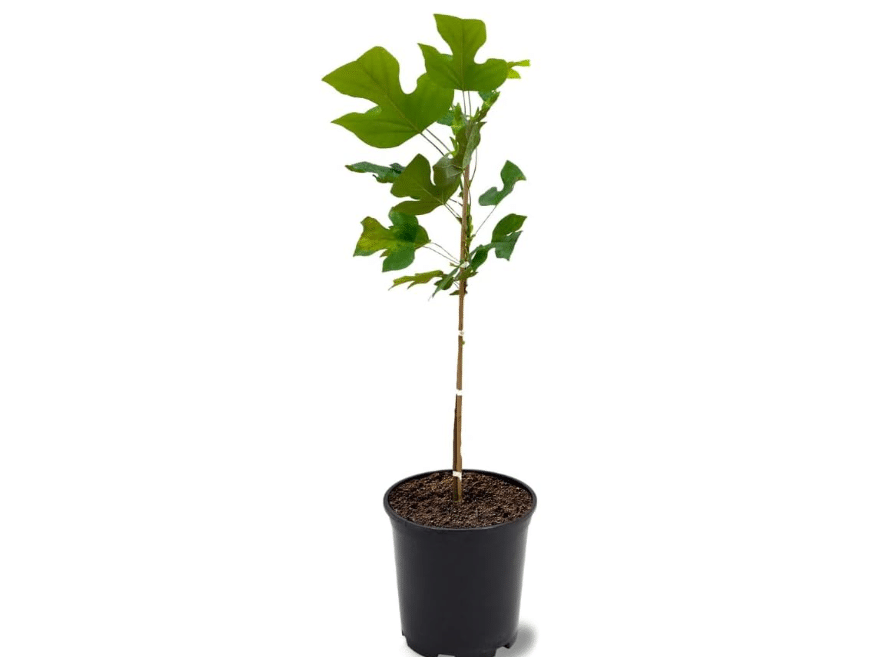
9. Tulip Poplar Tree (Liriodendron tulipifera) – Best Fast-Growing Shade Tree
1. Product Description: If you have a large, empty backyard and need a massive shade tree quickly, the Tulip Poplar is your answer. It is one of the tallest and most beautiful native eastern hardwoods. In late spring, it produces large, striking, cup-shaped flowers that are yellow-green with bright orange bands at the base. Its unique, four-lobed leaves turn a vibrant, golden-yellow in the fall.
2. Price:
3. Key Features & Benefits:
-
Extremely Fast Growth: Can grow up to 2 to 3 feet per year.
-
Unique Blooms: Beautiful tulip-shaped flowers rich in nectar.
-
Massive Canopy: Matures into a soaring 70 to 90-foot tall shade tree.
4. Pros and Cons:
-
Pros: Provides fast shade; highly attractive to pollinators; gorgeous golden fall color.
-
Cons: Too large for small, urban yards; flowers bloom high in the canopy and can be hard to see from the ground; can drop sticky sap on cars or patios parked underneath.
5. Amazon Customer Ratings and Reviews: Average Rating: 4.2 out of 5 Stars. Buyers are consistently shocked by how quickly these trees shoot up in just one or two growing seasons. Reviewers advise planting them well away from foundations.
6. Why it’s a good choice for backyards: It perfectly blends the speed and shade of a large deciduous tree with the ornamental beauty of spring flowers. It is the best choice for filling out a barren, newly constructed property.
7. Ideal Use Case or Who Should Buy It: Homeowners in USDA Zones 4-9 with large, spacious properties who need to establish a mature tree canopy as quickly as possible.
10. Jacaranda Tree (Jacaranda mimosifolia) – Best for Warm Climates (Zones 9-11)
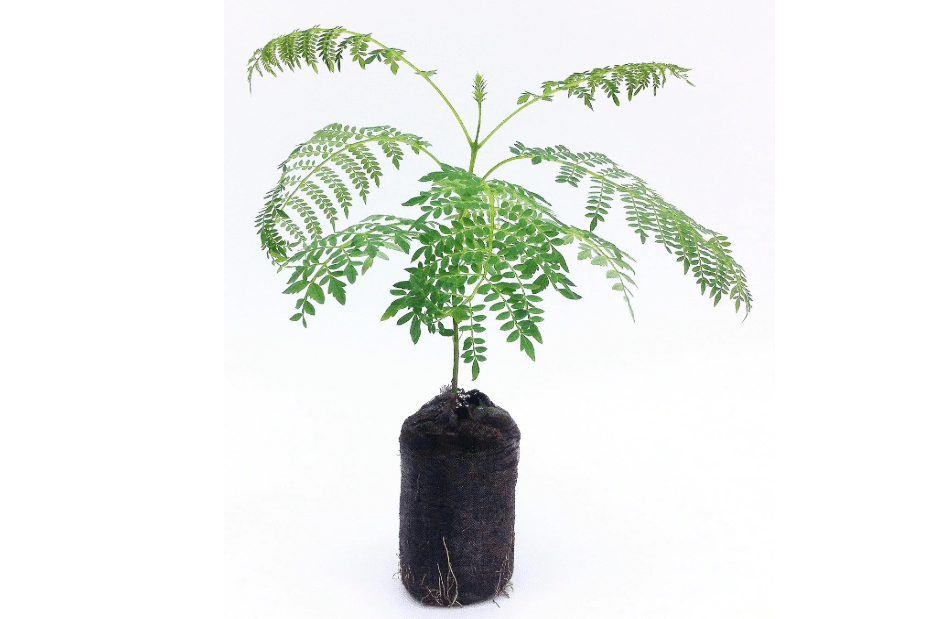
1. Product Description: For those in warm, frost-free climates, the Jacaranda tree is an absolute legend. In late spring and early summer, it transforms into a breathtaking, solid canopy of vivid lavender-purple trumpet flowers. The blooms are so profuse that they eventually carpet the ground below in a stunning purple blanket. Its soft, feathery, fern-like foliage gives it a distinct tropical vibe.
2. Price:
3. Key Features & Benefits:
-
Breathtaking Color: Produces masses of bright purple flowers unlike any other landscape tree.
-
Dappled Shade: The fine, fern-like leaves provide pleasant, filtered sunlight rather than dense, dark shade.
-
Drought Tolerant: Performs incredibly well in dry, sandy soils once established.
4. Pros and Cons:
-
Pros: Incomparable tropical beauty; creates a stunning carpet of fallen flowers; fast-growing.
-
Cons: Strictly intolerant of freezing temperatures; the flower drop can be messy if planted directly over a pool or driveway.
5. Amazon Customer Ratings and Reviews: Average Rating: 4.4 out of 5 Stars. Buyers in Florida, Texas, and Southern California love the exotic look. Reviews often mention that the tree arrives securely wrapped and bounces back quickly from transit stress if watered deeply.
6. Why it’s a good choice for backyards: It provides the ultimate tropical resort aesthetic. If you live in a hot climate where traditional cherry or dogwood trees cannot survive, the Jacaranda offers an even more spectacular floral show.
7. Ideal Use Case or Who Should Buy It: Homeowners in frost-free USDA Zones 9-11 (like Southern California, Florida, and parts of Texas) who want a massive, jaw-dropping purple canopy.
IV. The Ultimate Buying Guide: How to Choose the Right Flowering Tree
Buying a tree is a long-term investment. To ensure your new addition thrives, evaluate these critical factors before adding a tree to your Amazon cart.
Know Your USDA Hardiness Zone Your climate dictates your tree’s survival. The USDA Hardiness Zone map divides the country into zones based on extreme minimum winter temperatures. If you live in freezing Zone 5 (e.g., Chicago) and purchase a Zone 9 Jacaranda, it will die in the first frost. Always check the specific tree’s zone range against your local zip code.
Sunlight & Soil Requirements Flowering trees are highly specific about light. Crape Myrtles and Cherry trees demand full sun (6+ hours of direct sunlight daily) to produce blooms. If you plant them in the shade, they will grow leggy and refuse to flower. Conversely, trees like the White Dogwood naturally grow at the edge of forests and thrive in dappled afternoon shade.
Mature Size vs. Yard Space Do not buy a tree based on how cute it looks in its nursery pot. Always read the “Mature Height and Spread” specifications. A Tulip Poplar planted five feet from a house foundation will eventually cause severe structural and plumbing damage. Ensure the tree’s maximum future size fits comfortably within your yard without interfering with power lines or underground utilities.
How Amazon Ships Live Trees Buying live plants online can feel intimidating, but the process is highly optimized. Many trees are shipped during “dormancy” (late fall through early spring). This means your tree may arrive without leaves, looking like a bare stick in a pot. Do not panic—this is the safest way for trees to travel. Once planted in the ground, they will awaken from dormancy and flush out with aggressive new growth as the weather warms. Upon unboxing, immediately water the root ball and keep it in a shaded, protected spot for a few days to acclimate before planting.
V. Frequently Asked Questions (FAQ)
What is the fastest-growing flowering tree for a backyard? The Tulip Poplar and the Crape Myrtle are among the fastest. A Tulip Poplar can shoot up 2 to 3 feet per year, while an established Crape Myrtle can easily put on 3 to 5 feet of vertical growth in a single, hot summer.
When is the best time of year to plant a tree ordered online? The best time to plant is during the tree’s dormancy, typically in early spring after the ground thaws, or in early autumn before the first hard freeze. This allows the root system to establish itself without the stress of supporting leafy growth in extreme summer heat.
Do I need to fertilize my flowering tree immediately after planting? No. Avoid fertilizing a newly planted tree for the first year. High-nitrogen fertilizers can burn the sensitive new roots. Focus instead on deep, regular watering and applying a 2-inch layer of organic mulch around the base to retain moisture.
Which flowering trees have the least messy dropping habits? The Eastern Redbud and the Jane Magnolia are excellent choices for low-mess trees. While all flowering trees will eventually drop their petals, these varieties drop larger, dry petals that blow away easily, and they do not produce messy, rotting fruit.
VI. Conclusion & Final Verdict
Planting a flowering tree is one of the most rewarding investments you can make in your home. It instantly boosts your property value, provides crucial habitat for local pollinators and birds, and delivers years of reliable, low-maintenance beauty right outside your window.
If you are looking for an absolute guarantee of stunning, relentless summer color and a tree that can withstand heat and drought, you cannot go wrong with our Best Overall pick, the Crape Myrtle. For those dealing with tighter suburban lots who want to signal the end of winter with a vibrant burst of pink, the Eastern Redbud is the perfect compact companion. Don’t wait for another landscaping season to pass you by—check current availability, pot sizes, and shipping times on Amazon today to secure your tree before the prime planting window closes.