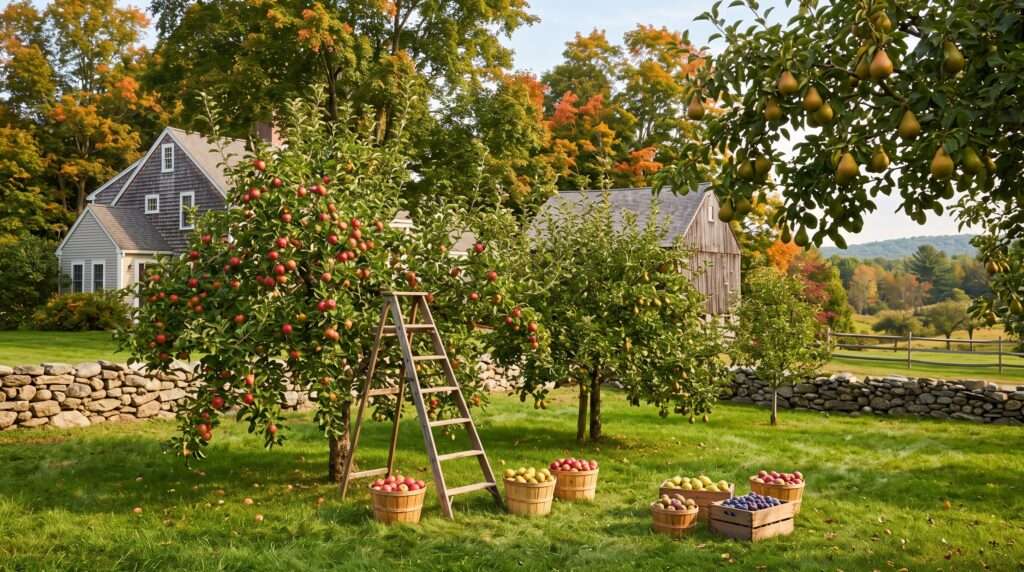
Picture walking into your backyard on a crisp September morning and plucking a perfectly ripe, frost-kissed apple straight off your own branch. Living in New England doesn’t mean you have to rely on the supermarket for fresh fruit—but you do have to outsmart the weather. If you are looking to cultivate a thriving home orchard, selecting the best 10 fruit trees to grow in massachusetts is the crucial first step to a successful harvest.
Massachusetts growers face a notoriously short growing season, late spring frosts, and harsh winters spanning USDA Hardiness Zones 5a in the Berkshires to 7b on Cape Cod. Planting a delicate, southern-climate tree in these conditions is a fast track to dead rootstock and wasted money. To succeed, your backyard requires resilient plant genetics built specifically to handle the Northeast’s unique climate swings.
This guide breaks down the most reliable, cold-hardy, and high-yielding fruit trees available to order directly to your door that are proven to thrive in local soil. By choosing from the best 10 fruit trees to grow in massachusetts, you can confidently invest in saplings that will survive the harsh winters, dodge late-spring freezes, and reward you with heavy, delicious yields year after year.
How to Make an Informed Decision for MA Climates
Before diving into the product reviews, it is essential to understand why certain trees thrive in New England while others perish:
-
USDA Hardiness Zones (5–7): Massachusetts winters can drop below -15°F in inland areas. You must verify the tree’s graft and rootstock rating to ensure it can survive prolonged deep freezes.
-
Chill Hours: Massachusetts winters are actually a massive advantage for pome and stone fruits that require 800+ “chill hours” (temperatures between 32°F and 45°F) to produce buds in the spring.
-
Pollination Needs: Know your space limits. Self-fertile trees are perfect for small yards because they don’t need a partner. However, many apple and pear varieties require cross-pollination from a different tree of the same species to bear fruit.
-
Bare-Root vs. Potted: Bare-root trees shipped via Amazon during dormancy (early spring or late fall) establish their root systems faster in local soil compared to actively growing, potted plants.
At a Glance: Top Fruit Trees for Massachusetts
Detailed Product Reviews: The Best 10 Fruit Trees to Grow in Massachusetts
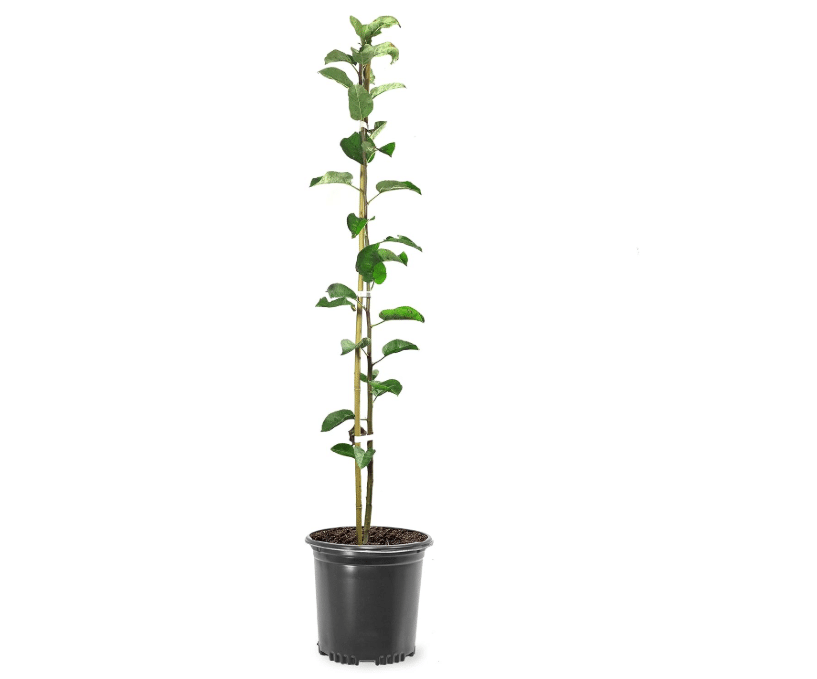
1. The Cold-Weather Champion: Honeycrisp Apple Tree (Bare Root)
Product Description: The Honeycrisp apple tree is an absolute powerhouse for northern climates and remains one of the most highly sought-after varieties for home orchards. Arriving as a premium, grafted bare-root sapling, this tree is engineered to break dormancy vigorously once planted. Known for producing exceptionally crisp, sweet-tart apples that practically explode with juice, the Honeycrisp thrives in the exact chill-hour window that Massachusetts provides. The apples store beautifully in a cool cellar or crisper drawer for months without losing their signature crunch.
-
Price:
-
Key Features and Benefits:
-
Grafted onto dwarf or semi-dwarf rootstock, allowing it to bear fruit within 2 to 3 years.
-
Requires 800-1000 chill hours, easily achieved during a standard New England winter.
-
Highly resilient to severe winter freezes, surviving drops to -30°F (Zone 3).
-
-
Pros and Cons:
-
Pros: Grocery-store-quality fruit; incredibly long storage life; highly cold-hardy.
-
Cons: Susceptible to cedar apple rust; requires a partner pollinator (like Gala, Fuji, or Cortland) to produce fruit.
-
-
Amazon Customer Ratings: ~4.5/5 stars. Customers frequently praise the robust packaging, thick trunk calipers, and highly active root systems upon arrival.
-
Why it’s a good choice for MA: The harsh Massachusetts winters actually benefit this tree, ensuring it gets the deep dormancy required for explosive spring blooms and heavy fruit sets.
-
Ideal Use Case: Suburban growers with enough space to plant at least two trees, who want to harvest premium, high-cost apples right from their backyard.
2. The Baking Essential: Montmorency Tart Cherry Tree
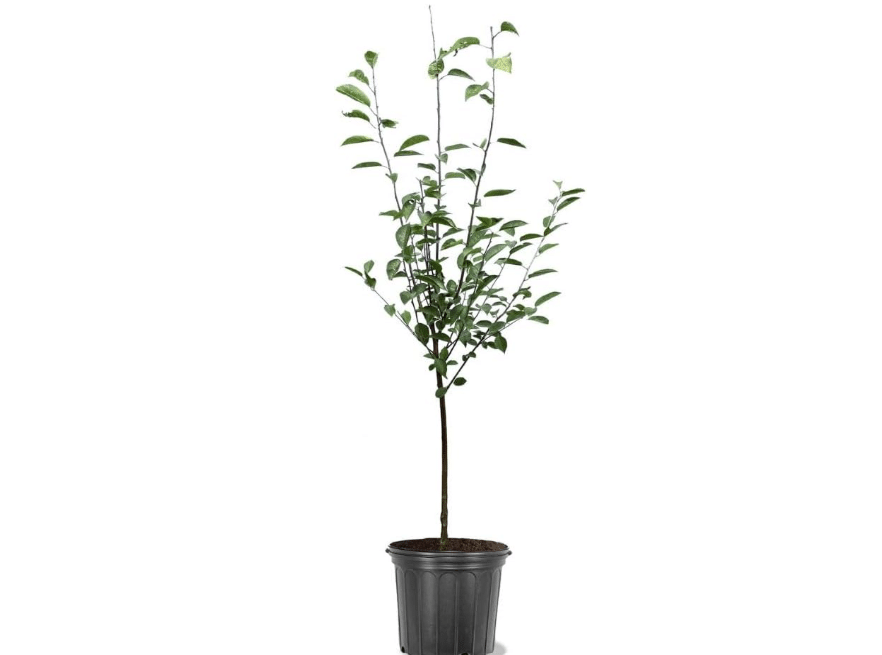
Product Description: If you love cherry pies, preserves, and cobblers, the Montmorency is the undisputed king of tart cherries. Shipped as a 3-to-4-foot dormant sapling, this tree is renowned for its low-maintenance growth habit and striking visual appeal. In the spring, it erupts with gorgeous white blossoms, followed by a heavy canopy of bright red, juicy cherries by mid-summer. Unlike many delicate cherry varieties, the Montmorency is rugged and practically tailor-made for the fluctuating weather patterns of the Northeast.
-
Price:
-
Key Features and Benefits:
-
100% self-fertile (no partner tree needed).
-
Naturally resistant to common cherry diseases like cherry leaf spot.
-
Blooms late in the spring, protecting fragile blossoms from killing frosts.
-
-
Pros and Cons:
-
Pros: No cross-pollinator needed; incredibly heavy producer; the best flavor profile for baking.
-
Cons: Fruit is highly tart (not ideal for eating fresh off the branch); local birds will try to steal the harvest if not netted.
-
-
Amazon Customer Ratings: ~4.7/5 stars. Buyers consistently rate it highly for its rapid growth rate in the first year and reliable fruiting.
-
Why it’s a good choice for MA: Spring weather in Massachusetts is notoriously fickle. The Montmorency’s late bloom cycle ensures that typical April freezes won’t destroy your entire summer harvest.
-
Ideal Use Case: Homesteaders, baking enthusiasts, or urban gardeners with limited space who only have room for a single, reliable fruit tree.
3. The Northern Survivor: Reliance Peach Tree
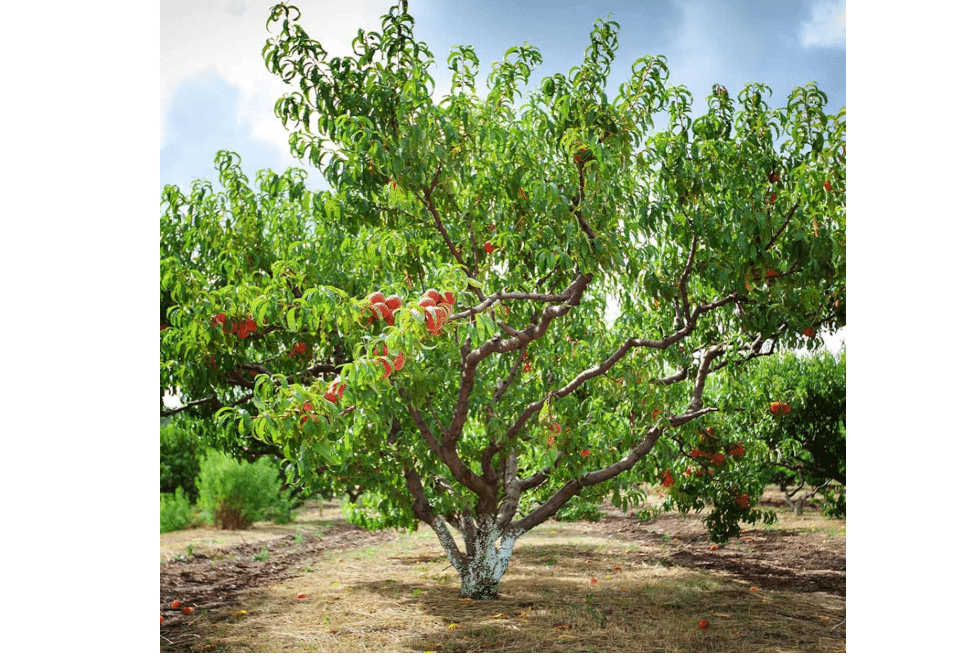
Product Description: Growing peaches in New England used to be a gamble, but the Reliance peach tree changed the game. Specifically bred to withstand the bitter cold of northern climates, this freestone peach variety is shipped potted or bare-root and ready to establish quickly. It produces medium-to-large, flush-red peaches with bright yellow, exceptionally juicy flesh. The tree itself is vigorous and resilient, bouncing back from winter storms and sudden temperature plummets that would permanently damage southern peach varieties.
-
Price: $70.00
-
Key Features and Benefits:
-
Withstands extreme winter temperatures down to -25°F.
-
Self-fertile and highly productive without a pollinator.
-
Buds are genetically designed to resist late-spring frost damage.
-
-
Pros and Cons:
-
Pros: The most cold-hardy peach available on the market; reliable producer even after harsh winters; excellent for fresh eating or canning.
-
Cons: Slightly less intensely sweet than some delicate southern-grown varieties.
-
-
Amazon Customer Ratings: ~4.4/5 stars. Northern buyers specifically highlight their shock and delight at achieving successful, heavy fruiting in Zones 4 and 5.
-
Why it’s a good choice for MA: Peach buds are notoriously fragile. The Reliance is bred specifically to handle the “false springs” of Massachusetts, keeping its buds dormant just long enough to survive late freezes.
-
Ideal Use Case: Residents in Western and Central Massachusetts (Zone 5) who previously thought growing their own peaches was impossible.
4. The Heritage Heavyweight: Bartlett Pear Tree
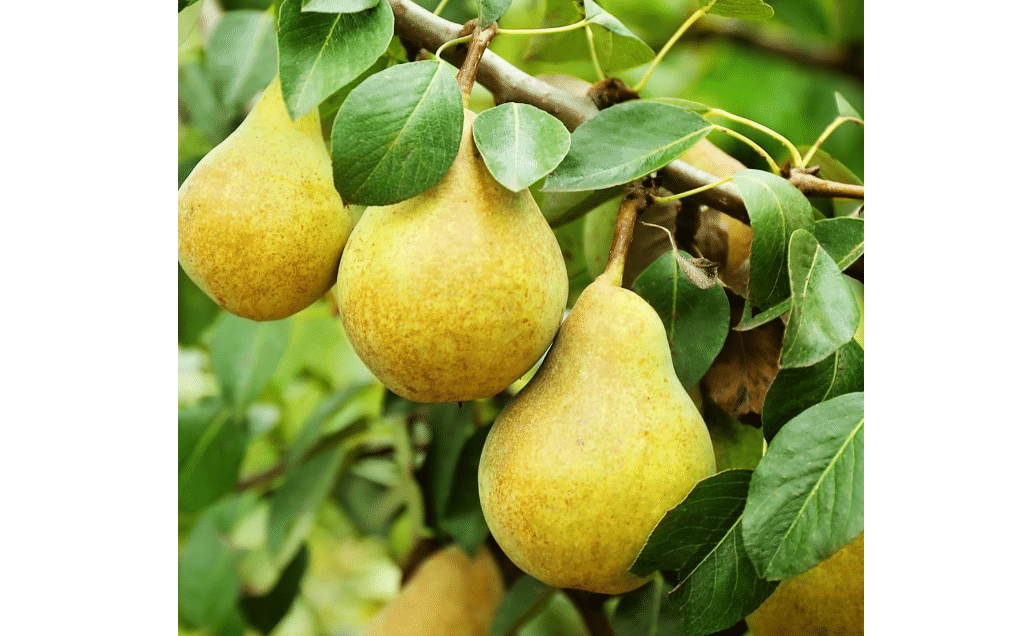
Product Description: The Bartlett pear is the quintessential heritage fruit tree, widely considered the standard for both fresh eating and home canning. Arriving as a robust bare-root or potted sapling ready for immediate planting, this tree adapts remarkably well to the diverse microclimates of the Northeast. The Bartlett produces beautiful white blossoms in early spring, followed by heavy clusters of classic bell-shaped pears. Unlike many tree fruits, Bartletts are best harvested while still slightly green and hard, allowing them to ripen perfectly on your kitchen counter to a golden-yellow, buttery-sweet finish.
-
Price:
-
Key Features and Benefits:
-
Highly adaptable root systems that tolerate heavy, clay-heavy, or rocky soils once established.
-
Vigorous upward growth habit, making it easier to prune into a manageable central leader shape.
-
Fruit holds its shape beautifully when cooked, poached, or canned.
-
-
Pros and Cons:
-
Pros: Instantly recognizable, crowd-pleasing flavor; vigorous grower; off-tree ripening prevents bird and wasp damage.
-
Cons: Susceptible to fire blight during particularly humid, wet New England summers; requires a pollinator for the best yields.
-
-
Amazon Customer Ratings: ~4.6/5 stars. Customers frequently note the tree’s high survival rate post-shipping and rapid leaf-out during the first spring.
-
Why it’s a good choice for MA: The Bartlett pear is tough enough to handle the compacted, rocky soils often found across Massachusetts, provided the initial planting hole is properly amended with compost.
-
Ideal Use Case: Dedicated gardeners looking to establish a long-lasting, multi-generational home orchard with classic, high-utility fruit.
5. The Low-Maintenance Producer: Stanley Plum Tree
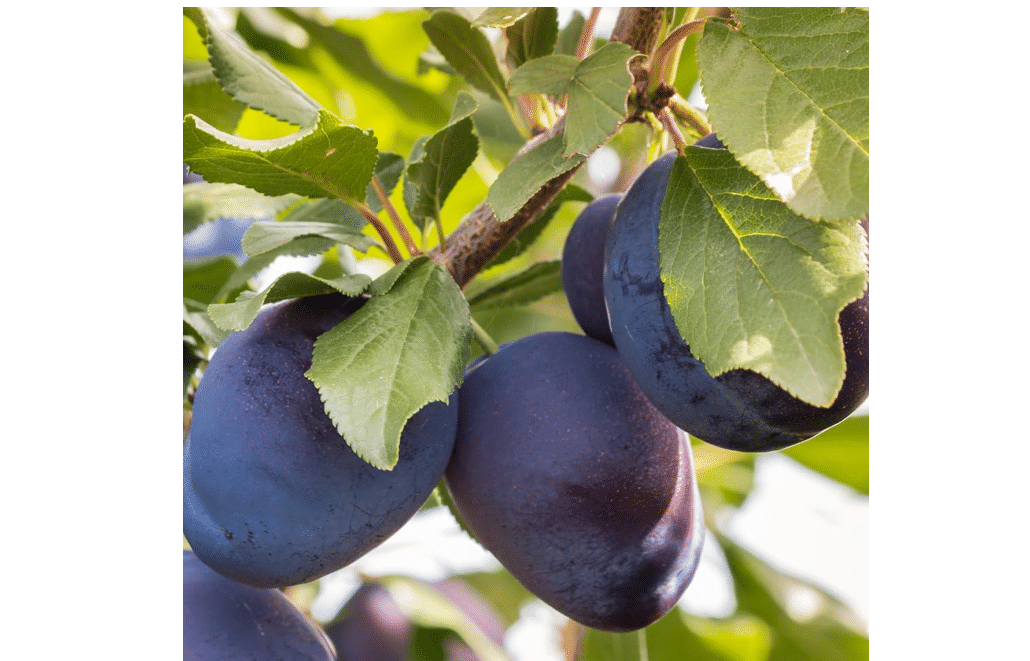
Product Description: If you are looking for a high-yield, low-fuss fruit tree, the Stanley Plum is a top-tier choice for the Northeast. This European plum variety produces stunning, dark blue oval fruits with dense, intensely sweet, golden-yellow flesh. Shipped in a dormant state for safe transit, the Stanley is famous for its reliability. Because it is a European plum, its cellular structure requires less aggressive pruning than sprawling Japanese varieties, making it an excellent choice for beginners who want a beautiful, productive tree without studying a pruning manual.
-
Price: $89.99
-
Key Features and Benefits:
-
100% self-fertile, meaning a single tree will produce a massive crop.
-
Ripens in late August to early September, perfect for late-summer harvesting.
-
High sugar content makes it ideal for eating fresh, baking, or drying into sweet prunes.
-
-
Pros and Cons:
-
Pros: Incredibly heavy, reliable yields; lower maintenance than most stone fruits; naturally resistant to splitting.
-
Cons: The tree can occasionally overbear, meaning you must manually thin the young fruit in June to prevent heavy branches from snapping under the weight.
-
-
Amazon Customer Ratings: ~4.5/5 stars. Praised by reviewers for early fruit production, often yielding a small crop within just 2 to 3 years of planting.
-
Why it’s a good choice for MA: European plums like the Stanley bloom significantly later in the spring than Japanese plums. This late-blooming trait perfectly dodges Massachusetts’ unpredictable spring frosts, ensuring your harvest isn’t wiped out by a freak April snowstorm.
-
Ideal Use Case: First-time fruit tree growers or busy homeowners looking for a high-confidence, low-effort harvest.
6. The Local Legend: Cortland Apple Tree
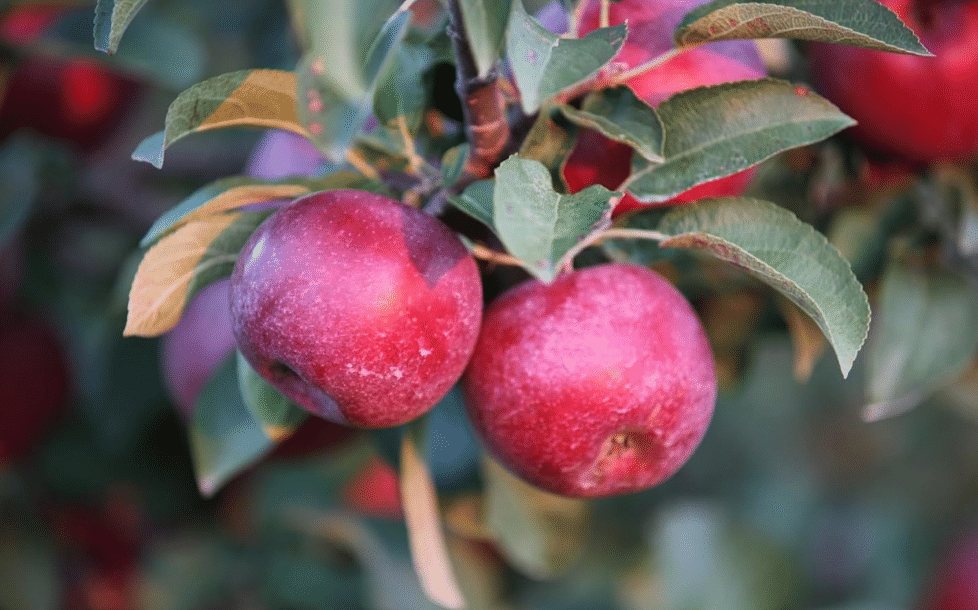
Product Description: Bred in neighboring New York specifically for the Northeast climate, the Cortland apple is a local legend. Arriving as a professionally grafted sapling, the Cortland is famous for its snow-white flesh that famously resists browning after being sliced. It shares the sweet-tart flavor profile of its parent, the McIntosh, but offers a crisper bite and a larger fruit size. For Massachusetts residents who want to recreate the magic of local orchard picking in their own backyard, the Cortland is an absolute must-have.
-
Price:
-
Key Features and Benefits:
-
Requires approximately 900 chill hours, perfectly aligning with New England winters.
-
Flesh stays pristine and white long after slicing, making it the ultimate salad and charcuterie apple.
-
Highly cold-hardy, easily surviving Zone 4 winters.
-
-
Pros and Cons:
-
Pros: Unbeatable for fresh eating and cider pressing; classic New England flavor; gorgeous crimson skin.
-
Cons: Prone to apple scab if not sprayed (organically or conventionally) during wet, humid spring weather; requires a pollinator.
-
-
Amazon Customer Ratings: ~4.4/5 stars. Buyers leave frequent positive reviews regarding the root thickness and overall health of the tree upon delivery.
-
Why it’s a good choice for MA: Because it was bred specifically for the Northeast, it thrives in Massachusetts’ dramatic autumn temperature swings, which help deepen the red color of the skin and concentrate the sugars.
-
Ideal Use Case: Families who want the quintessential autumn apple-picking experience without leaving their property, and home chefs who make frequent fruit salads.
7. The Sweet Tooth Solution: Stella Sweet Cherry Tree
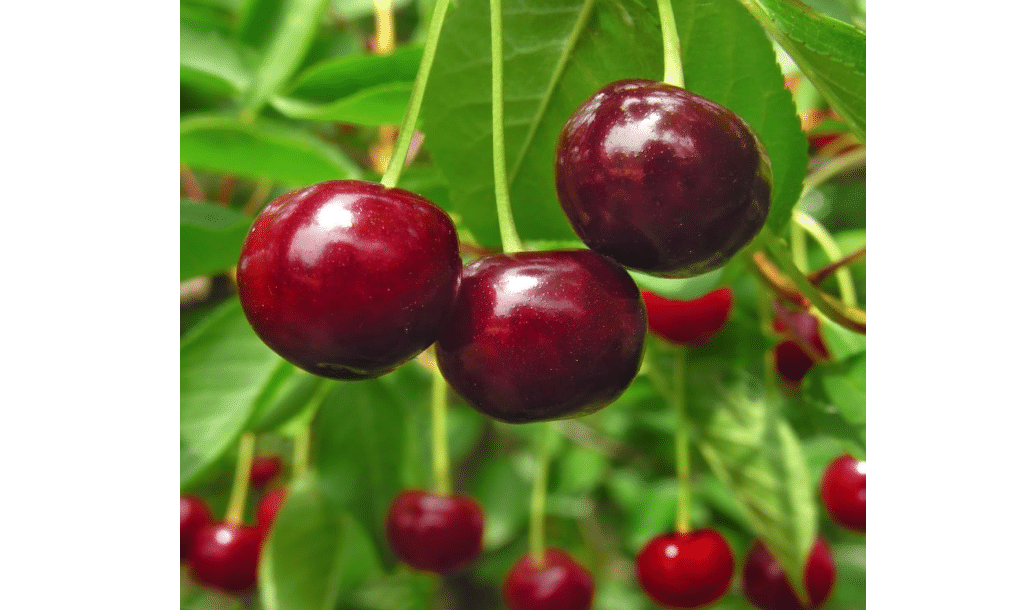
Product Description: Sweet cherries are notoriously difficult to grow in cold climates without a massive, multi-tree setup for cross-pollination. The Stella sweet cherry tree breaks all the rules. Arriving on a semi-dwarf rootstock, this compact powerhouse is one of the few sweet cherry varieties that is entirely self-fertile. It produces large, heart-shaped, deep-red cherries that rival anything you would buy in a premium grocery store. It is an elegant, space-saving tree that delivers a high-value gourmet crop.
-
Price: $114.99
-
Key Features and Benefits:
-
Self-pollinating biology eliminates the need to plant a second cherry tree.
-
Grows compactly, making it easy to net against birds and harvest without massive orchard ladders.
-
Produces incredibly sweet, firm fruit by mid-summer.
-
-
Pros and Cons:
-
Pros: Rare self-fertility for a sweet cherry; exceptional flavor; fits easily into small urban or suburban lots.
-
Cons: The fruit can split or crack if Massachusetts experiences heavy, sudden rainstorms right before the harvest period.
-
-
Amazon Customer Ratings: ~4.3/5 stars. Buyers love the space-saving aspect, though many emphatically recommend purchasing bird netting alongside the tree.
-
Why it’s a good choice for MA: It is one of the very few sweet cherries that is tough enough for Zone 5/6 winters while remaining productive enough to justify planting a single tree.
-
Ideal Use Case: Urban or suburban Boston-area gardeners with limited square footage who want a premium, high-reward fruit tree.
8. The Late Bloomer: Bosc Pear Tree
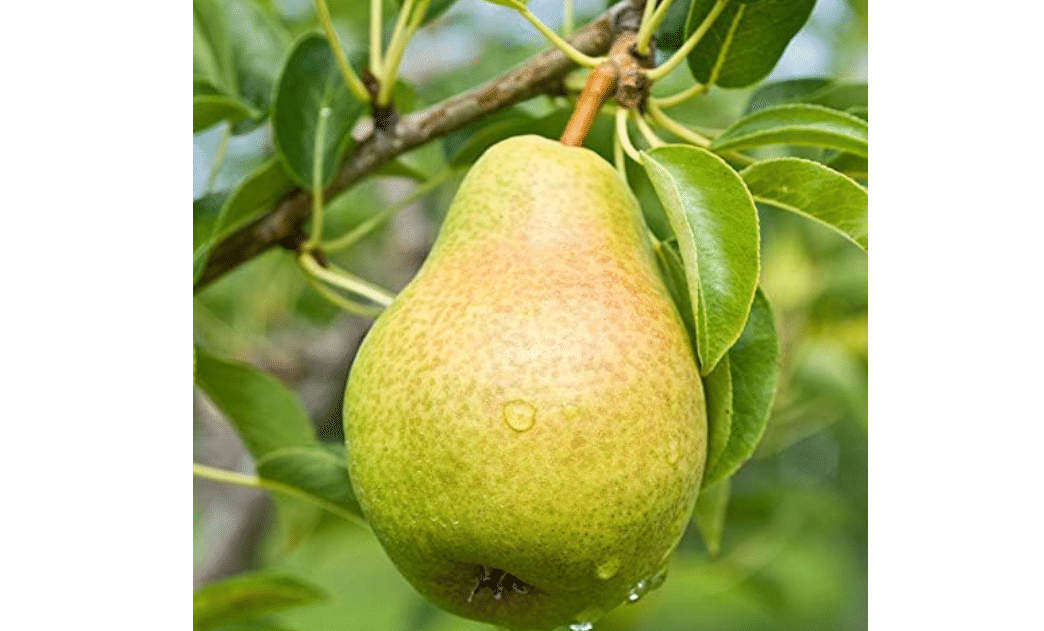
Product Description: Recognizable by its elegant, elongated neck and beautiful bronze-russet skin, the Bosc pear is a favorite among culinary enthusiasts. Shipped as a dormant bare-root tree, it grows into a striking, upright centerpiece for any yard. Bosc pears are unique because their honey-sweet, spiced flesh remains incredibly firm even when fully ripe. This structural integrity makes them the absolute best choice for baking, poaching, or grilling, as they won’t disintegrate into mush under heat.
-
Price:
-
Key Features and Benefits:
-
Distinctive, gourmet fruit with a complex, honey-and-spice flavor profile.
-
Firm texture holds up beautifully in intense culinary applications.
-
Excellent storage life when kept in cool, dark conditions.
-
-
Pros and Cons:
-
Pros: Premium culinary quality; doesn’t turn mushy; striking visual appeal on the tree.
-
Cons: Can be a slow grower in its first two years; absolutely requires a cross-pollinator (like the Bartlett) to bear fruit.
-
-
Amazon Customer Ratings: ~4.5/5 stars. Consistently reviewed as arriving healthy, breaking dormancy quickly, and featuring well-pruned central leaders.
-
Why it’s a good choice for MA: The Bosc pear has a delayed bloom time. This built-in biological clock offers natural protection against the infamous April and May freezes that are common in central and western Massachusetts.
-
Ideal Use Case: Culinary enthusiasts, home chefs, and bakers who want premium, structurally sound pears for tarts and poaching.
9. The All-Around Standard: Redhaven Peach Tree
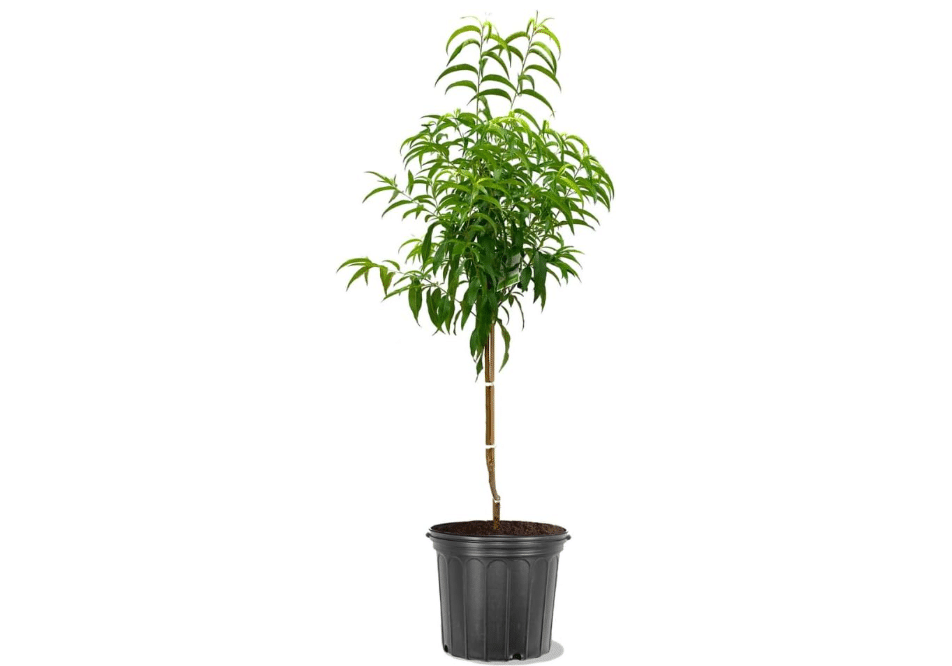
Product Description: When it comes to early-season peaches, the Redhaven is the gold standard by which all other varieties are judged. This reliable, freestone producer arrives ready to plant and quickly establishes itself as a heavy-yielding asset. The fruit is practically fuzzless, featuring bright red skin over yellow, melt-in-your-mouth flesh. Because it is a freestone variety, the pit easily pulls away from the fruit, making it incredibly easy to prep for canning, slicing, or freezing.
-
Price:
-
Key Features and Benefits:
-
100% self-fertile and highly productive.
-
Highly resistant to bacterial leaf spot, a common issue in humid climates.
-
Produces a reliable, heavy crop by late July or early August.
-
-
Pros and Cons:
-
Pros: Consistent yields year after year; excellent all-purpose peach; very disease resistant.
-
Cons: Its vigorous growth requires aggressive annual pruning to maintain proper airflow and prevent the fruit from becoming too small.
-
-
Amazon Customer Ratings: ~4.6/5 stars. It is widely considered by reviewers as the safest, highest-yielding peach tree purchase on Amazon for northern buyers.
-
Why it’s a good choice for MA: The Redhaven has a long, proven track record of surviving difficult, fluctuating New England winters while consistently managing to produce a full, healthy crop in the summer.
-
Ideal Use Case: Anyone living in Zones 5b-7 who wants a guaranteed, classic summer peach harvest with minimal disease management.
10. The Native Powerhouse: American Persimmon Tree
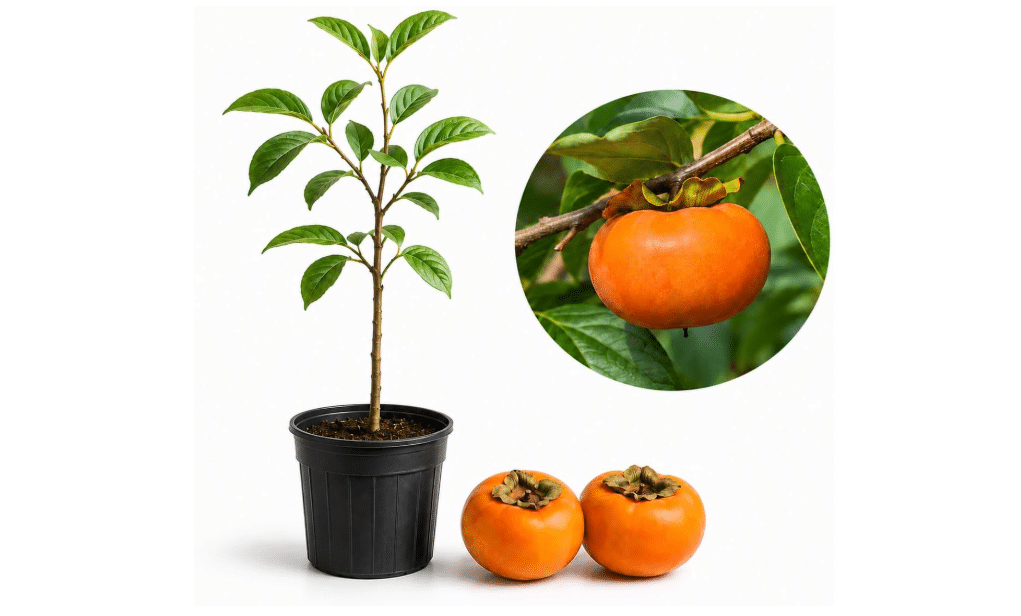
Product Description: For the ultimate low-maintenance, ecologically friendly home orchard, the native American Persimmon is an unbeatable choice. Shipped as a dormant sapling, this indigenous North American tree produces incredibly unique, rich, and syrupy-sweet fruit. While Asian persimmons dominate the grocery store, the American variety is smaller, far richer in flavor (often described as a mix of caramel and apricot), and significantly more cold-hardy. Beyond the fruit, the tree provides gorgeous yellow-orange fall foliage.
-
Price:
-
Key Features and Benefits:
-
Deep taproot system makes it highly drought-tolerant once established.
-
Practically immune to local New England pests and diseases.
-
Grows into a beautiful, tall shade tree over time.
-
-
Pros and Cons:
-
Pros: Zero chemical spraying required; beautiful ornamental value; produces a unique, high-value gourmet fruit.
-
Cons: The fruit is highly astringent and bitter until completely soft and ripe (often requiring a frost to sweeten); usually requires planting multiple trees to ensure pollination, as they are generally male or female.
-
-
Amazon Customer Ratings: ~4.4/5 stars. While occasionally misunderstood by buyers expecting the crisp Asian variety, native plant enthusiasts consistently rate the American Persimmon 5 stars for its ruggedness.
-
Why it’s a good choice for MA: It evolved in this exact environment. The American Persimmon handles Massachusetts winters effortlessly, thrives in local soils, and requires virtually zero intervention or chemical sprays to succeed.
-
Ideal Use Case: Eco-conscious gardeners and permaculture enthusiasts looking to plant native species that support local wildlife while yielding a rare, gourmet harvest.
Planting & Establishment: How to Set Up Your Orchard for Success in Massachusetts
Selecting the right variety is only half the battle; how you plant and establish your sapling during its first year determines whether it survives the first winter. Follow these steps to give your trees the best start in New England soil:
1. Timing the Planting Window
In Massachusetts, the planting calendar is strictly dictated by ground freeze:
-
Early Spring (April to Mid-May): The undisputed best window for planting bare-root trees. Soil temperatures are warming, spring rains are frequent, and the tree has an entire growing season to establish root mass before facing freezing temperatures.
-
Early Autumn (September to Mid-October): Ideal for potted trees. Cooler air temperatures reduce transpiration stress while the soil remains warm enough for active root development until late November. Avoid planting after ground freezes begin.
2. Soil Preparation and Drainage Testing
Much of Massachusetts features acidic, rocky glacial till or dense clay soils. Before digging:
-
Check Drainage: Dig a hole 12 inches deep and fill it with water. If it takes longer than 3 to 4 hours to drain completely, choose another spot or build a raised planting mound. Fruit trees despise standing water (“wet feet”), which triggers root rot.
-
Soil pH: Apples and pears prefer a pH between 6.0 and 6.8, while stone fruits (peaches, cherries, plums) thrive between 6.5 and 7.0. If your soil test reveals high acidity, amend the surrounding soil with agricultural limestone months prior to planting.
3. Proper Planting Depth
The most frequent mistake home growers make is burying the graft union:
-
Locate the graft union—the noticeable bump or diagonal scar along the lower trunk where the scion wood was fused to the hardy rootstock.
-
Keep the graft union at least 2 to 3 inches above the soil line. If buried below ground, the upper variety will sprout its own roots, eliminating the dwarfing and cold-hardiness benefits of the rootstock.
Year-Round Care: Managing Massachusetts Seasons
To keep your home orchard productive year after year, your management schedule should adapt to the shifting Northeast seasons:
-
Winter Dormant Pruning (Late February to March): Prune on dry days while the tree is fully dormant, just before spring sap rises. Focus on removing dead, damaged, and crossing branches. Open up the canopy’s center to ensure maximum sunlight penetration and air circulation, which naturally lowers disease pressure during humid summers.
-
Spring Frost Protection: If late freezes threaten swollen buds in mid-April or early May, thoroughly water the root zone the morning before a freeze (wet soil holds and radiates heat better than dry soil). For smaller dwarf trees, drape floating row covers or burlap over the canopy until the freeze passes.
-
Summer Pest and Disease Management: Wet New England springs create prime conditions for fungal pathogens like apple scab, powdery mildew, and brown rot. Apply organic preventative sprays, such as dormant copper sprays in late winter and neem or bio-fungicides during petal fall, rather than waiting for an active outbreak.
-
Autumn Rodent and Sunscald Defense: In late autumn, wrap young trunks in plastic spiral tree guards to prevent voles, mice, and rabbits from girdling the tender bark beneath deep winter snowdrifts. White wraps also reflect winter sun, preventing sunscald and bark cracking caused by sudden temperature shifts on bright February afternoons.
Frequently Asked Questions
How many years until a newly planted tree begins bearing fruit?
Most dwarf and semi-dwarf trees purchased online are already 1 to 2 years old upon arrival. Expect apples, pears, and plums to yield modest harvests within 2 to 4 years of planting. Peaches and tart cherries often produce even faster, sometimes setting fruit in their second growing season. Standard (full-sized) rootstocks take significantly longer, often requiring 6 to 8 years.
Do I really need two trees if I buy a self-fertile variety?
No. Truly self-fertile varieties—such as the Montmorency tart cherry, Stanley plum, Reliance peach, and Redhaven peach—will set full fruit crops entirely on their own. However, even self-fertile cultivars often yield slightly larger and heavier crops when planted within 50 feet of a compatible partner tree.
What is the easiest fruit tree for a complete beginner in Massachusetts?
The Montmorency tart cherry and Stanley plum are the most forgiving options for beginners. Both are naturally self-fertile, bloom late enough to reliably avoid spring frosts, and require substantially less spraying and complex pruning than sweet cherries or heritage apples.
Choosing the Right Fruit Tree for Your Property
Your ultimate choice should come down to available square footage, local microclimates, and your willingness to manage pollinators.
If you have a spacious yard and want the quintessential New England autumn harvest, planting a pair of compatible cross-pollinators—like the crisp Honeycrisp paired with a classic Cortland—delivers a grocery-grade harvest that will stock your pantry for months. For home chefs who prioritize canning, baking, and poaching, partnering a Bartlett pear with a Bosc pear creates a dependable, heavy-yielding orchard foundation that handles local soils with ease.
If you have limited space, tight property lines, or want to avoid managing partner trees, a single self-fertile specimen is the smartest investment. Urban and suburban growers will find exceptional reliability in cold-engineered varieties like the Reliance peach or the late-blooming Montmorency cherry. By focusing on rootstock hardiness and matching chill-hour requirements to your specific county, any of the best 10 fruit trees to grow in massachusetts will reward your efforts with fresh, homegrown harvests for decades to come