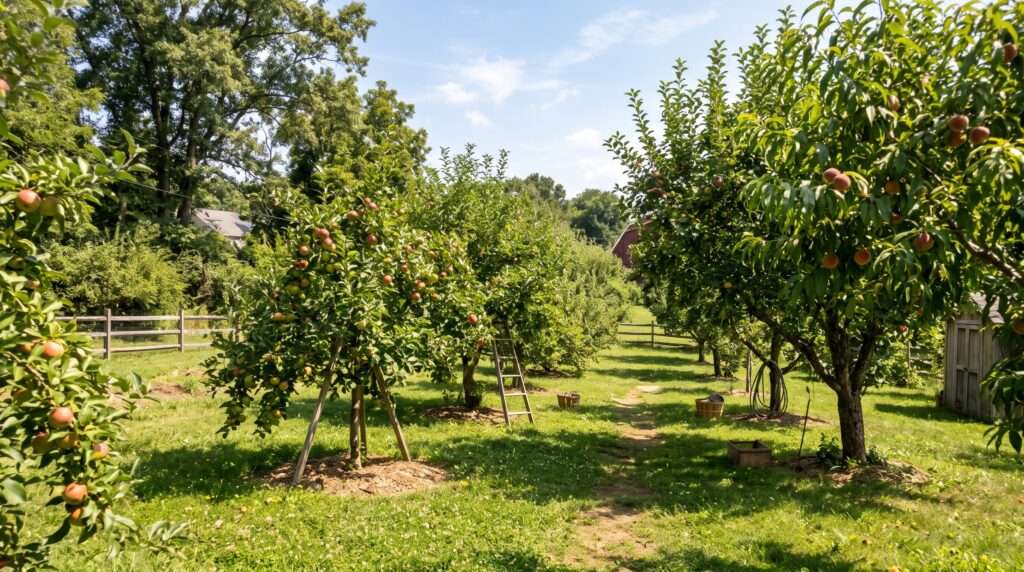
Have you noticed the skyrocketing prices of fresh organic produce at your local grocery store lately? There is an unmatched, rewarding satisfaction that comes from bypassing the checkout line and walking directly into your own backyard to pick fresh, sun-ripened fruit straight from the branch. If you are ready to transform your landscape into a thriving, edible oasis, discovering the best 10 fruit trees to grow in pa is your crucial first step.
However, gardening in the Keystone State comes with its own unique set of hurdles. Pennsylvania’s variable climate spans USDA Hardiness Zones 5 through 7, meaning your home orchard will have to endure everything from freezing, harsh winters to unpredictable late spring frosts that can easily destroy delicate blossoms overnight. Add in the dense, heavy clay soils found across much of the state, and it becomes abundantly clear that not just any fruit tree will survive here, let alone produce a reliable harvest.
That’s exactly why we’ve put together this comprehensive buyer’s guide. We’ve taken the costly guesswork out of planting by curating a list of the exact trees bred and proven to thrive in our specific local conditions. Whether you are a beginner looking for an easy win or a seasoned green thumb expanding your yard, this breakdown of the best 10 fruit trees to grow in pa is your ultimate resource. We’ve meticulously researched and reviewed the top-rated, highest-quality saplings available on Amazon, ensuring you can get the perfect, climate-resilient trees delivered safely and directly to your door, ready to plant and prosper.
II. How to Choose the Right Fruit Tree for Pennsylvania (Buyer’s Guide)
Before adding a live plant to your Amazon cart, it is crucial to understand the unique environmental factors that dictate fruit tree success in Pennsylvania.
-
Understand Your PA Hardiness Zone: Pennsylvania encompasses USDA Hardiness Zones 5a (in the northern tier and high elevations) to 7b (around Philadelphia and the southeast). Cold-hardiness is the number one buying factor. A tree rated for Zone 8 will simply not survive a PA winter.
-
Chill Hours Explained: Fruit trees require a specific number of “chill hours” (hours between 32°F and 45°F) during winter to break dormancy and produce fruit in the spring. Pennsylvania’s long, cold winters are actually a massive advantage for stone and pome fruits, easily fulfilling the 800-1,000+ chill hours many premium varieties require.
-
Bare-Root vs. Potted Trees: On Amazon, trees generally ship in two ways. Bare-root trees are shipped dormant without soil, usually in early spring; they are often cheaper and adapt quickly once planted. Potted trees ship in soil, can be planted almost any time of the year (though spring or fall is best), and tend to have higher immediate survival rates for beginners.
-
Pollination Requirements: Some trees are self-pollinating (self-fruitful), meaning you only need one tree to get fruit. Others require a cross-pollinator, meaning you must buy a second tree of a different variety that blooms at the same time for the insects to cross-pollinate.
III. Quick Comparison Table
IV. In-Depth Reviews: The Best 10 Fruit Trees to Grow in PA
1. The Best Apple Tree for PA: Honeycrisp Apple Tree
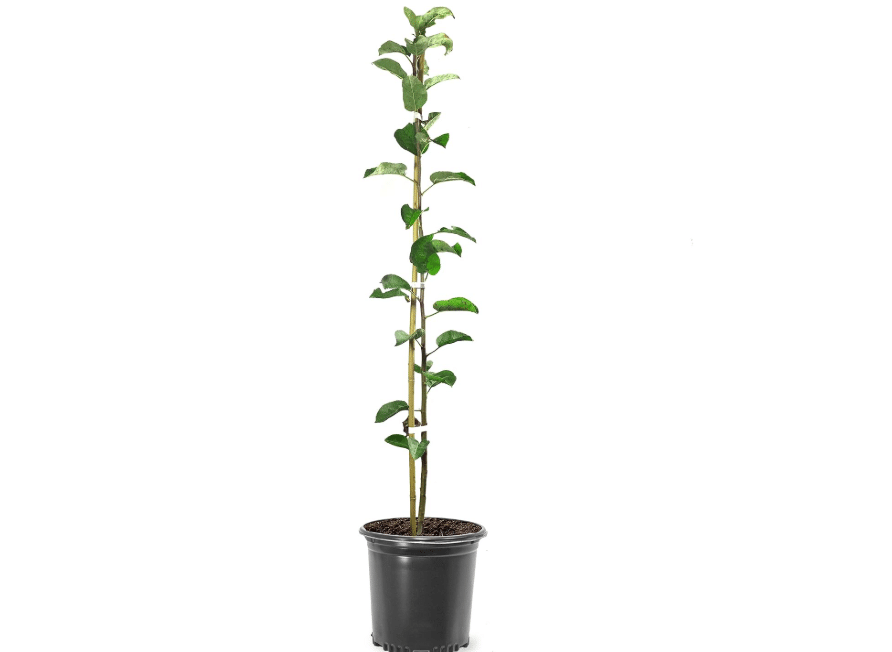
Product Description: The Honeycrisp apple is widely considered the crown jewel of the modern orchard, famous for its explosive crunch and perfect balance of sweet and tart flavors. This tree is a fantastic choice for Pennsylvania because it was bred specifically for cold hardiness. Shipped as a robust bare-root or potted sapling, it establishes quickly in PA’s varied soils. Honeycrisp trees are vigorous growers that reward patient gardeners with grocery-store-quality fruit right in their backyard.
-
Price:
-
Key Features and Benefits: Highly cold hardy (down to Zone 3), produces fruit in 2 to 3 years after planting, and yields apples that store exceptionally well for months in the crisper drawer.
-
Pros and Cons:
-
Pros: Extremely resilient to harsh winters; yields premium, highly sought-after fruit; generally reliable growers.
-
Cons: Susceptible to cedar apple rust; requires a cross-pollinator (you must plant a compatible variety like Gala or Fuji nearby).
-
-
Amazon Customer Ratings and Reviews: Averages 4.4 out of 5 stars. Reviewers frequently praise the careful, secure packaging during shipping and the robust, healthy root systems upon arrival.
-
Why it’s a good choice for PA: It perfectly matches PA’s high chill-hour winters and its cold-hardy nature makes it practically immune to damage from deep winter freezes.
-
Ideal Use Case / Who should buy it: Families who love fresh, snackable fruit and have enough yard space to accommodate at least two apple trees for cross-pollination.
2. The Best Peach Tree for PA: Elberta Peach Tree
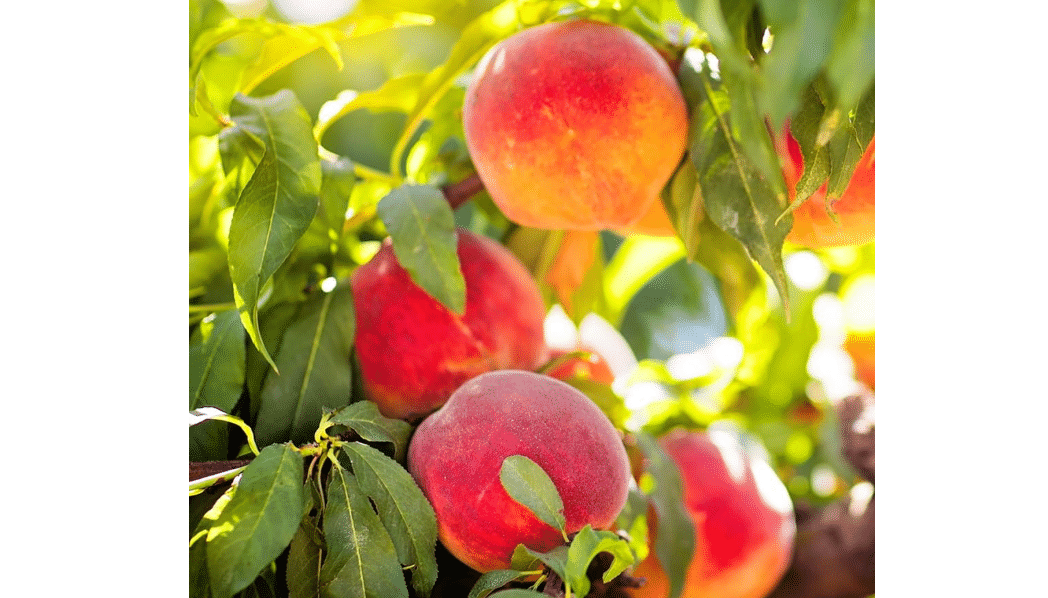
Product Description: The Elberta Peach is the gold standard for home peach growers. Renowned for producing massive, juicy, freestone peaches with a beautiful red blush over a yellow background, this tree is a heavy producer. The Elberta thrives in Pennsylvania’s warm, humid summers while easily withstanding the cold winters. Because it is self-pollinating, it is an excellent standalone tree for smaller yards.
-
Price:
-
Key Features and Benefits: Self-pollinating (no second tree required), produces large freestone peaches (pit separates easily from the flesh), and blooms with stunning pink flowers in the spring.
-
Pros and Cons:
-
Pros: High yield of large fruit; excellent for canning, baking, and fresh eating; self-fruitful.
-
Cons: Blooms early, making flowers somewhat vulnerable to late spring frosts in northern PA counties.
-
-
Amazon Customer Ratings and Reviews: Averages 4.2 out of 5 stars. Buyers often highlight the rapid leafing-out process after planting and the sweet, nostalgic flavor of the harvested peaches.
-
Why it’s a good choice for PA: It boasts a high chill-hour requirement (around 800+ hours), which PA winters easily satisfy, resulting in vigorous spring blooming and heavy summer yields.
-
Ideal Use Case / Who should buy it: Beginner gardeners and homeowners with limited space who want a high-yield, standalone fruit tree.
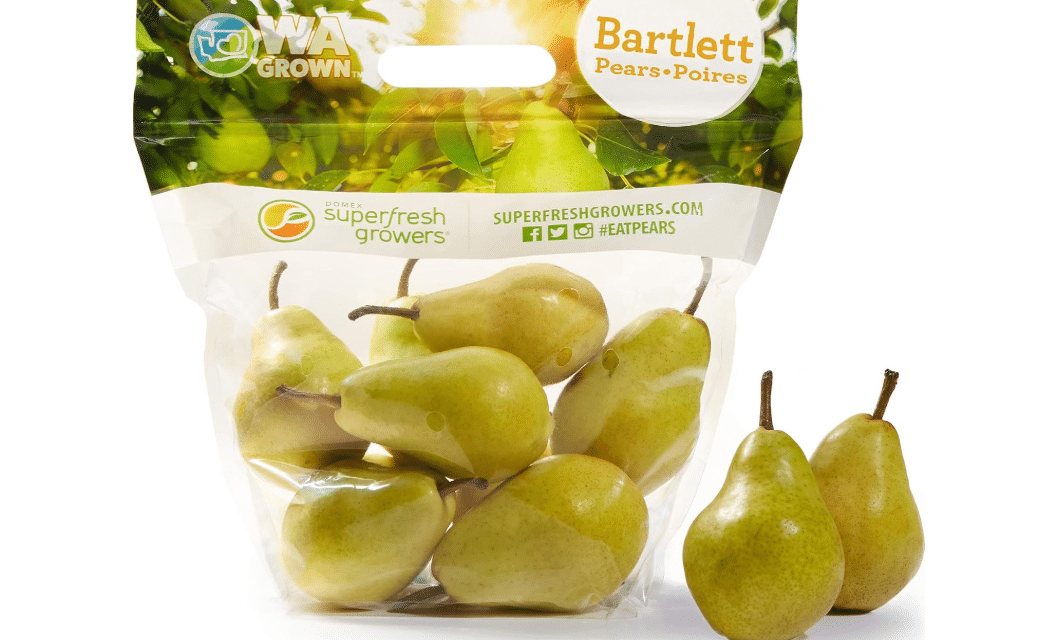
3. The Best Pear Tree for PA: Bartlett Pear Tree
Product Description: The Bartlett Pear is America’s favorite pear for a reason. It produces iconic bell-shaped fruit that turns from green to a beautiful golden yellow as it ripens. The tree itself is highly ornamental, featuring a beautiful upright growth habit and a profusion of white blossoms in the spring. For Pennsylvania growers, the Bartlett is a sturdy, dependable producer that adapts well to the heavier clay soils found across much of the state.
-
Price: $4.74
-
Key Features and Benefits: Begins bearing fruit at a young age (often within 3-4 years), produces sweet and buttery fruit, and has decent resistance to common pear diseases.
-
Pros and Cons:
-
Pros: Exceptional fruit quality; versatile for fresh eating or canning; strong, upright branch structure.
-
Cons: While partially self-fruitful, it produces a significantly larger harvest if planted alongside a pollinator like a Bosc pear.
-
-
Amazon Customer Ratings and Reviews: Averages 4.5 out of 5 stars. Customers frequently note the impressive size of the tree upon delivery and how quickly it adapts to its new soil environment.
-
Why it’s a good choice for PA: It is highly cold-hardy (Zone 5) and its roots are surprisingly tolerant of the dense, less-than-ideal soils common in Pennsylvania backyards.
-
Ideal Use Case / Who should buy it: Home orchardists looking for an easy-to-grow, reliable producer for early fall harvests.
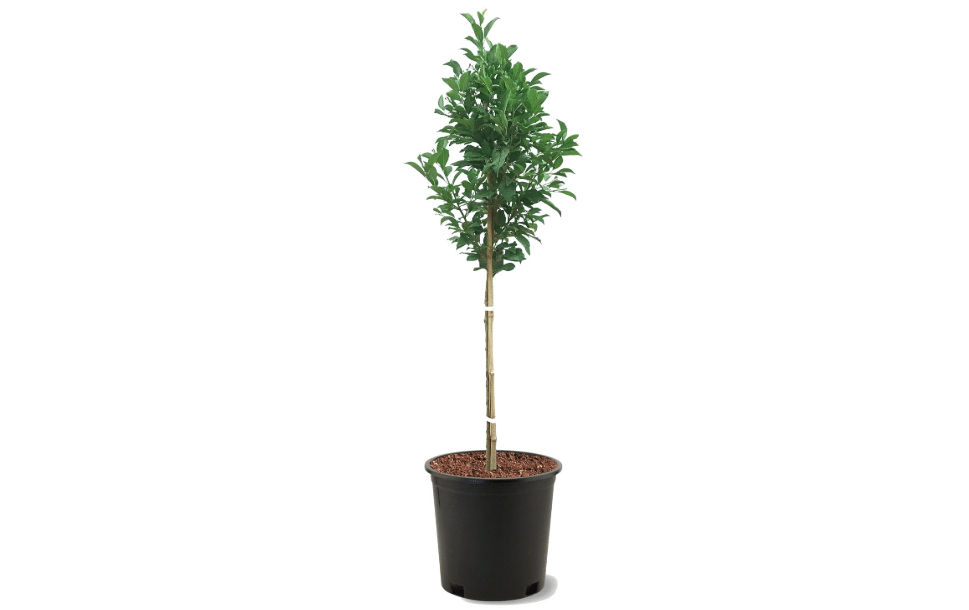
4. The Best Plum Tree for PA: Santa Rosa Plum Tree
Product Description: The Santa Rosa Plum is a legendary variety, highly prized for its dark, purplish-red skin and vibrant, sweet-tart amber flesh. This vigorous, fast-growing tree is a phenomenal addition to any Pennsylvania yard, particularly in the southern and southeastern counties (Zones 6 and 7) where it basks in the warm summer sun. It offers a spectacular floral display in the spring, making it both an ornamental centerpiece and a highly productive fruit bearer.
-
Price:
-
Key Features and Benefits: Extremely fast growth rate, partially self-fruitful, and produces large, aromatic plums perfect for fresh eating or making preserves.
-
Pros and Cons:
-
Pros: Heat tolerant for humid PA summers; early summer harvest; stunning spring blossoms.
-
Cons: Can be susceptible to Japanese beetles; while partially self-pollinating, yields are drastically improved with a partner tree like the Burbank plum.
-
-
Amazon Customer Ratings and Reviews: Averages 4.3 out of 5 stars. Customers rave about how quickly this tree establishes itself, often putting on several feet of growth in its first full season.
-
Why it’s a good choice for PA: It handles the fluctuating spring temperatures well and is highly adaptable to the slightly acidic soils often found throughout the state.
-
Ideal Use Case / Who should buy it: Impatient gardeners who want a fast-growing tree and fans of sweet-tart stone fruits.
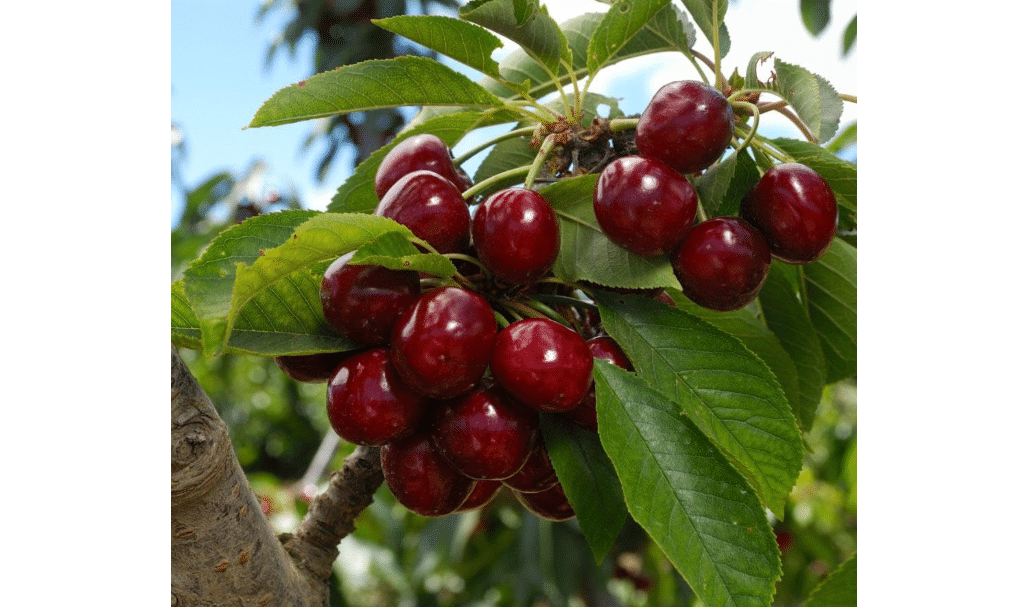
5. The Best Cherry Tree for PA: Bing Sweet Cherry Tree
Product Description: When you think of a classic, deep red, heart-shaped sweet cherry, you are thinking of the Bing. It is the most famous sweet cherry variety in America. While cherries require a bit more attention to soil drainage than apples or pears, the Bing is incredibly rewarding. It produces a massive harvest of firm, extra-sweet cherries by mid-summer.
-
Price:
-
Key Features and Benefits: Produces large, premium sweet cherries; provides excellent shade; showcases brilliant white cherry blossoms every spring.
-
Pros and Cons:
-
Pros: Exceptional, market-quality fruit; high chill-hour requirement (perfect for PA); beautiful ornamental value.
-
Cons: Strict requirement for a cross-pollinator (needs a Black Tartarian or Rainier cherry nearby); birds love the fruit, so netting is often required.
-
-
Amazon Customer Ratings and Reviews: Averages 4.1 out of 5 stars. Buyers often mention the high quality of the graft union and the healthy, dormant state of bare-root deliveries.
-
Why it’s a good choice for PA: Pennsylvania’s long, cold winters easily fulfill the Bing’s 700+ chill-hour requirement, ensuring a heavy, reliable bloom once the spring thaw arrives.
-
Ideal Use Case / Who should buy it: Homeowners with well-draining soil who are willing to plant a pair of trees for a classic, sweet summer harvest.
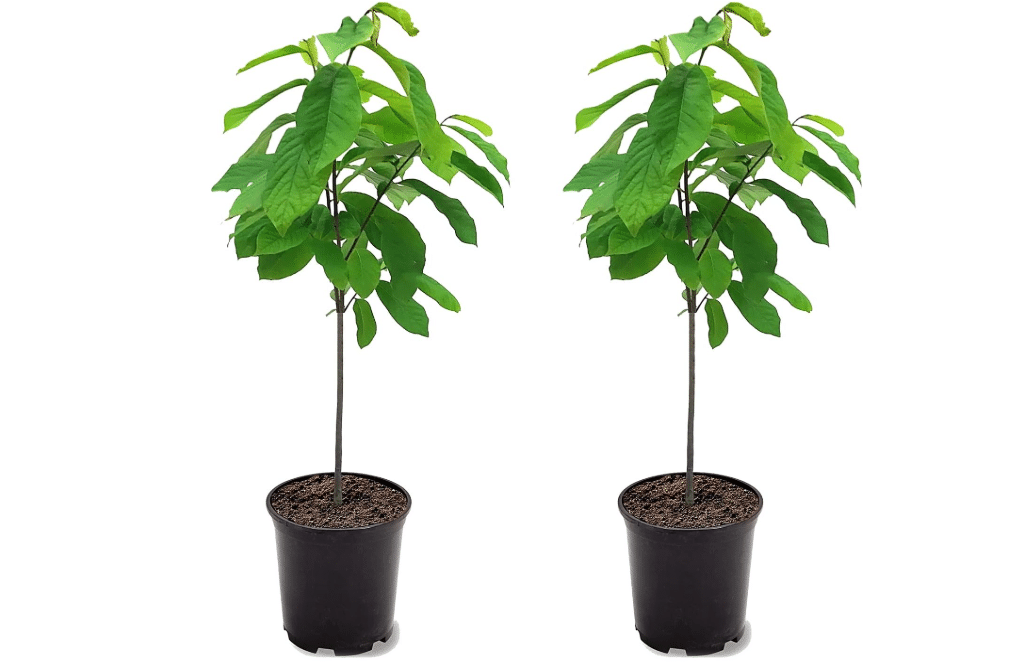
6. The Best Native Fruit Tree: American Pawpaw Tree
Product Description: The American Pawpaw is Pennsylvania’s best-kept secret. As a native understory tree, it evolved right here in the Eastern United States. The Pawpaw produces the largest edible fruit native to North America—a unique, custard-like treat that tastes like a blend of banana, mango, and melon. Because it is native, it is naturally resistant to local pests and diseases, making it one of the lowest-maintenance fruit trees you can plant.
-
Price: $52.99
-
Key Features and Benefits: Native to Pennsylvania; highly pest and disease resistant; shade tolerant; produces unique tropical-tasting fruit.
-
Pros and Cons:
-
Pros: Zero synthetic sprays needed; thrives in partial shade; beautiful, large, drooping leaves give a tropical look to the yard.
-
Cons: Requires two genetically distinct trees for cross-pollination; fruit has a very short shelf life and must be eaten quickly.
-
-
Amazon Customer Ratings and Reviews: Averages 4.6 out of 5 stars. Enthusiasts praise the secure packaging required to protect the delicate taproot during transit.
-
Why it’s a good choice for PA: Since it is indigenous to the region, it is perfectly adapted to the local climate, soil microbes, and rainfall patterns.
-
Ideal Use Case / Who should buy it: Eco-conscious gardeners, permaculture enthusiasts, and anyone with a partially shaded yard.
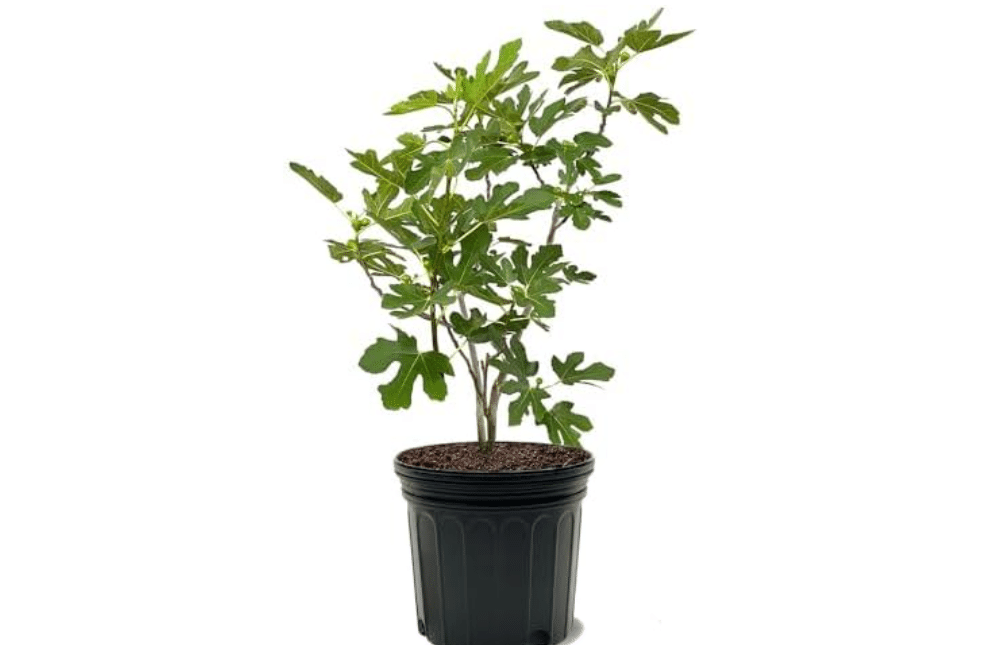
7. The Best Fig Tree for PA: Brown Turkey Fig Tree
Product Description: Figs in Pennsylvania? Absolutely. While most figs are Mediterranean, the Brown Turkey Fig is highly adaptable and remarkably cold-resilient. It produces gorgeous, copper-colored fruit with rich, strawberry-colored flesh. While it may die back to the ground during a severe Zone 5/6 winter if left unprotected, its vigorous roots will shoot up new fruiting branches the following spring.
-
Price:
-
Key Features and Benefits: Self-pollinating; extremely fast-growing; easily grown in large patio containers.
-
Pros and Cons:
-
Pros: Produces two crops in a good year (a “breba” crop and a main crop); fantastic for container gardening; no pollinator needed.
-
Cons: Requires heavy winter mulching or bringing the container into an unheated garage during deep Pennsylvania freezes.
-
-
Amazon Customer Ratings and Reviews: Averages 4.5 out of 5 stars. Buyers love how quickly these plants arrive and push out new green growth, even on a windowsill before planting.
-
Why it’s a good choice for PA: Its ability to be heavily pruned and grown in containers makes it the perfect solution for PA gardeners who want exotic fruit but face brutal winters.
-
Ideal Use Case / Who should buy it: Urban gardeners, patio growers, and those willing to provide a little winter protection in exchange for fresh, gourmet figs.
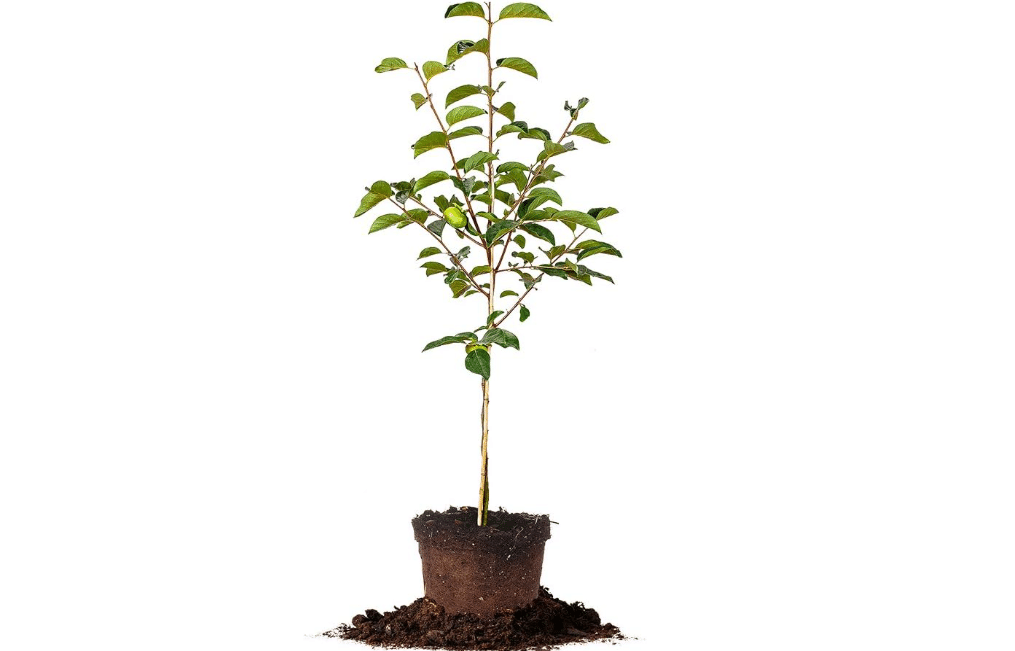
8. The Best Unique Harvest: Fuyu Persimmon Tree
Product Description: For a truly striking landscape addition, the Fuyu Persimmon is unmatched. This non-astringent variety produces bright, tomato-shaped orange fruits that you can eat crisp like an apple right off the tree. In the fall, the tree’s leaves turn a brilliant fiery red and orange, eventually dropping to reveal branches adorned with glowing orange fruit that holds well into November.
-
Price:
-
Key Features and Benefits: Self-pollinating; pest-free; spectacular fall foliage; very late-season harvest.
-
Pros and Cons:
-
Pros: Fruit can be eaten firm; virtually zero maintenance required once established; extends the fruit season into late fall.
-
Cons: Best suited for PA Zones 6b and 7; northern PA (Zone 5) growers will need to plant in a protected microclimate.
-
-
Amazon Customer Ratings and Reviews: Averages 4.4 out of 5 stars. Reviews frequently highlight the robust health of the tree upon delivery and the delightful, honey-like flavor of the fruit.
-
Why it’s a good choice for PA: It thrives in the moderate zones of southern Pennsylvania and provides a fresh harvest long after apples and peaches have finished.
-
Ideal Use Case / Who should buy it: Gardeners in southern PA looking for a dual-purpose tree (ornamental beauty and edible fruit) with zero pest issues.
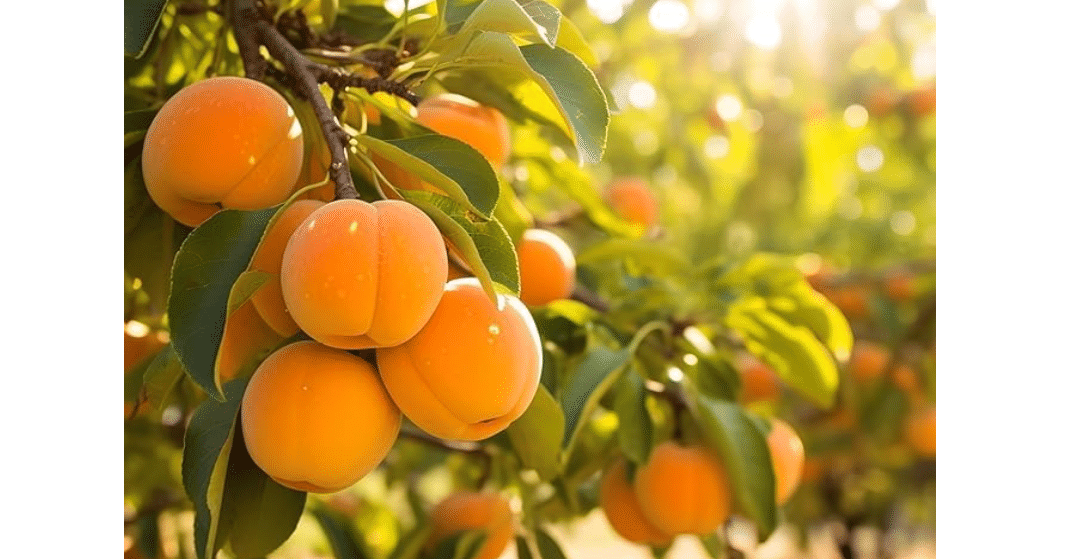
9. The Best Apricot Tree for PA: Moorpark Apricot Tree
Product Description: The Moorpark Apricot is a historic, reliable variety that produces exceptionally sweet, juicy, golden-yellow fruit with a warm red blush. Known for its rich, plum-like flavor, the Moorpark is a fantastic mid-summer treat. It is a highly ornamental tree that bursts into a cloud of white and pink blossoms at the very first sign of spring.
-
Price:
-
Key Features and Benefits: Self-fruitful (no pollinator needed); bears fruit relatively young; outstanding flavor profile for jams and drying.
-
Pros and Cons:
-
Pros: Delicious, versatile fruit; only one tree required; beautiful early spring blooms.
-
Cons: Because it blooms so early, the blossoms are highly susceptible to PA’s notorious late spring frosts, which can wipe out a year’s crop.
-
-
Amazon Customer Ratings and Reviews: Averages 4.2 out of 5 stars. Customers appreciate the sturdy trunk caliper on arrival and the detailed planting instructions often included by top Amazon nursery sellers.
-
Why it’s a good choice for PA: It possesses the cold hardiness required to survive the winter (hardy to Zone 4), though planting it on a north-facing slope can help delay blooming until the frost danger has passed.
-
Ideal Use Case / Who should buy it: PA growers with a protected planting spot or those willing to cover the tree during late frost warnings.
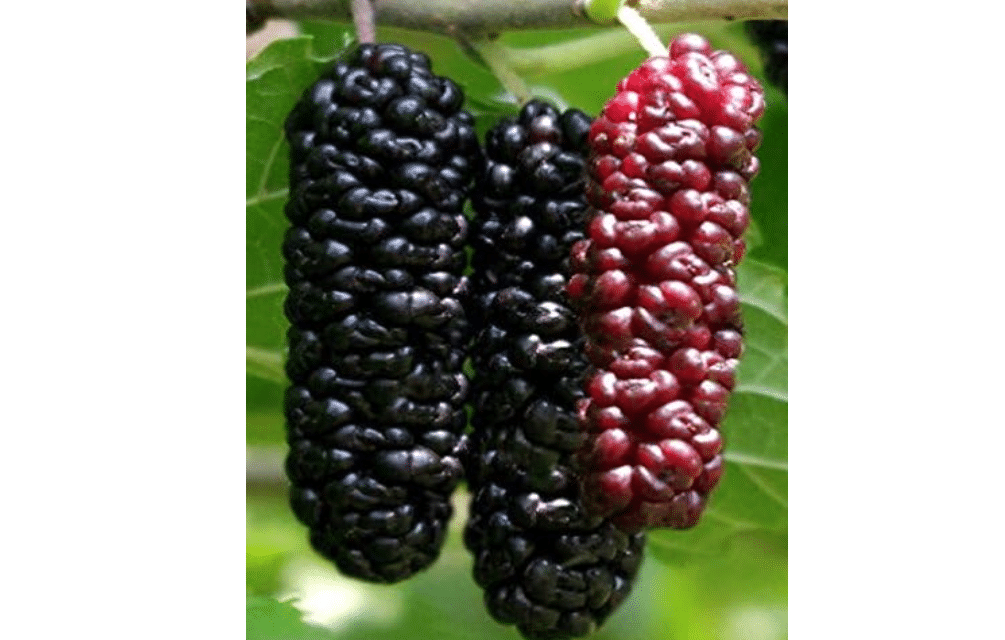
10. The Best Fast-Growing Tree: Everbearing Mulberry Tree
Product Description: If you have terrible soil, zero gardening experience, and want a massive amount of fruit as quickly as possible, the Everbearing Mulberry is your answer. This incredibly rugged tree practically thrives on neglect. It produces an abundance of sweet, blackberry-like fruit continuously from late spring through mid-summer.
-
Price:
-
Key Features and Benefits: Indestructible nature; continuous fruiting habit; thrives in poor, compacted clay soils.
-
Pros and Cons:
-
Pros: Almost guaranteed to grow in PA; massive yields; completely self-pollinating.
-
Cons: Can be messy if planted over driveways or walkways (the dark berries will stain concrete); highly attractive to local bird populations.
-
-
Amazon Customer Ratings and Reviews: Averages 4.7 out of 5 stars. Buyers are consistently amazed by its explosive growth rate, with many reporting fruit in the very first year of planting.
-
Why it’s a good choice for PA: It ignores the dense clay soil that suffocates other fruit trees and shakes off the coldest PA winters without a second thought.
-
Ideal Use Case / Who should buy it: Beginners, homesteaders, and those looking to plant away from the house in a wide-open yard.
V. How We Picked and Evaluated (Methodology)
To ensure this guide is a truly comprehensive and authoritative resource, we didn’t just pick random trees. Our selection process is data-driven and horticulturally sound, modeled after the rigorous testing standards of top product review publications.
-
Data-Driven Selection: We analyzed current Amazon market data, selecting only trees from reputable nursery storefronts boasting 4+ star ratings and a high volume of verified customer reviews. We filtered for reliable shipping practices, sturdy packaging, and customer service responsiveness.
-
Horticultural Vetting: Every tree on this list was cross-referenced with hardiness data and disease-resistance guidelines from local agricultural authorities like the Penn State Extension. We prioritized trees that specifically combat PA’s unique challenges, such as heavy clay soil and high chill-hour requirements.
VI. Essential Planting & Care Tips for PA Soils
Buying the right tree is only half the battle; planting it correctly ensures it survives its first Pennsylvania winter.
-
Soil Amendment: Much of PA is notorious for dense, heavy clay that drains poorly. When digging your hole (which should be twice as wide as the root ball but no deeper), do not backfill with pure potting soil. Instead, mix native clay with 30% organic compost to improve drainage while forcing the roots to adapt to the local environment.
-
Winter Protection: Young fruit trees have thin bark that is highly susceptible to “sunscald” (freezing and thawing cracking the bark) and deer rubbing. In rural and suburban PA, wrapping the lower trunk with a plastic tree guard from November to March is absolutely critical to protect your investment.
VII. Frequently Asked Questions (FAQs)
What is the easiest fruit tree to grow in Pennsylvania? The Everbearing Mulberry and the American Pawpaw are widely considered the easiest. The Mulberry tolerates poor soil and neglect, while the Pawpaw is native and naturally immune to most local pests and diseases.
Do I need to buy two fruit trees to get fruit? It depends on the variety. Trees labeled “self-pollinating” or “self-fruitful” (like the Elberta Peach or Moorpark Apricot) can produce fruit all by themselves. Apples, pears, and sweet cherries generally require a second, different variety of the same tree nearby to cross-pollinate.
When is the best time to order and plant fruit trees from Amazon in PA? The absolute best time to plant in Pennsylvania is early spring (late March to April) as soon as the ground thaws, or early fall (September to October). Ordering ahead of time on Amazon ensures you secure seasonal inventory before top nurseries sell out for the spring rush.
VIII. Final Verdict & Next Steps
Growing your own orchard in the Keystone State is a deeply rewarding endeavor that pays dividends in delicious, organic harvests year after year. While all the selections on this list are proven winners, our Top Overall Recommendation is the Honeycrisp Apple Tree. Its supreme cold hardiness, undeniable fruit quality, and perfect alignment with Pennsylvania’s winter chill hours make it a foolproof anchor for any home orchard. If you prefer a self-pollinating option, the Elberta Peach Tree is an equally spectacular choice for high yields in a smaller footprint.
Early spring inventory from top-tier Amazon nurseries sells out remarkably fast. Don’t wait until the ground thaws to start planning—click the links in our comparison table to check current stock and pricing, secure your saplings today, and take the first step toward your very own Pennsylvania backyard harvest.