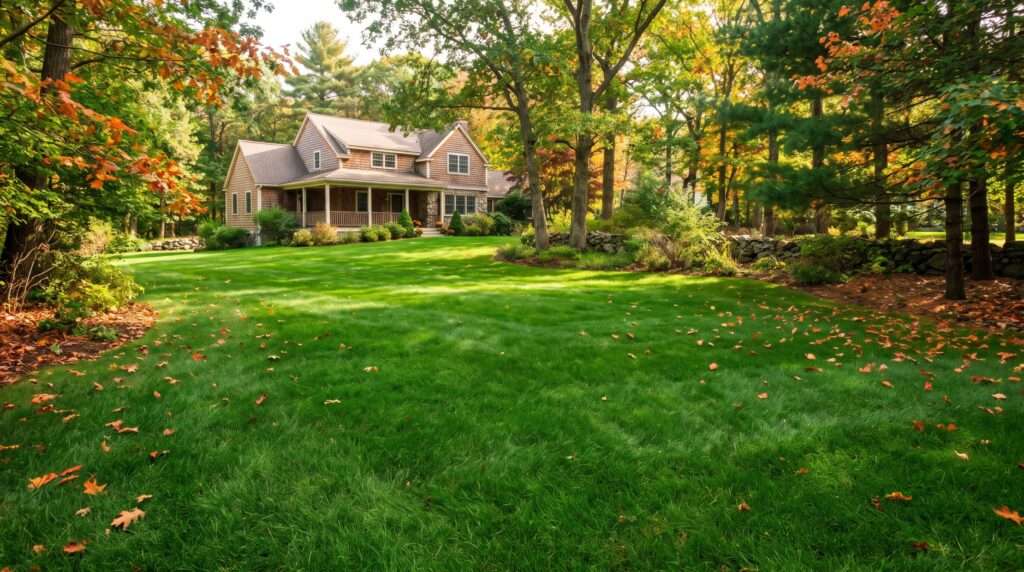
If you have ever watched a lush autumn lawn emerge from a New England winter looking like a patchy battlefield of snow mold, road salt burns, and stubborn mud, you know that growing grass in the Northeast is not for the faint of heart. Between brutal freeze-thaw cycles, rocky, acidic soil, and dense shade canopies cast by towering oaks and maples, choosing the wrong seed means throwing away both your money and your weekend effort. Finding the best 10 grass seed for New England is the difference between a yard that constantly thins out and a thick, resilient turf that bounces back season after season.
Most generic, off-the-shelf seed bags sold at big-box stores simply aren’t built for USDA Hardiness Zones 3 through 7. They often rely on cheap filler varieties that look decent for a few weeks before dying off at the first hard freeze—or fizzling out under muggy July and August humidity. To survive New England’s climate extremes, a lawn requires purpose-built cool-season blends combining Kentucky Bluegrass, Tall Fescue, Fine Fescue, and Perennial Ryegrass. Each species brings a non-negotiable survival trait to your yard, from self-repairing root systems and heavy-shade tolerance to rapid germination and sub-zero cold hardiness.
To take the guesswork out of your next lawn renovation or overseeding project, we analyzed the top-rated Amazon grass seed blends specifically through a Northeast lens. Rather than relying on bag claims alone, every pick on this list was evaluated for germination speed, cold hardiness, shade tolerance, seed purity, and real-world performance backed by verified Northeast homeowner feedback. Whether you are reviving a heavily wooded backyard, dealing with sandy coastal soil, or repairing winter plow damage, this guide breaks down the exact blends that actually thrive in New England—so you can buy with confidence and grow a lawn built to last.
Quick Verdict: Our Top 3 Picks at a Glance
Short on time? Here are the three standout blends that solve the most common New England lawn challenges:
-
Best Overall: Jonathan Green Black Beauty Ultra Grass Seed — A deep-rooted, sod-quality cool-season blend with a rich dark-green color and natural waxy leaf coating that handles both New England freezes and summer heat waves.
-
Best Regional All-Purpose: Scotts Turf Builder Grass Seed Northeast Mix — Purpose-built for Northeast and Upper Midwest climates with a built-in starter fertilizer coating for fast, stress-free spring or fall establishment.
-
Best Value & Water-Saver: Pennington Smart Seed Northeast Mix — A drought-tolerant Northeast blend engineered to use up to 30% less water annually once established, making it ideal for towns with summer watering restrictions.
Side-by-Side Comparison: Best 10 Grass Seed for New England
How We Researched & Selected These Grass Seeds
Not every “northern mix” deserves a spot on a New England lawn. To separate reliable performers from marketing hype, we evaluated dozens of top-selling Amazon grass seeds against four strict regional benchmarks:
-
Regional Climate & Cold-Hardiness Matching: Every blend on this list features proven cool-season cultivars rated to survive harsh sub-zero winters across Maine, Vermont, New Hampshire, Massachusetts, Rhode Island, and Connecticut, while maintaining density during humid July and August stretches.
-
Seed Purity & Coating Transparency: We inspected seed ratios, inert matter, and coating technologies. Uncoated seeds offer more pure seed per pound, while coated seeds (like Scotts Root-Building Nutrition or Pennington Smart Seed) simplify moisture retention and early feeding. We clearly note which style each bag uses so you know exactly what you are paying for.
-
Disease & Pest Resilience: New England’s damp springs and snowy winters invite snow mold, brown patch, and surface-feeding insects. We prioritized endophyte-enhanced cultivars and disease-resistant coatings that protect vulnerable seedlings.
-
Verified Northeast Homeowner Feedback: We cross-referenced manufacturer specs and independent side-by-side lawn tests with thousands of Amazon customer ratings, paying close attention to real-world germination speed, color matching, and survival rates after a full New England winter.
Detailed Reviews: The Best 10 Grass Seed for New England
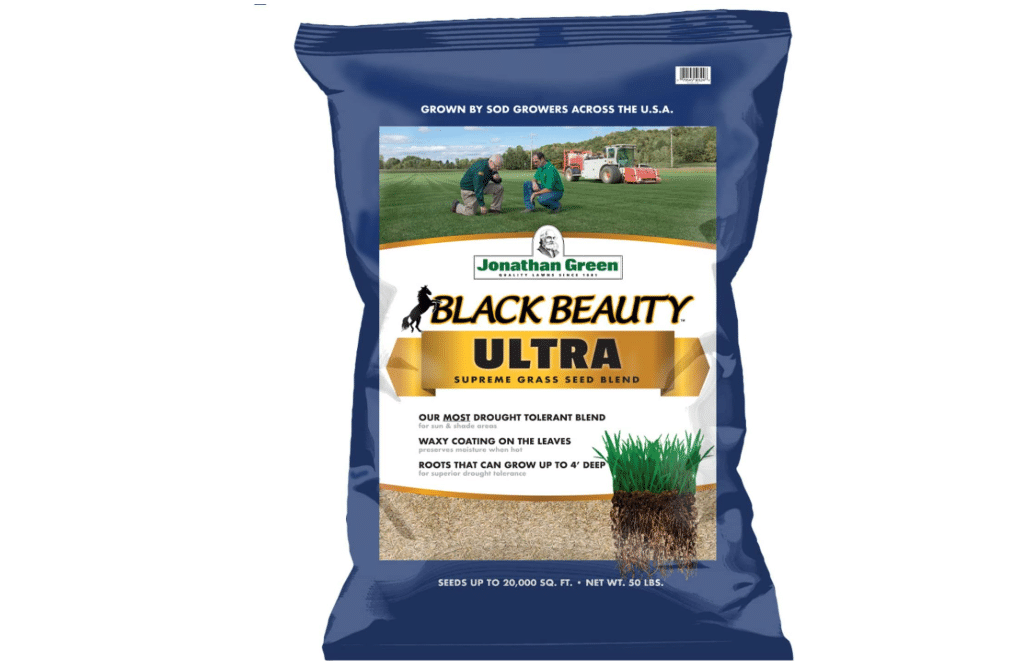
1. Jonathan Green Black Beauty Ultra Grass Seed — Best Overall
Product Description
Jonathan Green Black Beauty Ultra is widely considered the gold standard for homeowners who want a thick, dark emerald-green lawn without buying commercial sod. Formulated closely to the mixtures professional sod growers use, it combines roughly 80% turf-type tall fescue with 10% Kentucky bluegrass and 10% perennial ryegrass. Unlike heavily coated big-box blends that pad bag weight with filler, Black Beauty Ultra is pure seed—meaning every pound goes straight toward growing dense, lush grass. Each 7-pound bag covers up to 1,400 square feet for a new lawn or 2,800 square feet when overseeding.
Price
$198.74
Key Features & Benefits
-
Deep-Rooting Tall Fescue Foundation: Develops deep root systems that pull moisture from lower soil layers, keeping the lawn greener during dry August spells.
-
Natural Waxy Leaf Coating: The tall fescue blades naturally produce an invisible waxy cuticle that locks in internal moisture and helps guard against heat stress and fungal diseases.
-
Balanced 3-Species Synergy: Perennial ryegrass sprouts quickly in 7 to 14 days to stabilize soil and add wear tolerance, tall fescue builds heat and drought resilience, and Kentucky bluegrass fills in gaps over time.
-
Consistent Growth Across Mixed Light: Performs reliably across full sun and partial shade without creating jarring color mismatches.
Pros and Cons
Pros:
-
Produces one of the darkest, richest emerald-green colors available in retail seed
-
Pure seed with no filler coating weight
-
Thrives evenly across yards with shifting sun and partial shade
-
Strong cold hardiness and summer drought resilience
Cons:
-
Contains no starter fertilizer, so you will need to buy fertilizer separately
-
Higher upfront cost per pound than standard hardware-store mixes
-
Tall fescue blades have a slightly wider texture than pure fine fescue or bluegrass
Amazon Customer Ratings & Reviews
Black Beauty Ultra maintains strong ratings on Amazon (consistently hovering around 4.2 to 4.3 out of 5 stars across thousands of reviews) and was named the top cool-season performer in independent multi-seed lawn tests. Northeast buyers frequently praise how thickly it fills in bare spots and transforms tired yards into dark-green carpets. The most common critical feedback comes from buyers who expected instant germination without consistent daily watering or who skipped applying a starter fertilizer.
Why It’s a Good Choice for New England
New England lawns face a brutal double whammy: freezing winters that heave shallow roots and muggy summer stretches that scorch weak turf. Black Beauty Ultra’s tall fescue-heavy blend bridges both extremes effortlessly, holding its deep green color well into late autumn and bouncing back quickly in April.
Ideal Use Case / Who Should Buy It
Homeowners across New England who want a premium, dark-green, showpiece lawn in full sun to partial shade—and don’t mind applying a separate starter fertilizer during seeding.
2. Scotts Turf Builder Grass Seed Northeast Mix — Best Regional All-Purpose Mix
Product Description
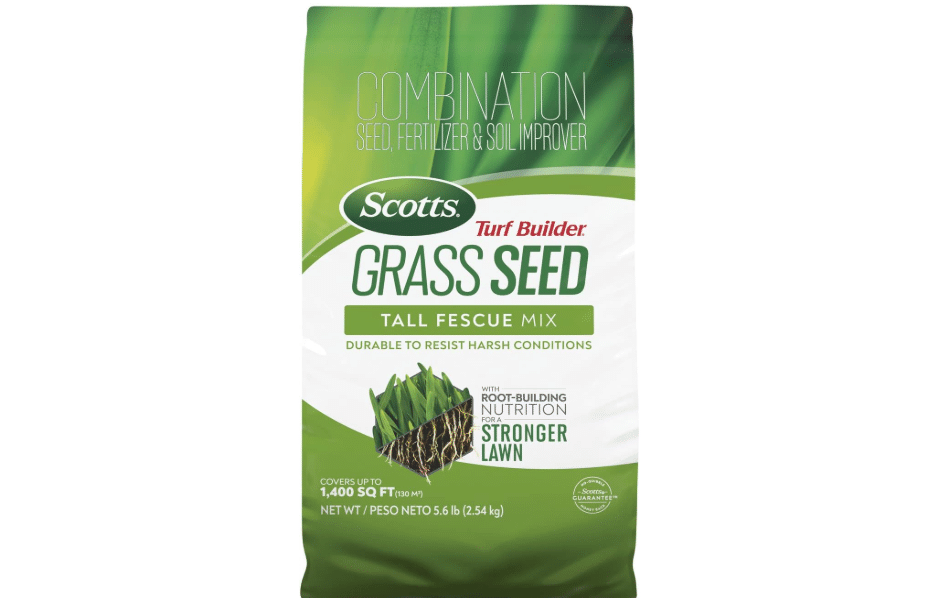
If you want a no-guesswork seed blend engineered specifically for your zip code, Scotts Turf Builder Grass Seed Northeast Mix is built from the ground up for Zone 4–6 cold-climate conditions. Combining cold-hardy Kentucky bluegrass with fast-sprouting perennial ryegrass, this mix comes pre-coated with Scotts’ Root-Building Nutrition—a combination of starter fertilizer and soil improver designed to jump-start deep root development right out of the bag. A standard 5.6-pound bag covers up to 870 square feet for a new lawn or 2,640 square feet for overseeding.
Price
$33.77.
Key Features & Benefits
-
Region-Specific Cultivar Ratio: Specifically calibrated for Northeast and Upper Midwest temperature swings rather than a generic nationwide formula.
-
All-in-One Coated Seed: Built-in starter fertilizer and moisture-retaining soil improver eliminate the extra step of buying and spreading a separate starter feed.
-
Fast Spring & Fall Green-Up: Perennial ryegrass establishes quickly in cool spring or autumn soils, while Kentucky bluegrass thickens and self-repairs bare patches over time.
-
Strong Foot-Traffic Recovery: Stands up well to active families, backyard barbecues, and pets.
Pros and Cons
Pros:
-
Takes all the guesswork out of choosing a New England cultivar blend
-
Built-in starter fertilizer simplifies planting for beginners
-
Sprouts reliably in cool spring and fall soil temperatures
-
Widely available with clear spreader settings printed right on the bag
Cons:
-
Seed coating accounts for a significant portion of the bag’s total weight
-
Less suited for dense, heavy tree shade (best in full sun to partial shade)
-
Coverage estimates can run slightly tight if applied heavily with a drop spreader
Amazon Customer Ratings & Reviews
Backed by an Amazon’s Choice badge and a 4.2 out of 5-star average across 600+ ratings, Scotts Northeast Mix earns high marks from homeowners in Massachusetts, New York, and Connecticut. Reviewers consistently highlight how quickly it patches up winter snowplow scars and blends naturally into existing northern lawns. Negative reviews generally stem from planting during peak summer heat or letting the soil dry out during the critical first two weeks.
Why It’s a Good Choice for New England
Instead of forcing you to research seed tags and blend ratios yourself, Scotts delivers a proven Kentucky bluegrass and perennial ryegrass pairing that handles New England’s erratic April freezes and crisp October frosts without skipping a beat.
Ideal Use Case / Who Should Buy It
Busy New England homeowners looking for a foolproof, one-bag solution to overseed an existing lawn or repair winter damage in sunny to lightly shaded yards.
3. Pennington Smart Seed Northeast Mix — Best Water-Saving & Value Pick
Product Description
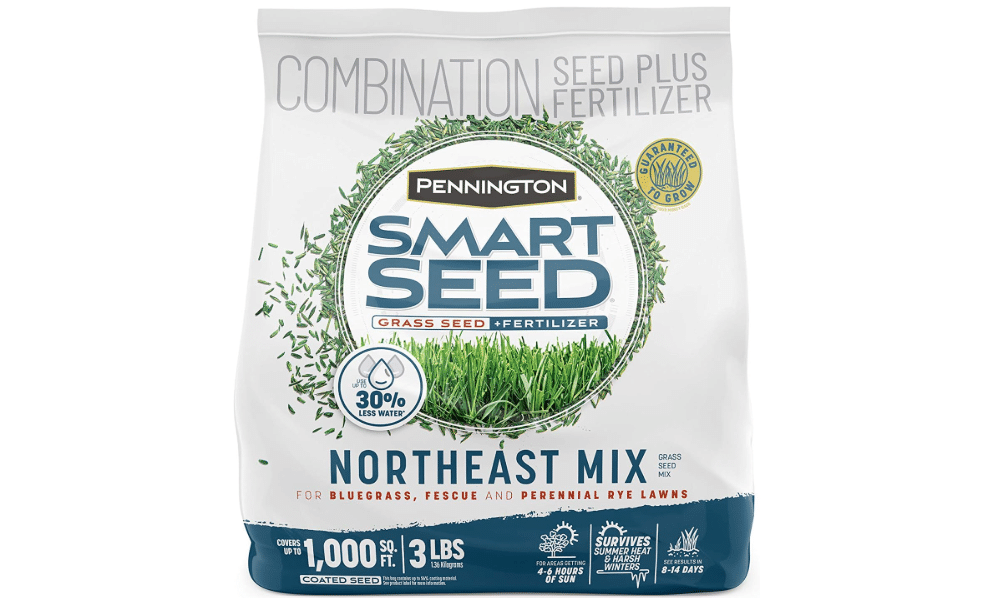
Watering restrictions are increasingly common across New England towns every summer, which is exactly where Pennington Smart Seed Northeast Mix shines. This cool-season blend combines perennial ryegrass, Kentucky bluegrass, and fescues coated with Pennington’s proprietary fertilizer-enhanced seed technology. Engineered for water efficiency and disease resistance, a 7-pound bag covers up to 6,660 square feet when overseeding and begins showing visible sprouts in just 8 to 14 days.
Price
$18.98
Key Features & Benefits
-
Up to 30% Less Water Required: Bred for deeper roots and improved drought tolerance, cutting down your annual irrigation needs once the turf is established.
-
Fast 8–14 Day Germination: Gets seedlings up and rooted rapidly before invasive weeds like crabgrass can take over.
-
Fertilizer-Enhanced Coating: Delivers targeted nutrients right to the sprouting seed to encourage thicker early establishment.
-
Solid Light Flexibility: Thrives in areas receiving 4 to 6 hours of daily sunlight, bridging sunny lawns and lightly shaded borders.
Pros and Cons
Pros:
-
Noticeably lowers summer watering demands once established
-
Quick germination window (often sprouting within 7 to 10 days with good moisture)
-
Performs surprisingly well in compacted or clay-heavy Northeast soils
-
Great coverage-to-price ratio for overseeding large areas
Cons:
-
Like all coated seeds, requires diligent daily watering during the initial germination phase
-
Not formulated for deep, dark wooded shade (needs at least 4 hours of sun)
-
Occasional quality-control complaints when bags are stored improperly before shipping
Amazon Customer Ratings & Reviews
Pennington Smart Seed Northeast Mix holds a solid 4.2 out of 5 stars across 860+ Amazon reviews. Multiple Connecticut and Northeast buyers report visible green fuzz within 5 to 7 days when watered consistently, praising the low weed count and strong performance in stubborn clayish soil. Critical reviewers mostly note that skipping soil prep or inconsistent watering leads to patchy germination.
Why It’s a Good Choice for New England
Between municipal summer water bans and unpredictable dry spells in July and August, New England lawns need drought resilience just as much as cold tolerance. This mix delivers both at a very approachable price point.
Ideal Use Case / Who Should Buy It
Budget-conscious and eco-minded homeowners who want a thick, disease-resistant Northeast lawn without running sprinklers nonstop all summer.
4. Scotts Turf Builder Grass Seed Sun & Shade Mix — Best for Mixed Sun & Tree Canopy
Product Description
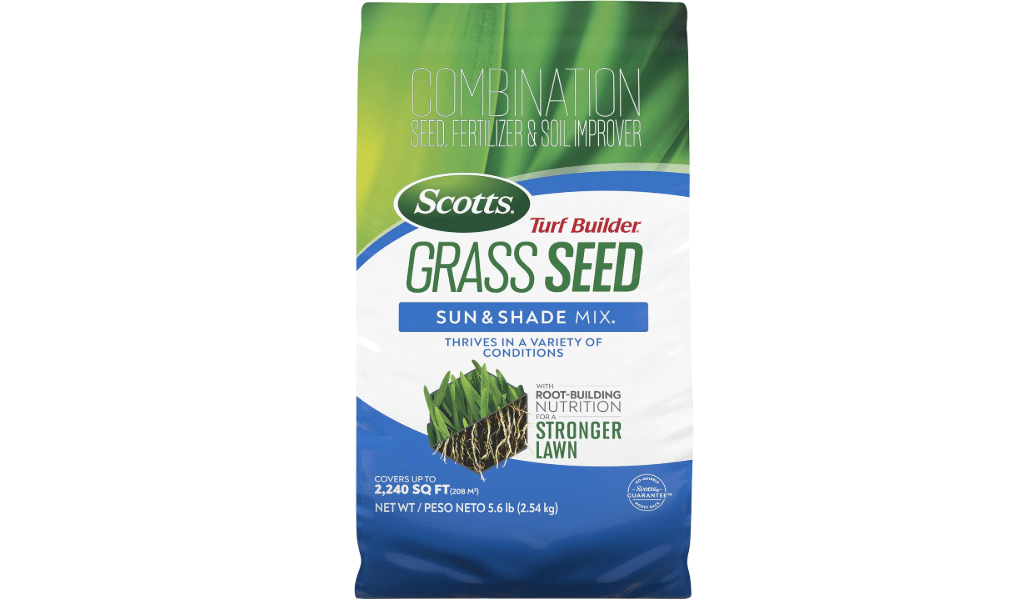
Few New England yards are uniformly sunny or completely shaded—most feature a bright front yard bordered by mature oaks, maples, or pines that cast shifting afternoon shadows. Scotts Turf Builder Sun & Shade Mix solves this transition problem by combining Kentucky bluegrass, perennial ryegrass, and three fine fescues (creeping red, chewings, and hard fescue) in a single bag. Each seed is wrapped in a 4-0-0 fertilizer and soil-improver coating, plus a protective fungicide treatment (mefenoxam) to shield tender seedlings from damping-off diseases. A 5.6-pound bag covers 745 square feet for a new lawn or 2,240 square feet for overseeding.
Price
.
Key Features & Benefits
-
5-Cultivar Adaptability: The bluegrass and ryegrass dominate in sunny stretches, while the trio of fine fescues automatically takes over in shadier corners—giving your whole yard a cohesive look.
-
Fungicide Seedling Protection: Treated with mefenoxam to prevent water-mold diseases (Pythium and Phytophthora) that frequently wipe out new seedlings during damp New England springs.
-
Built-In Root-Building Nutrition: Combines seed, starter fertilizer, and soil improver for hassle-free application.
-
High Durability: Formulated to resist wear and tear from kids, pets, and seasonal weather swings.
Pros and Cons
Pros:
-
Eliminates the need to buy separate “sun” and “shade” bags for mixed yards
-
Fungicide coating boosts seedling survival in wet, humid weather
-
Widely praised in independent overseeding tests for cool-season lawns
-
Easy to spread with exact settings for every major spreader type
Cons:
-
Moderate drought tolerance compared to tall-fescue-dominant blends
-
Contains a fungicide treatment (keep away from storm drains and waterways)
-
Lower pure-seed weight per pound due to the multi-layer coating
Amazon Customer Ratings & Reviews
One of the highest-volume grass seeds on the market, Scotts Sun & Shade Mix carries thousands of customer ratings averaging ~3.9 to 4.3 out of 5 stars across major retailers and Amazon. Reviewers love how effortlessly it fills in patchy borders along driveways and under mature trees when raked into loose soil and kept damp. Most 1-star reviews come from buyers who tossed the seed onto hard, unprepped ground without watering twice daily.
Why It’s a Good Choice for New England
New England’s signature tree-lined suburban lots create tricky microclimates within a single backyard. This five-species blend adapts naturally to every pocket of sunlight, while its anti-fungal coating protects young grass from the damp, cool mornings common in April and September.
Ideal Use Case / Who Should Buy It
Suburban New England homeowners with mixed sun-and-shade yards who want one reliable bag to overseed both the sunny front lawn and the tree-shaded backyard.
5. Jonathan Green Black Beauty Dense Shade Grass Seed — Best for Heavy Shade & Wooded Lots
Product Description
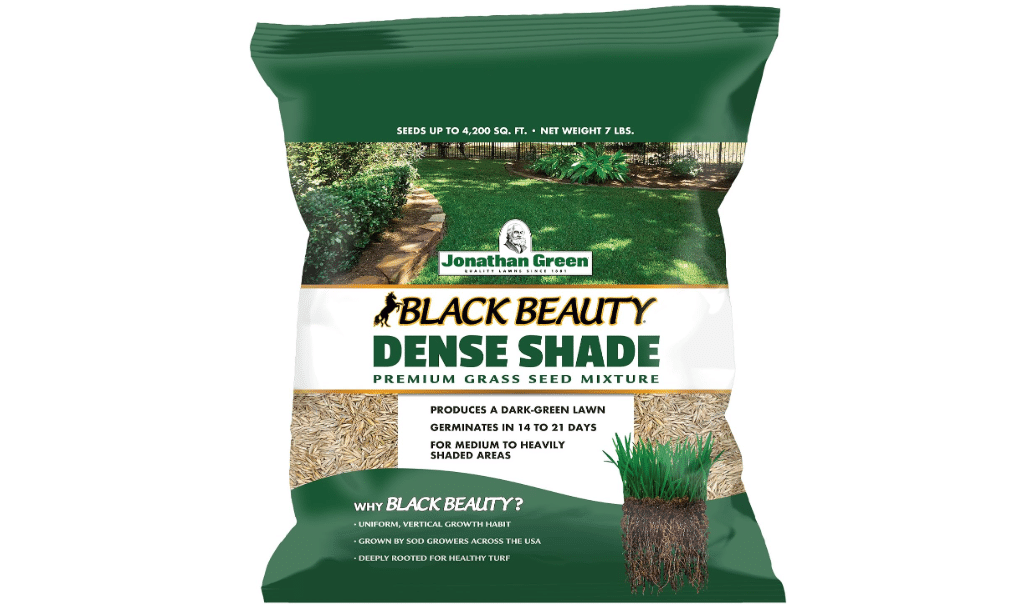
If your backyard sits beneath dense New England maples, oaks, or white pines, standard grass seed will sprout briefly and then wither away into mud and moss. Jonathan Green Black Beauty Dense Shade is a specialized, pure-seed blend formulated specifically for medium-to-heavy shade. It combines shade-tolerant turf-type tall fescues, fine fescues (creeping red, hard, and chewings), and perennial ryegrass—all enhanced with natural endophytes that deter surface-feeding lawn insects without harsh chemicals.
Price
$43.99
Key Features & Benefits
-
Thrives on Low Light: Engineered to grow dense, healthy turf in areas receiving as little as 2 to 4 hours of filtered sunlight per day.
-
Natural Endophyte Insect Resistance: Endophytes living harmlessly inside the grass blades make the turf unpalatable to chinch bugs, billbugs, and sod webworms.
-
Acidic-Soil Adaptability: Fine fescues naturally tolerate the lower soil pH commonly found beneath New England pine and oak trees.
-
Disease Resistance in Damp Shade: Resists powdery mildew and leaf spot, which routinely devastate sun-loving grasses planted in dark, damp corners.
Pros and Cons
Pros:
-
Grows reliably in wooded areas where standard mixes die out
-
Uncoated pure seed provides high coverage per pound
-
Richer, darker green appearance than most traditional shade blends
-
Naturally resists insects and shade-loving fungal diseases
Cons:
-
Like all shade grasses, it does not tolerate heavy daily foot traffic or dog zoomies in deep shade
-
Still requires at least 2 hours of dappled/filtered light (no grass grows in pitch-black shade under low evergreens)
-
Needs a separate starter fertilizer for optimal establishment
Amazon Customer Ratings & Reviews
Jonathan Green Black Beauty Dense Shade earns strong praise from wooded-lot homeowners across New England and the Mid-Atlantic, frequently scoring 4.2 to 4.4 out of 5 stars on Amazon. Buyers repeatedly share success stories of finally growing thick grass under massive oak trees and along shaded north-facing house walls where multiple big-box mixes previously failed.
Why It’s a Good Choice for New England
With some of the highest forest cover in the United States, New England residential lots are notorious for heavy tree canopies and acidic, leaf-littered soil. Black Beauty Dense Shade tackles both challenges head-on without sacrificing that lush, dark-green aesthetic.
Ideal Use Case / Who Should Buy It
Homeowners with heavily wooded properties, north-facing side yards, or bare mud patches beneath mature trees who are tired of watching standard grass seed die out every summer.
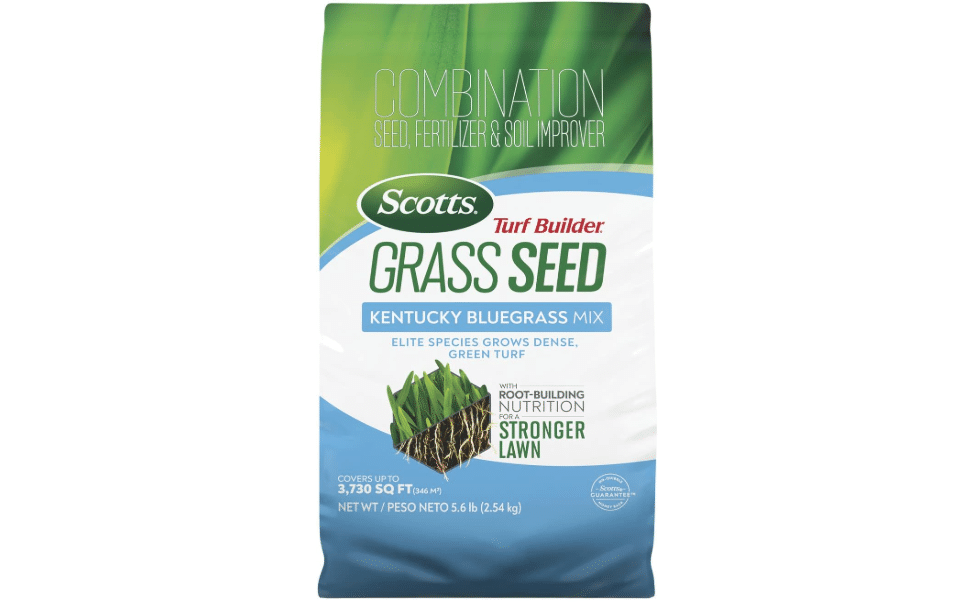
6. Scotts Turf Builder Kentucky Bluegrass Mix — Best for Full Sun & Self-Repairing Lawns
Product Description
If your dream is a thick, velvety, dark-green carpet that literally heals itself after winter snowplow gouges or dog damage, nothing beats pure Kentucky bluegrass. Scotts Turf Builder Kentucky Bluegrass Mix combines cold-hardy Kentucky bluegrass cultivars with Scotts’ Root-Building Nutrition coating to help establish deep, resilient roots. Unlike bunch-type grasses (such as tall fescue or perennial ryegrass) that leave permanent holes when damaged, Kentucky bluegrass spreads laterally via underground stems called rhizomes, knitting together into an ultra-dense turf.
Price
$61.04
Key Features & Benefits
-
Self-Repairing Rhizome Network: Naturally fills in bare spots, divots, and winter-kill patches without needing constant reseeding.
-
Unmatched Sub-Zero Cold Tolerance: Thrives in northern New England winters (even into USDA Zones 3 and 4) where less hardy grasses struggle.
-
Plush, Fine-Bladed Texture: Delivers that classic, soft-underfoot estate lawn feel with a deep blue-green hue.
-
Built-In Starter Nutrition: Coated with fertilizer and soil improver to support seedlings through their slower germination phase.
Pros and Cons
Pros:
-
Self-repairs bare spots and traffic damage automatically
-
Exceptional survival rate through brutal New England freezes
-
Luxurious, soft, fine-bladed appearance
-
Holds up well to heavy backyard foot traffic once mature
Cons:
-
Slowest germination on this list (typically 14 to 30 days)
-
Poor shade tolerance—requires 6+ hours of direct sunlight daily
-
Higher ongoing water and fertilizer demands than fescue blends
Amazon Customer Ratings & Reviews
Scotts Kentucky Bluegrass Mix consistently earns around 4.1 to 4.3 out of 5 stars on Amazon. Satisfied northern homeowners rave about its rich color, soft feel, and ability to thicken up over its second and third seasons. Most negative reviews come from impatient buyers who gave up on watering after 10 days—before Kentucky bluegrass has even finished sprouting.
Why It’s a Good Choice for New England
Kentucky bluegrass is the gold standard for cold-hardiness across New England. While it requires patience during its first month, once established, it shrugs off sub-zero January winds and snowpack better than almost any other residential turfgrass.
Ideal Use Case / Who Should Buy It
Dedicated lawn enthusiasts with wide-open, full-sun yards who are willing to water consistently during germination and maintain a regular feeding schedule in exchange for a self-healing, showcase lawn.
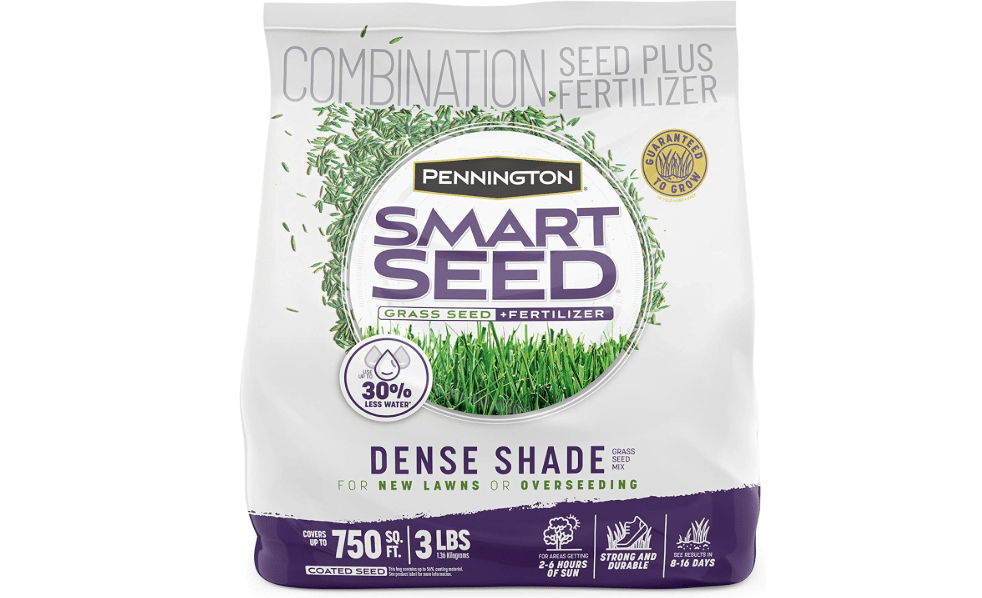
7. Pennington Smart Seed Dense Shade Grass Seed — Best Budget-Friendly Shade Option
Product Description
Reviving a large, wooded New England backyard can get expensive fast, which is why Pennington Smart Seed Dense Shade is such a standout value. This cost-effective blend pairs shade-tolerant tall fescue with fine fescues, coated in Pennington’s proprietary fertilizer-enhanced seed technology. Designed to thrive on just 2 to 6 hours of sunlight per day, it bridges the gap between moderate tree cover and deeper shady pockets—all while using less water than standard grass varieties.
Price
Key Features & Benefits
-
Dual-Fescue Shade Formula: Tall fescue provides durability and drought resistance in moderate shade, while fine fescue fills in the darker, dampest corners.
-
Built-In Starter Fertilizer: Coated seed delivers essential nutrients directly to the sprouting root zone, saving you the cost of a separate starter fertilizer.
-
Water-Saving Genetics: Requires up to 30% less water annually once established compared to ordinary grass seed.
-
Strong Disease Resistance: Bred to fend off common shade-related fungal issues like leaf spot and mildew.
Pros and Cons
Pros:
-
Very budget-friendly price per bag for large shade renovations
-
All-in-one coated formula simplifies planting
-
Solid germination speed (typically 8 to 14 days)
-
Handles damp, low-light side yards well
Cons:
-
Lighter green color than Jonathan Green’s Black Beauty line
-
Seed coating means fewer actual seeds per pound than uncoated blends
-
Not meant for heavy, daily pet or sports traffic in deep shade
Amazon Customer Ratings & Reviews
With thousands of Amazon reviews averaging ~4.1 to 4.2 out of 5 stars, Pennington Smart Seed Dense Shade is a favorite among budget-conscious homeowners. Buyers frequently note that it fills in muddy side yards and under-tree patches quickly and affordably, provided the soil is raked loose and kept moist for the first two weeks.
Why It’s a Good Choice for New England
Many New England properties have sprawling, tree-lined perimeters where buying premium uncoated seed for every square foot can strain the budget. Pennington delivers dependable shade germination and winter survival at a wallet-friendly price.
Ideal Use Case / Who Should Buy It
Budget-minded homeowners who need an affordable, ready-to-spread solution to turn shady, muddy problem zones into reliable green turf.
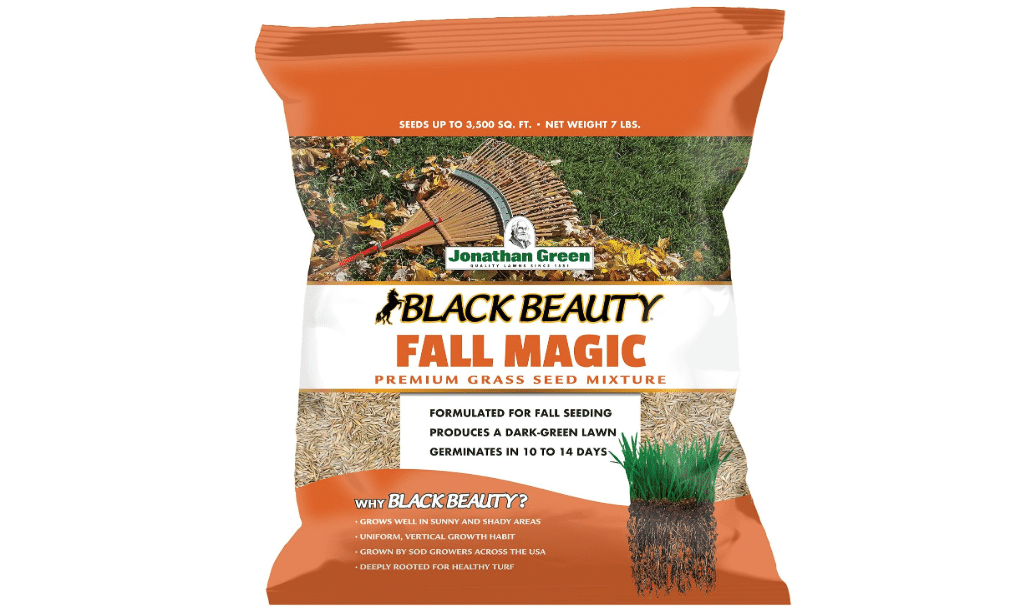
8. Jonathan Green Black Beauty Fall Magic Grass Seed — Best for Fall Overseeding
Product Description
Ask any New England turf specialist when to seed a lawn, and they will point straight to autumn. Jonathan Green Black Beauty Fall Magic is engineered specifically for this prime fall renovation window. Combining turf-type tall fescues, Kentucky bluegrass, and fast-germinating perennial ryegrass, this uncoated pure-seed mix is designed to repair summer drought stress, heat burn, and grub damage—establishing deep roots quickly before New England’s first hard freeze arrives.
Price
$44.99
Key Features & Benefits
-
Rapid Autumn Establishment: Germinates in 10 to 14 days in cooling fall soils, giving young grass enough maturity to survive winter snow and ice.
-
Complete Summer-Damage Repair: Specifically balanced to thicken thinning turf and crowd out fall-germinating weeds like chickweed and annual bluegrass.
-
Sun & Shade Versatility: Performs evenly across sunny front lawns and partially shaded backyards.
-
100% Pure Seed: Zero filler coatings, giving you maximum seed count per pound for dense overseeding coverage.
Pros and Cons
Pros:
-
Tailored specifically for New England’s #1 seeding season (late August to mid-October)
-
Produces a thick, dark-green spring green-up the following April
-
High pure-seed count with no wasted coating weight
-
Works seamlessly in both sun and partial shade
Cons:
-
Not intended for late-spring or summer planting
-
Requires a separate starter fertilizer for best fall root growth
-
Pricier per pound than standard hardware-store overseeding mixes
Amazon Customer Ratings & Reviews
Black Beauty Fall Magic regularly scores 4.3 to 4.5 out of 5 stars on Amazon, with Northeast homeowners praising it as their go-to annual fall overseeding ritual. Reviewers consistently highlight how quickly it germinates in September and how noticeably thicker and greener their lawns wake up the following spring.
Why It’s a Good Choice for New England
New England’s autumn window is short—if you plant a slow-germinating seed too late in September, an early October frost can wipe out your work. Fall Magic is tuned to germinate fast and lock in root mass before winter dormancy sets in.
Ideal Use Case / Who Should Buy It
Homeowners performing annual fall core aeration and overseeding to repair summer wear and thicken their lawn before winter.
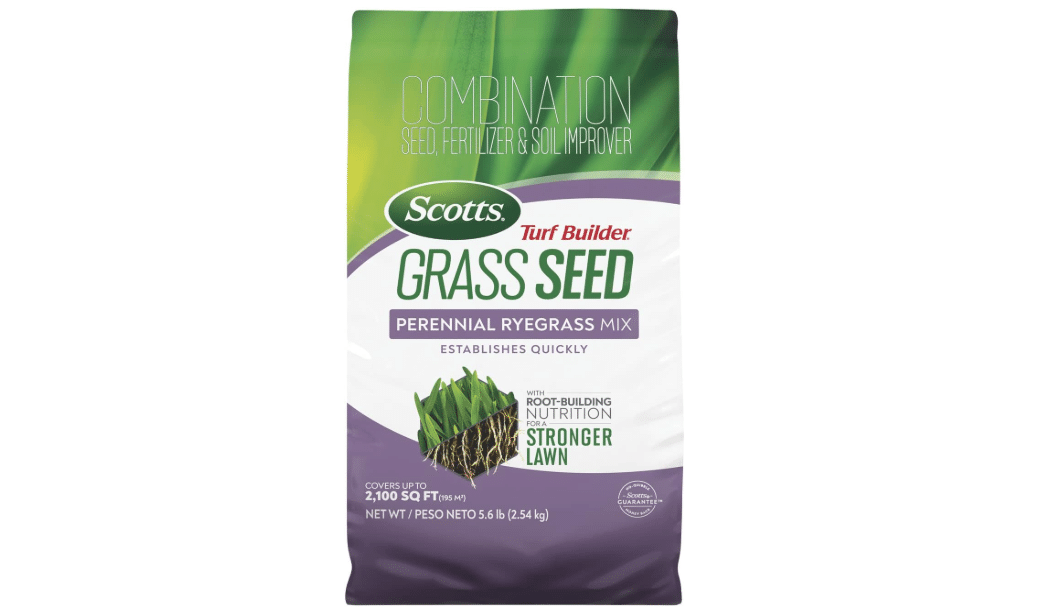
9. Scotts Turf Builder Perennial Ryegrass Mix — Best for Fast Germination & High Traffic
Product Description
When you need grass fast—whether you are stabilizing a sloped yard before heavy autumn rains, patching up dog-worn mud trails, or getting a yard ready for an upcoming backyard gathering—Scotts Turf Builder Perennial Ryegrass Mix is the fastest sprinter in the cool-season lineup. Coated with Scotts’ Root-Building Nutrition, this fine-bladed, dark-green perennial ryegrass sprouts in as little as 8 days and builds a tough, wear-tolerant turf built to handle heavy foot traffic.
Price
Key Features & Benefits
-
Ultra-Fast Germination: Visible sprouts often appear in 7 to 10 days, quickly locking down loose topsoil and preventing washouts on slopes.
-
High Wear & Traffic Tolerance: Tough, flexible blades bounce back quickly from active dogs, playsets, and backyard sports.
-
Fine-Bladed, Dark-Green Finish: Stripes cleanly under a mower and blends nicely with Kentucky bluegrass lawns.
-
Built-In Starter Fertilizer: Pre-coated seed ensures rapid early growth without needing an extra trip to the garden center.
Pros and Cons
Pros:
-
Fastest visible results of any grass seed on this list
-
Excellent for erosion control on slopes and quick bare-spot repairs
-
Stands up well to kids, pets, and heavy backyard traffic
-
Easy to spread with clear coverage instructions
Cons:
-
Bunch-type grass—does not spread or self-repair like Kentucky bluegrass
-
Lower summer drought and extreme winter ice-sheet tolerance than tall fescue or bluegrass
-
May thin out after 2 to 3 years and require periodic overseeding
Amazon Customer Ratings & Reviews
Scotts Perennial Ryegrass Mix maintains strong ratings of 4.2 to 4.4 out of 5 stars on Amazon. Buyers love the near-instant gratification of seeing bright green shoots within a single week, especially when patching mud spots left by pets or construction.
Why It’s a Good Choice for New England
New England’s spring and fall growing windows can be unpredictable. Perennial ryegrass gives you the speed to squeeze in a successful repair during a narrow 3-week stretch of mild weather before summer heat or winter frost arrives.
Ideal Use Case / Who Should Buy It
Families with active dogs, kids, or urgent bare spots who need fast, durable coverage—or homeowners stabilizing a sloped yard against erosion.
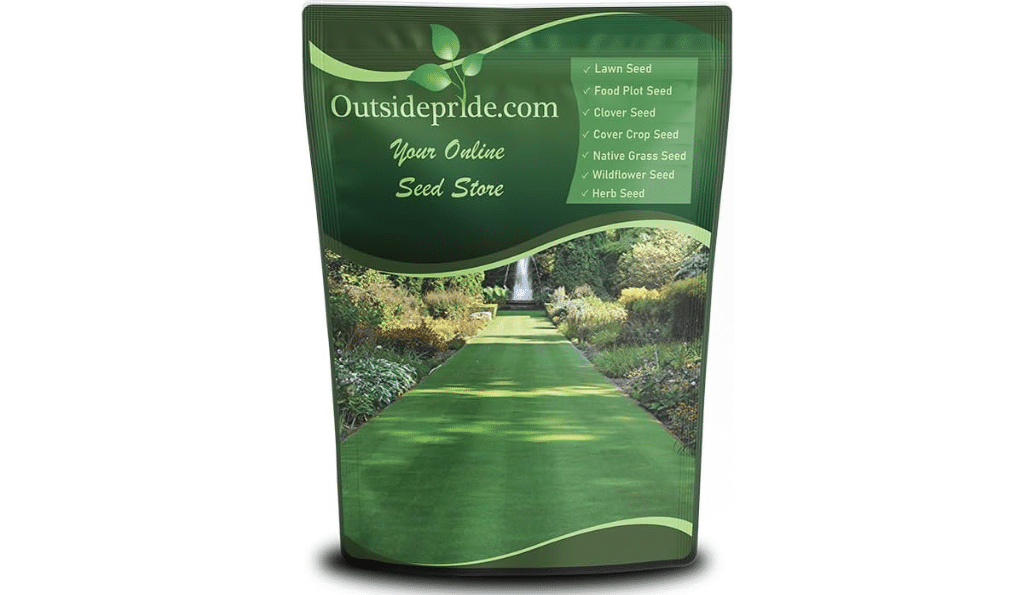
10. Outsidepride Legacy Fine Fescue Grass Seed Blend — Best for Low Maintenance & Poor Soil
Product Description
Not every New England homeowner wants to spend their weekends fertilizing, irrigating, and mowing twice a week. Outsidepride Legacy Fine Fescue Blend is a premium, uncoated mix of creeping red fescue, chewings fescue, and hard fescue—enhanced with natural endophytes for insect resistance. Designed for low-input living, it thrives in sandy, rocky, acidic, and low-fertility soils where high-maintenance grasses like Kentucky bluegrass quickly fail.
Price
$69.99
Key Features & Benefits
-
Thrives in Poor, Acidic, or Sandy Soil: Ideal for Cape Cod’s sandy yards, Maine’s rocky terrain, and rural New England lots with minimal topsoil.
-
Ultra-Low Maintenance: Requires significantly less water, fertilizer, and mowing than almost any other cool-season grass.
-
Soft, Fine-Textured Carpet: Creates a graceful, meadow-like look that feels soft underfoot and tolerates both sun and heavy shade.
-
100% Uncoated Pure Seed: Delivers a massive seed count per pound for maximum coverage and value.
Pros and Cons
Pros:
-
Thrives in sandy, rocky, acidic, and un-irrigated soils
-
Minimal watering, fertilizing, and mowing required
-
Excellent shade tolerance and natural endophyte insect resistance
-
High pure-seed count per pound
Cons:
-
Poor tolerance for heavy daily foot traffic or rough pet play
-
Can mat down or look shaggy if left unmowed in humid summer weather
-
Slower to recover from severe physical damage
Amazon Customer Ratings & Reviews
Outsidepride Legacy Fine Fescue holds strong ratings of 4.3 to 4.5 out of 5 stars on Amazon, earning loyal fans across coastal Massachusetts, rural Vermont, and wooded New Hampshire properties. Reviewers consistently praise its soft texture, reliable 10-to-14-day germination, and ability to grow effortlessly on dry slopes and poor soil.
Why It’s a Good Choice for New England
From coastal salt-air sand to rocky mountain slopes, New England has plenty of challenging terrain where traditional “manicured” lawns are impractical. Fine fescue is naturally adapted to these exact conditions and requires almost zero babying.
Ideal Use Case / Who Should Buy It
Homeowners with coastal sandy soil, rocky rural lots, steep slopes, or low-maintenance preferences who want a soft, natural-looking lawn without heavy watering or chemical inputs.
New England Grass Seed Buying Guide: How to Choose the Right Blend
Choosing the right bag comes down to matching your grass species to your yard’s specific microclimate. Here is everything you need to know before clicking “Add to Cart.”
Understanding the 4 Best Cool-Season Grasses for New England
In New England, a blend almost always outperforms a single grass species because each variety covers the others’ weaknesses.
Matching Seed to Your Yard’s Sunlight
-
Full Sun (6+ hours of direct sun): Go with Kentucky Bluegrass, Jonathan Green Black Beauty Ultra, or Scotts Northeast Mix.
-
Partial Shade (4–6 hours of sun): Choose Scotts Sun & Shade Mix or Pennington Smart Seed Northeast Mix.
-
Dense Shade (2–4 hours of filtered sun): Stick strictly to Jonathan Green Black Beauty Dense Shade, Pennington Dense Shade, or Outsidepride Legacy Fine Fescue.
Tackling New England’s Acidic & Rocky Soil
New England’s heavy rainfall and dense oak/pine forests naturally push soil pH into the acidic range (often 5.0–5.8). Most cool-season grasses prefer a pH between 6.2 and 7.0. If your soil is too acidic, grass roots cannot absorb fertilizer effectively, and moss takes over. Before seeding, run a quick $15 soil test; if your pH is below 6.0, apply a fast-acting calcitic lime (like Jonathan Green Mag-I-Cal) to unlock your soil’s fertility.
Coated vs. Uncoated Seed
-
Coated Seed (Scotts, Pennington): Wrapped in starter fertilizer and moisture-retaining materials. Easier for beginners because it holds moisture longer and feeds seedlings automatically—but up to 50% of the bag’s weight is coating, meaning fewer actual seeds per pound.
-
Uncoated Pure Seed (Jonathan Green, Outsidepride): 100% pure seed with maximum coverage per pound. You will need to buy and apply a separate starter fertilizer, and you must be diligent about keeping the soil damp.
How to Read a Seed Tag
Flip the bag over and check the white analysis label before planting. Look for:
-
0.00% Weed Seed (never buy bags with high weed or “other crop” percentages).
-
High Germination Rate (80%–90%+).
-
Recent Test Date (ideally tested within the last 9 to 12 months, as older seed loses viability).
When & How to Plant Grass Seed in New England (Seasonal Playbook)
Timing is half the battle in the Northeast. Plant too early in spring and frost kills your sprouts; plant too late in summer and heat scorches them.
Best Time to Seed in New England
-
Prime Window (Fall — Mid-August to Mid-October): This is hands-down the best time to seed in New England. Soil temperatures are still warm (50°F–65°F) for fast germination, air temperatures are cooling down, autumn rains help keep soil moist, and summer weeds like crabgrass are dying off. Aim to finish seeding at least 45 days before your area’s average first hard freeze.
-
Secondary Window (Spring — Mid-April to Late May): Wait until soil temperatures consistently reach 50°F–55°F. Important note: Do not apply a standard spring crabgrass preventer (pre-emergent) when seeding—it will prevent your new grass seed from germinating too. (If you need weed control while spring seeding, use a mesotrione-based starter fertilizer like Scotts Turf Builder Starter Food for New Grass with Weed Preventer.)
5-Step New England Planting Checklist
-
Prep the Ground: Mow your existing lawn short (around 1.5–2 inches), rake out dead thatch and leaves, and core aerate if your soil is compacted.
-
Balance Soil pH: If your soil test shows acidic soil (below 6.0 pH), spread lime before or during seeding.
-
Spread Seed Evenly: Use a rotary or drop spreader set to the exact rate on the bag (separate settings apply for new lawns vs. overseeding). Make two perpendicular passes (north-south, then east-west) to avoid stripes.
-
Ensure Seed-to-Soil Contact: Lightly rake the seed into the top 1/4 inch of soil—never bury it deeper than 1/2 inch. Apply a starter fertilizer if using uncoated seed.
-
Water Consistently: Keep the top inch of soil damp (not flooded) by watering lightly 2 times per day until seedlings reach 2 to 3 inches tall. Once established, transition to deeper, less frequent watering (about 1 inch per week) to encourage deep root growth.
Frequently Asked Questions (FAQs)
What is the best single grass type for New England?
While Kentucky Bluegrass is the most cold-hardy single species, no single grass type is ideal for every part of a New England yard. A cool-season blend (combining Tall Fescue, Kentucky Bluegrass, Fine Fescue, and Perennial Ryegrass) is almost always the smarter choice because it adapts to shifting sun, shade, drought, and winter freeze-thaw cycles.
Can I plant grass seed in New England in October or November?
In southern New England (Connecticut, Rhode Island, coastal Massachusetts), you can still seed in early October if you use a fast-germinating mix like Jonathan Green Black Beauty Fall Magic or Perennial Ryegrass. By late October or November, soil temperatures are too cold for germination. However, you can practice dormant seeding in late November (right before the ground freezes solid)—the seed sits dormant under the snow all winter and sprouts automatically during the spring thaw.
Which grass seed handles road salt best in New England?
Along driveways, sidewalks, and curb strips hit by winter snowplows and road salt, Fine Fescue (like Outsidepride Legacy) and Perennial Ryegrass blends show the highest salt tolerance. Flushing those edges heavily with fresh water in early April and applying gypsum also helps leach winter salt out of the soil.
How long does New England grass seed take to germinate?
It depends on the species in your bag:
-
Perennial Ryegrass: 7–10 days
-
Tall & Fine Fescue: 10–14 days
-
Kentucky Bluegrass: 14–30 days
Do I need topsoil or starter fertilizer when overseeding?
You don’t need a thick layer of topsoil when overseeding, though topdressing bare spots with a thin 1/4-inch layer of screened compost or topsoil dramatically improves germination. A starter fertilizer (high in phosphorus) is strongly recommended for uncoated seeds like Jonathan Green or Outsidepride, while coated seeds like Scotts and Pennington already include it.
Final Verdict: Which Grass Seed Should You Buy?
Choosing from the best 10 grass seed for New England comes down to matching your yard’s sunlight, soil, and maintenance style:
-
Want the best overall, dark-green lawn? Go with Jonathan Green Black Beauty Ultra for unbeatable color, deep roots, and pure-seed quality.
-
Want an easy, foolproof regional mix? Grab Scotts Turf Builder Northeast Mix for all-in-one coated convenience tailored to Zone 4–6 winters.
-
Dealing with heavy shade and wooded lots? Choose Jonathan Green Black Beauty Dense Shade (or Pennington Smart Seed Dense Shade on a tighter budget).
-
Want to save water and money? Pick Pennington Smart Seed Northeast Mix for 30% lower water usage once established.
-
Have sandy, rocky, or low-maintenance terrain? Plant Outsidepride Legacy Fine Fescue and enjoy a soft, natural lawn with minimal upkeep.
Before New England’s next prime seeding window opens, take five minutes to map out your yard’s sun exposure, run a quick soil pH test, and order the right bag for your lot. With the right cool-season blend in the ground, your lawn will finally be built to survive winter—and look its best all summer long.