Landscaping in the Peace Garden State is an unforgiving battle against nature. Between bitter sub-zero winters, a fleeting growing season, and unpredictable summer heat waves, standard off-the-shelf turf simply will not survive. There is nothing more frustrating than spending time and money seeding your yard, only to watch it wither into a patchy, dead mess by December. If you want to stop wasting resources and discover the best 10 grass seed for north dakota, you have to rethink exactly what you are throwing on the dirt.
The secret to a thick, resilient green lawn isn’t endless watering or expensive fertilizers—it is strictly matching cold-hardy, cool-season grass cultivars to the brutal realities of USDA Zones 3 and 4. Surviving the Northern Plains requires specific genetic traits found in premium Kentucky Bluegrass, advanced Fescues, and rugged native varieties that can handle the deep freeze and bounce back vigorously every spring.
To save you the headache of trial and error, we did the heavy lifting. We cross-referenced official NDSU Extension recommendations, analyzed current Google data, and parsed thousands of verified Amazon reviews to rank the most reliable options on the market. Whether you are dealing with dense shade, heavy dog traffic, or parched clay soil, this guide will help you confidently choose the exact product you need to stop patching dead spots and start growing a lawn engineered for the north.
II. Buying Guide: How to Make an Informed Decision for Your ND Lawn
Growing grass in North Dakota means playing by a strict set of climate rules. The state falls primarily within USDA Hardiness Zones 3a to 4b, meaning winter temperatures regularly plunge well below -20°F. If your seed does not have extreme winter hardiness genetically built in, your lawn will suffer massive “winter kill,” leaving you starting over every May.
To make an informed buying decision, you need to match your property’s specific conditions with the right grass species.
-
Kentucky Bluegrass (KBG): The undisputed king of North Dakota lawns. It is incredibly cold-hardy, spreads via underground rhizomes to naturally repair bare spots, and produces a rich, dark green color. It does, however, require full sun and regular watering.
-
Perennial Ryegrass: Known for lightning-fast germination (5 to 7 days). It is excellent for quickly patching bare spots or high-traffic areas, though it is slightly less winter-hardy than KBG.
-
Fine Fescues (Creeping Red, Chewings, Hard): The ultimate solution for shaded yards. Fine fescues require very little fertilizer and thrive under the dense canopies of mature trees where other grasses thin out.
-
Tall Fescue: Features a deep root system (often reaching 3 to 4 feet underground) that makes it incredibly resilient during dry, hot North Dakota summers.
-
Buffalograss: A warm-season grass native to the Great Plains. It is highly drought-tolerant and requires virtually no mowing, making it perfect for low-maintenance or rural properties, though it greens up later in the spring and goes dormant earlier in the fall.
Before clicking “buy,” assess three key factors: your yard’s sun exposure (does it get 6+ hours of direct sun?), your soil composition (heavy Red River Valley clay vs. sandy western soil), and your foot traffic levels.
III. The Top 10 Grass Seeds for North Dakota
1. Best Overall: Scotts Turf Builder Grass Seed Kentucky Bluegrass Mix
For standard, full-sun North Dakota lawns, Kentucky Bluegrass is the gold standard. Scotts Turf Builder has taken this elite species and coated it with their proprietary Root-Building Nutrition and WaterSmart PLUS technology. This coating absorbs twice as much water as uncoated seed, protecting the seedling during the critical germination phase.

-
Price: $35.05
-
Key Features & Benefits: Spreads aggressively via rhizomes to naturally fill in bare spots and choke out weeds; elite winter hardiness; built-in disease protection.
-
Pros: Creates a lush, dense, barefoot-soft carpet; repairs itself automatically; survives extreme sub-zero winters.
-
Cons: Slower germination time (up to 14–30 days); requires moderate maintenance and consistent fertilizing to look its best.
-
Amazon Ratings & Reviews: ~4.4/5 stars. Users praise its beautiful, rich dark green color but advise new buyers to remain patient during the long germination window.
-
Why It’s a Good Choice for ND: NDSU Extension experts recommend Kentucky Bluegrass as the top foundational grass for the state. Its unparalleled cold tolerance means it thrives in Fargo, Bismarck, and everywhere in between.
-
Ideal Use Case: Homeowners looking for a premium, traditional lawn in full sun that will reliably return year after year.
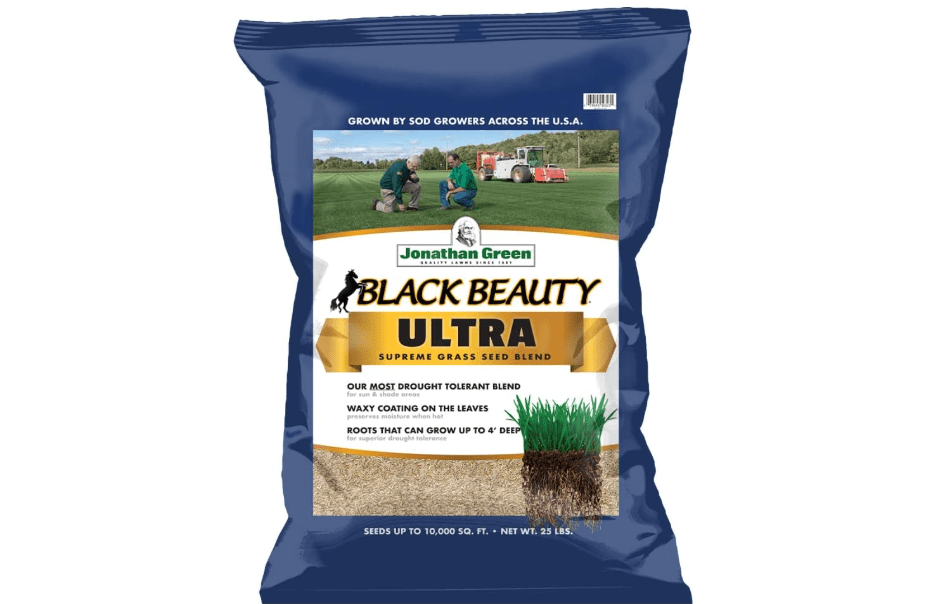
2. Best Premium Blend: Jonathan Green (11970) Black Beauty Ultra Grass Seed
If you want a lawn that looks like a professional golf course, Jonathan Green’s Black Beauty Ultra is a massive upgrade over big-box standard seeds. This sod-quality blend combines Tall Fescue, Kentucky Bluegrass, and Perennial Ryegrass. It features an invisible waxy leaf coating—similar to the skin on an apple—that locks in moisture and prevents disease.
-
Price: $106.17
-
Key Features & Benefits: Roots grow up to 4 feet deep for exceptional drought tolerance; contains naturally insect-resistant grass cultivars; highly uniform texture.
-
Pros: Fast initial germination from the ryegrass; stunning, vibrant dark green color; highly resilient against summer heat waves.
-
Cons: Pricier than standard commercial blends.
-
Amazon Ratings & Reviews: ~4.5/5 stars. Buyers frequently mention this seed saved their lawns after cheaper brands burned out or failed to take root.
-
Why It’s a Good Choice for ND: The extraordinarily deep root system ensures the grass survives North Dakota’s dry summer heat waves, while the Bluegrass and Ryegrass handle the deep winter freezes.
-
Ideal Use Case: Lawns with a mix of sun and shade needing a highly durable, elite-tier turf that stands out in the neighborhood.
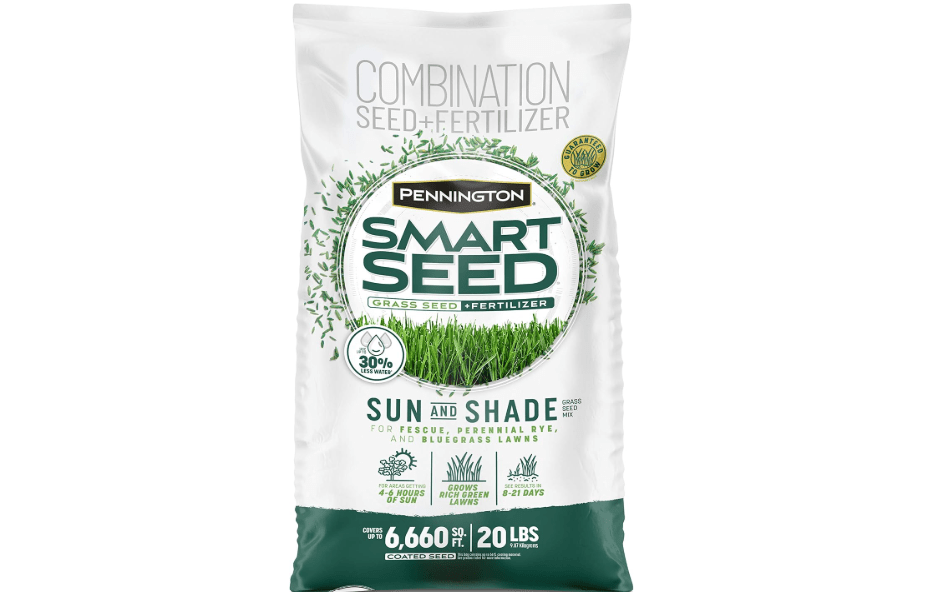
3. Best for Water Conservation: Pennington Smart Seed Sun & Shade Mix
Water conservation is becoming increasingly important during dry prairie summers. Pennington’s Smart Seed line is genetically bred and fertilizer-enhanced to require up to 30% less water year-over-year once fully established compared to ordinary grass seed.
-
Price: $57.21
-
Key Features & Benefits: Features Penkoted seed technology to protect against deadly fungus; a diverse, cool-season mix that adapts to varying light; guaranteed to grow under correct conditions.
-
Pros: Highly water-efficient; establishes quickly; excellent for yards with transitional or uneven lighting.
-
Cons: May require light overseeding every few years to maintain its peak density.
-
Amazon Ratings & Reviews: ~4.3/5 stars. Customers love how well it patches stubborn dead spots under trees and along shaded fencelines.
-
Why It’s a Good Choice for ND: Perfect for North Dakota properties that experience fluctuating autumn moisture levels and varying tree shade throughout the day.
-
Ideal Use Case: Eco-conscious homeowners looking to lower their water bill, or those with mature trees causing uneven sunlight across their yard.
4. Best for High Traffic & Pets: Barenbrug Turf Saver RTF (Rhizomatous Tall Fescue)
Standard Tall Fescue grows in bunches and cannot repair itself if torn up by dogs or cleats. Barenbrug solved this by developing RTF (Rhizomatous Tall Fescue)—an advanced grass that produces underground stems to spread and self-repair, just like Kentucky Bluegrass, while maintaining the deep roots of a fescue.

-
Price:
-
Key Features & Benefits: Self-repairing rhizome network; incredibly deep root system; elite traffic tolerance; superior winter hardiness.
-
Pros: Incredible drought tolerance; actively fills in pet damage and bare spots automatically.
-
Cons: Requires a larger upfront financial investment.
-
Amazon Ratings & Reviews: ~4.4/5 stars. Buyers rave about its thick, weed-choking density and ruggedness against large, active dogs.
-
Why It’s a Good Choice for ND: It seamlessly merges the winter cold-hardiness and self-repairing nature of KBG with the drought-busting durability of Tall Fescue.
-
Ideal Use Case: Active families with dogs or kids who need a lawn that can take a heavy beating and physically fix itself.
5. Best for Shaded Yards: Scotts Turf Builder Grass Seed Dense Shade Mix
Trying to grow sun-loving Bluegrass under a giant oak tree is a losing battle. Scotts Dense Shade Mix is a specialty blend composed primarily of shade-loving fine fescues specifically designed to thrive with minimal sunlight.

-
Price: $24.47
-
Key Features & Benefits: Can grow in as little as 3 hours of dappled sunlight per day; fine, elegant blade texture; coated for early disease resistance.
-
Pros: Survives under dense, mature tree canopies; low maintenance with reduced mowing requirements.
-
Cons: Fine fescue does not handle heavy foot traffic or aggressive play well.
-
Amazon Ratings & Reviews: ~4.2/5 stars. Reviewers note it is an absolute lifesaver for the north-facing sides of houses where nothing else will grow.
-
Why It’s a Good Choice for ND: Fine fescues are inherently cold-hardy, making them the perfect solution for shaded North Dakota properties where standard mixes simply thin out and die.
-
Ideal Use Case: Highly shaded lawns, areas under large evergreen trees, or low-traffic ornamental borders.
6. Best Native/Low-Maintenance: Outsidepride Legacy Buffalo Grass Seed
For those who want to work with nature rather than against it, Buffalograss is the ultimate prairie native. It is a warm-season grass that is exceptionally cold-tolerant and requires virtually zero watering or mowing once its deep roots are fully established.

-
Price: $89.99
-
Key Features & Benefits: Native to the Great Plains ecosystem; massive root system; low maximum growing height (often naturally capping at 4-6 inches).
-
Pros: The ultimate low-maintenance, eco-friendly grass; highly drought tolerant.
-
Cons: Because it is a warm-season grass, it goes dormant and turns brown early in the fall, and greens up much later in the spring than cool-season grasses.
-
Amazon Ratings & Reviews: ~4.0/5 stars. Users love the natural, wispy prairie look and the freedom from weekend mowing chores.
-
Why It’s a Good Choice for ND: Since it evolved directly on the region’s prairies, it handles North Dakota’s climate extremes completely naturally without synthetic fertilizers.
-
Ideal Use Case: Rural properties, cabin owners, large acreage, or anyone wanting a rugged, water-saving lawn.
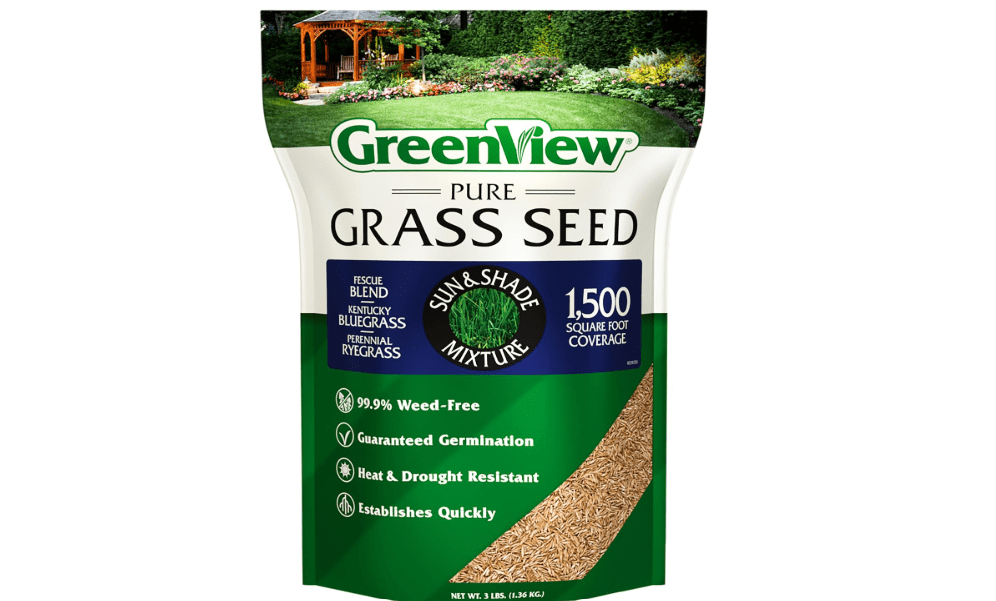
7. Best Weed-Free Purity: GreenView Fairway Formula Sun & Shade Grass Seed
If you are meticulously building a perfect lawn, introducing cheap seed filled with weed fillers is a disaster. GreenView Fairway Formula is a top-tier, professional-grade blend of Kentucky Bluegrass, Perennial Ryegrass, and Fine Fescues that is guaranteed 99.9% weed-free.
-
Price: $21.53
-
Key Features & Benefits: Uncoated seed (meaning you get more actual grass seeds per pound of weight); fast, reliable establishment; professional golf-course quality.
-
Pros: Pure seed without heavy clay or water coatings; yields a beautiful, rich lawn.
-
Cons: Uncoated seed requires strict, diligent watering schedules during the germination phase to prevent drying out.
-
Amazon Ratings & Reviews: ~4.5/5 stars. Highly praised by lawn enthusiasts and landscapers for its purity and rapid, uniform growth.
-
Why It’s a Good Choice for ND: The high percentage of elite cool-season grasses ensures it survives the deep freeze of ND winters without importing invasive weeds into your soil.
-
Ideal Use Case: Lawn perfectionists aiming for a pristine, heavily managed yard without any weed contamination.
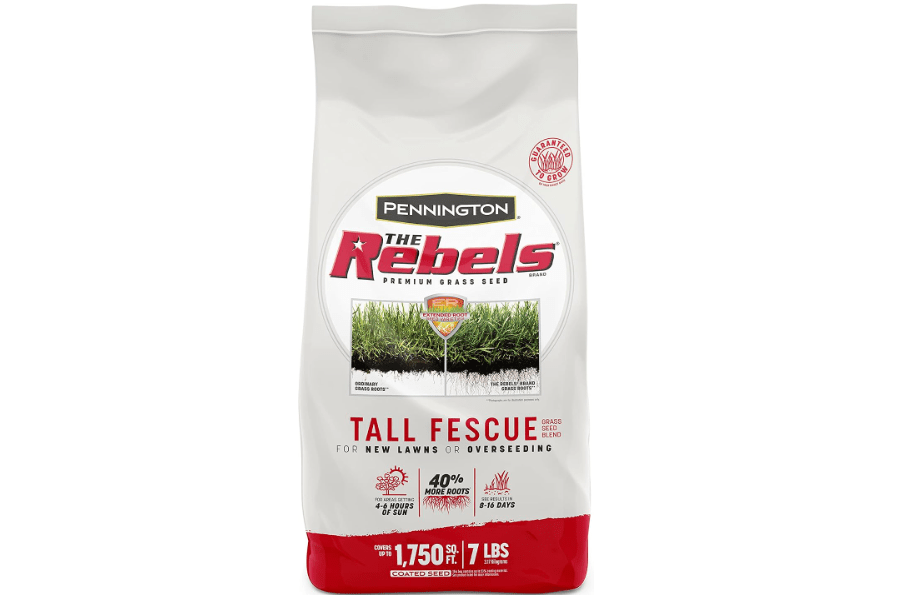
8. Best for Poor Soil: Pennington The Rebels Tall Fescue Grass Seed Blend
Not everyone has rich, loamy topsoil. If your yard suffers from hard, compacted clay or sandy, nutrient-poor dirt, The Rebels Tall Fescue is bred to survive it. It produces a tough, dark green lawn with resilient roots that force their way through less-than-ideal soil profiles.
-
Price: $25.48
-
Key Features & Benefits: Extended, aggressive root system; exceptionally high heat, drought, and disease resistance; thick growth habit.
-
Pros: Highly durable against foot traffic and sports; maintains a dark rich color even during severe droughts.
-
Cons: Grows in vertical bunches rather than spreading laterally, so damaged spots may eventually require manual reseeding.
-
Amazon Ratings & Reviews: ~4.4/5 stars. Loved for its sheer ruggedness and ability to stay green during long, dry spells where other grasses turn brown.
-
Why It’s a Good Choice for ND: An excellent alternative to Bluegrass for North Dakota yards with tough clay or properties lacking automated irrigation systems.
-
Ideal Use Case: Homeowners dealing with dry, tough soil conditions and high foot traffic who want a lawn that fights back.
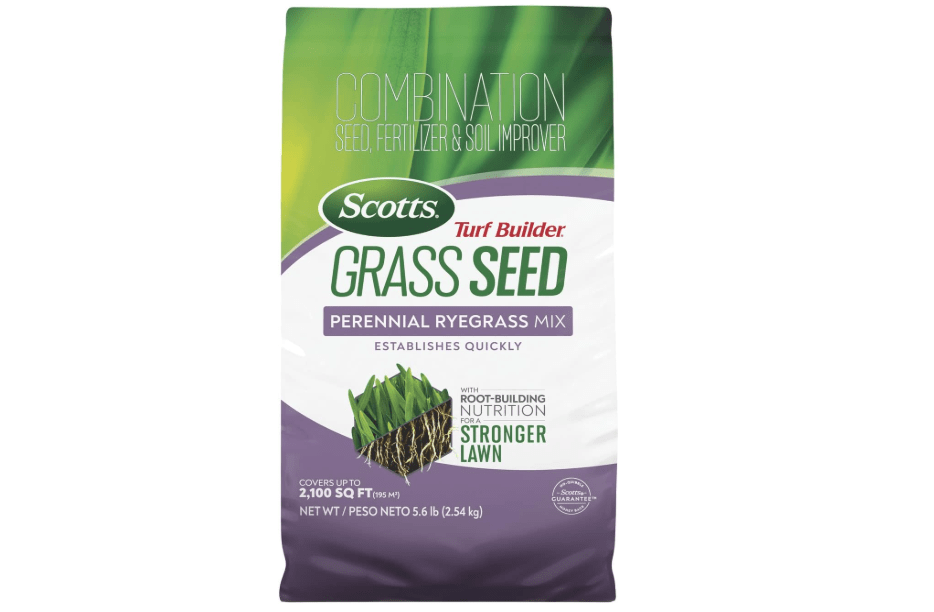
9. Best for Quick Patching: Scotts Turf Builder Perennial Ryegrass Mix
When you need grass fast—whether to stop soil erosion on a hill or to patch a dead spot before hosting a summer barbecue—Perennial Ryegrass is the answer. This cool-season seed is designed for lightning-fast bare-spot cover.
-
Price:
-
Key Features & Benefits: Germinates in just 5 to 7 days under ideal conditions; fine-bladed texture blends well with other grasses; includes WaterSmart PLUS coating.
-
Pros: Rapid, instant-gratification growth; stops soil erosion quickly; great for temporary cover or high-traffic tear-outs.
-
Cons: Not quite as winter-hardy as Kentucky Bluegrass; may thin out slightly after a particularly brutal North Dakota winter.
-
Amazon Ratings & Reviews: ~4.3/5 stars. Users heavily praise the fast germination and effective bare-spot repair.
-
Why It’s a Good Choice for ND: Perfect for stabilizing soil in the short window of late fall or for rapid spring repairs before the brief summer heat hits the plains.
-
Ideal Use Case: Impatient gardeners needing quick bare-spot repair, or those seeding on a slope that needs immediate root stabilization.
10. Best for Autumn Overseeding: Jonathan Green (10321) Black Beauty Fall Magic
Timing is everything. This specific blend is formulated strictly for late-season planting. It is engineered to repair summer drought damage and establish deep roots quickly in cooling autumn soils before the winter frost sets in.

-
Price: $107.60
-
Key Features & Benefits: Optimized for fall soil temperatures; repairs stress and drought damage; thickens existing lawns rapidly before dormancy.
-
Pros: Maximizes fall seeding success rates; contains premium cool-season cultivars tailored for declining sunlight.
-
Cons: A highly niche product that is best utilized strictly in the brief late-summer to early-fall window.
-
Amazon Ratings & Reviews: ~4.6/5 stars. Buyers report incredible, uniform germination rates when overseeding in early September.
-
Why It’s a Good Choice for ND: The absolute best window to plant seed in North Dakota is mid-August to early September. This seed is scientifically formulated to thrive in exactly those cooling conditions.
-
Ideal Use Case: Homeowners executing late-season lawn renovations or overseeding just before the hard freeze arrives.
IV. Quick Comparison Summary Table
| Product Name | Primary Grass Type | Best For |
| Scotts Turf Builder Kentucky Bluegrass | Kentucky Bluegrass | Best Overall / Full Sun |
| Jonathan Green Black Beauty Ultra | Tall Fescue, KBG, Ryegrass | Best Premium Blend |
| Pennington Smart Seed Sun & Shade | Mixed Cool-Season | Water Conservation |
| Barenbrug Turf Saver RTF | Rhizomatous Tall Fescue | High Traffic & Pets |
| Scotts Turf Builder Dense Shade | Fine Fescues | Highly Shaded Yards |
| Outsidepride Legacy Buffalo Grass | Buffalograss | Native / Low-Maintenance |
| GreenView Fairway Formula | KBG, Ryegrass, Fine Fescue | Weed-Free Purity |
| Pennington The Rebels Tall Fescue | Turf-Type Tall Fescue | Poor Soil & Clay |
| Scotts Turf Builder Perennial Ryegrass | Perennial Ryegrass | Quick Patching |
| Jonathan Green Black Beauty Fall Magic | Mixed Premium Cool-Season | Autumn Overseeding |
V. Expert Tips for Seeding Your North Dakota Lawn
Buying the right seed is only half the battle; proper execution dictates whether it actually survives.
-
The Golden Window: The optimal time to seed a lawn in North Dakota is late summer to early fall (August 15 – September 10). The soil is still warm enough for rapid germination, but the cooler air temperatures and increasing moisture prevent the delicate seedlings from scorching. Alternatively, “dormant seeding” in late November allows the seed to lay dormant under the snow and germinate naturally with the spring thaw.
-
Soil Preparation: Never throw seed directly onto hard, compacted dirt. Dethatch the yard to remove dead organic matter and aerate if the soil is severely compacted. Because prairie soils can be nutrient-depleted, always apply a high-quality starter fertilizer at the time of seeding to give the new roots the phosphorus they need to anchor deeply.
-
The Watering Routine: A dried-out seed is a dead seed. During the first two to three weeks, the seedbed must be kept consistently moist (but not flooded). This usually requires light watering 2 to 3 times per day during dry North Dakota autumns. Once the grass reaches two inches tall, transition to deep, infrequent watering to encourage the roots to drive downward.
Choosing the Right Seed for Your Lawn
Achieving a dense, green lawn in a challenging climate comes down to selecting genetics that can fight back against the elements. If you have a standard, sunny yard and want a classic, self-repairing turf, Scotts Turf Builder Kentucky Bluegrass remains the most reliable foundational choice. For those dealing with heavy dog traffic or drought conditions, stepping up to an advanced technology like the Barenbrug Turf Saver RTF will pay dividends by actively repairing itself without constant watering. Assess your yard’s sunlight levels, check current prices, and make sure to get your seed in the ground before the region’s notoriously short planting window slams shut.