
Picture a classic, idyllic New England lawn: lush, vibrant green, and perfectly framing a charming home. Now, contrast that dream with the harsh reality of maintaining a yard in the Green Mountain State. Between unpredictable late-spring frosts, naturally acidic clay and loam soils, and brutally cold, snow-heavy winters, keeping your grass alive can feel like an endless battle. If you are tired of wasting time and money on generic options, you are in the right place. Choosing from the best 10 grass seed for vermont is the ultimate secret to transforming that seasonal struggle into a resilient, barefoot-ready yard.
Have you ever spent a grueling weekend spreading standard commercial grass seed, only to watch it struggle in the heavy shade of mature pine trees or completely die off during the first harsh winter freeze? You are not alone. Generic blends and low-quality seed mixes simply aren’t built to survive the extremes of USDA Zone 3 to 5 climates.
The solution lies in choosing the right high-quality, cool-season grass seed. To save you the guesswork, this guide deeply analyzes the top-performing products on Amazon. We have carefully evaluated these blends based on their proven germination rates, extreme cold hardiness, and real customer reviews to guarantee a thriving Vermont lawn. Whether you are patching bare spots, fighting shade, or starting completely from scratch, read on to make an informed buying decision and build a lawn that survives everything Mother Nature throws at it.
II. Buying Guide: Making an Informed Decision for Vermont Lawns
Before diving into the product reviews, it is critical to understand what makes a grass seed right for Vermont. Vermont falls into USDA Hardiness Zones 3b through 5b. This means that warm-season grasses (like Bermuda, Centipede, or Zoysia) will almost certainly fail here. To thrive, you need cool-season grasses.
Top Cool-Season Grass Types for VT:
-
Kentucky Bluegrass (KBG): The gold standard for a traditional northern lawn. It boasts incredible cold tolerance and spreads via underground runners (rhizomes) to repair its own bare patches. It requires full sun and a bit more maintenance but yields a gorgeous, dense turf.
-
Fine Fescue: The absolute best grass for the heavy shade of mature Vermont pine and maple trees. It has thin, needle-like blades, requires minimal fertilizer or mowing, and tolerates the acidic soil common in New England.
-
Tall Fescue: Known for its deep root system, Tall Fescue is highly drought-resistant and excellent for high-traffic areas. If your yard has challenging clay soil, Tall Fescue will establish beautifully.
-
Perennial Ryegrass: Valued for its rapid germination (often sprouting in under a week), it is the perfect choice for quickly overseeding bare spots or mixing with slower-growing Bluegrass for a fast, protective cover.
Key Buying Factors:
When choosing the best 10 grass seed for vermont, look closely at the seed tag on the back of the bag. You want a 0% weed seed and 0% crop seed rating. Additionally, consider your yard’s sunlight levels (full sun vs. dense shade) and how much water and maintenance you are willing to provide.
III. Detailed Product Comparison & Reviews
Here is our deeply researched breakdown of the top-rated grass seed products to solve your Vermont lawn care problems.
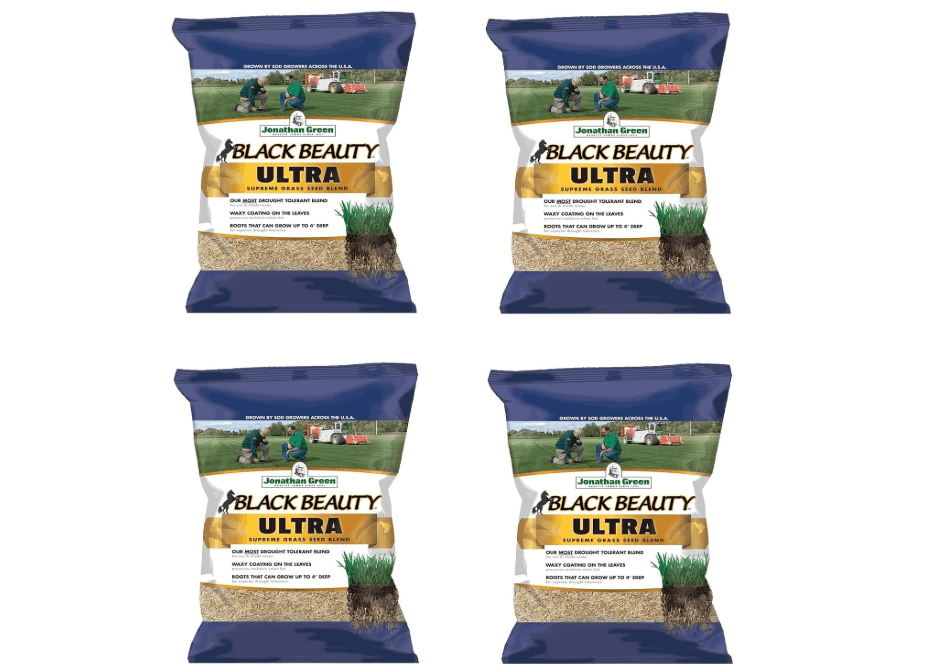
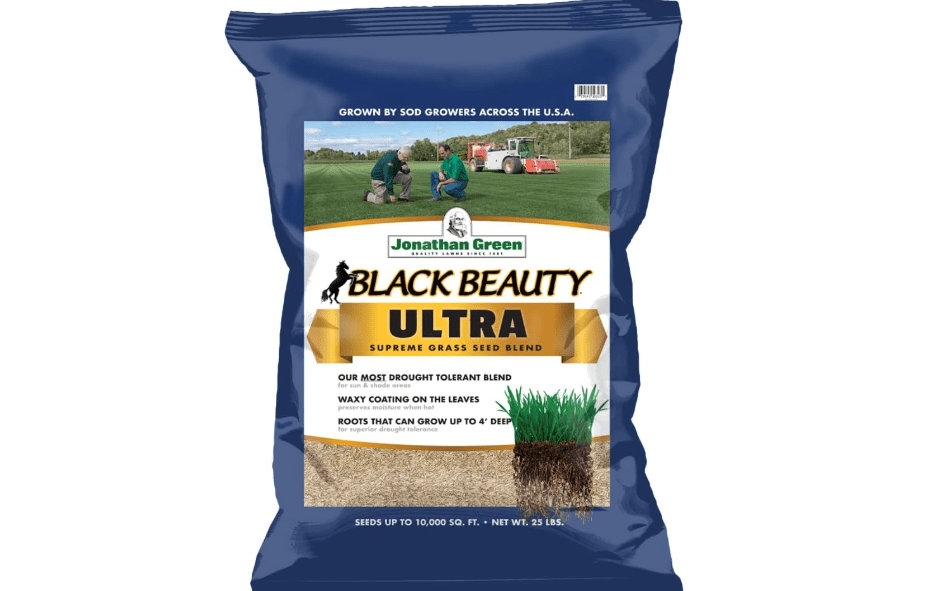
1. Jonathan Green (11970) Black Beauty Ultra Grass Seed
-
Product Description: Regarded by many turf professionals as a “golf course in a bag,” Black Beauty Ultra is a premium mixture of top-tier Tall Fescues, elite Kentucky Bluegrass, and Perennial Ryegrass. It is specifically engineered to grow a naturally dark-green, disease-resistant lawn that mimics high-quality sod.
-
Price Tier: $481.78
-
Key Features & Benefits: The seed contains a unique, invisible waxy leaf coating (similar to an apple) that preserves moisture and helps the grass survive extreme heat and cold. It is capable of growing roots up to 4 feet deep, pulling nutrients from far below the surface.
-
Pros: Outstanding drought and cold resistance; unmatched dark green color; uniform, non-clumpy growth.
-
Cons: Higher price point than standard big-box store seeds; takes 7 to 14 days to fully germinate, requiring diligent watering.
-
Amazon Ratings & Reviews: ~4.6/5 stars. Customers rave about the dark green hue and durability, though some note it demands strict watering protocols during the initial two weeks.
-
Why it’s a good choice for Vermont: It blends perfectly into existing northern lawns, and its deep roots ensure it survives both freezing winter soil and dry August spells.
-
Ideal Use Case: Homeowners looking for a thick, premium, golf-course-quality lawn in full sun to partial shade.
2. Scotts Turf Builder Grass Seed Sun & Shade Mix
-
Product Description: Scotts’ most popular and versatile mix, formulated specifically to adapt to both full, scorching sun and the dense, cool shade found under tree canopies.

-
Price Tier: $29.97
-
Key Features & Benefits: The standout feature is Scotts’ proprietary WaterSmart PLUS coating, which wraps the seed in a layer of nutrients and fungicide. This coating absorbs 2x more water than uncoated seed, protecting the vulnerable sprout from drying out.
-
Pros: Extremely accessible and easy to find; excellent moisture retention; highly versatile for varying yard conditions.
-
Cons: Because the seeds are heavily coated, a 5lb bag contains significantly fewer actual seeds than a 5lb bag of uncoated raw seed.
-
Amazon Ratings & Reviews: ~4.4/5 stars. Highlighted for reliable germination rates for beginners, though a few purists mention occasional broadleaf weed seeds sneaking in.
-
Why it’s a good choice for Vermont: Many Vermont properties are heavily wooded but have open, sunny front yards. This single bag adapts to both environments seamlessly.
-
Ideal Use Case: Beginners or casual DIYers looking for a reliable, easy-to-spread fix for patchy lawns.
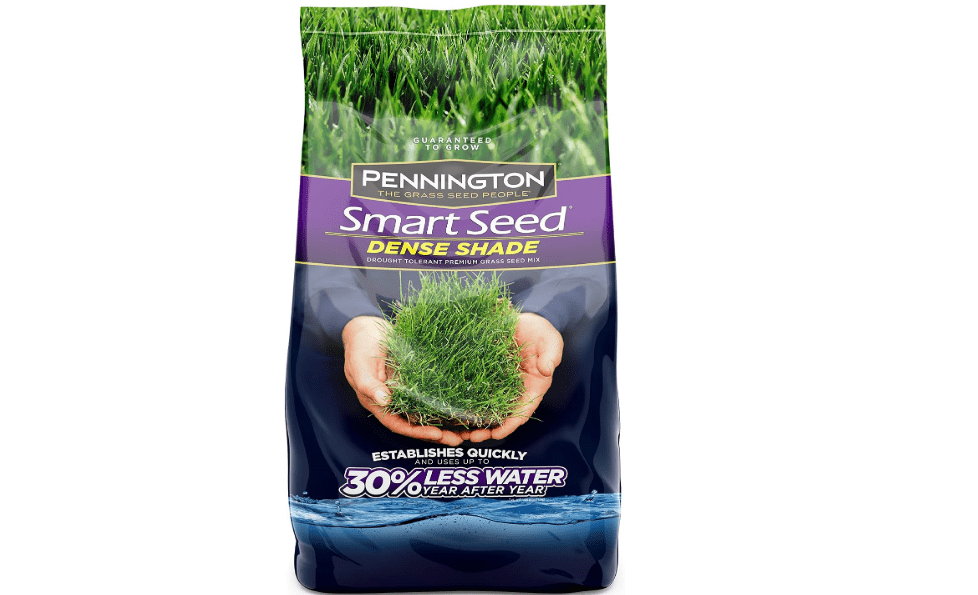
3. Pennington Smart Seed Dense Shade Grass Seed
-
Product Description: A highly specialized blend consisting primarily of shade-loving Fine Fescues, bred specifically for areas that receive less than 2-4 hours of direct sunlight a day.
-
Price Tier:
-
Key Features & Benefits: Features Pennington’s Penkote technology for seedling protection. Once established, this grass requires up to 30% less water year over year compared to ordinary grass seed.
-
Pros: Thrives where standard grass dies; very low maintenance; excellent disease resistance.
-
Cons: Fine fescue does not handle heavy foot traffic well—it will flatten and struggle if frequently walked or played on.
-
Amazon Ratings & Reviews: ~4.3/5 stars. Reviewers consistently praise its ability to grow thick grass under giant maple and oak trees where all previous attempts failed.
-
Why it’s a good choice for Vermont: Vermont is famous for its dense, beautiful forests. If your property is heavily shaded by evergreens or large deciduous trees, this is your solution.
-
Ideal Use Case: Homeowners with dense tree canopies or lots of shade blocking the sun who want to turn dirt patches into green turf.
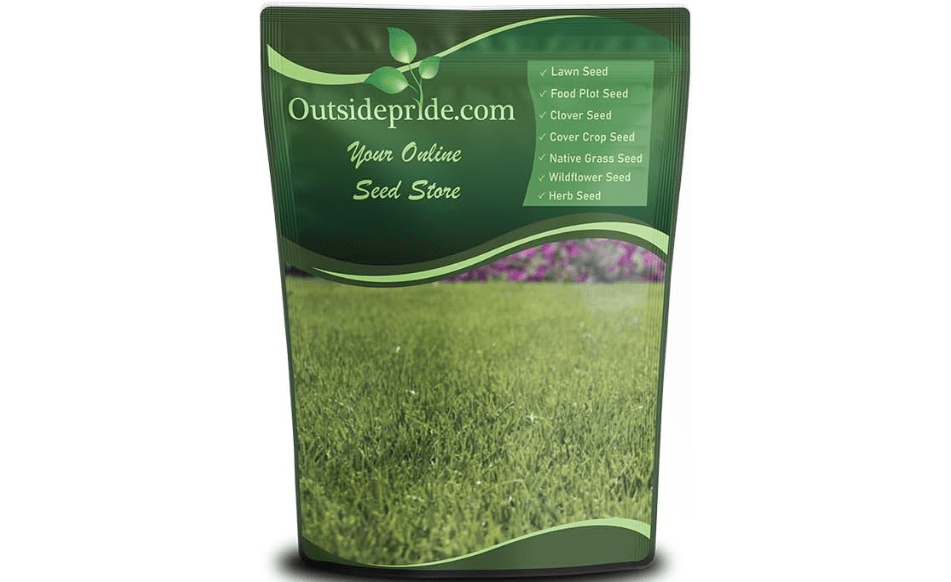
4. Outsidepride Kentucky Bluegrass Lawn Seed
-
Product Description: This is a 100% premium, uncoated Kentucky Bluegrass (KBG) seed. KBG is the quintessential traditional northern lawn grass, famous for its boat-shaped blade tips and incredible softness.
-
Price Tier: $39.99
-
Key Features & Benefits: Unbeatable cold hardiness. It naturally spreads via underground rhizomes, meaning it will slowly creep into and repair damaged bare spots over time without needing to be re-seeded.
-
Pros: Self-repairing; creates an incredibly dense, barefoot-friendly carpet; zero weed-seed guarantee.
-
Cons: Very slow to germinate (can take 21 to 28 days); requires full sun; demands high nitrogen fertilization to look its best.
-
Amazon Ratings & Reviews: ~4.2/5 stars. Highly rated for the phenomenal final outcome, though buyers warn you need extreme patience while waiting for it to sprout.
-
Why it’s a good choice for Vermont: Kentucky Bluegrass is biologically engineered to go dormant under heavy snowpack and bounce back with immense vigor in the Vermont spring.
-
Ideal Use Case: Experienced lawn enthusiasts with open, full-sun yards who want a perfect, premium lawn and are willing to put in the maintenance.
5. Barenbrug Turf Saver RTF (Rhizomatous Tall Fescue)
-
Product Description: An advanced, next-generation grass seed. Traditional Tall Fescue grows in clumps, but Barenbrug’s patented RTF spreads underground through rhizomes (similar to Kentucky Bluegrass) while maintaining the drought tolerance of a Fescue.

-
Price Tier: $40.89
-
Key Features & Benefits: Combines deep-root drought resistance (roots up to 6 feet deep) with self-repairing capabilities. Endophyte-enhanced to naturally repel surface insects.
-
Pros: Self-repairing (rare for fescue); incredibly durable against pet urine and heavy foot traffic; handles heat and cold brilliantly.
-
Cons: Expensive upfront cost per pound.
-
Amazon Ratings & Reviews: ~4.6/5 stars. Widely praised by “lawn care nuts” and professionals for its aggressive wear tolerance and rich color.
-
Why it’s a good choice for Vermont: It provides the ultimate hybrid solution: the cold hardiness required for Vermont winters combined with the rugged durability needed to survive summer cookouts and active pets.
-
Ideal Use Case: Active families with children, large dogs, or heavily trafficked yards that get beaten up regularly.
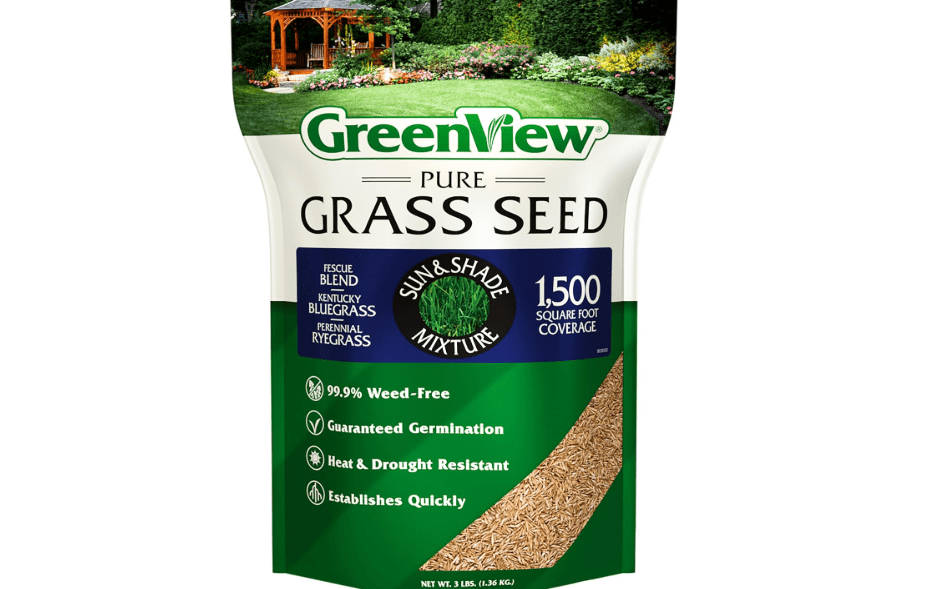
6. GreenView Fairway Formula Grass Seed Sun & Shade Mixture
-
Product Description: A top-tier, uncoated seed blend containing carefully selected, elite cultivars of Kentucky Bluegrass, Perennial Ryegrass, and Fine Fescues.
-
Price Tier: $15.97
-
Key Features & Benefits: Completely uncoated, meaning every ounce you pay for is actual grass seed. It carries a 99.9% weed-free guarantee, ensuring you aren’t planting crabgrass along with your turf.
-
Pros: Incredible purity; excellent value by weight; fast germination for the ryegrass portion.
-
Cons: Because there is no water-retention coating, the user must be highly diligent about watering 2-3 times daily during germination.
-
Amazon Ratings & Reviews: ~4.4/5 stars. Buyers give top marks for the purity of the seed and the lack of cheap filler materials.
-
Why it’s a good choice for Vermont: The specific cool-season cultivars chosen for this blend are engineered for high northern latitude zones and withstand frigid temperatures exceptionally well.
-
Ideal Use Case: Value-conscious buyers who want pure, professional-grade seed without paying for heavy fertilizer or clay coatings.
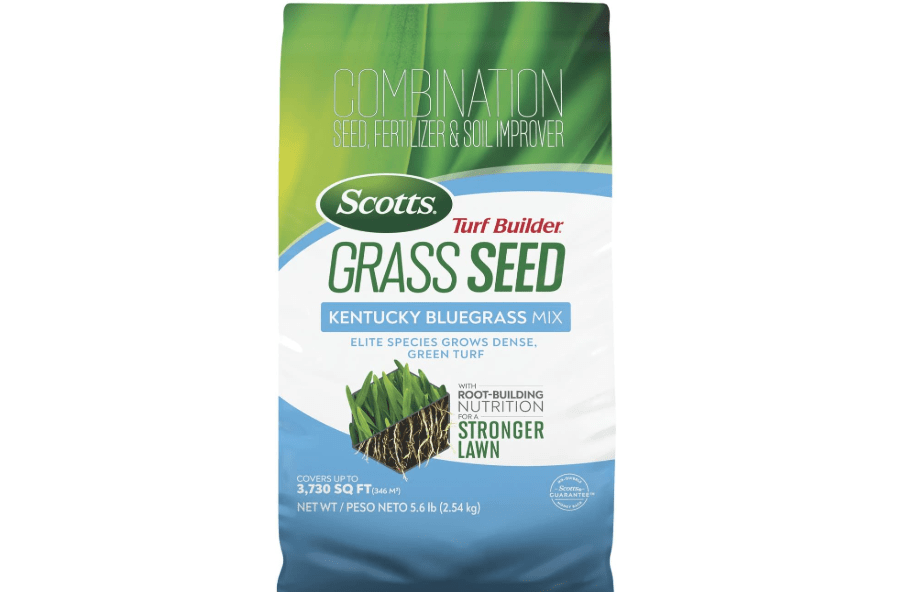
7. Scotts Turf Builder Grass Seed Kentucky Bluegrass Mix
-
Product Description: A finely tuned blend of Scotts’ proprietary Kentucky Bluegrass seeds designed to create a fine-bladed, incredibly soft lawn.
-
Price Tier: $35.05
-
Key Features & Benefits: Features the 4-in-1 WaterSmart PLUS coating, which protects seedlings from disease, feeds them early on, and keeps the seed moist longer than raw seed.
-
Pros: Very easy to apply with any standard spreader; creates a beautiful, even, uniform texture.
-
Cons: Needs full sun to survive; it will thin out and eventually fail in heavy shade.
-
Amazon Ratings & Reviews: ~4.3/5 stars. Reviewers note it creates a spectacularly lush lawn but requires strict maintenance and regular feeding to maintain its deep green color.
-
Why it’s a good choice for Vermont: Tailor-made for the bright, intense, but short Vermont summers, giving you a classic American lawn aesthetic that easily survives the winter.
-
Ideal Use Case: Homeowners with open, sunny properties who want that classic, soft, dark-green neighborhood showpiece.
8. Eretz PRO Turf Tall Fescue Grass Seed
-
Product Description: A professional-grade, farm-direct Tall Fescue blend sourced directly from the Willamette Valley in Oregon (the grass seed capital of the world).
-
Price Tier: $74.99
-
Key Features & Benefits: Boasts an ultra-clean label: 0% weed seed and 0% crop seed. It is highly resistant to brown patch disease and establishes quickly.
-
Pros: Farm-direct purity; excellent customer service from a small business; outstanding heat, drought, and cold tolerance.
-
Cons: Packaging is very basic (plain bags); tall fescue can look slightly clumpy if not seeded heavily enough initially.
-
Amazon Ratings & Reviews: ~4.5/5 stars. Loved by professional landscapers who want raw, unadulterated, high-performing seed without the marketing fluff.
-
Why it’s a good choice for Vermont: Tall fescue is highly adaptable to Vermont’s varying soil types, easily establishing itself in both sandy loam and heavier, compacted clays.
-
Ideal Use Case: DIY landscapers and property managers seeking commercial-grade, weed-free seed at a fair price.
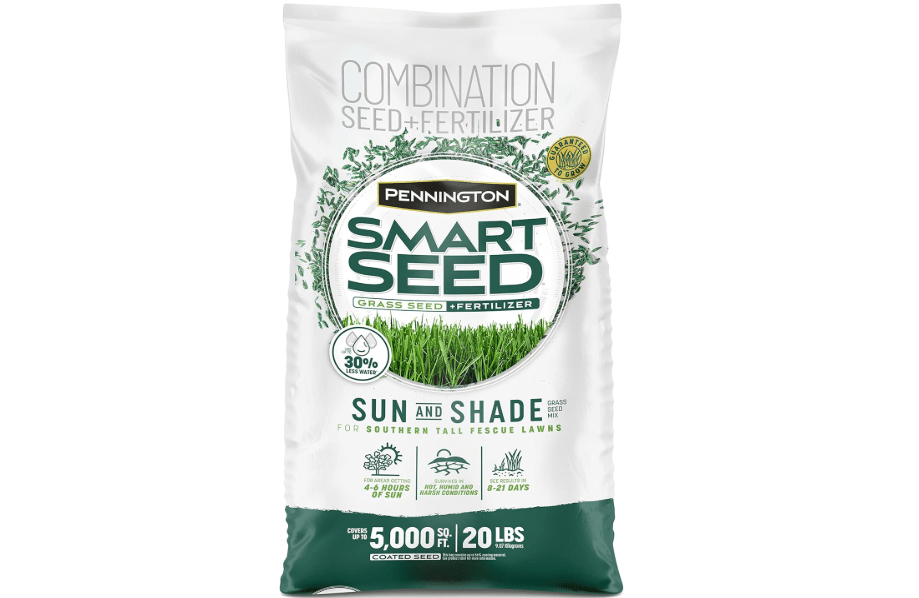
9. Pennington Smart Seed Tall Fescue Mix
-
Product Description: A highly efficient, drought-tolerant mix of improved Tall Fescue varieties aimed at homeowners looking to conserve water.
-
Price Tier: $60.73
-
Key Features & Benefits: Once established, this grass requires up to 30% less water than ordinary grass. It features Penkoted technology to prevent early fungal diseases in the damp soil.
-
Pros: Environmentally friendly water footprint; rugged and durable; affordable.
-
Cons: Tall Fescue blades are slightly wider and coarser than the delicate blades of Bluegrass or Fine Fescue.
-
Amazon Ratings & Reviews: ~4.4/5 stars. Consistently praised for fast, reliable growth and its ability to stay green during mid-summer droughts.
-
Why it’s a good choice for Vermont: Perfect for Vermont homeowners who don’t have built-in irrigation systems and need their lawn to stay green through dry July and August heat spells naturally.
-
Ideal Use Case: Eco-conscious homeowners looking to save on their water bills and reduce overall lawn maintenance.
10. Jonathan Green (10323) Black Beauty Fall Magic Grass Seed
-
Product Description: A highly specialized cool-season seed mix formulated explicitly for late summer and early fall lawn renovations.
-
Price Tier: $104.07
-
Key Features & Benefits: The seed varieties in this bag are genetically primed to germinate rapidly in cooling soil temperatures. It is specifically designed to repair summer drought and insect damage.
-
Pros: Perfectly optimized for the autumn seeding window; establishes incredibly fast before the first frost.
-
Cons: Not recommended for spring planting; it is a seasonal-specific product.
-
Amazon Ratings & Reviews: ~4.7/5 stars. Boasts incredibly high satisfaction rates among users who perform their lawn overhauls in September.
-
Why it’s a good choice for Vermont: Vermont’s absolute best seeding window is from mid-August to mid-September. This seed is biologically optimized for that exact, short timeframe.
-
Ideal Use Case: Anyone doing their annual lawn renovation, aeration, and overseeding in the late summer or early fall before the deep freeze sets in.
IV. Quick Comparison Chart
To help you make a fast, informed decision, we’ve broken down the top options into a clean, mobile-friendly table.
| Product Name | Best For… | Primary Grass Type |
| Jonathan Green BB Ultra | Overall Premium Quality | Fescue, KBG, Ryegrass |
| Scotts Sun & Shade Mix | Beginners & Mixed Light | Mixed Cool-Season |
| Pennington Dense Shade | Heavily Wooded Yards | Fine Fescue |
| Outsidepride KBG | Barefoot Softness | Kentucky Bluegrass |
| Barenbrug RTF | Dogs & High Traffic | Rhizomatous Tall Fescue |
| GreenView Fairway Formula | Pure Uncoated Seed | Mixed Cool-Season |
| Scotts Turf Builder KBG | Full Sun Show Lawns | Kentucky Bluegrass |
| Eretz PRO Turf | Professional Landscapers | Tall Fescue |
| Pennington Tall Fescue | Drought Resistance | Tall Fescue |
| Jonathan Green Fall Magic | Autumn Lawn Renovations | Mixed Cool-Season |
V. How and When to Plant Grass Seed in Vermont
Even the highest quality seed will fail if planted incorrectly. Here is how to ensure success in the Green Mountain State.
The Optimal Seeding Window
The absolute best time to plant grass seed in Vermont is late summer to early fall (mid-August to mid-September). The soil is still warm enough for rapid germination, but the cooler air temperatures prevent the fragile seedlings from burning up. Most importantly, it gives the grass 6 to 8 weeks to develop deep roots before the first hard ground freeze. Spring (May) is the secondary option, but you will have to battle emerging weeds and rising summer heat.
Soil Preparation
Vermont soils are notoriously rocky and often lean toward the acidic side (low pH). Before spending money on seed, clear away dead debris and consider doing a basic soil test. If your soil pH is below 6.0, applying lime a few weeks before seeding will drastically improve your grass’s ability to absorb nutrients.
Watering Rules
The golden rule of seeding: If the seed dries out, it dies. Keep the newly seeded area consistently moist (like a wrung-out sponge, not a muddy puddle) by watering lightly 2 to 3 times a day. Once the grass reaches about two inches tall, begin transitioning to deep, infrequent watering (once or twice a week) to train the roots to dive deep into the soil.
VI. Final Verdict: Which Should You Buy?
Choosing the best 10 grass seed for vermont ultimately comes down to assessing your specific property’s sunlight, foot traffic, and your commitment to watering.
-
Best Overall for Vermont: Jonathan Green Black Beauty Ultra. Its ability to root deeply and survive extreme cold, combined with its stunning dark green color, makes it the reigning champion for northern lawns.
-
Best for Deep Shade: Pennington Smart Seed Dense Shade. If you live tucked away in the Vermont woods under heavy canopy cover, this Fine Fescue blend is your best bet for turning mud into green space.
-
Best for Active Families/Dogs: Barenbrug Turf Saver RTF. It possesses the rare ability to repair itself when dogs or kids tear up the turf, saving you from constantly patching bare spots every spring.
Don’t let another Vermont winter ruin your hard work. By choosing a premium cool-season seed blend tailored to your yard’s specific needs, you can cultivate a lawn that is the envy of the neighborhood. Check out these highly-rated options on Amazon today to secure your seed before the short New England planting window closes!











