
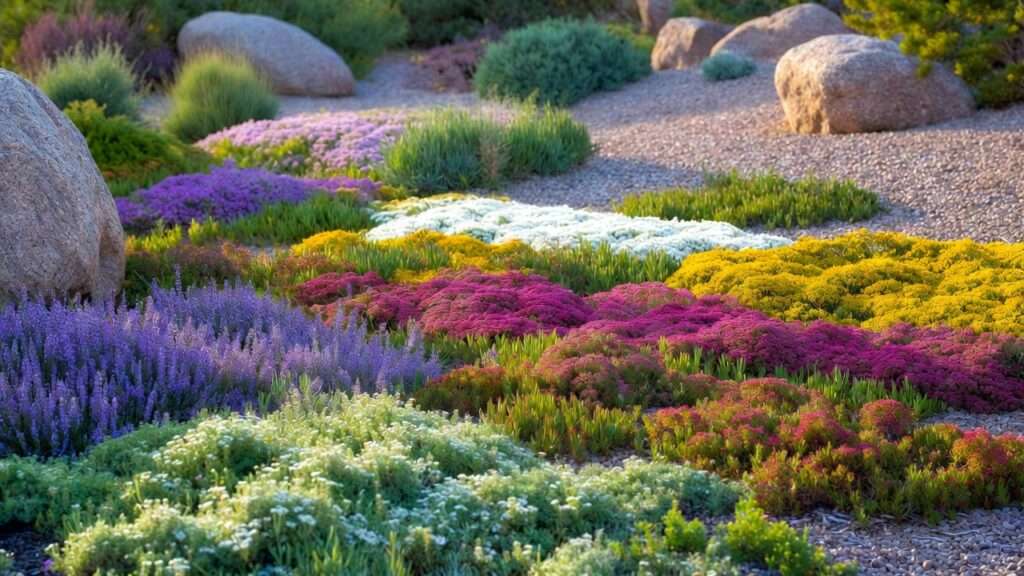
In an era of rising water costs, frequent drought alerts, and the push for sustainable living, traditional thirsty lawns are increasingly unsustainable—yet no one wants a barren, dusty yard. 🌞 The good news? You can transform your landscape into a beautiful, low-maintenance oasis using the best ground covers for xeriscapes that thrive with minimal water while delivering lush coverage, weed suppression, erosion control, and even pops of color and fragrance. These drought-tolerant ground covers act as living mulch, reduce irrigation needs by 50–75% once established, support pollinators 🐝, and eliminate mowing forever.
As a plant care specialist with over 15 years of experience helping homeowners in arid and semi-arid regions create thriving xeriscapes (drawing from university extension research like Colorado State University and Utah State), I’ve seen firsthand how the right ground covers solve real problems: high water bills, soil erosion on slopes, weed invasions, and lackluster curb appeal. In this comprehensive guide, we’ll explore proven, expert-recommended picks that outperform common options—tailored for various sun exposures, soil types, and uses. Whether you’re replacing a lawn, stabilizing a slope, or building a pollinator-friendly dry garden, these selections will help you achieve a stunning, water-wise landscape that looks intentional and inviting. Let’s dive in! 🌿💚
What Makes a Great Xeriscape Ground Cover? 📊
A top-tier xeriscape ground cover isn’t just any low-growing plant—it’s one engineered by nature (and selective breeding) for extreme conditions. Key traits include:
- Extreme drought tolerance once established (often surviving on rainfall alone after the first year).
- Spreading or mat-forming habit to quickly fill space and suppress weeds naturally.
- Low maintenance — minimal pruning, no frequent fertilizing, and resistance to pests/diseases.
- Soil stabilization , especially on slopes, to prevent erosion.
- Adaptability to poor, rocky, or sandy soils common in dry climates.
These plants deliver multiple benefits: slashing irrigation (saving hundreds on water bills 💧), reducing yard work, enhancing biodiversity with pollinator-attracting blooms, and creating year-round interest through foliage color, textures, and seasonal flowers. A common myth? Xeriscapes mean boring rocks-only yards. Wrong! Lush, colorful ground covers turn dry landscapes into vibrant, eco-friendly havens. 🌈
Top 12+ Best Ground Covers for Xeriscapes (Core List) 🌿🔥
Here are my curated top picks, backed by extension services (e.g., Colorado State, UC Davis Arboretum) and real-world performance in arid regions. I’ve organized them by light needs for easy selection. For each: zones, size, features, pros/cons, best uses, and tips.
Full-Sun Superstars ☀️
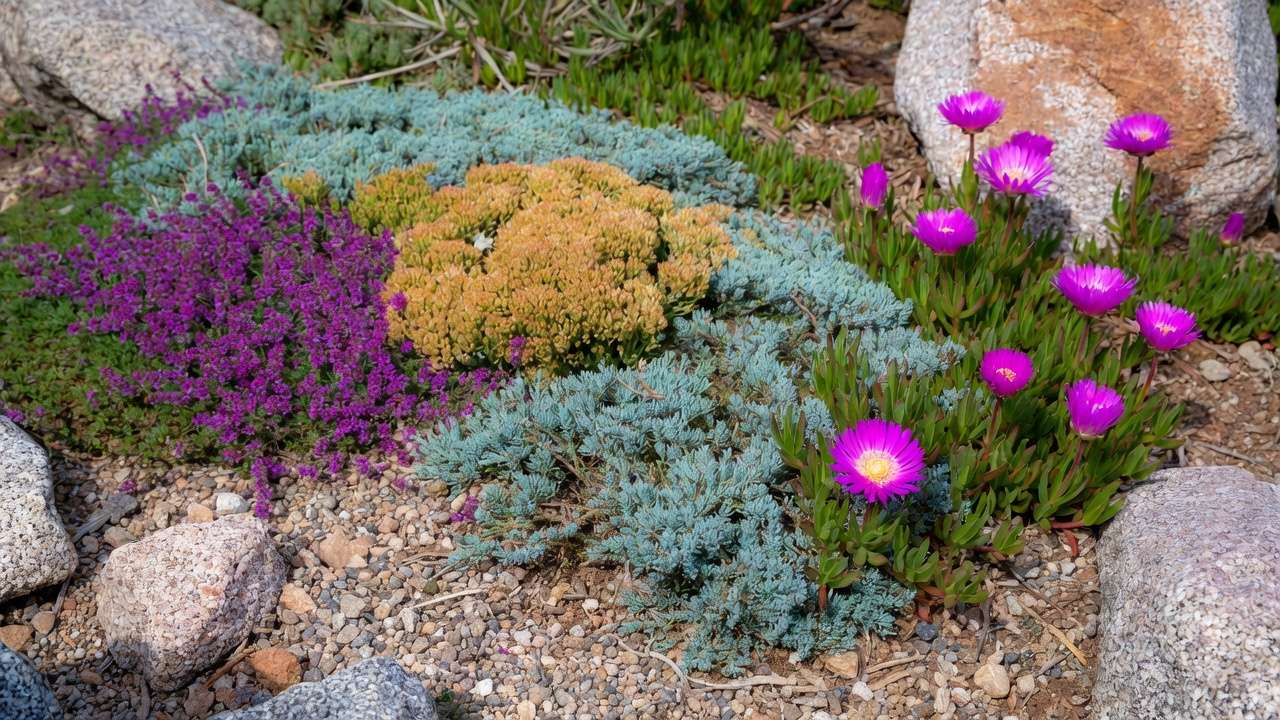
Creeping Thyme (Thymus serpyllum)
-
- Zones: 4–9 | Height: 2–4 inches | Spread: 12–18 inches
- Fragrant evergreen foliage with tiny purple-pink blooms in summer 🦋. Walkable and aromatic when stepped on.
- Pros: Extremely drought-tolerant, bee magnet, deer-resistant. Cons: Slow to establish in heavy clay.
- Best for: Pathways, lawn replacement, rock gardens. Plant 6–12 inches apart; shear lightly after bloom. Companions: Sedum, yarrow.
Sedum / Stonecrop (e.g., ‘Angelina’, ‘Blue Spruce’, ‘Dragon’s Blood’)
-
- Zones: 3–9 | Height: 3–6 inches | Spread: 12–24 inches
- Succulent foliage in gold, blue, or red hues; star-shaped flowers. ‘Angelina’ turns fiery orange in fall!
- Pros: Thrives in poor soil, zero irrigation needed long-term, colorful year-round. Cons: Can rot in wet winters—ensure drainage.
- Best for: Rock walls, borders, hot spots. Space 12 inches; great “filler” in containers too.
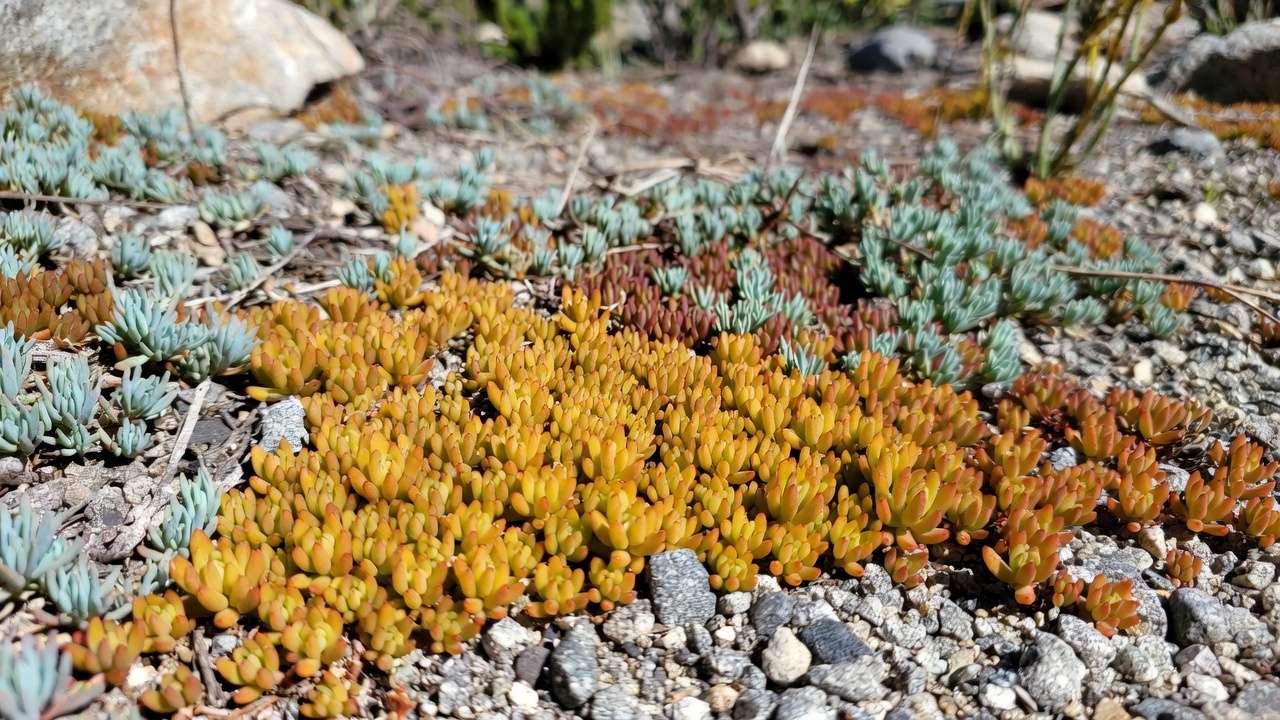
Ice Plant (Delosperma cooperi)
-
- Zones: 5–10 | Height: 3–6 inches | Spread: 12–24 inches
- Brilliant magenta daisy-like flowers spring–fall; succulent evergreen leaves.
- Pros: Blooms nonstop, handles heat/reflection. Cons: Less cold-hardy in zone 5.
- Best for: Slopes, sunny borders. Plant in well-drained soil; companions like blackfoot daisy.
Snow-in-Summer (Cerastium tomentosum)
-
- Zones: 3–7 | Height: 3–6 inches | Spread: 12–18 inches
- Silvery woolly leaves with white star flowers in spring.
- Pros: Excellent weed suppressor, silver accent. Cons: Can spread aggressively—contain if needed.
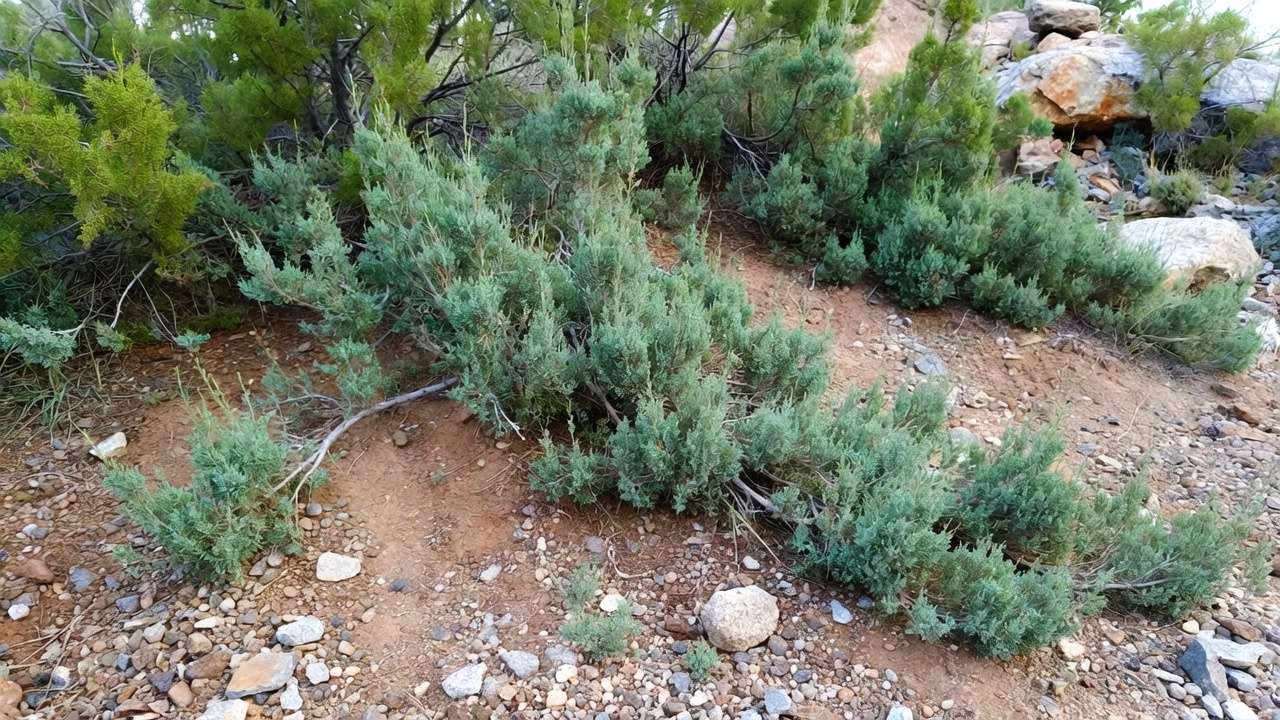
Creeping Juniper (Juniperus horizontalis)
-
- Zones: 3–9 | Height: 6–12 inches | Spread: 6–8 feet
- Evergreen blue-green needles; excellent erosion control.
- Pros: Tough as nails, deer-resistant, year-round coverage. Cons: Slow initial growth.
- Best for: Slopes, large areas.
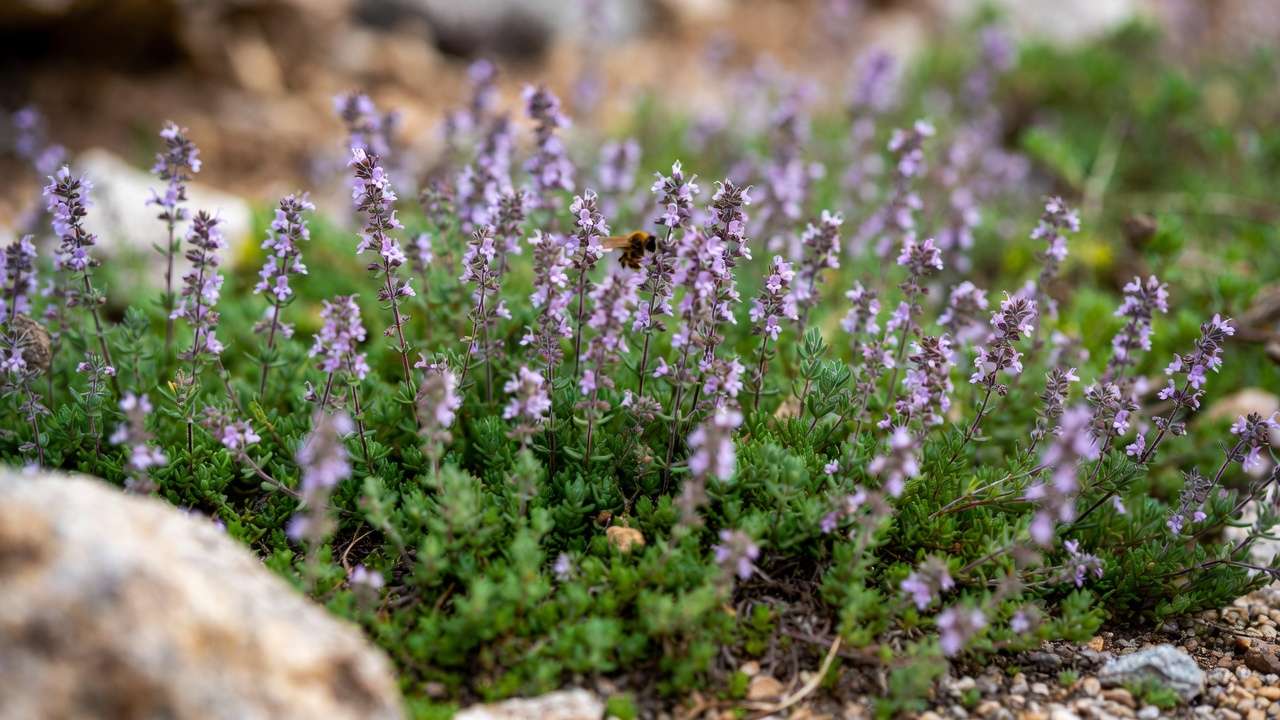
Tough & Traffic-Tolerant 🚶♂️ 6. Woolly Thyme (Thymus pseudolanuginosus)
- Fuzzy gray leaves, pink blooms; soft underfoot. Similar to creeping thyme but more textured.
- Candytuft (Iberis sempervirens)
- Evergreen with white spring blooms; tolerates light traffic.
Flowering & Pollinator Favorites 🐝 8. Hardy Plumbago (Ceratostigma plumbaginoides)
- Zones: 5–9 | Height: 8–12 inches | Spread: 18–36 inches
- Intense cobalt-blue flowers late summer into fall, with brilliant red autumn foliage for multi-season interest.
- Pros: Long bloom period, attracts butterflies, excellent fall color. Cons: Dies back in winter (emerges reliably in spring).
- Best for: Mixed borders, accent in sunny dry beds. Space 18 inches apart; cut back in late winter. Pairs beautifully with ornamental grasses or sedums.
- Frogfruit / Turkey Tangle Fogfruit (Phyla nodiflora)
- Zones: 7–11 (often used as annual in cooler zones) | Height: 1–3 inches | Spread: Rapid, up to several feet
- Tiny lavender-white flowers attract pollinators; native in many warm regions, ultra-fast mat-former.
- Pros: Extremely drought-tolerant once established, handles foot traffic, low-growing lawn alternative. Cons: Can be invasive in wetter climates—monitor spread.
- Best for: Large sunny areas, erosion control, replacing turf in hot zones. Plant densely for quick coverage.
Shade to Part-Shade Options 🌤️ 10. Ajuga / Bugleweed (Ajuga reptans – e.g., ‘Black Scallop’)
- Zones: 3–9 | Height: 4–6 inches | Spread: 12–24 inches
- Glossy, near-black foliage with deep blue flower spikes in spring; semi-evergreen.
- Pros: Thrives in dry shade under trees, weed-suppressing density. Cons: Can spread vigorously—good for contained areas.
- Best for: Woodland edges, north-facing slopes.
- Vinca Minor / Periwinkle
- Zones: 4–9 | Height: 4–6 inches | Spread: 12–18 inches
- Evergreen glossy leaves with lavender-blue blooms in spring.
- Pros: Reliable in dry shade, low care. Cons: Potentially invasive in some regions—check local guidelines.
- Best for: Shaded ground under shrubs.
- Creeping Oregon Grape (Mahonia repens)
- Zones: 5–8 | Height: 6–12 inches | Spread: 12–36 inches
- Holly-like evergreen leaves, yellow spring flowers followed by blue berries; highly drought-tolerant native.
- Pros: Wildlife-friendly (birds love berries), sun or shade adaptable. Cons: Spiny leaves—not ideal for high-traffic paths.
Bonus picks for variety: Blackfoot Daisy (Melampodium leucanthum) for white daisy blooms, Broadleaf Stonecrop (Sedum spathulifolium) for Pacific Northwest climates, or native yarrow (Achillea millefolium) cultivars for tough, aromatic coverage. These selections draw from reliable sources like Colorado State University Extension and other regional experts, ensuring performance in real xeriscapes.
Comparison Table: Quick-Reference Guide 📊
Here’s a scannable table to compare key options at a glance (ideal for mobile users!):
| Plant | Zones | Sun Exposure | Height | Spread Rate | Foot Traffic | Flower Color | Special Feature |
|---|---|---|---|---|---|---|---|
| Creeping Thyme | 4–9 | Full sun | 2–4″ | Moderate | Yes | Purple-pink | Fragrant, walkable 🦋 |
| Sedum ‘Angelina’ | 3–9 | Full sun | 3–6″ | Fast | Light | Yellow stars | Fiery fall color changes 🔥 |
| Ice Plant | 5–10 | Full sun | 3–6″ | Fast | Light | Magenta | Nonstop summer blooms 🌸 |
| Snow-in-Summer | 3–7 | Full sun | 3–6″ | Moderate | Light | White | Silvery foliage accent ❄️ |
| Creeping Juniper | 3–9 | Full sun | 6–12″ | Slow | Yes | None (cones) | Evergreen erosion control 🪨 |
| Hardy Plumbago | 5–9 | Full sun | 8–12″ | Moderate | No | Blue | Red fall foliage 🌿 |
| Frogfruit | 7–11 | Full sun | 1–3″ | Very fast | Yes | Lavender-white | Native, pollinator magnet 🐝 |
| Ajuga ‘Black Scallop’ | 3–9 | Part shade | 4–6″ | Fast | Light | Blue spikes | Dark dramatic leaves |
How to Choose the Right Ground Cover for Your Xeriscape 🤔
Site assessment is crucial for success—match plant to conditions to avoid failures and wasted effort.
- Evaluate exposure: Full sun? Go for thyme, sedum, or juniper. Dry shade under trees? Ajuga or creeping Oregon grape shine.
- Soil check: Most prefer well-drained, even poor/rocky soils—amend heavy clay with grit or sand.
- Slope & erosion: Creeping juniper or frogfruit excel at holding soil.
- Goals: Lawn replacement? Traffic-tolerant thyme or frogfruit. Pollinator boost? Ice plant or plumbago. Deer issues? Juniper or thyme often deter them 🦌.
- Regional tweaks: Southwest deserts favor ice plant and sedums; Intermountain West loves hardy yarrow and creeping thyme; Mediterranean climates suit plumbago. Consult your local extension service for natives—always prioritize them for sustainability and lower water use.
Planting & Care Tips for Success 🛠️
Proper establishment sets up long-term thriving with almost zero ongoing care.
- Site prep: Remove weeds/turf, loosen soil 6–8 inches deep, incorporate 1–2 inches compost if needed (but skip heavy organics in true xeric setups).
- Planting: Spring or fall best. Space according to mature spread (e.g., thyme 6–12″ apart). Dig holes twice the root ball width; water deeply after planting.
- Establishment watering: Year 1: Deep soak weekly (1 inch), tapering to every 10–14 days. By year 2: Rainfall often suffices in most dry climates 💧.
- Maintenance: Mulch with gravel/rock for weed control and moisture retention. Prune spreading types lightly after bloom. Pests/diseases rare—good airflow prevents issues.
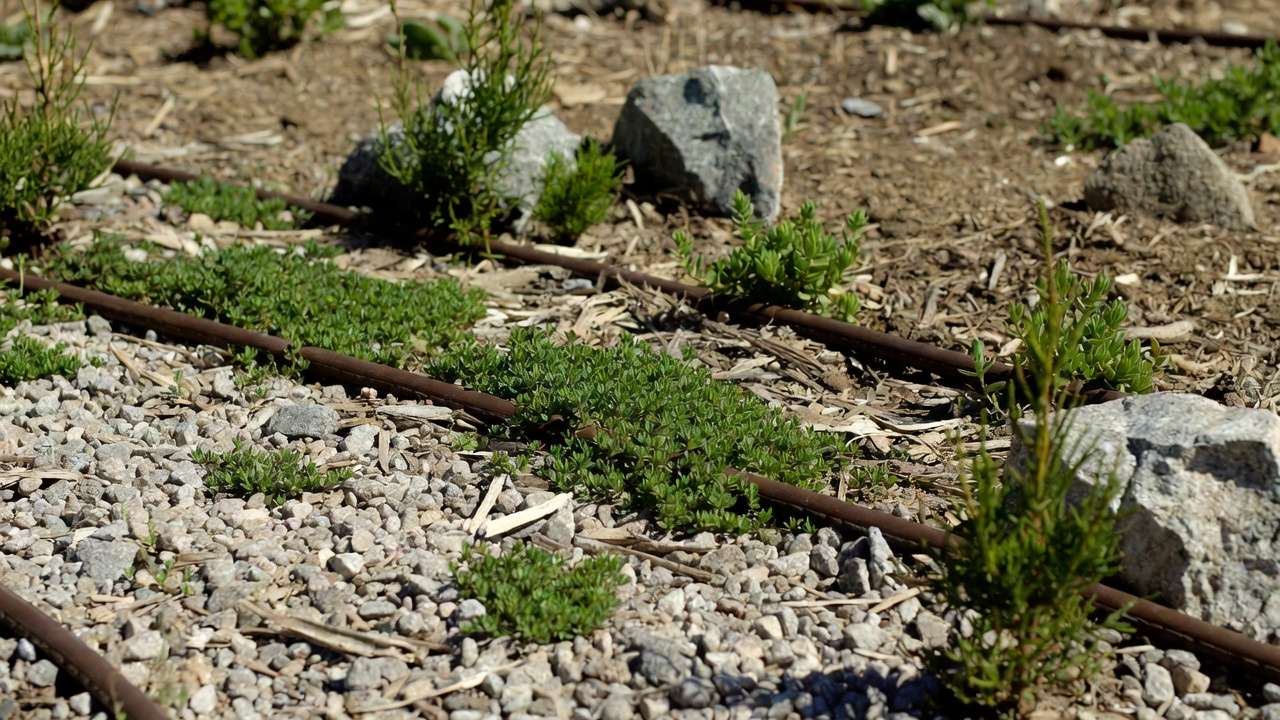
- Pro tip: Layer with boulders, natives, and drip irrigation for the first season to create a cohesive, professional xeriscape design 🌿🪨.
Design Ideas & Real-World Examples 🎨
One of the biggest advantages of using ground covers in xeriscapes is their incredible design versatility. Here are proven, beautiful ways to incorporate them into your landscape—each idea drawn from successful real-world installations and extension service demonstration gardens.
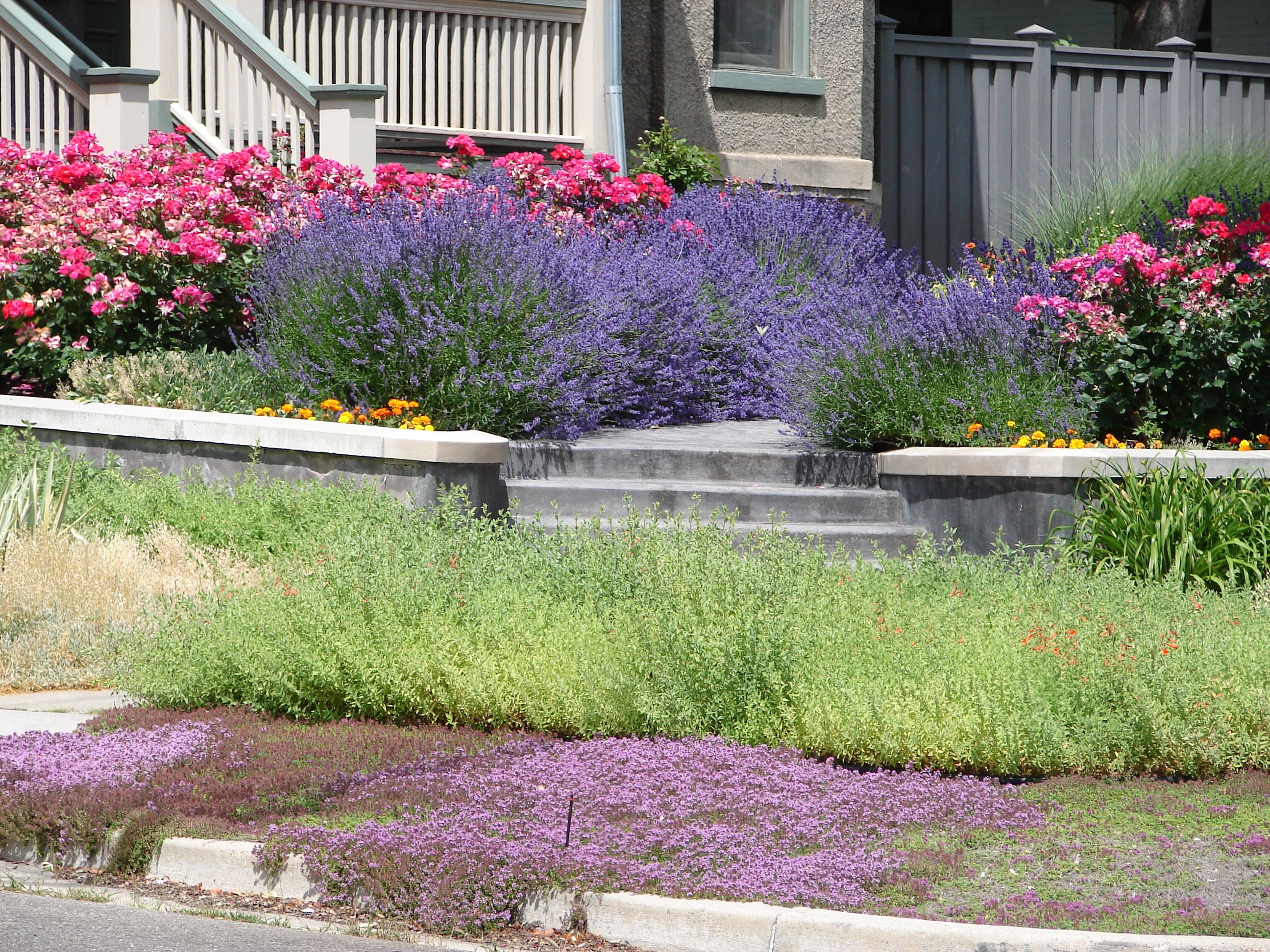
- Classic Lawn Replacement Combine creeping thyme and sedum ‘Angelina’ in a sunny front yard. The thyme provides a soft, walkable carpet with summer fragrance, while Angelina’s golden foliage adds bright pops of color that intensify in cooler months. Result: A lush, mow-free lawn look that uses 70–80% less water.
- Slope Stabilization Masterpiece Plant creeping juniper as the backbone on a moderate to steep slope, then intersperse ice plant and frogfruit for bursts of magenta and lavender blooms. The dense root systems lock soil in place while the flowering plants attract pollinators 🐝 and add visual interest from spring through fall.
- Pollinator Pathway Paradise Create a narrow “river” of hardy plumbago, ice plant, and yarrow along a walkway or property edge. Late-summer blue and magenta flowers draw bees, butterflies, and hummingbirds, turning a dry strip into a buzzing wildlife corridor.
- Modern Minimalist Rock Garden Use sedum varieties (Angelina, Blue Spruce, Dragon’s Blood) tucked between boulders and gravel mulch. The colorful succulents contrast beautifully with the stone, creating a sculptural, low-water display that looks intentional and high-end.
- Dry Shade Oasis Under established trees or along a north-facing wall, layer ajuga ‘Black Scallop’ with creeping Oregon grape. The dark glossy ajuga foliage pairs dramatically with the holly-like texture and blue berries of Oregon grape—elegant and nearly maintenance-free.
Before-and-after photos of these designs consistently show dramatic improvements: greener, more vibrant yards with significantly lower water use and almost no weekly upkeep. Start small—convert one section of lawn or a problem slope—and watch the transformation unfold! 🌿🪨
Common Mistakes to Avoid in Xeriscape Ground Covers ⚠️
Even drought-tolerant plants can struggle if common pitfalls are ignored. Here are the most frequent mistakes I see (and how to prevent them):
- Overwatering after establishment — Many homeowners continue weekly watering out of habit. Once plants are rooted (usually 12–18 months), reduce to rainfall or occasional deep soaks only.
- Planting in poorly drained soil — Succulents and thyme rot in soggy conditions. Always ensure excellent drainage; add coarse sand or gravel to heavy clay.
- Choosing aggressive spreaders without containment — Frogfruit and ajuga can take over if not monitored. Use edging or containers in small spaces.
- Skipping mulch during establishment — Gravel or rock mulch conserves moisture, suppresses weeds, and protects roots. Apply 2–3 inches after planting.
- Ignoring microclimates — A hot, reflective south wall is very different from a shady north slope. Match plant to exact conditions.
Avoid these errors and your ground covers will thrive for years with minimal intervention.
Frequently Asked Questions (FAQ) ❓
What is the most drought-tolerant ground cover for xeriscapes? Creeping juniper and many sedum varieties are among the toughest—they survive on rainfall alone after establishment in most dry climates.
Can ground covers handle foot traffic in xeriscapes? Yes! Creeping thyme, woolly thyme, and frogfruit are walkable and bounce back well. Avoid delicate succulents like ice plant for high-traffic paths.
Are these plants deer-resistant? Many are—creeping thyme, juniper, sedum, and ice plant are generally unappealing to deer 🦌. Plumbago and ajuga are more variable; local conditions matter.
How long does it take for ground covers to fill in completely? Most fill in within 1–3 years depending on spacing and climate. Fast spreaders like frogfruit and ajuga can cover large areas in 1–2 seasons; slower ones like juniper take 3–5 years for full coverage.
Should I choose native or non-native ground covers? Natives (frogfruit, creeping Oregon grape, some yarrow) are ideal for water savings, pollinators, and ecological balance. Non-natives like thyme and sedum perform exceptionally well and are widely available—use them when natives aren’t suited to your exact conditions.
Do I still need to mulch if I’m using ground covers? Yes, especially during the first 1–2 years. Gravel or decomposed granite mulch between young plants helps retain moisture, blocks weeds, and gives a polished look until full coverage is achieved.
Conclusion & Next Steps 🌟
The best ground covers for xeriscapes are game-changers—they turn dry, challenging spaces into beautiful, sustainable landscapes that save water, reduce maintenance, and support local wildlife. Whether you choose fragrant creeping thyme for pathways, fiery sedums for color, tough junipers for slopes, or pollinator-loving ice plant and plumbago for blooms, these plants deliver real results with almost no ongoing effort once established.
Start small: pick one problem area (a thirsty lawn patch, a weedy slope, or a barren corner), test 2–3 of these proven picks, and watch your yard become more resilient and attractive with every passing season. Consult your local cooperative extension office for region-specific advice and native plant lists—they’re an invaluable free resource.
Ready to create your own low-water paradise? Which of these ground covers are you most excited to try? Drop a comment below and share your xeriscape journey—I’d love to hear from you! 👇🌱💚











