Picture this: It is a freezing winter morning, and you are shivering in the bathroom while waiting what feels like an eternity for the shower to finally get hot. Meanwhile, your water heater is working overtime, driving up your monthly energy bills. If you want to stop this expensive thermal loss, finding the best 10 insulation for copper hot water pipes is the cheapest, highest-ROI DIY plumbing upgrade you can make.
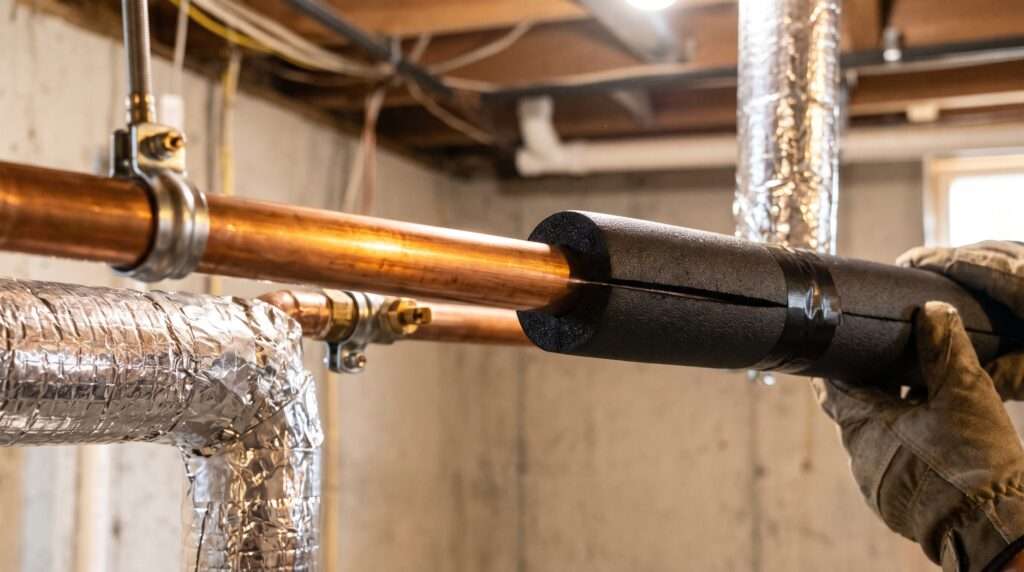
The root of the problem is that bare copper pipes act like giant heat sinks. Because copper is a highly thermally conductive metal, it rapidly bleeds expensive heat into the cold air of your unheated basement or crawlspace long before the water ever reaches your faucet.
Fortunately, fixing this issue is incredibly simple. By wrapping your exposed plumbing, you can instantly trap that radiant heat, shorten your wait time for hot water, and significantly lower your utility bills. To help you tackle this easy weekend project, we have curated a comprehensive guide to the top-rated products on the market. We evaluated these top picks based on extreme heat retention, long-lasting durability, and effortless installation so you can make an informed buying decision. Let’s dive in and find the perfect solution to keep your water steaming hot.
Quick Comparison Guide
If you are in a rush, use this mobile-friendly quick comparison table to find the perfect pipe insulation for your project. We have limited it to the essentials to help you make a fast, informed decision.
In-Depth Reviews: The Best 10 Insulation for Copper Hot Water Pipes
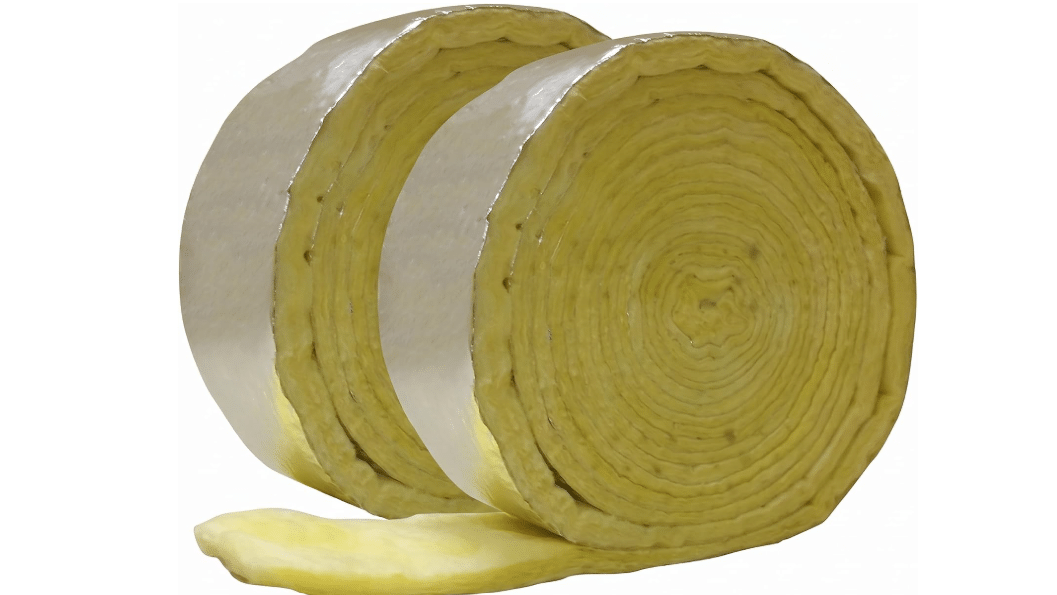
1. Frost King Foil-Backed Fiberglass Pipe Wrap (Best Overall for Hot Water)
Product Description: The Frost King Foil-Backed Fiberglass wrap is a premium, highly adaptable roll of fiberglass insulation featuring a built-in heat-reflecting foil vapor barrier. Measuring standardly at 3 inches wide, 1 inch thick, and 25 feet long, this wrap is engineered specifically to tackle high-temperature lines. Unlike pre-formed tubes that require exact measurements, this wrap simply spirals around your copper pipes to provide an excellent R-value of 3.3, keeping your hot water blazing hot as it travels through your house.
Price:
Key Features and Benefits:
-
Built-in Vapor Barrier: The foil backing prevents moisture buildup and reflects radiant heat back into the pipe.
-
High Temperature Tolerance: Fiberglass is naturally fire-resistant and will never melt, sag, or degrade under sustained hot water temperatures from boilers or water heaters.
-
Universal Fit: Easily spirals around 1/2-inch, 3/4-inch, or 1-inch copper piping without needing multiple product sizes.
Pros and Cons:
-
Pros: Outstanding heat retention; fits around tricky valves and elbows; incredibly affordable; will not melt.
-
Cons: Handling fiberglass requires gloves, a long-sleeve shirt, and a mask during installation to prevent skin and respiratory irritation.
Amazon Customer Ratings and Reviews: Boasting average ratings of 4.5 out of 5 stars, users frequently praise how quickly their tap water gets hot after installation. Many reviewers noted that while the installation takes a bit longer than snapping on foam tubes, the noticeable drop in energy bills makes the effort completely worthwhile.
Why It’s a Good Choice: Fiberglass is the absolute gold standard for hot water plumbing. It provides superior thermal retention compared to basic foam, ensuring the maximum amount of heat makes it from your water heater to your showerhead.
Ideal Use Case / Who Should Buy It: Homeowners looking to insulate long, straight runs of copper hot water pipes running through unheated spaces like basements, attics, or crawlspaces, and who want maximum thermal efficiency on a budget.
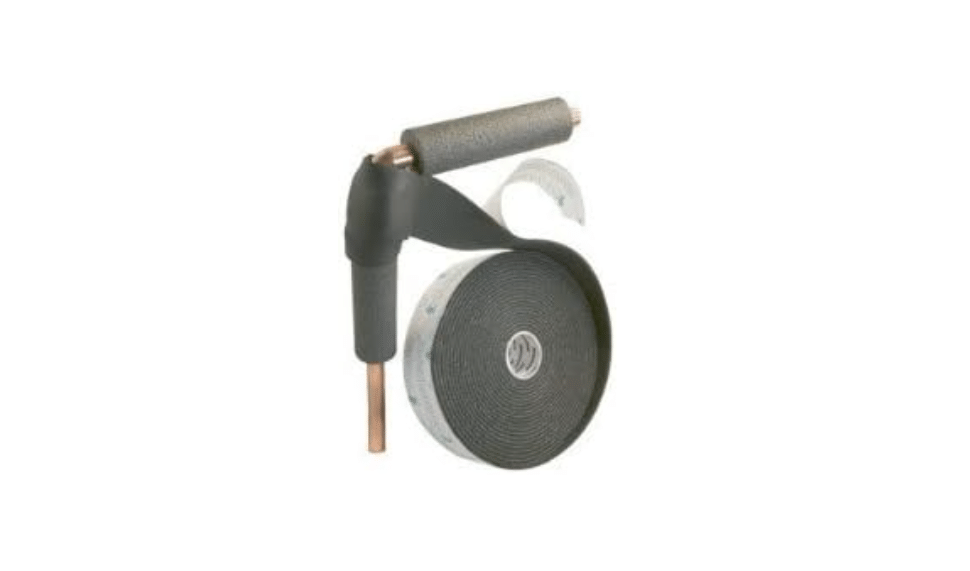
2. Armacell Armaflex Self-Seal Rubber Pipe Insulation (Best Premium Rubber)
Product Description: Armacell’s Armaflex is a professional-grade, closed-cell elastomeric rubber tubing. Unlike cheaper polyethylene foams that can crack or shrink over time, Armaflex rubber maintains its integrity and structural shape for decades. It features a convenient self-sealing adhesive lap seam—simply pull the release liner and press the edges together to lock the insulation permanently around your copper pipe.
Price:
Key Features and Benefits:
-
Closed-Cell Rubber: Offers a zero water vapor permeability rating, preventing any sweating or corrosion on the copper pipe.
-
Self-Sealing Adhesion: The built-in, highly aggressive adhesive seam ensures the tube won’t pop open over time.
-
Extreme Durability: Won’t crumble, crack, or dry out, even when exposed to high boiler temperatures for years.
Pros and Cons:
-
Pros: Incredible longevity; professional-looking black finish; excellent condensation and heat loss control; highly flexible.
-
Cons: Can be slightly stubborn to slide over multiple complex 90-degree elbows compared to a tape wrap; more expensive than basic foam.
Amazon Customer Ratings and Reviews: Plumbers and serious DIYers rate this product highly (often 4.7+ stars). Reviewers constantly rave about the strength of the adhesive seam and how much cleaner and more professional it looks compared to standard grey foam tubes.
Why It’s a Good Choice: It bridges the gap between commercial-grade efficiency and DIY-friendly installation. The rubber compound naturally handles the intense heat of domestic hot water systems much better than standard plastic foams.
Ideal Use Case / Who Should Buy It: Serious DIYers and homeowners looking for a “one-and-done” professional installation that will look great and last for the life of the plumbing system.
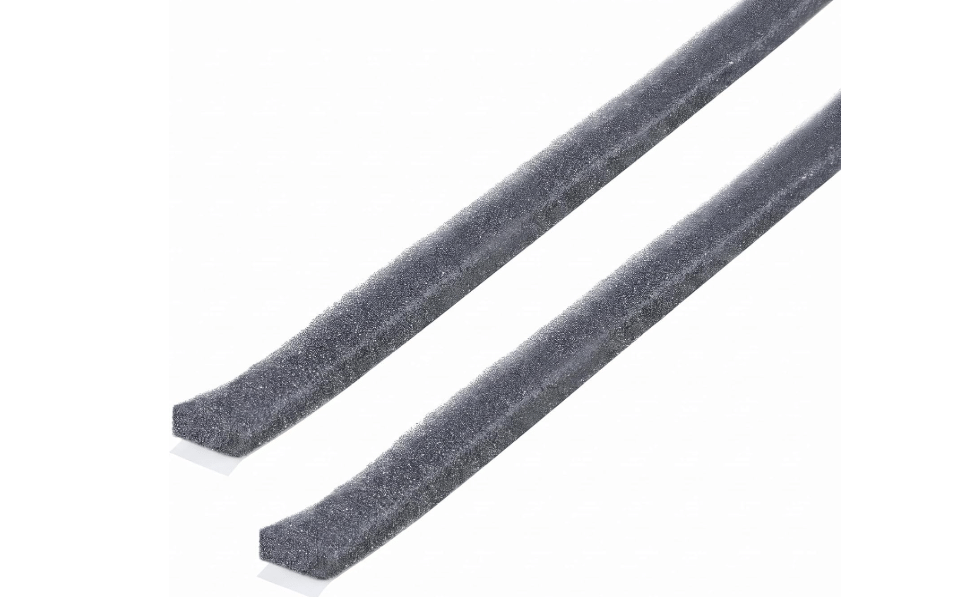
3. M-D Building Products Self-Sealing Tubular Foam (Best Budget Foam)
Product Description: M-D Building Products offers the quintessential, user-friendly pipe insulation. These pre-slit, tubular polyethylene foam sleeves are designed to snap effortlessly over standard 1/2-inch or 3/4-inch copper pipes. They feature self-adhesive strips down the slit—just peel away the plastic backing and squeeze to seal. It is lightweight, flexible, and extremely easy to trim to size with a standard pair of household scissors or a utility knife.
Price: $12.28
Key Features and Benefits:
-
Peel-and-Stick Seam: Eliminates the need for zip ties or external tape to keep the foam closed.
-
Effortless Trimming: Can be cut and shaped instantly with basic scissors to fit around minor obstructions.
-
CFC-Free Polyethylene: Environmentally friendly material that is safe to handle without gloves.
Pros and Cons:
-
Pros: Fastest installation time on the market; very cheap to buy in bulk; no protective gear required.
-
Cons: Lower R-value than fiberglass or thick rubber; extreme heat from boiler pipes can occasionally cause cheaper foam to shrink slightly over many years.
Amazon Customer Ratings and Reviews: With thousands of reviews, this foam averages strong ratings for its sheer convenience. Users love the foolproof application, often stating they insulated an entire basement in under 30 minutes.
Why It’s a Good Choice: It offers an unbeatable balance of low cost and effortless installation. While it might not match the industrial heat retention of fiberglass, it still significantly reduces heat loss compared to a bare copper pipe, yielding immediate ROI.
Ideal Use Case / Who Should Buy It: Budget-conscious homeowners wanting to quickly and easily insulate short indoor pipe runs without messing with fiberglass fibers or expensive rubber.
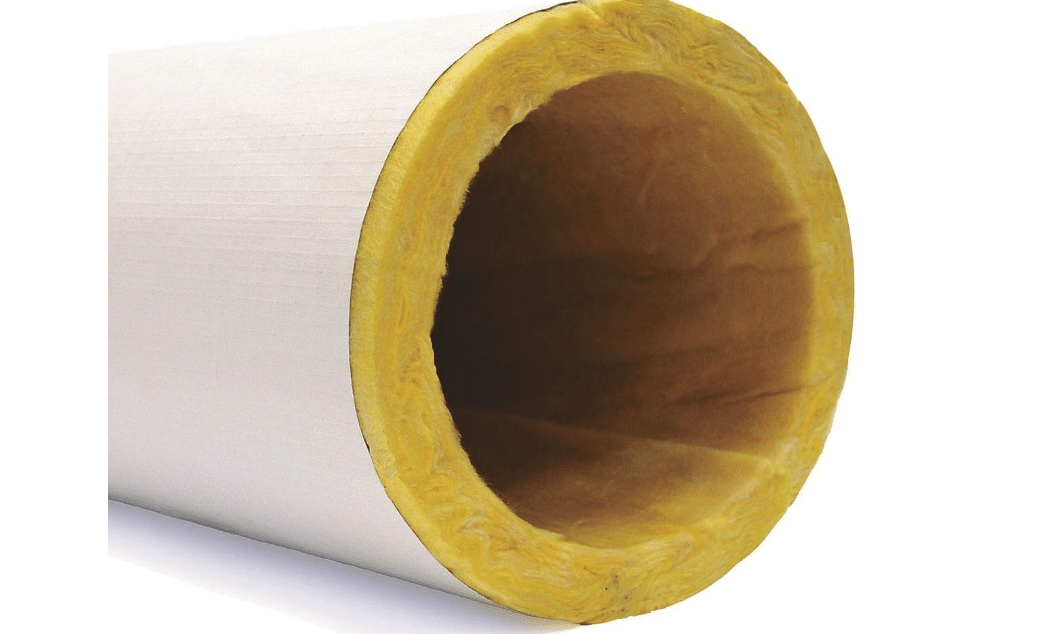
4. Owens Corning ASJ Max Fiberglass Pipe Insulation (Best Professional-Grade)
Product Description: If you want the exact product used in commercial mechanical rooms and high-end luxury homes, Owens Corning ASJ Max is it. These are heavy-duty, pre-formed rigid fiberglass tubes coated in a durable All-Service Jacket (ASJ) polymer exterior. The white jacket not only looks incredibly clean but is designed to resist mold, wipe clean easily, and provide an absolute vapor barrier.
Price: $37.35
Key Features and Benefits:
-
ASJ Max Polymer Jacket: The tough outer shell resists tearing, moisture, and staining.
-
Maximum Thermal Efficiency: The high-density rigid fiberglass core offers the highest heat retention (R-value) available for residential plumbing.
-
Self-Sealing Lap (SSL): Features a strong adhesive on the jacket overlap for a seamless, permanent seal.
Pros and Cons:
-
Pros: Unmatched thermal performance; beautiful, professional white finish; incredibly durable outer shell.
-
Cons: Very expensive per foot; rigid tubes are unforgiving and hard to install if your copper pipes are strapped too close to joists or each other.
Amazon Customer Ratings and Reviews: Highly praised by high-end builders and commercial facility managers. Reviews highlight the massive drop in energy loss and the ultra-premium look of the finished mechanical room.
Why It’s a Good Choice: It drastically reduces the time it takes for hot water to reach the tap, outperforming almost every other material on the market. The rigid fiberglass traps the maximum amount of air, providing ultimate thermal resistance.
Ideal Use Case / Who Should Buy It: Homeowners upgrading a high-end boiler system, finishing a luxury basement, or insulating a custom mechanical room where both maximum performance and visual aesthetics are top priorities.
5. Reflectix Spiral Pipe Wrap (Best Radiant Barrier)
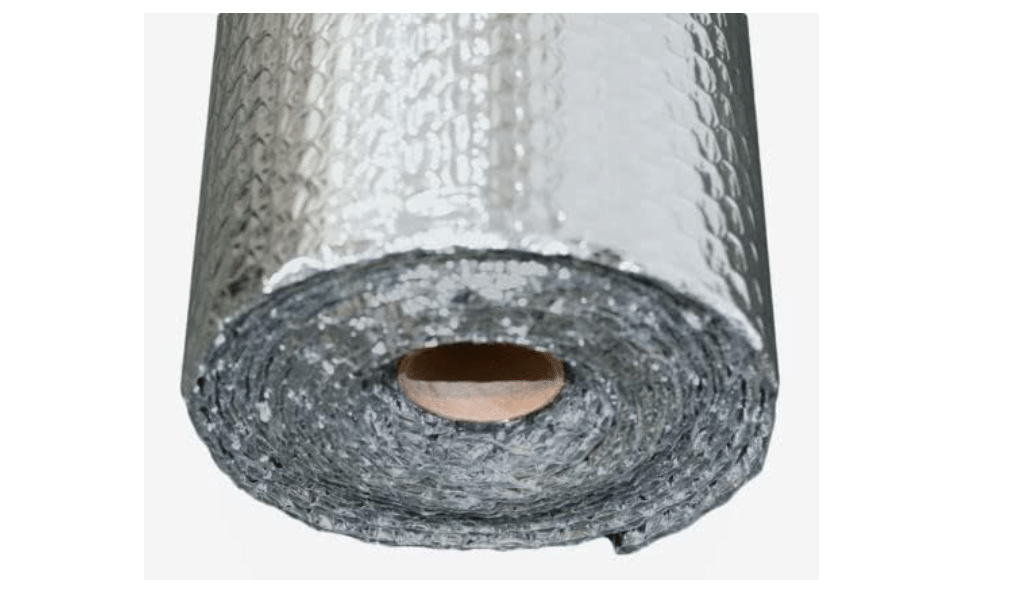
Product Description: Unlike traditional foam or fiberglass, Reflectix Spiral Pipe Wrap uses a unique thermal approach. It consists of a thin, air-filled bubble wrap core sandwiched between two layers of highly reflective metallic foil. Measuring 4 inches wide and 25 feet long, this tape-style wrap spirals around your pipes and actively reflects 97% of the radiant heat energy back into the copper line rather than just trapping it.
Price:
Key Features and Benefits:
-
Radiant Heat Reflection: The double-sided aluminum foil reflects thermal energy back into the water supply.
-
Non-Toxic and Non-Itchy: Unlike fiberglass, there are no itchy fibers. It is completely safe to handle bare-handed.
-
Vapor Retarder: Provides an excellent barrier against condensation when used on dual hot/cold manifolds.
Pros and Cons:
-
Pros: Easy to wrap around tricky angles; completely non-itchy; requires no protective gear; thin profile.
-
Cons: Wrapping in overlapping spirals is more time-consuming than snapping on a pre-slit foam tube.
Amazon Customer Ratings and Reviews: Earning a 4.6-star average, reviewers love how clean and comfortable the installation is. Many users with sensitive skin rave about finally finding a fiberglass-free alternative that still performs excellently on hot water boiler lines.
Why It’s a Good Choice: It attacks heat loss differently. Instead of relying solely on thick trapped air, it leverages a radiant barrier, which is incredibly effective for metal pipes like copper that naturally emit high amounts of radiant heat.
Ideal Use Case / Who Should Buy It: People with sensitive skin who want to avoid handling fiberglass, and DIYers working with tight clearances around pipes where bulky foam tubes simply will not fit.
6. K-Flex Titan Flexible Elastomeric Insulation (Best for Extreme Environments)
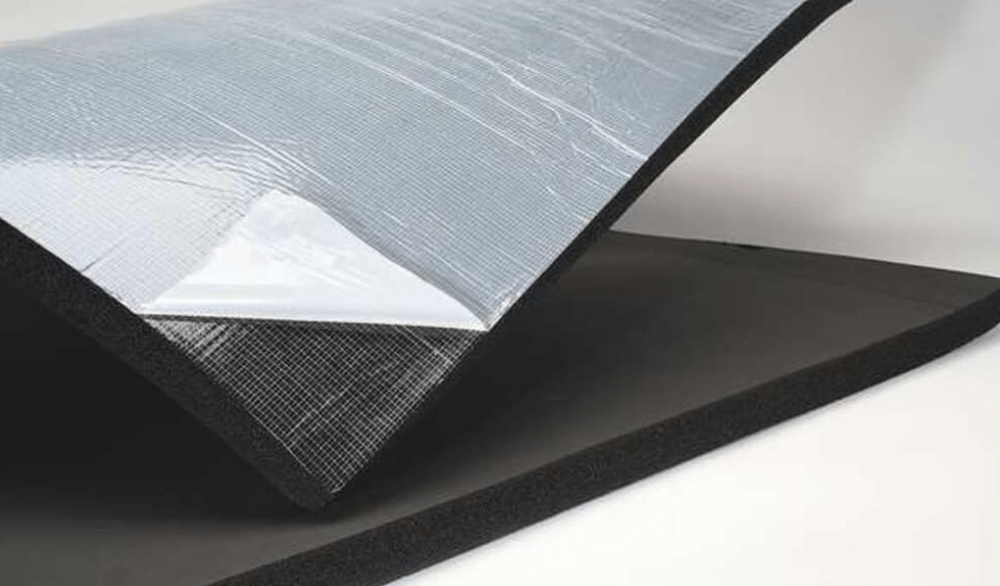
Product Description: The K-Flex Titan is built for absolute worst-case scenarios. It is a tough, closed-cell elastomeric rubber insulation that comes pre-shielded by a co-extruded, UV-resistant polymer jacket. This means the insulation itself is permanently protected against harsh sunlight, physical impacts, and outdoor weather conditions that would destroy standard foam in a matter of months.
Price: $60.82
Key Features and Benefits:
-
UV and Weather Resistant: The heavy-duty exterior jacket is designed to withstand direct sunlight and freezing rain.
-
Pest Protection: The rigid jacket acts as a deterrent against birds and rodents that often tear up foam for nesting material.
-
Extreme Temperature Tolerance: Can handle the intense heat of commercial boilers or the freezing lows of outdoor winter exposure.
Pros and Cons:
-
Pros: Impervious to outdoor elements and pests; incredible lifespan; looks very professional; zero water vapor permeability.
-
Cons: Absolute overkill for basic indoor basement applications; higher price point per foot.
Amazon Customer Ratings and Reviews: Receiving stellar 5-star ratings from a niche audience, this product is heavily praised by users who need to protect outdoor plumbing, exposed HVAC lines, or pipes running through unsealed, vented crawlspaces.
Why It’s a Good Choice: Copper pipes exposed to outside air or unsealed crawlspaces need robust physical protection alongside thermal insulation. Standard foam degrades rapidly under UV light; K-Flex Titan does not.
Ideal Use Case / Who Should Buy It: Anyone insulating copper lines that run through an outdoor area, an unheated barn, or a heavily ventilated crawlspace exposed to the elements or local wildlife.
7. Duck Brand Foil/Fiberglass Pipe Wrap (Best for Tight Spaces)
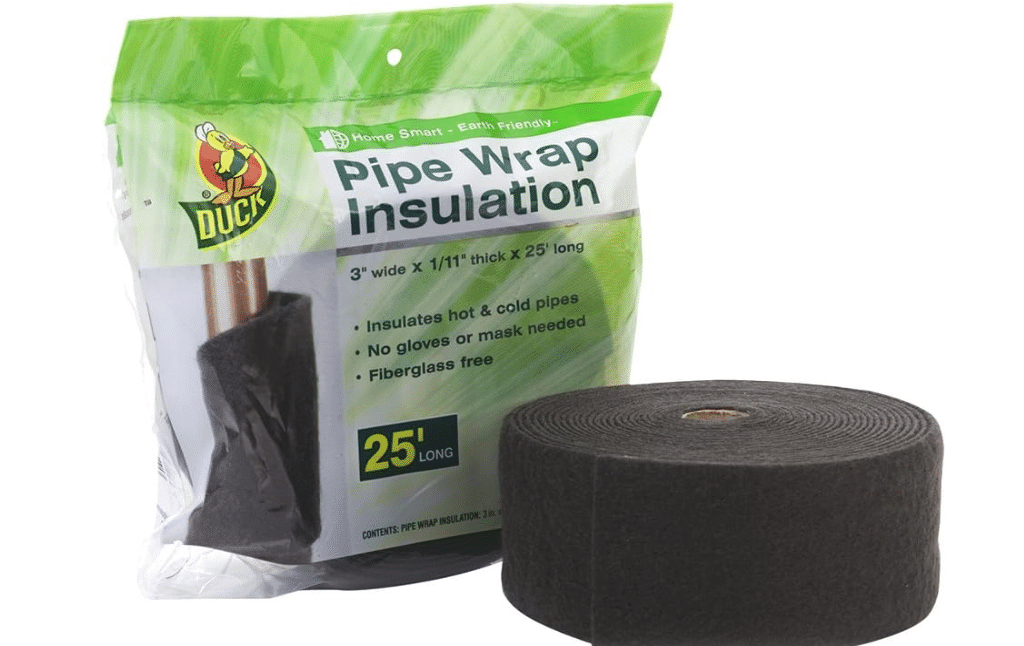
Product Description: Duck Brand offers a narrower, highly flexible roll of foil-faced fiberglass wrap that excels in cramped environments. Measuring just 3 inches wide and 25 feet long, this tape can be tightly wound around plumbing chases where standard tubular insulation is too bulky. The foil exterior serves as a moisture barrier while the fiberglass core traps the heat.
Price: $19.72
Key Features and Benefits:
-
Ultra-Thin Profile: Allows you to insulate pipes that are strapped flush against floor joists or tucked tightly behind drywall.
-
Highly Conformable: Easily molds over copper T-joints, 90-degree elbows, and shut-off valves.
-
Foil Backing: Provides structural strength to the fiberglass while reflecting ambient heat.
Pros and Cons:
-
Pros: Fits exactly where bulky foam tubes cannot; great for overlapping on complex fittings; very cheap.
-
Cons: Because it is thinner, it requires multiple overlapping passes to build up a high R-value on extreme-heat pipes.
Amazon Customer Ratings and Reviews: Reviewers consistently mention how well this works under crowded bathroom sinks or behind water heaters. With a 4.4-star average, it is recognized as a specialty problem-solver for cramped residential plumbing.
Why It’s a Good Choice: Standard tubular insulation often will not fit when copper pipes are run poorly or strapped too close to walls. This wrap allows you to manually build up the insulation exactly where you have room for it.
Ideal Use Case / Who Should Buy It: DIYers retrofitting older homes, working in tight basements, or insulating pipes jammed behind a water heater or drywall.
8. Frost King Self-Sealing Tubular Rubber Pipe Insulation (Best Moisture Resistance)
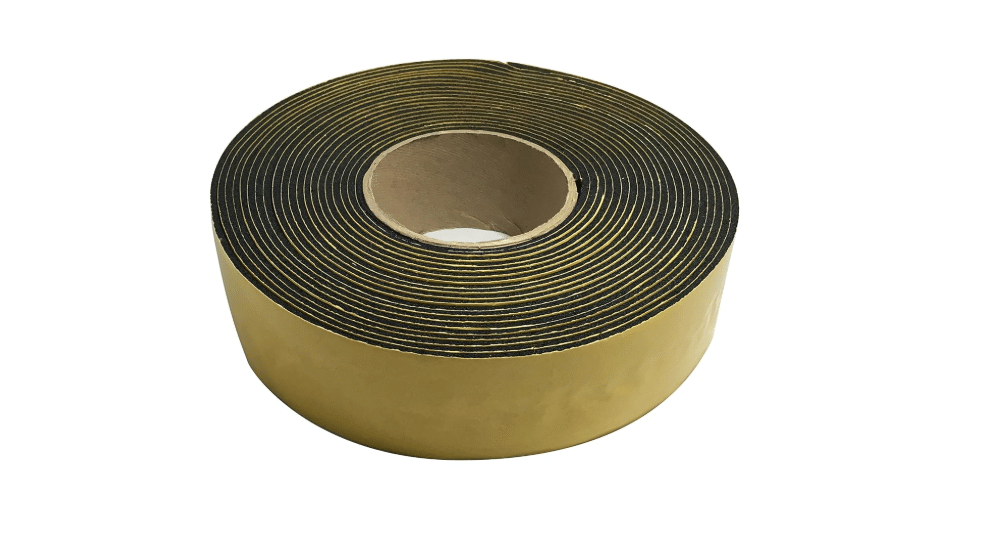
Product Description: Unlike Frost King’s fiberglass wrap, this product is a pre-slit tubular rubber that offers a much higher density than standard grey polyethylene foam. It utilizes a closed-cell elastomeric rubber structure and an aggressive self-sealing adhesive lip. It provides exceptional high-heat tolerance while remaining completely impervious to moisture.
Price:
Key Features and Benefits:
-
High Heat Tolerance: The rubber compound will not melt, fuse, or degrade when wrapped around high-temperature hot water lines.
-
Dense Closed-Cell Structure: Stops moisture completely, making it equally excellent for cold water lines that sweat.
-
Sound Dampening: The heavy rubber mass significantly reduces the noise of rushing water inside the copper pipes.
Pros and Cons:
-
Pros: Won’t melt on hot water lines; doubles as excellent sound-dampening; aggressive adhesive seam.
-
Cons: The fresh rubber smell can take a few days to dissipate in poorly ventilated basements.
Amazon Customer Ratings and Reviews: Customers appreciate that it doesn’t dry out and crack like cheaper foam alternatives. It holds a strong 4.5-star average, with many users praising the heavy-duty feel and the stickiness of the self-seal lip.
Why It’s a Good Choice: It marries the ease and speed of pre-slit tubes with the superior high-temperature performance of elastomeric rubber. You get the fast install of foam with the durability of a commercial product.
Ideal Use Case / Who Should Buy It: Homeowners who want a fast, snap-on tube installation but need a material strictly rated for high domestic hot-water temperatures.
9. Pamase Outdoor Pipe Insulation Tape Wrap (Best for Fittings and Valves)
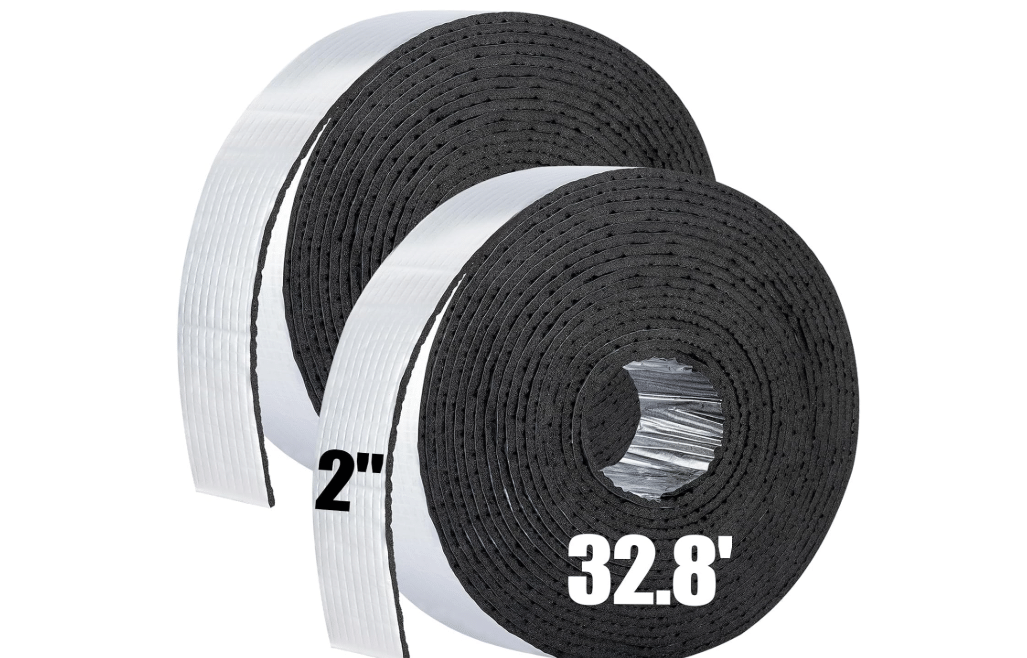
Product Description: No matter what tubular insulation you buy, you will always be left with exposed copper elbows, T-joints, and ball valves. The Pamase Outdoor Pipe Tape is an extra-thick, self-adhesive foam tape backed with weather-resistant aluminum foil. It acts as the ultimate finishing product to seal the thermal bridges left behind by standard tubing.
Price:
Key Features and Benefits:
-
Tape Format: Conforms easily to any odd shape, allowing you to completely cover complex brass valves and copper elbows.
-
Highly Sticky Adhesive: Bonds instantly to itself and to the ends of your tubular insulation.
-
Foil Exterior: UV and weather-resistant, reflecting radiant heat.
Pros and Cons:
-
Pros: Perfect for sealing odd shapes and gaps; highly sticky; excellent weather resistance.
-
Cons: At only 2 inches wide, it would be far too tedious and expensive to wrap long, straight runs of pipe.
Amazon Customer Ratings and Reviews: Boasting a 4.6-star average, users highly rate this as the ultimate accessory for their insulation projects. Many note that wrapping their exposed fittings with this tape yielded a noticeable bump in water temperature.
Why It’s a Good Choice: A thermal system is only as strong as its weakest link. Exposed brass valves and copper elbows bleed massive amounts of heat. This tape ensures a 100% sealed, uninterrupted thermal barrier.
Ideal Use Case / Who Should Buy It: Anyone who has already purchased tubular insulation and needs an easy, effective way to cover their exposed copper fittings, valves, and elbows.
10. Tundra Self-Sealing Polyethylene Pipe Insulation (Best for Quick DIY Installation)
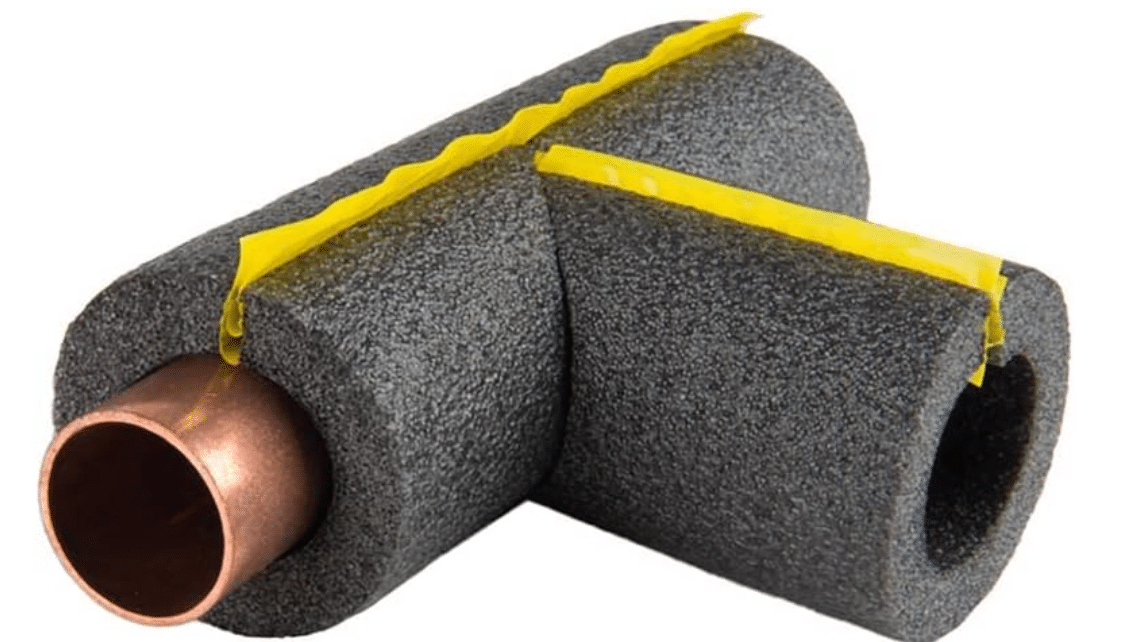
Product Description: Tundra provides the classic, reliable polyethylene foam “noodle” with a pre-applied pressure-sensitive adhesive. It is 100% CFC-free and designed for standard residential plumbing. Available in exact nominal copper pipe sizes (like 1/2-inch and 3/4-inch inside diameter), it guarantees a snug fit against the copper surface to prevent air drafts.
Price: $64.37
Key Features and Benefits:
-
Exact Sizing: Pre-molded to fit standard copper pipe dimensions tightly.
-
Instant Adhesion: The dual adhesive strips lock the tube in place without needing extra tape.
-
Semi-Flexible: Can be gently bent to follow slight curves in PEX or copper plumbing.
Pros and Cons:
-
Pros: Requires no tools other than a utility knife; exact sizing takes the guesswork out of ordering; very cheap.
-
Cons: Can occasionally separate at the seam if stretched too forcefully around tight 90-degree bends.
Amazon Customer Ratings and Reviews: Consistent 4.4-star ratings highlight its value for basic, straightforward home winterization projects. Reviewers love the price point, noting they could insulate their entire home for the cost of a few pizzas.
Why It’s a Good Choice: It takes all the guesswork out of sizing and installation. If you know you have 1/2-inch copper pipes, you buy the 1/2-inch Tundra foam, snap it on, and you are done. It is the most accessible option for a total plumbing novice.
Ideal Use Case / Who Should Buy It: First-time DIYers who want to insulate their whole basement in under an hour for less than $50, achieving solid energy savings with zero hassle.
Comprehensive Buying Guide: How to Choose the Right Insulation for Copper
If you want to maximize your energy savings and ensure you are buying the right product for your specific plumbing layout, keep these three crucial factors in mind before adding anything to your cart.
1. Material Matters: Fiberglass vs. Rubber vs. Foam
-
Fiberglass: The absolute best choice for high-temperature hot water lines. It boasts the highest R-values, will never melt or degrade from extreme boiler heat, and easily wraps around odd shapes. However, it requires gloves and a mask to install.
-
Elastomeric Rubber: The best middle ground. It handles high temperatures far better than foam, provides a 100% moisture barrier, and lasts for decades without drying out. It is more expensive but yields a professional look.
-
Polyethylene Foam: The cheapest and fastest to install. It is perfect for budget-conscious DIYers. While its heat retention is slightly lower, it still provides a massive improvement over bare copper.
2. Understanding R-Value & Wall Thickness The R-value measures how well the material resists heat flow—the higher the number, the better it traps heat. To get a higher R-value, you need thicker insulation walls (e.g., 1-inch thick walls vs. 1/2-inch thick walls). Before buying the thickest tube available, take a tape measure down to your basement. If your copper pipes are strapped tightly against the wood floor joists or right next to each other, thick insulation simply won’t fit. Balance your need for heat retention with your available physical clearance.
3. Sizing for Copper (Nominal vs. Outer Diameter) Copper pipes are categorized by “nominal” size, meaning a 1/2-inch copper pipe actually has an outer diameter of 5/8-inch. Most insulation manufacturers account for this. When buying pre-slit tubes, simply look for packaging that states it fits “1/2-inch copper” or “3/4-inch copper.” If you buy tape or spiral wraps, sizing is universal!
Frequently Asked Questions (FAQs)
Does insulating hot water pipes really save money? Yes, absolutely. Uninsulated copper pipes lose massive amounts of standby heat. By insulating them, your water heater works less to maintain temperature, and water arrives at your showerhead 2°F to 4°F hotter. The Department of Energy estimates that pipe insulation pays for itself in energy savings within just a few months.
Can foam insulation melt on hot copper pipes? Standard domestic hot water is usually kept around 120°F to 140°F, which is perfectly safe for standard polyethylene foam. However, if you are insulating pipes connected directly to a high-temperature boiler system (which can exceed 180°F), cheaper foam can shrink, harden, or slightly warp over time. For those extreme temperatures, fiberglass or elastomeric rubber is highly recommended.
Should I insulate both hot and cold copper pipes? Yes, but for different reasons. You insulate hot water pipes to stop heat loss and save money on your energy bill. You insulate cold water pipes to stop condensation (sweating). In humid basements, cold copper pipes will drip water, potentially causing mold or water damage to the floor below.
Conclusion & Final Verdict
Stopping the thermal bleed in your basement is one of the smartest, most satisfying weekend projects a homeowner can tackle. By simply trapping the heat inside your copper lines, you reduce the strain on your water heater and eliminate the agonizing wait for a warm shower.
If you want the ultimate thermal performance for extreme temperatures, we highly recommend the Frost King Foil-Backed Fiberglass Pipe Wrap. It easily conforms to your plumbing and reflects heat back into the water better than almost anything else.
If you prefer a fast, snap-on tube that looks professional and handles heat incredibly well, the Armacell Armaflex Rubber Tube is worth the premium investment. Finally, if you just want to get the job done in under an hour on a strict budget, you cannot go wrong with M-D Building Products Foam Tubes.
Grab a tape measure, check the size of your pipes today, and click through to Amazon to order your insulation—your future self will thank you every time you step into a piping hot shower.