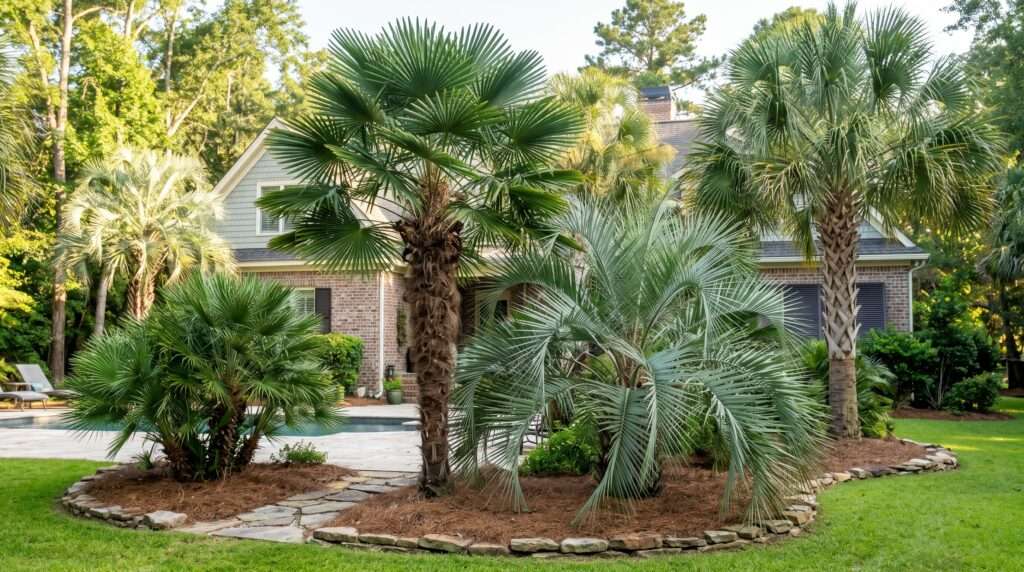
Picture a breezy afternoon in Charleston or a sun-drenched afternoon in Myrtle Beach, and swaying palm fronds immediately come to mind. Yet, bringing that effortless coastal resort vibe to your own backyard comes with a few real-world hurdles. South Carolina’s climate throws plenty of curveballs at tropical foliage—from salty ocean winds along the Lowcountry to dense red clay in the Midlands and sudden, biting winter freezes in the Upstate. That is why starting with the best 10 palm trees for South Carolina is the smartest way to guarantee your landscape thrives year after year.
Every spring, countless Palmetto State homeowners order lush, eye-catching tropical varieties—like Majesty or Coconut palms—online, only to watch them turn brown and die during the very first January frost. Even rugged-looking palms can fail quickly if they aren’t matched to your county’s winter lows, soil drainage, and sun exposure.
To save you the frustration and wasted money, we cross-referenced cold-hardiness data for USDA Zones 7b through 9a with real-world growing performance and hundreds of verified live-plant reviews on Amazon. Whether you need a hurricane-resistant native for a coastal property, a drought-tolerant centerpiece for a Midlands yard, or a sub-zero survivor for the Upstate, this guide breaks down the best 10 palm trees for South Carolina—all proven to thrive locally and ready to ship straight to your door.
Quick Navigation: Top Picks | Comparison Table | Buying Guide | Winter Care Tips
Quick Comparison Table: Best 10 Palm Trees for South Carolina
How We Selected the Best Palm Trees for South Carolina
Choosing a palm tree for South Carolina isn’t as simple as picking the prettiest photo on Amazon. Because the state spans three distinct microclimates—the cooler Upstate (Zone 7b), the hot and humid Midlands (Zone 8a), and the coastal Lowcountry (Zones 8b–9a)—we vetted every recommendation against three strict criteria:
-
Verified Cold Hardiness: Every palm on this list can handle South Carolina’s winter temperature dips without collapsing, ranging from coastal performers hardy to 15°F to sub-zero Upstate survivors.
-
Soil, Wind & Salt Resilience: We prioritized species that tolerate either South Carolina’s heavy Piedmont clay (when properly amended) or sandy, salt-swept coastal soils.
-
Amazon Live-Plant Reliability: Ordering live trees online comes with shipping risks. We evaluated top-rated nursery listings on Amazon for root-ball health, moisture-retaining packaging, accurate sizing, and consistent buyer success rates.
In-Depth Reviews: The Best 10 Palm Trees for South Carolina
1. Windmill Palm (Trachycarpus fortunei) — Best Overall for All of South Carolina
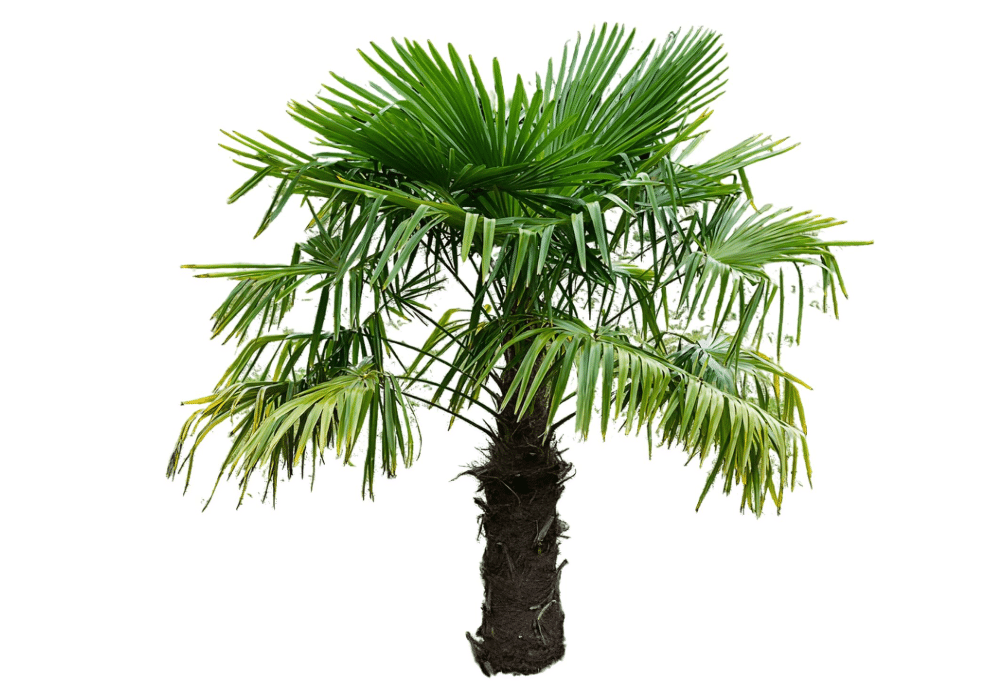
If you want a classic, single-trunk palm tree that looks right at home in a resort courtyard yet shrugs off winter frost, the Windmill Palm is the undisputed champion for South Carolina. Native to the mountainous regions of central China and the Himalayas, this resilient fan palm features a distinctive, slender trunk wrapped in dark, fibrous “hair” that naturally insulates the tree against freezing winds. Its deeply divided, emerald-green fronds radiate outward like the blades of a windmill, staying neat and compact without overwhelming smaller residential yards.
-
Price:
-
Key Features & Benefits:
-
Exceptional Cold Tolerance: Survives brief temperature drops down to 5°F (-15°C) once established.
-
Compact Footprint: Typically matures to 10–20 feet tall with a tight 6–8 foot canopy spread, making it easy to fit near patios, pools, and walkways.
-
Versatile Light Needs: Thrives in full sun in coastal areas and appreciates light afternoon shade during scorching Midlands summers.
-
Salt & Wind Tolerant: Holds up well to coastal breezes and summer thunderstorms.
-
-
Pros:
-
One of the only true trunking palms reliable in Upstate SC (Zone 7b).
-
Clean, upright growth habit with minimal frond drop.
-
Adapts well to large patio containers when young.
-
-
Cons:
-
Dislikes standing water; requires well-draining soil to prevent root rot.
-
Slower growth rate compared to tropical fan palms (about 8–12 inches per year).
-
-
Amazon Customer Ratings & Reviews: Consistently averages 4.4 to 4.6 stars across top nursery sellers. Verified buyers across the Southeast praise its sturdy root systems upon arrival and frequently report that their trees survived unexpected ice storms with zero frond burn.
-
Why It’s a Good Choice for South Carolina: It bridges the gap between the Upstate and the Coast. Whether you live in Greenville, Columbia, or Charleston, the Windmill Palm delivers authentic vertical palm appeal without demanding constant winter babying.
-
Ideal Use Case / Who Should Buy It: Homeowners anywhere in South Carolina who want a low-maintenance, classic-looking palm tree for front yards, poolside corners, or entryway framing.
2. Sabal Palmetto / Cabbage Palm (Sabal palmetto) — Best Native & Coastal Hurricane-Resistant Palm
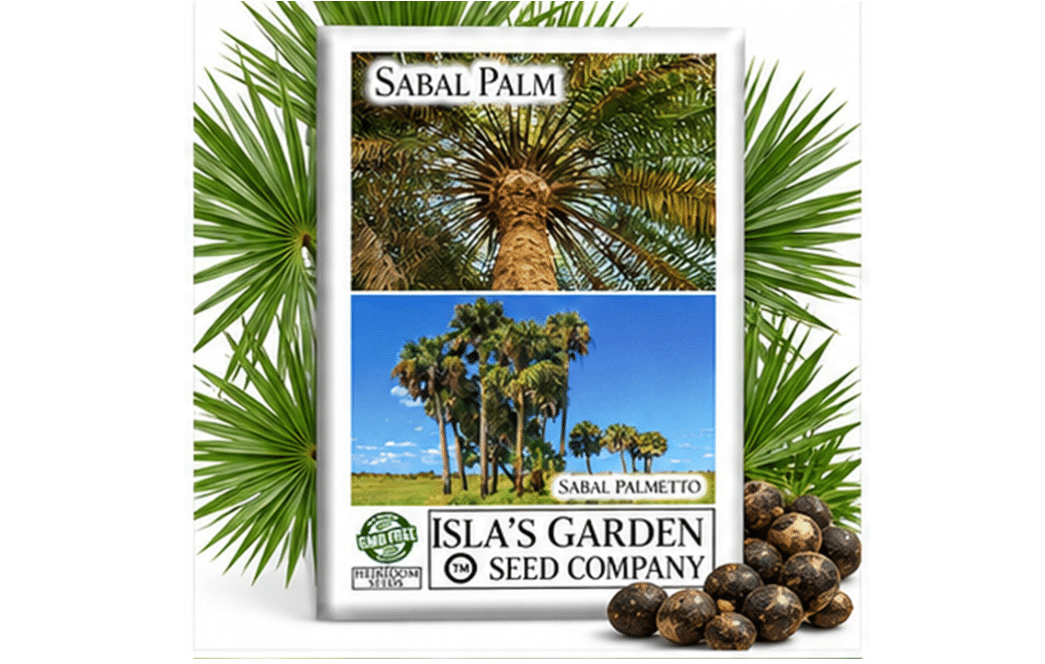
You cannot talk about the best 10 palm trees for South Carolina without honoring the state’s official tree. The Sabal Palmetto (also known as the Cabbage Palm) is an iconic native powerhouse famous for its woven, cross-hatched “boot” trunk and dense crown of costapalmate (curved fan) green fronds. Because it evolved along the Southeastern seaboard, it laughs off hurricane-force winds, relentless summer humidity, and direct ocean salt spray.
-
Price: $5.98
-
Key Features & Benefits:
-
Hurricane-Proof Engineering: Deep, fibrous roots and flexible fronds bend in high winds rather than snapping.
-
Native Ecosystem Support: Produces fragrant white spring flower spikes that attract native pollinators and autumn berries for birds.
-
Extreme Soil Adaptability: Thrives in pure coastal sand, loamy soil, and even periodically damp ground.
-
Cold-Hardy Resilience: Mature trees tolerate temperatures down to 10°F–15°F.
-
-
Pros:
-
Virtually maintenance-free once established.
-
Unmatched salt-spray and drought tolerance.
-
Iconic, unmistakable South Carolina curb appeal.
-
-
Cons:
-
Very slow to develop a tall trunk when grown from a small 1-to-3 gallon Amazon starter plant.
-
Can experience transplant shock if roots are disturbed heavily during planting.
-
-
Amazon Customer Ratings & Reviews: Averages 4.3 to 4.5 stars. Buyers love the healthy, vibrant green straps on container-grown saplings and note that container-grown palms establish much more reliably than field-dug specimens.
-
Why It’s a Good Choice for South Carolina: It is literally built for this state. From Myrtle Beach to Hilton Head and inland through Columbia, the Sabal Palmetto requires no chemical crutches and withstands coastal storms better than almost any other landscape tree.
-
Ideal Use Case / Who Should Buy It: Coastal and Midlands homeowners looking for an authentic, wind-proof native focal point who don’t mind giving a young tree a few seasons to gain height.
3. Pindo Palm / Jelly Palm (Butia capitata) — Best Feather-Frond Palm for Curb Appeal
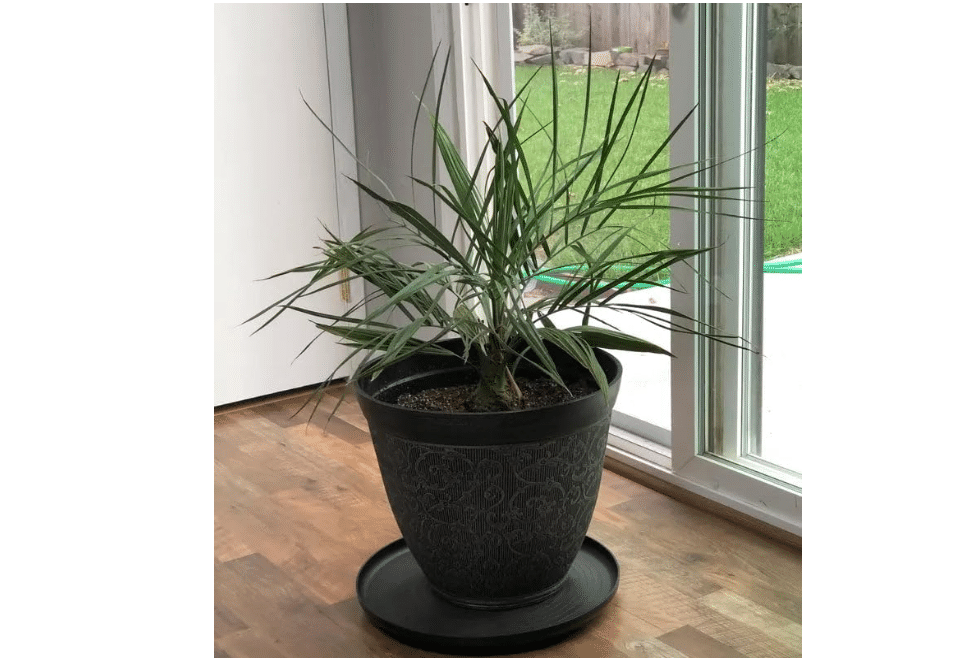
Most cold-hardy palms have fan-shaped leaves, which is why the Pindo Palm (also called the Jelly Palm) stands out immediately. It is widely considered one of the hardiest pinnate (feather-leaved) palms in the world. Its thick, stout trunk supports a dramatic, fountain-like crown of arching silver-blue to blue-green fronds that give any yard an instant high-end resort aesthetic. In late summer, mature trees even produce clusters of sweet-tart, edible yellow-orange fruit used to make Southern palm jelly.
-
Price:
-
Key Features & Benefits:
-
Striking Blue-Green Foliage: Adds rare cool-toned color contrast against green lawns and brick homes.
-
Cold-Hardy Feather Fronds: Withstands winter dips down to 14°F–15°F with minimal fuss.
-
Drought & Salt Tolerant: Once rooted, it thrives in full blazing sun and handles dry spells effortlessly.
-
Manageable Mature Height: Typically tops out around 15–20 feet tall with a wide, graceful canopy.
-
-
Pros:
-
Gives you that classic tropical “coconut palm” feather look in Zone 8.
-
Very low water needs after the first year.
-
Edible, flavorful fruit for adventurous gardeners.
-
-
Cons:
-
Fallen fruit can be messy if planted directly over concrete driveways or pool decks.
-
Needs full sun and sharp drainage; struggles in heavy, wet clay without amendment.
-
-
Amazon Customer Ratings & Reviews: Holds a strong 4.5-star average. Reviewers frequently rave about the silvery-blue hue of the fronds and how quickly the plant flushes out new growth during hot South Carolina summers.
-
Why It’s a Good Choice for South Carolina: For homeowners in Zones 8a–9a who want a lush, feathery tropical centerpiece without worrying about a standard winter freeze wiping it out, the Pindo Palm is unbeatable.
-
Ideal Use Case / Who Should Buy It: Front-yard centerpieces, wide lawn islands, and sunny coastal or Midlands landscapes where its arching 12-to-15-foot spread has room to shine.
4. European / Mediterranean Fan Palm (Chamaerops humilis) — Best Multi-Trunk Clumping Palm
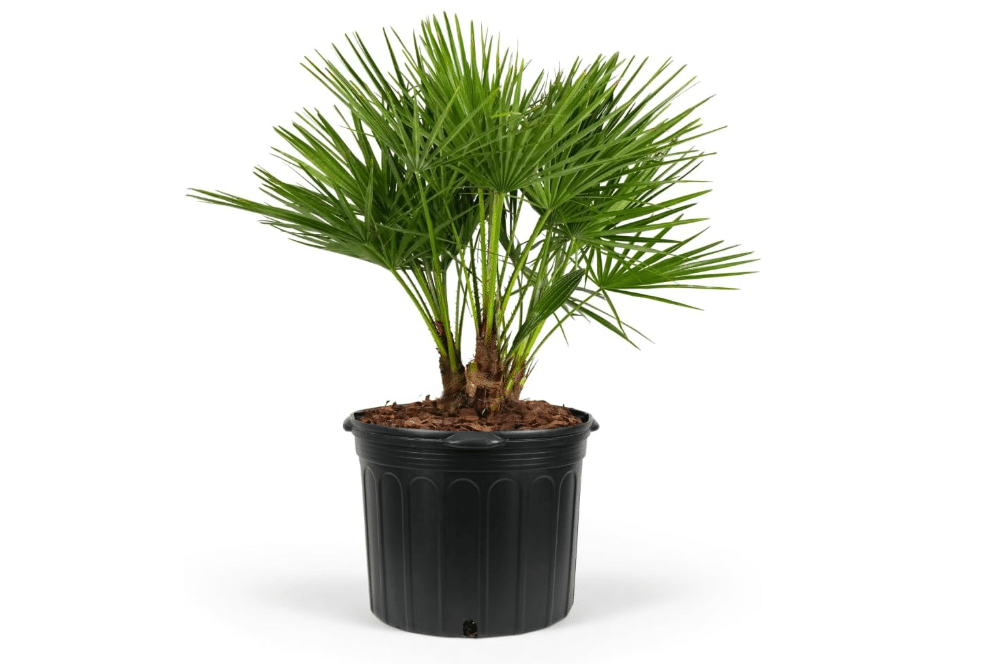
If you need a sculptural, bushy palm to fill a corner, anchor a driveway, or create a low tropical privacy screen, the European Fan Palm (also known as the Mediterranean Fan Palm) is a rock-solid performer. Native to the rugged mountains of the Mediterranean, this slow-growing palm naturally forms a dense, multi-trunked clump of stiff, silver-green to emerald fan fronds. It is extraordinarily tough, shrugging off heat, drought, poor rocky soil, and cold snaps alike.
-
Price:
-
Key Features & Benefits:
-
Multi-Stem Architectural Shape: Naturally produces suckers at the base, creating a lush, full-bodied silhouette (or can be pruned into a single trunk).
-
Impressive Cold Tolerance: Hardy down to 5°F–10°F, making it reliable across almost all of South Carolina.
-
Zero-Fuss Soil Tolerance: Thrives in lean, sandy, or rocky soils where pickier tropical plants struggle.
-
Compact Stature: Usually stays between 5 and 10 feet tall in South Carolina landscapes.
-
-
Pros:
-
Exceptional drought tolerance once established.
-
Looks fantastic in oversized terracotta pots on patios or decks.
-
Naturally dense habit works well as a tropical accent shrub.
-
-
Cons:
-
Leaf stems (petioles) feature sharp, saw-like spines—keep away from narrow high-traffic walkways.
-
Slow growth rate means it takes patience to reach full size.
-
-
Amazon Customer Ratings & Reviews: Averages 4.4 stars. Customers appreciate how full and bushy the multi-stem specimens look right out of the box, noting their resilience through both summer droughts and Zone 8 frosts.
-
Why It’s a Good Choice for South Carolina: It handles the state’s intense summer heat and dry spells while surviving winter freezes in Zones 7b–9a. Just be sure to plant it in well-draining soil so winter rain doesn’t pool around its roots.
-
Ideal Use Case / Who Should Buy It: Homeowners designing Mediterranean or coastal-modern landscapes, driveway borders, or sunny patio container gardens.
5. Needle Palm (Rhapidophyllum hystrix) — Most Cold-Hardy Palm for Upstate SC
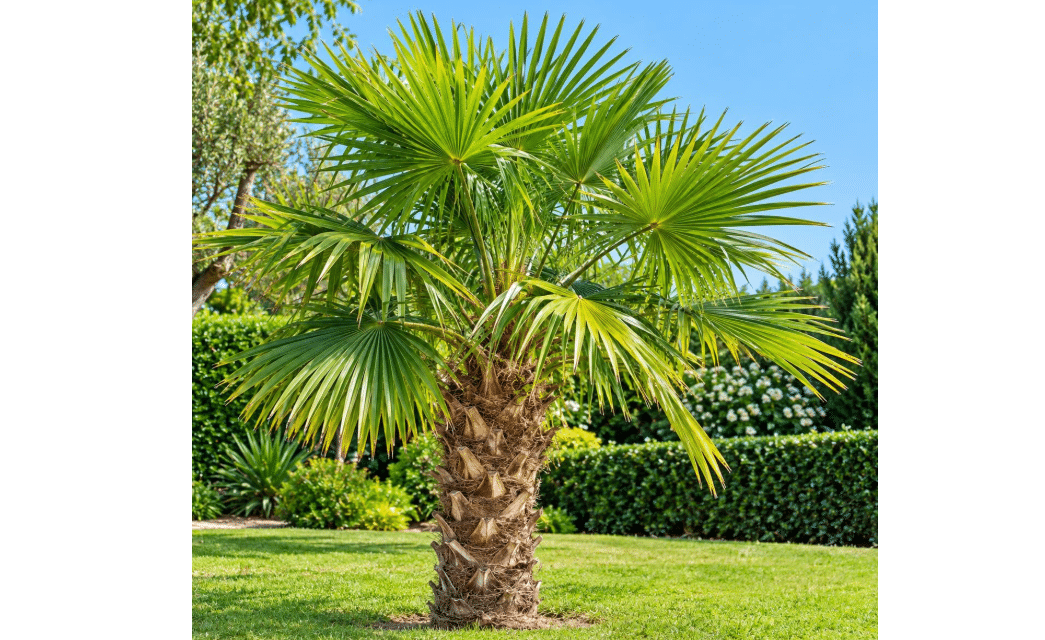
If you live in Greenville, Spartanburg, or the Upstate foothills and worry that winter lows will wipe out your tropical dreams, the Needle Palm is your safest bet. Native to the Southeastern United States, it is widely recognized as one of the world’s most cold-hardy palms. Rather than growing a tall, slender trunk, it forms a lush, evergreen, shrub-like clump of glossy dark-green fan fronds that stays compact and thrives even in deep woodland shade.
-
Price:
-
Key Features & Benefits:
-
Sub-Zero Survival: Tolerates winter temperatures down to -5°F (-20°C) without frost protection once established.
-
Shade-Loving Habit: Unlike most palms that demand blazing sun, the Needle Palm thrives in dappled to full shade.
-
Compact Clumping Growth: Matures slowly to about 4–8 feet tall and wide, making it ideal for foundation beds.
-
Moisture Tolerant: Handles damp, organic-rich soils far better than desert or Mediterranean palms.
-
-
Pros:
-
Grows reliably in every single county of South Carolina (Zones 6b–10).
-
Virtually pest- and disease-free native plant.
-
Keeps rich, glossy green foliage all winter long.
-
-
Cons:
-
Long, sharp black needles protrude from the fibrous base of the trunk—plant away from kids’ play areas and narrow paths.
-
Very slow-growing, so it won’t give you rapid vertical height.
-
-
Amazon Customer Ratings & Reviews: Averages 4.4 to 4.6 stars. Upstate and Zone 7 buyers frequently highlight that their Needle Palms sailed through sub-10°F Arctic blasts without losing a single green frond.
-
Why It’s a Good Choice for South Carolina: It removes all guesswork for Zone 7b gardeners. Even during South Carolina’s harshest winter snaps, this native palm stays evergreen and vibrant.
-
Ideal Use Case / Who Should Buy It: Upstate South Carolina homeowners, shaded woodland gardens, and anyone seeking a zero-stress, deer-resistant tropical shrub.
6. Dwarf Palmetto (Sabal minor) — Best Shade-Tolerant Native Understory Palm
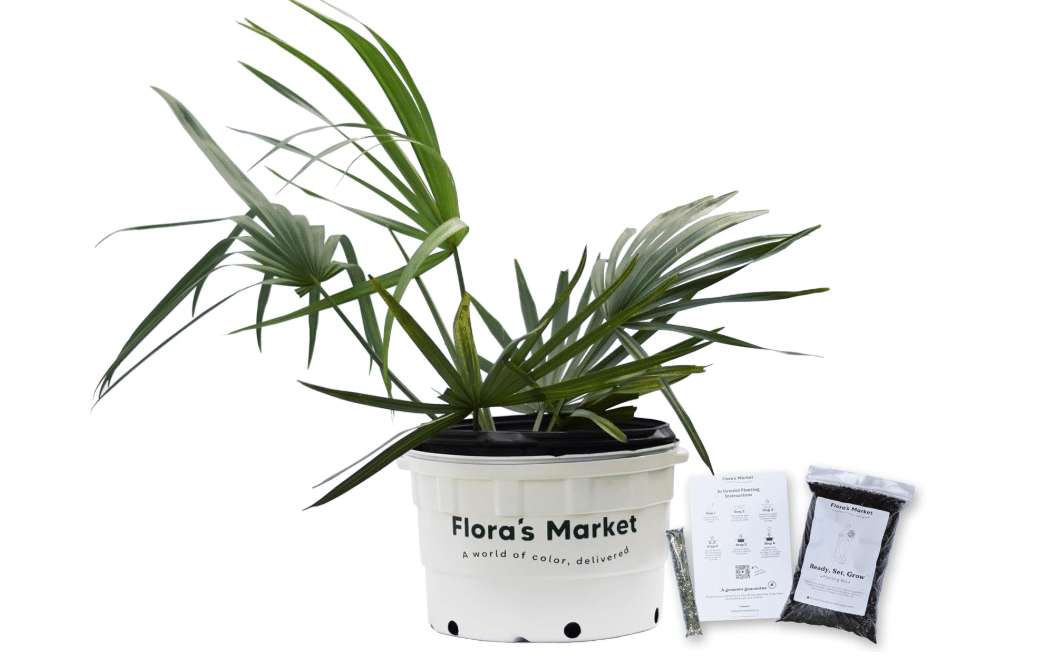
Another native gem of the Southeast, the Dwarf Palmetto (Sabal minor) is a low-growing, spineless fan palm that brings effortless Lowcountry texture to shaded yards. Its trunk grows mostly underground, sending up stiff, architectural blue-green to deep-green fan leaves with a distinctive V-shaped split down the center. Because it has no thorns or spines on its stems, it is one of the most family- and pet-friendly palms you can plant.
-
Price:
-
Key Features & Benefits:
-
Extreme Cold Hardiness: Survives temperatures down to -5°F to -10°F without protection.
-
Spineless & Safe: Smooth leaf petioles make it safe to plant right alongside walkways, patios, and porches.
-
Wet-Soil Champion: Naturally grows in floodplains and damp woods, meaning it won’t rot in heavy, slow-draining South Carolina clay.
-
Wildlife Friendly: Produces tall summer flower stalks followed by dark berries that songbirds love.
-
-
Pros:
-
Thrives in every South Carolina USDA zone (7a–10).
-
Handles both full sun and deep shade.
-
Non-invasive clumping habit that stays neatly contained.
-
-
Cons:
-
Very slow growth rate.
-
Dislikes being dug up and moved once established, so buy container-grown plants and pick their permanent spot carefully.
-
-
Amazon Customer Ratings & Reviews: Averages 4.5 stars. Buyers praise the healthy, well-rooted container specimens and note how easily they adapt to damp, shady backyard corners where grass refuses to grow.
-
Why It’s a Good Choice for South Carolina: It is native across the Palmetto State and solves one of the toughest local landscaping problems: finding a palm that thrives in shady, wet, or clay-heavy soil.
-
Ideal Use Case / Who Should Buy It: Foundation plantings, shaded backyard borders, rain gardens, and low-maintenance native landscapes.
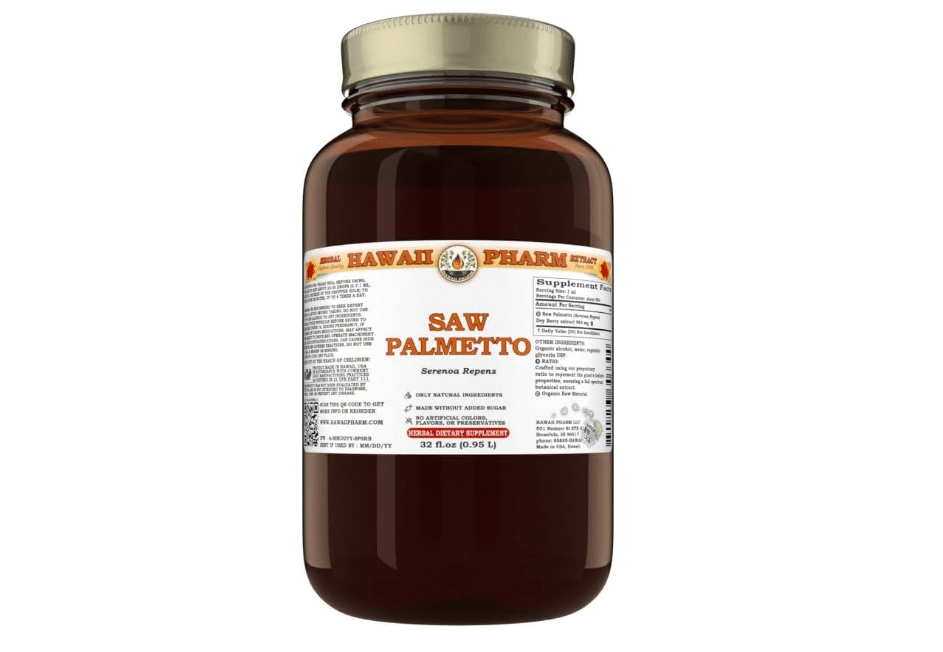
7. Saw Palmetto (Serenoa repens) — Best for Erosion Control & Coastal Buffers
If you have ever walked near the dunes of Hilton Head, Kiawah, or Myrtle Beach, you have seen the Saw Palmetto in action. This rugged, spreading native shrub palm grows along creeping, horizontal stems and is available in both classic emerald green and a breathtaking silver-blue coastal form. Named for the tiny, saw-like teeth along its leaf stalks, it is practically indestructible once its roots take hold.
-
Price: $189.95
-
Key Features & Benefits:
-
Coastal Fortress: Shrugs off direct salt spray, hurricane winds, and poor, sandy soils.
-
Drought-Proof Performance: Thrives on natural rainfall alone after its first growing season.
-
Cold-Hardy Resilience: Mature plants tolerate temperatures down to 0°F–10°F (Zones 7b–11).
-
Pollinator Magnet: Creamy-white spring blooms attract honeybees and native butterflies.
-
-
Pros:
-
Exceptional for stabilizing sloped banks and sandy coastal lots.
-
Silver-blue varieties offer high-end designer color contrast.
-
Virtually zero watering or fertilizing needed once established.
-
-
Cons:
-
Sharp teeth on the leaf stems require gloves when pruning.
-
Slow to establish from small pots, though rock-solid once rooted.
-
-
Amazon Customer Ratings & Reviews: Averages 4.3 to 4.5 stars. Coastal buyers love the striking silver-blue foliage options and report high survival rates in hot, sandy yards where other shrubs scorch.
-
Why It’s a Good Choice for South Carolina: It is tailor-made for the coastal plains and Sandhills of South Carolina, offering natural erosion control and unmistakable Southern coastal character.
-
Ideal Use Case / Who Should Buy It: Coastal properties, sunny slopes, xeriscaped yards, and natural privacy buffers.
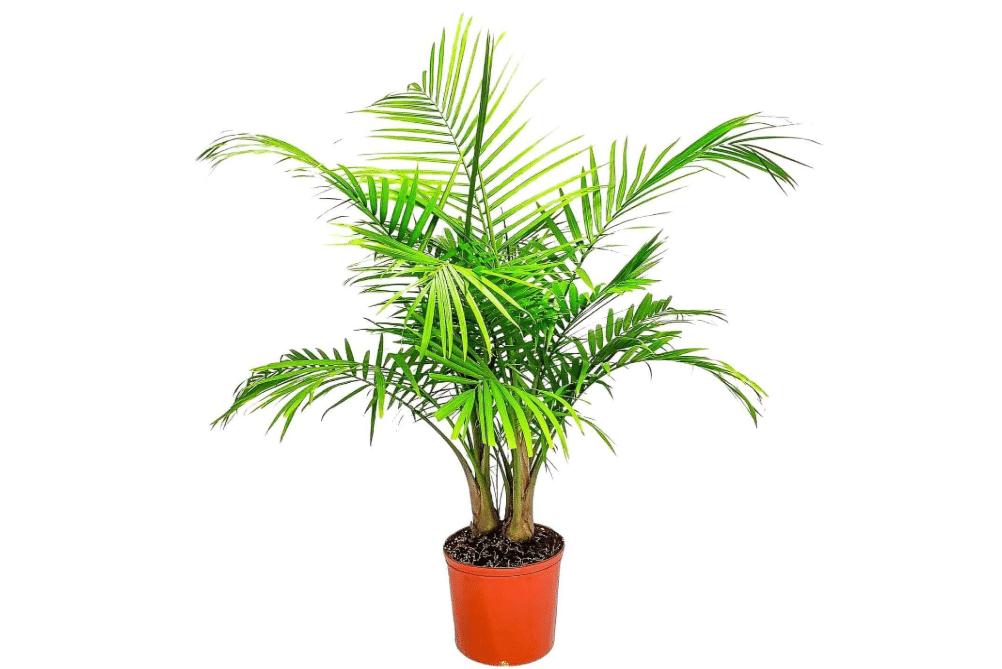
8. Chinese Fan Palm (Livistona chinensis) — Best for Lush, Drooping Tropical Canopy
For homeowners who want that dramatic, lush, rainforest-like canopy without sacrificing cold tolerance, the Chinese Fan Palm is a showstopper. Its large, glossy, star-shaped green fronds feature gracefully weeping tips that create a soft, fountain-like silhouette. While it can eventually reach 15–25 feet in warm coastal areas, it grows at a relaxed pace and looks equally stunning in large decorative patio planters.
-
Price:
-
Key Features & Benefits:
-
Graceful Weeping Foliage: Drooping leaf tips give it a softer, more luxurious tropical feel than stiff fan palms.
-
Moderate Cold Hardiness: Tolerates brief dips to 15°F–20°F; mature trees in sheltered Lowcountry spots can handle even slightly cooler snaps (though fronds may burn below 19°F).
-
Container Superstar: Thrives for years in oversized patio pots, making it easy to roll into a garage during rare Arctic blasts.
-
Sun or Part Shade: Performs beautifully in bright filtered light or full coastal sun.
-
-
Pros:
-
Delivers an instant high-end resort aesthetic near pools and decks.
-
Adapts smoothly to both indoor/outdoor patio living and in-ground coastal planting.
-
Salt-tolerant enough for coastal neighborhoods.
-
-
Cons:
-
Best suited for in-ground planting in the Lowcountry (Zones 8b–9a); Midlands (8a) and Upstate (7b) growers should keep it in a movable container or provide frost cloth.
-
Requires well-draining soil to stay healthy.
-
-
Amazon Customer Ratings & Reviews: Averages 4.4 stars. Buyers rave about the lush, glossy leaves right out of the shipping box and how well it elevates pool decks and sunrooms.
-
Why It’s a Good Choice for South Carolina: In Charleston, Beaufort, and Myrtle Beach (Zones 8b–9a), it thrives outdoors year-round, while inland homeowners can enjoy its fountain-like canopy as a prized patio centerpiece.
-
Ideal Use Case / Who Should Buy It: Lowcountry homeowners wanting a lush, shade-casting poolside palm, or Midlands/Upstate gardeners looking for a dramatic container palm.
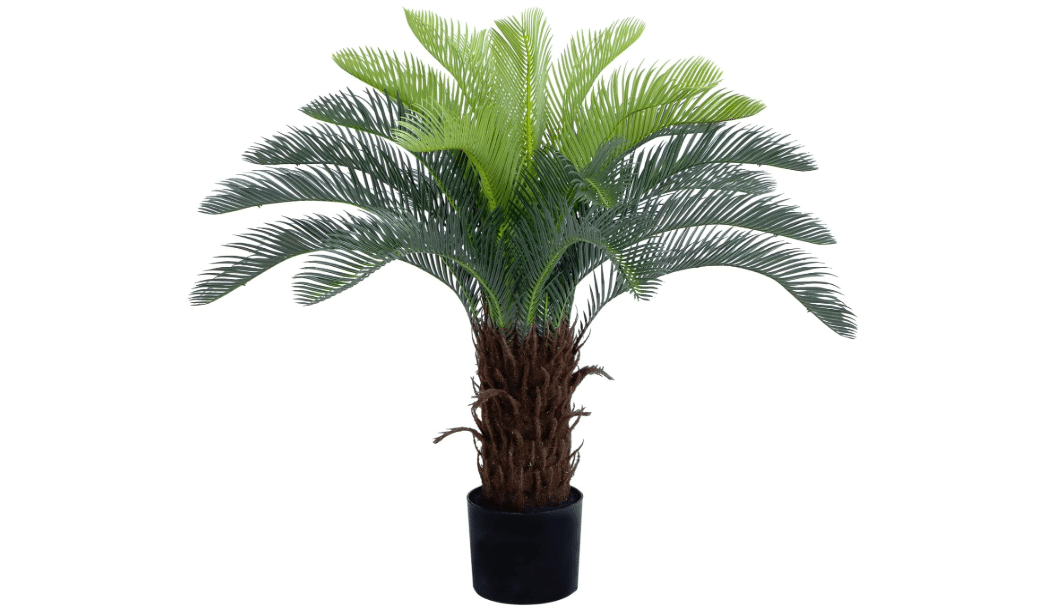
9. King Sago Palm (Cycas revoluta) — Best Compact Architectural Accent (Cycad)
Technically an ancient prehistoric cycad rather than a true palm, the King Sago Palm is a beloved staple across South Carolina landscapes for its unmistakable symmetrical, feathery palm look. Its stout, shaggy trunk supports a tight rosette of stiff, glossy dark-green fronds that stay neat and architectural year-round. Because it grows slowly and stays compact (typically 3–6 feet tall in SC), it fits effortlessly into formal entryways and tight spaces.
-
Price:
-
Key Features & Benefits:
-
Timeless Formal Symmetry: Instantly elevates brick walkways, front porches, and poolside urns.
-
Cold-Hardy to ~15°F: Thrives outdoors in Zones 8b–11, and survives in Zone 8a with winter frond protection.
-
Drought & Heat Tolerant: Loves South Carolina’s hot summers and needs very little water once established.
-
Sun or Shade Flexibility: Handles full sun along the coast and partial shade inland.
-
-
Pros:
-
Compact size never outgrows small yards or patio containers.
-
Extremely long-lived and low-maintenance.
-
Adds sculptural, year-round greenery to formal landscapes.
-
-
Cons:
-
Important Safety Warning: All parts of the Sago Palm (especially the seeds) are highly toxic to dogs, cats, and humans if ingested. Skip this one if you have curious pets.
-
Fronds can yellow or burn during hard freezes below 18°F (though the trunk usually flushes new leaves in spring).
-
-
Amazon Customer Ratings & Reviews: Averages 4.5 stars. Customers frequently mention how healthy the central caudex (bulb) arrives and how quickly it puts out a fresh ring of bright green fronds in late spring.
-
Why It’s a Good Choice for South Carolina: It is one of the most iconic architectural accents in Eastern and Central South Carolina, thriving in both sandy coastal soil and decorative containers.
-
Ideal Use Case / Who Should Buy It: Pet-free households in Zones 8a–9a looking for a formal, symmetrical entryway or poolside accent plant.
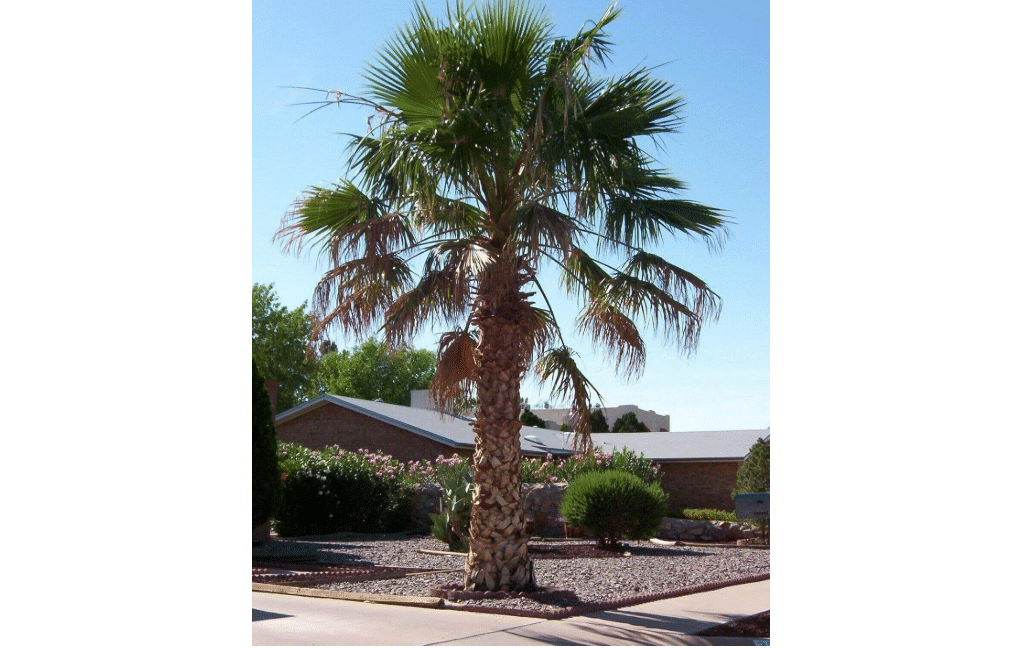
10. Mexican Fan Palm (Washingtonia robusta) — Best Fast-Growing Tall Palm for Coastal SC
If your goal is dramatic, towering vertical height—and you don’t want to wait 20 years to see it—the Mexican Fan Palm (nicknamed the “Skyduster”) is the fastest-growing palm on this list. Famous for lining sunny coastal boulevards, it shoots upward with a slender, graceful trunk topped by a bright green crown of fan-shaped fronds.
-
Price: $80.00
-
Key Features & Benefits:
-
Rapid Growth Rate: Can grow 2 to 3 feet per year in warm, sunny coastal conditions.
-
Heat & Drought Champion: Thrives in blazing full sun and handles dry coastal summers effortlessly.
-
Striking Vertical Silhouette: Creates an immediate resort skyline effect behind pools or along driveways.
-
Moderate Cold Tolerance: Mature trees tolerate brief dips to 15°F–20°F in Zones 8b–9a.
-
-
Pros:
-
Fastest way to get a tall, classic “vacation” palm silhouette.
-
Very affordable as a young starter plant on Amazon.
-
Tolerates a wide variety of well-draining soils.
-
-
Cons:
-
Least cold-hardy palm on this list—recommended strictly for coastal South Carolina (Zones 8b–9a) or as a patio container plant inland.
-
Eventually grows very tall (50+ feet), requiring professional pruning of dead lower fronds as it matures.
-
-
Amazon Customer Ratings & Reviews: Averages 4.3 to 4.5 stars. Buyers are consistently impressed by how fast these young palms double in size during their very first South Carolina summer.
-
Why It’s a Good Choice for South Carolina: For homeowners along the coast (Charleston, Hilton Head, Myrtle Beach), it delivers rapid, soaring resort appeal that slower native palms take decades to match.
-
Ideal Use Case / Who Should Buy It: Coastal South Carolina (Zones 8b–9a) homeowners with full-sun yards who want fast-growing height and dramatic silhouettes.
South Carolina Palm Tree Buying Guide: How to Choose the Right One
Before clicking “Add to Cart,” match your palm choice to your exact corner of the Palmetto State:
1. Match Your South Carolina Region & USDA Zone
-
Upstate (Zone 7b — Greenville, Spartanburg, Rock Hill): Stick to the cold-hardy heavyweights: Needle Palm, Dwarf Palmetto, and Windmill Palm. You can also grow the European Fan Palm in a sunny, sheltered microclimate (like a south-facing brick wall).
-
Midlands (Zone 8a — Columbia, Aiken, Florence): You have a much wider palette. In addition to the Upstate picks, you can confidently plant Sabal Palmetto, Pindo (Jelly) Palm, and Saw Palmetto in-ground.
-
Lowcountry & Coast (Zones 8b–9a — Charleston, Myrtle Beach, Hilton Head, Beaufort): You have full access to all 10 palms on this list, including the Chinese Fan Palm, King Sago Palm, and Mexican Fan Palm.
2. Master Your Soil & Drainage
Almost all palms hate “wet feet” in winter—cold, soggy roots kill more South Carolina palms than air temperature alone.
-
Midlands & Upstate Red Clay: Dig your planting hole twice as wide as the root ball (never deeper) and amend the native clay with 30–40% coarse sand, pine bark fines, or perlite to ensure sharp drainage.
-
Coastal Sandy Soil: Mix in a generous scoop of organic compost or aged pine bark at planting time to help retain moisture and nutrients during July heatwaves.
3. Consider Sunlight & Mature Spacing
-
Full Sun Lovers: Pindo Palm, Sabal Palmetto, Mexican Fan Palm, and Saw Palmetto need 6+ hours of direct sun to stay compact and healthy.
-
Shade Performers: Needle Palm and Dwarf Palmetto thrive under tall pines or oaks where sun-loving palms stretch and weaken.
4. In-Ground vs. Container Growing
If you live in Zone 7b or 8a and have your heart set on a Chinese Fan Palm or King Sago Palm, grow it in a heavy, well-draining patio pot. Enjoy it outdoors from April through November, then wheel it into a garage or enclosed porch whenever temperatures dip below 25°F.
Essential Planting & Winter Care Tips for South Carolina
-
Plant at the Right Time: The best window to plant palms in South Carolina is late April through July. Warm soil temperatures trigger rapid root growth, giving your tree months to anchor itself before its first winter.
-
Feed with Specialized Palm Fertilizer: Standard lawn fertilizer causes nutrient deficiencies in palms. Use a slow-release 8-2-12 palm fertilizer enriched with micronutrients (magnesium, manganese, and potassium) in spring and mid-summer to keep fronds deep green and prevent yellowing. Avoid fertilizing after August so you don’t push tender new growth right before frost.
-
Smart Winter Freeze Protection:
-
Mulch the Root Zone: Apply 3–4 inches of pine straw or bark mulch around the base (keeping it 2 inches away from the trunk) to insulate roots.
-
Wrap Young Palms: During rare Arctic blasts below 20°F, wrap young or borderline palms (like Pindo or Chinese Fan) with breathable frost cloth or burlap—never plastic, which traps moisture and burns leaves.
-
Add Gentle Heat: For prized palms during severe freezes, string old-fashioned incandescent C9 Christmas lights (not LEDs) around the trunk and crown beneath the frost cloth to raise the temperature by 5–10 degrees.
-
Frequently Asked Questions (FAQs)
What is the most cold-hardy palm tree for South Carolina?
The Needle Palm (Rhapidophyllum hystrix) and Dwarf Palmetto (Sabal minor) tie for the top spot, both surviving temperatures down to -5°F without protection. For a tall, single-trunk palm, the Windmill Palm (Trachycarpus fortunei) is the hardiest choice, tolerating temperatures down to 5°F–10°F.
Can palm trees survive in Upstate South Carolina (Greenville/Spartanburg)?
Yes! While tropical palms will die in Zone 7b winters, cold-hardy species like the Windmill Palm, Needle Palm, and Dwarf Palmetto thrive year-round in Upstate South Carolina when planted in well-draining soil.
Which palm tree is South Carolina’s state tree?
The Sabal Palmetto (also called the Cabbage Palm) is South Carolina’s official state tree, featured prominently on the state flag. It is native to the coast and thrives across Zones 8a–9a.
How fast do cold-hardy palms grow?
Most cold-hardy palms (like the Needle Palm, Dwarf Palmetto, and European Fan Palm) are slow growers, adding 4 to 8 inches per year. The Windmill Palm grows at a moderate 8–12 inches per year, while the coastal Mexican Fan Palm is the fastest, shooting up 2 to 3 feet annually.
Are any of these palm trees toxic to dogs and cats?
True palms (like Windmill, Sabal, Pindo, and Dwarf Palmetto) are non-toxic to pets. However, the King Sago Palm (Cycas revoluta) is a cycad and is highly toxic to dogs and cats if any part of the plant is chewed or swallowed. Pet owners should stick to true palms.
Final Verdict: Which Palm Tree Should You Buy?
Choosing from the best 10 palm trees for South Carolina comes down to your USDA zone and the look you want to achieve:
-
Best Overall for Any SC Yard: Windmill Palm — Unbeatable combination of classic vertical trunk appeal, compact size, and cold hardiness from Greenville to Charleston.
-
Best Coastal & Hurricane-Proof Choice: Sabal Palmetto — South Carolina’s native icon, built to shrug off salt spray and coastal storms.
-
Best for Upstate SC & Shaded Yards: Needle Palm — Sub-zero cold tolerance and lush evergreen fronds even in deep shade.
-
Best Tropical Statement Piece: Pindo (Jelly) Palm — Stunning silver-blue feather fronds that deliver instant resort curb appeal in Zones 8a–9a.
Double-check your county’s USDA hardiness zone, prep your soil for solid drainage, and compare current live-plant sizes on Amazon to bring effortless Palmetto State style straight to your backyard.