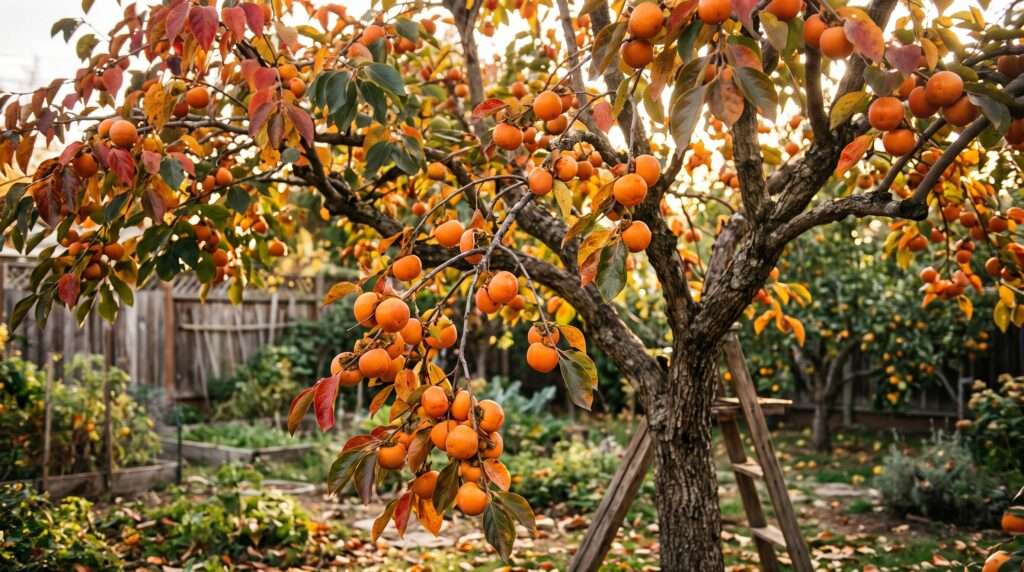
Imagine planting a fruit tree in your backyard, nurturing it through three to five years of seasons, and finally harvesting your first glowing orange persimmon—only to take a bite and have your mouth instantly pucker from bitter, chalky tannins. Or worse, watching a thriving young sapling die overnight during an unexpected winter freeze. Choosing the wrong cultivar is the most common mistake home growers make, which is why we researched and vetted the best 10 persimmon tree varieties available online so you can plant with total confidence.
Most nursery tags gloss over the two details that actually decide whether you will love or regret your tree. First, there is a massive difference between Asian (Diospyros kaki), American (Diospyros virginiana), and Hybrid persimmons in terms of mature tree height, pollination needs, and winter survival. Second, you need to know whether you are buying a non-astringent variety—which you can slice and eat crisp right off the branch like an apple—or an astringent variety, which must ripen until it feels jelly-soft before its rich, honey-like sweetness shines.
To cut through confusing nursery jargon, we analyzed hundreds of verified customer reviews, evaluated nursery shipping and root-health track records, and cross-referenced USDA hardiness data against established horticultural standards. Whether you are working with a compact patio in Zone 8 or a freezing northern yard in Zone 5, this guide breaks down the best 10 persimmon tree options you can buy today—giving you clear pros, cons, and flavor profiles so you choose the right tree on the first try.
Quick Verdict: Our Top 3 Persimmon Tree Picks
Best Overall: Fuyu Persimmon Tree – Self-pollinating, non-astringent, and crisp like an apple with zero guesswork on ripeness (USDA Zones 7–10).
Best Dwarf for Small Yards: Ichi Ki Kei Jiro Persimmon Tree – Naturally compact at 8–10 feet, extra cold-hardy for an Asian variety, and heavy-bearing (USDA Zones 6–9).
Best Cold-Hardy Hybrid: Nikita’s Gift Persimmon Tree – Survives winter lows down to -10°F while still producing large, rich, gourmet persimmons (USDA Zones 5–9).
Quick Comparison: Best 10 Persimmon Tree Varieties
How We Selected the Best Persimmon Trees
To build an authoritative list of the best 10 persimmon tree cultivars, we evaluated each option across four strict horticultural and buyer-experience criteria:
-
Grafted vs. Seed-Grown Reliability: Seed-grown persimmons can take 7 to 10 years to fruit, and their gender and flavor are completely unpredictable. We prioritized professionally grafted cultivars that bear true-to-name fruit in as little as 2 to 4 years.
-
Flavor & Astringency Balance: Because some gardeners want a crunchy lunchbox fruit while others want jammy pulp for autumn baking, we included top performers across non-astringent, astringent, and pollination-variant (PVNA) categories.
-
Climate Adaptability: Pure Asian persimmons struggle in harsh northern winters. We balanced warm-climate classics with cold-hardy American and hybrid selections so growers from Zone 5 through Zone 10 have dependable options.
-
Nursery Packaging & Survival Rates: Buying live trees online carries shipping risks. We favored varieties widely stocked by reputable nurseries with strong customer feedback on root hydration, protective boxing, and first-season survival.
Detailed Reviews: The Best 10 Persimmon Tree Varieties
1. Fuyu Persimmon Tree (Grafted) – Best Overall
Product Description
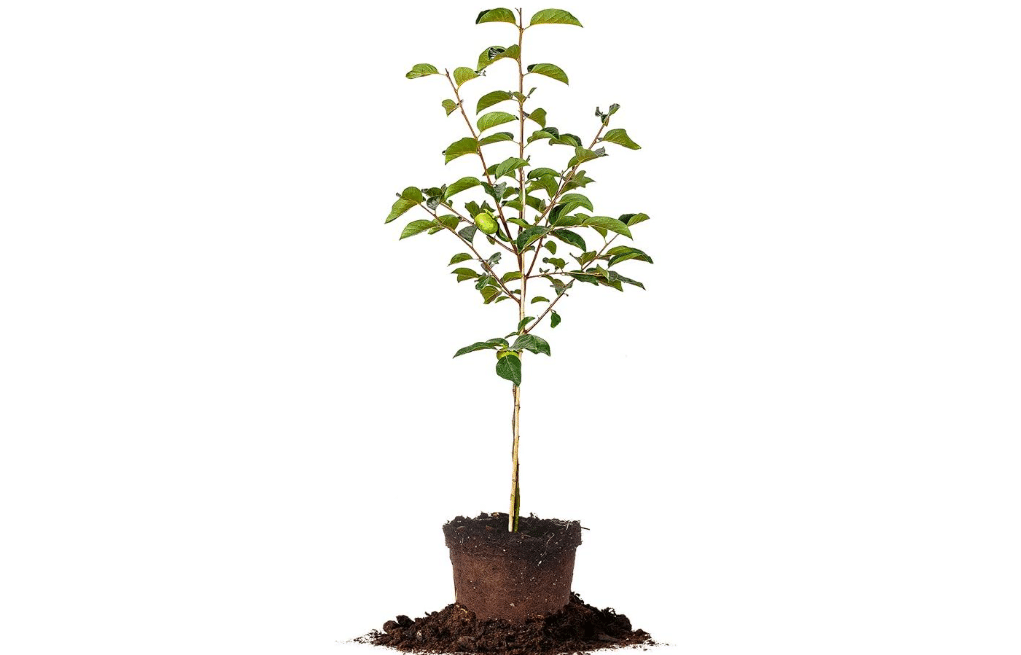
The Fuyu persimmon (Diospyros kaki ‘Fuyu’) is the undisputed champion of backyard persimmon trees and the easiest variety for beginners to grow and enjoy. Unlike traditional acorn-shaped persimmons that require weeks of countertop ripening, Fuyu produces squat, tomato-shaped orange fruit that is completely non-astringent. You can pick it right off the branch in autumn and eat it crisp like an apple, or let it soften slightly for a sweeter, honeyed texture. Beyond the harvest, Fuyu is a stunning ornamental tree, bursting into fiery shades of red, orange, and gold in late fall before dropping its leaves to reveal bright orange fruit hanging like holiday ornaments.
Price
Key Features & Benefits
-
100% Non-Astringent: Zero bitter tannins even while firm, making it kid-friendly and effortless to eat fresh.
-
Self-Pollinating: Produces full, reliable crops with just a single tree—no second pollinator required.
-
Manageable Mature Size: Reaches 15–20 feet tall and wide, or stays smaller with simple winter pruning.
-
Low Chill Requirement: Needs only 200–400 chill hours, thriving across USDA Zones 7–10.
Pros & Cons
-
Pros:
-
Crisp, sweet, cinnamon-kissed flavor with no guesswork on ripeness.
-
Naturally pest- and disease-resistant with minimal spraying needed.
-
Fruit stores well on the counter or in the refrigerator for weeks.
-
-
Cons:
-
Not reliably cold-hardy below Zone 7 (can suffer winter dieback in Zone 6).
-
Young trees can be slow to put on vertical height during their first year.
-
Amazon Customer Ratings & Reviews
Fuyu consistently earns 4.3 to 4.6 out of 5 stars across major online nurseries and Amazon sellers. Buyers frequently praise its rapid transition from planting to fruiting (often setting its first few persimmons by year two or three) and note that grafted 3-gallon trees transplant smoothly. Occasional negative reviews almost always stem from buyers ordering during dormancy and mistaking a bare, sleeping stick for a dead tree.
Why It’s a Good Choice
Fuyu eliminates the biggest barrier to enjoying homegrown persimmons: waiting for astringency to disappear. It delivers dependable yields, gorgeous four-season curb appeal, and a universally loved flavor profile.
Ideal Use Case / Who Should Buy It
First-time fruit tree growers, families with kids, and anyone in Zones 7–10 who wants a crisp, snackable autumn fruit tree with almost zero maintenance.
2. Ichi Ki Kei Jiro Persimmon Tree – Best Dwarf & Small-Yard Tree
Product Description
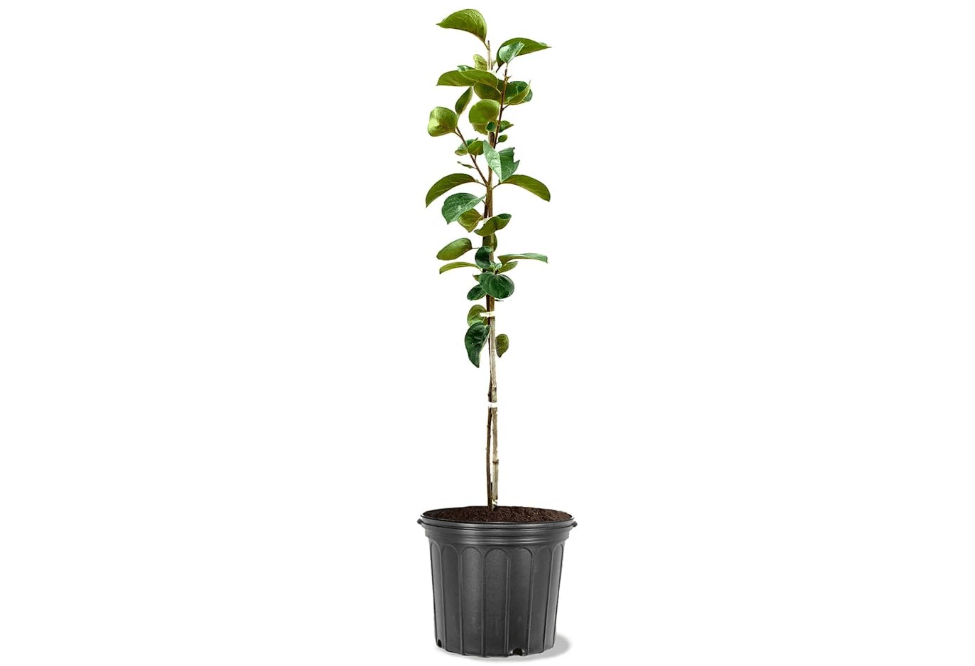
If you love the crisp, non-astringent taste of a Fuyu but don’t have room for a 20-foot tree, the Ichi Ki Kei Jiro (Diospyros kaki ‘Ichi-Ki-Kei-Jiro’) is the upgrade you have been looking for. A naturally compact, dwarf mutation of the classic Jiro persimmon, this tree matures at just 8 to 10 feet tall, making it effortless to prune, net against birds, and harvest without a ladder. Despite its petite frame, it produces large, flat, deeply ribbed orange fruit from September through October that rivals Fuyu in sweetness. Even better, it is noticeably more cold-hardy than standard Fuyu, stretching Asian persimmon growing into Zone 6.
Price
Key Features & Benefits
-
Naturally Dwarf Habit: Compact 8–10 ft mature height fits tight urban backyards, side yards, and large patio containers.
-
Enhanced Cold Hardiness: Thrives in USDA Zones 6–9, handling colder snaps better than standard Fuyu.
-
Early & Heavy Bearing: Grafted trees often begin flowering and fruiting within 2–3 years of planting.
-
Self-Fertile & Non-Astringent: Needs no pollination partner and can be eaten crunchy right off the tree.
Pros & Cons
-
Pros:
-
Full-sized, ultra-sweet fruit on a compact, easy-to-manage tree.
-
Earlier ripening window helps beat early autumn frosts.
-
Excellent ornamental value with glossy green summer leaves and crimson fall foliage.
-
-
Cons:
-
Higher upfront cost than standard Fuyu or American persimmons.
-
Frequently sells out in spring due to high demand from small-space gardeners.
-
Amazon Customer Ratings & Reviews
Consistently rated 4.5+ stars by home orchardists. Reviewers highlight how well it fits in suburban yards and frequently mention that it survived Zone 6 winters where their previous Fuyu trees failed.
Why It’s a Good Choice
It solves two major headaches at once—limited backyard space and marginal winter cold—without sacrificing fruit size or crisp, non-astringent sweetness.
Ideal Use Case / Who Should Buy It
Urban and suburban gardeners, patio container growers, and Zone 6 homeowners who want a crunchy Asian persimmon that stays easy to reach.
3. Hachiya Persimmon Tree – Best for Baking, Puddings & Drying
Product Description
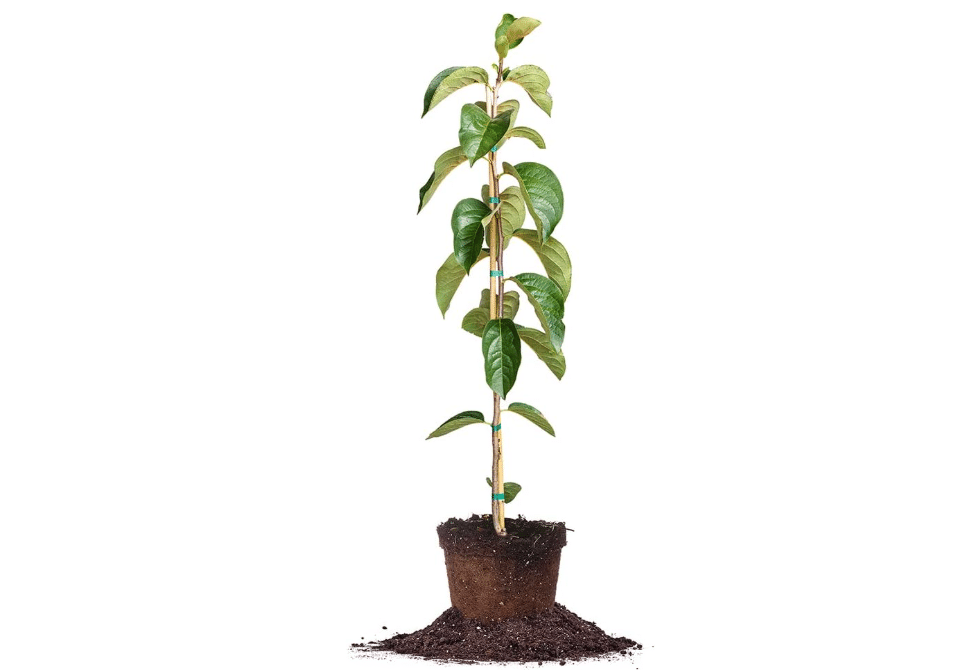
The Hachiya (Diospyros kaki ‘Hachiya’) is the classic, acorn-shaped Japanese persimmon prized by pastry chefs and traditionalists alike. While you cannot bite into a firm Hachiya without experiencing intense astringency, patience pays off spectacularly: once the fruit softens to the consistency of a ripe water balloon, the tannins vanish completely, leaving behind a velvety, spoonable custard bursting with rich apricot, honey, and brown-sugar notes. It is also the premier variety for making Hoshigaki—the traditional Japanese art of hand-massaged, air-dried persimmons.
Price
$95.00
Key Features & Benefits
-
Massive, Showstopping Fruit: Produces some of the largest, glossiest orange-red persimmons on the market.
-
Unmatched Sugar Content: When fully ripe, its syrupy sweetness far surpasses non-astringent varieties.
-
Self-Pollinating & Low Chill: Produces seedless fruit without a pollinator and thrives in USDA Zones 7–10.
-
Vigorous, Ornamental Canopy: Grows 15–25 feet tall with lush, tropical-looking foliage.
Pros & Cons
-
Pros:
-
The gold standard for persimmon bread, cookies, puddings, jams, and smoothies.
-
Heavy, reliable yields once established.
-
Fruit can be harvested slightly firm and ripened indoors away from squirrels and birds.
-
-
Cons:
-
Completely inedible until jelly-soft—biting in early is an unforgettable mistake.
-
Soft ripe fruit bruises easily and does not store as long as crisp Fuyu.
-
Amazon Customer Ratings & Reviews
Hachiya holds steady 4.4 to 4.6-star ratings. Buyers love the massive size of the fruit and the vigorous growth rate of grafted saplings, though several reviewers remind newcomers to give the fruit plenty of counter time before tasting.
Why It’s a Good Choice
If your goal is baking, preserving, or experiencing the richest, most intensely sweet persimmon flavor possible, nothing beats a properly ripened Hachiya.
Ideal Use Case / Who Should Buy It
Home bakers, culinary enthusiasts, and gardeners who love soft, custard-like fruit or want to try making traditional dried persimmons.
4. American Persimmon Tree (Diospyros virginiana) – Best Budget & Native Tree
Product Description
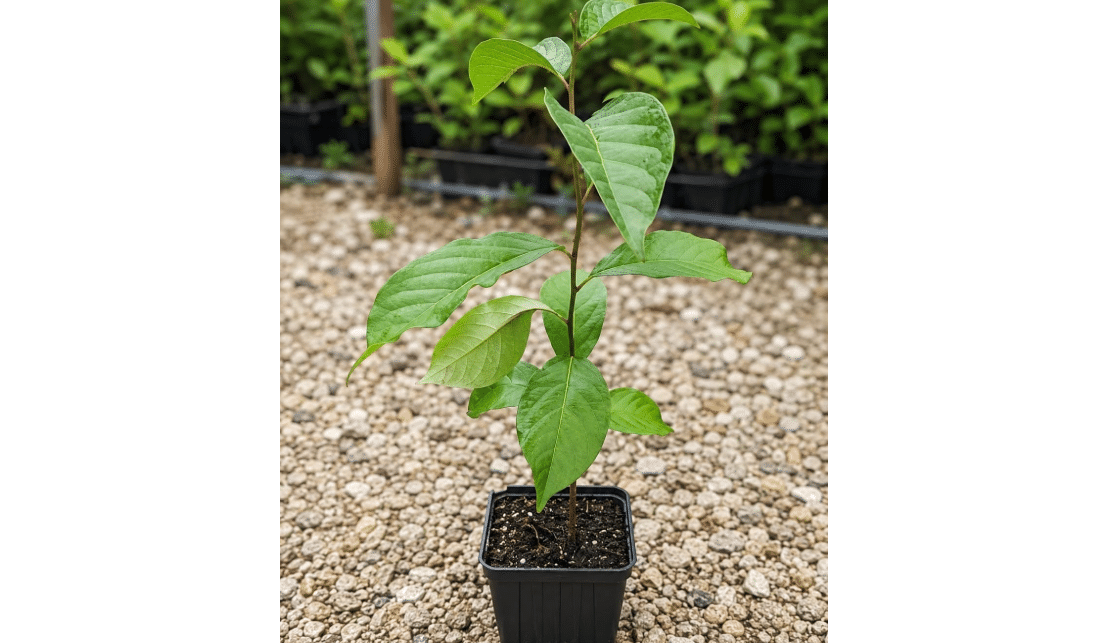
Before Asian persimmons ever arrived in North America, the native American persimmon (Diospyros virginiana) was already thriving across eastern and midwestern forests. This rugged, fast-growing native tree produces smaller, golf-ball-sized orange fruits that—once softened in late autumn—taste like spiced caramel, butterscotch, and wildflower honey. Unlike finicky orchard trees, the American persimmon is practically indestructible: it laughs off freezing Zone 5 winters, shrugs off summer drought, tolerates poor clay soil, and doubles as a magnificent 30-to-50-foot shade tree.
Price
Key Features & Benefits
-
Extreme Hardiness: Thrives across USDA Zones 5–9, surviving harsh freezes that kill Asian cultivars.
-
Native Wildlife Magnet: Supports local ecosystems and attracts deer, songbirds, and pollinators.
-
Ultra-Low Maintenance: Virtually immune to common orchard pests and fungal diseases.
-
Budget-Friendly: By far the most affordable way to add persimmons to your property.
Pros & Cons
-
Pros:
-
Inexpensive, tough, and adaptable to almost any soil type.
-
Intensely sweet, complex flavor that many chefs prefer for persimmon pudding.
-
Doubles as a handsome native shade tree with distinctive “alligator-bark” trunks.
-
-
Cons:
-
Most seed-grown American persimmons are dioecious (male or female), meaning you must plant 2–3 trees to ensure pollination and fruit.
-
Takes longer to bear fruit (5–7 years for seedlings) and grows much taller than Asian varieties.
-
Amazon Customer Ratings & Reviews
American persimmon saplings average 4.2 to 4.5 stars on Amazon. Buyers rave about the low price and high survival rate, with experienced growers advising newcomers to buy a multi-pack so they are guaranteed both male and female trees.
Why It’s a Good Choice
It offers unbeatable cold tolerance, ecological value, and rock-bottom pricing for anyone with the space to let a native tree stretch its limbs.
Ideal Use Case / Who Should Buy It
Budget-conscious buyers, native-plant landscapers, homesteaders, and owners of large rural properties or wildlife food plots.
5. Nikita’s Gift Persimmon Tree – Best Cold-Hardy Hybrid
Product Description
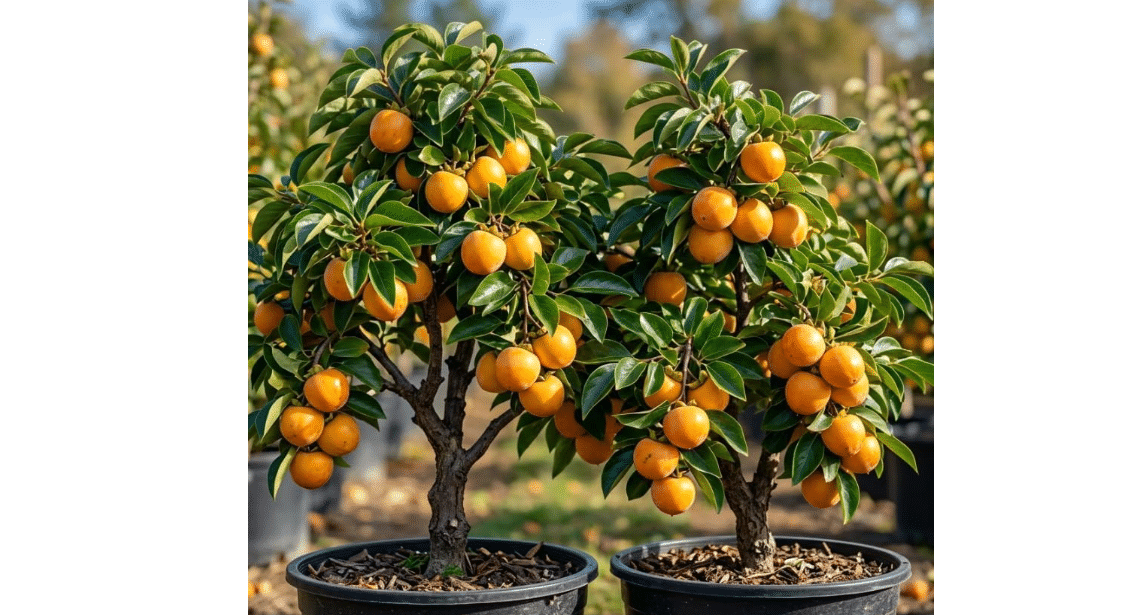
Bred at the Nikita Botanical Garden in Ukraine, Nikita’s Gift (Diospyros virginiana × kaki) is a horticultural triumph that solves the #1 problem for northern fruit growers. By crossing a rugged American persimmon with a large-fruited Asian persimmon, breeders created a semi-dwarf tree (10–15 feet tall) that survives bone-chilling temperatures down to -10°F while still producing generous, 2.5-to-3-inch reddish-orange persimmons. The fruit is astringent until soft, ripening from October into December with a rich, jammy sweetness that blends the best flavor notes of both parent species.
Price
$45.99
Key Features & Benefits
-
Zone 5 Cold Tolerance: Survives winter lows down to -10°F, bringing Asian-style fruit to northern yards.
-
Self-Fertile: Only one tree is needed to produce abundant, seedless crops.
-
Compact Semi-Dwarf Frame: Matures at 10–15 feet, making it easy to manage in standard suburban yards.
-
Late-Season Harvest: Fruit hangs on the tree into late fall and early winter, extending your harvest window.
Pros & Cons
-
Pros:
-
Best-of-both-worlds hybrid: large fruit size plus northern winter survival.
-
Stunning autumn foliage in shades of crimson and gold.
-
Highly resistant to pests and diseases.
-
-
Cons:
-
Premium price tag and frequently sells out early in the planting season.
-
Astringent until fully soft, so it cannot be eaten crunchy like a Fuyu.
-
Amazon Customer Ratings & Reviews
Nikita’s Gift enjoys glowing 4.6+ star reviews from northern gardeners in Zones 5 and 6 who previously thought they could never grow large persimmons. Buyers consistently praise its winter hardiness and rich, honeyed flavor.
Why It’s a Good Choice
If you live in a cold climate and want large, gourmet persimmons without building a greenhouse, Nikita’s Gift is the most reliable hybrid on the market.
Ideal Use Case / Who Should Buy It
Cold-climate gardeners in USDA Zones 5 and 6 who want a self-fertile, manageable tree that produces large, gourmet-quality fruit.
6. Chocolate Persimmon Tree – Best Unique Flavor
Product Description
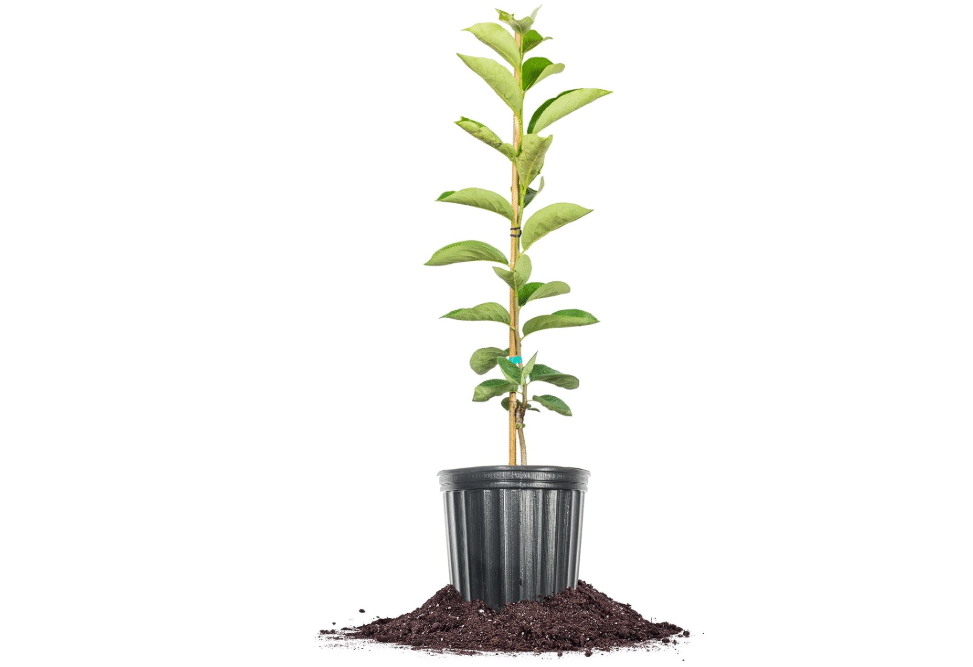
The Chocolate persimmon (Diospyros kaki ‘Chocolate’) is a true conversation piece for backyard orchardists and foodies. Unlike standard orange-fleshed varieties, a pollinated Chocolate persimmon develops rich, cinnamon-brown flesh speckled with sweet, dark sugar flecks. Its flavor is unforgettable—crisp, spicy, and reminiscent of brown sugar, nutmeg, and warm autumn spices. Classified as a pollination-variant non-astringent (PVNA) variety, it can be eaten firm like an apple when pollinated, making it one of the most sought-after specialty fruit trees you can grow at home.
Price
Key Features & Benefits
-
Signature Spiced Brown Flesh: Produces visually striking, deeply flavored fruit you will rarely find in grocery stores.
-
Compact Orchard Size: Naturally matures at 10–15 feet tall, fitting comfortably in average suburban yards.
-
Heavy Pollen Producer: Acts as an excellent pollinator for other specialty Asian persimmons (like Coffeecake).
-
Warm-Climate Performer: Thrives in USDA Zones 7–11 with low chill-hour requirements.
Pros & Cons
-
Pros:
-
One-of-a-kind spicy, brown-sugar flavor profile.
-
Can be eaten crisp and firm when pollinated.
-
Attractive, compact canopy with vibrant fall color.
-
-
Cons:
-
Requires pollination to develop its signature brown flesh and non-astringent crunch (unpollinated fruit stays orange and astringent until soft).
-
Not suitable for cold northern climates below Zone 7.
-
Amazon Customer Ratings & Reviews
Chocolate persimmon trees earn 4.4 to 4.7 stars from specialty fruit growers. Buyers consistently rave about the gourmet flavor and recommend pairing it with a second Asian variety (or letting its own male flowers mature) to guarantee that rich chocolate-brown interior.
Why It’s a Good Choice
If you already know you love persimmons and want something far more exciting than a supermarket Fuyu, the Chocolate persimmon delivers a restaurant-quality harvest right in your backyard.
Ideal Use Case / Who Should Buy It
Fruit collectors, culinary adventurers, and Zone 7–11 growers planting two or more persimmon trees who want a rare, spiced delicacy.
7. Saijo Persimmon Tree – Sweetest Astringent Variety
Product Description
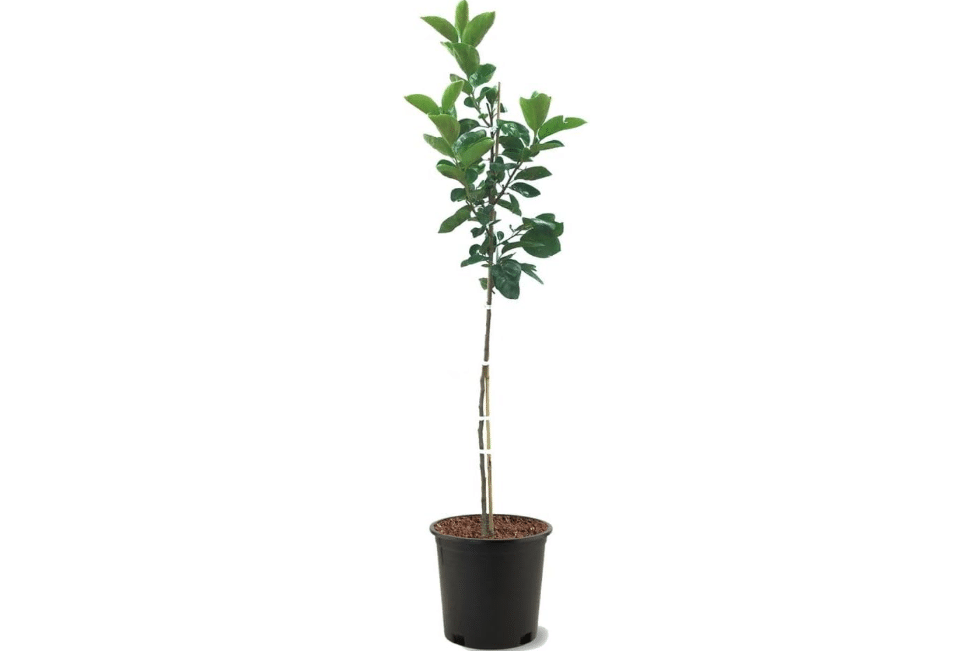
In Japanese, Saijo literally translates to “the very best one”—and after a single bite of a fully ripened Saijo persimmon, you will understand why it has been revered for centuries. This ancient cultivar produces small-to-medium, elongated yellow-orange fruits with four subtle ridges. While astringent when firm, once softened it transforms into pure, syrupy, honey-like nectar with a delicate floral finish that many horticulturists consider the finest-tasting persimmon in existence. It also dries into chewy, candy-like fruit leather with minimal effort.
Price
$89.99
Key Features & Benefits
-
Unmatched Sweetness: Widely ranked #1 in blind taste tests among astringent persimmon varieties.
-
Surprisingly Cold-Hardy: Thrives in USDA Zones 6–9, outperforming Fuyu and Hachiya in cooler climates.
-
Prolific, Reliable Yields: Produces abundant clusters of fruit every autumn without needing a pollinator.
-
Upright Ornamental Form: Grows 15–25 feet tall with a graceful, upright silhouette and brilliant fall foliage.
Pros & Cons
-
Pros:
-
Legendary, honey-sweet flavor that outshines almost every other persimmon.
-
Self-fertile and cold-hardy down to Zone 6.
-
Exceptional for air-drying or dehydrating.
-
-
Cons:
-
Fruit is smaller than Hachiya and must be completely soft before eating.
-
Tall upright growth benefits from annual winter pruning to keep fruit within reach.
-
Amazon Customer Ratings & Reviews
Experienced fruit growers rate Saijo 4.6 to 4.8 stars. Reviewers frequently call it their “favorite fruit tree in the entire yard,” noting its heavy production and unmatched sweetness once ripened on the kitchen counter.
Why It’s a Good Choice
For gardeners who care about pure flavor above fruit size or crisp texture, Saijo is the undisputed connoisseur’s choice.
Ideal Use Case / Who Should Buy It
Flavor purists, Zone 6–9 homeowners, and anyone who loves drying fruit or eating ultra-sweet, jammy persimmons with a spoon.
8. Maekawa Jiro Persimmon Tree – Best Early-Ripening Non-Astringent
Product Description
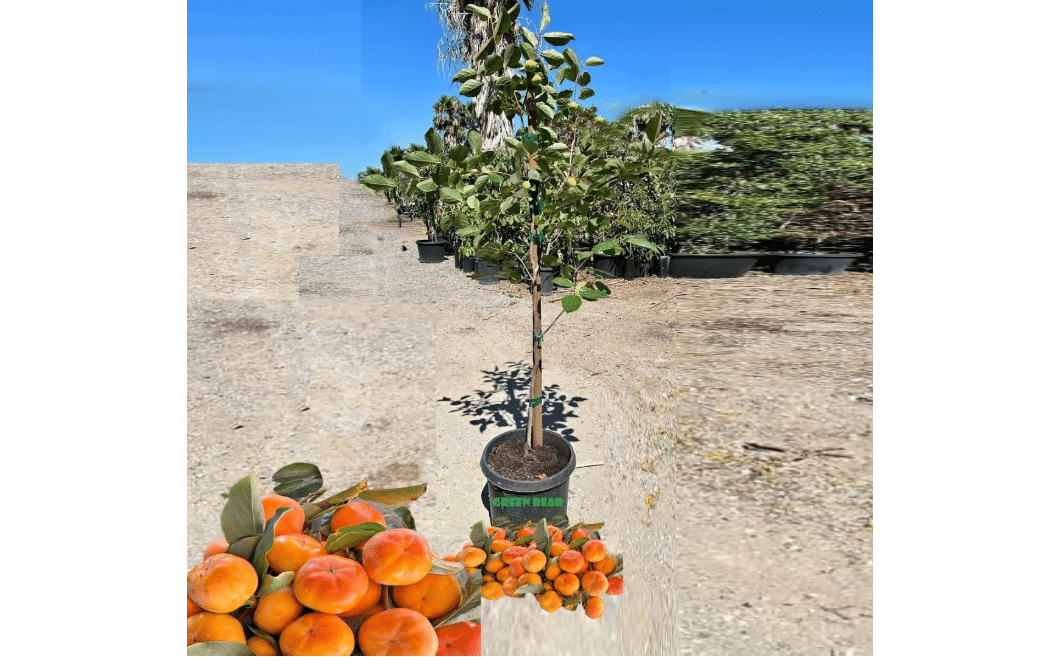
The Maekawa Jiro (Diospyros kaki ‘Maekawa Jiro’) is an early-ripening bud sport of the beloved Jiro persimmon, specifically prized for beating early autumn frosts. Ripening two to three weeks earlier than standard Fuyu (often starting in late September), it produces gorgeous, deeply four-lobed, bright orange fruits that are completely non-astringent. The flesh is crisp, juicy, and richly sweet—making it a lifesaver for gardeners in shorter growing seasons who want a crunchy persimmon before freezing October nights arrive.
Price
$162.95
Key Features & Benefits
-
Early Harvest Window: Ripens 2–3 weeks ahead of Fuyu, protecting your crop from early fall freezes.
-
Crisp & Non-Astringent: Eat it crunchy right off the branch with zero bitter tannins.
-
Cold-Hardy Asian Cultivar: Reliably grows in USDA Zones 6–10.
-
Manageable Size: Matures around 10–15 feet tall, ideal for residential backyards.
Pros & Cons
-
Pros:
-
Extends crisp, non-astringent persimmon growing into shorter-season climates.
-
Self-pollinating with heavy, dependable yields.
-
Crisp texture and rich, sweet flavor that rivals or beats Fuyu.
-
-
Cons:
-
Slightly more expensive and harder to find in stock than standard Fuyu.
-
Early ripening means birds and squirrels may target it sooner in the season.
-
Amazon Customer Ratings & Reviews
Maekawa Jiro consistently earns 4.5+ stars, with buyers in Zones 6 and 7 praising its ability to ripen full crops before the first hard frost hits.
Why It’s a Good Choice
It gives you all the convenience of a crunchy, self-fertile Fuyu while shaving weeks off the ripening calendar—eliminating the risk of losing unripe fruit to early cold snaps.
Ideal Use Case / Who Should Buy It
Gardeners in Zones 6–8 with early autumn frosts who still want a crisp, apple-like persimmon without worrying about late-season freeze damage.
9. Coffeecake (Nishimura Wase) Persimmon Tree – Best Dessert Flavor
Product Description
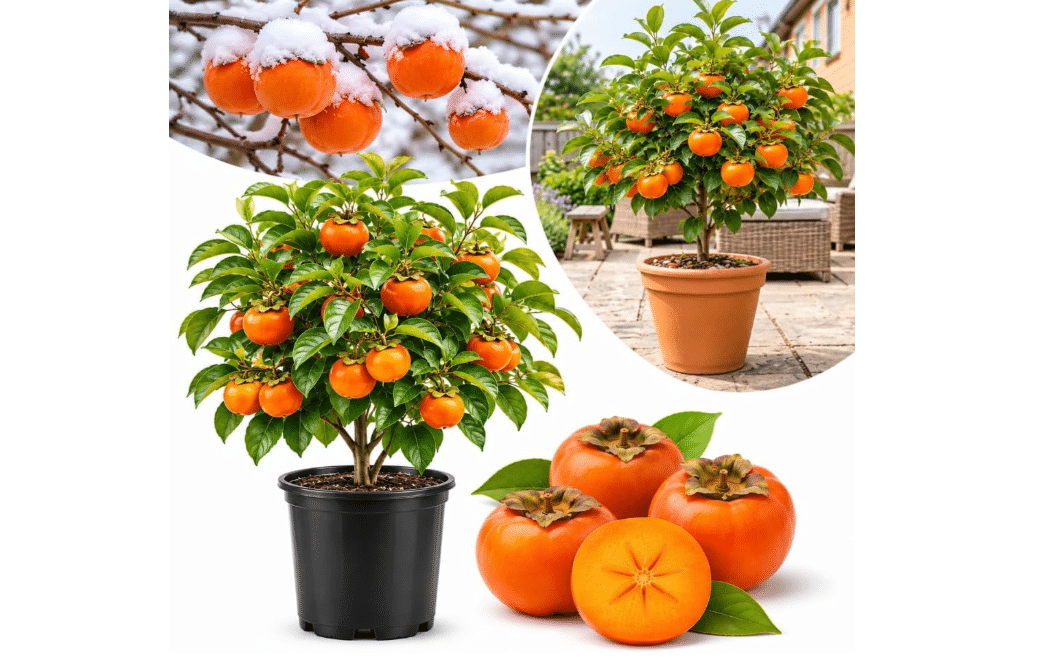
Aptly nicknamed “Coffeecake” (Diospyros kaki ‘Nishimura Wase’), this early-ripening Japanese persimmon smells and tastes uncannily like warm cinnamon coffeecake. Ripening early in the season (late September to October), its round, glossy orange fruit develops a rich, brown-speckled interior when pollinated, allowing you to eat it firm and crunchy with zero astringency. Even better, its compact 12-to-15-foot frame and lush, dark green foliage make it a standout ornamental centerpiece in any sunny yard.
Price
Key Features & Benefits
-
Distinctive Spiced Aroma: Delivers warm cinnamon, brown-sugar, and baked-spice notes right off the branch.
-
Early-Season Ripening: One of the earliest Asian persimmons to mature each fall.
-
Eat Firm When Pollinated: Pollination-variant non-astringent (PVNA) type that stays crisp and sweet with a pollinator.
-
Compact Backyard Fit: Reaches 12–15 feet tall in USDA Zones 7–10.
Pros & Cons
-
Pros:
-
Unforgettable dessert-like flavor that wins over even persimmon skeptics.
-
Early harvest beats late-fall weather.
-
Pairs seamlessly with Chocolate persimmon for cross-pollination.
-
-
Cons:
-
Requires a pollinator (like Chocolate) to be non-astringent; without pollination, it must soften before eating.
-
Limited to USDA Zones 7–10.
-
Amazon Customer Ratings & Reviews
Home orchardists rate Coffeecake 4.4 to 4.6 stars, frequently noting that planting a Coffeecake and a Chocolate persimmon side by side creates the ultimate gourmet backyard duo.
Why It’s a Good Choice
It turns an ordinary autumn fruit harvest into a spiced dessert experience, rewarding growers who have room for a two-tree pollination pair.
Ideal Use Case / Who Should Buy It
Backyard orchardists planting two or more Asian persimmons in Zones 7–10 who want an early-ripening, cinnamon-spiced specialty fruit.
10. Prok American Persimmon Tree – Best Large-Fruited Cold-Hardy & Wildlife Tree
Product Description
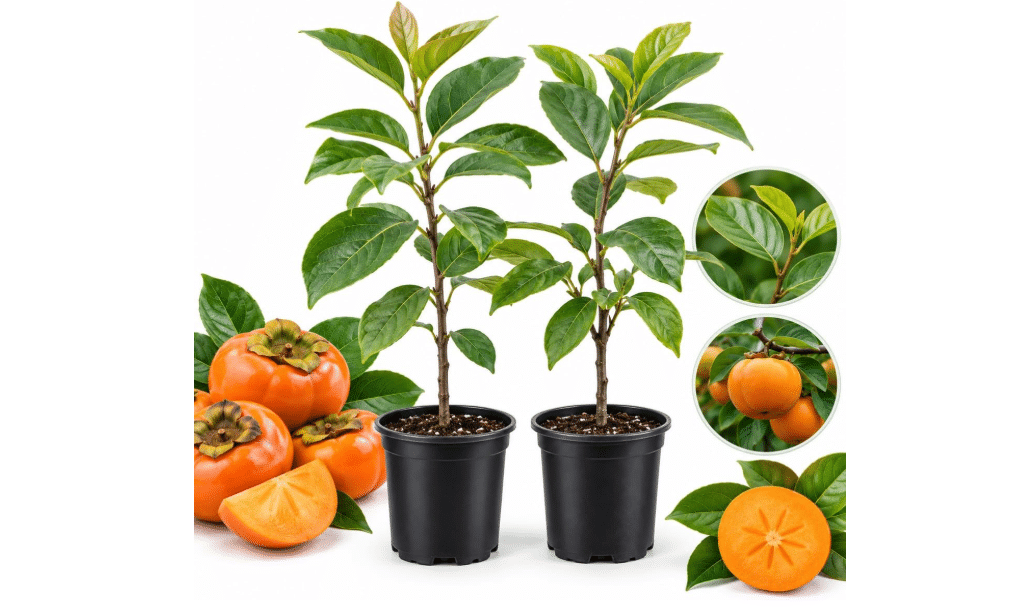
Bred at Cornell University, the Prok persimmon (Diospyros virginiana ‘Prok’) takes everything great about the rugged native American persimmon and upgrades it for serious backyard fruit production. While wild American persimmons are often tiny and packed with seeds, Prok produces massive 2-to-2.5-inch-wide orange fruits—huge for a native cultivar—with far fewer seeds and a luscious, butterscotch-sweet pulp once soft. It shrugs off brutal Zone 5 winters and grows into a stately 30-to-50-foot shade tree that feeds both your family and local wildlife.
Price
$48.69
Key Features & Benefits
-
Oversized Native Fruit: Produces some of the largest, sweetest persimmons of any pure American cultivar.
-
Zone 5 Winter Toughness: Handles extreme northern cold without winter dieback.
-
Early & Heavy Drop: Ripens reliably in early-to-mid autumn, even in short northern growing seasons.
-
Self-Fertile (Parthenocarpic): Can set seedless fruit on its own, though a male American persimmon nearby boosts total yield.
Pros & Cons
-
Pros:
-
Combines extreme cold hardiness with large, gourmet-quality fruit.
-
Virtually pest-free and thrives in tough soils.
-
Fantastic dual-purpose tree for human harvests and deer/wildlife attraction.
-
-
Cons:
-
Grows very tall (30–50 ft), making it too large for small urban lots.
-
Astringent until fully soft and ripe.
-
Amazon Customer Ratings & Reviews
Prok holds 4.5+ star ratings among northern homesteaders and wildlife managers, who praise its rapid establishment, massive fruit size compared to wild seedlings, and bulletproof winter survival.
Why It’s a Good Choice
It is the ultimate native persimmon upgrade—giving cold-climate growers large, intensely sweet fruit on a virtually indestructible American tree.
Ideal Use Case / Who Should Buy It
Northern homesteaders (Zones 5–8), owners of large rural properties, and wildlife plot managers who want heavy, reliable autumn harvests.
Comprehensive Persimmon Tree Buyer’s Guide
Before clicking “Add to Cart,” keep these five essential factors in mind so your tree thrives for decades:
1. Astringent vs. Non-Astringent: Know What You’re Biting Into
-
Non-Astringent (e.g., Fuyu, Ichi Ki Kei Jiro, Maekawa Jiro): Contain very low soluble tannins. You can peel or slice them while firm and crisp like an apple, or wait until they soften slightly for extra sweetness.
-
Astringent (e.g., Hachiya, Saijo, Nikita’s Gift, American/Prok): Packed with tannins until completely ripe. Wait until the fruit feels as soft as a ripe tomato or water balloon—at that point, the tannins disappear and the flesh turns into sweet, honeyed custard.
-
Pollination-Variant Non-Astringent / PVNA (e.g., Chocolate, Coffeecake): When pollinated by a companion tree, their flesh turns dark brown and non-astringent (edible while crisp). Without pollination, they stay orange and astringent until soft.
2. Asian vs. American vs. Hybrid Persimmons
-
Asian (Diospyros kaki): Smaller trees (8–25 ft), larger supermarket-style fruit, usually self-pollinating, best for Zones 7–10 (with select varieties like Ichi Ki Kei Jiro and Saijo handling Zone 6).
-
American (Diospyros virginiana): Tall native shade trees (30–50 ft), smaller intensely sweet fruit, hardy down to Zone 5, often need a male/female pair unless grafted (like Prok).
-
Hybrids (e.g., Nikita’s Gift): Crosses between Asian and American species that deliver large fruit, compact 10–15 ft height, and Zone 5 cold hardiness.
3. Understanding USDA Hardiness Zones
Always match your cultivar to your local winter lows. Pushing a Zone 7 Fuyu into a windy Zone 5 yard almost always ends in winter kill. If you live in Zone 5 or 6, stick to Nikita’s Gift, Prok, American Persimmon, Ichi Ki Kei Jiro, Saijo, or Maekawa Jiro.
4. Bare-Root vs. Potted Trees
-
Bare-Root Trees: Shipped dormant (without soil) in late winter or early spring. They are more affordable, lighter to ship, and establish deep taproots quickly—just don’t be alarmed when they arrive looking like a bare stick.
-
Potted Trees: Shipped in containers with soil and active roots. They cost slightly more, but can be planted across a wider spring-through-fall window with less transplant shock.
5. Pollination Requirements
Most grafted Asian persimmons (Fuyu, Hachiya, Ichi Ki Kei Jiro, Saijo, Maekawa Jiro) and hybrids (Nikita’s Gift) are self-fertile, meaning one tree gives you a full harvest. However, seed-grown American persimmons require both a male and female tree, and PVNA varieties (Chocolate, Coffeecake) need a pollinator to produce their signature crunchy, brown-fleshed fruit.
Essential Planting & Care Tips for Maximum Harvest
Persimmons are famous for being one of the lowest-maintenance fruit trees you can grow. Follow these simple fundamentals to set your sapling up for decades of heavy crops:
-
Sunlight & Soil: Plant in full sun (at least 6–8 hours of direct sunlight daily) in well-draining loamy soil with a pH between 6.0 and 6.5. Avoid low-lying frost pockets where cold air settles in spring.
-
Watering & Mulching: Persimmons develop a deep taproot. Water deeply 1–2 times per week during the first two growing seasons to encourage deep rooting, and apply a 3-inch layer of wood-chip mulch around the base (keeping mulch 3 inches away from the trunk).
-
Fertilizing (Less Is More): Avoid heavy nitrogen fertilizers, which trigger lush leafy growth at the expense of fruit and can actually cause young persimmons to drop their fruit prematurely. A light application of balanced organic compost in early spring is usually all they need.
-
Pruning: Prune in late winter while the tree is dormant. Remove dead, crossing, or inward-growing branches to maintain an open, vase-like canopy that lets sunlight reach the ripening fruit.
-
Pest & Disease Resistance: Unlike apples or peaches, persimmons rarely require chemical sprays. Your biggest “pests” in autumn will simply be birds, squirrels, and deer—draping bird netting over dwarf trees as fruit turns orange easily protects your harvest.
Frequently Asked Questions (FAQs)
How many years does it take for a persimmon tree to bear fruit?
Professionally grafted persimmon trees typically produce their first small harvest in 2 to 4 years after planting, reaching full production around year 5 to 7. Seed-grown trees take much longer—usually 7 to 10 years.
Do I need two persimmon trees to get fruit?
For most grafted Asian varieties (like Fuyu, Hachiya, Ichi Ki Kei Jiro, and Saijo) and hybrids (like Nikita’s Gift), no—a single tree will self-pollinate and produce seedless fruit. You only need two trees if you plant seed-grown American persimmons or want to cross-pollinate PVNA varieties like Chocolate and Coffeecake.
Why is my persimmon tree dropping its fruit early?
Early fruit drop (often called “June drop”) is very common in young trees under 4 years old as the tree sheds excess fruit it cannot yet support. In mature trees, premature drop is usually caused by over-fertilizing with nitrogen, sudden drought stress, or lack of pollination in pollination-dependent varieties.
Can I grow a persimmon tree in a pot or container?
Yes! Naturally dwarf varieties like Ichi Ki Kei Jiro thrive in large 20-to-25-gallon containers with well-draining potting mix. Just keep the soil consistently moist in summer and move the pot to a sheltered garage or porch if temperatures plunge below the tree’s hardiness zone.
What is the most cold-hardy persimmon tree?
For pure native hardiness, the American Persimmon and Prok easily survive USDA Zone 5 winters (down to -20°F). If you want larger, Asian-style fruit in a cold climate, Nikita’s Gift (hardy to -10°F) is the best choice.
Choosing from the best 10 persimmon tree varieties comes down to matching your climate, space, and texture preference. For most homeowners in Zones 7–10, the Fuyu Persimmon Tree remains the unbeatable all-around winner—self-fertile, crisp, and effortless to enjoy straight off the branch. If you are working with a compact yard or Zone 6 winters, the naturally dwarf Ichi Ki Kei Jiro delivers full-sized, crunchy fruit in half the space. And if you live in a freezing northern climate and thought gourmet persimmons were off-limits, Nikita’s Gift brings rich, large-fruited harvests right to your Zone 5 backyard. Pick the variety that fits your zone, give it a sunny spot, and you will be rewarded with one of autumn’s most striking and delicious fruit trees for decades to come.