
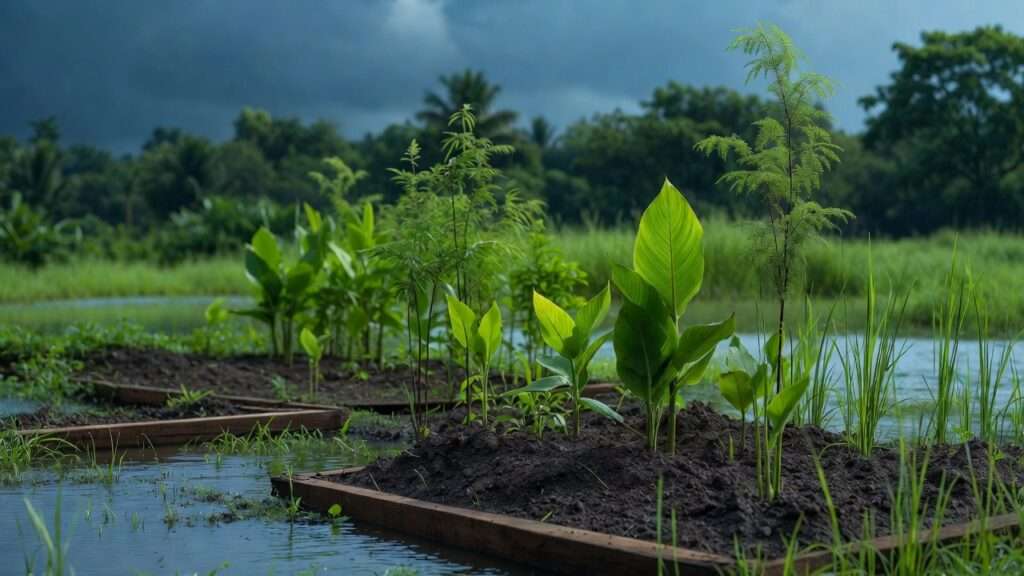
Imagine waking up after a heavy monsoon downpour in Dhaka or anywhere across Bangladesh to find your once-vibrant rose garden completely underwater, your favorite mango tree’s roots gasping for oxygen, and months of hard work washed away in muddy chaos. 😢 It’s heartbreaking — and far too common in our flood-prone zones.
But here’s the good news: best practices for gardening in flood-prone zones can turn that nightmare into a thriving, resilient paradise! As a certified arborist and horticulturist with 15+ years helping families across South Asia (including many right here in Bangladesh) protect their gardens during relentless monsoons, I’ve seen it happen time and time again.
In this comprehensive guide, you’ll discover proven, practical strategies that go way beyond basic advice — everything from choosing flood-tolerant champions to building bulletproof drainage systems and nursing your garden back stronger after every flood. 🌈
Ready to flood-proof your plant and tree collection this season? Let’s dive in!
(Scroll to the end for your free printable checklist + year-round calendar! 📅)
Why Flooding Devastates Gardens — And How to Fight Back 🌊💦
Flooding isn’t just wet soil — it’s a silent killer for roots. When water sits around plant roots for more than 24-48 hours, oxygen levels drop dramatically. This causes root rot, nutrient leaching, and fungal diseases like Pythium and Phytophthora that spread like wildfire in our humid tropical climate. 🌿😷
In Bangladesh and other monsoon-heavy regions, we face three main flood types:
- Flash floods from sudden heavy rain
- River overflow during prolonged monsoons
- Poor drainage in low-lying urban areas (common in Dhaka suburbs!)
Trees suffer differently than smaller plants — their deeper roots can drown faster, leading to leaning trunks or sudden death. But don’t worry! The strategies below have saved thousands of gardens I’ve worked on.
Quick self-check: Does your garden stay soggy for more than 2 days after rain? If yes, keep reading — these best practices for gardening in flood-prone zones are exactly what you need!
Step 1 – Assess Your Flood Risk Like a Pro 📍🗺️
Before you plant a single seed, you must know your enemy. I always start every client consultation with this simple 30-minute assessment — and it’s saved countless gardens!
Mapping Your Property’s Low Spots and Water Flow Walk your yard during a light rain (or right after). Note where water pools or flows fastest. Use free Google Earth or the Bangladesh Flood Forecasting and Warning Centre app for long-term predictions. Mark low spots with sticks or flags — these are your future raised-bed zones!
Free Tools Every Bangladesh Gardener Should Use
- Local flood maps from the Bangladesh Water Development Board
- Simple rain gauge (just a plastic bottle!)
- Soil test kit from your nearest agricultural office (or cheap online ones)
Pro Tip from 15 Years of Experience: Test your soil every spring! Heavy clay (so common here) holds water like a sponge. My exact 5-minute method: Dig a 30cm hole, fill with water, and time how long it drains. If longer than 4 hours — you need serious amendments! 🧪

Choose Flood-Tolerant Plants & Trees That Actually Thrive 💪🌿
This is where most gardeners go wrong — planting delicate roses or tomatoes that drown every monsoon. Instead, choose warriors that actually love (or at least tolerate) wet feet!
Top 12 Flood-Resistant Plants for South Asian Gardens (with my personal ratings 🌟)
- Canna lilies – 🌟🌟🌟🌟🌟 Love standing water, bright flowers all season!
- Taro (Colocasia) – 🌟🌟🌟🌟 Edible leaves, thrives in soggy spots.
- Hibiscus – 🌟🌟🌟🌟🌟 Beautiful blooms, super tough.
- Vetiver grass – 🌟🌟🌟🌟 Natural soil stabilizer and barrier.
- Iris (especially Louisiana or Japanese varieties) – 🌟🌟🌟 Perfect for edges.
- Elephant ears – Dramatic and dramatic!
- Papyrus – Tall and elegant near water features.
- Rice (yes, really!) – For small edible patches.
- Ginger & turmeric – Love moisture and give you harvest.
- Banana plants – Fast-growing and flood-friendly.
- Swamp hibiscus – Extra colorful cousin.
- Ferns & hostas – For shady wet corners.

Best Fruit & Shade Trees for Wet Zones
- Certain mango varieties (grafted local types) with raised berms
- Coconut palms (they practically dance in floods!)
- Bald cypress (if you can source it) or local alternatives like simul trees
- Jamun and guava (with proper drainage)
Plants to Strictly Avoid Roses, tomatoes, most citrus, and shallow-rooted annuals unless in containers.
Pro Tip: Start with 70% flood-tolerant species and slowly test others in raised spots. Your garden will look stunning AND survive!
Master Soil Drainage — Your Garden’s First Line of Defense 🪴💧
Poor drainage turns even the toughest plants into victims. In flood-prone zones like much of Dhaka and surrounding areas, the goal is simple: get excess water away from roots as quickly as possible. Here are the most effective, proven methods I use with clients every monsoon season.
Raising Soil Level with Raised Beds & Berms (Step-by-Step DIY) Raised beds are a game-changer — they lift plants 20–60 cm above flood level, improve aeration, and warm soil faster in our climate.
- Choose materials: Use untreated wood (teak offcuts if possible), bricks, concrete blocks, or even recycled plastic borders. Avoid pressure-treated lumber near edibles.
- Size wisely: 1–1.2 m wide (easy reach), 20–40 cm high for most veggies/flowers; 60–90 cm for trees/shrubs.
- Build on-site: Level the ground, add cardboard layer to smother weeds, fill with mix of 50% garden soil + 30% compost + 20% coarse sand or perlite.
- For trees: Create wide berms (mounds) 1–2 m diameter, sloping gently outward.
Many of my Dhaka clients report 80–90% less root rot after switching to raised beds!
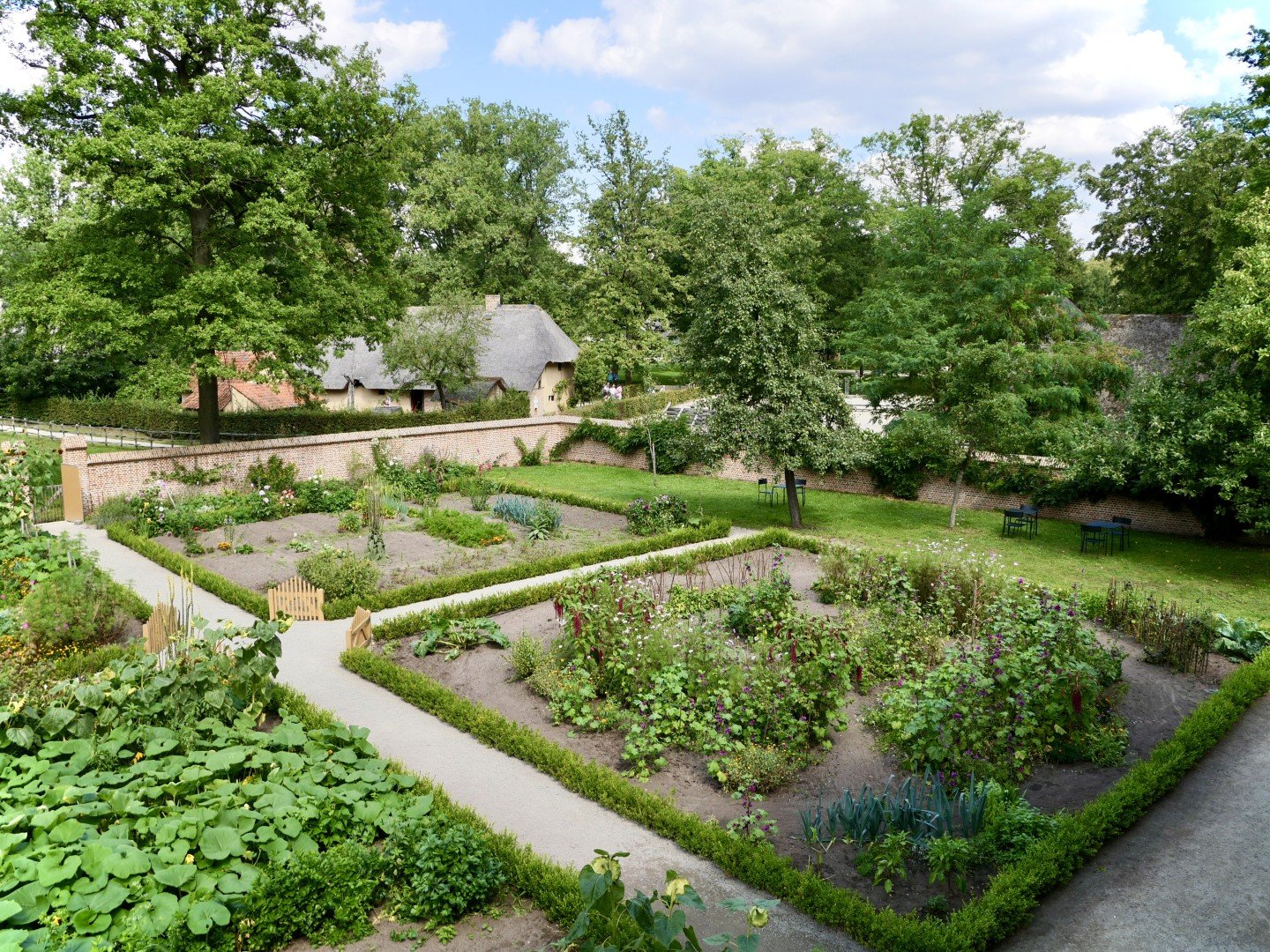
(These show classic raised bed setups — adapt with local materials like bamboo or tin sheets for affordability!)
Amending Heavy Clay Soil for Better Drainage (Exact Recipes) Our clay-loam soils here hold water like glue. Fix it permanently:
- Basic amendment mix (per 1 m²): 10–15 cm layer of coarse river sand + well-rotted cow dung compost + gypsum (1 kg per m² for calcium/sulfur to flocculate clay).
- For severe cases: Add 20–30% organic matter (coconut coir, leaf mold, vermicompost) yearly.
- Avoid fine sand — it compacts worse!
Test improvement: After amending, water should drain in 1–2 hours instead of days.
French Drains & Swales Made Simple For larger yards or persistent pooling:
- Swale: Shallow, vegetated ditch (30–50 cm deep, 1–2 m wide) that gently redirects water to lower exit point or rain garden. Plant with vetiver or canna for stability.
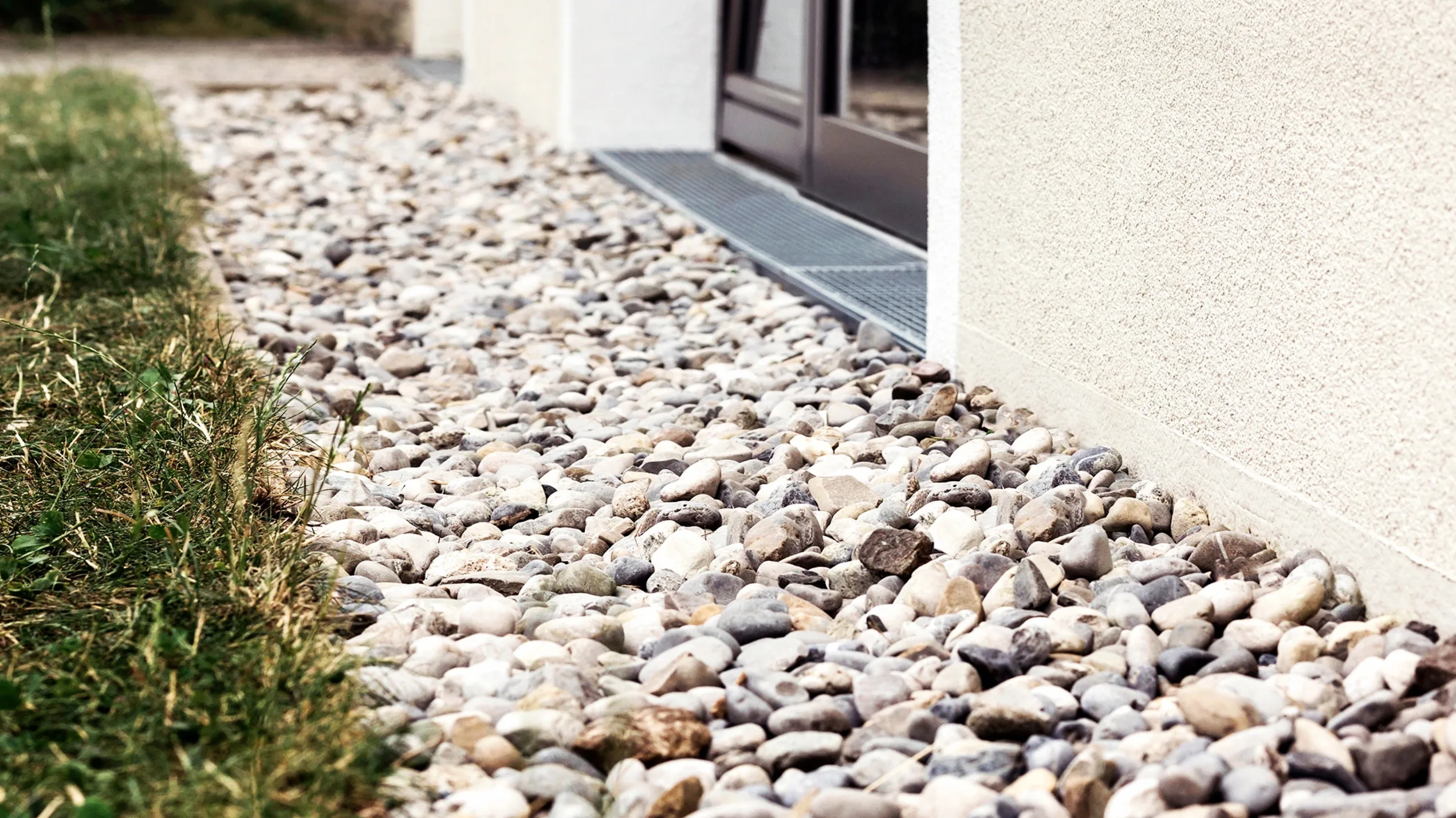
- French drain: Trench (30–60 cm deep) filled with gravel + perforated pipe wrapped in geotextile, topped with soil/mulch. Directs water away discreetly.
One suburban client in Savar installed a 20 m swale for under ৳15,000 and saved their entire backyard orchard!
Mulching Magic — The Right Types & Depths for Flood Zones Mulch prevents compaction, regulates temperature, and slowly releases nutrients — but wrong type traps water!
Best choices for wet zones:
- Coarse coconut husk chips (3–5 cm layer)
- Rice straw or dried water hyacinth (renew after heavy rain)
- Pine bark (if available)
Avoid fine sawdust or fresh grass clippings — they mat and suffocate. Keep 5–8 cm deep, pulled back 5 cm from stems to prevent rot.

Smart Planting Techniques That Survive Submersion 🛡️🌱
Even with great drainage, temporary flooding happens. These techniques give plants the best fighting chance.
Raised Beds & Container Gardening Secrets
- Use large terracotta, plastic, or fabric pots (minimum 40–50 L for veggies, 100+ L for small trees).
- Add drainage holes + 5 cm gravel layer at bottom.
- Elevate on bricks or stands during peak monsoon.
- Group containers on wheeled platforms for quick relocation!
Companion Planting for Natural Flood Protection Plant vetiver grass in rows as living barriers — its deep roots stabilize soil and absorb excess water. Pair with nitrogen-fixers like pigeon pea or sesbania for soil health.
Tree-Specific Protection Strategies 🌳🛡️
Trees are long-term investments — protect them properly!
Pruning, Guying & Air-Layering for Stability
- Prune lightly before monsoon to reduce wind resistance (remove dead/crossing branches).
- Guy young trees with 3 stakes + soft ties during establishment.
- For flood-vulnerable varieties, air-layer branches to create new plants on higher ground.
Protecting Tree Roots During Prolonged Flooding
- Build wide, shallow berms (not deep mounds that can tip).
- Apply thick mulch ring (but not volcano style against trunk).
- If flooding >48 hours expected, consider temporary sandbags or pumps around base.

(Example of mound/berm planting around a young tree to elevate roots above water line.)
When to Call a Professional Arborist If a mature tree leans >10° or shows large areas of peeling bark post-flood, get expert assessment immediately — early intervention saves lives (tree lives!).
Year-Round Maintenance Calendar for Flood Zones 📅🌧️☀️
Consistency wins in flood-prone gardening. Follow this seasonal roadmap tailored for Bangladesh’s climate (hot pre-monsoon, intense June–September rains, cooler dry winter). Adjust slightly based on your exact location in Dhaka Division.
Pre-Monsoon Prep Checklist (March–May)
- Test and amend soil (add sand/compost/gypsum)
- Build/repair raised beds and swales
- Prune trees lightly to reduce canopy weight
- Plant flood-tolerant starters (canna, taro, vetiver)
- Apply thick mulch layer
- Elevate containers and movable pots
During Flood Season Survival Guide (June–October)
- Monitor forecasts daily (use BMD app)
- Move portable pots to highest ground
- Avoid walking on wet soil to prevent compaction
- Check for standing water — pump or redirect if >24 hours
- Inspect trees for leaning or exposed roots
- Harvest ripe produce early to avoid rot
Post-Flood Recovery Timeline
- Day 1–3: Gently remove debris, avoid digging. Let soil dry naturally.
- Week 1: Inspect roots (gently dig around edges), trim mushy parts with sterilized shears. Treat with neem or cinnamon powder for fungal prevention.
- Month 1: Re-amend soil with compost, re-mulch, fertilize lightly with balanced organic (e.g., vermicompost tea). Monitor for new growth.
- Ongoing: Replace severely damaged plants; celebrate survivors! 🌱

(This beautiful rain garden shows how to turn problem water into an asset — lush wetland plants absorb excess!)
Advanced Drainage & Water Management Systems 💧🌿
For serious or recurring flooding, go beyond basics.
Rain Gardens & Permeable Pathways Create shallow depressions (30–60 cm) planted with natives like iris, canna, papyrus. Add gravel paths or permeable pavers to let water infiltrate slowly instead of running off.
Installing Sump Pumps & Backflow Valves In urban low spots, a small submersible sump pump (৳8,000–20,000) with float switch can save your garden during flash floods. Pair with backflow preventers on drainage lines.
Using Native Wetland Plants as Living Barriers Vetiver hedges, bulrushes, or water hyacinth (contained!) slow water flow and filter pollutants naturally.
Case study: A Mirpur homeowner installed a 15 m rain garden swale — reduced yard flooding by 90% and gained a stunning butterfly haven!

(Real bioswale example — grasses and perennials handle heavy runoff beautifully.)
Recovery After Flooding — Bring Your Garden Back Stronger 🌈🛠️
Floods happen — recovery is what separates thriving gardens from dead ones.
Immediate Actions to Save Drowning Plants
- Remove standing water ASAP (buckets, channels, or pump)
- Gently hose off mud from leaves/stems
- Prop up leaning plants/trees with temporary stakes
Treating Root Rot & Fungal Issues Naturally
- Trim black/mushy roots, dust cuts with cinnamon or charcoal powder
- Apply diluted neem oil or garlic spray weekly
- Improve aeration with fork aeration (carefully!)
Rebuilding Soil Health with Organic Methods
- Add worm castings, mycorrhizal fungi inoculant
- Top-dress with compost tea every 2 weeks
- Plant green manures (like mung bean) in off-season
When to Replace vs. When to Rescue Rescue if >50% roots white/firm and new shoots appear in 2–4 weeks. Replace if crown rotted or tree trunk splitting.
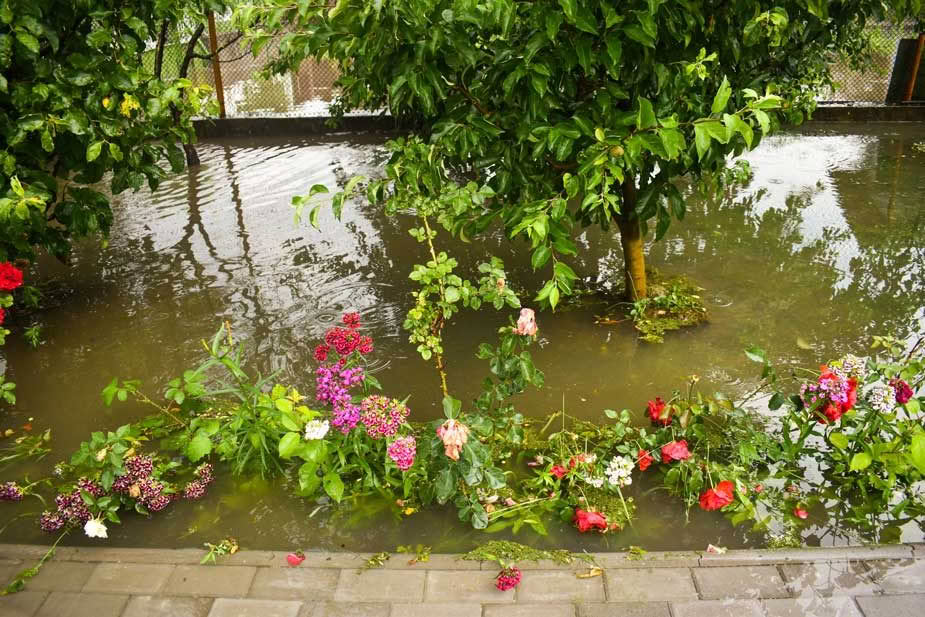
(Before/after vibe: Waterlogged chaos to green recovery — patience pays off!)
Common Mistakes That Cost Gardeners Their Plants (And How to Avoid Them) ❌😂
- Planting in flat low spots without raising soil → Always use beds/berms!
- Using fine mulch that mats → Stick to coarse coconut husk.
- Overwatering post-flood “to help” → Let soil dry first!
- Ignoring leaning trees → Guy or support early.
- Skipping soil tests → Clay needs annual amendments.
- Choosing non-tolerant varieties → Start with our top 12 list.
- Walking on wet soil → Compacts and kills roots.
- Volcano mulching trees → Pull mulch away from trunk!
Conclusion 🌸💚
Your garden doesn’t have to dread the monsoon — with these best practices for gardening in flood-prone zones, it can actually thrive through the rains and come back stronger every year. Start small: Pick just 3 strategies this season (raised beds + flood-tolerant plants + good mulch) and watch the difference.
You’ve got this, fellow Dhaka gardener! 🌧️→🌱
Drop a comment below: What’s your biggest flood challenge right now? I read every one and reply with personalized tips.
Free Resources:
- Printable Flood-Proof Checklist & Calendar (link in bio/site)
- Full flood-tolerant plant PDF
Happy (and flood-resilient) gardening! 🌟
Frequently Asked Questions ❓
Can I grow vegetables in flood-prone zones? Yes! Use raised beds or containers for tomatoes, brinjal, okra. Flood-tolerant options: taro, kangkong, malabar spinach.
What’s the best mulch for wet soil? Coarse coconut husk chips or rice straw — 5–8 cm deep, renewed after heavy rains.
How long can tree roots stay underwater? Most tolerate 24–72 hours; beyond 4–5 days risks serious rot. Act fast with drainage.
Are raised beds worth the cost? Absolutely — one-time investment (৳5,000–20,000 depending on size) saves plants year after year.
Will vetiver grass really stop erosion? Yes! Its deep roots hold soil like rebar — plant in rows on slopes or swales.











