
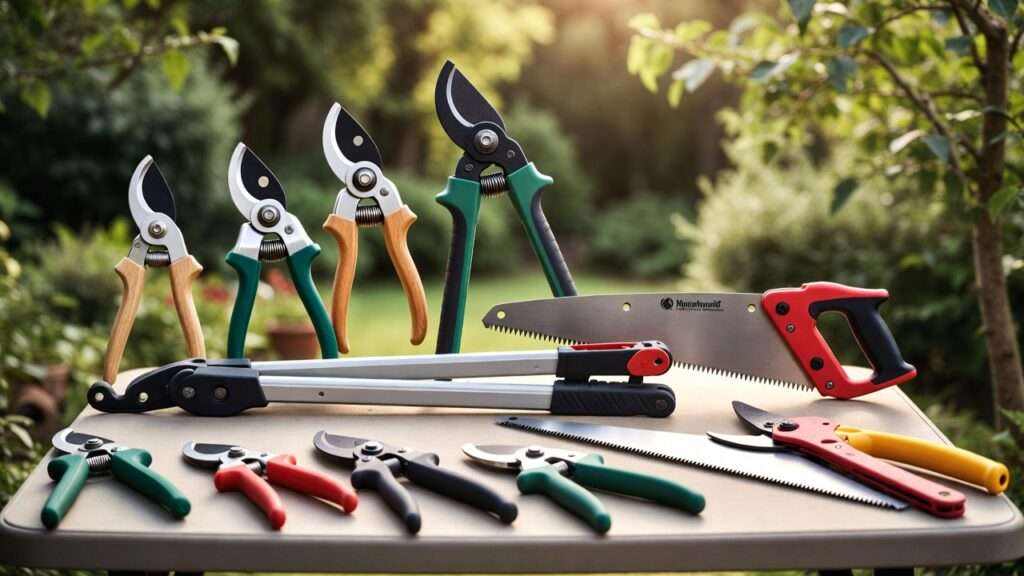
Imagine this: You’ve just planted your first rose bush or young fruit tree in the garden, full of excitement… but a few months later, it’s overgrown, branches are crossing, and you’re worried one wrong snip could harm your precious plant 😬. As a beginner, the biggest fear isn’t the pruning itself — it’s choosing the wrong tools that crush stems, cause jagged cuts, or tire out your hands after just a few minutes.
That’s where the best pruning tools for beginners come in. With the right essentials — sharp, ergonomic, and easy-to-use bypass hand pruners, comfortable loppers, and a reliable folding saw — you’ll make clean cuts that heal quickly, promote healthy growth, prevent disease, and give your plants that pro-level shape you’ve always admired 🌱💚.
In this complete guide (updated for 2026), I’ll walk you through exactly what beginners need, based on real testing, pro gardener recommendations, and years of hands-on experience in home gardens, orchards, and landscaping. No overwhelming jargon — just practical, trustworthy advice to build your confidence fast.
Why Beginners Need the Right Pruning Tools (And Why Cheap Ones Fail) ⚠️
Many new gardeners grab the cheapest pair from the big box store, only to end up with bruised stems, torn bark, and frustrated hands. Dull or poorly designed tools crush live tissue instead of slicing it cleanly, opening doors for fungal diseases and pests 🤕.
Quality tools make all the difference:
- Clean bypass cuts heal faster and keep plants healthier.
- Ergonomic designs reduce fatigue — crucial when you’re learning and pruning for 30+ minutes.
- Durability means your investment lasts years (some pros use the same pruners for decades!).
Key beginner factors: Look for lightweight tools under 10 oz, comfortable non-slip grips, easy sharpening, and prices that won’t break the bank. Bypass (scissor-like) is almost always best for live growth — anvil types are better for dead wood only 🔄.
Understanding Pruning Tool Types: A Beginner’s Quick Guide 📚
Start simple — you don’t need 10 tools to begin!
- Hand Pruners (Secateurs): Your #1 must-have. Cut branches up to ¾–1 inch. Bypass for live/green stems (clean cut), anvil for dry/dead wood.
- Loppers: Longer handles for leverage on 1–2 inch branches — perfect for shrubs and small trees without straining.
- Pruning Saws: For anything over 2 inches. Folding ones are beginner-friendly — compact and safe.
Bonus tip: Ratchet or compound-action tools multiply your power if hand strength is limited 🛠️✨.
Top Recommended Hand Pruners for Beginners (The #1 Essential) ✂️🌟
Hand pruners handle 80% of beginner jobs — deadheading roses, shaping shrubs, trimming fruit trees. Pros overwhelmingly recommend bypass models for clean, plant-friendly cuts.
Here are the standout picks for 2026:
Best Overall: Felco 2 This Swiss-made classic is the gold standard — durable forged aluminum handles, replaceable parts, and ultra-sharp hardened steel blades. It cuts up to 1 inch smoothly with minimal effort. Many arborists and gardeners have used the same pair for 20–30+ years! Pros: Lifetime potential, ergonomic for medium/large hands, easy to maintain. Cons: Higher price (~$80–90), might feel big for very small hands. (If you invest once, make it this one — you’ll prune like a pro in no time! ⭐)
Best for Small Hands / Budget: Okatsune 101 Compact (7 inches), lightweight Japanese high-carbon steel blades that stay razor-sharp longer. Testers with small hands love the easy, straight cuts without fatigue. Pros: Affordable (~$30–40), super sharp, great snap! Cons: Less contoured than Felco, parts not as replaceable. Perfect starter if Felco feels too bulky 🌸.
Best Value / Easy Grip: Fiskars Bypass or Corona Forged Classic Comfortable rubber grips, reliable performance, and great entry-level quality. Fiskars often includes power-assist features for easier cutting. Pros: Budget-friendly (~$20–35), lightweight, widely available. Cons: Not as long-lasting as premium brands.
Quick comparison table (approximate 2026 prices):
| Tool | Price Range | Cut Capacity | Weight | Best For |
|---|---|---|---|---|
| Felco 2 | $80–90 | 1 inch | 8.8 oz | Long-term investment |
| Okatsune 101 | $30–40 | ~0.8–1 inch | ~7 oz | Small hands, sharp cuts |
| Fiskars Bypass | $20–35 | ¾–1 inch | ~8 oz | Easy grip, beginners |
Expert insight: “If you’re serious about gardening, start with Felco — it’s the tool most pros reach for daily.” Many switch from cheaper brands and never look back! 💪
Here are a few real-life examples of the Felco 2 in action — see how effortlessly it makes clean, precise cuts on live stems without crushing them:

These photos show why it’s a favorite among pros: sharp, durable, and built to last! ✨
Best Loppers for Beginners: Tackle Thicker Branches Easily 🌳
Once your hand pruners hit their limit (around ¾–1 inch), loppers step in as your best friend for shrubs, small trees, and overgrown branches up to 1.5–2 inches. The longer handles give you massive leverage, so you don’t strain your arms or back — perfect for beginners who want to avoid fatigue during longer sessions.
Why loppers? They make quick work of thicker live growth (use bypass types) or dead wood (anvil types), keeping plants healthy without tearing bark. For newcomers, prioritize compound action or PowerGear designs — they multiply your cutting power by up to 3x with less effort!
Top picks for 2026 (based on expert tests, gardener feedback, and real-world durability):
Best Overall / Power Pick: Fiskars PowerGear Bypass Lopper (e.g., 28–32 inch models) This compound-geared wonder is a beginner superstar — the patented PowerGear mechanism reduces effort dramatically, letting you slice through 1.5–2 inch branches like butter. Lightweight fiberglass handles, non-slip grips, and a low-friction blade make it easy and comfortable. Many reviews call it the “game-changer” for tired hands! Pros: Huge power boost, lightweight (~3–4 lbs), affordable (~$30–50), lifetime warranty on many parts. Cons: Slightly bulkier than basic models. Ideal for shrubs, fruit trees, and general yard cleanup.
Check out this Fiskars PowerGear in use — notice the smooth, effortless cut on a thick branch:

Best Pro-Grade: Felco 221 or 211 Series If you’re ready to invest like with the Felco 2 pruners, these Swiss-made loppers deliver precision and longevity. Forged aluminum handles, replaceable parts, and ultra-sharp bypass blades for clean live-wood cuts. Pros: Built to last decades, ergonomic, excellent balance. Cons: Pricier (~$80–120). Great if you plan to prune regularly!
Best Value / Ratchet Option for Extra Power: Spear & Jackson Razorsharp or similar ratchet models For beginners with limited hand strength, ratchet anvil loppers (like telescopic versions) let you cut in stages — pump the handles multiple times for massive force on tough branches. Pros: Less effort on thick/dry wood, often extendable for reach. Cons: Slower for quick cuts, anvil crushes live stems (best for dead wood). Tip: Start with bypass for most beginner jobs — ratchet as a bonus!
Quick comparison table (approximate 2026 prices):
| Tool | Price Range | Cut Capacity | Key Feature | Best For |
|---|---|---|---|---|
| Fiskars PowerGear Bypass | $30–50 | 1.5–2 inches | Compound gear leverage | Everyday beginner use |
| Felco 221 Bypass | $80–120 | 1.75–2 inches | Pro durability | Serious long-term investment |
| Spear & Jackson Ratchet | $40–70 | Up to 2 inches | Multi-stage ratchet | Limited strength / thick wood |
Expert insight: “Fiskars PowerGear is the sweet spot for most beginners — it feels like cheating how easy it makes pruning!” Many switch from basic loppers and never go back 💪🌟.
Essential Pruning Saws & Other Must-Haves for New Gardeners 🪚
When branches exceed 2 inches, reach for a folding pruning saw — compact, safe, and surprisingly powerful. These cut on the pull stroke (Japanese-style) for fast, clean results without ladders for most jobs.
Top Beginner Recommendations:
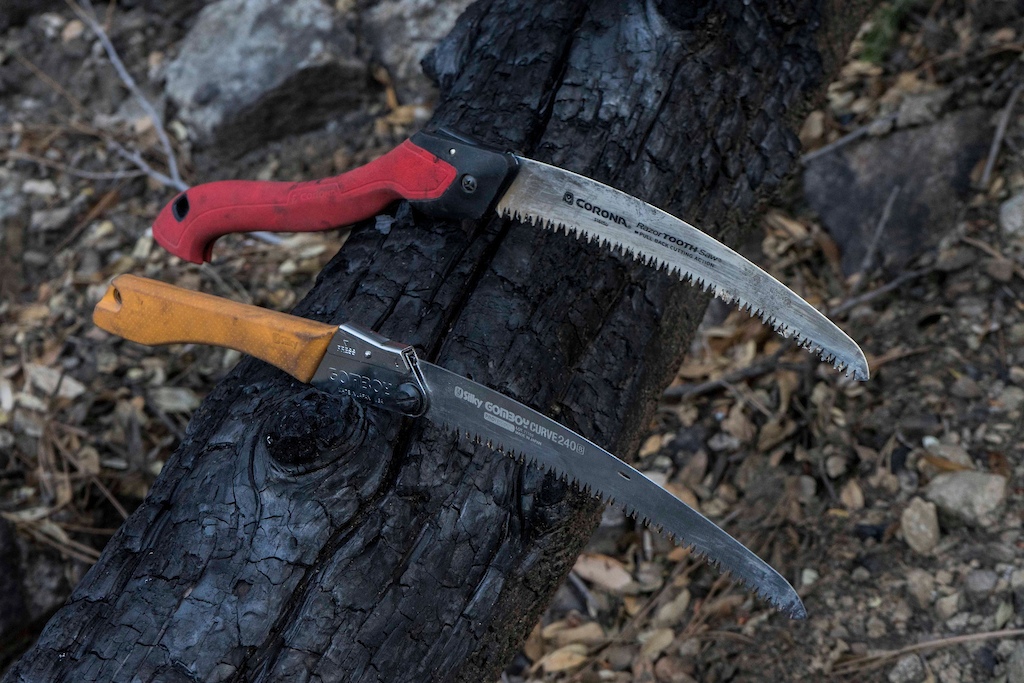
Best Overall Folding Saw: Silky or Corona RazorTooth Silky blades are legendary for razor sharpness and smooth action; Corona offers great value with triple-ground teeth that power through wood quickly. Folding design fits in a pocket or tool belt. Pros: Compact, sharp out of the box, cuts 4–6+ inch branches easily. Cons: Requires technique (pull, don’t push).
Here are some folding saws in real garden use — see the clean, effortless cuts:
Bonus Must-Have Accessories:
- Gardening gloves (thorn-proof, padded) 🧤 — Protect hands from cuts and blisters.
- Blade sharpener (e.g., Corona carbide or diamond file) 🔧 — Keep edges crisp for clean cuts.
- Disinfectant spray (rubbing alcohol or bleach solution) 🧼 — Wipe blades between plants to stop disease spread.
- Tool holster/belt pouch — Keeps everything handy and safe.
With these, you’re set for 90% of beginner pruning tasks!
How to Choose the Right Tools: Beginner Buying Checklist ✅
Picking the perfect set doesn’t have to be overwhelming. Use this simple checklist to match tools to your needs, budget, and garden size:
- Assess Your Hand Size & Strength
- Small hands or limited grip strength? → Opt for compact models like Okatsune 101 pruners + ratchet/compound loppers.
- Average/strong hands? → Felco 2 + standard Fiskars PowerGear will feel great.
- Budget Tiers (2026 approximate prices)
- Starter (under $100 total): Fiskars Bypass pruner (~$25) + Fiskars PowerGear lopper (~$40) + basic folding saw (~$25). Great for casual weekend gardeners!
- Solid Quality ($100–200): Okatsune 101 pruner + Felco 221 lopper + Silky folding saw. Excellent balance of performance and value.
- Pro Investment ($200+): Felco 2 pruner + Felco 221 lopper + premium saw. Built to last a lifetime — many gardeners say “buy once, cry once” 😄.
- Where to Buy
- Trusted online: Amazon, direct from Felco/Okatsune/Fiskars sites (often best warranties).
- Local: Garden centers let you hold and test grip — highly recommended for beginners!
- Red Flags to Avoid
- Super-cheap no-name anvil pruners (they crush live stems).
- Tools without replaceable parts (blades dull over time).
- Heavy, unbalanced designs that cause wrist strain.
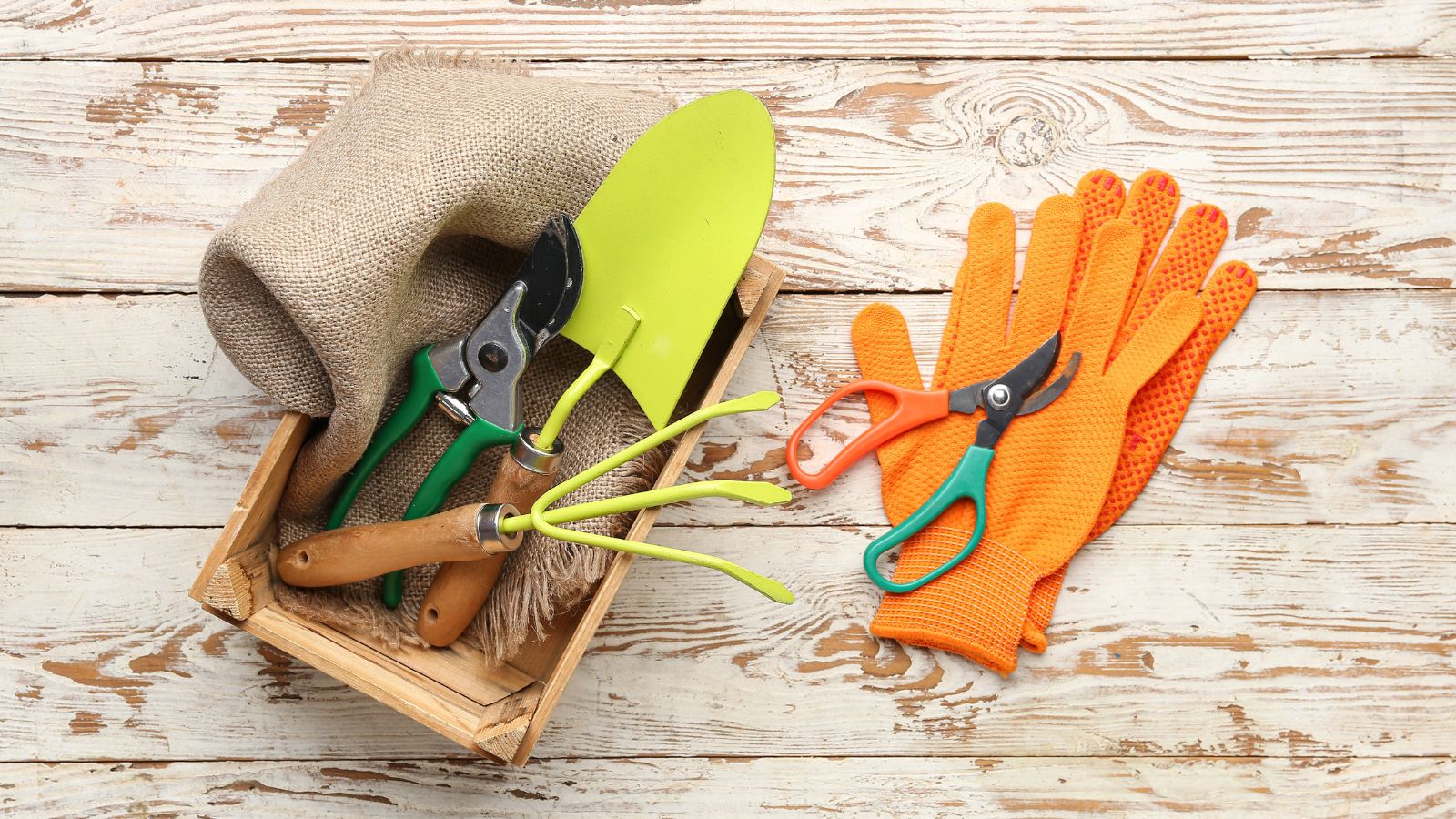
Here’s a beautifully laid-out beginner tool kit ready for action — notice the ergonomic grips and clean organization:
How to Use Your New Pruning Tools Like a Pro (Step-by-Step) 📝
Now that you have the tools, let’s make sure you use them correctly for healthy, happy plants!
Basic Technique Tips
- Always cut at a 45° angle just above a bud/outward-facing node — this sheds water and encourages outward growth.
- Disinfect blades between plants (rubbing alcohol wipe) to prevent spreading diseases.
- For large branches (>1.5 inches), use the 3-cut method to avoid tearing bark:
Here’s a clear visual of the 3-cut method in action — follow these steps to safely remove heavy limbs without damaging the tree:

- Undercut 6–12 inches out from trunk (prevents tearing).
- Top cut further out to remove branch weight.
- Final cut just outside the branch collar (swollen area where healing happens).
Beginner Pruning Examples
- Roses: Late winter/early spring — remove dead, damaged, crossing canes. Aim for open vase shape. Here are some real gardeners demonstrating clean rose pruning cuts:

- Fruit Trees: Thin crowded branches in dormant season for better airflow and fruit production.
- Shrubs: Light shaping after flowering — never remove more than 1/3 of growth at once.
Maintenance Guide
- Clean after each use → Wipe sap with alcohol, dry thoroughly.
- Sharpen regularly → Use a diamond file or whetstone (5–10 minutes per tool).
- Oil pivot points → A drop of lightweight machine oil keeps them smooth.
Common Beginner Pruning Mistakes (And How to Avoid Them) ❌
Even with great tools, small errors can hurt your plants. Watch out for these:
- Jagged or crushed cuts from dull tools → Solution: Keep blades sharp! Here’s a side-by-side comparison of bad vs. good cuts — see the difference in healing potential
- Over-pruning (removing >1/3 at once) → Stuns growth; prune gradually over seasons.
- Wrong timing (e.g., spring pruning of spring bloomers) → Cuts off next year’s flowers. Research your plant!
- Using anvil on live wood → Crushes tissue → Use bypass instead.
Avoid these, and your garden will thrive 🌱💚!
FAQs: Best Pruning Tools for Beginners ❓
Here are the questions I hear most often from new gardeners just like you:
Q: What’s the absolute must-have tool for a total beginner? A: Start with a quality bypass hand pruner (secateurs). It handles the majority of everyday tasks — deadheading flowers, shaping small shrubs, trimming fruit tree suckers, and light branch removal up to about ¾–1 inch. The Felco 2, Okatsune 101, or a good Fiskars Bypass will serve you beautifully for years. Add loppers later when you need more power.
Q: Are electric or battery-powered pruners worth it for newcomers? A: For most beginners — no. Manual tools teach you proper technique, give you better control, and are far more reliable (no batteries to die mid-job). Electric models shine for people with arthritis or very large properties with hundreds of cuts daily, but they’re overkill (and expensive) for the average home garden in 2026.
Q: How do I know if my pruners are sharp enough? A: Try this simple test:
- Take a piece of paper and see if the blade slices cleanly without tearing.
- Or lightly run your thumbnail across the edge — it should catch slightly instead of gliding over. If it fails either test, sharpen immediately. Dull blades crush instead of cut, harming your plants.
Q: Bypass or anvil — which one should I buy first? A: Bypass is the clear winner for beginners. It makes clean, scissor-like cuts on live/green growth that heal quickly and reduce disease risk. Anvil pruners are better only for completely dead/dry wood. Most pros recommend starting with bypass and adding an anvil later only if you do a lot of deadwood removal.
Q: What’s the best budget starter kit under $100? A: Excellent question! Here’s a proven combo many beginners love:
- Fiskars Bypass Hand Pruner (~$25)
- Fiskars PowerGear Bypass Lopper (28–32 inch) (~$40)
- Basic Corona or Bahco folding pruning saw (~$25) Total: ~$90 This trio covers 95% of beginner pruning jobs with reliable performance and comfort.
Bonus Q: How often should I sharpen my tools? A: Depends on use — but a good rule is every 10–20 hours of cutting or whenever you notice tearing instead of clean slicing. Five minutes with a diamond file or whetstone keeps them performing like new!
Final Thoughts + Your Next Step 🌟
Congratulations — you now have the complete roadmap to choosing and using the best pruning tools for beginners!
Here’s the quick takeaway recap:
- Start here: Quality bypass hand pruners (Felco 2, Okatsune 101, or Fiskars) — your everyday hero ✂️
- Level up when needed: PowerGear loppers for thicker branches 🌳
- Finish strong: A compact folding saw for anything bigger 🪚
- Never forget: Sharp, clean, disinfected tools + proper technique = healthy, beautiful plants that thrive 🌱💚
The biggest secret pros won’t tell you? It’s not about having every fancy tool — it’s about having a few great ones and using them correctly. Invest in quality once, maintain them well, and your garden will reward you with stronger growth, more flowers, better fruit, and far less stress.
Ready to take the next step? Pick one of the beginner-friendly picks we covered today (start with hand pruners if you’re unsure), grab a pair of good gloves, and head outside. Your first clean, confident cut will feel amazing — I promise!
I’d love to hear from you: Which tool are you most excited to try first? Drop a comment below or share a photo of your first pruning session — let’s celebrate your garden journey together! 🌷✨
Happy pruning, and here’s to a beautiful, healthy garden in 2026 and beyond! 🌳💚











