We’ve all been there: staring out the window, hoping to see a lush, vibrant yard, only to be greeted by a patchy, brown, and thinning lawn. It is incredibly frustrating when you want that pristine, golf-course-quality green but feel like you are fighting a losing battle against nature. If you are looking for a rapid, reliable transformation, choosing the right turfgrass is the most crucial step. To save you the guesswork, we have researched and ranked the best 10 rye grass seed options available today to help you finally achieve the yard of your dreams.
Dealing with slow-growing grass, watching your warm-season turf go completely dormant and yellow in the winter, or seeing heavy foot traffic from kids and pets destroy your yard can be discouraging. You pour time and money into watering and fertilizing, yet the bare spots remain.
Enter rye grass. Both annual and perennial ryegrass varieties serve as the ultimate lawn-care secret weapons. Known for lightning-fast germination—often sprouting in just 5 to 7 days—rye grass provides an immediate “quick-fix” for bare patches. Beyond its speed, it delivers a vibrant, deep winter color and exceptional durability against wear and tear, making it a robust long-term solution for high-traffic areas and seasonal overseeding.
But with hundreds of bags filling Amazon search results, how do you ensure you aren’t buying a bag full of weed seeds and empty promises? We’ve done the heavy lifting for you. By analyzing hours of Amazon customer data, consulting expert reviews, and diving deep into agricultural specifications like seed purity and crop yield, we’ve curated this definitive guide. Read on to discover our comprehensive breakdown of the best 10 rye grass seed brands, carefully selected to save you time, money, and frustration on your journey to a perfect lawn.
Quick Comparison Matrix
If you are in a hurry and want to make a quick, informed decision, use our skim-friendly comparison table below. Note: We limited this table to three columns to ensure it remains clean and easy to read on mobile devices.
The Best 10 Rye Grass Seed Options: In-Depth Reviews
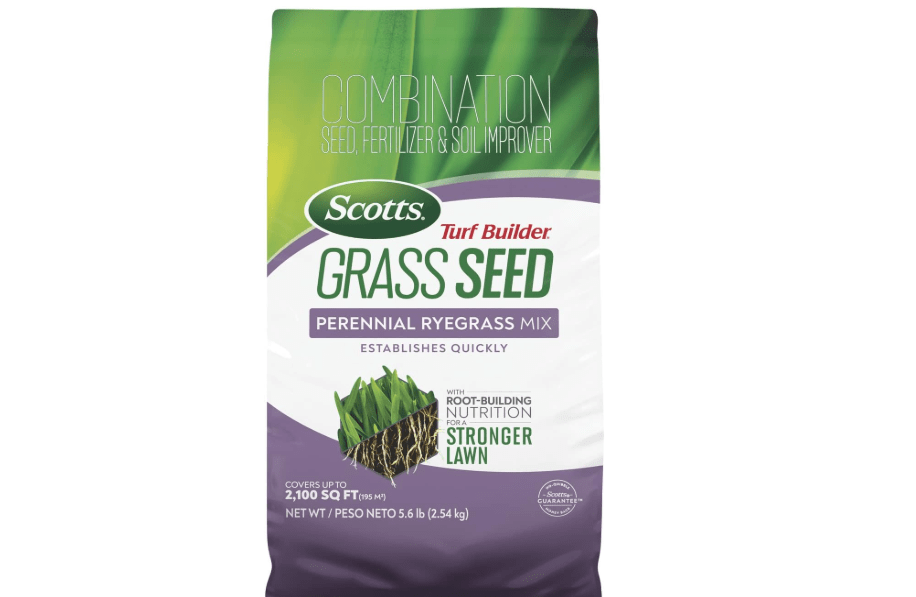
1. [Best Overall]: Scotts Turf Builder Grass Seed Perennial Ryegrass Mix
Scotts is a household name in lawn care for a reason. Their Turf Builder Perennial Ryegrass Mix takes our top spot because it combines elite seed genetics with their proprietary WaterSmart PLUS Coating. This seed is designed to take the guesswork out of watering and fertilization, making it nearly foolproof for the average homeowner. Whether you are patching up a few dog spots or overseeding an entire lawn, this mix establishes rapidly and provides a rich, fine-bladed texture that feels like a carpet underfoot.
-
Price: $42.99
-
Key Features & Benefits:
-
WaterSmart PLUS Coating -> Absorbs twice as much water as uncoated seed, preventing the seed from drying out if you miss a watering session.
-
Built-in Nutrients -> Feeds the seedlings immediately upon germination, promoting thicker, faster root development.
-
Fungicide Treated -> Protects vulnerable new seedlings from common diseases that cause dampening off.
-
-
Pros & Cons:
-
Pros: Extremely fast germination (5-7 days); highly forgiving for beginners; exceptional dark green color; widely available.
-
Cons: The protective coating means you get slightly fewer seeds per pound compared to uncoated bags; requires frequent mowing once established.
-
-
Amazon Customer Ratings & Reviews: 4.6/5 Stars. Users rave about how quickly this seed fills in bare patches, with many noting a visible green haze in under a week. The main complaints center around birds eating the seed if not lightly raked into the soil.
-
Why It’s a Good Choice: It solves the biggest problem DIY lawn care enthusiasts face: failing to keep seeds moist. The moisture-retaining coating acts as a safety net.
-
Ideal Use Case: Perfect for homeowners looking for a reliable, all-in-one permanent lawn solution in northern climates, or quick repairs anywhere.
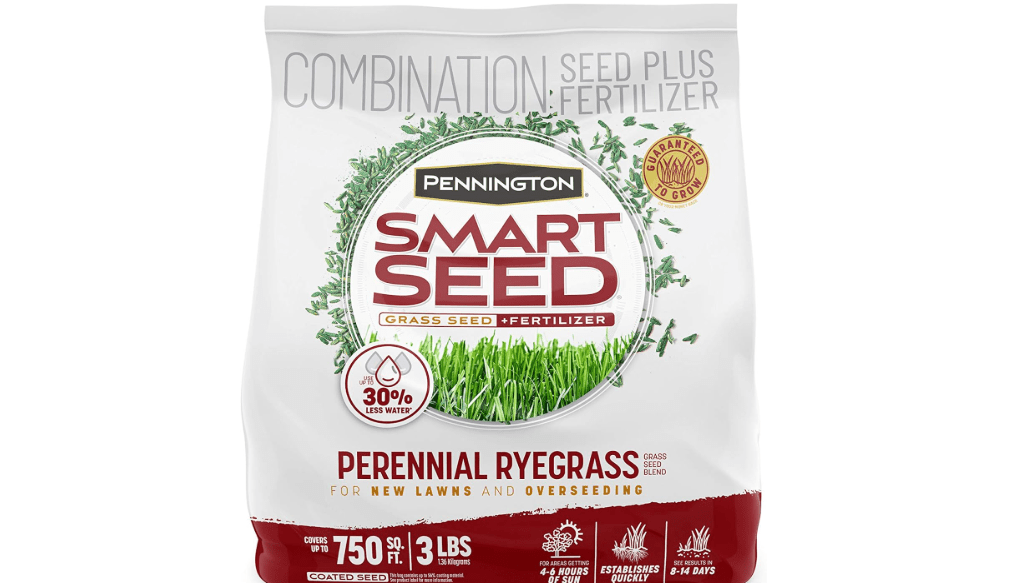
2. [Best for Water Conservation]: Pennington Smart Seed Perennial Ryegrass
If you live in an area prone to drought or you simply want to lower your summer water bill, Pennington Smart Seed is a game-changer. Pennington’s NexGen Turf Research facility bred these specific ryegrass cultivars to establish deep root systems. Once established, this grass requires up to 30% less water than standard ryegrass. Furthermore, it utilizes a fertilizer-enhanced seed coat technology that speeds up establishment while protecting the environment.
-
Price: $13.57
-
Key Features & Benefits:
-
Smart Seed Technology -> Saves up to 30% on water usage year after year, lowering utility bills and surviving harsh summers better.
-
Penkoted Seed Technology -> Protects against deadly fungus while boosting initial growth.
-
Fine Texture -> Blends seamlessly with existing Bluegrass and Fescue lawns.
-
-
Pros & Cons:
-
Pros: Highly drought-resistant for a ryegrass; excellent disease resistance; promotes deep root growth.
-
Cons: Can take slightly longer to germinate (7-10 days) than Scotts; less shade tolerant than fescue blends.
-
-
Amazon Customer Ratings & Reviews: 4.5/5 Stars. Reviewers frequently mention how well this grass holds up during July and August heatwaves compared to their older grass.
-
Why It’s a Good Choice: It addresses the heavy water demands usually associated with cool-season grasses, making it an eco-friendly and wallet-friendly long-term choice.
-
Ideal Use Case: Homeowners in transition zones who want the beauty of perennial ryegrass but need it to survive hotter, drier summers.
3. [Best Premium / Golf-Course Grade]: Barenbrug Extreme Perennial Ryegrass
Barenbrug is the secret weapon used by golf course superintendents and professional sports field managers worldwide. The “Extreme” blend is a 100% perennial ryegrass mix formulated specifically to withstand the brutal demands of tees, fairways, and tennis courts. It utilizes a four-way blend of elite, Barenbrug-bred cultivars (like Barzico and Barpersie) that offer groundbreaking wear tolerance, intense shoot density, and the ability to be mowed incredibly short without dying.

-
Price:
-
Key Features & Benefits:
-
Four-Way Elite Blend -> Combines different premium cultivars for superior disease resistance and aesthetic density.
-
Extreme Wear Tolerance -> Recovers from cleat marks, divots, and dog paws faster than almost any other grass on the market.
-
Low Mowing Tolerance -> Can be safely mowed as low as 5mm, giving you that true “putting green” look.
-
-
Pros & Cons:
-
Pros: Professional-grade aesthetics; handles intense sports traffic; outstanding recovery rate; zero weed seed fillers.
-
Cons: Expensive upfront cost; usually only available in large quantities; requires high maintenance (fertilizer/mowing) to look its best.
-
-
Amazon Customer Ratings & Reviews: 4.8/5 Stars. Lawn care “nut” communities and professional landscapers rate this as a holy grail product. Users are stunned by the intense dark green color.
-
Why It’s a Good Choice: If you want the absolute best-looking lawn on the block and are willing to put in the maintenance, this is the seed that delivers a literal country-club appearance.
-
Ideal Use Case: Serious lawn enthusiasts, sports fields, or anyone who owns a reel mower and wants to cut their grass exceptionally short.
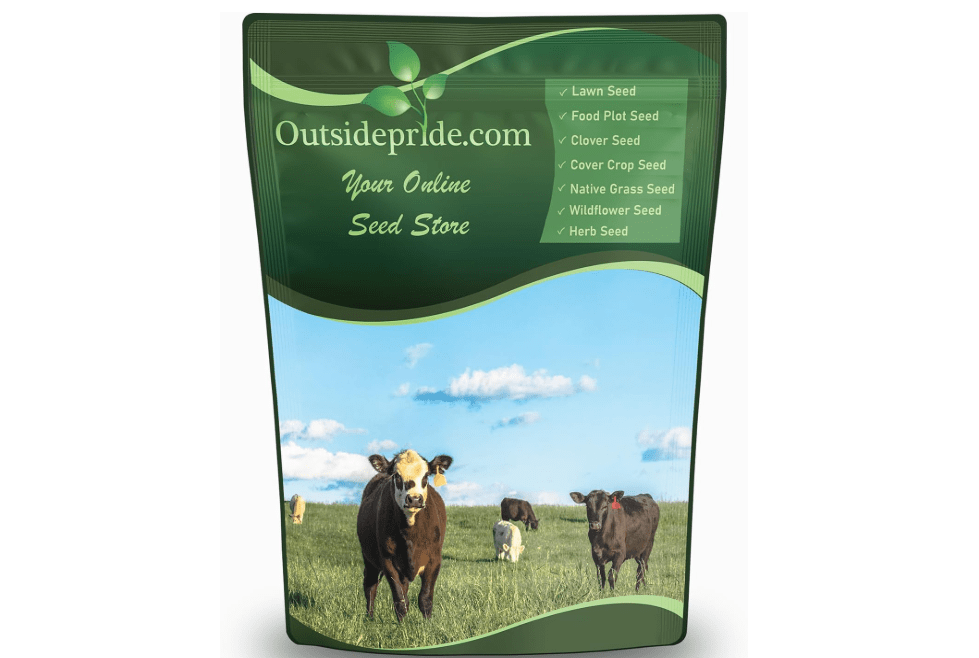
4. [Best for Heavy Foot Traffic & Pets]: Outsidepride Perennial Ryegrass Seed
If your backyard is a battleground of running children, backyard football games, and active dogs, standard grass will quickly turn to mud. Outsidepride’s Perennial Ryegrass is bred specifically for high-traffic durability. It contains high levels of endophytes—a natural fungus that lives inside the grass. Not only does this make the grass incredibly tough, but it also naturally repels surface-feeding insects like chinch bugs and sod webworms without the need for chemical pesticides.
-
Price: $189.99
-
Key Features & Benefits:
-
High Endophyte Enhancement -> Naturally repels surface insects, saving you money on chemical bug killers.
-
Rapid Tillering -> The grass thickens and spreads quickly to fill in spots torn up by dogs or kids.
-
Uncoated Pure Seed -> You get 100% seed in the bag by weight, maximizing your coverage area per dollar.
-
-
Pros & Cons:
-
Pros: Incredible value (no coatings taking up weight); excellent natural insect resistance; highly resilient to foot traffic.
-
Cons: Because it is uncoated, you must be extremely diligent about watering it 2-3 times a day until germination.
-
-
Amazon Customer Ratings & Reviews: 4.4/5 Stars. Pet owners love this seed. A common theme in the reviews is its ability to bounce back after a heavy weekend of backyard parties or dog play.
-
Why It’s a Good Choice: It solves the frustration of a torn-up yard by growing fast and healing itself rapidly through aggressive tillering.
-
Ideal Use Case: Active families with kids and large dogs who use their backyard heavily on a daily basis.
5. [Best Budget / Winter Overseeding]: Hancock’s Annual Ryegrass Seed
For those living in southern states (like Florida, Texas, or Georgia) with Bermuda or Centipede lawns, winter means a dead, brown yard. Hancock’s Annual Ryegrass is the ultimate budget-friendly solution for winter overseeding. It germinates in days, providing a brilliant emerald green throughout the winter, and then naturally dies off in the late spring just as your warm-season grass wakes up. It’s affordable, effective, and requires very little prep.

-
Price: $86.99
-
Key Features & Benefits:
-
Annual Lifecycle -> Dies off naturally in the heat, meaning it won’t permanently compete with your underlying summer grass.
-
Cold Temperature Germination -> Sprouts easily even as soil temperatures begin to drop in late fall.
-
Bulk Pricing -> Highly affordable per pound, allowing you to cover huge swaths of property on a tight budget.
-
-
Pros & Cons:
-
Pros: Fantastic price point for large areas; very fast green-up; prevents winter soil erosion; perfect transition grass.
-
Cons: It is annual, meaning it will die in the summer and must be re-planted every single fall. Not suitable for a permanent lawn.
-
-
Amazon Customer Ratings & Reviews: 4.5/5 Stars. Southern homeowners praise it as the cheapest, most reliable way to maintain HOA-compliant green lawns through December and January.
-
Why It’s a Good Choice: It directly solves the “winter brown lawn” problem without requiring a massive financial investment or risking the health of your permanent summer turf.
-
Ideal Use Case: Southern warm-season lawn owners looking for winter color, or contractors needing rapid erosion control on a budget.
6. [Best for Bare Spots & Patching]: Jonathan Green Touch-Up Tri-Ryegrass
When you have an otherwise beautiful lawn marred by a few stubborn bare patches, dog urine spots, or areas torn up by lawn equipment, you don’t need a total overhaul—you need a rapid patch job. Jonathan Green’s Touch-Up Tri-Ryegrass features a synergistic blend of three top-tier, dark green perennial ryegrasses. It is specifically formulated to germinate fast and match the color of premium Kentucky Bluegrass and Tall Fescue lawns, making your repairs virtually invisible.

-
Price: $240.04
-
Key Features & Benefits:
-
Tri-Ryegrass Blend -> The three distinct cultivars ensure high genetic diversity, adapting to various soil conditions in your yard.
-
Dark Green Genetics -> Specifically bred to match the deep, rich colors of premium cool-season grasses, avoiding that “light green patch” look.
-
Endophyte Enhanced -> Provides a natural defense against common surface-feeding insects like chinch bugs.
-
-
Pros & Cons:
-
Pros: Blends perfectly with existing high-end lawns; incredibly fast repair time; very high germination rate.
-
Cons: Smaller bag size means it is strictly for patching, not for overseeding an entire lawn.
-
-
Amazon Customer Ratings & Reviews: 4.5/5 Stars. Reviewers frequently mention how seamlessly the repaired patches blend in with their existing Kentucky Bluegrass, noting that within three weeks, they couldn’t even find the original bare spot.
-
Why It’s a Good Choice: It solves the aesthetic problem of patchy lawns by providing a fast-acting seed that actually matches the color of your surrounding turf.
-
Ideal Use Case: Homeowners dealing with dog spots, mole damage, or general wear-and-tear patches in cool-season lawns.
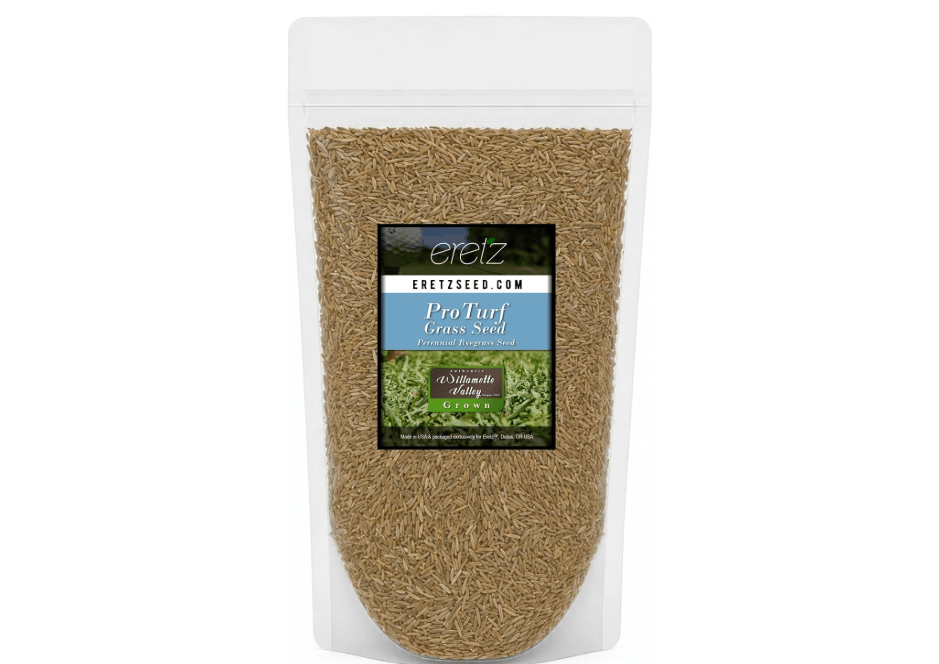
7. [Best Weed-Free / 0% Crop Seed]: Eretz PRO Turf Perennial Ryegrass
One of the biggest mistakes DIYers make is buying cheap seed that contains “weed seed” or “other crop seed” fillers. You end up planting crabgrass and poa annua right into your yard. Eretz PRO Turf Perennial Ryegrass is grown in the Willamette Valley of Oregon (the grass seed capital of the world) and boasts an incredibly high purity rating. It consistently tags at 0% Weed Seed and 0% Other Crop Seed, meaning you are paying for nothing but pure, premium ryegrass.
-
Price: $15.69
-
Key Features & Benefits:
-
0% Weed Seed Guarantee -> Prevents introducing invasive, hard-to-kill weeds into your pristine lawn.
-
Oregon-Grown Quality -> Harvested in ideal agricultural conditions, ensuring plump, healthy seeds with explosive germination rates.
-
Uncoated Seed -> No heavy clay or water-absorbing coatings, giving you maximum seed count per bag.
-
-
Pros & Cons:
-
Pros: Unmatched seed purity; zero fillers; exceptional dark green color; supports US-based agriculture.
-
Cons: Uncoated seeds require very strict watering schedules to prevent drying out before germination.
-
-
Amazon Customer Ratings & Reviews: 4.6/5 Stars. Customers who are meticulous about avoiding weeds praise Eretz for delivering exactly what the tag promises: pure, clean seed that grows quickly and vigorously.
-
Why It’s a Good Choice: If you spend hours pulling weeds, the last thing you want is to plant more of them. Eretz provides peace of mind that you are only growing grass.
-
Ideal Use Case: Meticulous lawn care enthusiasts who demand total control over what goes into their soil.
8. [Best for Southern Warm-Season Lawns]: Gulf Annual Ryegrass
Gulf Annual Ryegrass is an agricultural and residential staple across the southern United States. While similar to Hancock’s, Gulf Annual is renowned for its incredible cold tolerance during sudden winter freezes. If you live in an area where winter temperatures can randomly plummet, Gulf Annual will survive the frost, maintain its vibrant green color, and continue protecting your dormant Bermuda, Zoysia, or Centipede grass from soil erosion.
-
Price: $24.99
-
Key Features & Benefits:
-
High Frost Tolerance -> Survives sudden temperature drops that might stunt or kill other winter annuals.
-
Vigorous Root System -> Excellent at breaking up compacted clay soils over the winter, improving soil health for your summer grass.
-
Rapid Spring Die-Off -> Transitions out smoothly when the southern heat arrives, allowing your warm-season grass to wake up without competition.
-
-
Pros & Cons:
-
Pros: Exceptional value in bulk; great for soil conditioning and erosion control; survives winter freezes well.
-
Cons: Light green color compared to perennial varieties; requires frequent winter mowing.
-
-
Amazon Customer Ratings & Reviews: 4.4/5 Stars. Southern users consistently rate it as the most reliable, no-fuss option for keeping their properties green and mud-free from November to March.
-
Why It’s a Good Choice: It acts as a protective, green blanket for your dormant yard, preventing a muddy mess during winter rains.
-
Ideal Use Case: Southern homeowners, contractors managing large commercial properties, and anyone needing winter erosion control on bare dirt.
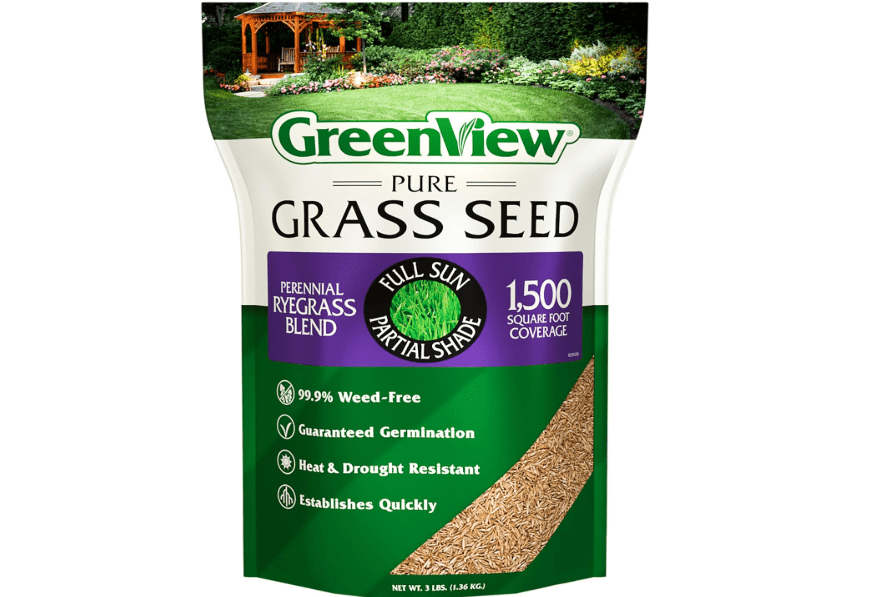
9. [Best Disease-Resistant Blend]: GreenView Fairway Formula Ryegrass
Fungal diseases like rust, brown patch, and leaf spot can decimate a ryegrass lawn overnight, especially in humid transition zones. GreenView Fairway Formula is a top-tier blend specifically chosen for its aggressive genetic resistance to these common turf diseases. By planting a blend of specialized cultivars rather than a single seed type, GreenView ensures that even if one disease attacks, the rest of the lawn remains robust and healthy.
-
Price: $18.99
-
Key Features & Benefits:
-
Top-Rated NTEP Cultivars -> Utilizes seed varieties that have scored exceptionally high in the National Turfgrass Evaluation Program for disease resistance.
-
No Coatings or Fillers -> 100% pure seed mixture, giving you a dense, lush carpet of grass.
-
Drought Tolerance -> Better heat and drought resilience compared to older ryegrass varieties.
-
-
Pros & Cons:
-
Pros: Saves money on expensive chemical fungicides; very dense growth habit; professional-grade results.
-
Cons: Premium price point for a consumer-grade bag; takes slightly longer to establish than cheaper annuals.
-
-
Amazon Customer Ratings & Reviews: 4.5/5 Stars. Users in humid regions (like the Midwest and Mid-Atlantic) report significantly fewer issues with summer fungus compared to their neighbors’ lawns.
-
Why It’s a Good Choice: It acts as an insurance policy against lawn diseases, drastically reducing the amount of chemical intervention required to keep your lawn looking perfect.
-
Ideal Use Case: Homeowners in humid climates where summer turf diseases are a constant, yearly battle.
10. [Best Bulk / Large Acreage Option]: Twin City Seed Co. Perennial Ryegrass
When you are seeding a massive backyard, a multi-acre estate, or a community park, buying grass seed in 5-pound bags from a big-box store will bankrupt you. Twin City Seed Co. specializes in delivering premium, agricultural-grade seed in bulk sizes without compromising on quality. Their Perennial Ryegrass blend offers a staggeringly high germination rate and exceptional traffic tolerance, making it the smartest economical choice for large-scale projects.

-
Price: $37.00
-
Key Features & Benefits:
-
Bulk Value Pricing -> Significantly reduces the cost-per-pound when tackling massive seeding projects.
-
High Purity & Germination -> Rigorously tested to ensure you aren’t paying for dead seeds or weed fillers.
-
Fast Establishment -> Quickly locks down loose soil on large properties, preventing washouts from heavy rain.
-
-
Pros & Cons:
-
Pros: The best price-to-quality ratio for large properties; excellent customer service and seed transparency; durable and fast-growing.
-
Cons: 50-pound bags are heavy and difficult to store if you don’t use it all at once; overkill for small suburban yards.
-
-
Amazon Customer Ratings & Reviews: 4.7/5 Stars. Buyers managing multi-acre lots, horse pastures, and large estates praise the uniform growth and unbeatable value of this bulk seed.
-
Why It’s a Good Choice: It allows you to use premium, professional-grade seed on a massive scale without exceeding your landscaping budget.
-
Ideal Use Case: Anyone seeding an area larger than 10,000 square feet, including large estates, parks, and newly constructed homes on large lots.
IV. The Ultimate Buying Guide: How to Choose the Right Rye Grass Seed
Before clicking “Add to Cart,” you need to ensure you are buying the right type of seed for your specific climate and goals. Buying the wrong grass seed is a costly mistake. Here is how to make an informed decision:
Annual vs. Perennial Ryegrass
-
Annual Ryegrass: This grass lives for only one season. It germinates rapidly, thrives in cool weather, and dies out completely when summer temperatures rise. It is the perfect choice for temporary winter color in southern states or for quick erosion control.
-
Perennial Ryegrass: In cool, northern climates, this grass comes back year after year. It forms a permanent, lush, dark-green lawn. It is excellent for high-traffic areas and is often blended with Kentucky Bluegrass.
Climate and Growing Zones
-
Northern Climates (Cool-Season): Perennial ryegrass thrives here. Plant it in early fall or spring as a permanent lawn solution.
-
Transition Zones: Perennial ryegrass can struggle during extreme summer heatwaves. Look for drought-resistant and disease-resistant blends (like Pennington or GreenView).
-
Southern Climates (Warm-Season): Use annual ryegrass for winter overseeding. Do not use perennial ryegrass here, as it may survive too long into the summer and actively choke out your Bermuda or Zoysia grass.
Purity and Germination Rates (Reading the Seed Tag)
By law, every bag of grass seed must have an analysis tag. Look for the following:
-
Weed Seed: Aim for 0.00% to 0.05%. Anything higher means you are paying to plant weeds.
-
Other Crop Seed: Keep this below 0.5%. This is often unwanted agricultural grasses like orchardgrass.
-
Germination Rate: Look for 85% or higher. This guarantees the vast majority of the seeds are viable and will sprout.
Traffic Tolerance
Ryegrass is naturally resilient, but if you have active dogs or kids, prioritize seeds with endophyte enhancement. Endophytes are natural fungi that live in the grass, making it tougher and naturally resistant to surface insects without the need for chemicals.
V. How to Plant and Care for Your Rye Grass (Step-by-Step)
Achieving that golf-course look isn’t just about the seed; it’s about the execution. Follow these steps for guaranteed success:
-
Step 1: Preparation. Start by mowing your existing grass to about 1.5 inches to ensure the new seeds can reach the soil. Bag the clippings. For best results, use a core aerator or a dethatching rake to loosen the top layer of soil. Seed must make physical contact with the dirt to grow.
-
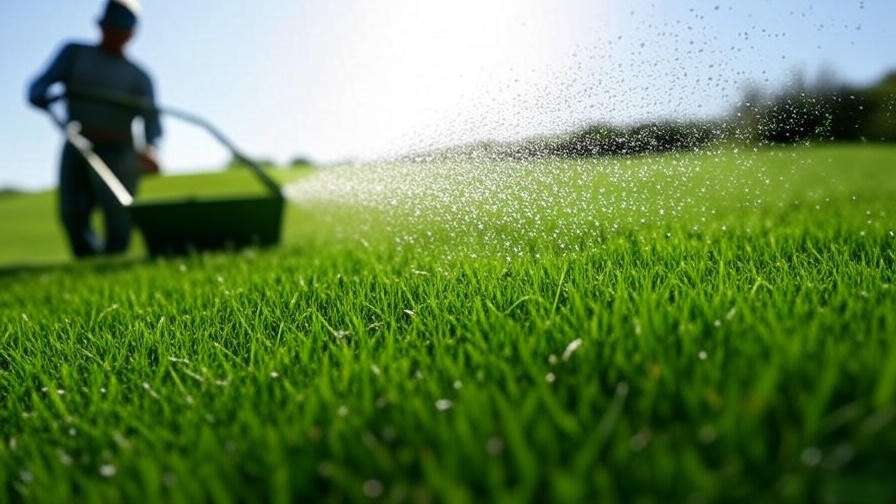
Step 2: Sowing. Use a broadcast spreader for large areas or a hand spreader for patches. Follow the manufacturer’s recommended spreader settings. To ensure even coverage, apply half the seed walking north-to-south, and the other half walking east-to-west.
-
Step 3: Watering (The Most Critical Step). Rye grass germinates quickly, but only if it stays moist. Water lightly 2 to 3 times a day for the first 7 to 14 days. The goal is to keep the soil surface damp like a wrung-out sponge, not flooded. If uncoated seed dries out once, it will die.
-
Step 4: Mowing & Maintenance. Once the new grass reaches 3 inches tall, it is time for the first mow. Ensure your mower blades are razor-sharp to avoid tearing the delicate new blades. Wait until after the first mow to apply a standard lawn fertilizer (starter fertilizer can be applied during seeding).
VI. Frequently Asked Questions
How long does it take for rye grass seed to germinate? Under ideal conditions (soil temperatures between 50°F and 65°F and consistent moisture), ryegrass is one of the fastest germinating seeds in the world, typically sprouting in 5 to 10 days.
When is the best time to plant perennial ryegrass? The optimal time is early fall (September to October). The soil is still warm enough for rapid germination, but the cooler air reduces heat stress and weed competition. Spring is the second-best time.
Will rye grass choke out my existing lawn or weeds? Perennial ryegrass grows quickly and can out-compete many weeds for nutrients and sunlight. However, it plays nicely with other cool-season grasses like Fescue and Bluegrass. If you use annual ryegrass in the south, it will naturally die off before it can harm your summer grass.
Do I need to cover rye grass seed with straw or peat moss? While not strictly necessary if you can maintain a perfect watering schedule, a light 1/4-inch dusting of peat moss is highly recommended. It helps retain moisture and hides the seed from hungry birds. Avoid standard hay/straw, as it often contains weed seeds.
VII. Conclusion & Final Verdict
Achieving a vibrant, resilient, and lush yard doesn’t have to be a lifelong struggle. By choosing high-quality seed, you can bypass the frustration of slow growth, weeds, and bare patches. Whether you are repairing dog spots or overseeding a multi-acre property, ryegrass is an undeniable powerhouse in the lawn care world.
Our Top Recommendations:
-
If you want the absolute best all-around performer that is forgiving and easy to grow, you can’t go wrong with Scotts Turf Builder Perennial Ryegrass.
-
If you just need a quick, affordable winter green-up for your southern lawn, grab a bag of Hancock’s Annual Ryegrass.
-
If you demand perfection and want a weed-free, professional-grade turf, Eretz PRO Turf and Barenbrug Extreme are worth every penny.
Don’t spend another season staring at a lackluster lawn. Click the links above to check current Amazon prices, read more customer reviews, and take the first step toward growing your dream yard today!