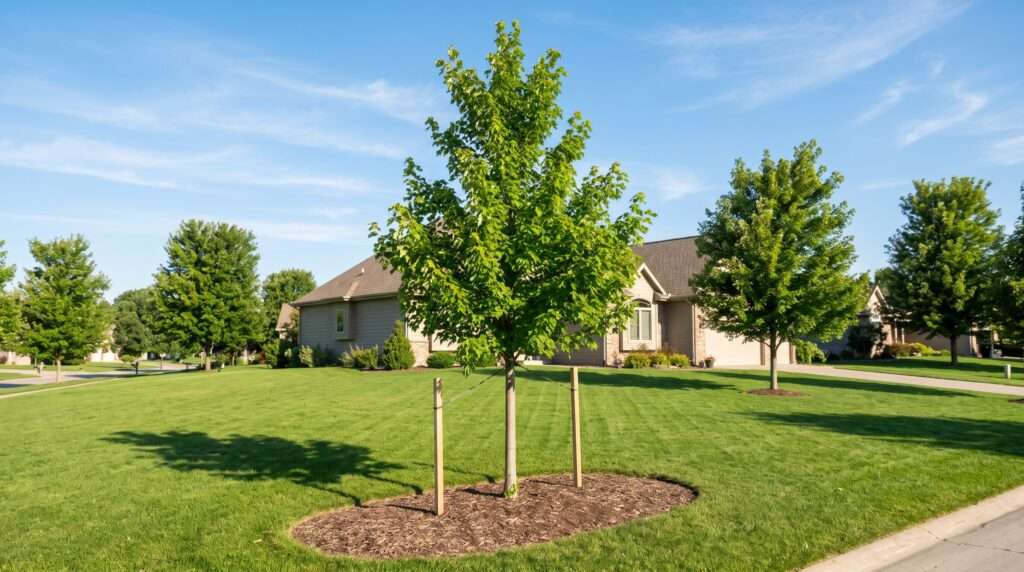
Nebraska summers are notorious for blistering heat, unrelenting sun, and high winds. A sun-baked yard not only drives up your summer air conditioning bills but also makes enjoying your outdoor living space nearly impossible. To create a cooler, more comfortable landscape, planting the best 10 shade trees for nebraska is one of the smartest home improvement investments you can make.
However, the Cornhusker State’s unpredictable climate presents a unique challenge for homeowners. Spanning USDA Hardiness Zones 4 and 5, the region is punishing for delicate plants. Heavy clay soils, severe winter deep freezes, and prolonged summer droughts will quickly kill off trees that are not specifically adapted to the harsh conditions of the Great Plains. You cannot just plant any generic sapling and expect it to survive a Nebraska winter.
The solution lies in investing in resilient, climate-adapted shade trees that thrive in these exact conditions. This guide breaks down the absolute best species for your region that you can conveniently order right now on Amazon. Whether you choose fast-growing live saplings or rugged bare-root plants, ordering online ensures you get healthy, nursery-grade stock delivered directly to your door so you can start building your yard’s shade canopy immediately.
II. How to Choose the Right Shade Tree for Nebraska (Buying Guide)
Before digging a hole in your yard, it’s critical to understand what makes a tree suitable for the Great Plains. We evaluated dozens of species based on the following criteria to ensure you only plant trees that will survive and thrive:
-
Climate Resilience (Zones 4-5): Nebraska experiences wild temperature swings. Trees must be capable of surviving -20°F winter freezes and 100°F+ dry summer days without sustaining heavy dieback.
-
Soil Adaptability: Nebraska soils often lean heavy (clay) and alkaline. We prioritized species that can push their roots through compacted earth and thrive in varied conditions without needing constant chemical fertilizers or soil amendments.
-
Growth Rate vs. Longevity: Fast-growing trees provide quick shade but often have brittle wood. Slow-growing trees are incredibly strong but take decades to mature. We selected a balanced mix of both to suit different homeowner timelines.
-
Disease & Pest Resistance: We explicitly excluded species highly vulnerable to local blights and pests. For example, you won’t find Ash trees on this list due to the devastating spread of the Emerald Ash Borer in the Midwest.
III. At a Glance: Top Shade Trees Comparison
This 3-column table is optimized for mobile viewing to help you quickly compare the top options based on species, their primary benefit, and estimated Amazon pricing.
IV. Comprehensive Product Reviews: The Best 10 Shade Trees for Nebraska
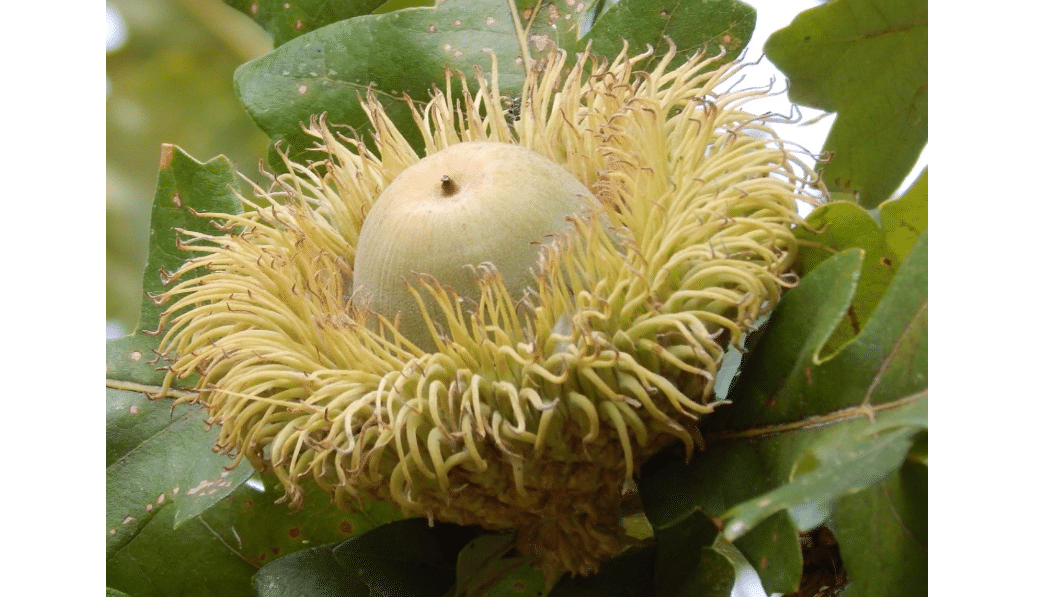
1. The Ultimate Survivor: Bur Oak (Quercus macrocarpa) Live Sapling
Product Description: The Bur Oak is a native North American powerhouse and the undisputed king of the prairie. Shipped as a live, healthy sapling, this tree grows into a massive, rugged centerpiece with a distinctly broad, rounded canopy. Its thick, corky bark is historically known for surviving prairie fires, making it exceptionally resilient against extreme Nebraska weather, ice storms, and high winds. It develops a massive taproot that searches deep into the earth for water, meaning it can handle severe droughts with ease.
Price:
Key Features and Benefits:
-
Massive Canopy: Reaches mature heights of 70-80 feet with a spread up to 75 feet wide.
-
Extreme Drought Tolerance: The deep taproot ensures survival during long, dry Nebraska summers.
-
Infrastructure Safe: Because roots grow deep rather than shallow, it is much less likely to crack driveways or heave sidewalks compared to maple trees.
Pros:
-
Generational lifespan (can live 200-300+ years).
-
Exceptional wind and ice storm resistance.
-
Zero supplemental watering needed once fully established.
Cons:
-
Slower initial growth rate (approx. 1 foot per year).
-
Produces large, fringed acorns that require some seasonal yard cleanup.
Amazon Customer Ratings and Reviews:4.6 out of 5 Stars. Customers highly praise the packaging, noting that saplings arrive with moist, secure root balls. Reviewers in the Midwest frequently mention a 100% survival rate through their first winter.
Why it’s a Good Choice: It is the gold standard for Great Plains resilience. If you want a tree that thrives on neglect and will stand as a permanent monument on your property, the Bur Oak is unmatched.
Ideal Use Case or Who Should Buy It: Homeowners with large suburban yards, rural acreages, or open farm properties where the tree has 50+ feet of space to stretch its magnificent canopy.
2. Best for Fast, Dense Shade: Northern Catalpa (Catalpa speciosa) Live Plant
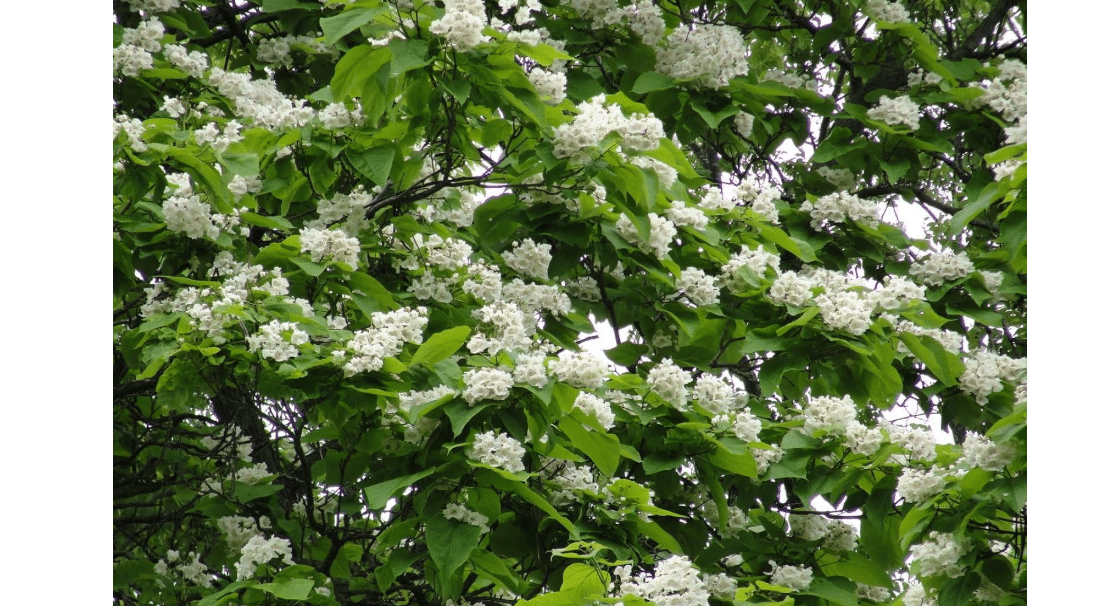
Product Description: If you want shade quickly without sacrificing visual beauty, the Northern Catalpa is a stunning choice. This tree features enormous, tropical-looking heart-shaped leaves that create incredibly dense shade blocks. In early summer, it erupts into spectacular clusters of white, orchid-like flowers with purple and yellow internal spotting. Shipped directly from Amazon nurseries, these saplings take root rapidly and shoot up faster than almost any other hardwood suitable for Zone 4 and 5.
Price:
Key Features and Benefits:
-
Rapid Growth Rate: Can grow 2 to 3 feet per year under optimal conditions.
-
High Adaptability: Performs remarkably well in both the heavy clay and occasional wet soils common in Nebraska.
-
Aesthetic Appeal: The massive leaves (up to 12 inches long) and striking spring flowers make it a highly desirable ornamental shade tree.
Pros:
-
Creates a solid wall of dense, cooling shade very quickly.
-
Gorgeous, show-stopping spring blooms attract pollinators.
-
Very cold hardy down to Zone 4.
Cons:
-
Drops large leaves and long, bean-like seed pods (“cigars”) in autumn, requiring extra raking.
-
Wood can be somewhat brittle in severe windstorms if not properly pruned when young.
Amazon Customer Ratings and Reviews:4.4 out of 5 Stars. Buyers love the sheer speed at which this tree grows. Several reviews note that it requires immediate staking against high prairie winds during its first two years, but rewards the effort with massive foliage.
Why it’s a Good Choice: Perfect for the impatient homeowner. If your backyard is currently a barren, sun-scorched oven and you need relief within a few short years, the Catalpa delivers.
Ideal Use Case or Who Should Buy It: Centerpiece lawn plantings, ideally placed away from swimming pools or house gutters where the large autumn leaves and seed pods won’t cause maintenance headaches.
3. The Indestructible Option: Hackberry (Celtis occidentalis) Bare Root
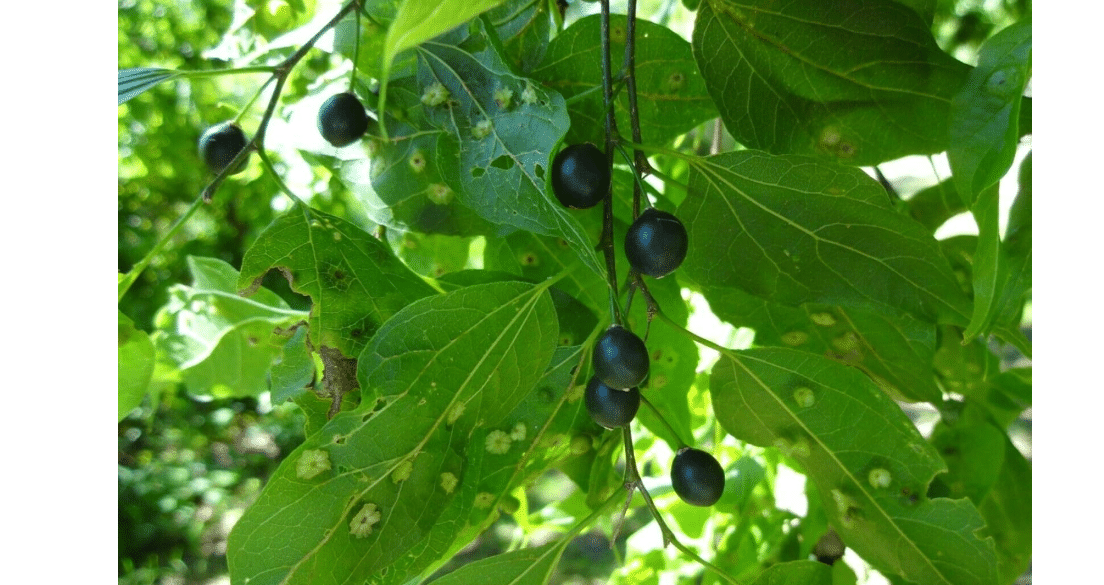
Product Description: The Hackberry is the unsung hero of Midwestern landscaping. Often shipped as an economical bare-root plant, it is an understated, rugged workhorse with distinctive warty bark. It develops a beautiful, vase-like canopy similar to the classic American Elm, but entirely lacks the Elm’s susceptibility to catastrophic disease. Once you put a Hackberry in the ground in Nebraska, it is nearly impossible to kill.
Price: $35.00
Key Features and Benefits:
-
Urban Tolerant: Laughs off urban smog, poor soil compaction, and road salt.
-
Mature Stature: Reaches a reliable height of 50-65 feet, casting a wide, sweeping shadow.
-
Wildlife Friendly: Produces small, dark red berries that are a vital winter food source for local songbirds.
Pros:
-
Survives the absolute harshest weather extremes, from flooded springs to drought-stricken Augusts.
-
Deep root networks make it highly effective at preventing soil erosion.
-
Extremely budget-friendly when purchased bare-root.
Cons:
-
Susceptible to Hackberry nipple gall (small bumps on the leaves) which is completely harmless but slightly affects aesthetics.
-
Not known for flashy fall foliage (leaves generally turn a muted yellow-green).
Amazon Customer Ratings and Reviews:4.5 out of 5 Stars. Consistently rated highly by buyers dealing with “problem yards.” Multiple reviewers state this was the only tree to survive in their highly compacted, rock-heavy builder-grade soil.
Why it’s a Good Choice: Often referred to by arborists as the “king of hard-working trees,” the Hackberry asks for absolutely nothing but provides a lifetime of sweeping, elm-like shade.
Ideal Use Case or Who Should Buy It: Urban environments, parkways, street-side plantings, and newer housing developments where the topsoil has been stripped away leaving poor-quality clay.
4. Best Dappled Shade: Thornless Honeylocust (Gleditsia triacanthos inermis)
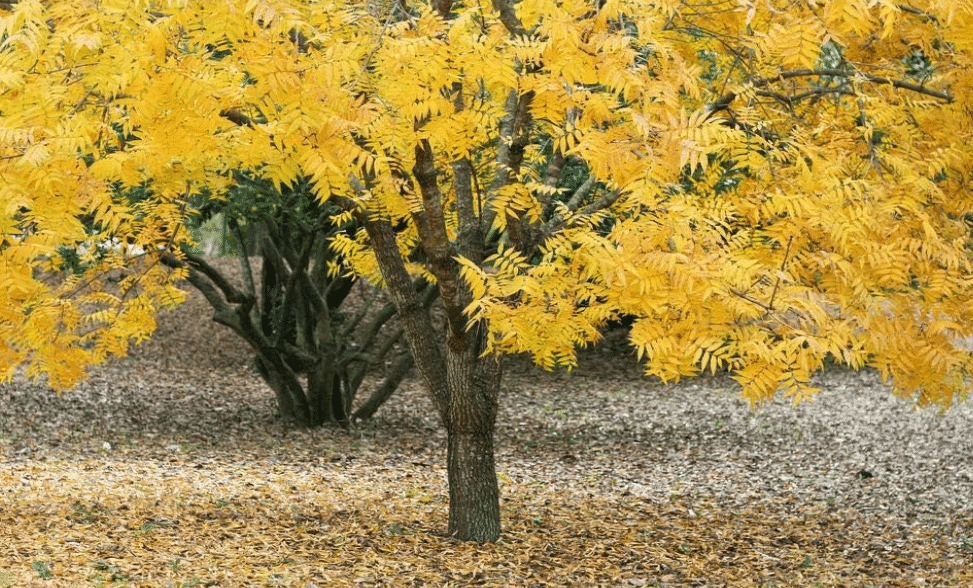
Product Description: Many shade trees create a canopy so dense that they completely kill the lawn beneath them. The Thornless Honeylocust solves this problem. This elegant, spreading tree features tiny, fern-like leaflets that provide a filtered, dappled shade. This allows enough sunlight to penetrate the canopy so your turf grass can continue to thrive. Amazon nurseries specifically supply the inermis variety, meaning it has been cultivated to be completely free of the dangerous thorns found on wild locust trees.
Price: $60.00
Key Features and Benefits:
-
Filtered Shade Canopy: Protects you from the sun’s harsh glare while keeping the lawn below green.
-
Zero Raking Required: The tiny leaflets practically disintegrate into the lawn in the fall, meaning you rarely have to rake them.
-
High Salt Tolerance: Excellent for planting near roads or sidewalks treated with winter de-icing salts.
Pros:
-
Will not kill your lawn or underlying garden beds.
-
Fast-growing with an elegant, architectural, flat-topped shape.
-
Turns a brilliant, glowing yellow in the fall.
Cons:
-
Bark is relatively thin when young and can be damaged by careless weed-whacking.
-
Can occasionally attract webworms in late summer, though they rarely harm the tree long-term.
Amazon Customer Ratings and Reviews:4.7 out of 5 Stars. Buyers give top marks to this tree for arriving healthy and adapting instantly to dry yards. Reviewers specifically love how they don’t have to spend weekends raking up massive leaves in November.
Why it’s a Good Choice: It is the ultimate compromise for the proud lawn-care enthusiast. You get substantial cooling shade for your house and patio without having to sacrifice a lush, green lawn.
Ideal Use Case or Who Should Buy It: Front yards, planting directly over patios or seating areas, and residential street borders.
5. The Pollinator’s Pick: American Linden / Basswood (Tilia americana)
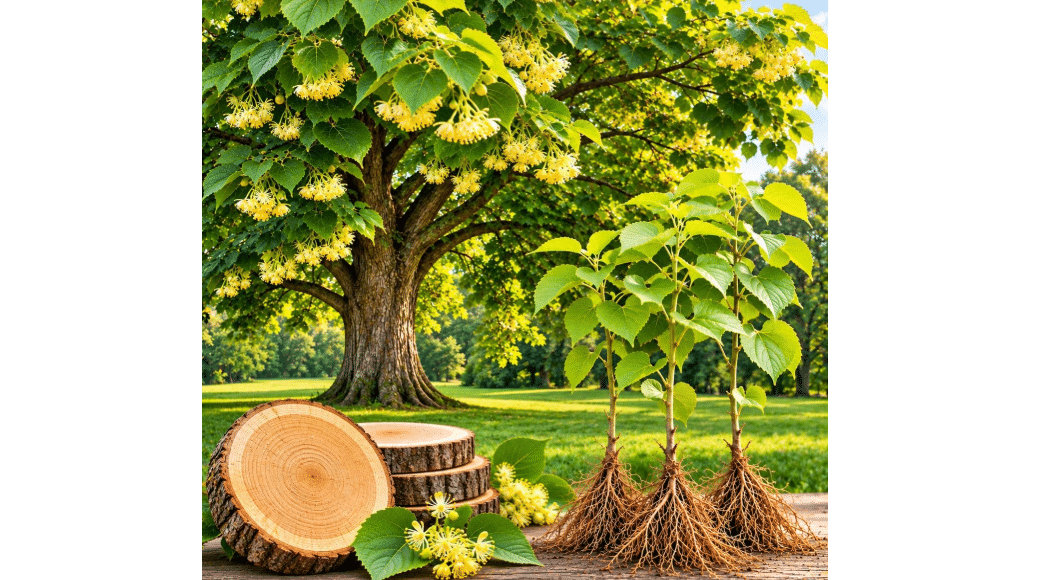
Product Description: The American Linden (also known as Basswood) is a stately, majestic shade tree recognized for its perfectly symmetrical, teardrop-shaped crown and large, heart-shaped leaves. What truly sets the Linden apart is its summer bloom. In June and July, it produces clusters of pale-yellow flowers that emit a sweet, intoxicating fragrance that can perfume an entire yard. These flowers are a magnet for honeybees, making it a crucial tree for supporting local ecosystems.
Price:
Key Features and Benefits:
-
Symmetrical Crown: Naturally grows into a formal, highly attractive shape with minimal structural pruning.
-
Thick Shade Coverage: The foliage is exceptionally dense, offering premium sun-blocking capabilities.
-
Fragrant Blooms: Produces one of the best-smelling floral displays of any large shade tree in the Midwest.
Pros:
-
Highly dependable in Nebraska’s alkaline soils.
-
Creates a neat, formal appearance perfect for prominent front-yard displays.
-
The wood is highly flexible, making it resistant to snapping in heavy Nebraska winds.
Cons:
-
Can attract Japanese beetles in some regions.
-
When the flowers drop, they can create a temporary mess on driveways or parked cars.
Amazon Customer Ratings and Reviews:4.5 out of 5 Stars. Buyers frequently mention the amazing scent of the summer blooms. Reviewers also praise how quickly the saplings bounce back from shipping shock when watered heavily upon arrival.
Why it’s a Good Choice: It offers a pristine, formal aesthetic while providing absolute, impenetrable shade. The added bonus of incredible summer fragrance makes it a sensory delight in any landscape.
Ideal Use Case or Who Should Buy It: Large front lawns, central backyard focal points, or planted near open house windows where the summer breeze can carry the floral scent indoors.
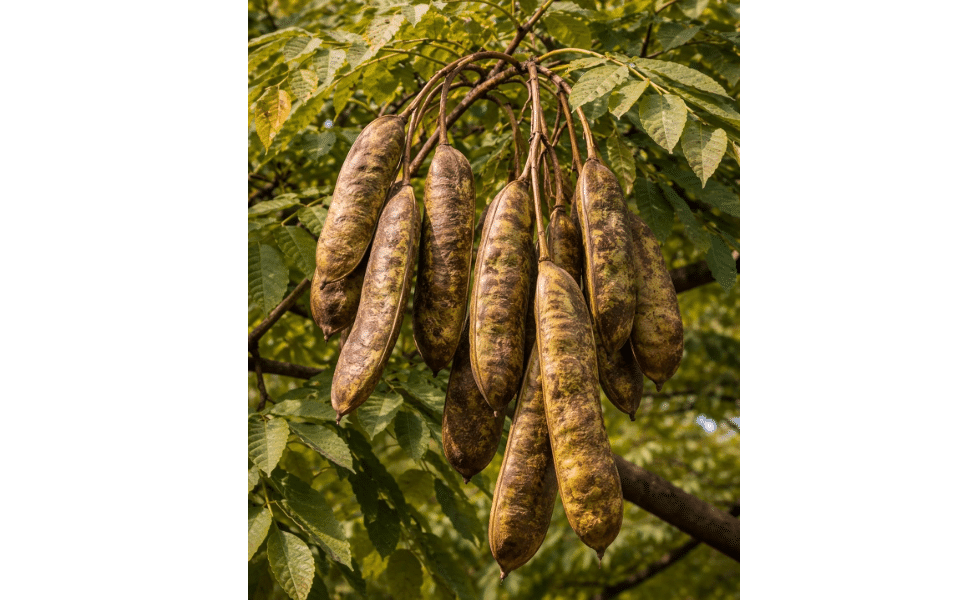
6. The Unique Native: Kentucky Coffeetree (Gymnocladus dioicus)
Product Description: If you want a tree that neighbors will stop and ask about, the Kentucky Coffeetree is an underutilized, remarkably tough native species. It features unique, coarse branches that provide striking architectural interest against the stark winter sky. In the spring and summer, it produces massive compound leaves (often up to 3 feet long) that cast a cooling, dappled shade. It is one of the most rugged, adaptable trees available for Great Plains landscaping.
Price:
Key Features and Benefits:
-
Ultimate Pest Immunity: Extremely resistant to the insects, blights, and diseases that plague other common Midwestern trees.
-
Ice Storm Resilient: The coarse, thick branches rarely snap under the weight of heavy winter ice.
-
Fall Aesthetics: The foliage turns a brilliant, glowing golden-yellow in the autumn before dropping.
Pros:
-
Virtually zero maintenance required once established.
-
A superior, long-living native alternative to disease-prone Ash or Elm trees.
-
Tolerates both extreme drought and occasional flooding.
Cons:
-
One of the last trees to leaf out in the spring (often late May).
-
Female trees drop hard seed pods in the fall; look to purchase male seedless varieties (like the ‘Espresso’ cultivar) if you want to avoid cleanup.
Amazon Customer Ratings and Reviews:4.8 out of 5 Stars. Highly rated by tree enthusiasts. Reviewers specifically highlight its rarity in standard garden centers and express satisfaction with the healthy root structures provided by Amazon’s nursery partners.
Why it’s a Good Choice: It guarantees a long lifespan without the headache of spraying for pests or constantly pruning out deadwood. It is a “plant it and forget it” shade tree.
Ideal Use Case or Who Should Buy It: Open landscapes, large residential lots, and sprawling lawns where its unique winter silhouette can be fully appreciated.
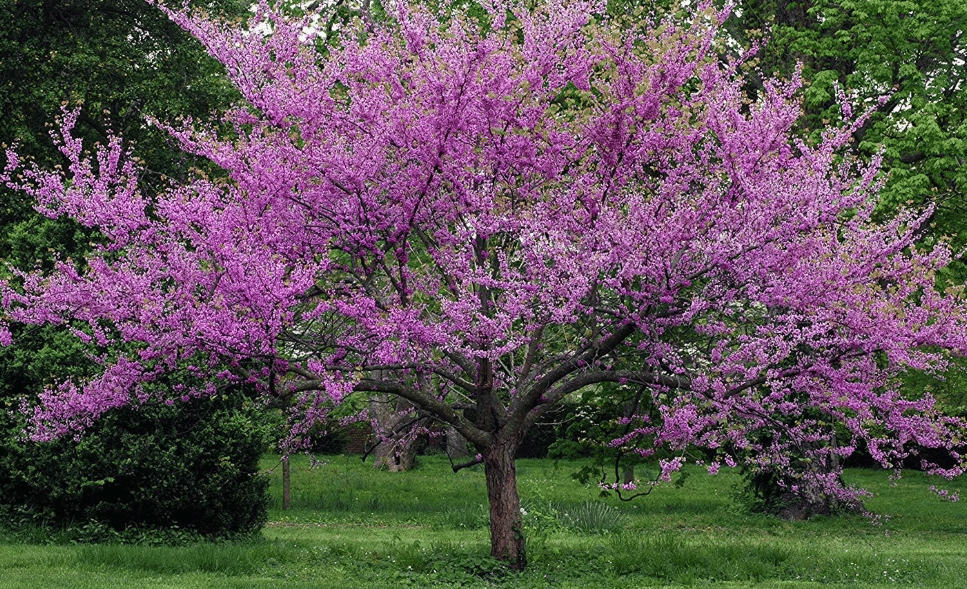
7. Best Small Shade Tree: Eastern Redbud (Cercis canadensis)
Product Description: Not every Nebraska property has the acreage to support a towering 80-foot Oak. For smaller spaces, the Eastern Redbud is an absolute showstopper. This smaller, ornamental shade tree bursts into brilliant magenta-pink blooms in early spring—long before its leaves even emerge. Once the flowers fade, perfectly heart-shaped green leaves unfurl to provide a beautiful, manageable canopy of shade throughout the sweltering summer.
Price:
Key Features and Benefits:
-
Compact Stature: Maxes out at a highly manageable height and width of 20-30 feet.
-
Four-Season Interest: Pink spring blooms, lush summer shade, yellow fall foliage, and zigzagging winter branches.
-
Understory Capability: Thrives even when planted in the partial shadow of larger, existing trees.
Pros:
-
Fits perfectly into tight, compact urban yards.
-
Provides breathtaking, neighborhood-envy spring color.
-
Grows rapidly in its first five years.
Cons:
-
Shorter lifespan compared to Oaks (typically lives 20-30 years).
-
Can be sensitive to extreme, prolonged drought; requires some supplemental watering during dry Augusts.
Amazon Customer Ratings and Reviews:4.6 out of 5 Stars. A perennial best-seller. Reviewers advise planting this delicate tree immediately upon arrival and keeping the soil moist during the first month to ensure successful transplantation.
Why it’s a Good Choice: If you live in a tighter city lot in Omaha, Lincoln, or Grand Island, a massive shade tree isn’t viable and could threaten your foundation. The Redbud gives you highly manageable shade coupled with incredible aesthetic value.
Ideal Use Case or Who Should Buy It: Small urban lots, planted directly next to patios, or utilized as an understory tree beneath larger existing canopy trees.
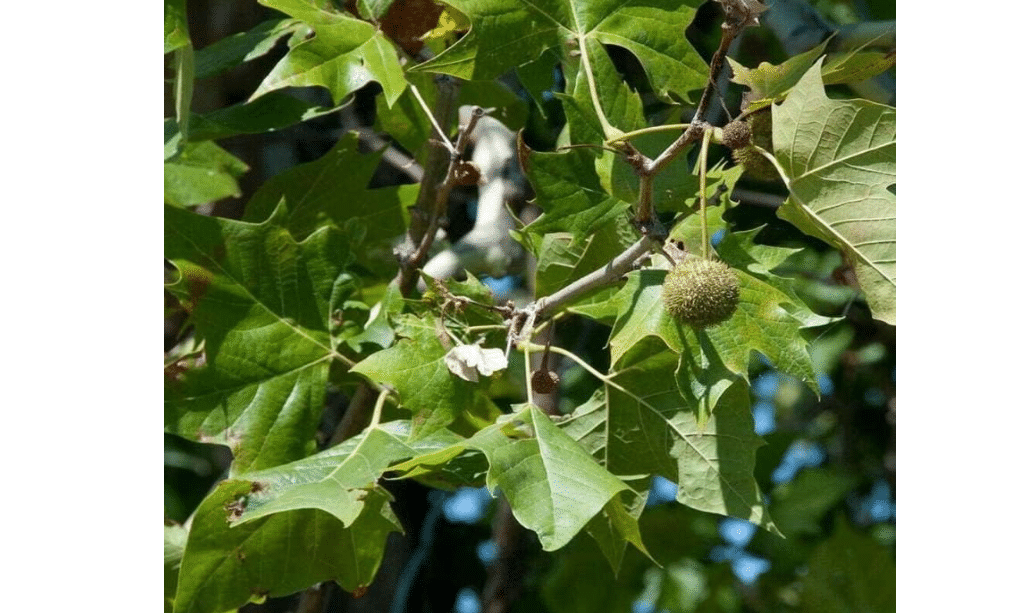
8. The Moisture Lover: Sycamore (Platanus occidentalis)
Product Description: The American Sycamore is a true giant of the landscape, instantly recognizable by its spectacular peeling bark that reveals a mottled patchwork of white, tan, and pale green underneath. It is one of the fastest-growing and largest shade trees you can plant in Nebraska. Because it naturally grows along riverbanks in the wild, the Sycamore is specifically adapted to handle wet, poorly drained soils where other trees would suffocate and rot.
Price:
Key Features and Benefits:
-
Blistering Growth Rate: Can easily pack on 2 or more feet of vertical growth per year.
-
Massive Proportions: Can reach heights of 80 to 100 feet with a massive, sprawling canopy.
-
Wet Soil Thriver: Actively prefers moist soils and tolerates low-lying flood zones effortlessly.
Pros:
-
Unmatched winter bark aesthetics that look beautiful against the snow.
-
Provides vast, property-cooling amounts of shade in record time.
-
Incredibly strong wood despite its fast growth.
Cons:
-
A messy tree; routinely drops bark, twigs, and massive, dinner-plate-sized leaves.
-
Features a highly aggressive root system that will hunt for water.
Amazon Customer Ratings and Reviews:4.3 out of 5 Stars. Buyers rave about the aggressive growth speed but strictly warn against planting it anywhere near septic lines, underground plumbing, or freshly laid concrete.
Why it’s a Good Choice: If your yard features poor drainage or a low-lying wet spot where previous trees have drowned, the Sycamore will not just survive there—it will dominate.
Ideal Use Case or Who Should Buy It: Large rural properties, planted near ponds or creeks, or placed in low-lying, flood-prone backyard zones far away from the home’s foundation.
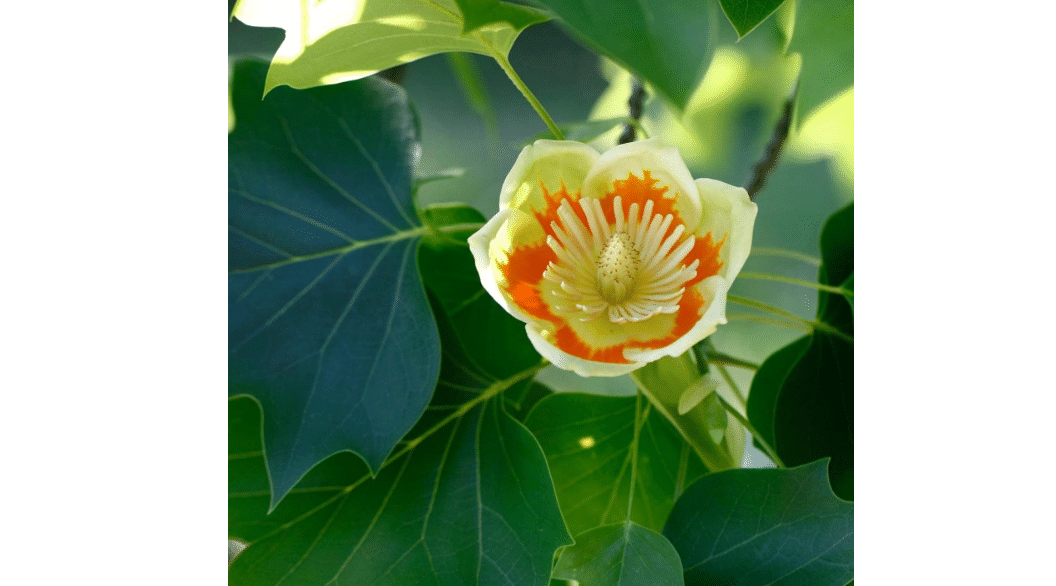
9. Best for Eastern Nebraska: Tulip Tree (Liriodendron tulipifera)
Product Description: The Tulip Tree is the tallest of the eastern hardwoods, shooting straight up like a massive Roman column. It is famous for its unique, four-lobed leaves that are shaped exactly like tulips. In late spring, mature trees produce vibrant yellow-green flowers with striking orange centers that sit high in the canopy. While it prefers slightly richer soils than the western sandhills can provide, it is an absolute stunner for properties in the eastern half of the state.
Price: $37.00
Key Features and Benefits:
-
Vertical Stature: Grows incredibly straight and tall (up to 90 feet), making it excellent for casting long shadows across a property.
-
Unique Florals: The tulip-shaped flowers are gorgeous and attract hummingbirds.
-
Vibrant Fall Color: The entire tree turns a blinding, brilliant golden-yellow in autumn.
Pros:
-
Rapid growth rate gets shade established quickly.
-
Beautiful, unique foliage and flowers set it apart from standard Elms and Maples.
-
Very highly resistant to deer browsing.
Cons:
-
Branches can be somewhat brittle in severe Nebraska ice storms.
-
Best suited only for the eastern half of Nebraska (Omaha, Lincoln, Bellevue) where soils are richer and slightly more moisture-retentive.
Amazon Customer Ratings and Reviews:4.5 out of 5 Stars. Reviewers heavily praise the fast vertical growth and note that the shipped saplings feature very strong, straight central leaders (the main trunk).
Why it’s a Good Choice: It adds a touch of southern elegance and spectacular color to eastern Nebraska landscapes while growing fast enough to provide significant shade in just a few short years.
Ideal Use Case or Who Should Buy It: Large backyard spaces in eastern Nebraska zones where the soil has been moderately amended or naturally retains decent moisture.
10. The Evergreen Option: Concolor Fir / White Fir (Abies concolor)
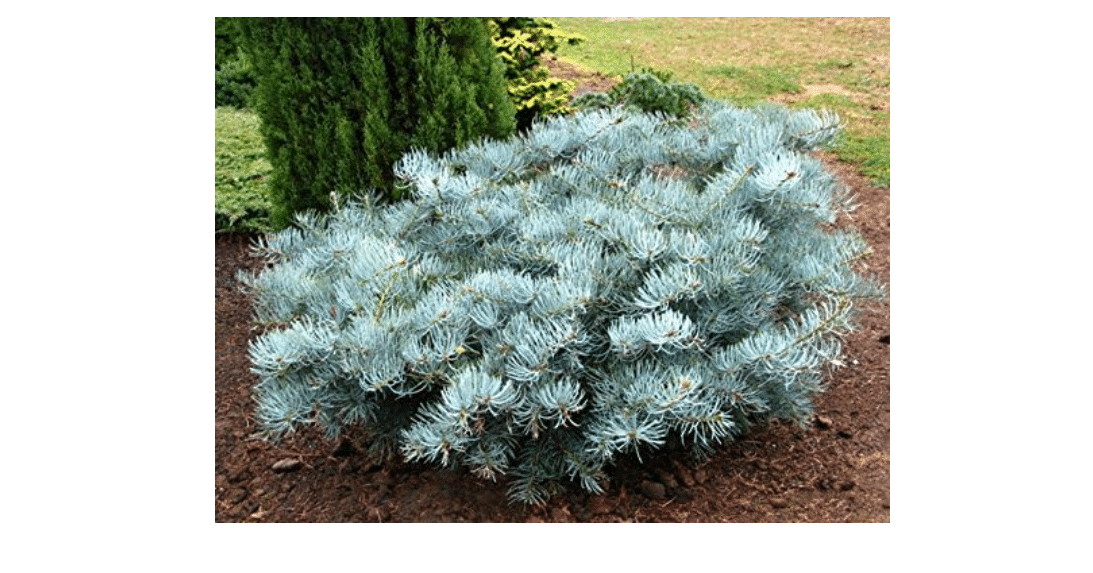
Product Description: When we think of “shade,” we usually think of deciduous trees with broad leaves. However, evergreen trees are vital for providing year-round shade, privacy, and wind-blocking. The Concolor Fir (White Fir) is an outstanding choice for Nebraska. It boasts soft, silvery-blue needles that curve upward and, remarkably, smell exactly like tangerines or citrus when crushed. Unlike many spruces and pines that struggle in the heat, the Concolor Fir handles the Great Plains climate beautifully.
Price:
Key Features and Benefits:
-
Year-Round Canopy: Retains its thick foliage 365 days a year for perpetual shade.
-
Drought Resilient: Exhibits exceptional drought resistance compared to other firs and spruces.
-
Citrus Scent: The unique needle fragrance is highly pleasant and deters deer.
Pros:
-
Provides crucial winter windbreaks, drastically lowering winter heating bills.
-
Beautiful silvery-blue color rivals the classic Colorado Blue Spruce (but with better disease resistance).
-
Highly reliable in Zones 4 and 5.
Cons:
-
Slow growth rate (typically less than a foot per year).
-
Absolutely cannot tolerate poorly drained, boggy clay soil; requires well-drained planting sites.
Amazon Customer Ratings and Reviews:4.7 out of 5 Stars. Highly praised by buyers for arriving in pristine condition. Many reviewers note they bought several to create an instant privacy screen between their property and the neighbors.
Why it’s a Good Choice: Deciduous trees leave your yard fully exposed for six months of the year. The Concolor Fir provides permanent, year-round shade, total privacy, and critical shelter from biting Great Plains winter winds.
Ideal Use Case or Who Should Buy It: Property borders, dedicated windbreaks, and natural privacy screens blocking the line of sight from the street.
V. Expert Tips for Planting Amazon Saplings in Nebraska
Ordering trees online is incredibly convenient, but the way you put them in the ground determines whether they thrive or die. Follow these strict guidelines to ensure your new shade trees survive their first Nebraska season:
-
Hydration is Key (The Pre-Soak): Bare-root and shipped saplings undergo stress during transit. Before planting, unbox the tree immediately and soak the roots in a bucket of room-temperature water for 2 to 4 hours to rehydrate the vascular system.
-
Digging the Right Hole: The biggest mistake homeowners make in heavy Nebraska clay is digging too deep. Dig the hole twice as wide as the root ball, but no deeper. The root flare (where the trunk widens at the base) must remain 1 to 2 inches above the surrounding soil line to prevent the roots from suffocating and rotting in heavy clay.
-
Mulch Correctly (No Volcanoes): Apply a 3-inch layer of organic hardwood mulch around the base of the tree out to the drip line. This is critical for retaining moisture during August droughts. However, keep the mulch pulled at least 2 inches away from the actual trunk. Piling mulch against the bark (“volcano mulching”) will cause deadly fungal rot.
-
Skip the Fertilizer: Do not apply nitrogen fertilizers during the first year. The tree needs to expend its energy establishing a strong underground root system, not pushing out excessive, weak top growth.
VI. Conclusion
Don’t let another blistering Great Plains summer keep you trapped indoors with the air conditioning on full blast. Whether you have the sprawling acreage required to host a towering Bur Oak or you need a compact, colorful Eastern Redbud for a small city patio, ordering live saplings online has never been easier or more reliable.
By carefully selecting and planting one of the best 10 shade trees for nebraska, you are actively investing in your property’s overall value, significantly lowering your home’s seasonal cooling costs, and creating a lush, shaded outdoor sanctuary that your family can enjoy for decades to come.
Call to Action: Evaluate your yard’s available space, soil type, and sunlight exposure today. Click the links in the reviews above to check current Amazon pricing, secure your favorite species before nursery stocks run low, and get your new shade trees in the ground this season!