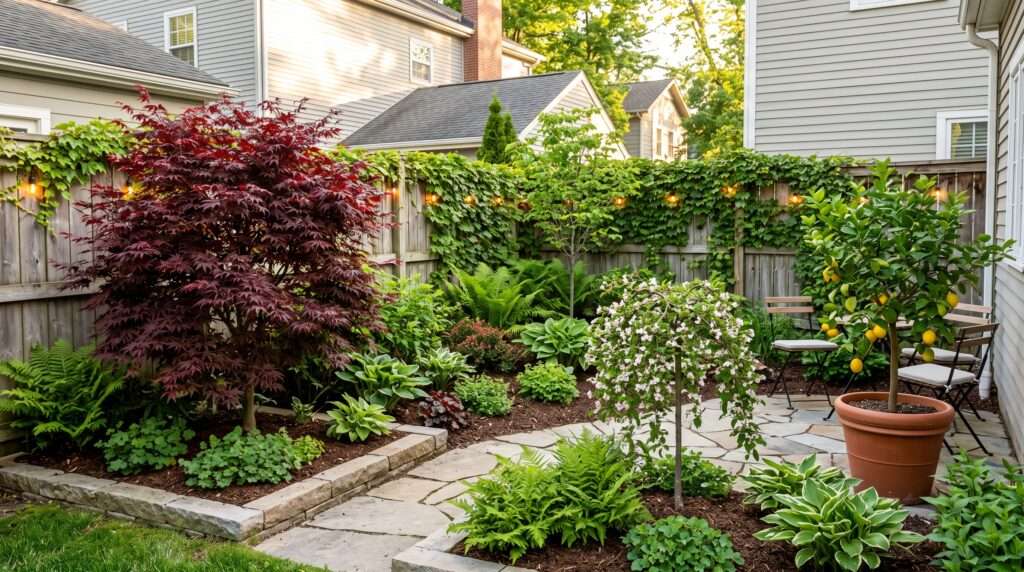
A small yard shouldn’t mean settling for a barren, uninspired landscape. Even the tightest urban patios or compact suburban plots can transform into a lush oasis with the right focal point. However, planting the wrong tree in a tight space can quickly lead to disaster. Overgrown canopies blocking out your natural light, aggressive roots destroying underground plumbing, and constant, exhausting pruning battles are the harsh realities of a poor landscaping choice.
To help you avoid these costly mistakes, we’ve researched Amazon’s top-rated live plants and nursery stock to bring you the ultimate guide to the best 10 small trees for small gardens.
The secret to a thriving micro-landscape is choosing a tree explicitly cultivated for compact growth. You need a variety that delivers maximum aesthetic value—be it through seasonal blooms, edible fruit, or vibrant foliage—without ever outgrowing its welcome. Whether you are looking for a striking Japanese Maple for your front yard or a prolific Meyer Lemon for your patio, this guide will help you find the perfect, scale-appropriate centerpiece and make a confident buying decision.
II. Quick Comparison Table
For the best viewing experience on mobile devices, this table has been streamlined to help you quickly compare our top picks before diving into the detailed reviews below.
III. Buying Guide: How to Choose the Right Tree for Your Micro-Garden
Before you click “Add to Cart,” it is vital to understand that a tree is a long-term investment. Here is what you need to consider to ensure you are selecting the right tree for your specific space.
Know Your Hardiness Zone
This is the non-negotiable first step. The USDA Hardiness Zone map determines which plants can survive your local winter temperatures. A tropical citrus tree that thrives in Florida (Zone 9) will perish in a New York (Zone 6) winter unless brought indoors. Always check the seller’s zone recommendations before buying.
Root Systems Matter
In small gardens, what happens underground is just as important as the canopy above. You must avoid trees with aggressive, foundation-cracking taproots in favor of shallow, fibrous, and contained root systems. This prevents future damage to patios, walkways, and underground plumbing.
Sunlight vs. Shade
Map out the sunlight in your garden. Does your space get full, baking afternoon sun, or is it heavily shaded by neighboring buildings? Some trees, like Crape Myrtles, need 6+ hours of full sun to bloom, while Japanese Maples prefer dappled shade to prevent leaf scorch.
Growth Rate and Mature Size
Understand the difference between a “dwarf” variety and a “slow-grower.” Dwarf trees are genetically predisposed to stay small (often under 10-15 feet) even at full maturity. Slow-growers might only grow a few inches a year but could eventually reach 40 feet. For our list of the best 10 small trees for small gardens, we prioritized true dwarf and inherently compact species.
Deciduous vs. Evergreen
Do you want a tree that sheds its leaves (deciduous) to let winter sunlight into your home, or do you need year-round foliage (evergreen) to maintain privacy and block an unsightly view?
IV. The Top 10 Best Small Trees for Small Gardens (Detailed Reviews)
1. The Overall Top Pick: Bloodgood Japanese Maple
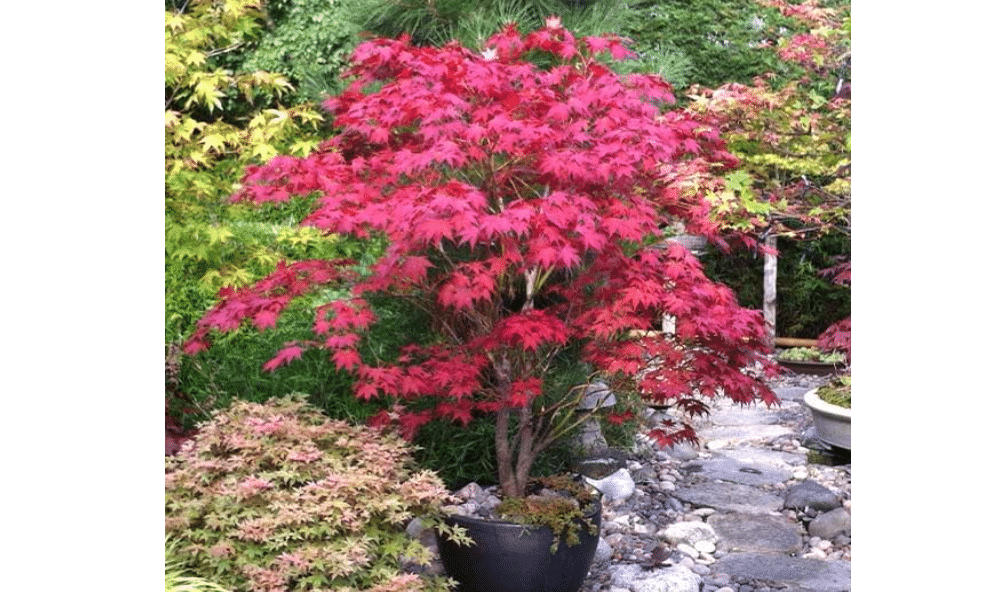
Product Description: The Bloodgood Japanese Maple (Acer palmatum ‘Bloodgood’) is a landscape staple for a reason. This breathtaking, slow-growing ornamental tree is renowned for its vibrant, deep burgundy foliage that retains its rich color through the blistering heat of summer. When autumn arrives, it puts on a spectacular show, transitioning to a fiery, luminous crimson before dropping its leaves. It features a naturally elegant, umbrella-like canopy that looks like a living sculpture.
Price of the Product:
Key Features & Benefits:
-
Max Height: Tops out at a manageable 15-20 feet, with an equal spread.
-
Root System: Non-invasive, shallow roots that play well with nearby perennials and hardscaping.
-
Immediate Impact: Delivers instant curb appeal even when young.
Pros and Cons:
-
Pros: Breathtaking, multi-season color; minimal pruning required; thrives beautifully in large containers.
-
Cons: Can suffer leaf scorch in intense, direct afternoon sun; requires well-draining soil to prevent root rot.
Amazon Customer Ratings & Reviews: Averages 4.5/5 stars. Reviewers consistently praise the secure, careful shipping from top Amazon nurseries and rave about the immediate pop of color it brings to their front yards and patios.
Why it’s a good choice for small spaces: Its naturally compact size and slow growth rate mean it will never overpower your yard. Because the canopy grows outward like an umbrella, you can easily plant low-growing shade plants beneath it.
Ideal Use Case or Who Should Buy It: Perfect for homeowners seeking a standalone, high-end focal point in a front yard, a Zen garden, or a large patio planter.
2. Best for Edible Landscaping: Improved Meyer Lemon Tree
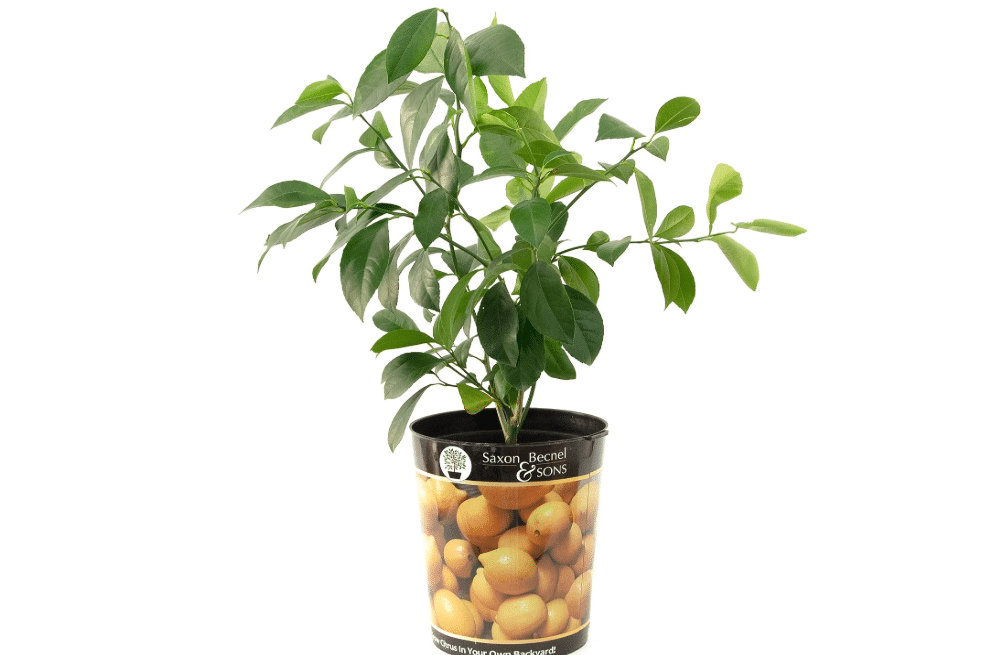
Product Description: If you want your small garden to work for you, the Improved Meyer Lemon Tree is the ultimate edible ornamental. This prolific, self-pollinating citrus tree produces thin-skinned, exceptionally sweet lemons that you cannot easily find in grocery stores. Beyond the fruit, it fills your garden with the intoxicating scent of jasmine-like white blossoms, offering a sensory experience every time you step onto your patio.
Price of the Product: $47.36
Key Features & Benefits:
-
Max Height: True dwarf sizing, easily maintained between 6-10 feet.
-
Self-Fertile: You only need one tree to produce fruit.
-
Continuous Harvest: Often blooms and fruits simultaneously year-round in warm conditions.
Pros and Cons:
-
Pros: Frequently produces fruit in its very first year; incredible floral fragrance; highly adaptable to container growing.
-
Cons: Highly sensitive to frost. If you live north of Zone 8, it must be overwintered indoors near a sunny window.
Amazon Customer Ratings & Reviews: Averages 4.4/5 stars. Customers love how quickly the tree establishes and sets fruit. Some reviews note that it requires consistent fertilizing (specifically citrus spikes) to keep the leaves from turning yellow.
Why it’s a good choice for small spaces: It thrives happily in a decorative pot. This allows you to maximize hardscaping space, move it into the optimal sun as the seasons change, and easily roll it indoors when winter arrives.
Ideal Use Case or Who Should Buy It: Culinary enthusiasts, cocktail makers, and gardeners with a sunny patio or balcony who want the satisfaction of growing their own food in a limited footprint.
3. Best for Long Summer Blooms: Natchez White Crape Myrtle
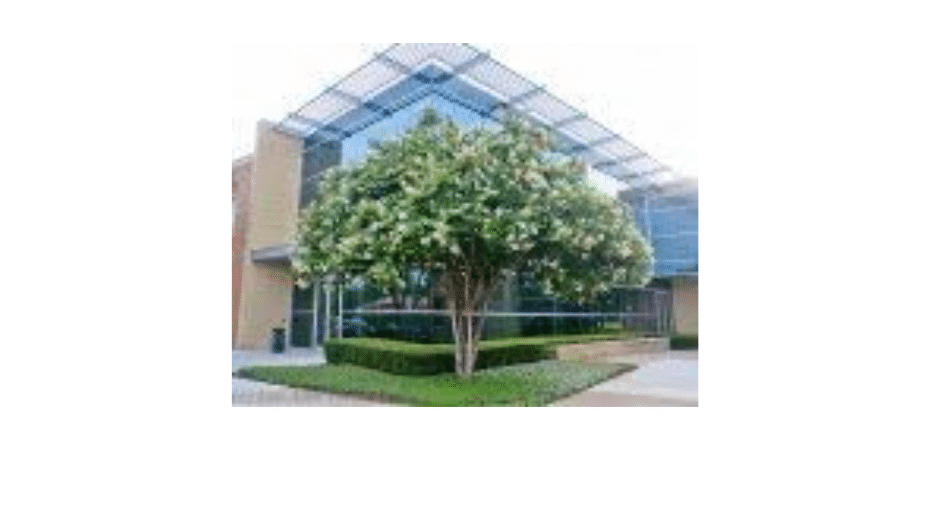
Product Description: Often referred to as the “Lilac of the South,” the Natchez White Crape Myrtle is a fast-growing, multi-trunked marvel. While many spring-blooming trees drop their flowers after two weeks, the Natchez delivers up to 100 days of brilliant, pure white flower clusters through the absolute hottest months of summer. When the leaves drop in winter, it reveals a distinctive, peeling cinnamon-colored bark that provides incredible architectural interest.
Price of the Product: $57.50
Key Features & Benefits:
-
Max Height: Typically grows 15-20 feet.
-
Durability: Extreme heat, humidity, and drought tolerance once established.
-
Disease Resistance: Specially bred by the National Arboretum to resist powdery mildew.
Pros and Cons:
-
Pros: Months of continuous summer blooming; beautiful winter bark; incredibly tough and resilient.
-
Cons: The prolific blooming means it will drop spent flowers, which may require sweeping if planted directly next to a pool or walkway.
Amazon Customer Ratings & Reviews: Averages 4.6/5 stars. Buyers highlight its rapid growth rate—often shooting up several feet in a single season—and its ability to thrive even during harsh summer heatwaves.
Why it’s a good choice for small spaces: It thrives in poor urban soils and can easily withstand reflected heat from driveways, brick walls, and concrete patios where more delicate trees would fry.
Ideal Use Case or Who Should Buy It: Southern gardeners (Zones 7-10) needing a vibrant, heat-proof corner anchor, or those looking to create an attractive summer privacy screen.
4. Best Unique Floral Display: Vanilla Strawberry Hydrangea Tree Form
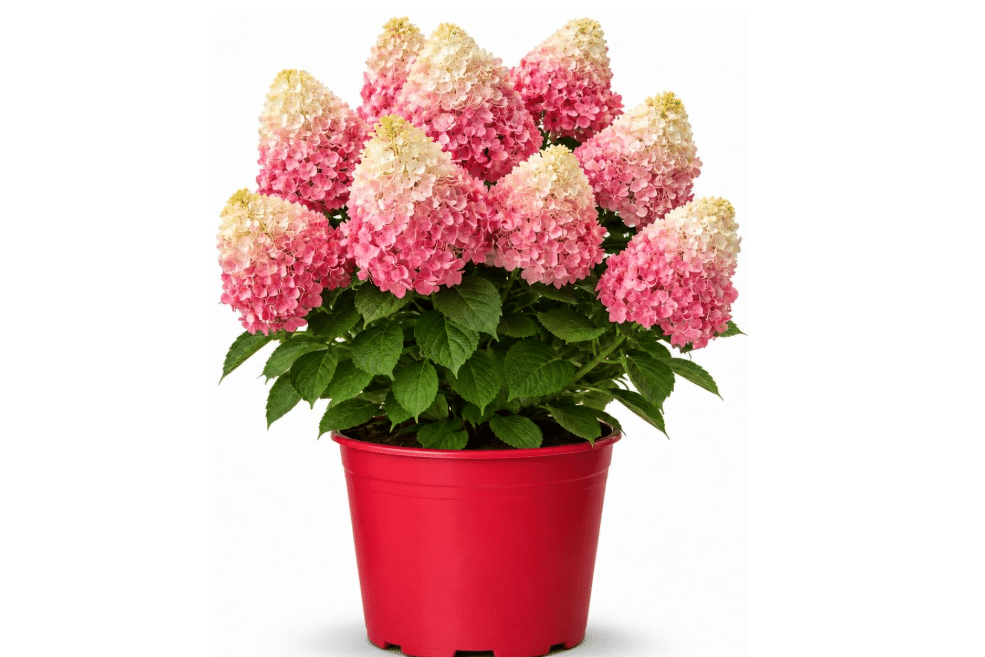
Product Description: Hydrangeas are beloved shrubs, but this grafted tree form elevates the classic flower to a spectacular new level. The Vanilla Strawberry Hydrangea tree features massive, cone-shaped flower panicles that put on a color-changing show. They emerge creamy white in mid-summer, transition to a pale pink, and finally mature into a rich, deep strawberry red as the cooler fall weather sets in.
Price of the Product:
Key Features & Benefits:
-
Max Height: Stays very compact, maxing out around 6-8 feet tall.
-
Cold Hardiness: Exceptionally tough, surviving winters down to Zone 3.
-
Late Season Interest: Blooms profusely in late summer and fall when most other trees have finished flowering.
Pros and Cons:
-
Pros: Show-stopping, multi-colored blooms; highly cold tolerant; easy to prune and maintain.
-
Cons: The flower heads are so massive that the branches can droop under their weight after a heavy rain shower.
Amazon Customer Ratings & Reviews: Averages 4.3/5 stars. Reviewers are absolutely obsessed with the color transition. A few buyers recommend gently staking the trunk during its first year to protect it from high winds while the roots establish.
Why it’s a good choice for small spaces: Because it is grafted onto a single standard trunk, it offers the massive visual impact of a large flowering shrub while saving precious ground space underneath for smaller perennials, mulch, or groundcover.
Ideal Use Case or Who Should Buy It: Perfect for cottage-style gardens, tight flower beds, or bordering a small wooden deck where the magnificent blooms can be admired up close.
5. Best for Narrow Spaces (Privacy): Emerald Green Arborvitae
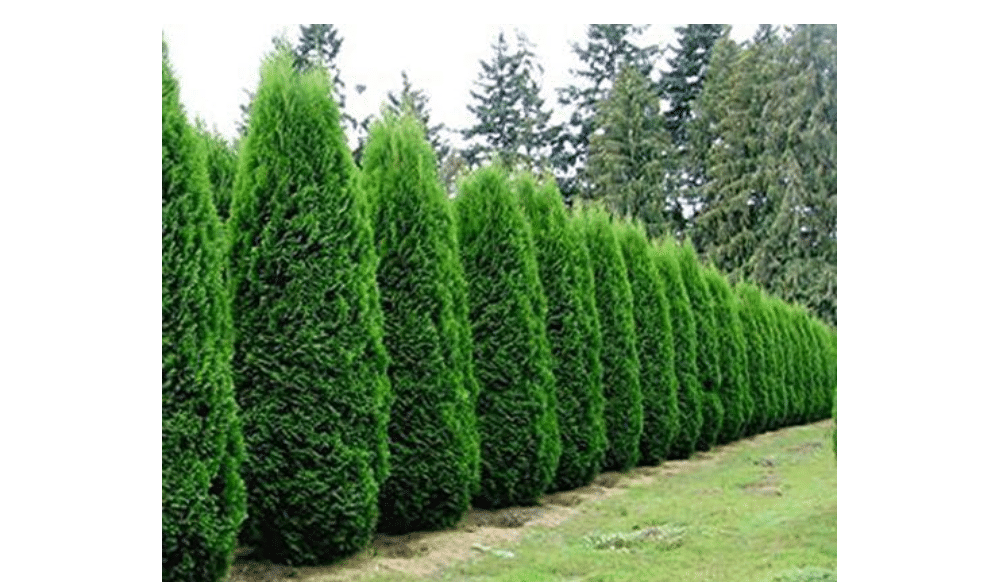
Product Description: When you need privacy in a zero-lot-line neighborhood, the Emerald Green Arborvitae is the undisputed king. This dense, coniferous evergreen grows in a tight, columnar shape, providing a lush, shimmering green wall year-round. Unlike older arborvitae varieties that turn a dull brown in winter, the “Emerald Green” maintains its vivid hue through the snow and ice.
Price of the Product: $59.99
Key Features & Benefits:
-
Max Height: Grows 10-15 feet tall, but strictly maintains a narrow 3-4 foot width.
-
Foliage: Soft, feathery foliage that is pleasant to touch.
-
Low Maintenance: Naturally holds its pyramidal shape without the need for shearing or heavy pruning.
Pros and Cons:
-
Pros: Perfect vertical growth for tight property lines; serves as an excellent sound barrier and windbreak.
-
Cons: Highly susceptible to deer browsing. If you live in a rural area with heavy deer traffic, they may eat the lower branches.
Amazon Customer Ratings & Reviews: Averages 4.5/5 stars. Frequently praised for arriving healthy and vibrant. Many reviewers post photos showing how they used a row of 5 or 6 trees to create an instant living privacy fence blocking their neighbor’s yard.
Why it’s a good choice for small spaces: Its incredibly narrow footprint is its superpower. It provides immense vertical scale and privacy without sprawling horizontally and encroaching on your narrow side yards or walkways.
Ideal Use Case or Who Should Buy It: Anyone needing an attractive, living privacy fence in a tight suburban yard, or looking to frame a front entryway with a pair of tall, stately evergreens.
6. Best Mediterranean Aesthetic: Arbequina Olive Tree
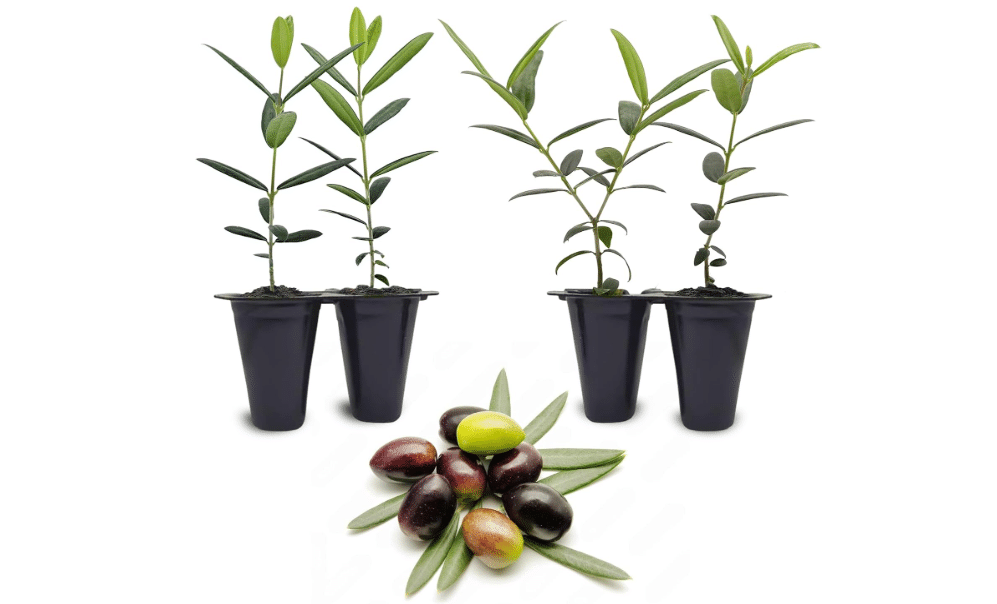
Product Description: If you want to bring an immediate touch of Tuscan charm to your patio, the Arbequina Olive Tree (Olea europaea ‘Arbequina’) is unmatched. This graceful, silvery-green evergreen is highly adaptable and boasts a beautiful, slightly weeping habit. While it is heavily prized for its aesthetic appeal, it is also highly functional, producing small, high-quality olives that are famous worldwide for curing and pressing into mild, buttery olive oil.
Price of the Product: $28.99
Key Features & Benefits:
-
Max Height: Naturally reaches 15-20 feet, but is easily kept under 10 feet in containers.
-
Drought Tolerance: Once established, it requires very little water, making it a highly sustainable choice.
-
Pest Resistance: Naturally repels most common garden pests and diseases.
Pros and Cons:
-
Pros: Stunning, shimmering silver foliage; extremely low water needs; produces edible olives.
-
Cons: While it is self-pollinating, it produces much heavier yields if cross-pollinated with a second tree. It is not cold-hardy and must be protected below 20°F.
Amazon Customer Ratings & Reviews: Averages 4.2/5 stars. Buyers absolutely love the Mediterranean aesthetic it brings to their homes but frequently warn new owners to ensure excellent soil drainage to prevent root rot.
Why it’s a good choice for small spaces: The Arbequina grows exceptionally well in large terracotta pots. Keeping its root system bound in a container completely controls its size, ensuring it remains a polite and manageable patio guest.
Ideal Use Case or Who Should Buy It: Perfect for xeriscaping enthusiasts, modern minimalist garden designs, or those wanting a high-end structural plant for a bright sunroom.
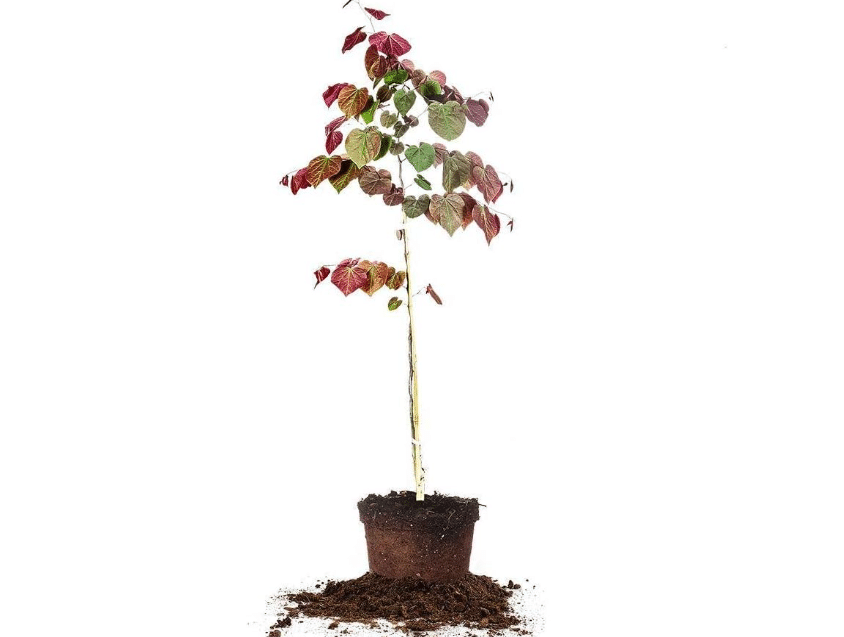
7. Best Early Spring Bloomer: Forest Pansy Redbud
Product Description: The Forest Pansy Redbud (Cercis canadensis ‘Forest Pansy’) is a breathtaking small tree that acts as the ultimate herald of spring. Before it even pushes out its leaves, the bare branches erupt with a dense display of vibrant, pea-like rose-purple flowers. Once the blooms fade, the show continues as gorgeous, heart-shaped leaves emerge in a deep, glossy burgundy color before eventually softening to a dark purplish-green in late summer.
Price of the Product:
Key Features & Benefits:
-
Max Height: Reaches a mature height and spread of about 20 feet.
-
Wildlife Magnet: The early spring blooms are a vital nectar source for early-season pollinators.
-
Four-Season Interest: Offers spring blooms, summer color, golden-yellow fall foliage, and an elegant zigzag branching structure in winter.
Pros and Cons:
-
Pros: One of the most stunning spring floral displays available; incredibly unique heart-shaped, purple foliage.
-
Cons: Can be susceptible to canker diseases if the bark is damaged by weed whackers or lawnmowers.
Amazon Customer Ratings & Reviews: Averages 4.4/5 stars. Users are consistently amazed by the unique leaf color and comment on how the early spring blooms instantly elevate their neighborhood curb appeal.
Why it’s a good choice for small spaces: It has a well-behaved, non-aggressive root system that plays nicely with delicate foundation plantings and underground utilities.
Ideal Use Case or Who Should Buy It: Homeowners looking for a spectacular front yard focal point or those designing a woodland-edge garden with dappled shade.
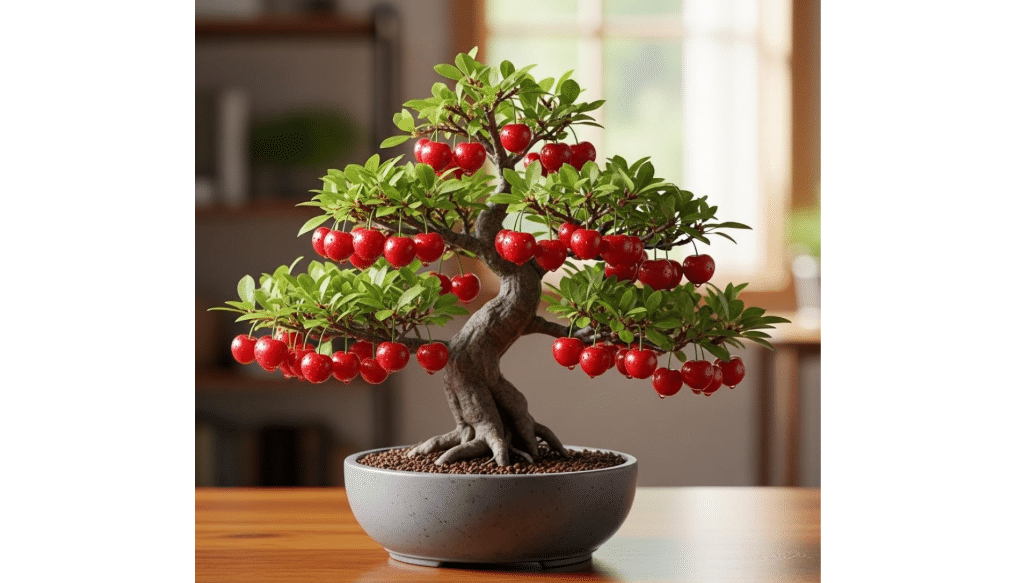
8. Best Cascading/Weeping Shape: Dwarf Weeping Cherry Tree
Product Description: Nothing captures the essence of a tranquil, structured landscape quite like a Dwarf Weeping Cherry Tree (Prunus subhirtella ‘Pendula’). This grafted marvel features dramatic, cascading branches that sweep gracefully down toward the ground. In early spring, these weeping branches are completely smothered in a blanket of delicate pink or white blossoms, creating a breathtaking “snow-globe” aesthetic in your garden.
Price of the Product: $7.99
Key Features & Benefits:
-
Max Height: Because it is grafted onto a dwarf rootstock, it typically maxes out at 8-12 feet tall.
-
Architectural Shape: The sweeping canopy provides intense visual interest even when completely bare in the winter.
-
Fast Establishment: Roots quickly and begins putting on a floral show in its very first season.
Pros and Cons:
-
Pros: Unbeatable, romantic architectural shape; spectacular early spring floral show.
-
Cons: Carries a higher price point due to the grafting process; requires occasional pruning to keep the lowest branches from resting on the damp ground.
Amazon Customer Ratings & Reviews: Averages 4.3/5 stars. Reviewers overwhelmingly note that this tree immediately became the undisputed centerpiece of their landscape, though some mention it requires careful watering during its first summer.
Why it’s a good choice for small spaces: Thanks to the dwarf rootstock, its vertical growth is strictly limited. It will never shoot up to power lines or outgrow its designated corner.
Ideal Use Case or Who Should Buy It: Essential for Japanese-inspired Zen gardens, rock gardens, or planting adjacent to a small backyard water feature.
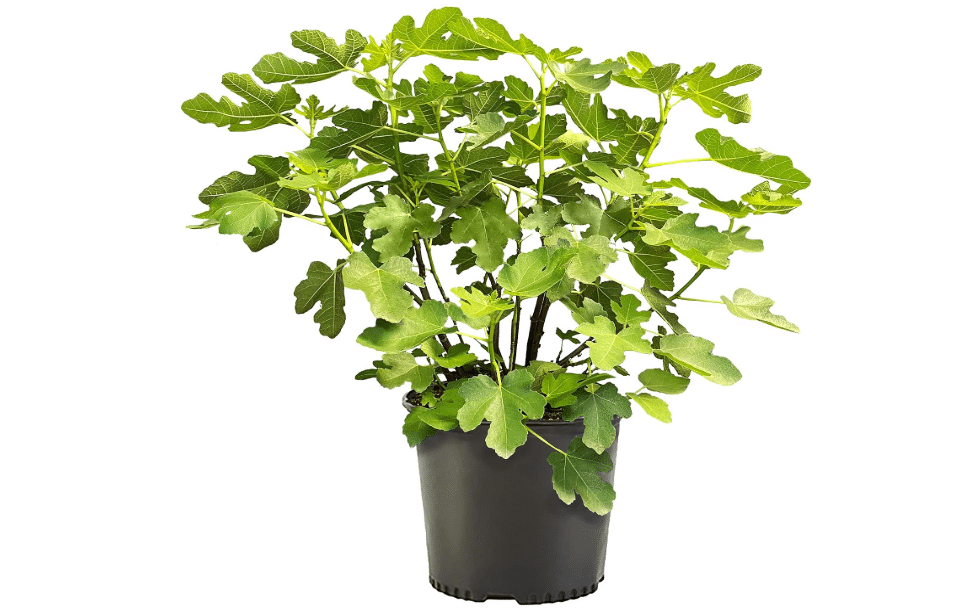
9. Best for Wildlife & Birds: Dwarf Brown Turkey Fig Tree
Product Description: The Dwarf Brown Turkey Fig is a robust, tropical-looking tree featuring massive, deeply lobed leaves that instantly add texture to any yard. Beyond its visual appeal, it is a heavy producer, yielding two distinct harvests of incredibly sweet, mahogany-colored figs each year—a small “breba” crop in early summer and a main crop in late summer or fall.
Price of the Product:
Key Features & Benefits:
-
Max Height: Easily maintained at 10-15 feet.
-
Self-Pollinating: No need for a second tree to get a massive harvest.
-
Fruiting Habit: Produces fruit on new wood, meaning you can prune it heavily without sacrificing your crop.
Pros and Cons:
-
Pros: Incredibly sweet, gourmet fruit; beautiful, large architectural foliage; highly heat tolerant.
-
Cons: Deciduous (drops its large leaves in winter); local birds and squirrels will aggressively compete with you for the ripe fruit.
Amazon Customer Ratings & Reviews: Averages 4.4/5 stars. Gardeners love how quickly this tree establishes itself. Many reviewers express shock at harvesting handfuls of fresh figs in just the second year of growth.
Why it’s a good choice for small spaces: Fig trees respond exceptionally well to heavy pruning. You can easily keep it bush-sized, grow it in a half-barrel planter, or even train it flat against a brick wall (a technique called espalier) to save horizontal space.
Ideal Use Case or Who Should Buy It: Urban homesteaders, foodies, and gardeners who want to grow exotic, high-yield fruit in a highly restricted footprint.
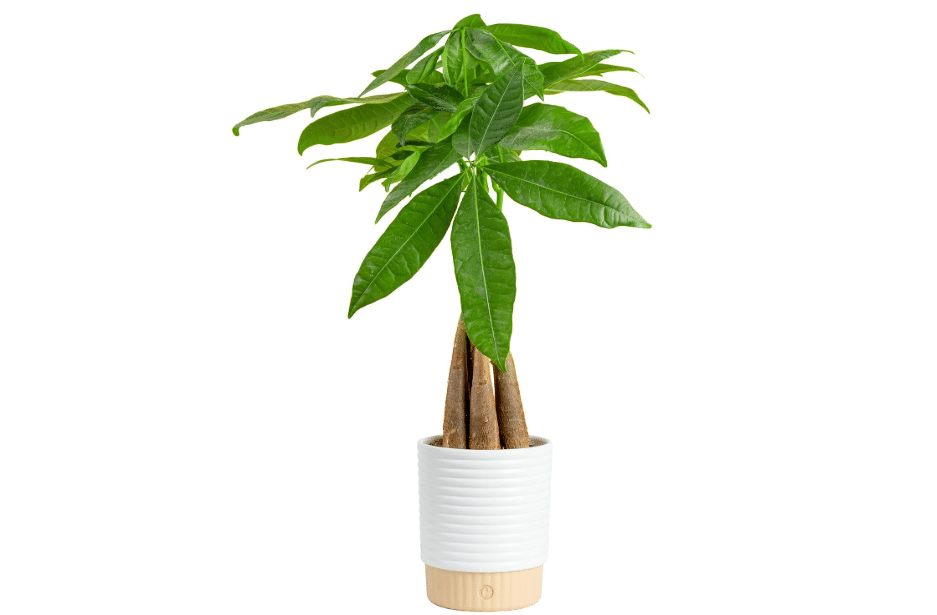
10. Best Indoor/Outdoor Crossover: Braided Money Tree (Pachira aquatica)
Product Description: Deeply rooted in Feng Shui tradition and known for bringing good luck and financial fortune, the Braided Money Tree is a botanical work of art. It features multiple trunks expertly braided together by nursery professionals, topped with an umbrella of bright green, star-shaped foliage. While traditionally treated as a houseplant, it thrives beautifully on shaded outdoor patios during the warm months.
Price of the Product:
Key Features & Benefits:
-
Max Height: Reaches 6-8 feet indoors or in a patio container.
-
Air Purifying: Scientifically proven to filter indoor air pollutants.
-
Pet-Safe: Non-toxic to cats and dogs (a rarity for tropical plants).
Pros and Cons:
-
Pros: Practically indestructible; gorgeous braided trunk aesthetic; highly resilient to inconsistent watering.
-
Cons: Cannot survive frost whatsoever; must be strictly treated as a container plant and brought indoors during the winter in most zones.
Amazon Customer Ratings & Reviews: Averages 4.7/5 stars. This is one of the most popular live plants sold online. Buyers consistently rave about the secure packaging and how vibrant and healthy the foliage looks immediately upon unboxing.
Why it’s a good choice for small spaces: It is the ultimate adaptable tree. It thrives in pots and actually prefers indirect or dappled sunlight, making it ideal for shaded apartment balconies or covered porches where sun-loving trees would fail.
Ideal Use Case or Who Should Buy It: Apartment dwellers, balcony gardeners, and homeowners wanting a lush, tropical vibe on a covered patio that can seamlessly transition to interior decor in the winter.
V. How to Safely Buy Live Trees on Amazon (Pro Tips)
Buying a live tree online might feel daunting, but Amazon has completely streamlined the nursery supply chain. Follow these rules to ensure success:
-
Look for Reputable Nurseries: Always check the seller name before checking out. Stick to established, high-volume storefronts like Costa Farms, Brighter Blooms, and Fast Growing Trees. These brands have perfected the art of packaging live plants for transit.
-
Understanding Shipping Shock: Being boxed up in the dark for three days is stressful for a plant. When you unbox your tree, it may drop a few leaves or look slightly wilted. This is normal “shipping shock.” Give it a deep watering and keep it in a shaded, protected spot for a few days to acclimate before planting it in the hot sun.
-
The “Alive & Thrive” Guarantees: One of the best reasons to buy from top-tier Amazon sellers is their warranty. Most reputable nurseries offer a 30-day guarantee. If your tree arrives damaged or dies shortly after planting despite proper care, document it with photos and leverage Amazon’s return policies for a replacement.
VI. Conclusion & Final Verdict
You do not need acres of rolling lawns to enjoy the architectural beauty, shade, and seasonal interest of a tree. By carefully selecting one of the best 10 small trees for small gardens, you can dramatically elevate your property value and outdoor enjoyment without sacrificing space.
For the ultimate blend of striking visual impact and low maintenance, the Bloodgood Japanese Maple stands as our top overall recommendation. Its unparalleled autumn color and compact root system make it a flawless investment for any small yard. If you prefer your garden to be functional as well as beautiful, the Improved Meyer Lemon Tree is the undisputed champion for small patios, rewarding you with intoxicating fragrances and gourmet fruit.
Take a moment to check your local USDA Hardiness Zone, measure your available sunlight, and click through to Amazon to secure the perfect centerpiece for your micro-garden today