A lush, green lawn is the ultimate pride of any Southern home. But as any homeowner below the Mason-Dixon line knows, our relentless summer sun, sweltering humidity, and unpredictable droughts can quickly turn a dream yard into a scorched, patchy nightmare. To win this battle against the elements, you need the right foundation. That is exactly why we have researched, compared, and ranked the best 10 southern grass seed options available today [2] to help you build a resilient, heat-tolerant lawn.
The challenges of Southern turf care are entirely unique. If you mistakenly plant a standard cool-season variety, it will simply fry in the July heat [3]. Conversely, choosing the wrong warm-season grass for your specific yard layout leads to an endless, expensive battle with invasive weeds, destructive pests, and stubborn bare spots.
The secret to a pristine, barefoot-friendly yard isn’t watering more frequently or over-fertilizing—it is planting smarter. Long-term success relies entirely on selecting a warm-season grass seed that is specifically formulated for your exact climate zone, soil composition, and daily sun exposure [2].
In this comprehensive guide, we eliminate the guesswork at the garden center. We dive deep into the data to reveal the top-rated products on the market, backed by rigorous ingredient analysis, verified customer reviews, and expert turf management insights. Whether you need a drought-surviving Bahiagrass, a lower-maintenance Zoysia, or a high-traffic Bermuda that can handle the kids and dogs, this guide will help you plant with absolute confidence and finally achieve the vibrant lawn your home deserves.
How to Choose the Right Southern Grass Seed (Buying Guide)
Before you throw seed down, you must understand your lawn’s specific micro-environment. Here is what you need to consider before making a buying decision:
-
Climate & USDA Zones: The deep South (zones 8-10) requires robust warm-season grasses like Bermuda, Centipede, or Bahiagrass [2, 3]. However, the “transition zone” (zones 6-7) experiences hot summers but colder winters, making cold-tolerant Zoysia or specialized Fescue blends a safer bet [2].
-
Sun vs. Shade Tolerance: Bermuda grass demands a minimum of 8 hours of direct, blazing sunlight and will thin out quickly in the shade [2, 9]. If you have mature trees, you will need a shade-tolerant option like Zoysia (needs 6+ hours) or a fine fescue blend [2].
-
Traffic & Wear: Do you have dogs, kids, or frequent backyard barbecues? Bermuda grass is aggressive and repairs itself rapidly, making it the top choice for heavy foot traffic [2]. Centipede and Zoysia are beautiful but slower to recover from damage [2].
-
Maintenance & Water Needs: Are you a “mow it twice a week” enthusiast, or do you want a “lazy man’s lawn”? Bermuda is high-input, requiring regular watering, mowing, and fertilization [2]. Bahiagrass and Centipede, on the other hand, thrive in poor, sandy soils and require significantly less maintenance [3].
-
Seed vs. Plugs/Sod: While St. Augustine is highly popular in the South for its shade tolerance, it does not produce viable commercial seed; it must be plugged or sodded [2]. The options below are specifically for homeowners who want to establish or overseed their lawn cost-effectively from seed.
At a Glance: Top Southern Grass Seed Comparison
Detailed Product Reviews (1 to 5)
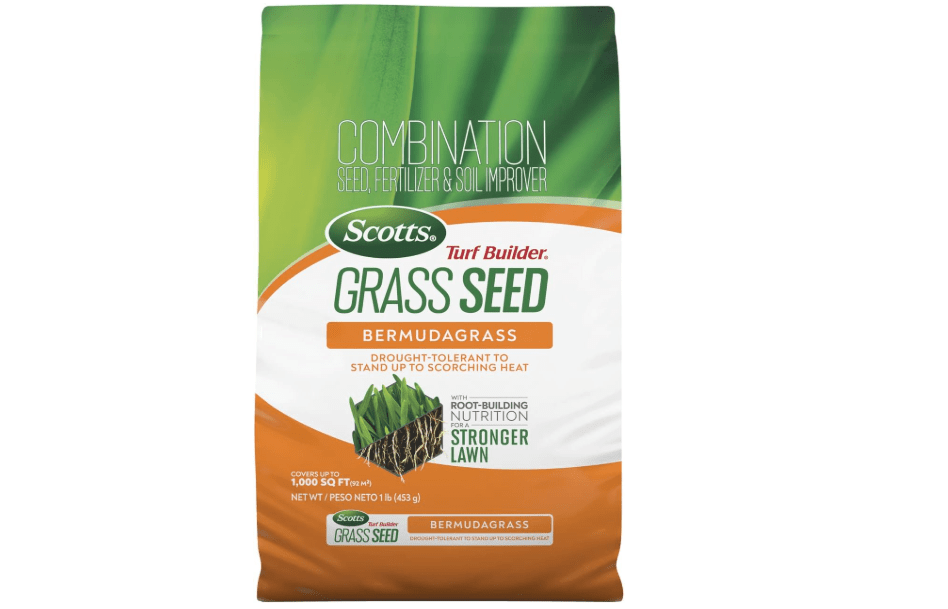
1. Scotts Turf Builder Bermudagrass Seed & Fertilizer
Scotts Turf Builder is arguably the most recognizable name in lawn care, and their Bermudagrass blend is a sun-loving workhorse designed for the harsh Southern climate [6]. It aggressively spreads to form a thick, durable lawn that chokes out weeds and stands up to heavy foot traffic [6].
-
Price: $21.40
-
Key Features & Benefits: This product features Scotts’ proprietary 4-in-1 WaterSmart PLUS coating, which helps the seed absorb 2x more water than uncoated seeds [6]. It also includes a built-in starter fertilizer to jump-start root development and protect against diseases [6].
-
Pros: Germinates very quickly; extremely resilient against heat and drought; fantastic for high-traffic yards.
-
Cons: Requires 8+ hours of direct sunlight (poor shade tolerance); fast growth means you will be mowing frequently [6].
-
Amazon Ratings & Reviews: 4.3 out of 5 stars. Users rave about how quickly it fills in bare patches, though some note it struggles anywhere shadows fall.
-
Why It’s a Good Choice: It’s an accessible, reliable, all-in-one formula that takes much of the guesswork out of planting a robust Bermuda lawn [6].
-
Ideal Use Case: Southern homeowners with wide-open, unshaded yards who need a tough turf for kids, pets, and outdoor entertaining [6].
2. Zenith Zoysia Grass Seed by Patten Seed Company
Zoysia is often called the “Goldilocks” of southern grasses—it is not as aggressive as Bermuda, but it forms a thick, luxurious, carpet-like lawn that is incredibly soft underfoot [2]. Zenith is a highly pure, premium seed that pushes the boundaries of cold tolerance into the transition zone.

-
Price: $267.77
-
Key Features & Benefits: Known for its medium blade texture and dense growth habit, Zenith naturally crowds out weeds. It also maintains its green color longer into the fall compared to Bermuda [2].
-
Pros: Beautiful barefoot feel; tolerates moderate shade (needs about 6 hours of sun); requires less frequent mowing than Bermuda [2].
-
Cons: Zoysia is notoriously slow to germinate and establish from seed; higher initial price point [2].
-
Amazon Ratings & Reviews: 4.0 out of 5 stars. Buyers love the final result but emphasize that immense patience and consistent watering are required during the first 30 days.
-
Why It’s a Good Choice: It perfectly bridges the gap if you want better shade tolerance than Bermuda without sacrificing the heat resilience required in the South [2].
-
Ideal Use Case: Homeowners in the transition zone or Deep South with partially shaded yards who are willing to be patient for a premium, low-maintenance aesthetic [2].
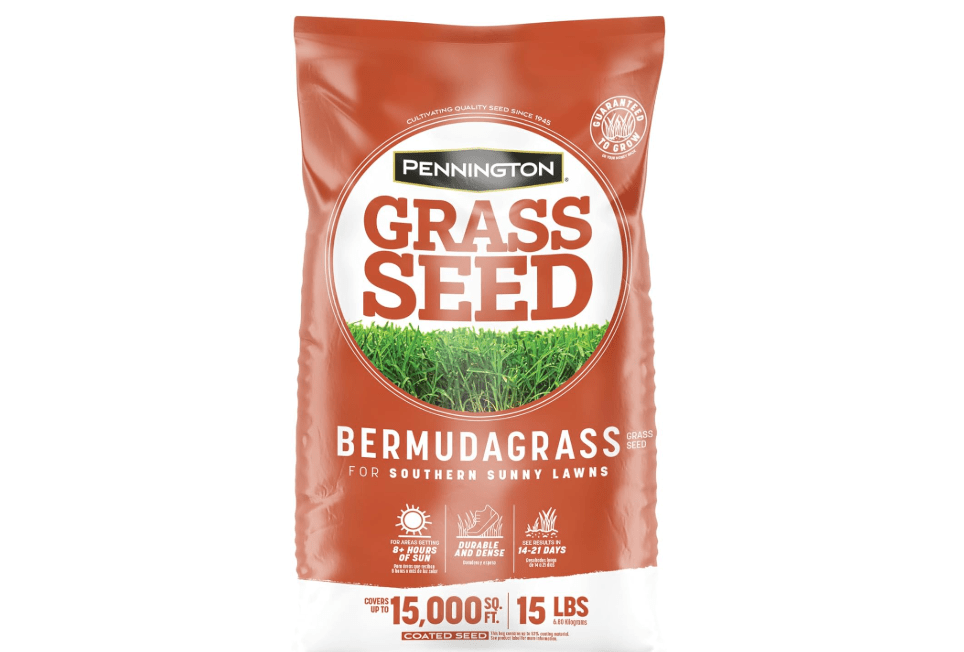
3. Pennington Smart Seed Bermudagrass
Pennington’s Smart Seed line is heavily focused on sustainability and water conservation. This premium Bermuda grass blend has been bred through extensive research to require up to 30% less water year after year once established compared to ordinary grass seed [9].
-
Price: $79.80
-
Key Features & Benefits: The seed includes Pennington’s Penkoted technology to protect against fungal diseases. The mix also includes a temporary cool-season companion grass that stabilizes the soil and provides quick green color while the Bermuda establishes [9].
-
Pros: Highly water-efficient; disease-resistant coating ensures better survival rates; deep rooting system provides superior drought resistance [9].
-
Cons: Like all Bermuda, it goes dormant and turns brown quickly at the first frost; needs full, uninhibited sun [2, 9].
-
Amazon Ratings & Reviews: 4.2 out of 5 stars. Customers praise its drought endurance during mid-summer heatwaves.
-
Why It’s a Good Choice: It is a budget-friendly, eco-conscious choice for large properties where watering the entire lawn isn’t feasible or economical.
-
Ideal Use Case: Water-conscious homeowners in hot, drought-prone areas like Texas, Arizona, and the Southeast [2, 9].
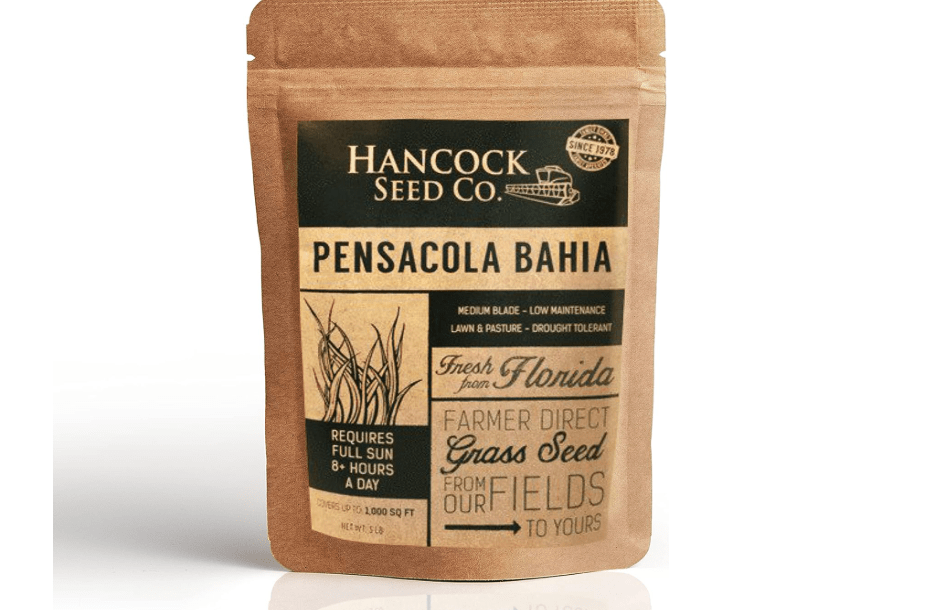
4. Hancock Seed Co. Pensacola Bahiagrass Seed
Bahiagrass is the ultimate survivor. Native to sandy, coastal, and infertile soils, Pensacola Bahia forms an incredibly deep root system, allowing it to withstand extreme heat and prolonged drought with virtually no help from the homeowner [5].
-
Price: $293.99
-
Key Features & Benefits: Highly resistant to common turf diseases and insects (like mole crickets). It thrives in poor soil where other grasses starve and requires minimal to no chemical fertilization [3, 5].
-
Pros: The ultimate low-maintenance “plant it and forget it” grass; exceptional drought survival; thrives in sandy coastal soils [3, 5].
-
Cons: Coarse texture that isn’t soft on bare feet; produces tall, tough y-shaped seed heads that require frequent rough mowing to keep tidy.
-
Amazon Ratings & Reviews: 4.1 out of 5 stars. Rural property owners swear by it, though suburban homeowners sometimes find the texture too coarse.
-
Why It’s a Good Choice: If you live on sandy soil and want a green lawn without paying for a sprinkler system or fertilizer subscription, this is your seed.
-
Ideal Use Case: Large rural properties, coastal lawns in Florida and the Gulf Coast, and homeowners prioritizing extreme low-maintenance [5].
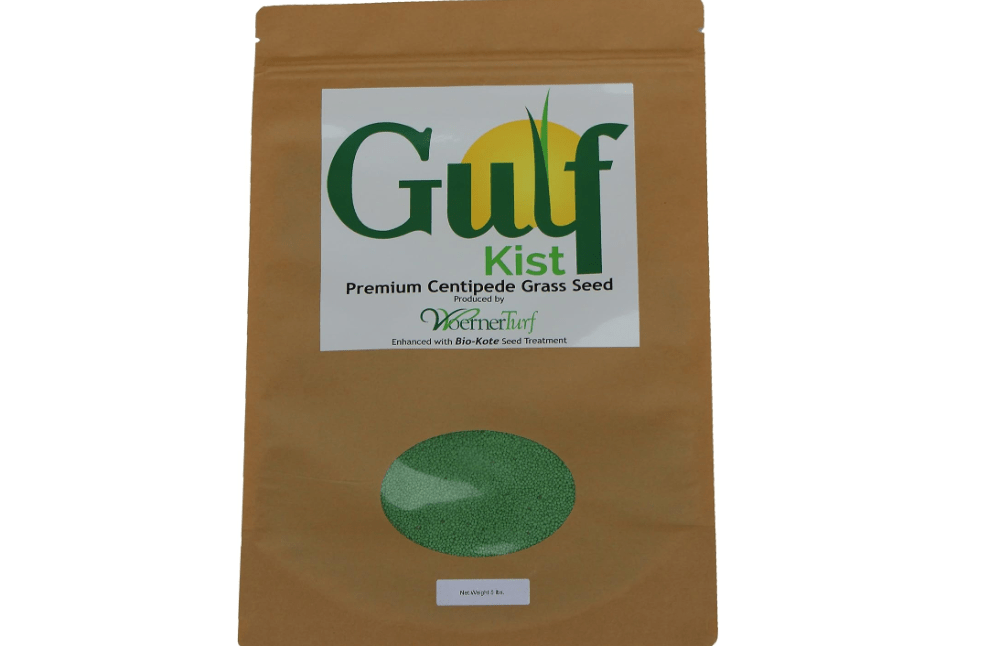
5. Gulf Kist Coated Centipedegrass Seeds
Affectionately known across the South as the “lazy man’s grass,” Centipede is a slow-growing, apple-green turf that requires significantly less mowing and feeding than Bermuda [2]. Gulf Kist provides a high-quality, coated seed that makes establishment much easier.
-
Price: $189.99
-
Key Features & Benefits: The seed is coated in clay to retain moisture—a crucial factor since Centipede seed is incredibly tiny and prone to drying out. It naturally thrives in the acidic soils commonly found in the Southeast [2].
-
Pros: Requires very little fertilizer (in fact, over-fertilizing can kill it); low vertical growth means less mowing; chokes out weeds nicely once mature.
-
Cons: Poor traffic tolerance (doesn’t handle dogs running well); slow to recover if damaged.
-
Amazon Ratings & Reviews: 4.0 out of 5 stars. Buyers love the low upkeep but note that keeping the seedbed moist during germination is critical.
-
Why It’s a Good Choice: It perfectly matches the acidic soils of the deep Southeast and dramatically reduces your weekend yard chores.
-
Ideal Use Case: Low-traffic front yards in the Southeast (Georgia, Alabama, Carolinas) where homeowners want an attractive lawn without the heavy labor [2].
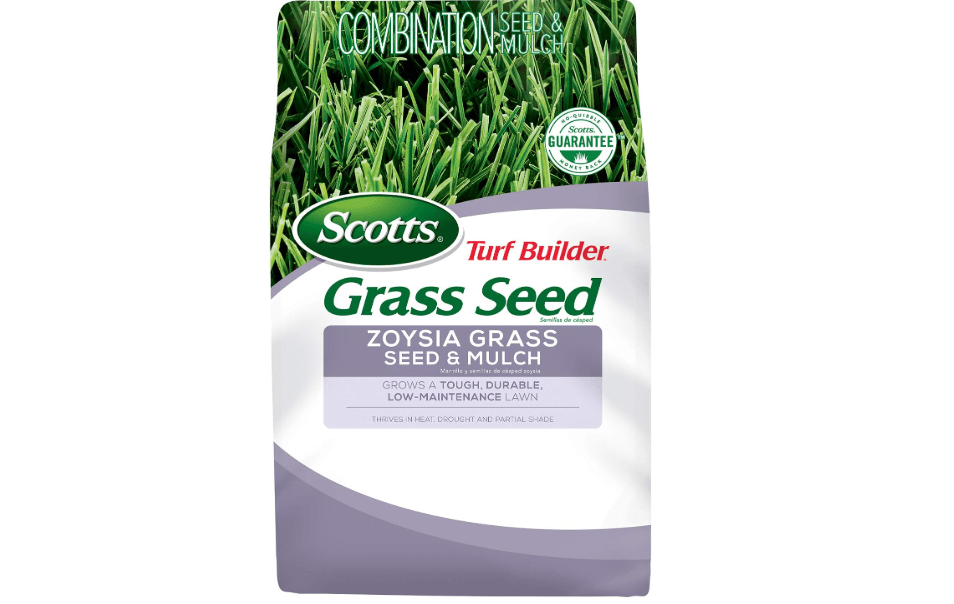
6. Scotts Zoysia Grass Seed & Mulch
Zoysia is notoriously difficult to establish from bare seed because it requires weeks of consistent moisture to germinate. Scotts solves this problem with a convenient combination product that mixes premium Zoysia seed with a protective, moisture-retaining mulch.
-
Price: $49.95
-
Key Features & Benefits: This 3-in-1 formula contains Zoysia seed, a starter fertilizer, and a specialized mulch that absorbs up to 6x its weight in water. As the mulch expands, it surrounds the seed in a moist, protective layer that prevents drying out and protects against bird predation.
-
Pros: Greatly simplifies the stressful process of planting Zoysia; very high success rate for patching bare spots; built-in fertilizer accelerates initial growth.
-
Cons: Because the bag contains mulch and fertilizer, you get significantly less actual grass seed per pound compared to a bag of pure seed.
-
Amazon Ratings & Reviews: 4.1 out of 5 stars. Users highly recommend it for patching and repairing existing Zoysia lawns, though bulk planting can get expensive.
-
Why It’s a Good Choice: It engineers away the biggest hurdle of Zoysia planting—seed desiccation—making it practically foolproof for the average homeowner to establish patches.
-
Ideal Use Case: Repairing thin, damaged patches in existing Zoysia lawns or establishing small, new turf areas in moderate shade.
7. Outsidepride Legacy Fine Fescue Grass Seed
While technically a cool-season grass, fine fescue is the landscaping secret weapon for the deep, persistent shade areas in the Southern transition zone where warm-season grasses consistently fail.
-
Price: $69.99
-
Key Features & Benefits: Legacy Fine Fescue boasts unmatched shade tolerance among lawn grasses. It features a very fine, needle-like leaf texture and requires incredibly low moisture and fertilizer to survive once established.
-
Pros: Will successfully grow under mature oak and pine trees where Bermuda or Zoysia simply die; creates a beautiful, soft, woodland aesthetic.
-
Cons: It will burn out quickly if exposed to the full, relentless Southern sun; not suitable for the extreme heat of the Deep South (Zones 8b-10).
-
Amazon Ratings & Reviews: 4.2 out of 5 stars. Buyers in the upper South praise it for finally giving them grass under their massive shade trees.
-
Why It’s a Good Choice: It solves the most frustrating Southern lawn problem: bare, muddy dirt directly beneath large shade trees.
-
Ideal Use Case: Homeowners in the transition zone (North Carolina, Tennessee, Northern Georgia, North Texas) dealing with heavily shaded yards or woodland borders.
8. TifBlair Centipedegrass Seed
Standard Centipede grass is prone to winterkill if temperatures drop too low, limiting its geographic range. TifBlair is an advanced, certified cultivar specifically bred by the University of Georgia to offer improved cold tolerance and significantly faster germination.
-
Price: $44.99
-
Key Features & Benefits: Features a massive, deep root system that scavenges for water and nutrients. It offers improved fall color retention, staying green longer into the season than common Centipede.
-
Pros: Pushes the growing boundary of Centipede further north into the transition zone; maintains the ultra-low maintenance appeal of standard Centipede; survives colder winters.
-
Cons: High price per pound; like all Centipede, it is vulnerable to heavy foot traffic and takes time to recover.
-
Amazon Ratings & Reviews: 4.3 out of 5 stars. Users note it establishes faster than cheaper generic Centipede seeds and survives surprise winter freezes well.
-
Why It’s a Good Choice: It offers the legendary low-maintenance benefits of Centipede grass but with a wider, safer geographic growing range and better cold survival.
-
Ideal Use Case: Homeowners in the upper South and transition zone looking for an easy-care, low-growing lawn that won’t die off during a harsh winter snap.
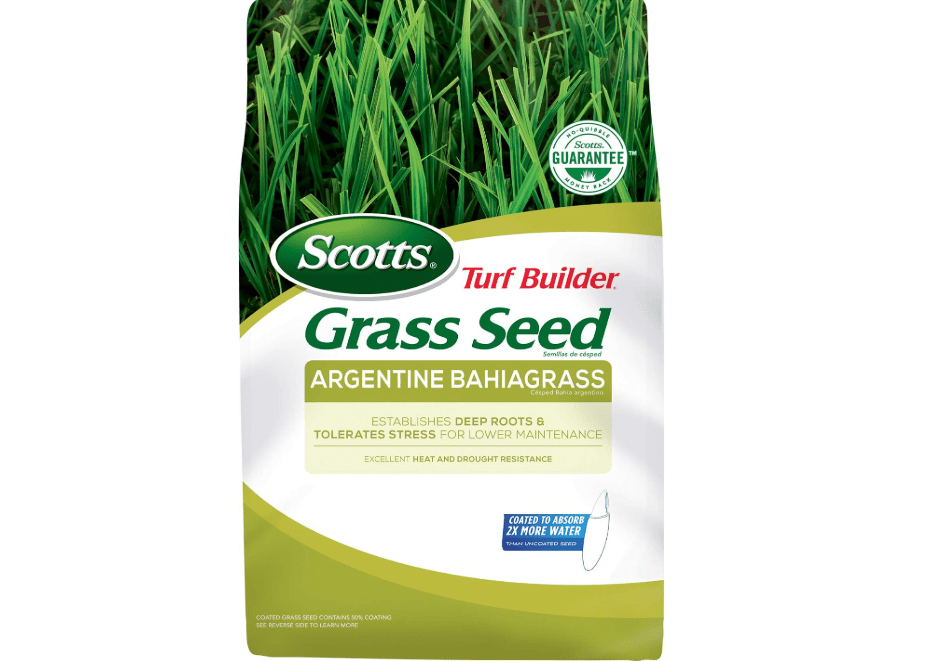
9. Scotts Turf Builder Argentine Bahiagrass
While Pensacola Bahiagrass is rugged, it isn’t always the prettiest. Argentine Bahiagrass is a specific cultivar favored in places like Florida because it produces a darker green, significantly denser turf with wider blades that looks more like a traditional lawn.
-
Price: $45.00
-
Key Features & Benefits: Wider blade structure creates a thicker canopy to shade out weeds. It also produces fewer of the unsightly, tall seed heads that make Pensacola Bahia look like a wild pasture.
-
Pros: Highly heat tolerant; excellent natural resistance to insects and disease; looks vastly superior to pasture-grade Bahia.
-
Cons: Slightly less cold-tolerant than Pensacola Bahia; can be susceptible to mole cricket damage in sandy soils.
-
Amazon Ratings & Reviews: 4.2 out of 5 stars. Florida residents love it as a vast improvement over standard builder-grade grass.
-
Why It’s a Good Choice: It provides the rugged survivability and drought resistance of Bahiagrass but with an upgraded, more aesthetically pleasing appearance.
-
Ideal Use Case: Central and South Florida lawns where intense heat, sandy, nutrient-poor soil, and drought are constant, everyday factors.
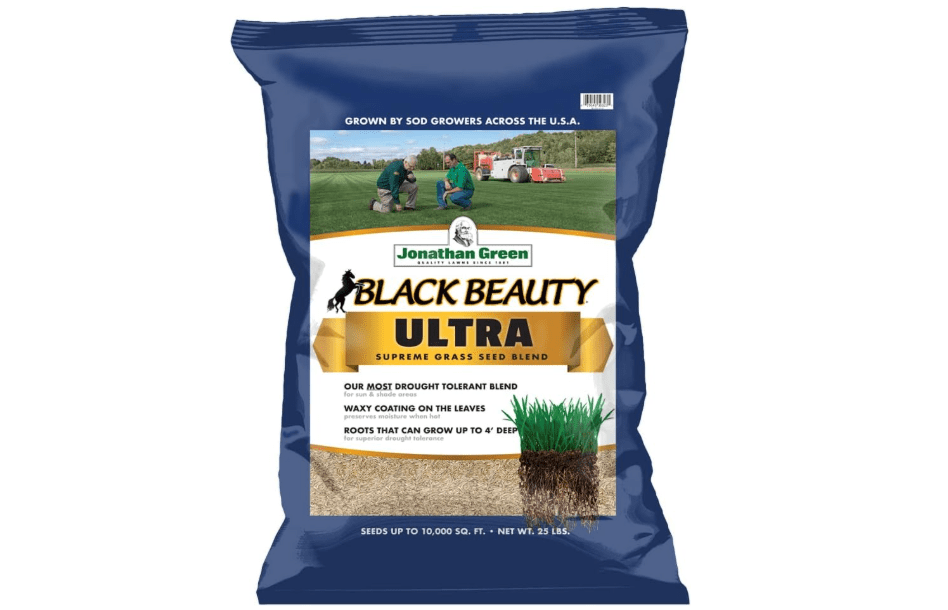
10. Jonathan Green (10323) Black Beauty Ultra Mixture
For transition zone homeowners who refuse to settle for dormant, brown grass for five months of the year, Jonathan Green’s Black Beauty Ultra is the top-tier solution. It is a premium blend of Tall Fescues, Kentucky Bluegrass, and Perennial Ryegrass.
-
Price: $106.17
-
Key Features & Benefits: The Tall Fescue in this mix is genetically engineered with an invisible waxy coating on the leaves (similar to an apple) to preserve moisture. Roots can dive up to 4 feet deep, and the Bluegrass inclusion ensures the lawn slowly fills in its own bare spots.
-
Pros: Stays a rich, dark green year-round in the transition zone; excellent disease resistance; highly drought-resistant for a cool-season grass.
-
Cons: Will require irrigation during the absolute peak of Southern summer heat; not viable for the Deep South (Zones 8b and below).
-
Amazon Ratings & Reviews: 4.5 out of 5 stars. With thousands of reviews, it is widely considered the gold standard for transition zone fescue lawns.
-
Why It’s a Good Choice: It is the highest-rated seed for the transition zone, offering a lush, dark green lawn that survives summer heat better than traditional cool-season grasses while avoiding the winter dormancy of Bermuda.
-
Ideal Use Case: Transition zone lawns (from Virginia across to Northern Arkansas) where homeowners want a year-round dark green lawn with moderate shade.
Step-by-Step Guide: How to Plant and Care for Southern Grass Seed
Achieving a perfect lawn requires more than just buying the right seed; proper execution is critical. Follow these steps to ensure a high germination rate and a healthy, established lawn.
1. Preparation and Soil Testing
Never guess what your soil needs. Purchase a cheap soil test kit to determine your pH and nutrient levels. Warm-season grasses generally prefer slightly acidic soil (pH 6.0 to 7.0), with Centipede thriving in even more acidic conditions (5.0 to 6.0). Clear the area of weeds, rocks, and debris. Till the top 2-3 inches of soil to relieve compaction, providing a soft bed for the delicate new roots to penetrate.
2. Timing the Planting
Unlike cool-season grasses planted in the fall, warm-season grasses (Bermuda, Zoysia, Centipede, Bahia) must be planted in late spring or early summer. Wait until the daytime temperatures are consistently in the 80s (Fahrenheit) and the soil temperature has reached at least 70°F. Planting too early while the soil is cold will result in the seed rotting before it can germinate.
3. The Watering Regimen
The most common reason grass seed fails is a lack of moisture. For the first 14 to 21 days, the seedbed must remain constantly moist but not puddled. This usually requires light watering 2 to 3 times a day. Once the grass reaches two inches tall, begin transitioning to a deep, infrequent watering schedule. Established Southern lawns need about 1 to 1.5 inches of water per week, applied in one or two deep soaking sessions to encourage deep root growth.
4. Fertilization Schedule
If your seed product does not already contain a starter fertilizer, apply a low-nitrogen starter fertilizer at the time of planting to boost root development. Once the lawn is fully established and you have mowed it at least three times, transition to a standard nitrogen-rich fertilizer. Warm-season grasses should be fed during their peak growing season—typically late spring through mid-summer. Stop fertilizing about 6 to 8 weeks before your region’s first expected frost to allow the grass to naturally prepare for winter dormancy.
Frequently Asked Questions (FAQs)
What is the fastest-growing grass seed for the South? Bermudagrass is indisputably the fastest-growing warm-season grass. Under optimal conditions (high heat, full sun, adequate water, and nitrogen), Bermuda seeds can germinate in 7 to 10 days and rapidly spread via above-ground stolons and below-ground rhizomes to cover bare dirt quickly.
Which Southern grass is best for dogs and heavy foot traffic? Bermudagrass is the top choice for homes with active dogs or kids. Its aggressive growth rate allows it to repair itself quickly when torn up by paws or cleats. Zoysia is a secondary option; while it is durable and thick enough to withstand traffic, it takes significantly longer to repair itself if damaged.
Can I plant St. Augustine grass from seed? No. St. Augustine is one of the most popular grasses in the South due to its excellent shade tolerance and thick, carpet-like feel, but it does not produce viable seeds for commercial sale. If you want a St. Augustine lawn, you must establish it using sod, plugs, or sprigs.
Investing in the right grass seed for your specific Southern climate zone is the single most important step in building a resilient lawn. By carefully matching your yard’s sun exposure, soil type, and your personal maintenance preferences to one of the top-tier seeds reviewed above, you set the foundation for a vibrant, heat-tolerant turf that will elevate your home’s curb appeal for years to come.