
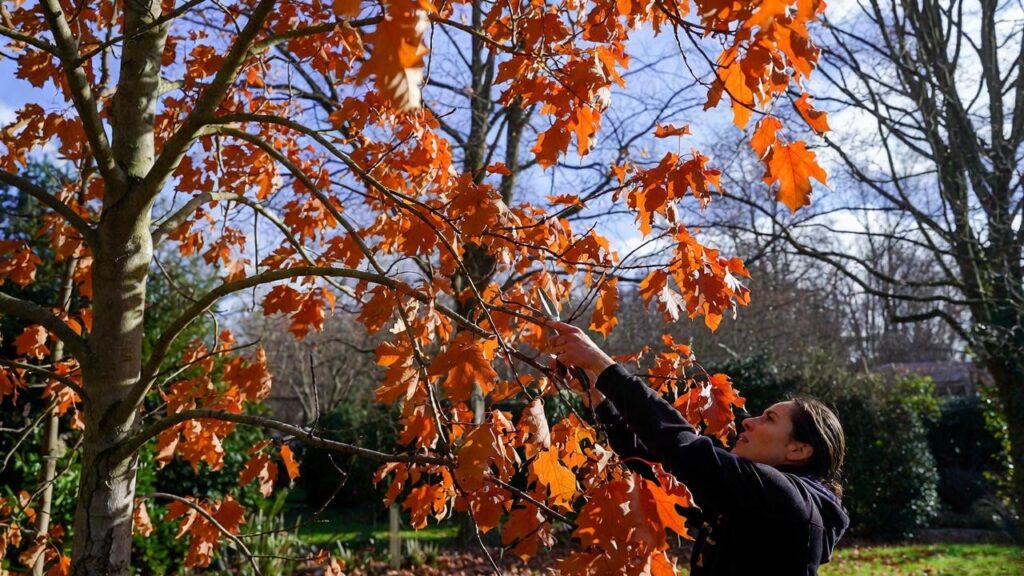
Imagine stepping outside on a crisp December morning—like today, December 24, 2025—and noticing your majestic maple tree could use a little shaping before spring arrives. But then you hesitate: Will pruning now cause that dreaded sap bleeding you’ve heard about? As a certified arborist with over 15 years of experience caring for thousands of maple trees across various climates, I’ve guided countless homeowners through this exact dilemma. The good news? Knowing the best time to prune maple trees can prevent messy sap issues, reduce disease risk, and encourage vibrant, healthy growth that leads to even more stunning fall colors. 🍁
In this in-depth guide, backed by recommendations from trusted sources like the University of Minnesota Extension, Purdue University Extension, and the Morton Arboretum, we’ll explore the optimal pruning windows, why timing matters for Acer species, and step-by-step techniques to keep your maple thriving. Whether you have a towering sugar maple, elegant Japanese maple, or resilient red maple, proper timing turns pruning into a rewarding investment in your tree’s long-term beauty and structure. Let’s dive in and make your maple the envy of the neighborhood! ✨

Understanding Maple Tree Biology: The Key to Smart Pruning 🧠
Maple trees (Acer spp.) are beloved for their brilliant autumn foliage, graceful forms, and shade-providing canopies. But what sets them apart from many other deciduous trees is their tendency to “bleed” sap profusely when pruned at certain times. This sap flow is driven by root pressure, especially in late winter and early spring, as the tree prepares for new growth.
Why Maples Bleed Sap and What It Really Means 💧
When you make a cut on a maple branch during peak sap rise, clear sap oozes out—sometimes dramatically. This is most noticeable in species like sugar maples (Acer saccharum), red maples (Acer rubrum), and silver maples (Acer saccharinum). While it looks alarming (and can be messy on sidewalks or cars), research from university extensions confirms that sap bleeding is generally harmless for mature, healthy trees. The tree won’t “bleed to death”; it simply loses some water and nutrients temporarily.
However, excessive bleeding can:
- Attract insects or pests.
- Create entry points for fungal diseases if prolonged.
- Stress younger trees or saplings, potentially weakening them.
For bleeding-prone varieties, timing your cuts to avoid peak sap flow is key to a clean, low-stress prune.
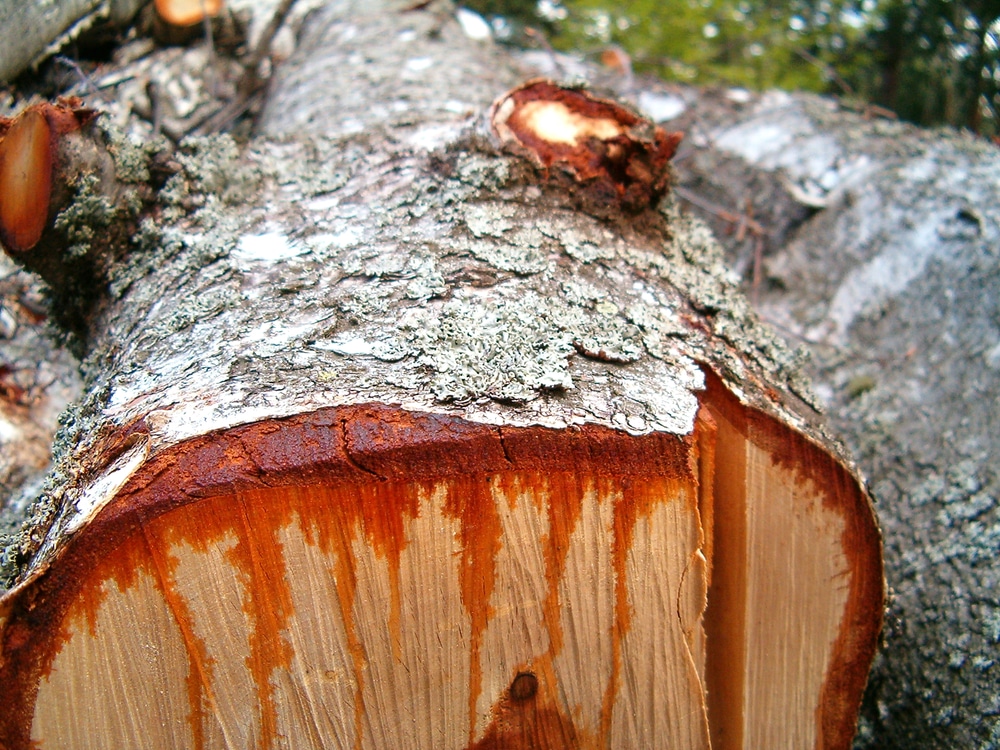
Species variations matter too:
- Sugar maples: Heavy bleeders, especially relevant for those tapping syrup.
- Japanese maples (Acer palmatum): More sensitive overall; bleeding is less but structural damage from poor timing can stunt delicate branches.
- Norway or silver maples: Faster-growing and more prone to weak branch attachments, benefiting greatly from timely structural pruning.
Young trees (under 10-15 years) are more vulnerable to stress from sap loss or improper cuts, so prune lightly and focus on establishing strong form early.
Benefits of Proper Pruning for Maple Health and Aesthetics 🌟
Done right and at the right time, pruning offers massive rewards:
- Stronger structure: Removes weak, crossing, or co-dominant branches to prevent storm damage.
- Better airflow and light penetration: Reduces risk of fungal diseases like anthracnose or verticillium wilt common in maples.
- Enhanced vigor and beauty: Promotes balanced growth, denser foliage, and more intense fall colors—I’ve seen properly pruned maples display reds and oranges that pop even brighter!
- Longevity: Mature maples can live 100-300 years with good care; pruning prevents hazards and maintains health.
Expert tip from years in the field: Pruning isn’t just maintenance—it’s preventive care that can add decades to your tree’s life while boosting your property’s curb appeal.
The Best Times to Prune Maple Trees: Expert Recommendations 📅
The consensus among arborists and extensions (e.g., UMN, Purdue, Arbor Day Foundation) is clear: The two optimal windows are late dormant season (late winter) or mid-to-late summer (after full leaf-out). Today, on December 24, 2025, we’re squarely in the late dormant period—perfect for many maples if temperatures aren’t extremely cold.
Optimal Window #1 – Late Winter/Early Spring (Dormant Season) ❄️
- Ideal timing: Late December to early March, before buds swell (avoid once sap starts rising noticeably).
- Pros:
- Bare branches make structure easy to assess.
- Wounds heal quickly as spring growth begins.
- Low risk of disease transmission (pathogens are dormant).
- Promotes vigorous regrowth in spring.
- Cons: Potential for heavy sap bleeding (cosmetic issue for mature trees; more concerning for young ones).
- Best for: Major structural pruning, removing deadwood, or shaping young trees.
Since it’s currently late December 2025, this is an excellent time in most regions—especially if you’re in USDA Zones 4-8 where maples thrive.
Regional Adjustments for Your Climate 🗺️
Timing shifts slightly by USDA hardiness zone:
- Colder zones (3-5, e.g., Minnesota, northern states): Wait until February to avoid extreme cold stressing fresh cuts.
- Milder zones (6-8, e.g., Midwest to mid-Atlantic): Late December to January works well.
- Warmer zones (8-9): Early winter (December) is ideal to beat early bud break.
Always check local frost dates and bud swell signs.
Optimal Window #2 – Mid-to-Late Summer (After Full Leaf-Out) ☀️
- Ideal timing: July to early August, after the spring growth flush completes and leaves are fully hardened.
- Pros:
- Virtually no sap bleeding—perfect for tidy results on heavy bleeders.
- Good visibility of canopy density and issues.
- Wounds compartmentalize before winter.
- Cons: Slightly slower healing; avoid during heatwaves to prevent stress.
- Best for: Thinning crowded canopies, corrective cuts, or pruning bleeding-prone species like sugar maples.
This window is my go-to recommendation for homeowners worried about mess.
Pruning by Season – Pros, Cons, and Verdict ⚖️
Here’s a quick comparison:
- Late Winter/Dormant:
- Pros: Best visibility, strong spring response, low disease risk.
- Cons: Possible bleeding.
- Verdict: Top choice for structural work on most maples. Great right now in December 2025!
- Summer:
- Pros: No bleeding, clean results.
- Cons: Hot weather caution.
- Verdict: Ideal alternative for aesthetics and minimal mess.
- Early Spring (Bud Break to Leaf-Out): Avoid! Peak sap pressure causes excessive bleeding.
- Fall: Strongly avoid! Open wounds invite fungi (e.g., during spore release), and new growth stimulated could freeze in winter.
Dead, broken, or hazardous branches? Prune those anytime—safety first!
Special Considerations for Popular Maple Varieties 🍂
- Japanese Maples: Prefer late winter for structural pruning or summer for thinning. Their delicate branches heal best when dormant; avoid fall to prevent frost damage on new cuts.

- Red/Silver Maples: Late winter is fine, but summer minimizes mess and supports their fast growth.
- Sugar Maples: Mid-summer (July-August) is preferred to avoid bleeding, especially if near tapping season.
Step-by-Step Guide: How to Prune Your Maple Tree Safely 🔧
Pruning a maple doesn’t have to be intimidating. With the right approach, you can achieve professional results that enhance health and appearance while minimizing stress. Always prioritize safety: Wear sturdy gloves, safety glasses, long sleeves, and a hard hat if working at height. Use stable ladders and never overreach.

Essential Tools You’ll Need 🛠️
Investing in quality tools makes pruning easier, safer, and more effective. Here’s what I recommend based on years of professional use:
- Hand pruners (secateurs): For branches up to ½ inch thick. Choose bypass style (scissor-like) for clean cuts—avoid anvil pruners that can crush tissue.
- Loppers: For branches ½ to 1¾ inches. Telescoping handles add reach.
- Pruning saw: Folding or pole-mounted for thicker branches (over 2 inches).
- Pole pruner: Essential for high branches without ladders.
- Disinfectant: Rubbing alcohol or bleach solution (10%) to sterilize tools between trees or cuts on diseased branches.
Expert tip: Keep blades sharp! Dull tools tear bark, slowing healing and inviting disease. Sharpen annually or as needed.
Proper Pruning Techniques ✂️
Follow ANSI A300 pruning standards—the industry benchmark—for best results. The goal is natural target pruning: Cut just outside the branch collar (the swollen area where branch meets trunk) to promote rapid compartmentalization.

- The 3-cut method for large branches (prevents bark tearing):
- Undercut: Saw upward 6-12 inches from trunk, about ⅓ through the branch.
- Top cut: Saw downward a few inches further out until branch falls.
- Final cut: Remove stub just outside branch collar—don’t cut flush to trunk!
- Small branches: Single cut at 45-degree angle just beyond collar.
- Never leave stubs: They decay slowly and invite pests.
- Rule of thumb: Remove no more than 20-25% of live canopy in one year (10-15% for young or stressed trees).
What to Prune (Prioritized List)
Focus on these in order during your session:
- Dead, diseased, or damaged branches (the “3 Ds”)—remove anytime for safety.
- Crossing or rubbing branches—keep the stronger one.
- Water sprouts/suckers—vigorous upright shoots from base or trunk.
- Narrow V-shaped crotches—weak attachments prone to splitting.
- Branches growing inward, downward, or toward structures—for clearance and shape.
- Co-dominant leaders—in young trees, select one strong central leader.
Pruning Young vs. Mature Maples 👶🧓
- Young maples (under 10-15 years): Focus on structure. Establish a strong central leader, space lateral branches 18-36 inches apart, and remove competing stems early. Light annual pruning here pays huge dividends later.
- Mature maples: Maintenance only—thinning for light/air, crown raising for clearance, or reduction for storm resistance. Avoid heavy cuts that trigger excessive watersprouts.
After pruning, monitor for a season. Water deeply during dry spells and mulch around the base (keeping it away from trunk) to support recovery.
Common Pruning Mistakes and How to Avoid Them ⚠️
Even well-meaning homeowners can harm their maples with these frequent errors—I’ve corrected many over the years!
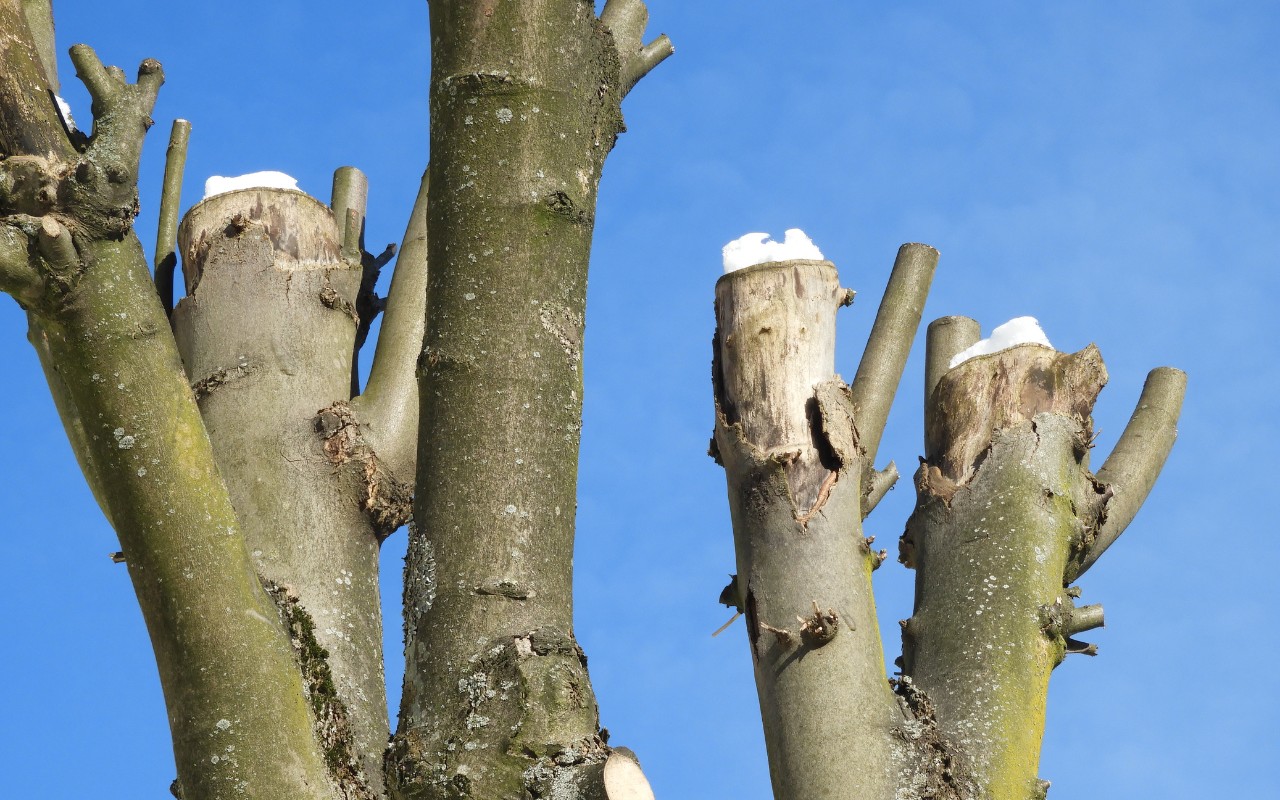
- Topping (heading cuts on main stems): Creates weak, bushy regrowth and decay. Avoid entirely—use crown reduction instead.
- Flush cuts: Removing the branch collar destroys natural healing barriers.
- Over-pruning (“lion’s tailing”): Stripping inner branches leaves weight on ends, risking breakage.
- Pruning paint/sealants: Unnecessary and can trap moisture/disease—modern research shows trees heal best naturally.
- Wrong timing: As we’ve covered, spring or fall cuts cause most issues.
Pro insight: If you’re unsure about a cut, step back and assess the tree’s overall form. Less is often more with maples.
When to Call a Professional Arborist 📞
While many pruning tasks are DIY-friendly, some situations demand expertise:
- Trees taller than 15-20 feet or with branches over 4-6 inches diameter.
- Work near power lines (only utility-certified pros).
- Signs of major disease, decay, or structural weakness.
- Large-scale crown reduction or restoration.
Look for ISA (International Society of Arboriculture) certified arborists—they follow evidence-based standards. A consultation often saves money long-term by preventing costly damage.

Expert Insights: Real-World Tips from the Field 🌿
Over 15+ years, these lessons stand out:
- “Summer pruning is my secret for zero-mess jobs on sugar maples—clients love the clean look!”
- For Japanese maples, always prune lightly; their elegant form comes from minimal intervention.
- Post-pruning care: Fertilize sparingly (only if soil tests show deficiency) and avoid stress during establishment.
- Climate note: In warming zones, shift toward summer pruning as sap rise starts earlier.
One memorable case: A client topped their red maple years ago—weak sprouts everywhere. Targeted thinning over three seasons restored natural shape and strength.
Frequently Asked Questions (FAQs) ❓
Q: Will sap bleeding kill my maple tree? A: No. For healthy mature trees, it’s purely cosmetic and stops naturally. Young trees may lose some vigor, so choose summer pruning if concerned.
Q: Can I prune my maple right now in December 2025? A: Absolutely! Late December is prime dormant-season timing in most regions—go for it before January thaws.
Q: What’s the best time for pruning Japanese maple laceleaf varieties? A: Late winter for structure or mid-summer for thinning. Their fine branches are sensitive to frost on fresh cuts.
Q: How soon after storm damage should I prune broken branches? A: As soon as safely possible—broken/hanging limbs anytime to prevent further tearing.
Q: Do I need to seal pruning wounds on maples? A: No. Research from ISA and extensions shows sealants do more harm than good.
Q: How much can I prune off my maple in one year? A: 20-25% maximum of live foliage. Spread major work over years.
Conclusion: Prune Smart for a Thriving Maple Legacy 🌳✨
Mastering the best time to prune maple trees—late dormant winter like right now in December 2025 or mid-to-late summer—unlocks healthier growth, stunning fall displays, and decades of shade and beauty. By avoiding sap-heavy periods, using proper techniques, and knowing your tree’s needs, you’ll prevent common issues while promoting strength and vibrancy.
Your maple is a long-term investment. Treat it with informed care, and it’ll reward you with brilliant autumn fireworks year after year. 🍁 If questions remain, consult a local certified arborist—they’re worth it for peace of mind.
Happy pruning, and enjoy watching your maple flourish!











