Picture this: you’ve spent weeks nurturing your garden, anticipating a massive bounty of spicy, crisp peppers for salsas and grilling. But as late summer rolls around, you are left staring at a spindly, stressed plant clinging to just two or three undersized peppers. If you have ever experienced this frustrating scenario, you are not alone. Cultivating high-yielding jalapeno pepper plants requires more than just tossing a few seeds into the dirt and hoping for the best.
While jalapenos (Capsicum annuum) are often marketed as beginner-friendly, unlocking their true potential—turning a mediocre plant into a heavy-yielding, lush bush—requires a precise understanding of their biological needs. As a horticulturist and long-time nightshade grower, I’ve tested countless soil amendments, pruning techniques, and watering schedules to find exactly what makes these fiery fruits tick.
Whether you are growing in raised beds, backyard plots, or five-gallon patio containers, there is a science to maximizing your harvest. In this comprehensive guide, we are diving deep into the horticulture behind pepper growth. By mastering these 7 expert care secrets, you will transform your gardening approach from basic seed-sowing to advanced cultivation, ensuring a harvest so abundant you’ll be giving peppers away to your neighbors. Let’s dig in! 🧑🌾✨
2. Secret #1: The “Goldilocks” Temperature and Sun Protocol ☀️
Jalapenos are native to Mexico and thrive in hot, arid environments. In their natural habitat, they are actually tender perennials, though most northern gardeners treat them as annuals. Because of their heat-loving genetics, they require highly specific environmental triggers to produce a heavy yield rather than just a canopy of green leaves.
Mastering the 6-8 Hour Rule ⏱️
When it comes to sunlight, jalapeno pepper plants are not willing to compromise. To achieve optimal fruit production, your plants require an absolute minimum of 6 to 8 hours of direct, unobstructed sunlight per day.
-
Vegetative vs. Fruiting Growth: While a jalapeno plant might survive and produce beautiful green foliage on just 4 hours of sun, it simply won’t have the photosynthetic energy required to set blossoms and develop fruit.
-
The Microclimate Advantage: If you live in a cooler climate or a zone with short growing seasons, you can “cheat” the system by utilizing microclimates. Planting your peppers near a south-facing brick wall or a concrete patio allows the structure to absorb solar heat during the day and radiate it back to the plants at night, effectively extending your growing conditions.
Soil Temperature Over Air Temperature 🌡️
One of the most common mistakes novice growers make is transplanting their seedlings outdoors the moment the risk of frost has passed. However, jalapenos care far more about soil temperature than air temperature.
If the soil is too cold (below 65°F or 18°C), the plant’s roots will experience transplant shock, stunting their growth permanently—a condition known as “cold locking.”
-
The Expert Fix: Use a digital soil thermometer to check the earth before planting. To artificially warm your soil early in the season, lay down black plastic mulch or dark landscaping fabric over your planting beds two weeks prior to transplanting. The black material absorbs solar radiation, raising the soil temperature significantly and giving your jalapeno roots the warm, cozy environment they crave.

3. Secret #2: Building a High-Drainage, Nutrient-Dense Foundation 🪱
Like most members of the nightshade family, jalapeno pepper plants absolutely despise “wet feet.” Roots left sitting in dense, waterlogged earth will quickly succumb to root rot. However, because they are heavy feeders during their fruiting cycle, the soil must simultaneously hold massive amounts of accessible nutrients.
The Ideal Soil pH and Texture 🧪
To get the most out of your fertilizer, your soil must be in the correct pH range. Jalapenos thrive in slightly acidic to neutral soil, right in the “sweet spot” of 6.0 to 6.8 pH. If your soil is too alkaline, the plant will be unable to absorb essential micronutrients like iron and magnesium, leading to yellowing leaves (chlorosis).
-
Amending Your Soil: If you have heavy clay soil, you must aggressively amend it before planting. Work in generous amounts of organic compost, perlite, and aged composted manure to loosen the texture. The goal is a loamy, crumbly foundation that drains quickly but holds enough moisture like a wrung-out sponge.
The Mycorrhizal Fungi Advantage 🍄
If you want to grow skyscraper-level plants, you need to look beneath the surface. One of the best-kept secrets in competitive vegetable gardening is the use of beneficial microbes.
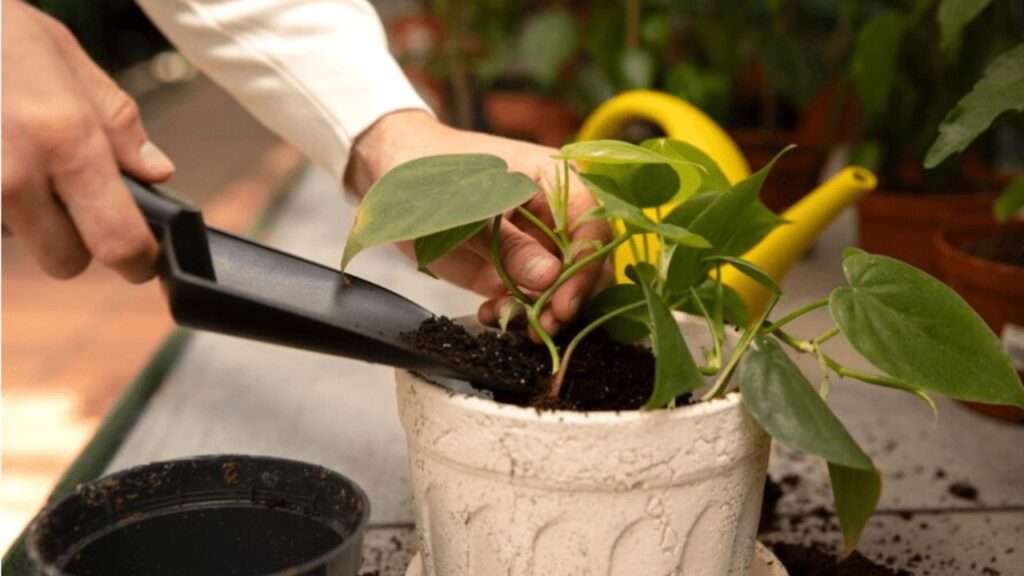
When you transplant your jalapeno seedlings, dust the root ball with a high-quality mycorrhizal fungi inoculant. These beneficial fungi form a symbiotic relationship with the pepper plant’s roots, essentially acting as microscopic extensions of the root system. This biological network can increase the plant’s ability to uptake water and vital nutrients (especially phosphorus) by up to 300%. The result? A stronger, more drought-resistant plant capable of supporting dozens of heavy peppers simultaneously.

4. Secret #3: Precision Watering (The Secret to Heat and Health) 💧
When cultivating nightshades, watering is an art form. In fact, overwatering kills significantly more jalapeno pepper plants than drought ever will. While they need consistent moisture to develop plump, crunchy fruits, suffocating the roots with daily watering is a surefire way to stunt growth and invite disease.
Deep, Infrequent Watering vs. Shallow Sprinkling 🚿
The secret to a robust, resilient plant lies in how you train its root system. If you give your plants a light sprinkle of water every day, the roots will stay shallow, hovering near the surface where the water is. This makes the plant incredibly vulnerable to hot summer days and drought conditions.
-
The Deep Soak Method: Instead of daily sprinkling, aim for deep, infrequent watering. Soak the soil thoroughly at the base of the plant 1-2 times a week (depending on your climate and rainfall). This forces the taproots to drive deep into the earth in search of moisture, resulting in a stronger, more self-sufficient plant that won’t wilt the moment the sun comes out.
-
Irrigation Setup: For the best results, use a drip irrigation system or a soaker hose beneath a layer of organic mulch. This keeps the water off the foliage, which is critical for preventing fungal diseases.
How Stress Impacts Scoville Units (Spiciness) 🌶️🔥
Here is an insider secret for heat lovers: you can actually manipulate the spiciness of your jalapenos through controlled watering.
The heat in a jalapeno is measured in Scoville Heat Units (SHU), driven by a chemical compound called capsaicin. Capsaicin is naturally produced as a defense mechanism when the plant is stressed.
-
The Spicy Hack: If you prefer a fiery kick, intentionally underwater your plants just as the fruits begin to reach their mature size. Let the leaves wilt very slightly before giving them a deep drink. This controlled “drought stress” triggers a surge in capsaicin production, yielding a significantly spicier pepper without permanently damaging your crop.
5. Secret #4: Staged Feeding for Foliage, Then Flowers 🌿🌸
Feeding your jalapeno pepper plants the exact same fertilizer from spring through fall is a massive missed opportunity. To achieve skyscraper-level yields, you need a two-stage feeding protocol that aligns with the plant’s biological growth phases.
Early Stage: The Nitrogen Boost 📈
For the first 4 to 6 weeks after transplanting, your plant has one job: build structural mass. It needs strong, thick stems and a dense canopy of leaves to support the future weight of the peppers and photosynthesize effectively.
-
What to Use: During this vegetative stage, feed your plants a fertilizer slightly higher in Nitrogen (the first number in the N-P-K ratio). An organic fish emulsion or a balanced 10-10-10 fertilizer works wonders here.
Bloom Stage: The Phosphorus & Potassium Shift 🌺
Once you see the first white blossoms forming on your jalapeno pepper plants, it is time to pivot immediately. If you continue feeding high nitrogen, you will end up with a massive, beautiful green bush that produces absolutely zero peppers.
-
The Switch: Transition to a “bloom booster” fertilizer that is low in nitrogen but high in Phosphorus and Potassium (such as a 5-10-10 ratio). Phosphorus is vital for blossom development, while Potassium helps with overall plant health and fruit sizing.
-
Expert Troubleshooting (Cal-Mag): A heartbreaking issue for many growers is “blossom drop,” where healthy-looking flowers fall off before a pepper can form. This is often caused by temperature fluctuations or a lack of calcium and magnesium. Adding a Cal-Mag supplement to your watering routine during the bloom phase fortifies cell walls, prevents blossom drop, and eliminates the risk of blossom end rot (a condition where the bottom of the pepper turns black and decays).
6. Secret #5: The “Topping” and Pruning Debate Settled ✂️
If you want a plant that yields dozens of peppers simultaneously, you have to dictate its shape. Left to their own devices, many pepper varieties will grow tall and spindly, eventually snapping under the weight of their own fruit in a strong wind.
Should You “Topping” Your Jalapeno Plants? 🪴
“Topping” is the practice of snipping off the main central stem of a young pepper plant. This removes the plant’s apical dominance (its desire to grow straight up) and forces it to redirect energy into lateral branching.
-
The Science: By cutting the main stem just above a set of healthy leaf nodes (when the plant is about 6-8 inches tall), the plant will form a sturdy “Y” shape. This creates a bushier, wider canopy with double the amount of fruiting branches and a lower center of gravity, making it incredibly wind-resistant.
-
When to Avoid It: If you have a very short growing season, avoid topping. The plant takes about 1-2 weeks to recover from the snip, which can delay your harvest slightly.
Pruning for Airflow and Disease Prevention 🌬️
As your plant matures, disease prevention becomes paramount. Soil-borne pathogens (like early blight) travel via water splashing from the dirt onto the lower leaves of the plant.
-
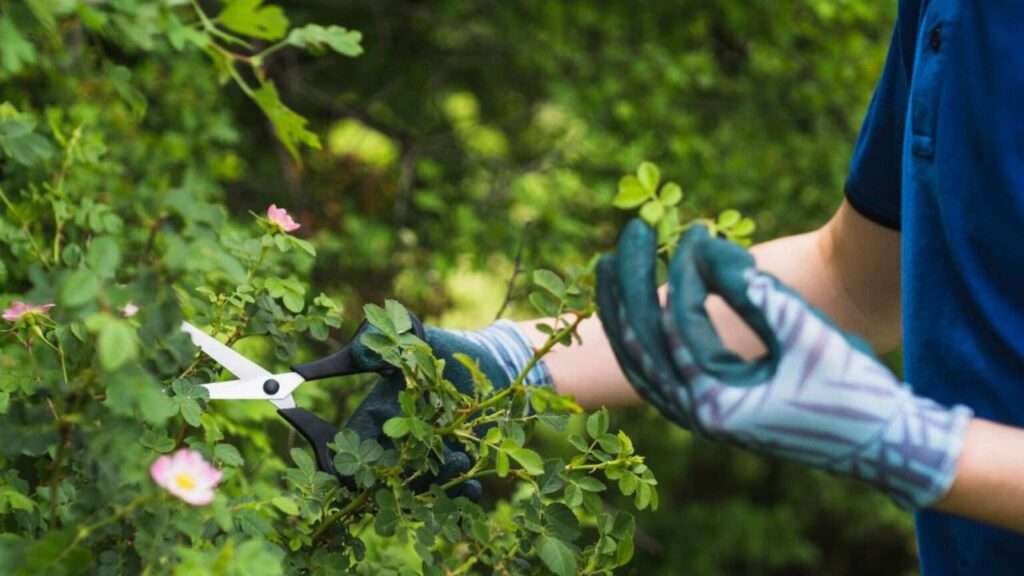
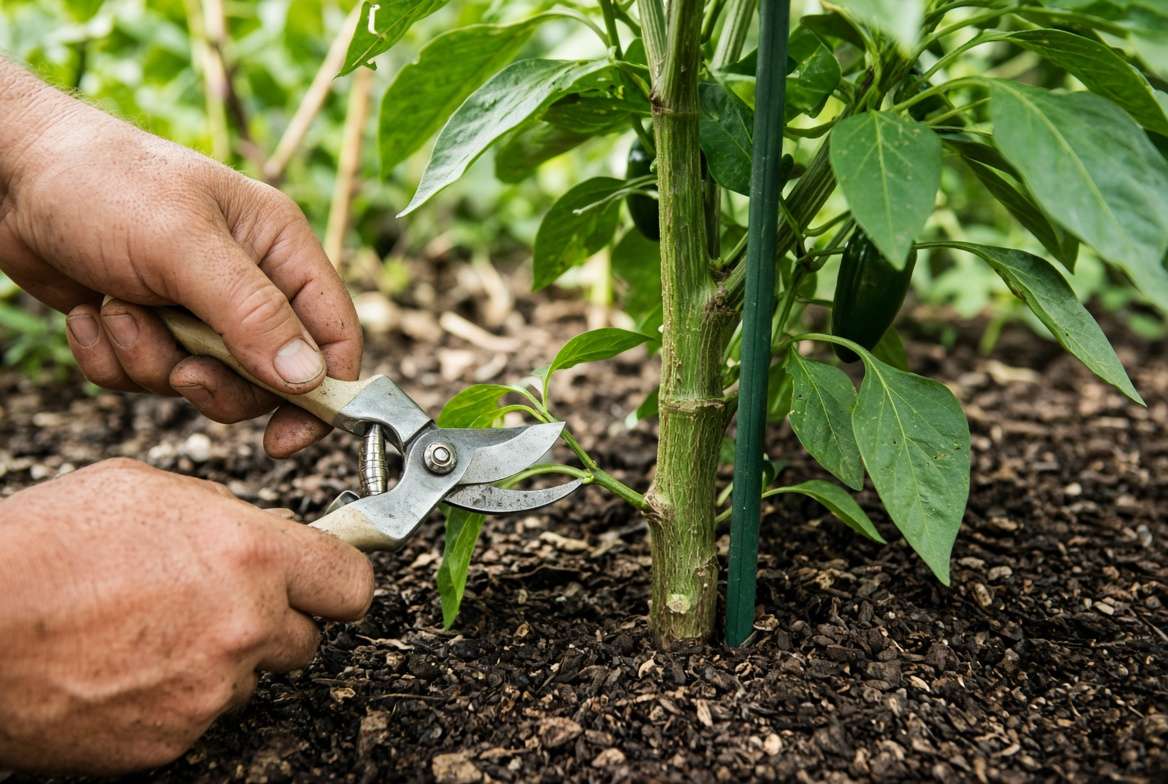
The “Splash Zone” Clear Out: Once your jalapeno pepper plant is established, take clean pruning shears and remove the bottom 4 to 6 inches of leaves and non-fruiting suckers. This creates a clear gap between the soil and the foliage canopy. Not only does this prevent soil splashing, but it also dramatically increases airflow around the base of the plant, preventing the stagnant, humid conditions that fungal spores love.
4. Secret #3: Precision Watering (The Secret to Heat and Health) 💧
When cultivating nightshades, watering is an art form. In fact, overwatering kills significantly more jalapeno pepper plants than drought ever will. While they need consistent moisture to develop plump, crunchy fruits, suffocating the roots with daily watering is a surefire way to stunt growth and invite disease.
Deep, Infrequent Watering vs. Shallow Sprinkling 🚿
The secret to a robust, resilient plant lies in how you train its root system. If you give your plants a light sprinkle of water every day, the roots will stay shallow, hovering near the surface where the water is. This makes the plant incredibly vulnerable to hot summer days and drought conditions.
-
The Deep Soak Method: Instead of daily sprinkling, aim for deep, infrequent watering. Soak the soil thoroughly at the base of the plant 1-2 times a week (depending on your climate and rainfall). This forces the taproots to drive deep into the earth in search of moisture, resulting in a stronger, more self-sufficient plant that won’t wilt the moment the sun comes out.
-
Irrigation Setup: For the best results, use a drip irrigation system or a soaker hose beneath a layer of organic mulch. This keeps the water off the foliage, which is critical for preventing fungal diseases.
How Stress Impacts Scoville Units (Spiciness) 🌶️🔥
Here is an insider secret for heat lovers: you can actually manipulate the spiciness of your jalapenos through controlled watering.
The heat in a jalapeno is measured in Scoville Heat Units (SHU), driven by a chemical compound called capsaicin. Capsaicin is naturally produced as a defense mechanism when the plant is stressed.
-
The Spicy Hack: If you prefer a fiery kick, intentionally underwater your plants just as the fruits begin to reach their mature size. Let the leaves wilt very slightly before giving them a deep drink. This controlled “drought stress” triggers a surge in capsaicin production, yielding a significantly spicier pepper without permanently damaging your crop.
5. Secret #4: Staged Feeding for Foliage, Then Flowers 🌿🌸
Feeding your jalapeno pepper plants the exact same fertilizer from spring through fall is a massive missed opportunity. To achieve skyscraper-level yields, you need a two-stage feeding protocol that aligns with the plant’s biological growth phases.
Early Stage: The Nitrogen Boost 📈
For the first 4 to 6 weeks after transplanting, your plant has one job: build structural mass. It needs strong, thick stems and a dense canopy of leaves to support the future weight of the peppers and photosynthesize effectively.
-
What to Use: During this vegetative stage, feed your plants a fertilizer slightly higher in Nitrogen (the first number in the N-P-K ratio). An organic fish emulsion or a balanced 10-10-10 fertilizer works wonders here.
Bloom Stage: The Phosphorus & Potassium Shift 🌺
Once you see the first white blossoms forming on your jalapeno pepper plants, it is time to pivot immediately. If you continue feeding high nitrogen, you will end up with a massive, beautiful green bush that produces absolutely zero peppers.
-
The Switch: Transition to a “bloom booster” fertilizer that is low in nitrogen but high in Phosphorus and Potassium (such as a 5-10-10 ratio). Phosphorus is vital for blossom development, while Potassium helps with overall plant health and fruit sizing.
-
Expert Troubleshooting (Cal-Mag): A heartbreaking issue for many growers is “blossom drop,” where healthy-looking flowers fall off before a pepper can form. This is often caused by temperature fluctuations or a lack of calcium and magnesium. Adding a Cal-Mag supplement to your watering routine during the bloom phase fortifies cell walls, prevents blossom drop, and eliminates the risk of blossom end rot (a condition where the bottom of the pepper turns black and decays).
6. Secret #5: The “Topping” and Pruning Debate Settled ✂️
If you want a plant that yields dozens of peppers simultaneously, you have to dictate its shape. Left to their own devices, many pepper varieties will grow tall and spindly, eventually snapping under the weight of their own fruit in a strong wind.
Should You “Topping” Your Jalapeno Plants? 🪴
“Topping” is the practice of snipping off the main central stem of a young pepper plant. This removes the plant’s apical dominance (its desire to grow straight up) and forces it to redirect energy into lateral branching.
-
The Science: By cutting the main stem just above a set of healthy leaf nodes (when the plant is about 6-8 inches tall), the plant will form a sturdy “Y” shape. This creates a bushier, wider canopy with double the amount of fruiting branches and a lower center of gravity, making it incredibly wind-resistant.
-
When to Avoid It: If you have a very short growing season, avoid topping. The plant takes about 1-2 weeks to recover from the snip, which can delay your harvest slightly.
Pruning for Airflow and Disease Prevention 🌬️
As your plant matures, disease prevention becomes paramount. Soil-borne pathogens (like early blight) travel via water splashing from the dirt onto the lower leaves of the plant.
-
The “Splash Zone” Clear Out: Once your jalapeno pepper plant is established, take clean pruning shears and remove the bottom 4 to 6 inches of leaves and non-fruiting suckers. This creates a clear gap between the soil and the foliage canopy. Not only does this prevent soil splashing, but it also dramatically increases airflow around the base of the plant, preventing the stagnant, humid conditions that fungal spores love.
7. Secret #6: Playing “Bee” (Ensuring Maximum Pollination) 🐝
It is a common misconception that you need a yard swarming with bees to get a good pepper harvest. Jalapeno pepper plants actually produce “perfect flowers,” meaning each individual blossom contains both male and female reproductive parts. They are self-pollinating, but that doesn’t mean they don’t need a little mechanical help to move the pollen from the anther to the stigma.
The “Tickle” Method for Guaranteed Fruit Set 🪥
In a natural outdoor environment, a steady breeze is usually enough to agitate the flowers and trigger pollination. However, if you are growing your jalapenos in a sheltered patio corner, a greenhouse, or during a stretch of stagnant, windless weather, you might notice healthy flowers drying up and falling off (blossom drop).
-
The Electric Toothbrush Hack: To guarantee a massive fruit set, take an old electric toothbrush and gently touch the vibrating head to the back of the flower stem for one to two seconds. The high-frequency vibration mimics the “buzz pollination” of a bumblebee, releasing a visible cloud of pollen perfectly within the flower. If you don’t have an electric toothbrush, simply giving the main stem of the plant a gentle but firm shake every morning will do the trick.
Companion Planting for Pollinators and Protection 🌼
While you can hand-pollinate, the ultimate goal of an expert gardener is to create a self-sustaining ecosystem. Integrating companion plants around your jalapeno pepper plants is a brilliant way to attract native bees, hoverflies, and beneficial predatory insects.
-
Strategic Pairings: Plant French marigolds to deter root-knot nematodes in the soil, and sweet alyssum to attract parasitic wasps that feed on caterpillars. Basil is another excellent companion; not only does it attract pollinators when it bolts, but some gardeners swear the aromatic oils improve the flavor of neighboring peppers!
8. Secret #7: Proactive Defense Against Pests and Blight 🛡️
A thriving jalapeno plant is a beacon for garden pests. Waiting until your plant is half-eaten or covered in spots is a losing battle. The key to organic, high-yield gardening is Integrated Pest Management (IPM)—stopping infestations before they explode.
Beating Aphids, Hornworms, and Flea Beetles 🐛
-
Aphids: These tiny, sap-sucking insects love congregating on the tender new growth of pepper plants, leaving behind a sticky residue (honeydew) that leads to sooty mold.
-
The Fix: Blast them off with a strong jet of water from the hose, followed by a thorough application of cold-pressed Neem oil or insecticidal soap applied in the late evening. For a biological approach, release live ladybugs or lacewings into your garden at dusk.
-
-
Tomato Hornworms: Despite the name, these massive green caterpillars will happily decimate a jalapeno plant overnight.
-
The Fix: The most effective method is utilizing a blacklight flashlight at night. Hornworms glow bright green under UV light, making them incredibly easy to spot and hand-pick into a bucket of soapy water.
-
Preventing Fungal Diseases 🍂
Fungal spores thrive in dark, stagnant, and wet conditions. If your jalapenos are packed tightly together, you are creating the perfect microclimate for powdery mildew and early blight.
-
The Spacing Rule: Always space your plants a minimum of 18 to 24 inches apart in the garden bed. This generous spacing ensures proper canopy airflow, allowing the morning sun to quickly dry the morning dew off the leaves, neutralizing fungal threats before they can take hold.
9. The Harvest: Timing is Everything for Flavor and Yield 🧺
After months of careful cultivation, the harvest is your reward. But knowing exactly when and how to pick your peppers can dramatically impact both the flavor profile of your current crop and the future yield of the plant.
Green vs. Red Jalapenos (When to Pick) ❤️💚
Many beginners do not realize that all jalapenos will eventually turn red if left on the vine. The color you choose to harvest dictates the culinary experience:
-
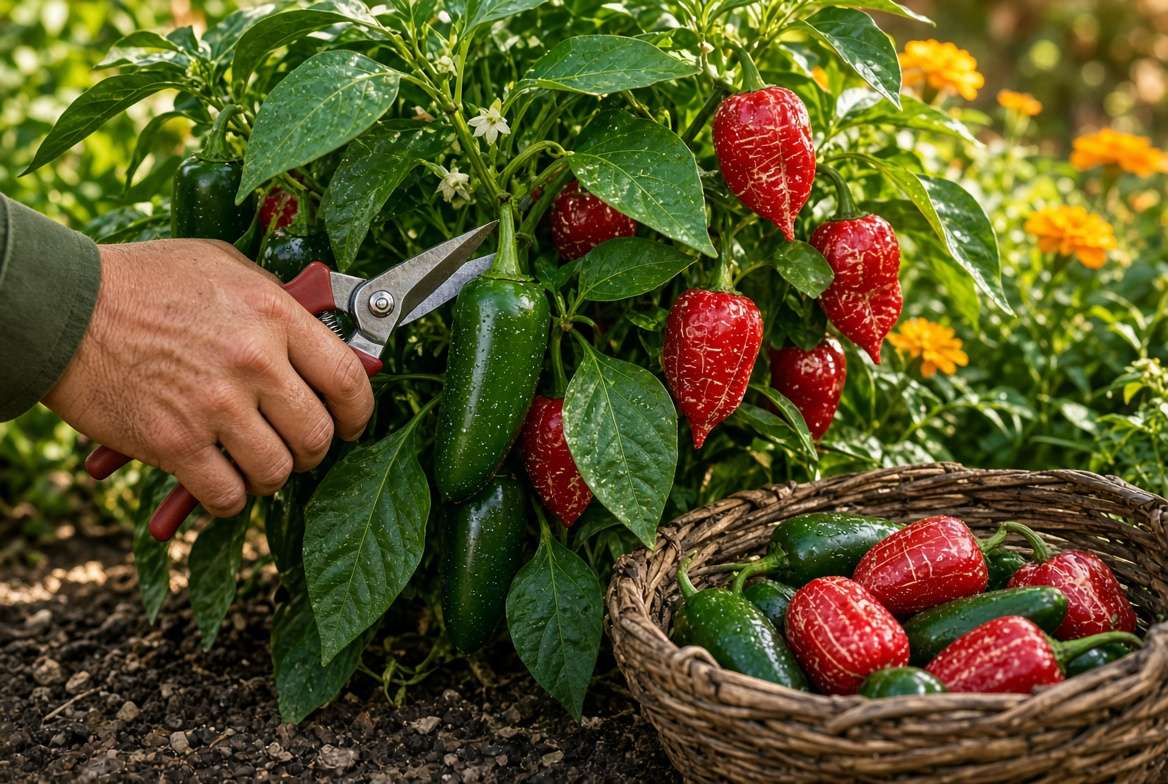
Green Jalapenos: Picked when they are firm, bright green, and roughly 3 to 4 inches long. They offer a sharp, grassy, and crisp bite perfect for fresh salsas and pickling.
-
Red Jalapenos: Leaving the pepper on the vine to fully ripen to a deep crimson red increases its sweetness and, often, its overall heat level. Red jalapenos are the gold standard for roasting, smoking (making chipotles), and fermenting into hot sauces.
-
Look for “Corking”: Want the absolute best flavor? Look for peppers with white, stretch-mark-like lines running down the skin. This is called “corking,” and it indicates rapid growth and maximum capsaicin buildup. A heavily corked jalapeno is a sign of a perfectly grown, fiery pepper.
The “Cut, Don’t Pull” Rule ✂️
When you see a perfect pepper, it is tempting to just yank it off the branch. Do not do this! Jalapeno stems are surprisingly brittle, and pulling on a fruit can easily snap an entire primary fruiting branch, destroying weeks of future potential.
-
The Technique: Always use a pair of sharp, sanitized micro-snips or pruning shears to cut the stem about half an inch above the pepper.
10. Frequently Asked Questions (Expert Q&A) ❓
Why are my jalapeno pepper plant leaves turning yellow? Yellowing leaves (chlorosis) usually point to one of two distinct issues. If the lower leaves are turning yellow and dropping, it is often a sign of overwatering or poor soil drainage suffocating the roots. If the entire plant is turning pale yellow, it is likely a nitrogen deficiency, meaning it is time to apply a balanced, water-soluble organic fertilizer.
How long does it take for jalapenos to grow? From the day you transplant a healthy seedling into your garden, you can expect to wait anywhere from 70 to 85 days for your first harvestable green peppers. Red, fully mature peppers will require an additional 2 to 3 weeks on the vine.
Can you grow jalapenos in pots? Absolutely! Jalapeno pepper plants make fantastic container specimens, provided you follow a few rules. You must use a pot that is a minimum of 5 gallons (19 liters) to give the taproot enough room to establish. Ensure the container has excellent drainage holes, and use a high-quality, lightweight potting mix heavily amended with perlite—do not use heavy garden soil in a pot, as it will compact and choke the root system.