
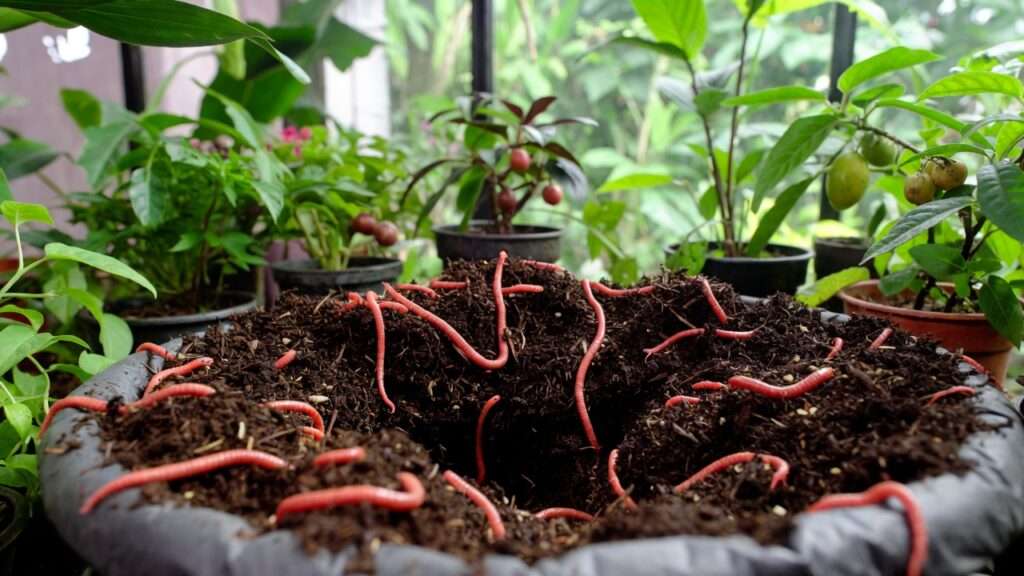
Imagine this: Your kitchen scraps are no longer waste—they’re fuel for lush, vibrant plants and stronger trees in your garden. Yet, one wrong choice in worms can turn your vermicomposting dream into a smelly, sluggish mess. 😩 If you’re a plant lover tired of poor soil, chemical fertilizers, or endless yard waste, vermicomposting with the best worm species for vermicomposting can transform everything.
As someone who’s helped countless gardeners (from balcony growers to small farm owners) set up thriving worm bins, I can tell you: the right worms make all the difference. Red Wigglers (Eisenia fetida/andrei) stand out as the gold standard for most setups, delivering fast, nutrient-rich castings that supercharge plant growth. But is it always the best fit? Let’s dive deep into the options, comparisons, and practical tips so you can choose wisely and get that black gold for your plants and trees. 🌳🍅
Why Vermicomposting Matters for Plant and Tree Care 🌿
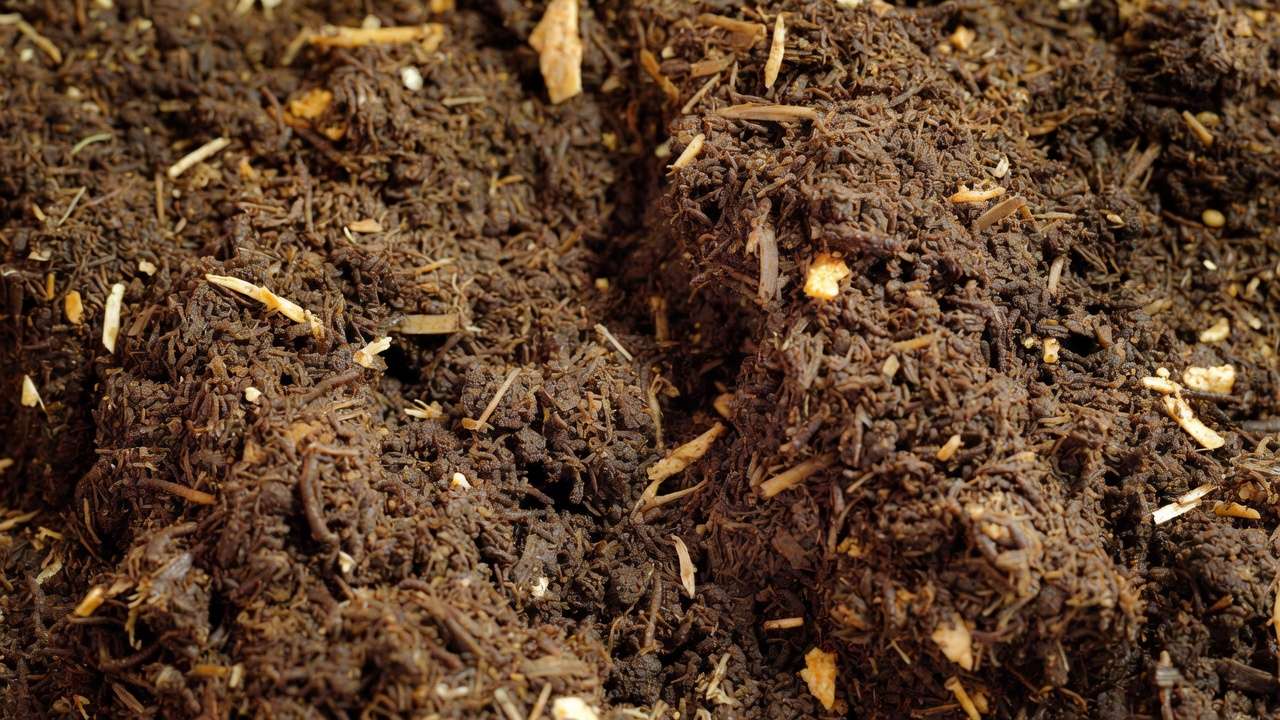
Vermicomposting isn’t just composting—it’s creating “black gold” through worm digestion. Worm castings (vermicompost) are packed with bioavailable nutrients, beneficial microbes, and natural growth hormones that regular compost can’t match.
Key benefits include:
- Improved soil structure — Castings enhance aeration, water retention, and drainage, preventing compaction in pots or garden beds.
- Nutrient boost — Typical NPK around 1-0.5-0.5 to 2-1-1 (higher in some analyses), plus micronutrients like iron, calcium, and magnesium.
- Plant health perks — Stronger roots, better disease resistance, higher yields in veggies/fruits, and even pest deterrence (studies show 20-40% fewer attacks from some pests).
- Tree-specific wins — For fruit trees or ornamentals, castings promote deeper root systems and resilience to drought/stress.
In hot, humid areas like Bangladesh, where soil often suffers from heavy rains and nutrient leaching, vermicompost rebuilds fertility sustainably. No more buying expensive fertilizers—your worms turn banana peels, veggie scraps, and fallen leaves into premium plant food! ♻️
Understanding Worm Types: Epigeic vs Endogeic vs Anecic (Quick Primer) 📚🪱
Not all worms are created equal for bins. Here’s the quick science:
- Epigeic worms (surface dwellers): These thrive in rich organic matter like kitchen scraps. They process waste quickly, reproduce fast, and stay near the top—perfect for vermicomposting.
- Endogeic worms (soil dwellers): Burrow horizontally in mineral soil; poor for bins as they need dirt and slow composters.
- Anecic worms (deep burrowers): Like nightcrawlers that pull leaves deep; great for soil aeration but escape-prone and slow in enclosed bins.
For home vermicomposting, stick to epigeic species. Common garden earthworms? They usually die or escape in bins—big rookie mistake!
The Top Worm Species for Vermicomposting: In-Depth Comparison 🆚🏆
After reviewing expert sources, extension services, and real gardener experiences, here are the heavy hitters.
Red Wigglers (Eisenia fetida / Eisenia andrei) – The Undisputed Champion 🏆
These small, reddish worms (2-4 inches) are the #1 recommendation worldwide for good reason:
- Temperature tolerance: Optimal 55–85°F (13–29°C), survive 40–90°F briefly. They handle indoor fluctuations well.
- Reproduction rate: Cocoons every 7–10 days under ideal conditions (71–89°F peak), doubling population every 60–90 days.
- Processing speed: Voracious eaters—consume up to half their body weight daily in scraps.
- Density tolerance: Thrive in crowded bins without issues.
- Castings quality: Rich, fine-textured, microbe-packed—ideal for potting mixes and top-dressing.
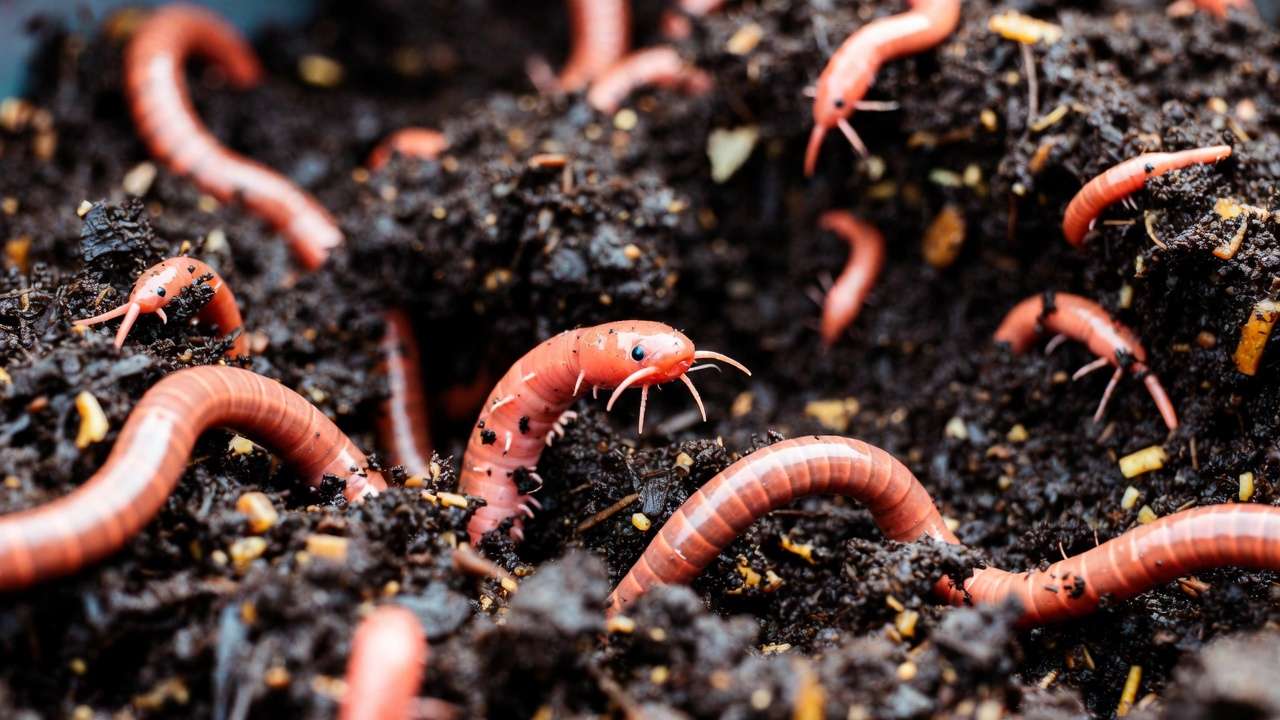
Beginners love them: forgiving, low-maintenance, and widely available. In temperate or controlled setups, they outperform others.
Indian Blue Worms (Perionyx excavatus) – The Heat-Loving Speedsters 🔥
Also called “blue worms,” these are favorites in tropical/subtropical zones.
- Pros: Explosive speed in heat (>75°F/24°C+), faster than Red Wigglers in humid conditions. Great for Bangladesh’s warm, wet climate!
- Cons: Sensitive to cold (below 60°F they slow/die), prone to escaping if conditions aren’t perfect.
- When to choose: If your bin stays consistently warm (e.g., shaded outdoor in Barisal Division), they can outpace Red Wigglers.
Many tropical gardeners switch to or mix with these for quicker results.
European Nightcrawlers (Dendrobaena veneta / Eisenia hortensis) – The Cold-Tolerant All-Rounder ❄️
Larger (4–7 inches), deeper-burrowing cousins.
- Pros: Tolerate cooler temps (down to ~40°F), good for outdoor or unheated bins in winter. Excellent dual-purpose (compost + bait).
- Cons: Slower reproduction, lower density tolerance—need more space.
- Best for: Cooler regions or larger outdoor systems.
African Nightcrawlers (Eudrilus eugeniae) – The Giant for Hot Climates 🌡️
Massive (up to 8+ inches) and heat-loving.
- Pros: Rapid growth and composting in very hot/humid areas.
- Cons: Die quickly below 60°F, require big bins and careful management.
- Regional fit: Excellent for extreme tropics, but tricky for beginners.
Other Mentions (Brief)
- Hybrids or “Alabama Jumpers” — Niche, often less reliable.
- Most experts agree: Red Wigglers win for versatility; others shine in extremes.
Quick Comparison Table (imagine this as a visual in the full post):
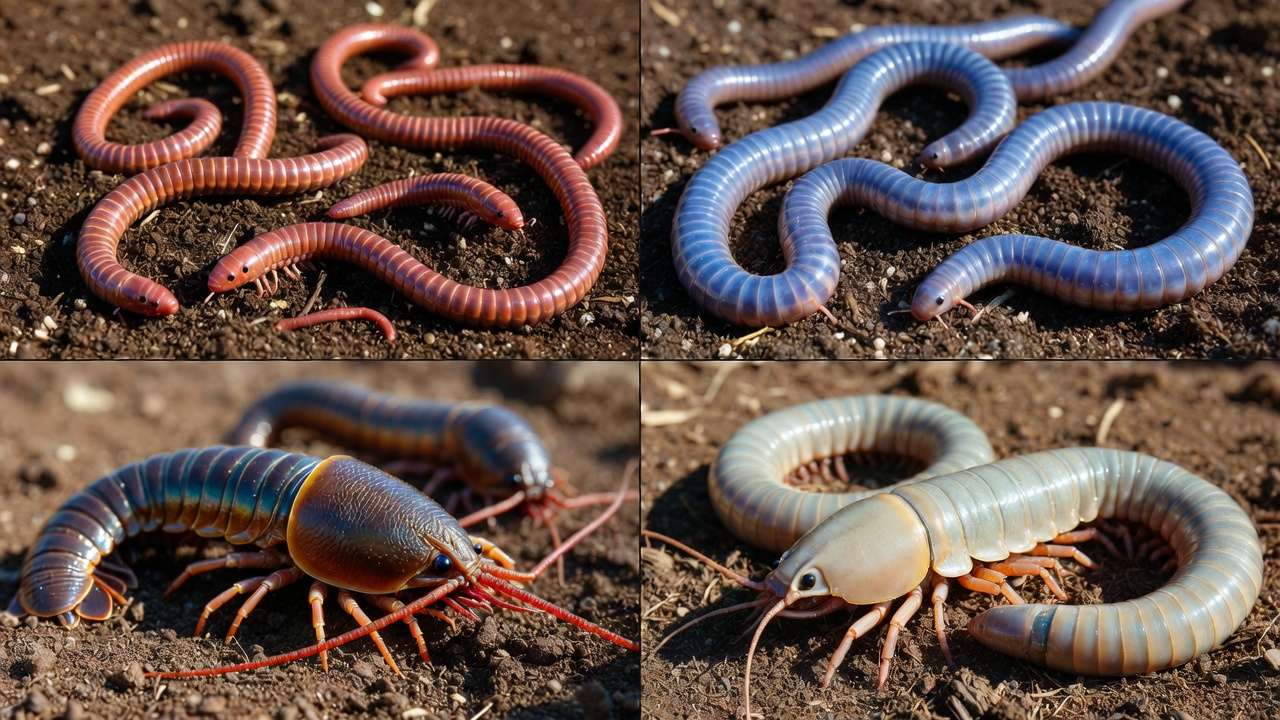
| Species | Temp Range (Optimal) | Reproduction Speed | Bin Tolerance | Best Climate | Beginner Rating |
|---|---|---|---|---|---|
| Red Wigglers | 55–85°F | Fast | High | Most (indoor/out) | ★★★★★ |
| Indian Blue | 70–95°F+ | Very Fast | Medium | Tropical/Hot | ★★★★☆ |
| European Nightcrawlers | 40–80°F | Medium | Medium | Cool/Temperate | ★★★★☆ |
| African Nightcrawlers | 70–95°F+ | Fast | Low | Very Hot | ★★★☆☆ |
Which Worm Species Is Best for YOU? Decision Guide ❓🗺️
Choosing the right worms doesn’t have to be overwhelming. Ask yourself these key questions to match the species to your setup—especially important in a hot, humid place like Barisal Division, Bangladesh, where temperatures often hover 25–35°C (77–95°F) with high moisture:
- Where will your bin live?
- Indoors (balcony, kitchen, shaded room): Red Wigglers win for stability and forgiveness.
- Outdoors (garden, shaded spot): Consider Indian Blues or African Nightcrawlers if heat stays consistent; European Nightcrawlers if cooler nights occur.
- What’s your average climate?
- Tropical/hot/humid year-round (like most of Bangladesh): Indian Blue worms often outperform Red Wigglers in sustained warmth, processing waste faster. But Red Wigglers still thrive if you provide shade and ventilation.
- Cooler winters or variable temps: Stick with Red Wigglers or European Nightcrawlers.
- Bin size and experience level?
- Small/medium bin, beginner: Red Wigglers (high density tolerance, easy to manage).
- Large outdoor system, some experience: European or African for bigger castings volume.
- Goal?
- Fastest castings for plant feeding: Indian Blues in heat.
- Reliable, all-around performance: Red Wigglers.
Quick Recommendation for Barisal/BD Gardeners 🌴 In our warm, rainy climate, many local vermicomposters (from community reports and studies) successfully use Red Wigglers indoors or shaded bins. For outdoor tropical speed, try Indian Blues—they love the humidity! Start with 1–2 lbs of Red Wigglers (about 1,000 worms) to test; they’re widely available and adaptable. Mixing species? Possible but tricky—Red Wigglers + Indian Blues can work in warm bins, but one often dominates.
Setting Up Your Worm Bin for Success with Red Wigglers (or Alternatives) 🏠🪝
A happy bin = happy worms = fast, odor-free castings for your plants. Here’s the expert step-by-step:
- Choose your bin
- Beginners: Plastic tote (18–30 gallons) with drilled holes for air/drainage.
- Advanced: Flow-through or commercial trays (e.g., Worm Factory).
- In humid BD: Add extra ventilation to prevent sogginess.
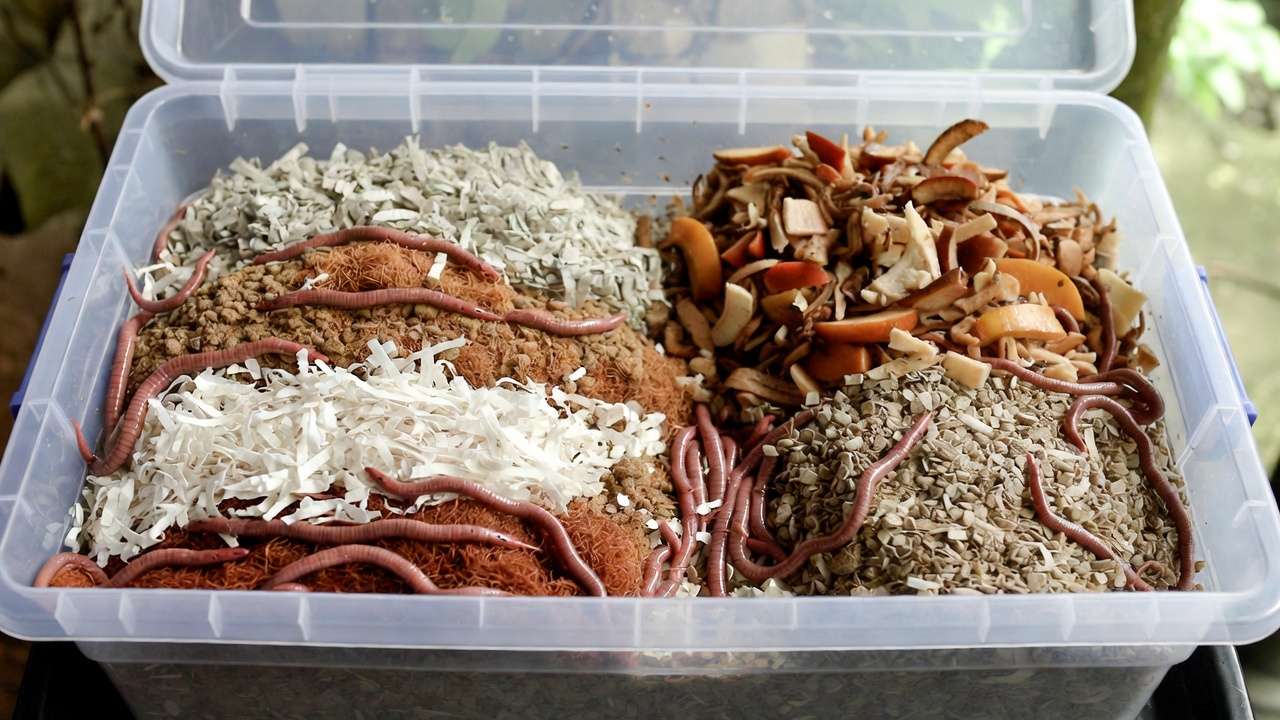
- Bedding (the worms’ home)
- Shredded newspaper/cardboard (soaked, wrung out), coconut coir, or aged manure.
- Aim for fluffy, moist (like a wrung-out sponge) bedding 6–8 inches deep.
- Add a handful of garden soil for grit (helps digestion).
- Add your worms
- Start with ½–1 lb per square foot of surface area.
- Gently place on top; they’ll burrow in 1–2 days.
- Quality matters—buy from reputable suppliers (avoid wild-dug worms).
- Feeding guide (What they love ❤️ / hate 😡)
- Love: Veggie/fruit scraps (banana peels, carrot tops, tea bags), coffee grounds, crushed eggshells, small amounts of cooked rice/pasta, chopped leaves. Bury food to avoid flies.
- Moderation: Citrus (small amounts), onions/garlic (can be pungent).
- Avoid: Meat, dairy, oily foods, salty items, pet waste.
- Rule: Feed ½ lb scraps per lb worms weekly once established. In hot weather, feed more frequently but smaller amounts.
- Maintain conditions
- Moisture: 70–80% (add water if dry; drain excess).
- Temperature: Monitor—shade bins in summer; insulate lightly in cooler months.
- pH: Neutral (6.5–7.5)—eggshells help buffer acidity.
- Aerate: Fluff bedding weekly with a hand fork.
Pro tip for Bangladesh summers: Place bin in 70–80% shade, elevate on bricks for airflow, and mist lightly if needed. Worms slow above 32°C but recover quickly.
Harvesting Black Gold: Getting Vermicompost for Your Plants 🌟✨
After 3–6 months (faster with Indian Blues in heat!), your bin fills with rich, earthy castings.
When to harvest:
- Bedding mostly dark, crumbly, no fresh food visible.
- Worms cluster near surface or new food.
Easy methods:
- Light method — Dump bin on tarp in bright light; worms burrow down. Scoop top castings.
- Screen/tray — Sift through mesh; worms stay behind.
- Migration — Add fresh food to one side; worms move over 1–2 weeks.
Using castings:
- Top-dress: Sprinkle ½–1 inch around plant bases (trees love this for root health).
- Potting mix: 10–30% castings + soil/compost.
- Worm tea: Soak 1 cup castings in 1 gallon water 24–48 hrs; dilute 1:10 for watering.
- Tree benefits: Apply around drip line—boosts fruit set, leaf color, and drought tolerance in our variable rains.
Store extra in breathable bags; it keeps improving!
Common Mistakes & Troubleshooting ⚠️🛠️
Even experienced gardeners hit bumps with vermicomposting. Here are the most frequent issues I see (especially in warm, humid climates like Mathba, Barisal), plus expert fixes:
- Bin too wet / soggy / smelly
- Cause: Overfeeding, excess moisture from fruit scraps, poor drainage.
- Fix: Stop feeding for 1–2 weeks. Add dry bedding (shredded cardboard, dry leaves). Drill more drainage holes if needed. In rainy seasons, keep bin under cover or slightly elevated. Smell should fade in days.
- Worms escaping
- Cause: Too wet, too dry, overheating (>32–35°C), or acidic conditions. Indian Blues and African Nightcrawlers are notorious escape artists in heat.
- Fix: Check moisture & temp. Add moist (not wet) bedding. Place bright light over bin edges at night—they hate light and retreat. For persistent escapees in hot weather, switch to Red Wigglers—they stay put better.
- Fruit flies / gnats infestation
- Cause: Exposed sweet scraps (banana peels, melon rinds).
- Fix: Always bury food 2–3 inches deep. Cover surface with damp newspaper or cardboard. Use apple cider vinegar traps nearby. Prevention beats cure!
- Worms dying or slowing down dramatically
- Cause: Temperature extremes (too hot in summer sun, too cold in rare winter dips), overfeeding leading to ammonia buildup, or poor-quality starting worms.
- Fix: Move bin to shade indoors during peak heat. Reduce feeding. Fluff and aerate. If many die, harvest survivors and start fresh with new bedding + healthy worms.
- Slow composting / worms not eating much
- Cause: Too cold, bedding too dry, food cut too large, or low population.
- Fix: Chop food smaller. Maintain ideal moisture & temp. Add a small handful of coffee grounds (worms love them). Be patient—full establishment takes 2–3 months.
Pro insight: Keep a simple log (date, temp, feeding amount, observations). It helps spot patterns fast and turns you into a worm-whisperer quickly! 📝
FAQs About the Best Worm Species for Vermicomposting ❔
Q: Are Red Wigglers the same as nightcrawlers? A: No. Red Wigglers (Eisenia fetida/andrei) are small, surface-composting epigeic worms. Nightcrawlers (Lumbricus terrestris or European species) are larger, deep-burrowing anecic worms better for soil aeration than enclosed bins.
Q: Can I just use regular earthworms from my garden? A: Strongly not recommended. Garden worms usually die in bins—they need soil, not rich organics. They also reproduce slowly and can introduce parasites or diseases.
Q: How fast do Red Wigglers reproduce? A: Under ideal conditions, they produce a cocoon every 7–10 days, each hatching 2–5 baby worms. Population can double every 60–90 days. In warm Bangladesh weather, expect faster growth once established.
Q: Where is the best place to buy composting worms in Bangladesh? A: Look for reputable local suppliers via Facebook gardening groups (e.g., “Vermicompost Bangladesh” communities), agricultural universities, or online marketplaces like Daraz/Bikroy (search “Red Wiggler worms”. Ask for Eisenia fetida specifically and check reviews. Start small to test quality.
Q: Can I mix different worm species in one bin? A: Yes, but with caution. Red Wigglers + Indian Blues can coexist in warm bins, but one species usually dominates. Mixing increases escape risk and management complexity—most experts recommend single-species bins for beginners.
Q: Will vermicomposting work well in our hot, rainy Barisal climate? A: Absolutely! Red Wigglers handle the warmth indoors or shaded; Indian Blues thrive outdoors in consistent heat/humidity. Just focus on shade, ventilation, and moisture control during monsoon.
Final Thoughts + Call to Action 🌿🪱
After years of working with home gardeners and reviewing what actually works in real-world conditions—from small balcony bins in Dhaka to larger setups in rural Barisal—Red Wigglers remain the most reliable, forgiving, and productive choice for the majority of plant and tree enthusiasts. Their balance of speed, resilience, and castings quality makes them the clear winner for turning kitchen and garden waste into premium, microbe-rich fertilizer that your tomatoes, papayas, mango trees, and houseplants will love.
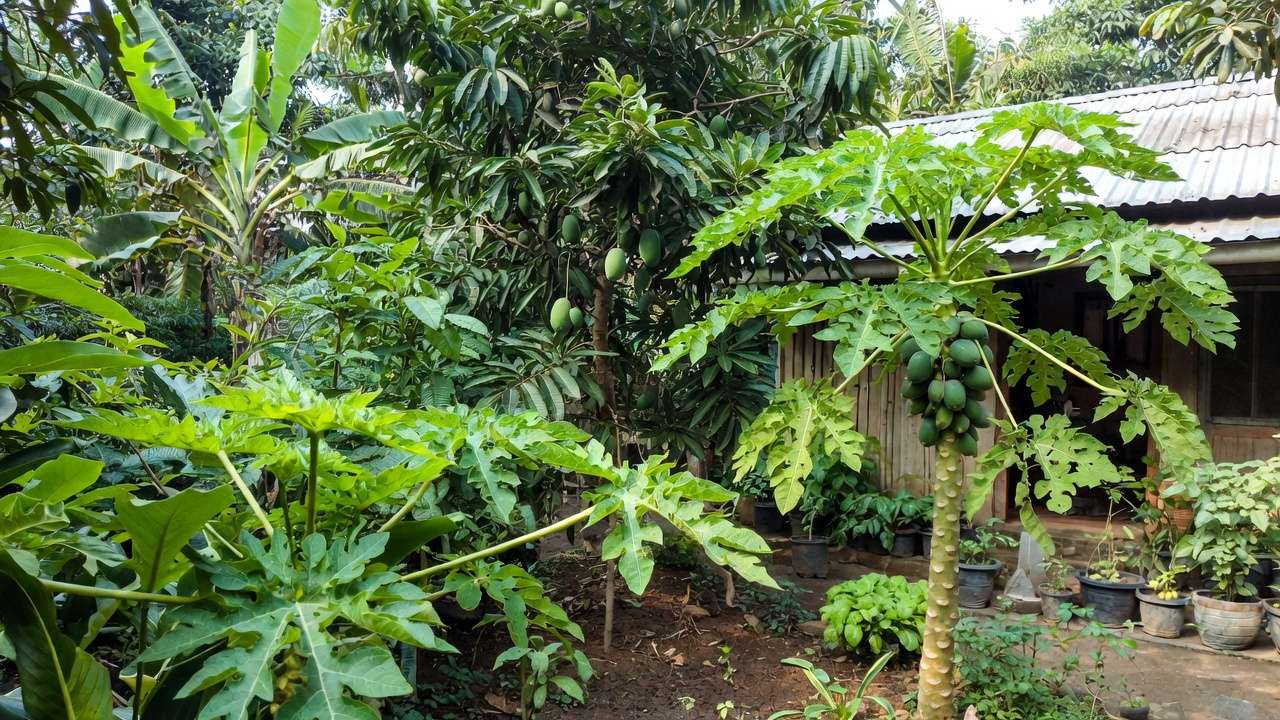
That said, if you live in a consistently hot, humid area and want maximum speed, experimenting with Indian Blue worms can be rewarding—just be ready for a bit more monitoring.
The best part? You don’t need a big space or fancy equipment. Start small (one bin, 500–1,000 worms), feed your scraps, and watch your soil—and your plants—transform.
Ready to get started? Grab some Red Wigglers, set up your first bin, and share your progress in the comments below! Have you tried vermicomposting already? Which worms do you use, and how are your plants responding? I’d love to hear your stories and answer any questions to help you succeed. 🪱💚
Happy composting and happy gardening! 🌳🍅











