
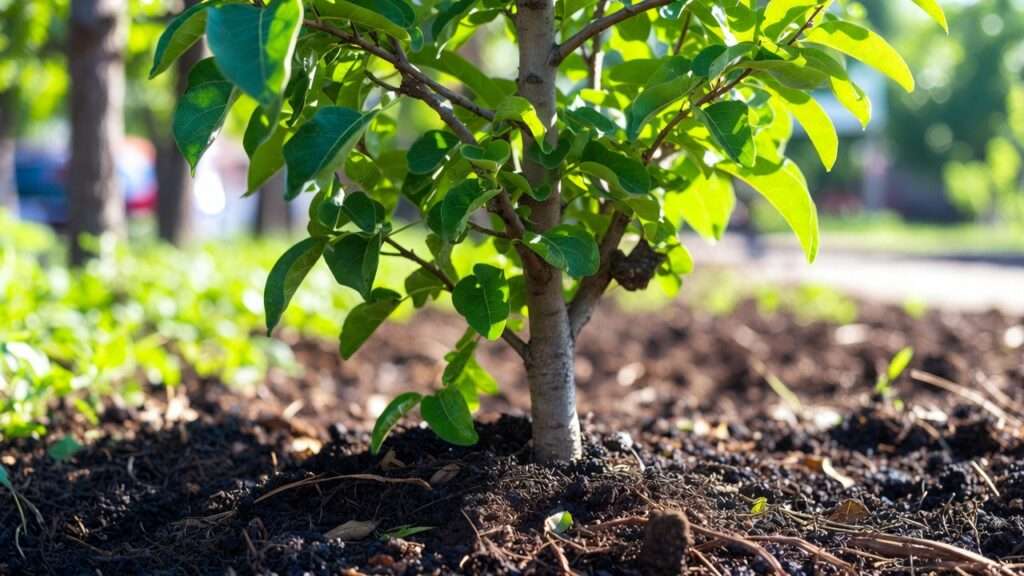
Imagine your backyard oak or a city street maple thriving despite compacted urban soil, scorching summers, and erratic rainfall—growing taller, stronger, and living decades longer, all thanks to a simple, ancient-inspired soil booster. In today’s world, trees face mounting challenges: poor soil structure, nutrient deficiencies, drought stress, transplant shock, and urban pollution often lead to stunted growth, higher mortality rates (sometimes exceeding 20-50% in the first few years after planting), and shortened lifespans. Homeowners, arborists, landscapers, and urban foresters alike struggle to establish resilient trees that can withstand climate pressures while contributing to greener communities and carbon sequestration.
Enter biochar for improved tree health—a stable, carbon-rich soil amendment produced through controlled pyrolysis of organic biomass. This natural powerhouse revives degraded soils, enhances root development, and equips trees with superior drought tolerance and nutrient efficiency. Backed by growing scientific evidence from forestry trials, urban planting projects, and meta-analyses (including recent 2023-2025 studies), biochar isn’t a fad—it’s a proven tool rooted in ancient Amazonian Terra Preta soils that remain fertile centuries later. 🌍🔥
In this in-depth guide, we’ll explore the science behind biochar’s magic, practical ways to apply it for new plantings and established trees, real-world success stories, potential pitfalls, and actionable tips to help your trees flourish sustainably. Whether you’re nurturing a young sapling or revitalizing mature specimens, biochar offers genuine, long-term value for healthier, more resilient trees. Let’s dive in! 🚀
What Is Biochar? Understanding the Basics 🔥
Definition and Production Process
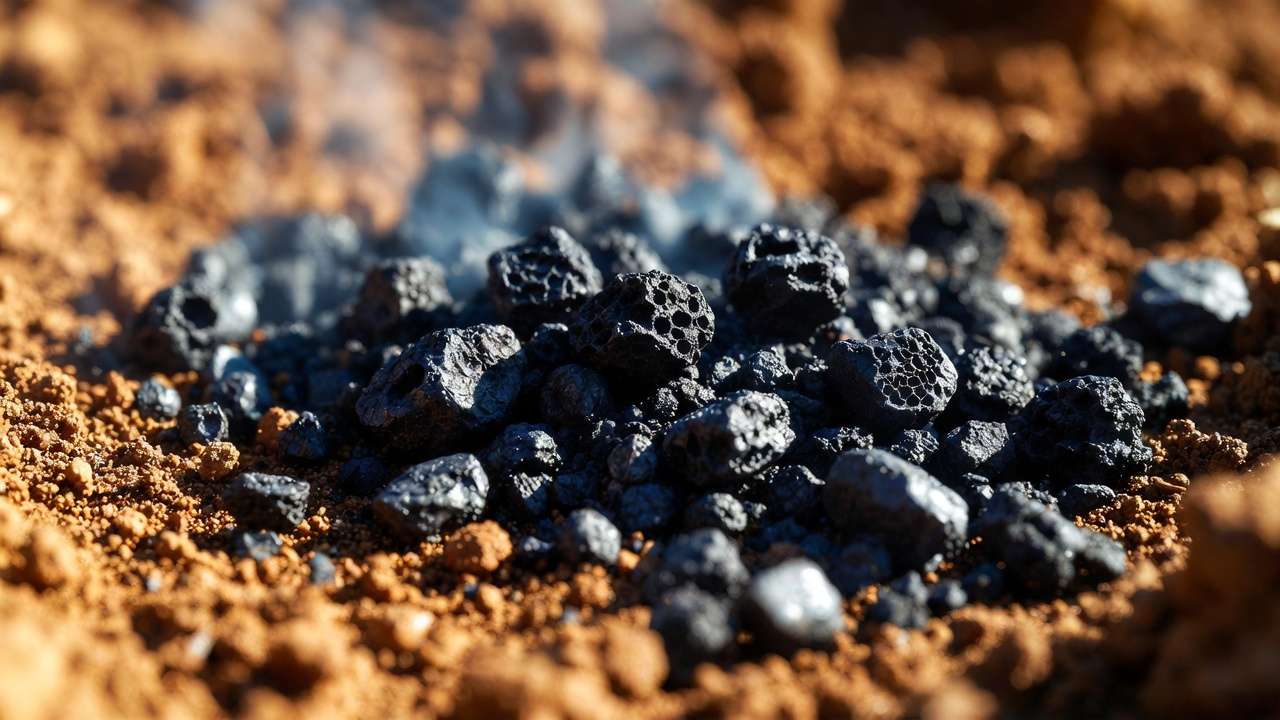
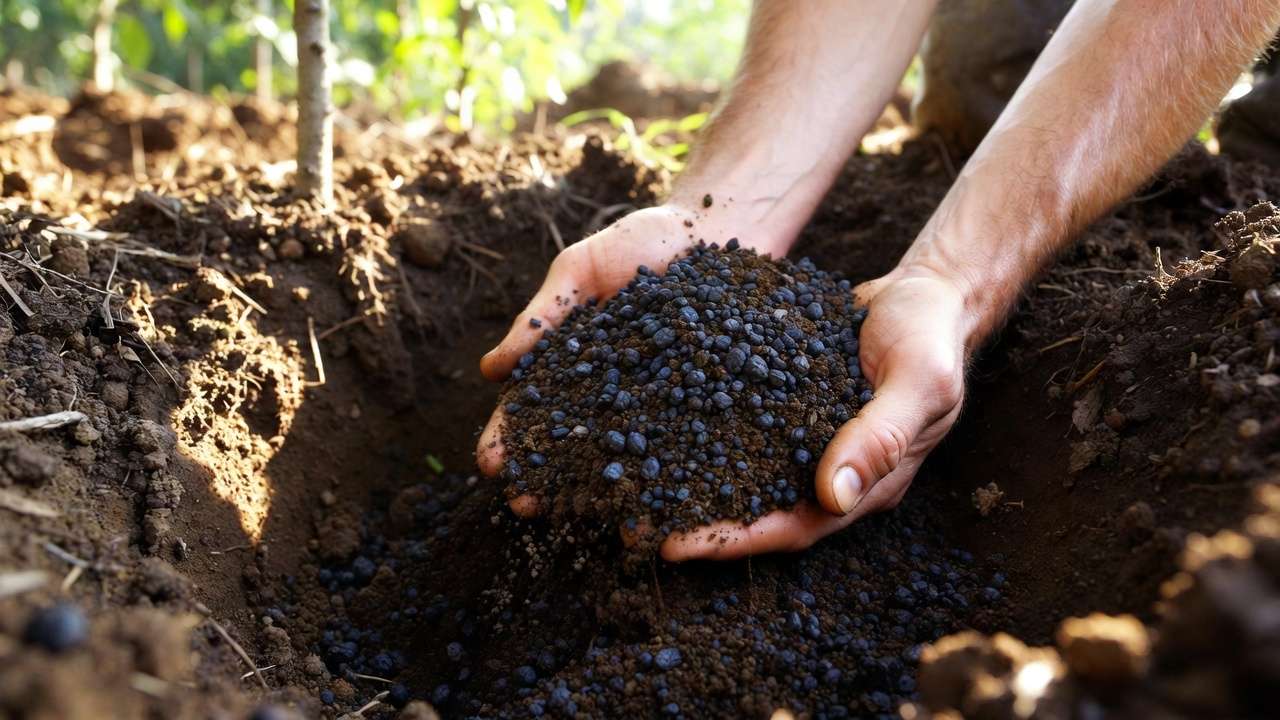
Biochar is a highly porous, charcoal-like substance created by heating biomass (such as wood chips, agricultural residues, or forestry waste) in a low-oxygen environment through pyrolysis—typically at temperatures between 400-700°C. This process drives off volatile compounds while leaving behind a stable, carbon-rich solid that resists decomposition for hundreds to thousands of years. Unlike regular charcoal (often produced at lower temperatures for fuel, with more volatiles retained), biochar is engineered for soil use: it prioritizes high surface area, porosity, and minimal toxins. 🌿
The key difference? Charcoal burns for energy and releases emissions freely, while biochar production captures gases for energy reuse or sequestration, making it climate-friendly. Modern pyrolysis systems (retorts, kilns) ensure consistent quality, avoiding contaminants from poor feedstocks.
Why Biochar Is Ideal for Tree Care
Biochar’s magic lies in its structure: microscopic pores create a vast internal surface area (up to 300-500 m² per gram), acting like a sponge for water, nutrients, and microbes. It remains stable in soil far longer than compost or manure, providing enduring benefits. Inspired by Terra Preta—the fertile “black earth” soils of the Amazon, enriched with ancient charcoal, organic matter, and microbes—modern biochar replicates these age-old advantages in contemporary tree care. In urban or poor soils, it counters compaction, boosts microbial life, and supports long-term tree vigor. 🌳🦠
How Biochar Improves Tree Health: Key Mechanisms 🔬
Enhancing Soil Structure and Reducing Compaction
Urban and garden soils often suffer from compaction, limiting root growth and oxygen access. Biochar’s porous particles improve soil aggregation, increase porosity, and alleviate compaction—allowing roots to penetrate deeper and spread wider. Studies show enhanced aggregate stability, better aeration, and reduced bulk density, especially in clay-heavy or disturbed sites. This translates to stronger anchorage and healthier root systems for trees. 🛠️
Boosting Water Retention and Drought Resistance 💧
One of biochar’s standout features is its ability to hold water like a reservoir. Recent research (including 2023-2025 reviews on tree crops) demonstrates 10-30% increases in water-holding capacity and plant-available water, particularly in sandy or silt loam soils. Trees in biochar-amended soils show improved stomatal regulation, reduced wilting during dry spells, and faster recovery post-drought. In forestry trials with species like Pinus and Eucalyptus, biochar mitigated water stress, boosting survival and growth under limited irrigation—vital as climate change intensifies dry periods. 🌵→🌧️
Improving Nutrient Availability and Uptake
Biochar raises cation exchange capacity (CEC), binding essential nutrients (nitrogen, phosphorus, potassium, micronutrients) and preventing leaching. It slowly releases them to roots while reducing deficiencies common in urban environments. Combined with organic matter, it enhances nutrient cycling without overload risks. Trials report better foliar nutrient levels and overall vigor in hardwoods and conifers. 🍃
Supporting Beneficial Soil Microbes and Biology 🦠
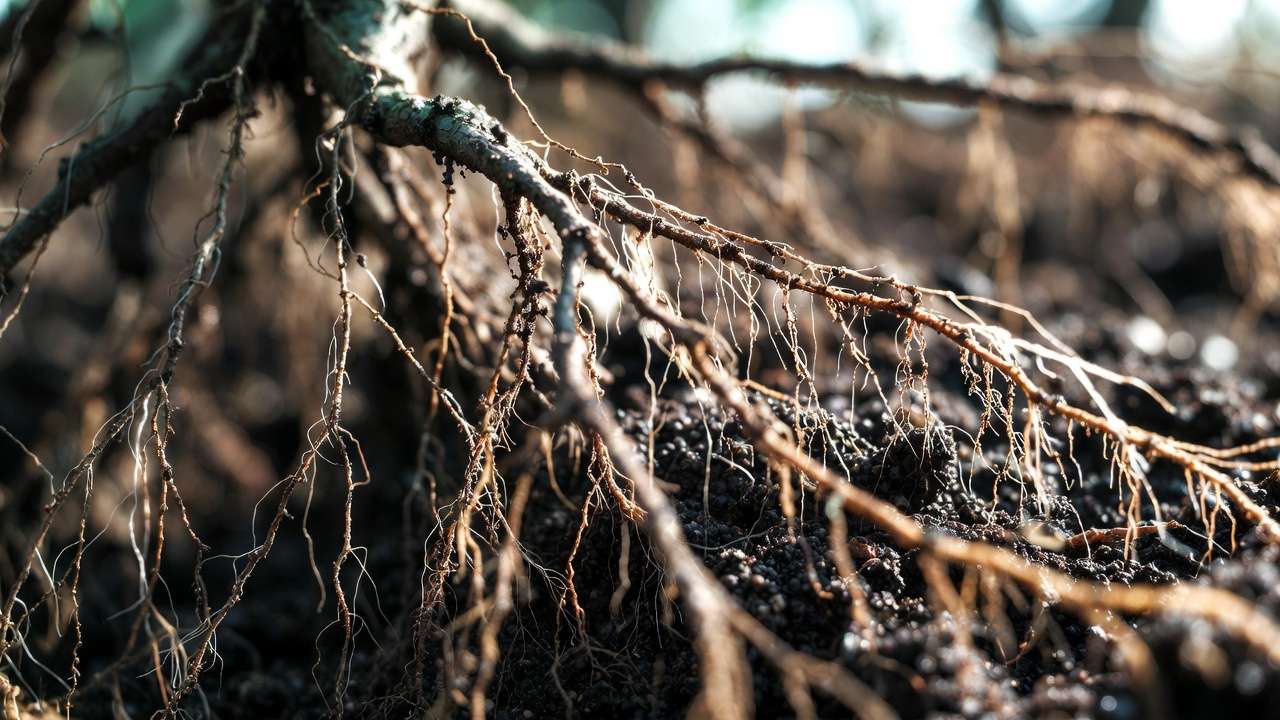
The vast pore network shelters mycorrhizal fungi, bacteria, and other microbes, increasing microbial biomass and enzymatic activity. This fosters symbiotic relationships: enhanced mycorrhizae extend root reach for water/nutrients, while diverse biology suppresses pathogens. Research links biochar to higher microbial diversity, aiding tree resilience against stress and disease. 🌱🔬
Additional Benefits: pH Buffering, Carbon Sequestration, and Resilience
Biochar often stabilizes pH in acidic or variable soils, creating optimal conditions for many tree species. As a carbon sink, it sequesters CO₂ long-term—each ton can lock away 2-3 tons of CO₂ equivalent. Some studies suggest reduced pest/disease pressure and mitigation of heavy metals in contaminated sites, promoting overall tree longevity and ecosystem health. 🌍💪
Scientific Evidence: Studies Supporting Biochar for Trees 📊
Key Research Highlights from Recent Reviews and Trials (2023–2025)
A 2025 Springer review on biochar’s impact on soil health and tree-based crops highlights improved fertility, water retention, drought tolerance, and growth in species like citrus, eucalyptus, and poplar. Meta-analyses confirm enhanced nutrient uptake, 20%+ survival boosts in stressed conditions, and better biomass accumulation. Urban forestry trials show reduced transplant shock and mortality—e.g., one study noted lower defect rates via optimized soil water. Frontiers research (2025) on arid environments found biochar + diversity increased biomass by 66% and soil carbon by 40% under drought. USDA and other trials report superior seedling establishment in conifers and hardwoods. 📈
Real-World Examples
In Stockholm’s urban program (ongoing since ~2010), structured soils with biochar yielded trees growing ~1m/year—far outpacing traditional methods—with near-zero mortality even in drought years. Pear and maple trials showed 20-28% crown growth increases and 20% mortality drops post-transplant. Orchard applications (e.g., chestnut, citrus) delivered higher yields and resilience. Arborists praise biochar in compacted urban pits for moderating diurnal stress. 🌆🌳
How to Use Biochar for Trees: Practical Application Guide 🛠️
Choosing the Right Biochar
Opt for wood-based biochar (e.g., hardwood or softwood residues) for trees—higher porosity and lower contaminants. Check for certification (e.g., IBI standards) ensuring low heavy metals/PAHs. Particle size: fine to medium (1-10mm) mixes well; avoid dust. Inoculated (“charged”) versions outperform raw. 🛒
Best Application Methods
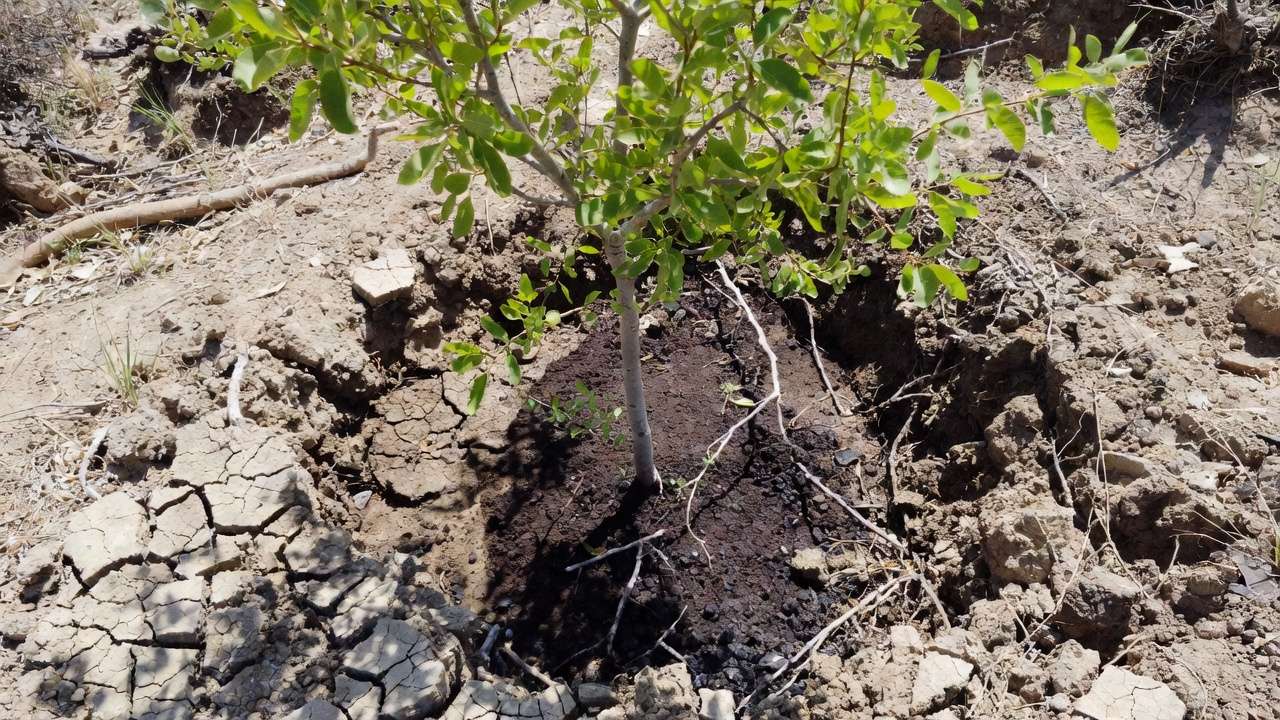
- New plantings: Mix 10-20% by volume into backfill soil around the root ball—focus on the planting hole and surrounding area for early root zone benefits.
- Established trees: Use top-dressing (spread 5-10 cm layer over drip line, lightly incorporate), vertical mulching (drill holes and fill), or radial trenches. Avoid damaging roots.
- Dosage recommendations: Start with 5-10% volume in root zone or 1-5 tons/ha equivalent; conservative rates (e.g., 4-10% v:v) show positive effects without risks. Scale based on soil tests. 📏
Charging/Inoculating Biochar for Maximum Benefits
Raw biochar can temporarily immobilize nutrients—mitigate by “charging”: soak/mix with compost, manure, worm castings, or microbial teas for 1-3 weeks pre-application. This fills pores with goodies, turning it into a nutrient hub. 🌿🧪
Timing and Best Practices
Apply in spring/fall when soil is moist but not frozen. Combine with mulch/compost for synergy. Water well post-application. Monitor tree response (growth, leaf color) over 1-2 seasons. 🌞
Common Mistakes to Avoid ⚠️
Don’t use uncharged biochar in nutrient-poor soils; avoid excessive rates (>25-50% in some cases, risking pH shifts); ignore soil type—test first! Skip contaminated feedstocks.
Case Studies and Success Stories 🌳🏆
Real-world applications provide the most convincing proof that biochar delivers measurable improvements in tree health. Here are some standout examples drawn from urban forestry programs, commercial orchards, and reforestation projects.
Urban Street Trees – Stockholm Biochar Project
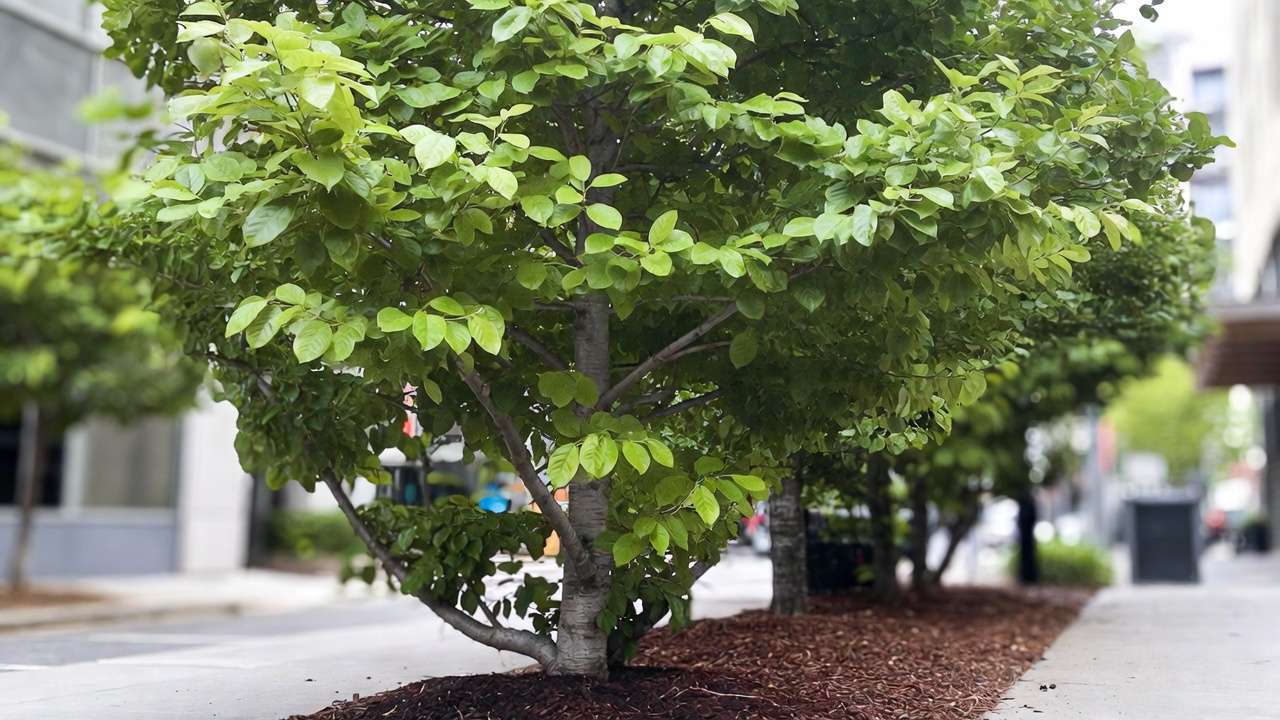
Since around 2010, the City of Stockholm has incorporated biochar into structured soil systems for street trees. In one well-documented trial involving species like silver maple (Acer saccharinum) and European linden (Tilia cordata), biochar-amended planting pits (typically 10–15% biochar by volume mixed with sand, compost, and structural elements) produced trees that grew approximately 1 meter per year in height—roughly double the rate of conventional plantings. Even more impressively, mortality rates dropped to near zero after the first three years, even during severe drought summers (2018–2022 data). Crown volume increases of 20–28% and significantly lower rates of structural defects were observed compared to control trees. Arborists attribute this success to better water and nutrient retention in otherwise heavily compacted urban soils. 🌆🌳
Orchard and Fruit Tree Trials
In chestnut orchards (Castanea spp.) across parts of Europe and North America, biochar applications at 5–10 tons/ha have consistently improved tree establishment, nut yield, and drought tolerance. A multi-year study published in 2024 showed biochar-treated trees exhibited 15–35% higher biomass accumulation and better resistance to summer water deficits than untreated controls. Similar results appeared in citrus and apple orchards, where biochar reduced transplant shock and improved fruit quality under reduced irrigation regimes—directly relevant for growers facing water restrictions. 🍎🌰
Reforestation and Agroforestry Success
In arid and semi-arid reforestation projects (e.g., trials in Spain, Australia, and parts of the U.S. Southwest), biochar combined with mycorrhizal inoculation boosted survival rates by 20–66% in species like pine, eucalyptus, and native hardwoods. One 2025 Frontiers in Forests and Global Change paper reported that biochar-amended plots had 40% higher soil organic carbon and noticeably greater tree canopy closure after four growing seasons compared to standard planting methods. These gains were especially pronounced under drought conditions, highlighting biochar’s role in climate-resilient tree establishment. 🌍🌲
These examples demonstrate that when applied thoughtfully, biochar doesn’t just help trees survive—it helps them thrive long-term.
Potential Drawbacks and Considerations ⚖️
Like any soil amendment, biochar isn’t a universal miracle. Understanding its limitations ensures realistic expectations and best outcomes.
- Variability by Biochar Type, Soil, and Tree Species Not all biochars perform equally. Feedstock (e.g., hardwood vs. softwood vs. crop residue), pyrolysis temperature, and post-production processing all influence pH, porosity, and nutrient-holding capacity. High-temperature biochars tend to be more alkaline and less nutrient-retentive initially, while lower-temperature ones may retain more volatiles. Sandy soils usually show the strongest water-retention benefits; heavy clay soils may need lower application rates to avoid over-aeration. Conifers sometimes respond less dramatically than broadleaf species in early trials.
- Risk of Initial Nutrient Immobilization Fresh, uncharged biochar can temporarily bind available nitrogen and other nutrients as microbes colonize its surfaces, potentially causing short-term deficiencies (especially in low-fertility soils). This “nitrogen drawdown” typically resolves within 3–12 months and is almost entirely prevented by charging/inoculating the biochar beforehand.
- Cost and Sourcing Quality biochar remains more expensive than compost or mulch (often $300–800 per cubic yard depending on region and certification). However, its longevity (centuries vs. years for organic matter) makes it cost-effective over time, especially for high-value trees or urban plantings. Always source from reputable suppliers adhering to International Biochar Initiative (IBI) or European Biochar Certificate (EBC) standards to avoid contaminants like heavy metals or persistent organic pollutants.
- Over-Application Risks Excessive rates (>25–50% by volume in some cases) can raise pH too high for acid-loving trees (e.g., blueberries, some oaks), alter soil structure undesirably, or create overly free-draining conditions in already sandy soils. Soil testing before and after application is the best safeguard.
In short: Start conservatively, charge the biochar, match it to your soil and tree needs, and monitor results. Most drawbacks are manageable with proper technique. ⚠️🔍
FAQs: Answering Common Questions ❓
How much biochar should I use per tree? For new plantings: aim for 10–20% biochar by volume in the backfill soil (roughly 5–15 liters per planting hole depending on tree size). For established trees: 2–5 kg spread over the drip line as top-dressing, or incorporate into vertical mulching holes. Always start on the lower end and adjust based on soil tests and tree response.
Is biochar safe and effective for all tree types? Most trees benefit, but response varies. Broadleaf hardwoods (maple, oak, linden, fruit trees) often show the strongest gains. Conifers and acid-loving species (pine, spruce, rhododendron) may need pH-adjusted or lower-rate applications. Avoid very high rates around ericaceous plants.
How long do the benefits of biochar last? Centuries to millennia. Unlike compost (which decomposes in 1–5 years), biochar remains stable, continuing to improve soil structure, water retention, and microbial habitat for generations.
Can biochar replace fertilizer or compost entirely? No—it complements, not replaces. Biochar excels at holding and slowly releasing nutrients, but it doesn’t supply large amounts itself. Pairing it with compost, slow-release fertilizers, or organic mulches creates synergistic, long-term soil fertility.
Where can I buy high-quality biochar? Look for IBI- or EBC-certified products from local or regional suppliers, garden centers, or online vendors specializing in regenerative agriculture. In many areas, urban forestry programs or biochar co-ops offer bulk at lower cost. Avoid untested “BBQ charcoal” substitutes.
Conclusion: Unlock Thriving Trees with Biochar Today 🌟
Poor soil conditions don’t have to doom your trees to mediocrity or early decline. Biochar for improved tree health offers a powerful, nature-inspired solution: it rebuilds soil structure, locks in moisture during droughts, retains and recycles nutrients, nurtures beneficial microbes, sequesters carbon for decades, and ultimately helps trees grow faster, resist stress better, and live longer.
Whether you’re planting a new sapling in your yard, revitalizing mature shade trees, or managing urban forests and orchards, starting with biochar can deliver results that outperform conventional methods—often dramatically so in challenging sites.
The science is clear, the real-world successes are multiplying, and the application techniques are straightforward once you understand the basics. Begin small: try it on a few trees, charge the biochar properly, monitor progress, and watch your landscape become more resilient and beautiful.
In an era of increasing climate stress, healthier trees aren’t just nice—they’re essential for cooling cities, cleaning air, supporting biodiversity, and storing carbon. Biochar empowers us to grow those trees more successfully than ever before.
Ready to give your trees the edge they deserve? Grab some quality biochar, test your soil, and get planting. Your future forest thanks you. 🌳💚🚀











