
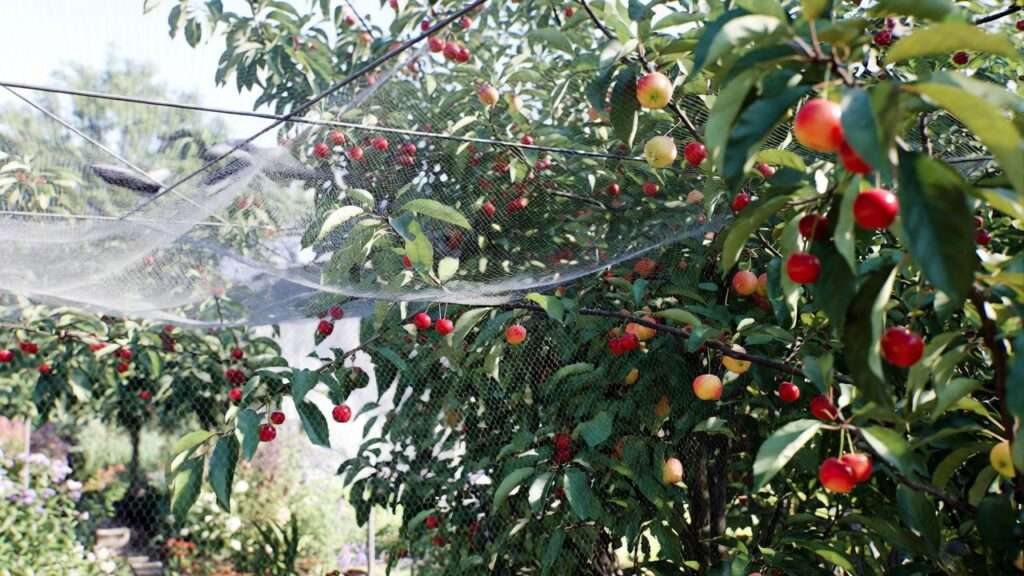
Picture this: You’ve spent months nurturing your cherry, apple, peach, or blueberry trees—pruning branches, fertilizing the soil, and watching blossoms turn into promising fruit. Then, just as the harvest ripens to perfection, you step outside to find peck marks, half-eaten fruits dangling sadly, or worse, an entire crop decimated overnight. 😩 This heartbreaking scenario plays out in backyards and orchards worldwide every season, with birds like robins, starlings, crows, and cedar waxwings claiming your bounty as their own.
As a horticulturist with over 15 years of experience in plant care and tree management, I’ve helped countless home gardeners and small orchard owners reclaim their harvests. The most reliable, humane, and effective solution? Bird netting for fruit trees. In this ultimate guide, we’ll dive deep into everything you need to know about bird netting for fruit trees—from understanding the problem to selecting the best options, installation techniques, maintenance, and even alternatives. By the end, you’ll have the knowledge to protect your fruit crops confidently and enjoy the full rewards of your labor. 🍎✨
Whether you’re dealing with dwarf trees in a suburban garden or taller varieties in a rural setting, proper netting can save 95-99% of your yield without harming wildlife or relying on chemicals. Let’s get started on turning those bird battles into bountiful successes!
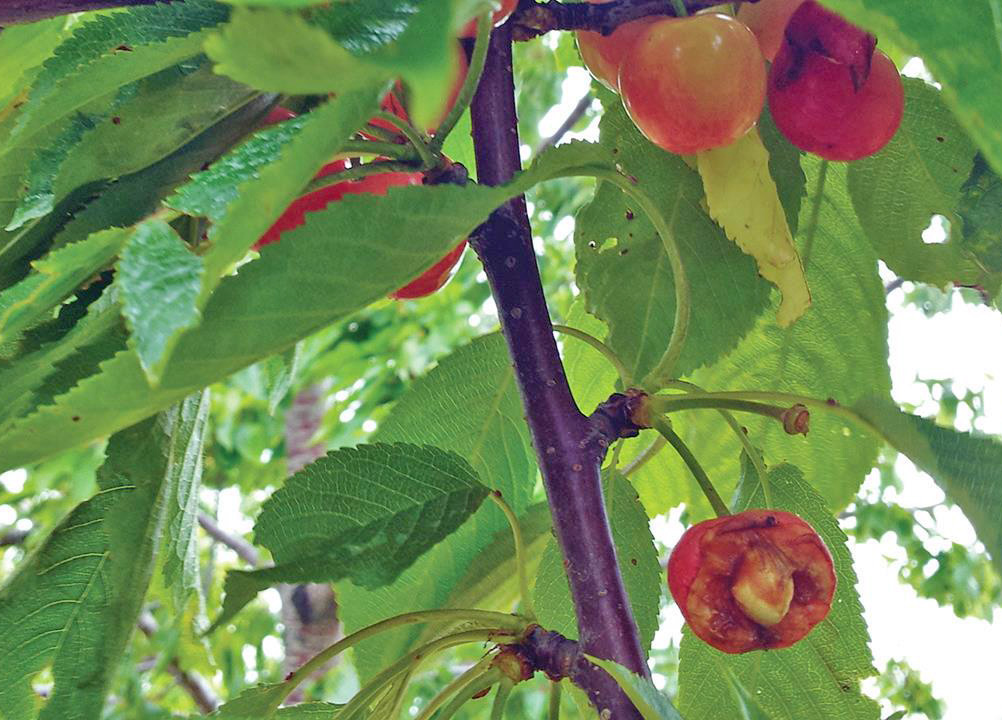
Understanding the Bird Problem: Common Culprits and Damage They Cause 🐦⬛
Birds aren’t villains—they’re just opportunistic foragers. But when your fruit trees become their buffet, the damage adds up quickly. Common pests include:
- American Robins and European Starlings: These flock in groups and target soft fruits like cherries, blueberries, and grapes.
- Crows and Jays: Intelligent and bold, they peck larger fruits such as apples and pears.
- Cedar Waxwings and Finches: Smaller birds that go for berries and small stone fruits.
Why Birds Target Fruit Trees
Ripening fruit provides easy nutrition: sugar for energy, water for hydration, and seeds for protein. As natural food sources dwindle in urban areas, backyard trees become prime targets. Damage peaks when fruit begins to color—often 4-6 weeks before full ripeness.
Signs of Bird Damage
Look for:
- Small peck holes that invite insects and rot 🍏➡️🦠
- Completely missing fruits or clusters
- Droppings on leaves and ground, spreading fungal diseases
- Secondary issues like wasp attraction or premature fruit drop
In severe cases, birds can strip an entire tree in days, leading to lost harvests worth hundreds of dollars. Acting early prevents this frustration and ensures healthier trees overall.
When to Act: Timing Your Protection Efforts ⏰
The golden rule: Install netting before fruit shows color. For most regions, this means mid-spring to early summer, depending on your variety (e.g., cherries in late spring, apples in midsummer). Monitor trees weekly during bloom and fruit set—once birds scout your orchard, they’re hard to deter without a barrier.
Benefits of Bird Netting for Fruit Trees: Why It’s the Gold Standard ✅
Bird netting stands out as the top choice for fruit tree protection because it delivers results without compromise. Here’s why experts and seasoned gardeners swear by it:
Proven Effectiveness
High-quality netting blocks nearly 100% of bird access while allowing sunlight, air, and pollinators through. Studies from agricultural extensions (like those from universities) show netted trees retain 95%+ of fruit compared to unprotected ones.
Humane and Eco-Friendly
Unlike repellents, sounds, or traps, netting is a passive physical barrier—no harm to birds, beneficial insects, or the environment. It’s endorsed by wildlife organizations when used correctly.
Additional Perks
Many nets provide bonus protection:
- Against hail, wind, and excessive sun scorch 🌞🛡️
- Reduced insect pests (e.g., apple maggots in finer meshes)
- Even deer or squirrel deterrence in heavier gauges
Long-Term Savings
Premium netting lasts 5-10+ years with proper care, making it cost-effective. A one-time investment of $50-200 per tree pays off in preserved harvests season after season.
In my experience consulting orchards, netting consistently turns “bird-ravaged” trees into productive stars, boosting yields and gardener satisfaction.
Types of Bird Netting: Choosing the Right One for Your Trees 🛡️
Not all netting is created equal. Selecting the right type ensures durability, effectiveness, and ease of use.
Extruded vs. Knitted Netting
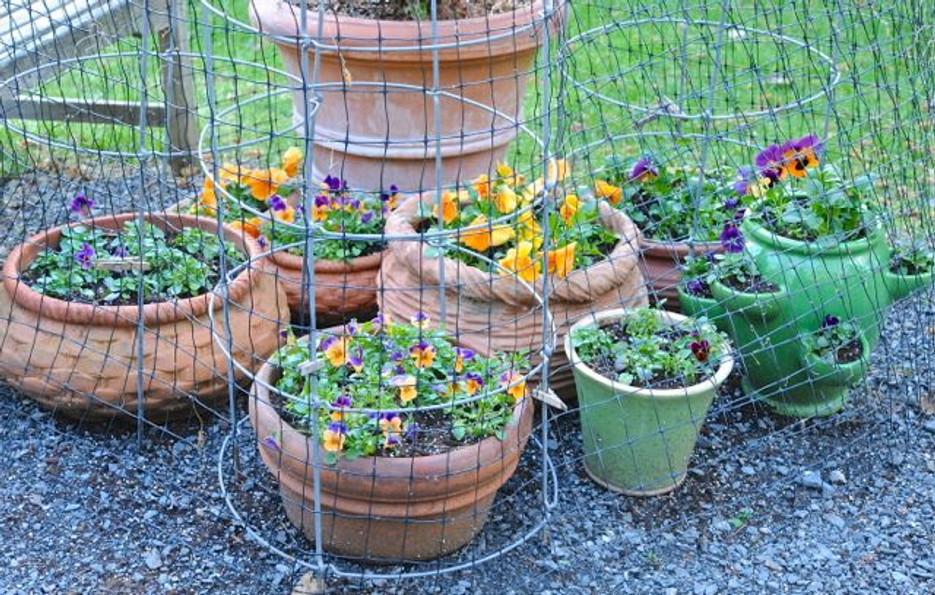
- Extruded (Economy): Melted plastic formed into mesh. Affordable but prone to tearing and snagging.
- Knitted (Premium): Woven threads for flexibility and strength. Tangle-resistant and longer-lasting—my top recommendation for fruit trees.
Mesh Sizes Explained
- 3/4-inch (Standard): Ideal for larger birds; common for apples, pears, and peaches.
- 1/2-inch or Finer (Micromesh): Blocks small birds and some insects; perfect for cherries, berries, and grapes.
- Heavy-Duty/Larger Mesh: For deer or squirrels alongside birds.
Materials and Durability
Look for UV-stabilized polyethylene (PE) or polypropylene. These resist sun degradation for 5-10 years. Avoid cheap non-UV treated nets that brittle in one season.
Recommended Products for 2026
Based on current gardener reviews, durability tests, and availability:
- Bird B Gone Premium Netting: Knitted, lightweight, and highly rated for ease.
- Plantra AviGard Hex-Mesh: Heavy-gauge, reusable, excellent for larger trees.
- EyouAgro or Dalen Bird-X: Professional-grade options with fine mesh variants.
- Budget pick: Fetanten or similar Amazon brands for small setups, but upgrade for longevity.
Always measure your tree canopy (height + width x2) and buy 20% extra for draping.
Step-by-Step Guide: How to Install Bird Netting on Fruit Trees 🔧
Installing bird netting might seem daunting at first, but with the right approach, it’s straightforward and rewarding. Proper installation ensures maximum protection while minimizing stress on your trees and risk to wildlife. I’ve installed netting on hundreds of trees—from dwarf citrus to tall stone fruit—and these methods are proven effective.

Tools and Materials You’ll Need 🛠️
- High-quality bird netting (knitted preferred)
- Measuring tape
- Poles or broom handles for draping
- Zip ties, twine, clothespins, or netting clips
- PVC pipes or rebar for frames (optional for larger trees)
- Weights, stakes, or ground pegs
- Scissors or utility knife
- Ladder (for taller trees)
- Gloves to avoid snags
Always choose netting at least 20% larger than your tree’s canopy dimensions.
For Small/Dwarf Trees: Simple Draping Method 🌿
This is the easiest method for trees under 10-12 feet—perfect for beginners or single-person setups.
- Prepare the Net: Spread the netting on the ground near the tree. Gently fold it accordion-style to avoid tangles.
- Position Yourself: Stand on the windward side on a calm day.
- Lift and Drape: Use a long pole (like a broom handle) to lift the center of the net over the top of the tree. Slowly walk around, letting the net cascade down evenly.
- Gather at the Trunk: Pull the excess netting toward the base, leaving slack for branch movement.
- Secure the Bottom: Tie loosely around the trunk with twine (avoid tight girdling) or use clothespins/clips. Bury edges in soil or weigh down with rocks/bricks to seal gaps.
Pro insight: Create a “door” flap by cutting a small overlap and securing with clips for easy access to harvest or prune.
For Larger Trees: Frame or Umbrella Systems 🏗️
Tall trees (15+ feet) benefit from supportive structures to keep netting off branches and prevent sagging.
- Build a Simple Frame:
- Use flexible PVC pipes (1-1.5 inch diameter) bent into hoops or arches.
- Insert rebar stakes into the ground around the tree, then slide PVC over them for a dome shape.
- For umbrella-style: Install a central pole with radiating arms (commercial kits available or DIY with conduit).
- Drape Over Frame: Throw the net over the structure—it’s much easier than direct draping.
- Secure and Seal: Attach netting to the frame with zip ties every 2-3 feet. Seal the bottom as above.
Many gardeners report this method extends net life by reducing tears from branches.
Securing and Sealing the Net 🛡️
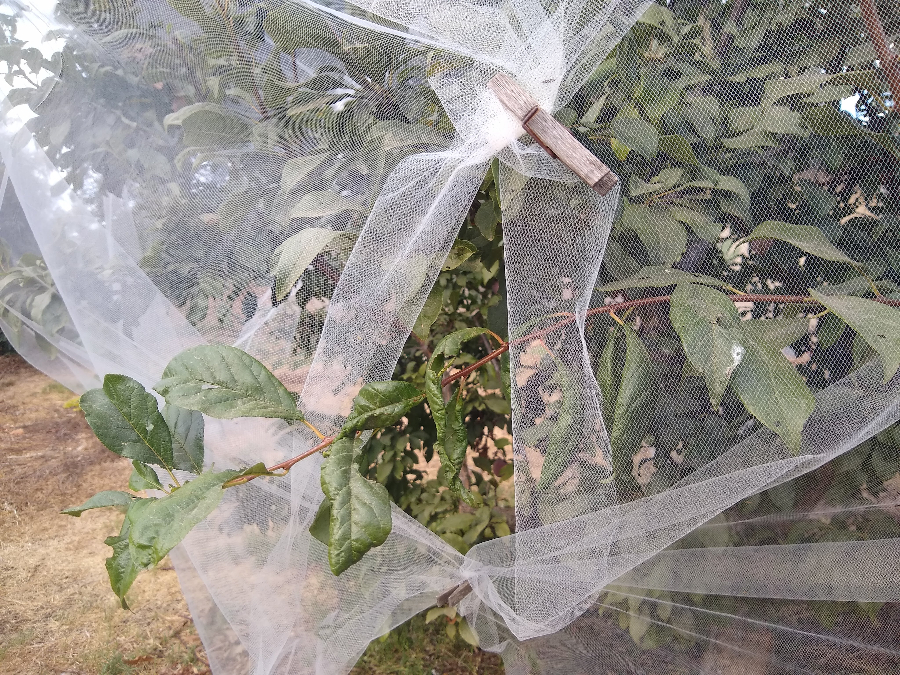
- Use UV-resistant zip ties or specialized netting clips—no sharp edges that could tear.
- Check for gaps daily initially; birds are clever at finding entry points.
- In windy areas, add extra weights or bury edges deeper.
Pro Tips for Hassle-Free Installation 😎
- Work with a partner—one lifts, one guides.
- Install on a non-windy day to prevent tangles.
- Prune trees lightly before netting for easier coverage.
- Leave 1-2 feet of slack around branches to allow growth and wind movement.
- For multiple trees: Consider permanent overhead systems or row netting for efficiency.
With practice, you can net a standard tree in 15-30 minutes. Safety first—use stable ladders and avoid overreaching.
Pros and Cons of Bird Netting: A Balanced Expert View ⚖️
No solution is perfect, but netting’s benefits far outweigh drawbacks when done right.
Advantages 🌟
- 95-99% effective at preventing bird damage
- Reusable for 5-10+ years (knitted types)
- Allows full sun, rain, and pollination
- Versatile for various tree sizes and fruits
Potential Drawbacks 😔
- Initial time investment for installation
- Aesthetic—trees look “caged” temporarily
- Risk of wildlife entanglement (mitigated with proper mesh and monitoring)
- Can snag on sharp branches if low-quality
Real Gardener Experiences 📣
From forums and client feedback in 2025-2026: Many report switching from scare devices (which birds habituate to) to netting as a “game-changer.” One orchard owner saved thousands in lost cherries after one season. Common regret? Waiting too long to invest in premium knitted netting.
Maintenance, Removal, and Storage: Keep Your Netting in Top Shape 🧹
Longevity depends on care—treat your netting well, and it’ll serve for a decade.
Daily/Weekly Checks 🔍
- Inspect for tears, trapped animals (release humanely if found), or sagging.
- Gently free any snagged branches.
Safe Removal Post-Harvest 🍂
- Wait until all fruit is picked and leaves begin to fall (reduces tree stress).
- Reverse installation: Untie bottom first, then lift off carefully.
- Shake off debris outdoors.
Cleaning and Storage Tips 💧
- Hose down gently or soak in mild soap water.
- Air dry completely to prevent mildew.
- Roll (don’t fold) around a PVC pipe for tangle-free storage in a dry shed.
When to Replace Your Netting
Signs: Brittle texture, multiple large tears, or UV fading (white threads appear). Premium options like those from Bird B Gone or EyouAgro often outlast cheaper extruded types by years.
Alternatives to Bird Netting: Options If Netting Isn’t for You 🔄
While bird netting for fruit trees remains the most dependable method, some gardeners prefer alternatives due to aesthetics, tree size, or personal preference. These options can work well in low-pressure situations or as supplements, but they often require more ongoing effort and may not match netting’s reliability.
Fruit Bagging and Organza Bags 🍎
Individual fruit bagging protects high-value crops without covering the entire tree—excellent for organic growers targeting perfect, pest-free fruit.

- How it works: Slip breathable bags (organza, nylon, or paper) over developing fruit after petal drop and thinning.
- Best for: Apples, pears, peaches, and Asian pears—reduces bird pecks, insects (codling moth), and sunscald.
- Pros: Produces blemish-free fruit; no tree-wide coverage needed.
- Cons: Labor-intensive (hundreds of bags per tree); bags cost $0.10-0.50 each.
- Expert tip: Use zip-tie or twist-tie closures; remove bags 2-3 weeks before harvest for full color development.
Many commercial organic orchards bag premium varieties successfully.
Scare Devices and Reflectives 🦉✨
Visual and auditory deterrents aim to frighten birds away temporarily.

- Common types:
- Fake owls/hawks (move them weekly)
- Reflective tape, CDs, or Mylar balloons
- Flash tape or iridescent scare rods
- Motion-activated devices or noise makers
- Effectiveness: Works best early in season; birds habituate quickly (often within days).
- Pros: Inexpensive and easy setup.
- Cons: Temporary; smarter birds (crows) learn to ignore.
Rotate and combine types for longer efficacy.
Natural Deterrents 🌱
Eco-friendly approaches using plants or non-toxic repellents.
- Distraction planting: Grow mulberries, serviceberries, or elderberries nearby as “sacrifice” crops.
- Repellents: Methyl anthranilate sprays (grape flavoring birds dislike) or kaolin clay surrounds.
- Predator cues: Owl boxes to encourage natural hunters.
These methods support biodiversity but rarely provide complete protection alone.
When to Combine Methods 🛡️➕🦉
Hybrid strategies often outperform single approaches:
- Netting + reflective tape around edges
- Fruit bagging on lower branches + scare devices higher up
- Overhead netting over rows with distraction plants nearby

In moderate bird pressure areas, this layered defense can rival full netting while maintaining orchard aesthetics.
Expert Tips and Common Mistakes to Avoid 🚀
Drawing from years of field experience and client consultations, here are battle-tested insights:
Top 10 Pro Tips 😎
- Time it right — Net 4-6 weeks before ripening; too early stresses pollinators, too late invites damage.
- Choose knitted over extruded — For tangle-free, longer-lasting performance.
- Monitor wildlife daily — Check for trapped birds/snakes and release promptly.
- Leave slack — Allow 1-2 feet for wind and growth movement.
- Prune for coverage — Open canopy trees are easier to net effectively.
- Use frames on tall trees — Prevents sagging and branch abrasion.
- Combine with thinning — Fewer fruits mean easier protection and better quality.
- Store properly — Rolled and dry for maximum lifespan.
- Test small first — Try one tree before committing to the whole orchard.
- Adapt to your climate — Heavier nets in hail-prone areas; finer mesh in insect-heavy zones.
Mistakes That Cost Harvests ⚠️
- Waiting until birds arrive → Hard to deter established flocks.
- Using wrong mesh size → Small birds slip through large holes.
- Tight tying around trunk → Girdling and tree death.
- Cheap non-UV netting → Brittle failure mid-season.
- Ignoring gaps at ground level → Easy entry points.
Seasonal Considerations for Different Climates 🌍
- Hot/Humid (e.g., Southeast US): Opt for lightweight, breathable nets to prevent fungal issues.
- Cold/Windy (e.g., Northeast): Heavy-duty with strong securing.
- Dry/Arid: Focus on sun-protective black or shaded nets.
- Coastal: UV-extra resistant materials.
FAQs: Answers to Your Most Common Questions ❓
Is bird netting safe for birds and wildlife? 🐥 Yes, when properly installed. Use appropriate mesh sizes and check regularly. Knitted nets reduce entanglement risk significantly.
Can netting harm my fruit trees? 🌳 No—quality netting allows air, sun, and rain. Avoid tight ties around trunks and remove post-harvest.
What’s the best netting for cherries/peaches/apples? 🍒🍑🍎 Fine 1/2-inch micromesh for cherries (blocks small birds); 3/4-inch standard for larger fruits like apples/peaches.
How do I net multiple trees efficiently? 👨🌾 Use row draping or permanent overhead structures for orchards. Side netting with shared poles saves material.
Cost breakdown: Is it worth it? 💰 Initial: $50-300 per tree (size-dependent). Annual amortized cost: $10-30 with 10-year life. Saved harvest easily justifies—e.g., one cherry tree yields $200+ worth.
Conclusion: Secure Your Bountiful Harvest Today 🌟
Bird netting for fruit trees isn’t just a barrier—it’s an investment in peaceful, productive gardening. By blocking pests humanely and reliably, it transforms frustration into abundance, letting you enjoy every sweet bite you worked hard to grow. Whether you choose full netting, bagging, or a hybrid approach, acting early is key to success.
As a plant care expert who’s seen netting save countless harvests, I wholeheartedly recommend starting with premium knitted options for the best results. Your trees—and taste buds—will thank you! 🍏🪴
Share your bird protection stories or questions in the comments below. Happy harvesting! 🌳✨











