
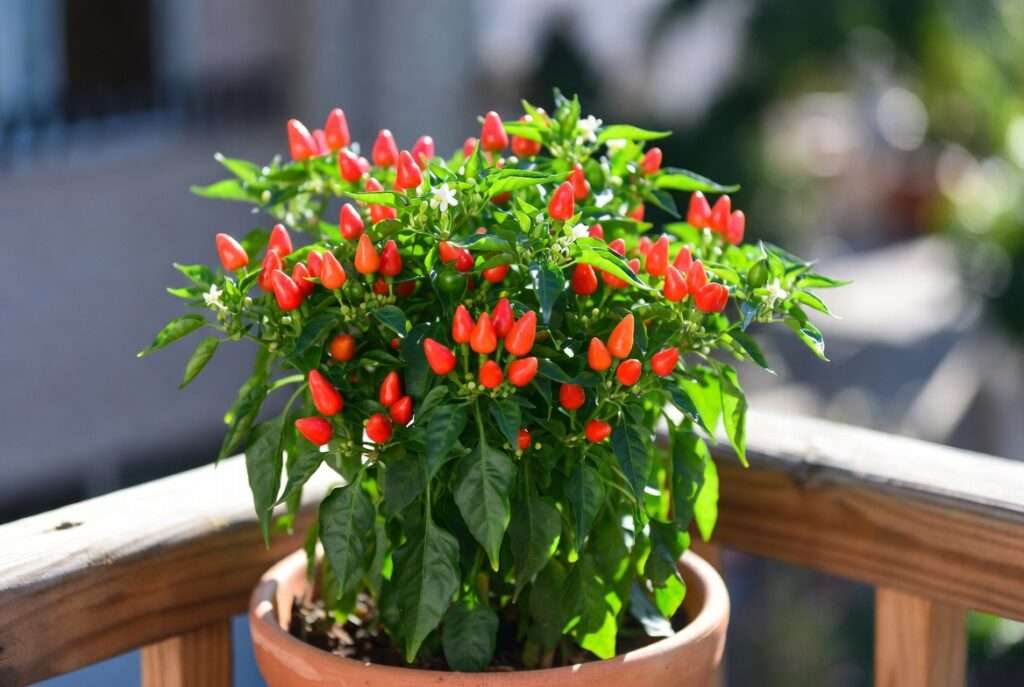
Imagine stepping out to your balcony, patio, or backyard garden and plucking handfuls of vibrant, fiery red bird’s eye chili pepper plants bursting with tiny, potent peppers ready for your favorite Thai curries, homemade hot sauces, or spicy stir-fries. 🌱 If you’ve ever struggled with leggy seedlings, disappointing yields, or mysterious leaf issues, you’re not alone. Many home gardeners find this compact, ultra-spicy variety challenging at first—but with the right know-how, it becomes one of the most rewarding and productive plants in your garden.
The bird’s eye chili pepper plant (also known as Thai chili or Capsicum annuum var. bird’s eye) is a favorite among spice lovers for its intense heat (typically 50,000–100,000+ Scoville Heat Units), prolific fruiting, and ornamental beauty. Native to regions in Southeast Asia (though chilies trace their roots to the Americas), these plants are perfect for small spaces, containers, or traditional gardens. They thrive in warm conditions and can deliver continuous harvests for months when cared for properly.
In this comprehensive, skyscraper-level guide, I’ll share everything I’ve learned from years of growing hot peppers successfully—from seed starting to overwintering and preserving your bounty. Whether you’re a beginner or looking to boost your yields, you’ll discover practical, proven techniques to grow healthy, thriving bird’s eye chili pepper plants that produce abundant spicy harvests. Let’s turn your spicy dreams into reality! 🔥
Understanding the Bird’s Eye Chili Pepper Plant
Botanical Background and Characteristics
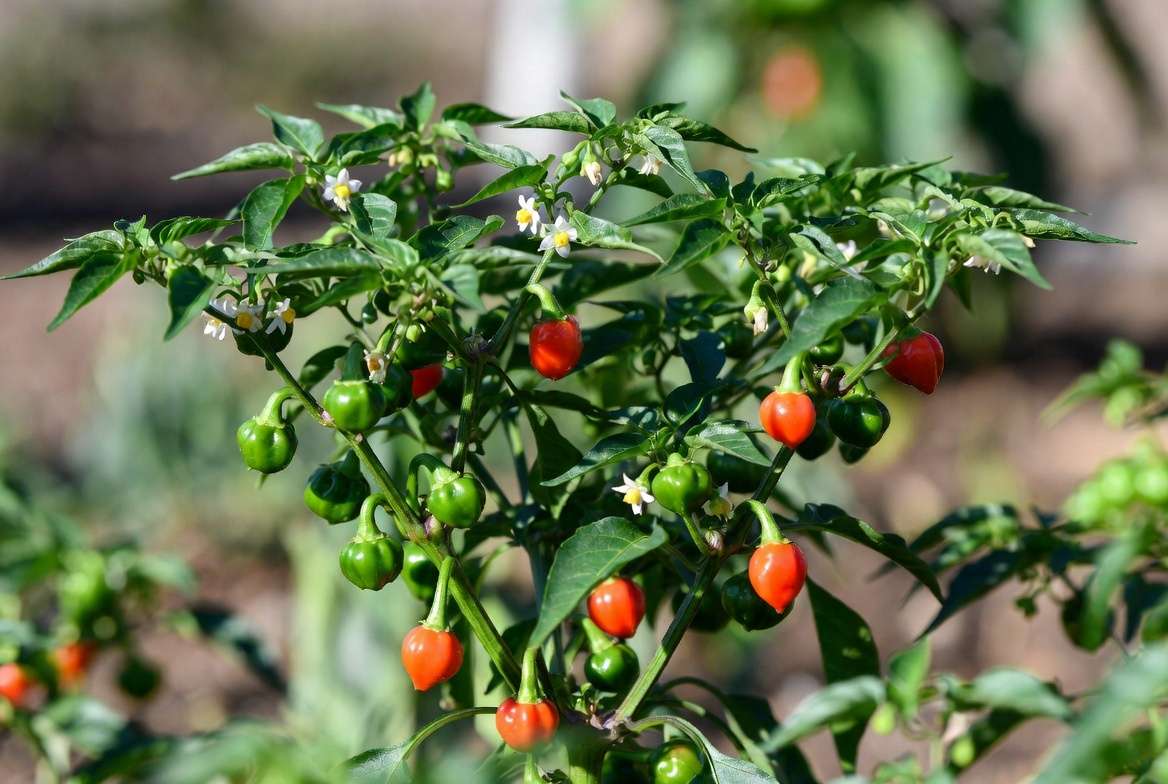
The bird’s eye chili pepper plant is a compact, bushy perennial often grown as an annual in temperate climates. It typically reaches 2–4 feet tall with slender stems and glossy green leaves. The fruits are small (1–2 inches long), pointed, and change from green to bright red (or sometimes orange/yellow) when ripe. Their name comes from the way the upright peppers resemble tiny bird eyes.
These plants belong to the Capsicum annuum species and are famous for their fruity yet intensely hot flavor. Compared to milder varieties like jalapeños (2,500–8,000 SHU), bird’s eye chilis pack 10–20 times more heat, making them a staple in Asian cuisines.
Pro Tip: Different regional varieties exist (Thai, African bird’s eye), but they share similar care needs. 🌍
Why Grow Bird’s Eye Chilis at Home? 🌟
Growing your own bird’s eye chili pepper plants offers numerous benefits:
- Fresh Flavor & Heat: Nothing beats the vibrant taste of homegrown peppers in fresh dishes.
- High Yields: A single healthy plant can produce hundreds of peppers over a season.
- Ornamental Value: Beautiful white flowers and colorful fruits make them stunning in pots or borders.
- Health Benefits: Rich in capsaicin (which boosts metabolism and has anti-inflammatory properties), vitamins A and C.
- Cost Savings & Sustainability: Reduce grocery bills and enjoy organic produce from your own garden. 🛒
- Fun for Families: Kids love watching the tiny peppers develop (with supervision for handling!).
Homegrown plants often outperform store-bought ones because you control the conditions for maximum spiciness and flavor.
Choosing the Right Starting Method
Growing from Seeds vs. Buying Seedlings
Seeds are the most economical and rewarding option. You can save seeds from dried peppers or buy reputable varieties. Fresh seeds from ripe pods germinate well, but viability drops over time.
Seedlings are ideal for beginners or short seasons—skip the early stages and get a head start.
Recommendation: Start with seeds indoors for better control and stronger plants. Look for organic or heirloom sources.
When to Plant (Timing and Climate Zones)
Bird’s eye chilis love warmth and hate frost. Start seeds indoors 8–10 weeks before your last expected frost (January–March in many zones). Soil temperature should be 75–85°F (24–29°C) for best germination.
In tropical or subtropical areas (USDA zones 9–11), they can grow year-round. In cooler climates, use containers for easy overwintering indoors. Ideal daytime temps: 65–85°F (18–30°C). ☀️
Step-by-Step Planting Guide
Selecting and Preparing Soil
Success starts with the right soil! Bird’s eye chili pepper plants need well-draining, nutrient-rich, slightly acidic soil with a pH of 5.5–7.0.
Best Mix:
- 50% high-quality potting mix
- 30% compost or well-rotted manure
- 20% perlite, vermiculite, or coarse sand for drainage
Avoid heavy garden soil in containers to prevent root rot. Amend with organic matter for fertility. 🪴
Seed Starting Indoors
- Fill seed trays or small pots with moist seed-starting mix.
- Plant seeds ¼ inch (5–6 mm) deep, 1–2 per cell.
- Cover lightly, mist gently, and maintain 75–85°F bottom heat (use a heat mat if possible).
- Provide bright light (grow lights or sunny south window).
- Germination takes 7–21 days. Keep soil consistently moist but not soggy.
Once true leaves appear, thin to the strongest seedling per pot.
Transplanting to Pots or Garden
Harden off seedlings for 7–10 days before moving outdoors. Transplant when seedlings have 4–6 true leaves and night temps stay above 55°F (13°C).
- Containers: 8–16 inch pots with drainage holes (one plant per pot for best results).
- Garden Spacing: 18–24 inches apart in full-sun beds.
- Water deeply after transplanting and mulch to retain moisture.
Emoji Tip: Your plants will thank you with vigorous growth! 🌱
Essential Care Requirements for Thriving Plants ☀️💧
Caring for your bird’s eye chili pepper plant is straightforward once you understand its preferences. These compact hot peppers are forgiving but respond beautifully to consistent, attentive care. Proper sunlight, water, and nutrients are the foundation for lush foliage and abundant fiery harvests. Let’s break it down step by step.
Sunlight Needs
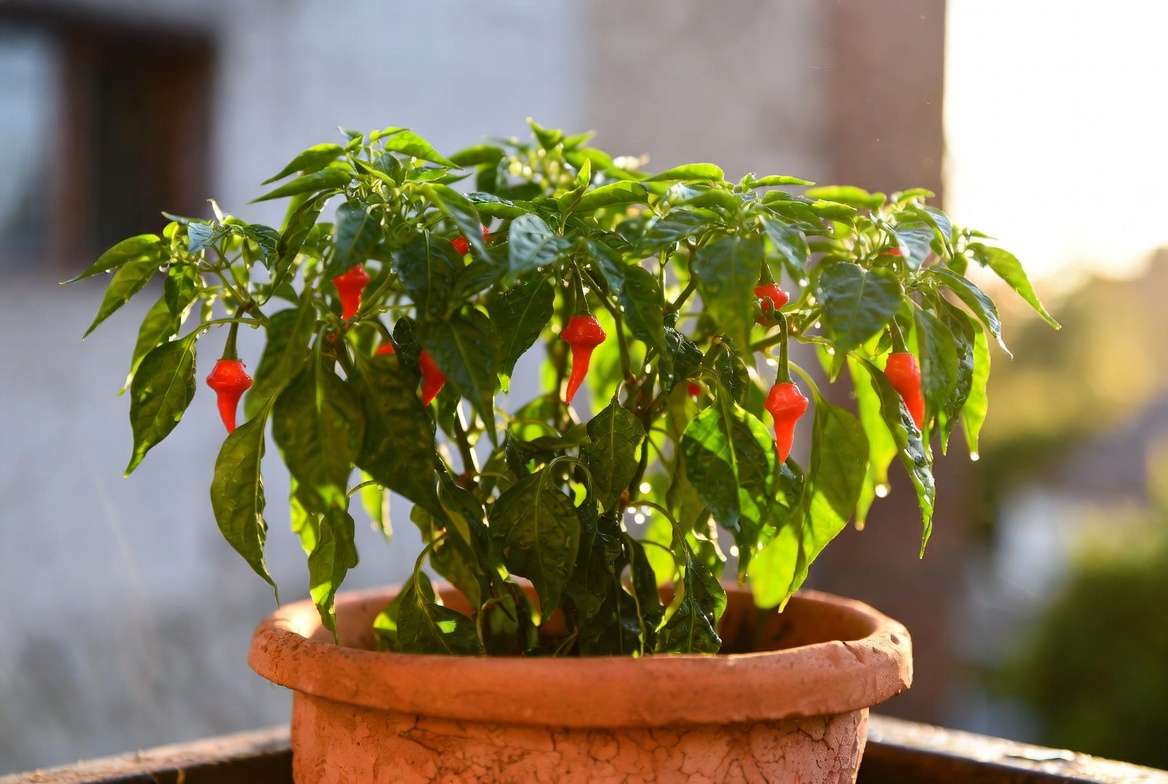
Bird’s eye chili pepper plants are sun lovers that require 6–8+ hours of direct sunlight daily for strong growth and prolific fruiting. Insufficient light leads to leggy stems, fewer flowers, and poor yields.
In full-sun gardens or south-facing balconies, they perform exceptionally well. For indoor or partial-shade setups, supplement with full-spectrum LED grow lights (14–16 hours per day). Watch for signs of light stress: pale leaves or stretching stems mean it’s time to move them to brighter spots. ☀️
Expert Insight: In my experience growing dozens of chili varieties, bird’s eye plants in full sun produce peppers with noticeably higher capsaicin levels and richer flavor compared to those in lower light.
Watering Best Practices
Consistency is key, but overwatering is the most common killer of bird’s eye chili pepper plants. These plants prefer even moisture without soggy roots.
- Rule of Thumb: Water when the top 1–2 inches of soil feels dry to the touch (use the finger test).
- Frequency: Every 2–4 days in warm weather, less in cooler periods or during rainy spells.
- Technique: Water deeply at the base in the morning to allow foliage to dry before evening, reducing disease risk. Use room-temperature water.
- Containers dry out faster, so check daily during heat waves.
Mulching with straw or bark helps retain soil moisture and suppress weeds. Avoid wetting the leaves excessively to prevent fungal issues. 🌿
Temperature and Humidity
Optimal daytime temperatures range from 65–85°F (18–30°C), with nights above 55°F (13°C). They tolerate brief heat spikes but suffer below 50°F. High humidity (50–70%) mimics their tropical origins, but good airflow prevents mildew.
Overwintering Tip: In colder climates, bring potted plants indoors before frost. They can continue producing or go dormant in a sunny window. Maintain 60–70°F and reduce watering. Many gardeners successfully keep bird’s eye chili pepper plants for 2–3 years or more this way! 🏠
Fertilizing Schedule
Feed your plants to support rapid growth and heavy fruiting:
- Seedling Stage: Dilute balanced liquid fertilizer (e.g., 10-10-10) every 2 weeks.
- Vegetative Growth: Switch to higher nitrogen for leafy growth.
- Flowering & Fruiting: Use a high-phosphorus/potassium formula (e.g., 5-10-10 or tomato/ pepper fertilizer) every 10–14 days. Organic options like compost tea, fish emulsion, or seaweed extract work wonderfully.
Signs of issues: Yellow leaves may indicate nitrogen deficiency; purple stems suggest phosphorus shortage. Always water before fertilizing to avoid root burn. Over-fertilizing causes salt buildup—flush soil occasionally. 🧪
Pruning, Training, and Supporting Your Plants ✂️
Pruning encourages bushier growth and higher yields in bird’s eye chili pepper plants.
- Start when plants reach 8–12 inches: Pinch the top growing tips to promote branching.
- Remove lower leaves that touch soil to reduce splash-up diseases.
- For heavy fruit loads, use small stakes or tomato cages for support.
Regular light pruning throughout the season keeps plants compact and productive. In my garden trials, pruned plants often double their pepper output compared to unpruned ones.
Pollination and Boosting Fruit Production 🌸
Bird’s eye chili pepper plants are self-pollinating but benefit from help, especially indoors.
- Gently shake plants or use a small paintbrush to transfer pollen between flowers.
- Companion planting with basil, marigolds, or nasturtiums attracts pollinators and deters pests.
- Common flower drop causes: Temperature fluctuations, underwatering, or nutrient imbalance. Maintain steady conditions and a light potassium boost to fix this quickly.
With these techniques, expect clusters of tiny white flowers turning into upright peppers within weeks.
Common Problems and How to Solve Them 🛠️
Even experienced growers face challenges. Here’s a troubleshooting guide based on real-world issues with bird’s eye chili pepper plants.
Pests (Aphids, Thrips, Spider Mites, etc.)
- Identification: Tiny bugs on new growth, sticky leaves, or webbing.
- Organic Solutions: Neem oil spray, insecticidal soap, or beneficial insects like ladybugs. Hose off plants regularly as prevention. 🐞
Diseases (Bacterial Spot, Powdery Mildew, Damping-off)
- Symptoms: Spots on leaves, white powder, or seedlings collapsing.
- Management: Improve airflow, avoid overhead watering, use copper-based fungicides sparingly, and remove affected parts. Rotate planting locations yearly.
Nutrient Deficiencies, Leaf Curl, Blossom End Rot
- Leaf curl: Often from aphids, viruses, or heat stress.
- Blossom end rot: Calcium deficiency—add crushed eggshells or gypsum to soil and keep watering consistent.
- Yellowing: Check for over/under watering or pH imbalance (test soil regularly).
Prevention is Best: Healthy soil, proper spacing, and vigilant monitoring keep most problems at bay.
Harvesting and Maximizing Your Yield 📈
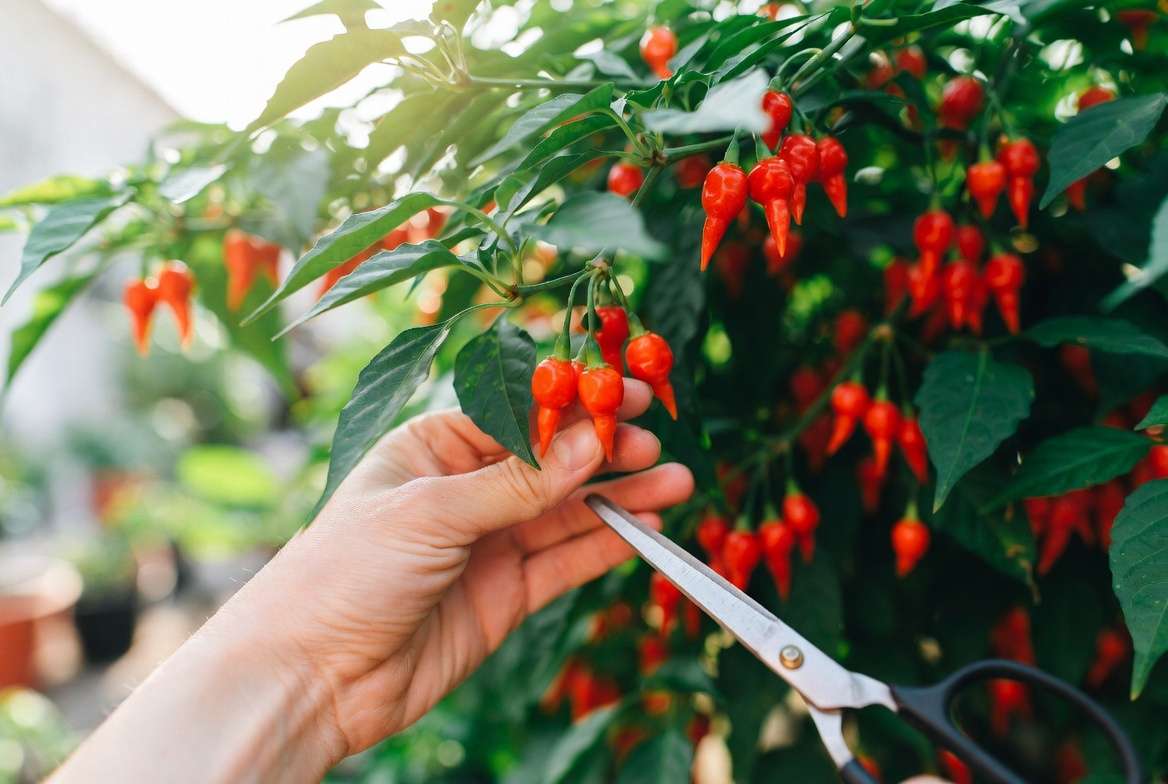
Harvest your bird’s eye chili pepper plant regularly to stimulate more production.
- Timing: Pick when peppers are glossy and firm. Green ones are milder and crisp; red ones are hotter and sweeter.
- Method: Use scissors or twist gently to avoid damaging stems.
- A single mature plant can yield 100–300+ peppers over several months in ideal conditions.
Continuous harvesting extends the season until frost. For maximum yield, maintain optimal care through late summer and fall.
Preserving and Using Your Bird’s Eye Harvest 🔥
Don’t let your bounty go to waste!
- Drying: Air-dry or use a dehydrator for chili flakes and powder.
- Freezing: Whole or chopped in airtight bags.
- Pickling: In vinegar brine for spicy condiments.
- Hot Sauce: Blend with garlic, vinegar, and salt for homemade fire!
Safety Note: Wear gloves when handling—capsaicin can irritate skin and eyes. These peppers elevate dishes like Thai basil stir-fry, sambal, or infused oils.
Advanced Tips and Seasonal Care
Container vs. In-Ground: Containers offer flexibility and better control for bird’s eye chili pepper plants in limited spaces.
Propagating from Cuttings: Take 4–6 inch stem cuttings in late season, root in water or soil for new plants.
Companion Plants: Pair with tomatoes, basil, or onions for mutual benefits.
Sustainable Practices: Use rainwater, homemade compost, and integrated pest management for eco-friendly gardening.
Overwintering success stories from gardeners show these plants can become productive perennials with proper indoor care.
Frequently Asked Questions (FAQs) ❓
Can bird’s eye chili plants grow indoors year-round? Yes! Provide strong grow lights and consistent warmth. Many indoor gardeners enjoy fresh peppers through winter.
Why are my plants not producing fruit? Common culprits: insufficient light, temperature swings, over-fertilizing with nitrogen, or lack of pollination. Adjust conditions and hand-pollinate.
How hot are bird’s eye chilis really? Typically 50,000–175,000 Scoville units—much hotter than jalapeños. Start small when cooking!
Best fertilizer for bird’s eye chili pepper plants? A balanced organic pepper fertilizer high in phosphorus/potassium during fruiting stage.
Additional FAQs:
- How long do they take to mature? (60–90 days from transplant)
- Can they be grown from store-bought peppers? (Yes, but viability varies)
- Best varieties? (Thai, African bird’s eye)
Conclusion
Growing a thriving bird’s eye chili pepper plant is one of the most satisfying experiences for home gardeners who love spice. By following this detailed guide—from selecting the perfect soil and providing full sun to smart pruning and pest prevention—you’ll enjoy bountiful harvests of fiery peppers season after season. 🌶️
Remember, patience and observation are your best tools. Every garden is unique, so experiment and adjust based on your local conditions. Start small, stay consistent, and soon you’ll be sharing your homegrown spicy bounty with family and friends.
Ready to grow your own? Grab some seeds and get planting! Share your bird’s eye chili pepper plant success stories or questions in the comments below—I’d love to hear from you and offer personalized tips.
For more plant care guides, check out our articles on companion planting, container gardening, or other hot pepper varieties. Happy gardening! ✨🪴











