
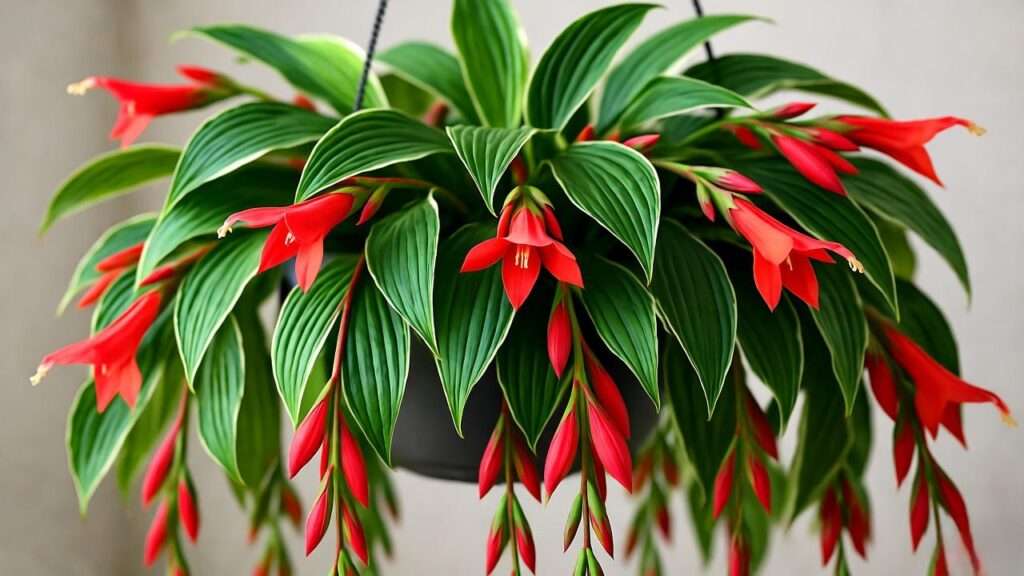
Picture this: a cascade of lush, variegated foliage spilling over a hanging basket, dotted with vibrant, tubular flowers that look like they’re straight out of a tropical paradise. That’s the magic of the black pagoda lipstick plant! 🌿 This stunning houseplant, known scientifically as Aeschynanthus ‘Black Pagoda’, is a must-have for plant lovers looking to add a touch of exotic elegance to their indoor spaces. Whether you’re a seasoned plant parent or just starting your green journey, this guide will equip you with everything you need to grow a thriving black pagoda lipstick plant. With over a decade of experience in tropical plant care, I’ve cultivated countless lipstick plants and am excited to share expert tips to help you achieve lush growth and vibrant blooms. From lighting to watering, propagation to troubleshooting, this comprehensive guide is your roadmap to success. Let’s dive in and make your black pagoda the star of your plant collection! 🌟
1. Understanding the Black Pagoda Lipstick Plant 🌱
1.1 What Is the Black Pagoda Lipstick Plant? 🌟
The black pagoda lipstick plant (Aeschynanthus ‘Black Pagoda’) is a tropical gem native to Southeast Asia, celebrated for its striking variegated leaves and vibrant, tubular flowers. Its dark green foliage, speckled with creamy yellow patterns, gives it a unique, almost mosaic-like appearance. The plant earns its “lipstick” nickname from its bright orange or red flowers that emerge from tube-like calyces, resembling a tube of lipstick being opened. 💋 This trailing plant is perfect for hanging baskets or elevated shelves, where its cascading stems can shine. Unlike other lipstick plant varieties, the black pagoda stands out for its bold variegation and slightly more compact growth habit, making it a favorite among indoor gardeners.
1.2 Why Choose a Black Pagoda Lipstick Plant? 😍
Why add a black pagoda lipstick plant to your collection? For starters, it’s a visual showstopper that instantly elevates any room. Beyond aesthetics, it’s an air-purifying plant, helping to improve indoor air quality. Its manageable size—typically growing 1–2 feet long—makes it ideal for small apartments or cozy corners. Plus, it’s relatively easy to care for, appealing to both beginners and seasoned plant enthusiasts. Compared to other lipstick plants like Aeschynanthus radicans, the black pagoda offers more dramatic foliage and a slightly slower growth rate, giving you a low-maintenance yet high-impact houseplant.
2. Essential Care Requirements for a Thriving Black Pagoda 🌿
Growing a healthy black pagoda lipstick plant starts with understanding its core needs. Let’s break down the essentials to keep your plant thriving.
2.1 Light Needs ☀️
Light is the key to unlocking your black pagoda’s full potential. This plant thrives in bright, indirect light, mimicking its natural habitat under the dappled canopy of tropical forests. Place it near an east- or west-facing window where it can bask in soft, filtered sunlight. If you only have a south-facing window, use a sheer curtain to diffuse the light and prevent leaf scorching. Too much direct sun can cause leaves to fade or burn, while too little light leads to leggy growth and fewer blooms. If natural light is limited, consider using a full-spectrum grow light (aim for 10–12 hours daily). Pro tip: Rotate your plant every few weeks to ensure even growth on all sides.
2.2 Watering Best Practices 💧
Watering a black pagoda lipstick plant is all about balance. Keep the soil slightly moist but never soggy. During the growing season (spring and summer), water every 7–10 days, allowing the top inch of soil to dry out between waterings. In fall and winter, reduce watering to every 10–14 days, as the plant’s growth slows. Use room-temperature water to avoid shocking the roots. Overwatering is a common mistake, leading to yellowing leaves or root rot, while underwatering causes wilting or leaf drop. Expert tip: Always check the soil with your finger before watering, and ensure your pot has drainage holes to prevent water buildup.
2.3 Soil and Potting Mix 🪴
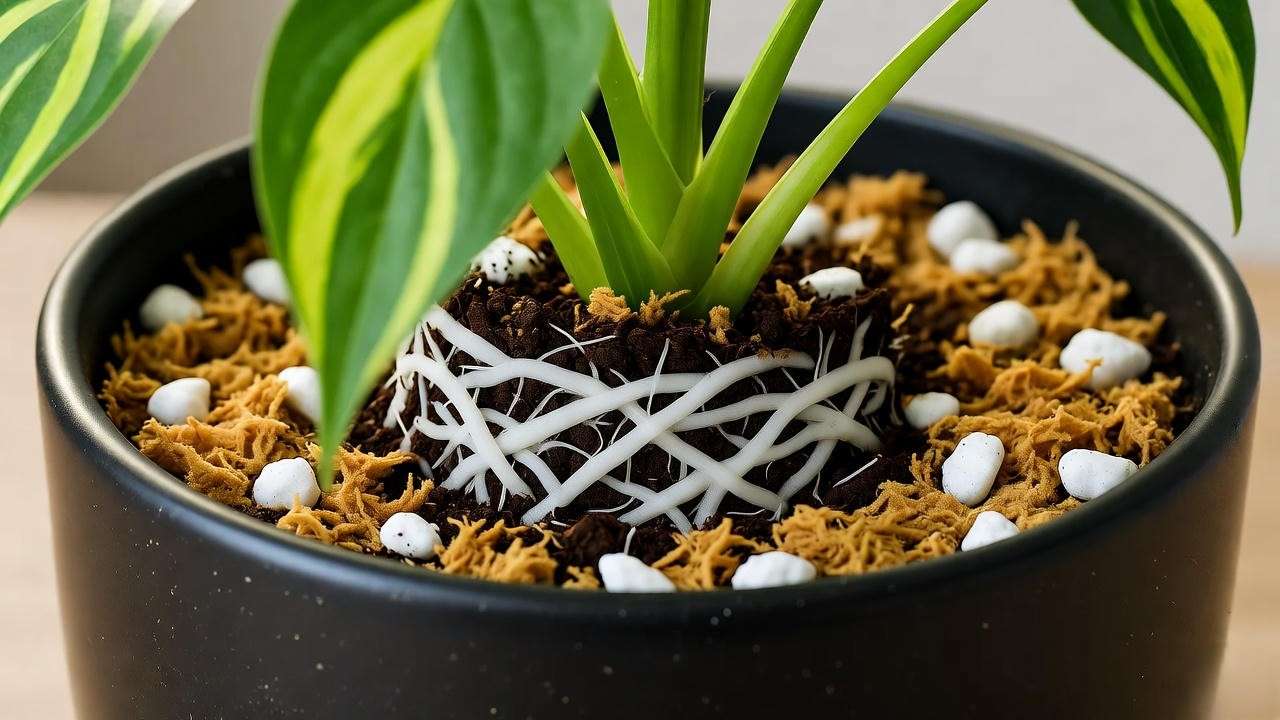
The right soil mix is crucial for your black pagoda’s health. Opt for a well-draining, aerated potting mix to mimic its epiphytic roots, which naturally grow on other plants or trees. A blend of 50% peat moss, 30% perlite, and 20% orchid bark works wonders. You can also use a pre-made mix designed for African violets or orchids. Good drainage is non-negotiable to prevent root rot, so choose a pot with drainage holes. Repot every 1–2 years or when the plant becomes root-bound, typically in spring. When repotting, gently loosen the roots and refresh the soil to give your plant a nutrient boost.
2.4 Humidity and Temperature 🌡️
As a tropical plant, the black pagoda lipstick plant loves high humidity (50–60%). If your home is dry, especially in winter, boost humidity with a pebble tray filled with water, a room humidifier, or occasional misting (avoid soaking the leaves). Keep temperatures between 65–80°F (18–27°C), and avoid placing your plant near cold drafts, air conditioners, or heating vents. Sudden temperature drops can stress the plant, causing leaf drop or stunted growth. Pro tip: Grouping your black pagoda with other plants creates a microclimate that naturally increases humidity.
2.5 Fertilizing for Growth and Blooms 🌸
To encourage lush foliage and vibrant blooms, fertilize your black pagoda during the growing season (spring and summer). Use a balanced, water-soluble fertilizer (e.g., 10-10-10) or an orchid-specific fertilizer diluted to half strength. Apply every 4–6 weeks, following the product instructions carefully. Over-fertilizing can cause leaf burn or excessive foliage at the expense of flowers, so less is more. In fall and winter, stop fertilizing as the plant enters dormancy. Expert insight: If blooms are sparse, try a fertilizer with slightly higher phosphorus (e.g., 10-20-10) to promote flowering.
3. Pruning and Maintenance ✂️
Regular maintenance keeps your black pagoda lipstick plant looking its best and encourages healthy growth.
3.1 How to Prune Your Black Pagoda 🌿
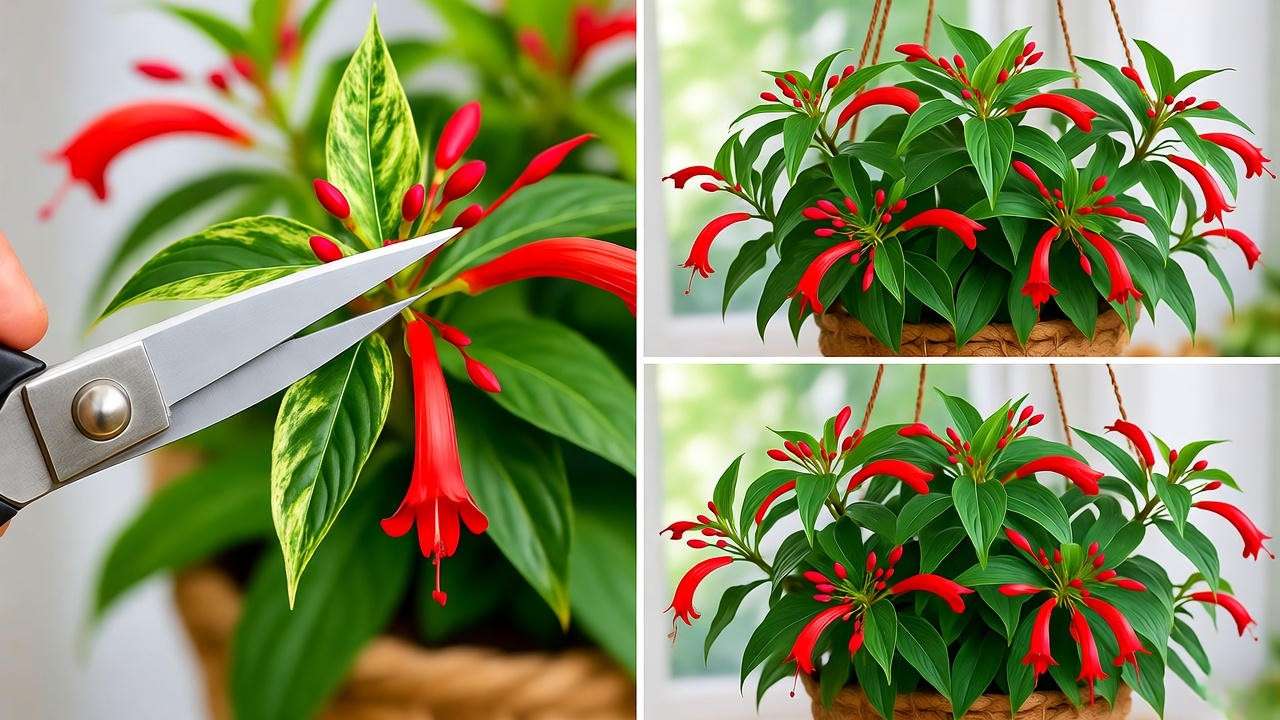
Pruning helps maintain a bushy, compact shape and prevents leggy growth. Use clean, sharp scissors to trim back overgrown or dead stems, ideally in spring or early summer. Cut just above a leaf node to encourage new growth. Don’t toss those healthy cuttings—they’re perfect for propagation! Pruning also stimulates flowering, as it redirects energy to new growth and buds. Pro tip: Wear gloves if you’re sensitive to plant sap, as it can be mildly irritating.
3.2 Cleaning and Grooming 🧼
Dust on leaves can block sunlight and hinder photosynthesis, so gently wipe your black pagoda’s leaves with a damp cloth every few weeks. While cleaning, inspect for pests like spider mites or mealybugs, which can hide in leaf crevices. Regular grooming keeps your plant healthy and enhances its glossy, variegated beauty.
3. Pruning and Maintenance ✂️ (Continued)
3.2 Cleaning and Grooming 🧼 (Continued)
Regular grooming not only keeps your black pagoda lipstick plant looking pristine but also helps you spot early signs of stress or disease. If you notice yellowing leaves or unusual spots, act quickly to address potential issues (more on this in the troubleshooting section). Expert tip: Use a soft, lint-free cloth and lukewarm water to clean leaves, avoiding harsh chemicals that could damage the plant’s delicate foliage. Regular maintenance like this ensures your black pagoda remains a vibrant centerpiece in your home. 🌿
4. Propagating the Black Pagoda Lipstick Plant 🌱
One of the joys of growing a black pagoda lipstick plant is how easy it is to propagate, allowing you to share its beauty with friends or expand your collection. Propagation is a cost-effective way to grow new plants and a rewarding project for any plant enthusiast.
4.1 Step-by-Step Propagation Guide 🌿
The most effective way to propagate a black pagoda lipstick plant is through stem cuttings, either in water or soil. Here’s how to do it:
- Choose a Healthy Stem: Select a 4–6 inch stem with at least 2–3 leaf nodes (the points where leaves attach). Ensure the stem is healthy, with no signs of disease or pest damage.
- Cut and Prepare: Using clean, sharp scissors, cut just below a node at a 45-degree angle. Remove the lower leaves to expose the node, leaving 2–3 leaves at the top.
- Rooting Option 1: Water Propagation:
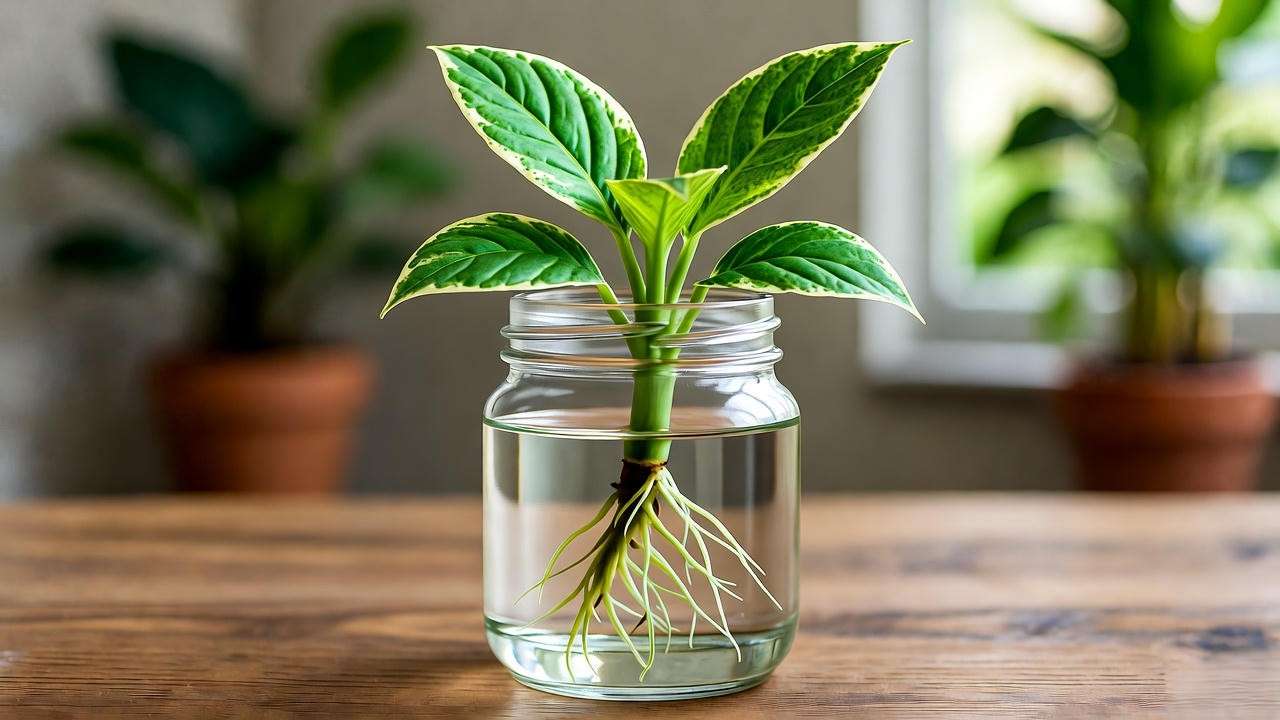
- Place the cutting in a glass of room-temperature water, ensuring the node is submerged.
- Change the water every 3–4 days to keep it fresh.
- Roots should appear in 2–4 weeks. Once roots are 1–2 inches long, transfer to a pot with a well-draining soil mix.
- Rooting Option 2: Soil Propagation:
- Dip the cut end in rooting hormone (optional, but speeds up rooting).
- Plant the cutting in a small pot filled with a mix of peat moss and perlite.
- Keep the soil moist and cover the pot with a plastic bag to create a humid environment.
- Care for New Cuttings: Place the cutting in bright, indirect light and maintain high humidity. Roots typically develop in 3–6 weeks.
Pro tip: Spring or early summer is the best time to propagate, as the plant is actively growing and more likely to root successfully.
4.2 Common Propagation Mistakes to Avoid 🚫
Propagation is straightforward, but a few missteps can derail your efforts. Avoid these common mistakes:
- Overwatering Cuttings: Too much water can cause rot, especially in soil propagation. Keep the soil moist, not soggy.
- Low Humidity: Cuttings need high humidity to root effectively. Use a humidity dome or mist regularly.
- Poor Stem Selection: Avoid using weak or damaged stems, as they’re less likely to root.
- Impatience: Rooting takes time. Resist the urge to tug on cuttings to check for roots, as this can damage delicate new growth.
With patience and care, you’ll soon have new black pagoda plants to enjoy or share! 🌱
5. Troubleshooting Common Problems 🛠️
Even with the best care, your black pagoda lipstick plant may face challenges. Here’s how to diagnose and fix common issues to keep your plant thriving.
5.1 Why Isn’t My Black Pagoda Blooming? 🌸
The black pagoda’s vibrant flowers are a highlight, but lack of blooms can be frustrating. Common causes include:
- Insufficient Light: Without enough bright, indirect light, the plant prioritizes foliage over flowers. Move it closer to a light source or supplement with a grow light.
- Improper Watering: Overwatering or underwatering can stress the plant, reducing blooms. Stick to a consistent watering schedule.
- Nutrient Deficiency: Lack of phosphorus can inhibit flowering. Switch to a fertilizer with a higher middle number (e.g., 10-20-10) during the growing season.
Solution: Adjust light, water, and fertilizer, and be patient—blooming may take a few months after corrections.
5.2 Dealing with Pests and Diseases 🐞
The black pagoda lipstick plant is relatively pest-resistant, but spider mites, aphids, and mealybugs can occasionally strike. Here’s how to handle them:
- Spider Mites: Look for fine webbing or stippling on leaves. Increase humidity and spray with neem oil or insecticidal soap.
- Aphids: These tiny pests cluster on new growth. Rinse them off with water or use a mild soap solution.
- Mealybugs: White, cottony spots indicate mealybugs. Dab them with alcohol-soaked cotton swabs.
- Root Rot: Caused by overwatering, root rot leads to mushy roots and wilting. Repot in fresh, well-draining soil and reduce watering.
Prevention tip: Regularly inspect your plant during grooming sessions and maintain good air circulation to deter pests.
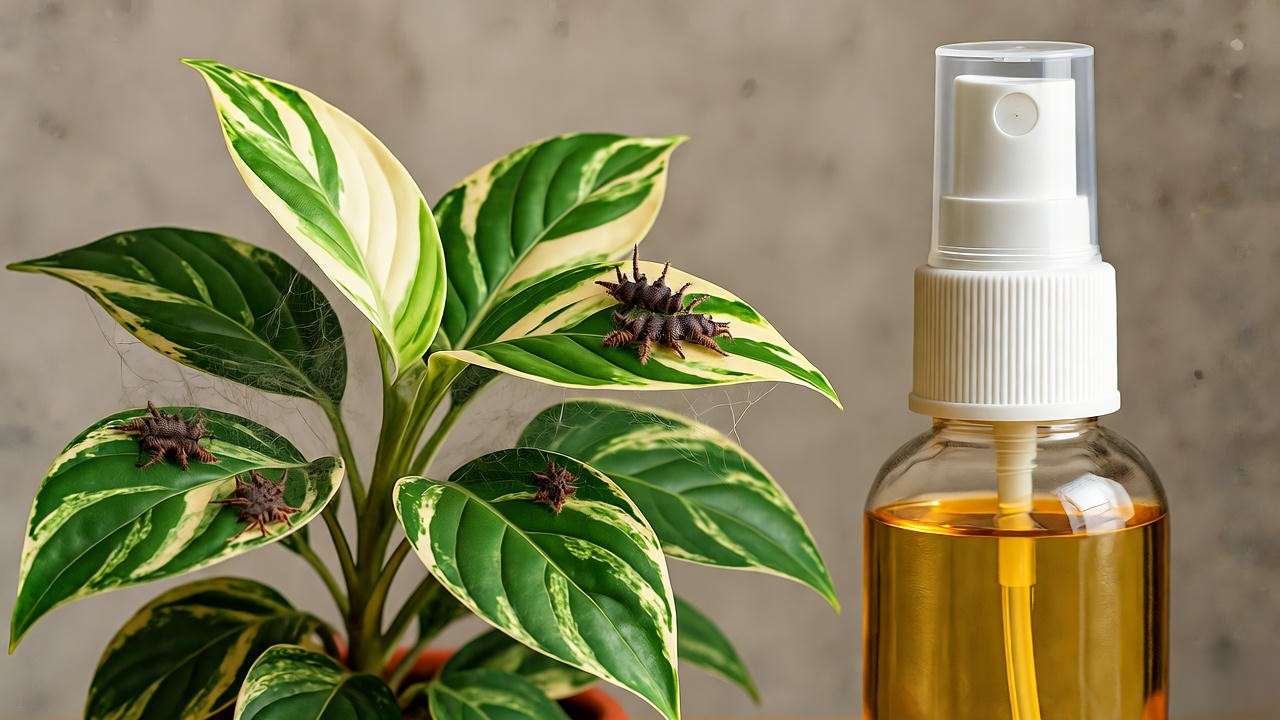
5.3 Yellowing or Dropping Leaves 🍂
Yellowing or dropping leaves often signal environmental stress. Common culprits include:
- Overwatering: Check for soggy soil. Let the top inch dry out before watering again.
- Low Humidity: Dry air causes leaf curling or dropping. Boost humidity with a pebble tray or humidifier.
- Temperature Stress: Cold drafts or sudden temperature changes can shock the plant. Keep it in a stable, warm environment.
Solution: Identify the cause, adjust care, and prune any damaged leaves to encourage new growth.
6. Styling and Displaying Your Black Pagoda Lipstick Plant 🏡
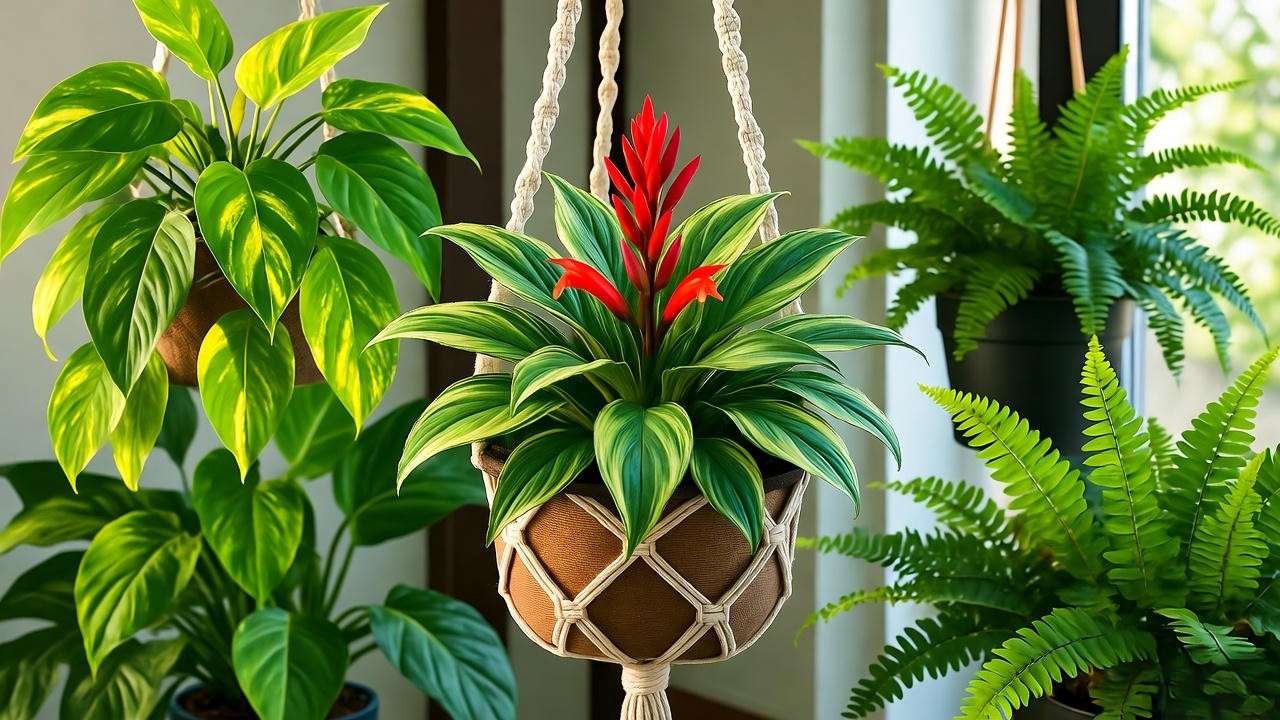
The black pagoda lipstick plant is a natural showstopper, and how you display it can enhance its beauty. Its trailing growth makes it ideal for hanging baskets, where its cascading stems create a lush, tropical vibe. Alternatively, place it on a high shelf or in a wall-mounted planter to let the foliage drape dramatically. For a unique twist, train the stems along a small trellis for an upright display. Pair it with other tropical plants like pothos or ferns for a jungle-inspired corner. Safety note: The black pagoda is mildly toxic if ingested, so keep it out of reach of pets and children.
Styling tip: Use a decorative ceramic pot or macramé hanger to complement the plant’s vibrant foliage and add a touch of personality to your space. 🪴
7. Expert Insights and Pro Tips 🌟
With years of experience cultivating tropical plants, I’ve learned a few tricks to maximize the black pagoda lipstick plant’s potential:
- Seasonal Adjustments: In winter, reduce watering and stop fertilizing as the plant enters dormancy. Resume regular care in spring.
- Bloom Boost: If flowers are sparse, try a diluted bloom-booster fertilizer and ensure 10–12 hours of bright, indirect light daily.
- Humidity Hack: Place a small humidifier near your plant or group it with other humidity-loving plants to create a tropical microclimate.
- Long-Term Success: Rotate your plant every few months to promote even growth and prevent lopsidedness.
These small tweaks can make a big difference in keeping your black pagoda healthy and vibrant year-round.
8. Frequently Asked Questions (FAQs) ❓
- How fast does the black pagoda lipstick plant grow?
The black pagoda has a moderate growth rate, typically adding 6–12 inches of new growth annually with proper care. Growth is fastest in spring and summer. - Is the black pagoda lipstick plant pet-safe?
It’s mildly toxic if ingested, causing mild stomach upset in pets. Keep it out of reach of cats and dogs. - Can I grow it outdoors?
Yes, in USDA zones 10–11, or as a seasonal outdoor plant in warmer months. Bring it indoors if temperatures drop below 60°F (15°C). - Why are my plant’s leaves curling?
Curling leaves often indicate low humidity or underwatering. Increase humidity with a pebble tray and check your watering routine.
9. Conclusion 🎉
The black pagoda lipstick plant is a stunning addition to any indoor garden, offering vibrant foliage and dazzling blooms with the right care. By providing bright, indirect light, consistent watering, and a humid environment, you’ll unlock its full potential. Whether you’re troubleshooting issues, propagating new plants, or styling it for maximum impact, this guide has you covered with expert-backed tips. Start your black pagoda journey today and watch it transform your space into a tropical oasis! 🌿 Share your plant care experiences in the comments, subscribe for more guides, or explore our articles on other tropical houseplants for more green inspiration.











