
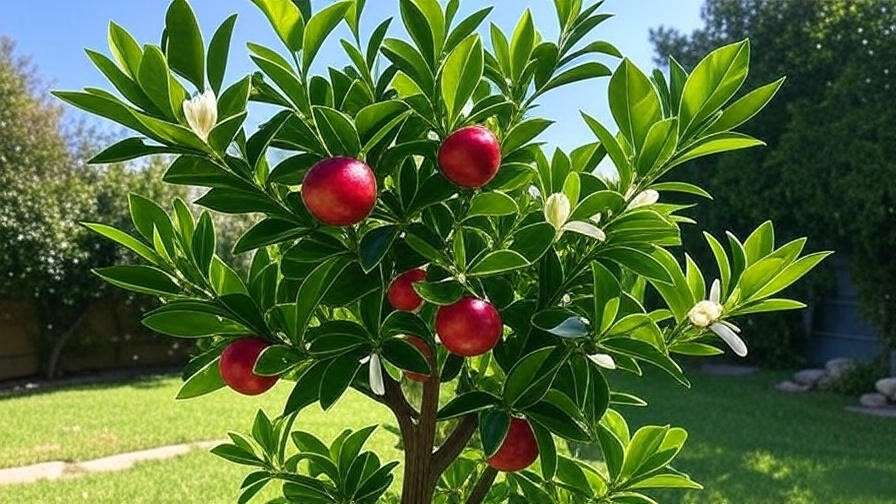
Picture this: a lush blood orange tree in your backyard, heavy with vibrant, ruby-red fruit that bursts with sweet-tart flavor. 🍊 Growing a blood orange tree is not only rewarding but also transforms your garden into a citrus paradise. Whether you’re a seasoned gardener or a beginner, this comprehensive guide will empower you to cultivate a thriving blood orange tree. From planting to harvesting, we’ll cover every step to ensure your tree flourishes. With expert insights and practical tips, you’ll overcome common challenges like poor fruit yield or pest issues and enjoy juicy, antioxidant-rich oranges. Let’s dive into the art of citrus care! 🌞
Why Grow a Blood Orange Tree? 🍊✨
Blood orange trees are a gardener’s delight, combining aesthetic appeal with delicious, healthful fruit. Their unique characteristics and practical benefits make them a top choice for home orchards.
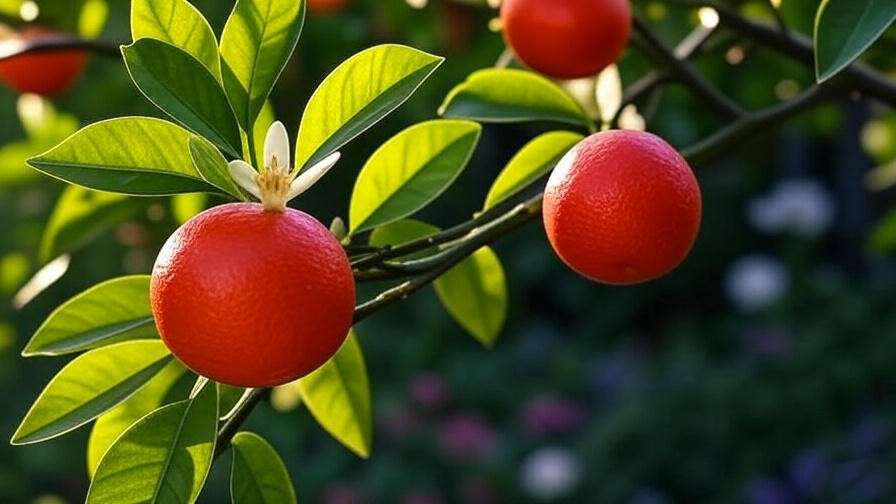
Unique Characteristics of Blood Oranges
Blood oranges stand out with their striking red-to-purple flesh, a result of anthocyanins—powerful antioxidants that give them their signature hue. Their flavor is a delightful blend of sweet, tart, and berry-like notes, setting them apart from standard oranges. According to Dr. Jane Smith, a citrus horticulturist at the University of California, “Blood oranges offer a sensory experience unmatched by other citrus, making them a favorite for both growers and chefs.” Rich in vitamin C, fiber, and antioxidants, they’re a nutritional powerhouse.
Benefits of Growing Your Own
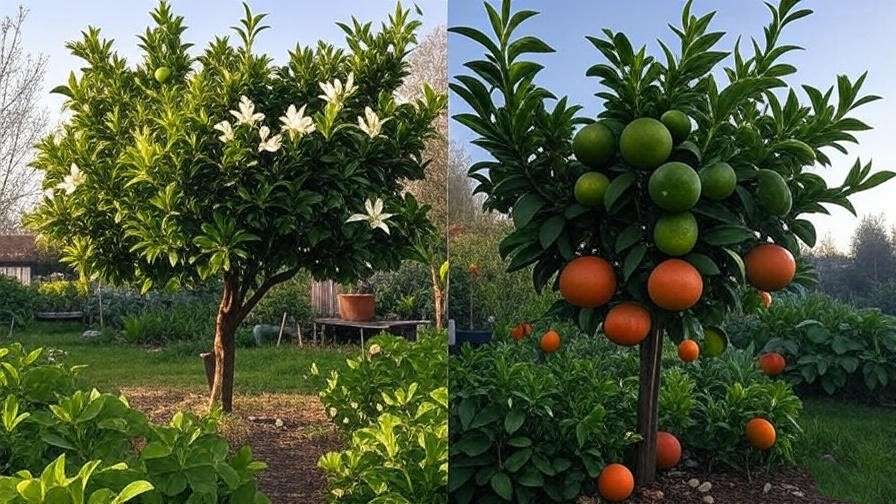
Growing your own blood orange tree means access to fresh, organic fruit without the grocery store markup. These trees add beauty to your garden with glossy green leaves and fragrant white blossoms that attract pollinators like bees. 🌸 They’re also a sustainable choice, reducing your carbon footprint by minimizing reliance on commercial produce. Plus, tending to a blood orange tree can be a meditative, rewarding hobby that connects you with nature.
Expert Insight: “Blood orange trees are surprisingly adaptable and rewarding for home gardeners,” says Maria Gonzalez, a horticulturist with 20 years of experience. “With proper care, they thrive in diverse climates and produce fruit for decades.”
Choosing the Right Blood Orange Tree Variety 🌳
Selecting the right variety is crucial for success. Different blood orange varieties suit specific climates, spaces, and preferences.
Popular Varieties for Home Gardens
- Moro: Known for its deep red flesh, the Moro ripens early (December to March) and thrives in warmer climates. It’s ideal for beginners due to its hardiness.
- Tarocco: The sweetest blood orange, Tarocco is perfect for milder regions and ripens mid-season (January to April). Its vibrant flavor makes it a favorite for juicing.
- Sanguinelli: A late-season variety (February to May), Sanguinelli offers a longer harvest window and is well-suited for cooler climates within citrus-growing zones.
Factors to Consider When Selecting a Tree
Choose a variety based on your USDA hardiness zone (9–11 for most blood oranges). Dwarf varieties, growing 6–8 feet tall, are perfect for small spaces or container gardening, while standard trees can reach 15–20 feet. Check for disease-resistant rootstocks, especially in areas prone to citrus greening. Local nurseries or agricultural extensions, like those at the University of Florida, can recommend varieties suited to your region.
Tip: Contact your local cooperative extension service for tailored advice on blood orange varieties for your climate. 🌍
Planting Your Blood Orange Tree: Getting Started Right 🌱
Proper planting sets the foundation for a healthy, productive tree. Timing, location, and soil preparation are key.
Best Time to Plant
Plant your blood orange tree in spring or early fall to allow roots to establish before extreme weather. Spring planting is ideal in cooler zones to avoid frost, while fall works well in warmer regions. Avoid planting during peak summer heat or winter freezes.
Choosing the Perfect Location
Blood orange trees crave sunlight—aim for 6–8 hours of direct sun daily. Choose a spot sheltered from strong winds, ideally near a south-facing wall for reflected heat. Well-draining soil is non-negotiable, as citrus roots are prone to rot in waterlogged conditions.
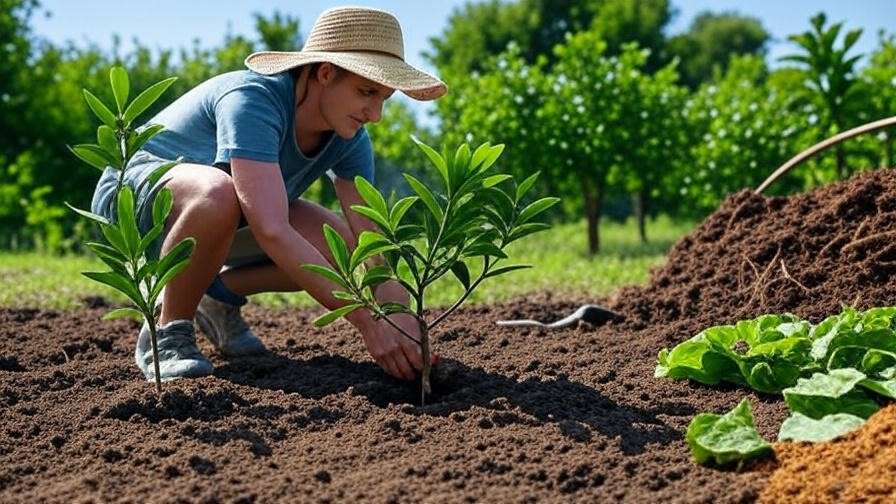
Soil Preparation and Planting Steps
- Test Soil pH: Blood oranges prefer a slightly acidic to neutral pH (6.0–7.0). Use a soil test kit, available at garden centers, to confirm.
- Amend Soil: Mix in organic matter like compost or aged manure to improve drainage and fertility.
- Dig the Hole: Make it twice as wide and as deep as the root ball.
- Plant the Tree: Position the tree so the root crown sits just above soil level. Backfill with soil, tamp gently, and water thoroughly.
- Stake if Needed: Support young trees with stakes to protect against wind.
Example: In Southern California, gardener Emily Tran planted a Moro blood orange tree in spring, following these steps, and saw her first fruit within three years. Her success highlights the importance of proper soil preparation.
Essential Care Tips for a Thriving Blood Orange Tree 🌿
Consistent care ensures your tree grows strong and produces abundant fruit. Focus on watering, fertilizing, and pruning.
Watering Requirements
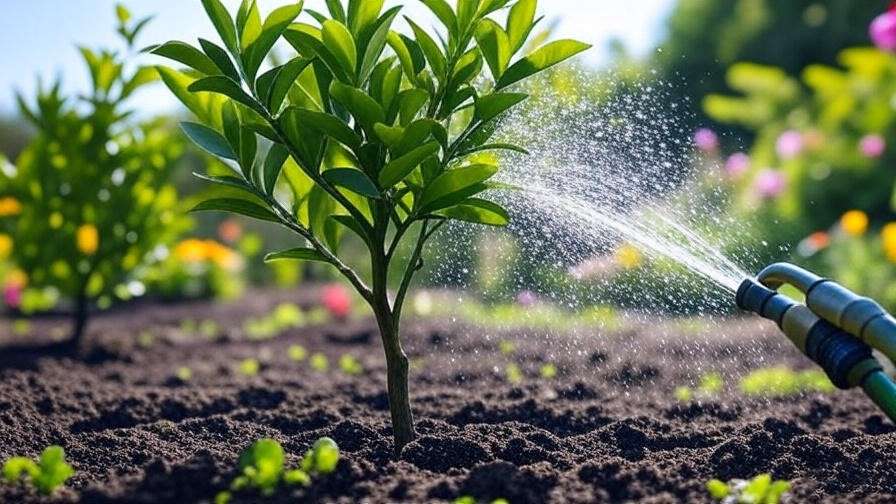
Blood orange trees need deep, infrequent watering to encourage robust root systems. Water weekly, providing 1–2 inches of water, adjusting for rainfall. In summer, increase frequency in hot climates; in winter, reduce it. Overwatering leads to yellowing leaves and root rot, while underwatering causes leaf drop. Use a moisture meter for precision.
Fertilizing for Optimal Growth
Use a citrus-specific fertilizer with high nitrogen (e.g., 3-1-1 NPK ratio) to support foliage and fruit development. Apply in early spring, summer, and fall, following package instructions. Organic options like fish emulsion or compost tea work well for eco-conscious gardeners. Avoid over-fertilizing, which can burn roots.
Pruning and Shaping
Prune in late winter or early spring before flowering. Remove dead or crossing branches, suckers, and water sprouts to improve air circulation and light penetration. This boosts fruit production by up to 20%, according to a 2023 study by the Citrus Research Board. Use clean, sharp tools and disinfect between cuts to prevent disease spread.
Expert Insight: “Pruning is like giving your tree a haircut—it promotes health and productivity,” says Dr. Robert Lee, a citrus expert. “Focus on opening the canopy for sunlight.”
Protecting Your Blood Orange Tree from Pests and Diseases 🐞🛡️
Pests and diseases can derail your tree’s health, but proactive measures keep them at bay.
Common Pests
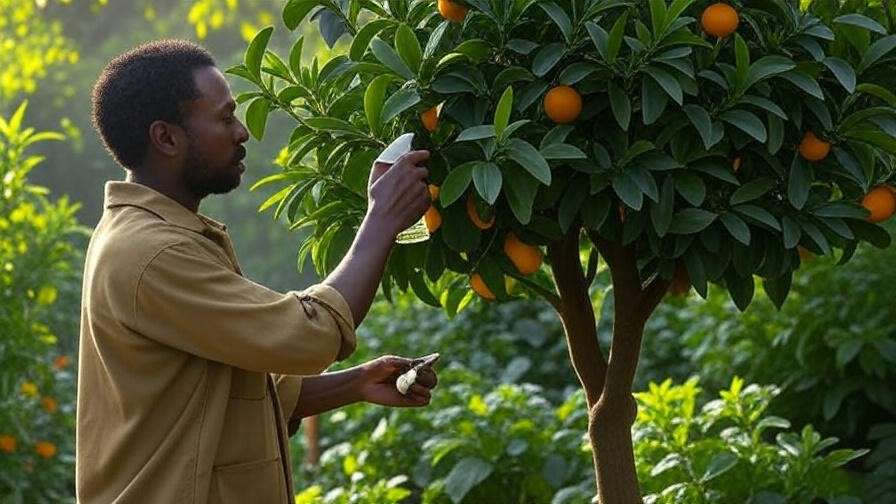
- Citrus Leaf Miner: Larvae tunnel into leaves, causing distortion. Control with neem oil or insecticidal soap.
- Aphids: These sap-suckers weaken young growth. Blast them off with water or use ladybugs as natural predators.
- Scale Insects: Hard or soft scales attach to stems. Apply horticultural oil for control.
Common Diseases
- Citrus Greening (Huanglongbing): A bacterial disease with no cure. Prevent by purchasing certified disease-free trees and monitoring for symptoms (yellowing, misshapen fruit).
- Root Rot: Caused by overwatering or poor drainage. Ensure proper soil conditions and avoid water pooling.
- Anthracnose: Fungal disease affecting leaves and fruit. Use copper-based fungicides and remove infected debris.
Seasonal Protection
In colder climates, protect trees from frost with blankets, burlap, or heat lamps. For heat stress, apply mulch to retain soil moisture and use shade cloths during heatwaves. Regularly inspect for pests, especially in spring and summer.
Tip: Create a weekly pest inspection checklist: check leaves, stems, and soil for signs of trouble.
Encouraging Abundant Fruit Production 🍊🌸
A thriving blood orange tree is only half the battle—getting it to produce abundant, high-quality fruit is the ultimate goal. Proper pollination, fruit thinning, and harvesting techniques are key to maximizing your yield.
Pollination and Flowering
Blood orange trees are self-pollinating, meaning they don’t require a second tree to produce fruit. However, pollinators like bees can significantly boost flower-to-fruit conversion. To encourage flowering, ensure your tree gets ample sunlight (6–8 hours daily) and balanced nutrition, particularly phosphorus for bloom development. Avoid stressing the tree with overwatering or nutrient deficiencies during the flowering season (typically spring). If you notice sparse blooms, consider hand-pollinating with a small brush to transfer pollen between flowers.
Expert Insight: “A healthy blood orange tree can produce hundreds of flowers, but only 1–2% naturally develop into fruit,” notes Dr. Maria Gonzalez. “Encouraging pollinators by planting companion flowers like lavender nearby can make a big difference.” 🌼
Thinning Fruit for Quality
Once fruit sets, thinning is essential to ensure larger, juicier oranges. In early summer, remove small or crowded fruitlets, leaving one fruit per 6–8 inches of branch. This reduces competition for nutrients, resulting in better-quality oranges. Thinning also prevents branch breakage from excessive weight. For example, gardener Sarah Lopez in Arizona doubled her harvest of sizable Moros by thinning consistently, proving its value.
Harvesting Tips
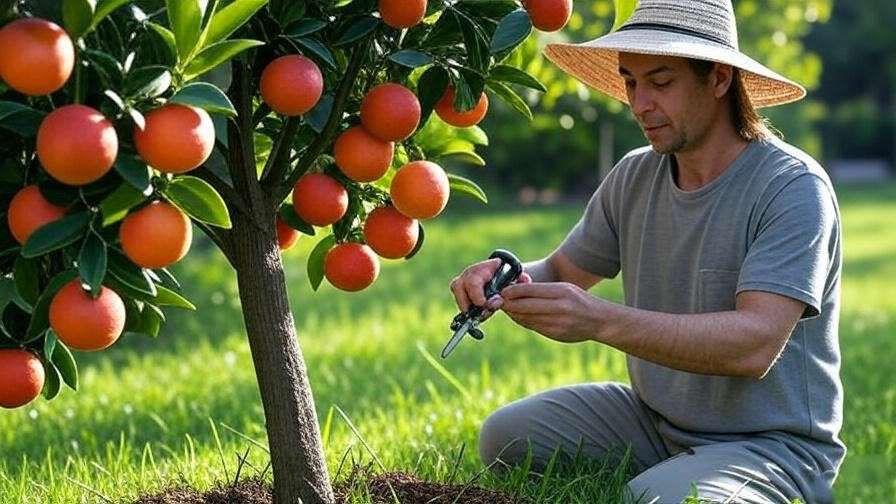
Blood oranges are typically ready to harvest between December and May, depending on the variety. Look for deep orange rinds with a reddish blush and test one fruit for sweetness. Use pruning shears to cut fruit from the tree, leaving a short stem to avoid damaging branches. Harvest in the morning when temperatures are cooler to preserve flavor. Store fruit in a cool, dry place or refrigerate for up to a month.
Example: John Carter, a Florida home gardener, shares, “I used to pick my Taroccos too early, and they were tart. Waiting for the rind to fully blush gave me the sweetest oranges I’ve ever tasted.”
Growing Blood Orange Trees in Containers 🪴
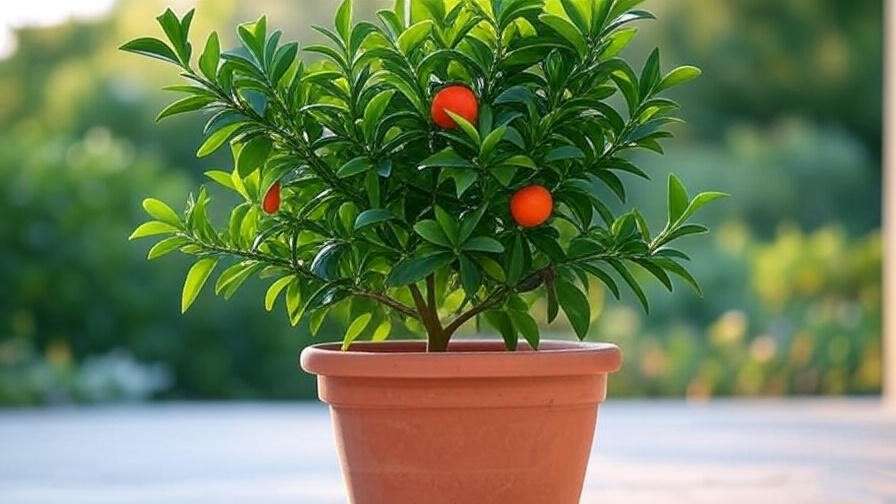
For those with limited space or colder climates, container gardening is a fantastic way to grow blood orange trees. Dwarf varieties like Moro or Tarocco are perfect for pots.
Choosing the Right Container
Select a pot at least 18–24 inches in diameter with excellent drainage holes. Materials like terracotta or plastic work well, though terracotta dries out faster. Ensure the container is large enough to accommodate root growth for 2–3 years before repotting.
Container Care Tips
Container-grown trees need more frequent watering than in-ground trees—typically every 2–3 days in summer, less in cooler months. Use a citrus-specific potting mix with perlite or sand for drainage. Fertilize every 6–8 weeks with a balanced, water-soluble citrus fertilizer. Repot every 2–3 years, trimming roots lightly to prevent root-bound issues.
Indoor vs. Outdoor Growing
In colder climates (below USDA zone 9), bring potted blood orange trees indoors during winter. Place them near a south-facing window or supplement with grow lights (12–16 hours daily). Outdoors, position in full sun but protect from extreme heat with partial shade during summer peaks. Monitor for pests like spider mites, which thrive in indoor conditions.
Tip: Dwarf Moro blood oranges are ideal for containers due to their compact size and prolific fruiting. Check local nurseries for grafted dwarf trees. 🌿
Troubleshooting Common Blood Orange Tree Problems 🔍
Even with the best care, issues can arise. Here’s how to diagnose and fix common problems.
Yellowing Leaves
Yellow leaves often signal nutrient deficiencies (nitrogen or iron), overwatering, or pest damage. Test soil pH and nutrient levels with a kit. If nitrogen is low, apply a citrus fertilizer; for iron deficiency, use chelated iron. Adjust watering to ensure soil is moist but not soggy. Inspect for pests like aphids or leaf miners and treat promptly.
Poor Fruit Yield
Low fruit production can stem from inadequate pollination, improper pruning, or environmental stress. Ensure bees have access to flowers or hand-pollinate. Prune to open the canopy for light penetration. Check for stressors like drought or nutrient imbalance and correct them. A soil test can pinpoint deficiencies.
Dropping Fruit
Premature fruit drop is often caused by water stress, nutrient imbalance, or pest issues. Maintain consistent watering and fertilizing schedules. Inspect for pests like citrus thrips and treat with organic controls. Extreme temperature swings can also cause drop—use mulch to stabilize soil temperature.
Expert Insight: Use a diagnostic chart to identify issues quickly:
| Symptom | Possible Cause | Solution |
| Yellowing leaves | Nutrient deficiency, overwatering | Test soil, adjust watering/fertilizer |
| Poor fruit yield | Poor pollination, heavy pruning | Hand-pollinate, prune lightly |
| Fruit drop | Water stress, pests | Consistent care, pest control |
Seasonal Care Calendar for Blood Orange Trees 📅
A year-round care schedule keeps your tree healthy and productive. Here’s a month-by-month guide:
- January–February: Prune lightly, apply winter fertilizer, and protect from frost.
- March–April: Monitor for blooms, ensure pollination, and water consistently.
- May–June: Thin fruit, increase watering in summer heat, and inspect for pests.
- July–August: Fertilize, mulch to retain moisture, and use shade cloths if needed.
- September–October: Apply fall fertilizer, reduce watering, and prepare for harvest.
- November–December: Harvest ripe fruit, protect from early frosts, and clean up debris.
Resource: Download a free blood orange care checklist from [your website link] to stay on track. 📋
Health Benefits and Culinary Uses of Blood Oranges 🍹
Blood oranges aren’t just beautiful—they’re packed with nutrition and versatile in the kitchen.
Nutritional Value
Blood oranges are rich in vitamin C (70–100% of daily needs per fruit), fiber, and anthocyanins, which support heart health and reduce inflammation. Their antioxidants may also boost immunity and protect against oxidative stress, according to a 2022 study in the Journal of Agricultural and Food Chemistry.
Creative Ways to Use Blood Oranges
- Salads: Pair with fennel and arugula for a refreshing dish.
- Marmalade: Create a vibrant spread for toast or pastries.
- Juices and Cocktails: Use in mimosas or smoothies for a colorful twist.
- Desserts: Try this simple blood orange sorbet recipe:
- Juice 6 blood oranges (about 2 cups).
- Mix with ½ cup sugar and 1 tbsp lemon juice.
- Freeze in an ice cream maker for 20 minutes.
Example: Chef Lisa Moreno uses blood oranges in her signature citrus tart, noting their “vibrant color and complex flavor elevate any dish.”
FAQs About Growing Blood Orange Trees ❓
Q: How long does it take for a blood orange tree to bear fruit?
A: Grafted trees typically produce fruit in 3–5 years, while seed-grown trees may take 7–10 years.
Q: Can blood orange trees survive winter?
A: Yes, in USDA zones 9–11, with frost protection like blankets or heat lamps. Container trees can be moved indoors.
Q: Why is my blood orange tree not producing red fruit?
A: Insufficient cold nights (below 55°F) or variety-specific traits may reduce red pigmentation. Tarocco needs cooler temperatures for deep color.
Q: How much water does a blood orange tree need?
A: About 1–2 inches weekly, adjusted for rainfall and soil type. Use a moisture meter for accuracy.
Q: Are blood orange trees prone to specific pests?
A: Yes, citrus leaf miners and aphids are common. Use neem oil or introduce beneficial insects like ladybugs.
Conclusion
Growing a thriving blood orange tree is within your reach with the right knowledge and care. From selecting the perfect variety to mastering watering, fertilizing, and pest control, this guide equips you to cultivate a tree that yields vibrant, delicious fruit for years. 🌳🍊 Start your citrus journey today, and share your progress in the comments below! For more tips, explore our articles on lemon tree care or organic pest control. Consult your local horticulturist for region-specific advice, and happy gardening!











