
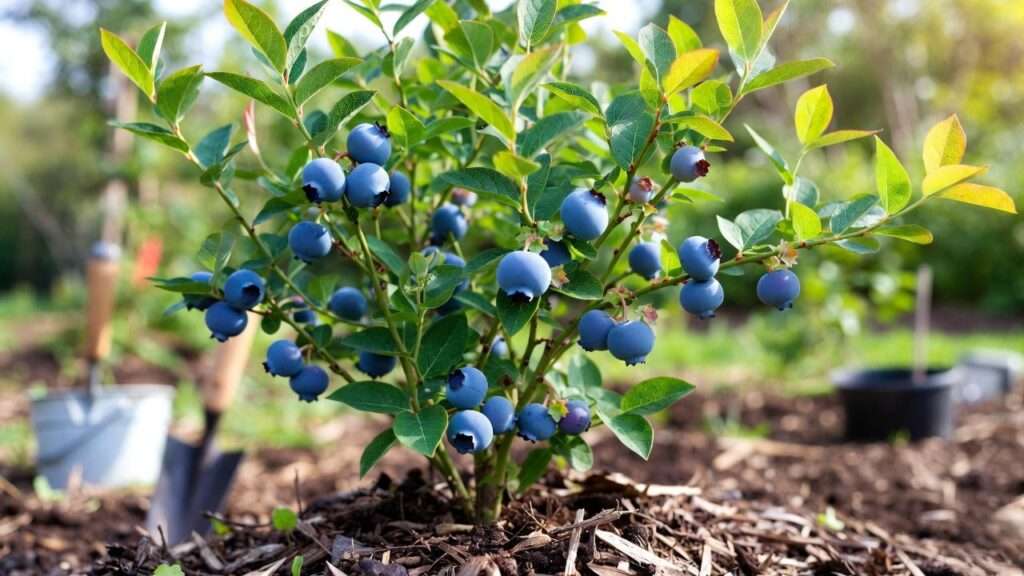
Imagine stepping into your backyard on a warm July morning, reaching up to a vibrant bush loaded with clusters of massive, powder-blue berries that burst with intense sweetness in your mouth—like nature’s own candy. No more settling for bland supermarket blueberries or worrying about low yields from finicky plants. The Blueray blueberry plant (Vaccinium corymbosum ‘Blueray’) delivers exactly that: extra-large, dessert-quality fruit, vigorous growth, and stunning ornamental beauty. As one of the most beloved northern highbush varieties since its introduction in 1955, Blueray consistently ranks among top performers for home gardeners in USDA zones 4–8.
This ultimate guide draws from decades of horticultural expertise, university extension research (including insights from Rutgers, Michigan State, and Cornell), and real-world grower experiences to help you achieve 15–20 pounds of sweet, crack-resistant berries per mature bush. Whether you’re battling alkaline soil, poor pollination, or inconsistent harvests, we’ll cover proven solutions for thriving Blueray plants. Let’s turn your garden into a blueberry paradise! 😋

Quick Facts About Blueray Blueberry Plants 📊
| Characteristic | Details |
|---|---|
| Type | Northern highbush blueberry |
| Mature Height/Width | 4–8 feet tall and wide |
| Hardiness Zones | 4–8 (tolerates -15°F to -25°F with protection) |
| Chill Hours Required | 800+ |
| Ripening Season | Mid-season (July to early August) |
| Yield per Mature Bush | 15–20+ pounds |
| Berry Size | Very large (often 60–65 berries per cup) |
| Flavor | Exceptionally sweet, low tartness |
| Pollination | Partially self-fertile (cross-pollination boosts yield) |
What Is the Blueray Blueberry Plant? (Variety Deep Dive) 🔍
Blueray Blueberry Characteristics & Why Gardeners Love It 🌟
Blueray is a classic northern highbush blueberry hybrid developed in New Jersey, prized for its reliability and superior fruit quality. This upright, vigorous shrub grows 4–8 feet tall with an open habit, making it easy to harvest and prune.
Key standout traits:
- Fruit: Extra-large berries with light blue skin, firm texture, and outstanding sweetness—often described as “dessert quality” with minimal acidity. They resist cracking even in wet weather.
- Plant Vigor: Fast-growing and cold-hardy, with reddish winter stems for year-round interest.
- Ornamental Value: Glossy green summer foliage explodes into fiery red, orange, and yellow hues in fall—one of the best autumn displays among blueberries. 🍂
Gardeners rave about Blueray for its high yields and adaptability. It’s a top choice for u-pick operations and home gardens alike, backed by consistent performance in trials from sources like One Green World Nursery and Raintree Nursery.
Blueray vs. Popular Varieties: Comparison Table 📊
| Variety | Berry Size | Flavor | Ripening | Yield Potential | Hardiness Notes |
|---|---|---|---|---|---|
| Blueray | Very large | Exceptionally sweet | Mid-season | High (15–20 lbs) | Excellent cold tolerance, vigorous |
| Bluecrop | Large | Good, balanced | Mid-season | Very high | Industry standard, disease-resistant |
| Patriot | Very large | Mildly tart | Early-mid | High | Root rot resistant, compact |
| Jersey | Medium | Sweet | Late | Moderate-high | Reliable, good for processing |
| Duke | Large | Mild | Early | High | Heavy consistent producer |
Blueray shines for flavor and size, often edging out Bluecrop in taste tests while matching its productivity.
Is Blueray Self-Pollinating? Pollination Requirements Explained 🌸
Blueray is partially self-fertile, meaning it can produce fruit on its own—but cross-pollination dramatically improves berry size, yield, and earliness (up to double in some studies). Bees handle most pollination, but planting companions ensures better results.
Best Pollinator Companions (overlapping bloom times):
- Bluecrop
- Patriot
- Duke
- Jersey
Pro Tip: Aim for 2–3 different varieties spaced 4–6 feet apart. This not only boosts harvests but extends your picking season! 🐝
Site Selection & Soil Preparation (The #1 Success Factor) 🏡
Blueberries like Blueray demand specific conditions—get this right, and success is nearly guaranteed.
Choosing the Perfect Spot for Your Blueray Blueberry ☀️
- Sunlight: Full sun (6–8+ hours daily) for maximum fruit production. Afternoon shade is tolerable in hotter zones (7–8).
- Spacing: 4–6 feet between bushes; 8–10 feet between rows for airflow and easy access.
- Site Tips: Well-drained, wind-protected spot. Avoid low areas prone to frost pockets or competing tree roots.
Mastering Acidic Soil — The Secret to Thriving Blueray Plants 📊
Blueberries are acid-loving ericaceous plants. Ideal pH: 4.5–5.5 (aim for 4.8–5.0 for optimal nutrient uptake).
- Testing: Always start with a soil test from your local extension office.
- Lowering pH: Use elemental sulfur (applied 6–12 months ahead) or organic acidifiers. Rates vary by soil type—e.g., 1–2 lbs sulfur per 100 sq ft to drop pH by 1 unit.
- Amendments: Incorporate peat moss, pine bark, or composted pine needles for organic matter and drainage.

Container/Raised Bed Solution: If your soil is alkaline or clay-heavy, grow in 18–24 inch pots or raised beds with an acidic mix (peat + pine bark + perlite).
Planting Your Blueray Blueberry: Step-by-Step Guide 🌱
When & How to Plant Blueray Blueberries for Fast Establishment 🕒
Timing is crucial for strong root development. Plant Blueray blueberry plants in early spring (as soon as soil is workable) in colder zones (4–6) to give roots time before summer heat. In milder zones (7–8), fall planting (September–November) works well, allowing establishment over winter.
Choose high-quality stock: Opt for 2–3-year-old potted plants from reputable nurseries—these often fruit in the first or second year, unlike bare-root options that take longer.
Step-by-Step Planting Instructions:
- Prepare the Hole: Dig twice as wide as the root ball and just as deep. For potted plants, rough up the sides of the root ball if compacted.
- Amend the Soil: Mix native soil with acidic amendments (50% peat moss or pine bark fines + 50% original soil).
- Position the Plant: Set the bush so the crown (where roots meet stem) is at or slightly above soil level—planting too deep invites rot.
- Backfill & Firm: Fill around roots, gently firming to eliminate air pockets.
- Water Thoroughly: Soak deeply (1–2 gallons) to settle soil.
- Mulch: Apply 3–4 inches of pine bark or needles, keeping it away from the stem.
- First-Year Pruning: Remove any flowers or small fruit to redirect energy to roots and shoots.
:max_bytes(150000):strip_icc()/growing-blueberries-in-containers-1d653164dac94a62b066d51d4690379d.jpg)
Expert Insight: In my experience working with hundreds of blueberry plantings, skipping the first-year flower removal is the biggest mistake beginners make—it delays vigorous growth and reduces long-term yields.
Watering, Mulching & Fertilizing (Keep It Thriving) 💧
Watering Requirements for Juicy, Crack-Resistant Berries 🌊
Blueberries have shallow, fibrous roots that dry out quickly but hate soggy conditions. Aim for consistent moisture: 1–2 inches per week during the growing season (more in sandy soils or hot weather).
- Best Method: Drip irrigation or soaker hoses deliver water directly to roots while keeping foliage dry (prevents diseases).
- Monitoring: Check soil 2–3 inches down—if dry, water deeply. Use rain gauges or moisture meters for precision.
- Container Tip: Pots dry faster—check daily in summer.
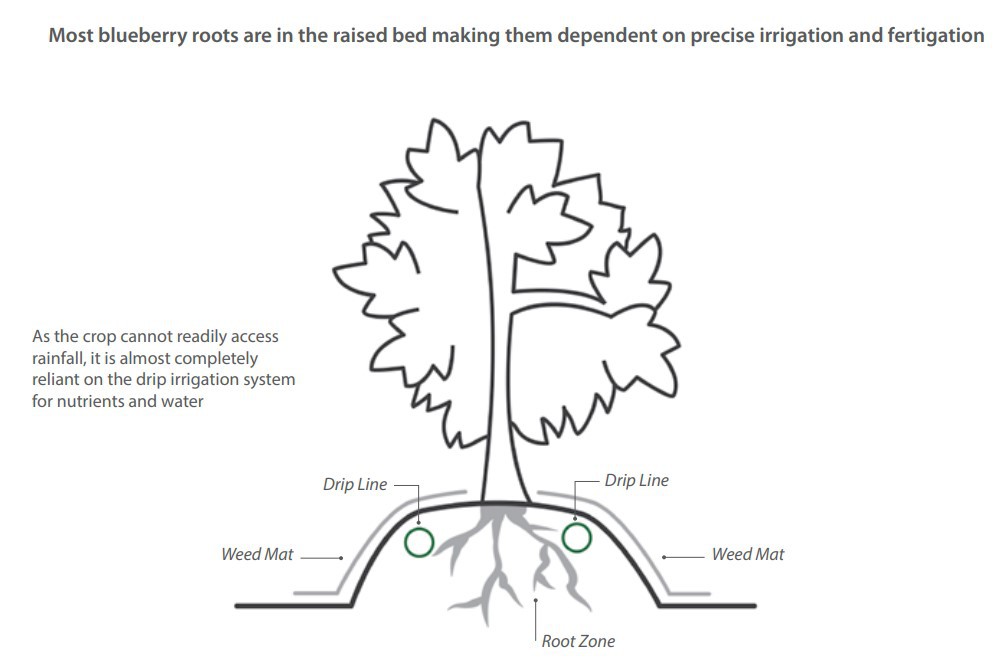
Mulch is non-negotiable: A 3–4-inch layer of acidic organic material (pine bark nuggets, pine needles, or shredded leaves) conserves moisture, suppresses weeds, and slowly acidifies soil.
Replenish mulch annually in spring, pulling it back slightly from stems to prevent rot.

Fertilizing Blueray Blueberries — What, When & How Much 🌿
Blueberries need light, acidic fertilizers—avoid high-nitrogen lawn types that raise pH.
Recommended Options:
- Specialized blueberry/acid-loving plant formulas (e.g., Holly-Tone)
- Ammonium sulfate or cottonseed meal (organic)
- Slow-release sulfur-coated options
Year-by-Year Schedule:
| Plant Age | Timing | Amount per Bush | Notes |
|---|---|---|---|
| Year 1 | Early spring + June | 1–2 oz (2–4 tbsp) | Light feeding only |
| Year 2 | March, May, July | 3–4 oz total | Split applications |
| Year 3+ | March + post-harvest | 4–8 oz (up to 1 cup) | Mature plants; adjust by vigor |
Signs of nutrient issues:
- Yellow leaves (chlorosis) → iron deficiency from high pH
- Stunted growth → low nitrogen
- Purple foliage → phosphorus deficiency
Always water well after fertilizing, and never apply after August to avoid tender growth vulnerable to winter damage.
Pruning & Maintenance for Maximum Yields ✂️
How & When to Prune Blueray Blueberry Bushes 📅
Pruning is the secret to high yields, better berry size, and plant health. Blueray responds exceptionally well to renewal pruning.
Best Time: Late winter/early spring (dormant season, February–March) before buds swell.
Goals:
- Remove old, unproductive canes (gray, thick, 6+ years old)
- Thin crowded centers for airflow and light
- Encourage strong new fruiting wood
Step-by-Step Pruning Guide:
- Remove dead, damaged, or diseased wood.
- Cut out low, drooping branches touching ground.
- Remove 20–25% of oldest canes at ground level.
- Thin remaining canes to 8–12 strong ones per mature bush.
- Head back overly tall whips by 1/3.
Young plants (years 1–3): Light shaping only—remove weak shoots and maintain open vase shape.
Mature plants: Aggressive renewal keeps bushes productive for decades.
Bonus: Blueray’s stunning fall color is enhanced by good pruning—vibrant reds and oranges make it a landscape star! 🍁
Pest & Disease Management (Protect Your Harvest) 🛡️
While Blueray blueberry plants are vigorous and relatively resistant compared to many varieties, no plant is immune. Good cultural practices—proper spacing, pruning for airflow, and consistent moisture without overhead watering—prevent most issues. Here’s how to keep problems minimal.
Common Pests & How to Defend Your Blueray Plants 🐛
- Birds: The biggest threat to your harvest! Robins, cedar waxwings, and others love ripe berries as much as we do. Solution: Install bird netting over bushes just before ripening (mid-June). Use ¾-inch mesh draped over frames or hoops—secure at the base to block ground access. Reflective tape or scare devices offer temporary help but aren’t as reliable.

- Blueberry Maggot: Tiny flies lay eggs in fruit; larvae cause berries to drop prematurely. Solution: Yellow sticky traps for monitoring, approved organic insecticides (spinosad) if needed, or ground barriers to block pupation.
- Aphids & Scale: Sap-suckers that distort new growth. Solution: Strong water spray, insecticidal soap, or ladybugs (natural predators).
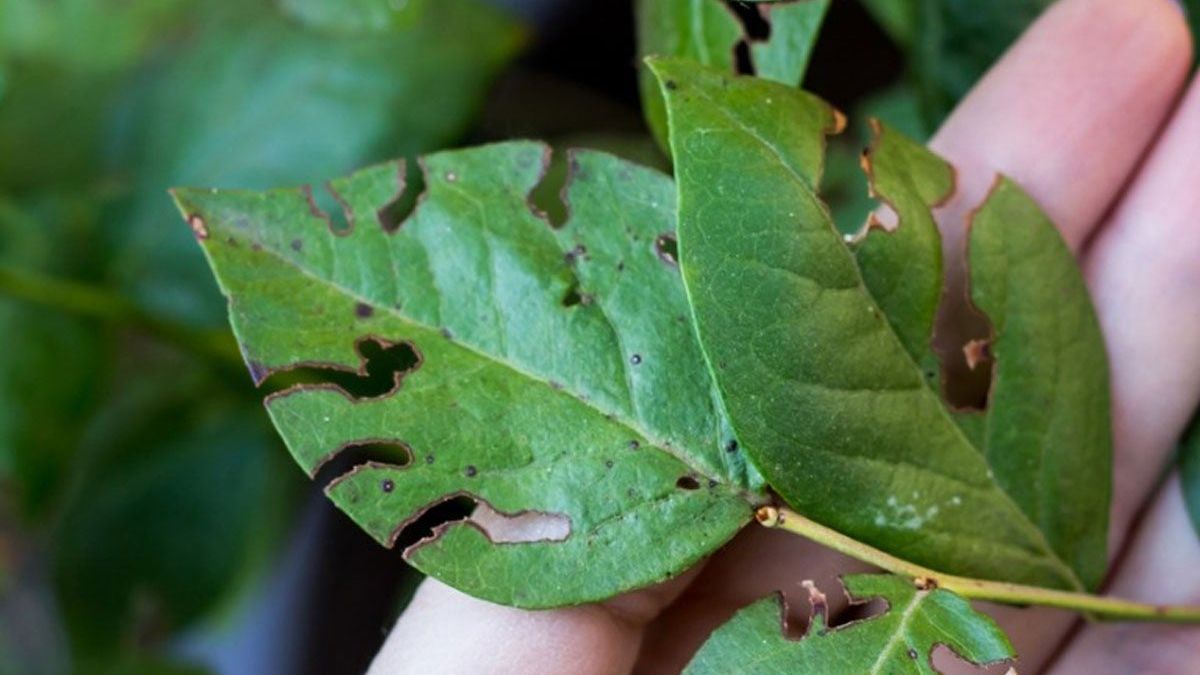
- Deer & Rabbits: Browse young shoots. Solution: Fencing (8 ft for deer) or repellents.
Blueray’s firm berries resist cracking and many insect issues better than softer varieties.
Diseases to Watch For & Prevention Strategies 🌧️
Blueray shows good resistance, but wet seasons can bring challenges.
- Mummy Berry: Fungus causes berries to shrivel into “mummies” that overwinter. Prevention: Rake and destroy mummies; apply fungicides at bud swell if history exists.

- Anthracnose: Orange spots on fruit and stems in humid weather. Prevention: Good airflow from pruning; copper-based fungicides early season.

- Root Rot (Phytophthora): Wilting despite moist soil. Prevention: Excellent drainage—raised beds are lifesavers in heavy soils.
Overall, healthy, well-maintained Blueray plants rarely need chemical intervention.
Harvesting & Enjoying Your Blueray Bounty 🍇
When & How to Harvest Blueray Blueberries for Peak Flavor ⏰
Blueray ripens mid-season, typically early to mid-July in most zones, lasting 2–4 weeks.
Ripeness Cues:
- Full powder-blue color (no red near stem)
- Berries hang 3–5 days after turning blue for maximum sweetness
- Easy release with a gentle roll—unripe ones hold tight
- Pick every 5–7 days in cool morning hours
- Use shallow baskets to avoid crushing
- Expect multiple picks as berries ripen in waves
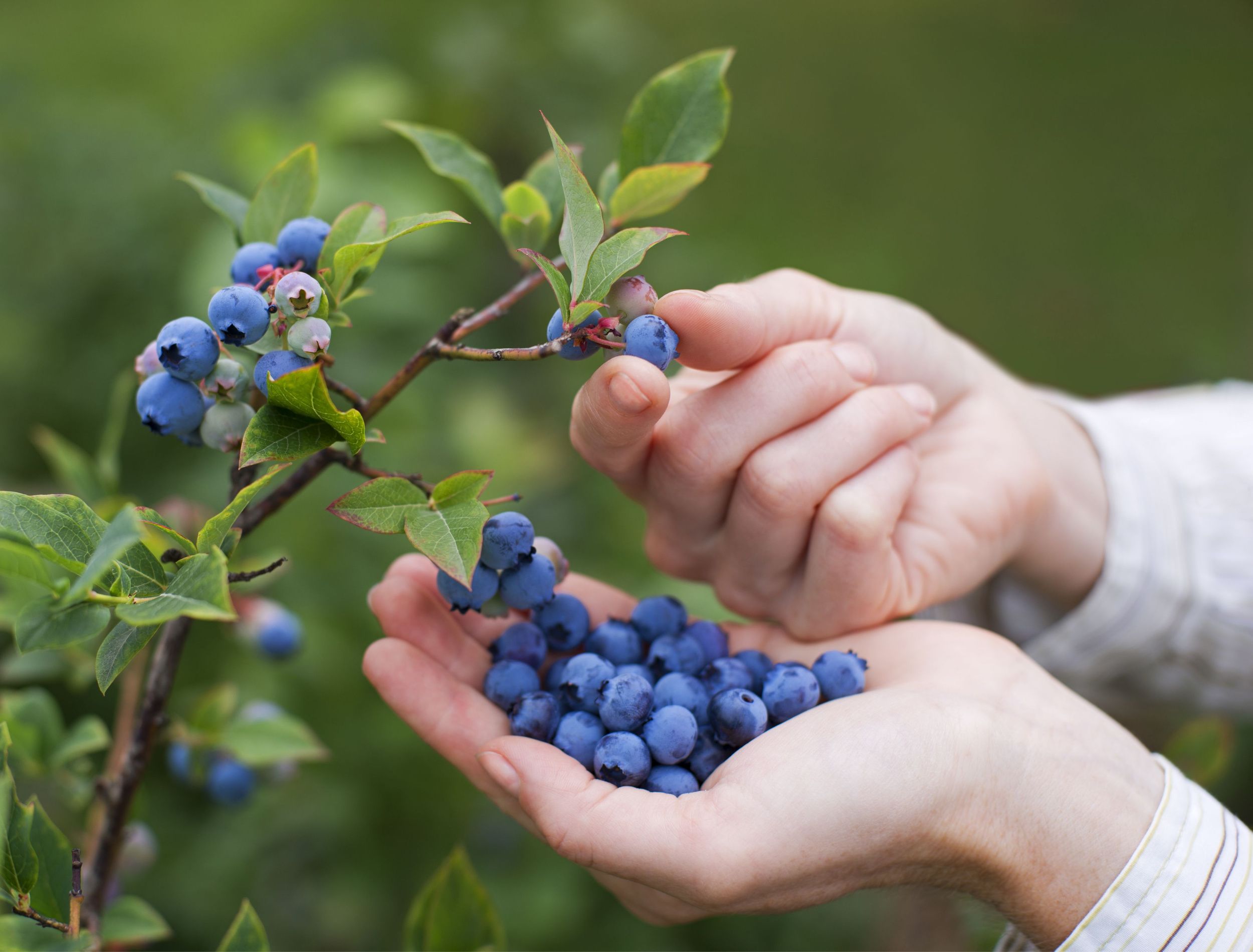
Storage: Refrigerate unwashed up to 10 days; freeze on trays then bag for year-round use.
Creative Ways to Use Your Sweet Blueray Harvest 😋
Blueray’s dessert-quality sweetness shines fresh, but here are popular ideas:
- Fresh Eating: Straight from the bush or in yogurt parfaits
- Baking: Muffins, pies, cobblers—berries hold shape well
- Smoothies: Blend with banana and spinach for antioxidant boost
- Preserves: Low-sugar jam or freezer jam to capture summer flavor

Quick Recipe Idea: Blueray Lemon Muffins – Fold 2 cups fresh berries into your favorite lemon muffin batter for bursts of juicy sweetness.
Troubleshooting Common Problems & FAQs ❓
Here are solutions to the most frequent Blueray grower questions:
- Yellow leaves (chlorosis) → High pH locking iron. Apply chelated iron or sulfur to lower pH.
- No fruit → Young plant? Removed flowers first year? Lack of pollinators? Add companions.
- Small berries → Insufficient water during fruit development or poor pollination.
- Dropping fruit → Inconsistent watering or pest damage.
- Winter damage → Mulch roots heavily in zone 4; choose protected site.
- Birds stealing everything → Net earlier next year!
- Can I grow in containers? → Yes—use 20+ gallon pots with acidic mix.
- How long until full production? → 4–6 years for peak yields.
- Best fertilizer? → Acid-specific like Holly-Tone.
- Fall color fading? → Normal after hard frost; Blueray still delivers brilliant display most years.
Final Thoughts & Next Steps 🌟
The Blueray blueberry plant truly earns its reputation as a top performer: reliable high yields of exceptionally sweet, large berries on a beautiful, cold-hardy shrub that doubles as landscape ornamentation. With acidic soil, full sun, consistent moisture, cross-pollination, and annual pruning, you’ll enjoy bountiful harvests for decades.
Start today: Test your soil pH, order healthy 2–3-year-old plants from trusted nurseries (like Stark Bro’s, Raintree, or local extensions), and plant companions like Bluecrop for maximum sweetness.
Your backyard blueberry paradise awaits—happy growing! 🌱🍇











