
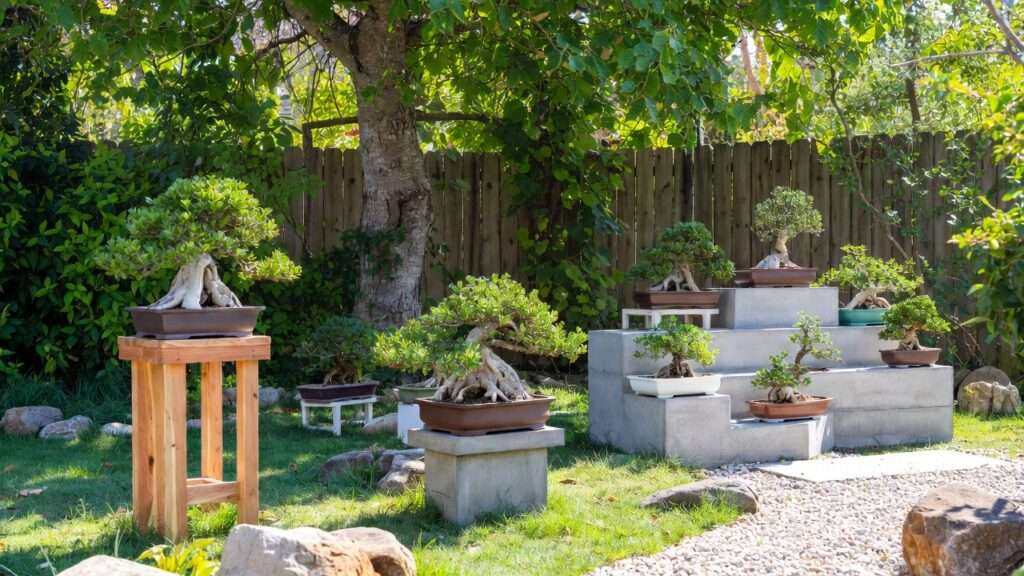
Imagine stepping into your garden on a crisp morning, where your cherished bonsai trees stand proudly elevated like living artworks amid lush greenery. No more pots sitting directly on damp soil, no rotting wooden planks, and no wobbly setups tipping in the wind. Instead, your miniature masterpieces catch the perfect light, enjoy better airflow, and become true focal points of serenity and beauty. 😍
For many bonsai enthusiasts, transitioning prized trees outdoors brings joy—but it also brings challenges. Rain, intense sun, humidity, and seasonal freezes can quickly degrade ordinary indoor bonsai display stands, leading to rot, instability, and diminished aesthetic appeal. That’s where the right bonsai display stands for outdoor gardens make all the difference.
As a passionate bonsai grower with over 15 years of hands-on experience tending collections in varied climates (including humid subtropical zones similar to parts of South Asia), I’ve tested countless materials, built dozens of custom stands, and learned what truly lasts while enhancing tree health and garden harmony. In this comprehensive guide, we’ll explore durable designs, expert selection tips, step-by-step DIY projects, placement secrets, and maintenance strategies to solve your outdoor display frustrations once and for all.
Whether you’re battling monsoon rains, seeking weather-resistant elegance, or simply wanting to showcase your collection like a pro, this article delivers skyscraper-level value—far beyond basic lists—to help you create a stunning, long-lasting outdoor bonsai haven. Let’s elevate your trees! 🌳🏡
Why Outdoor Bonsai Display Stands Matter More Than You Think 🌳💡
Outdoor display isn’t just about looks—it’s essential for bonsai vitality and garden integration.
- Aesthetic Elevation 🎨: Proper stands lift trees to eye level (or seated viewing height), mimicking traditional Japanese tokonoma presentations while turning your garden into a living gallery. They create visual balance, making even small trees feel majestic against backdrops like fences, gravel paths, or companion plants.
- Tree Health Benefits 🌱: Elevation improves airflow around roots and foliage, reducing fungal risks and soil splash from rain. It also minimizes pest hiding spots and makes watering, pruning, and wiring far easier—no more bending over constantly!
- Protection from the Elements ☔: Direct ground contact invites rot, poor drainage, and critter damage. A good stand shields pots while allowing excess water to escape freely.
- Seamless Garden Integration 🏞️: Well-chosen stands blend with landscaping—rustic cedar for natural vibes, sleek concrete for modern zen—transforming bonsai from “pots on the floor” to intentional landscape art.
In short, the right bonsai display stands for outdoor gardens protect your investment, boost enjoyment, and make your space feel professionally curated. 🌟
(These images show real backyard multi-tier wooden benches filled with thriving bonsai collections—perfect inspiration for your own setup!)
Key Factors to Consider When Choosing Bonsai Display Stands for Outdoor Gardens ⚖️
Selecting the ideal stand requires balancing durability, function, and style. Here’s what experts prioritize:
Durability & Weather Resistance 🌧️
Outdoor conditions demand materials that resist rot, UV fading, insect damage, and freeze-thaw cycles. Top performers include naturally rot-resistant woods like cedar, redwood, or teak; pressure-treated lumber for budget options; powder-coated metal or aluminum for rust-proof lightness; and concrete/stone for near-indestructible permanence. Avoid untreated softwoods—they’ll decay quickly in rain.
Height & Viewing Angle 👀
Aim for stands that position the tree’s nebari (base) at eye level when seated (around 24-30 inches total height including pot) or standing (36-48 inches for larger displays). Follow the “rule of thirds”: the stand should be roughly 1/3 the visual height of the tree for harmony. For cascade styles, lower profiles work best; upright formal trees shine higher up.
Size & Stability 🏋️
The stand should be at least 1.3 times the pot’s length in width/depth for balance. A wide base and sturdy legs prevent tipping in wind—crucial in open gardens. Always factor in tree + pot weight (heavy conifers need reinforced builds).
Style & Aesthetics 🎨
Match your garden vibe: traditional pagoda-inspired for Asian zen, rustic reclaimed wood for cottage charm, or minimalist concrete for contemporary spaces. Dark stains or natural grains complement most bonsai pots.
Maintenance & Longevity 🛠️
Choose low-maintenance options (e.g., sealed hardwoods or metal) and plan for annual checks. Good designs include drainage gaps and easy-access surfaces.
Best Durable Materials for Outdoor Bonsai Stands (Expert Recommendations) 🛡️
From my experience and community feedback (forums like Bonsai Nut and Mirai), here are proven winners:
- Cedar & Redwood 🌲: Naturally rot-resistant with beautiful grain; excellent for humid climates. Lasts 15-30+ years with occasional oiling.
- Teak & Ipe 🌴: Premium tropical hardwoods—virtually indestructible outdoors, though pricier.
- Concrete & Stone 🪨: Ultra-durable, modern look (cast tops with oak legs are popular). Handles any weather.
- Powder-Coated Metal or Aluminum ⚙️: Lightweight, rust-proof; great for multi-tier shelves.
- Pressure-Treated Lumber 🪵: Affordable, widely available; pair with cedar tops for looks and longevity.
Quick Comparison Table:
| Material | Durability (Years) | Cost | Aesthetics | Best For |
|---|---|---|---|---|
| Cedar/Redwood | 15-30+ | Medium | Natural, warm | Most gardens |
| Teak/Ipe | 25-50+ | High | Rich, elegant | Premium setups |
| Concrete/Stone | 50+ | Medium-High | Modern, industrial | Harsh weather |
| Powder-Coated Metal | 20+ | Medium | Sleek, contemporary | Lightweight collections |
| Pressure-Treated | 10-20 | Low | Functional | DIY budgets |
Pro tip: Always seal wood with outdoor-grade oil (like Cabot Australian Timber Oil) for extra protection. 🌟
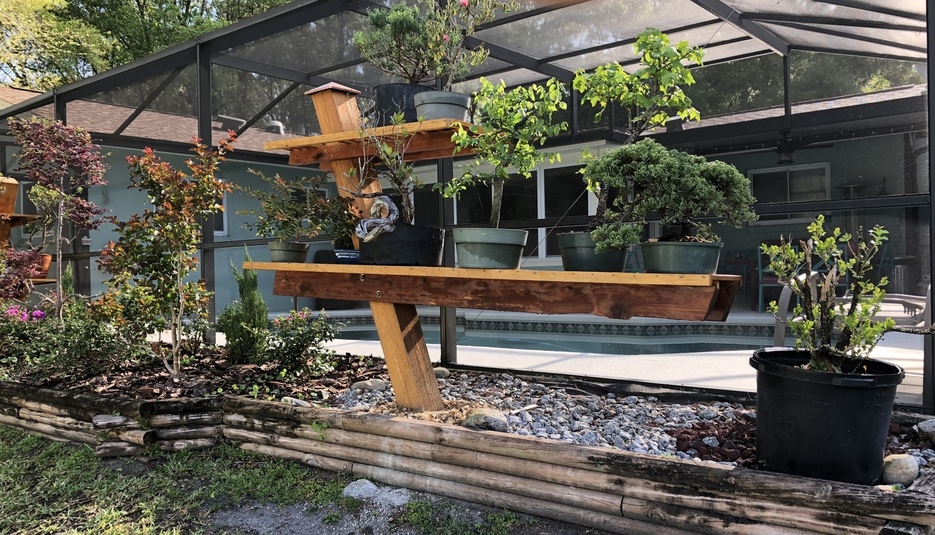
(Beautiful elevated cedar-style benches in a real garden setting—notice the natural integration!)
Top Types of Bonsai Display Stands for Outdoor Gardens (With Examples) 🌟
Once you’ve nailed down materials and specs, the style of stand dramatically impacts both functionality and your garden’s overall zen feel. Here are the most popular and practical types suited for outdoor use:
Single-Tree Pedestals & Platforms 🪵
These minimalist elevated platforms highlight individual specimen trees—like a dramatic shohin juniper or a cascading pine. Simple square or rectangular tops with sturdy legs provide clean lines and excellent stability.
Example: Tall cedar pedestals (around 30-40 inches high) placed along a fence line create a rhythmic display that draws the eye through the garden.
(Here’s a stunning row of handmade wooden pedestal stands lining a backyard fence—perfect for showcasing a collection of young conifers!)
Multi-Tier Benches & Shelves 📚
Ideal for collections of 10+ trees. Tiered designs maximize vertical space, allowing smaller shohin on top tiers and larger chuhin/mame on lower ones for visual depth.
These work beautifully in compact urban gardens or patios common in places like Dhaka.

(Real backyard multi-tier benches overflowing with vibrant maples and junipers—notice how the tiers create natural hierarchy and airflow!)
Pagoda-Style or Tiered Stands 🏯
Inspired by traditional Japanese architecture, these feature curved roofs or stepped levels for an elegant, authentic look. Great for formal upright or literati styles.

(Elegant pagoda-inspired multi-level stands in a serene courtyard—ideal for creating that classic Asian garden tranquility!)
Turntable Stands for Easy Rotation 🔄
Weatherproof lazy-Susan bases let you rotate trees effortlessly for even sun exposure and wiring checks—especially useful for outdoor tropical species that need frequent repositioning.
Vertical Poles & Stone Slabs 🗿
Minimalist stone slabs on short posts or tall wooden poles offer a raw, natural aesthetic. Excellent for dramatic deadwood-heavy trees against gravel or moss backdrops.
(Portland Japanese Garden-style low pedestals on gravel—simple, timeless, and perfectly integrated into the landscape!)
DIY Bonsai Display Stands for Outdoor Gardens: Step-by-Step Builds 🛠️
Building your own stand saves money, allows perfect customization, and gives immense satisfaction. Here are three progressively challenging projects proven in real gardens:
Simple Cinder Block & Plank Bench (Budget-Friendly) 💰
Cost: ~$50–$100 | Time: 2–4 hours | Skill: Beginner
Materials:
- 12–16 standard cinder blocks (8x8x16 inches)
- 4–6 pressure-treated 2×6 or 2×8 planks (cut to 4–6 ft lengths)
- Outdoor wood stain/sealer
- Gravel for leveling
Steps:
- Level ground and lay out base layer of blocks in pairs (spaced for plank width).
- Stack 2–3 layers high for desired bench height (aim 24–30 inches).
- Place planks across blocks; secure with construction adhesive if needed.
- Stain/seal wood thoroughly.
- Add gravel underneath for drainage and stability.
Result: Sturdy, modular bench that can expand easily.

(Classic cinder block + plank setups—super simple, durable, and widely loved by hobbyists!)
Pressure-Treated Wood Multi-Tier Stand (Intermediate) 🔨
Cost: ~$150–$300 | Time: 1 weekend | Skill: Intermediate
Materials:
- Pressure-treated 4×4 posts (legs)
- 2×6 or 2×8 beams for framing
- ¾-inch exterior plywood or deck boards for shelves
- Galvanized screws, wood glue, outdoor stain
Steps:
- Cut legs to varying heights for tiers (e.g., 18″, 28″, 38″).
- Build rectangular frames with cross-bracing for each level.
- Attach shelves with screws; add diagonal braces for wind resistance.
- Sand, stain, and seal multiple coats.
- Anchor base into ground with rebar stakes if in windy area.
Pro tip: Add small drainage holes or slight slope to shelves.
Concrete Top with Wooden Legs (Advanced, Ultra-Durable) 🪨
Cost: ~$200–$400 | Time: 2–3 days | Skill: Advanced
Materials:
- Concrete mix, rebar for reinforcement
- Wooden legs (cedar/treated 4×4)
- Formwork (plywood molds)
Steps:
- Build forms for top slab (e.g., 24×36 inches, 2–3 inches thick).
- Pour concrete with embedded anchors for legs.
- Cure 48+ hours, then attach pre-cut/sealed wooden legs.
- Polish edges if desired for sleek look.
This combo offers modern elegance and bomb-proof weather resistance.
Expert Tips to Elevate Your Bonsai Collection Outdoors 📈
Placement and arrangement turn good stands into breathtaking displays:
- Optimal Placement: Position in dappled morning sun/partial afternoon shade. Use bamboo screens or fences as windbreaks and backdrops.
- Grouping Strategies: Odd numbers (3, 5, 7) feel natural. Vary heights for depth; place taller trees at back.
- Seasonal Adjustments: In monsoon-heavy areas like Dhaka, elevate higher and add temporary covers during heavy rains. Move tender species under eaves in winter.
- Pairing with Accents: Surround with fine gravel mulch, low companion plants (moss, ferns), subtle solar lighting for evening viewing.
- Common Mistakes to Avoid: Overcrowding (blocks airflow), ignoring weight distribution, forgetting annual sealing.

(Zen-inspired groupings with stone accents—pure harmony and balance!)
Maintenance Guide for Long-Lasting Outdoor Bonsai Stands 🧼
Even the most durable stand requires regular care to survive Dhaka’s intense monsoon humidity, scorching dry season heat, and occasional winter chills. Proper maintenance can easily double or triple a stand’s lifespan.
- Routine Cleaning 🧽 Every 1–2 months (more often during rainy season):
- Hose down with mild soapy water to remove dust, bird droppings, algae, and mildew.
- Use a soft brush on wood surfaces; avoid high-pressure washers that can strip sealant.
- Rinse thoroughly and let dry completely before replacing trees.
- Wood Sealing & Protection 🌲
- Apply outdoor-grade penetrating oil (e.g., teak oil, Danish oil, or Cabot Australian Timber Oil) every 6–12 months.
- For pressure-treated or cedar: 2–3 thin coats in dry weather.
- Reapply sooner if water no longer beads on the surface (sign of worn sealant).
- Metal & Concrete Care ⚙️🪨
- Powder-coated metal: Wipe with damp cloth; touch up chips immediately with matching rust-inhibiting paint.
- Concrete: Seal with masonry sealer once a year to prevent cracking from freeze-thaw (less common in Dhaka but still wise). Remove efflorescence (white powdery deposits) with vinegar solution.
- Annual Inspections & Repairs 🔍 Check for:
- Loose screws/nails → tighten or replace with galvanized hardware.
- Cracks/splinters in wood → sand and reseal.
- Rust on metal → sand lightly and repaint.
- Wobbling → re-level with shims or re-anchor into ground.
- Drainage blockages → clear holes/slots.
- Winter & Monsoon Prep ☔❄️
- Elevate stands slightly higher during heavy monsoon to avoid standing water.
- Consider temporary plastic sheeting or moving tender tropical bonsai under cover during extreme downpours.
- In rare cold snaps, wrap legs in bubble wrap if using non-treated wood.
Following this schedule, many of my own stands (cedar and concrete) have lasted 12+ years with minimal issues—even through several brutal Bangladeshi monsoons. 🌧️
Real-Life Examples & Inspiration Gallery Ideas 📸
Nothing inspires quite like seeing successful setups in real gardens. Here are a few standout examples you can adapt:
- Compact Dhaka Rooftop Collection A 6 ft × 4 ft pressure-treated multi-tier bench on a sunny rooftop terrace. Lower tier holds larger Ficus and bougainvillea bonsai; upper tiers showcase shohin maples and jade. Surrounded by potted ferns and gravel paths—classic urban zen on a budget.
- Traditional-Inspired Backyard Haven Cedar pagoda-style stands of varying heights placed along a curved gravel path. Tall formal upright pines at the back, cascading figs in front—framed by bamboo screening. Solar lanterns add evening magic.
- Modern Minimalist Concrete & Stone Display Large polished concrete slabs (24×36 inches) resting on short treated-wood legs, set directly on river pebbles. Hosts dramatic collected yamadori junipers with deadwood. Clean, contemporary, ultra-low maintenance.
- Budget Cinder-Block Mastery Stacked cinder blocks painted matte black, topped with stained deck boards. Holds 20+ small-to-medium trees in neat rows—proves you don’t need expensive materials for stunning results.
Take photos of your own space before and after implementing these ideas—you’ll be amazed at the transformation! Feel free to share your progress in the comments. 📷
Frequently Asked Questions (FAQs) ❓
What’s the best material for rainy, humid climates like Dhaka? Naturally rot-resistant woods (cedar, redwood, teak) or concrete/stone. Avoid cheap untreated pine—it will rot in 1–2 monsoons.
How high should an outdoor bonsai stand be? 24–36 inches total height (including pot) for seated viewing; 36–48 inches for standing eye-level display. Adjust based on your tree style and typical viewing position.
Can I use indoor bonsai stands outside? Only temporarily. Most indoor stands use MDF, untreated pine, or lacquered finishes that fail quickly outdoors. Invest in weatherproof versions.
DIY vs. buying—which is better? DIY wins for customization, cost savings, and satisfaction if you enjoy woodworking. Buy if you want guaranteed durability without effort (look for reputable brands like Stone Lantern or custom Etsy makers).
How do I make stands wind-resistant? Use wide bases, add cross-bracing, anchor legs into ground with rebar or concrete footings, and avoid tall, narrow designs in open areas.
Will concrete stands crack in heat? Rarely in Dhaka’s climate. Use reinforced concrete and seal it. Expansion joints help if making very large slabs.
What’s a good budget for a nice outdoor multi-tree stand? $100–$250 for solid DIY (pressure-treated or cinder block); $300–$800+ for premium pre-made cedar/teak/concrete pieces.
Do I need to cover bonsai during heavy rain even with good stands? Usually not—good elevation + drainage prevents most issues. Only protect ultra-sensitive tropicals during nonstop downpours.
Conclusion: Bring Your Bonsai Garden to Life Today 🌸
Creating beautiful, durable bonsai display stands for outdoor gardens is one of the most rewarding ways to elevate both your trees and your daily peace. The right stand protects your living art from the elements, showcases it at its best, and turns an ordinary backyard or rooftop into a personal sanctuary of calm and beauty.
Start small: Pick one tree, build or buy a simple weatherproof pedestal, position it thoughtfully, and watch how it changes the entire feel of your space. Experiment with heights, groupings, and materials—bonsai is a lifelong journey of refinement.
Have you already built or bought outdoor stands? Which material worked best in your climate? Drop your experiences, photos, or questions in the comments—I’d love to help refine your setup! 🌳💚
Thank you for reading this in-depth guide. May your bonsai thrive and your garden bring you endless joy.











