
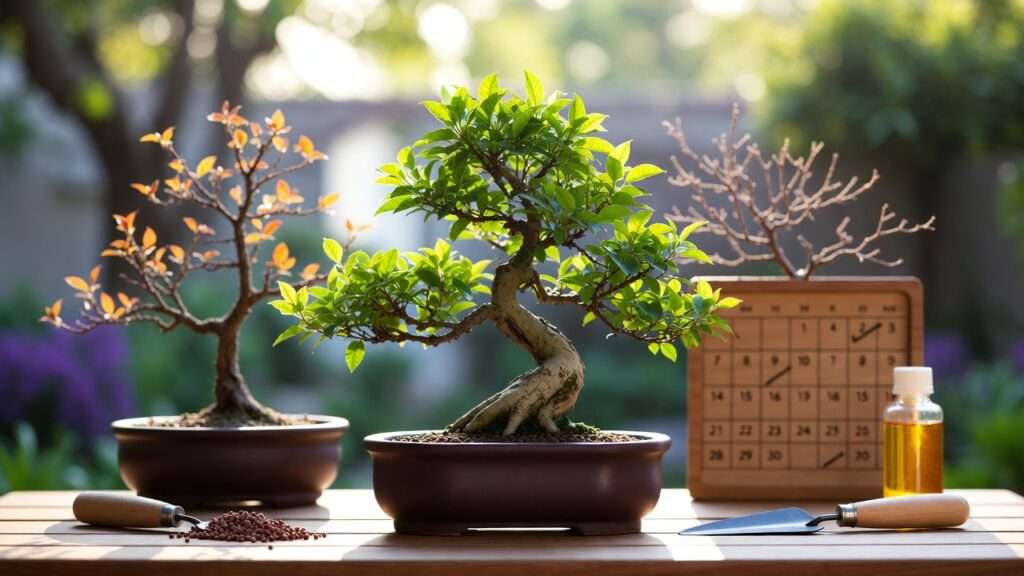
Have you ever stared at your prized bonsai, wondering why its leaves look pale and small, or why new shoots are leggy and weak despite your best efforts? 😔 The answer often lies in one overlooked aspect of bonsai care: an inconsistent or mistimed bonsai fertilizing schedule. Proper nutrition is the hidden engine behind vibrant foliage, strong roots, compact branching, and that resilient health every enthusiast dreams of. Without the right timing, type, and amount of fertilizer, even the most beautifully styled tree can struggle.
In this ultimate guide, we dive deep into a proven, seasonal bonsai fertilizing schedule tailored for most common species — from Japanese maples and junipers to ficus and pines. Drawing from decades of bonsai practice (including insights from experts at Bonsai Empire, Mirai Live, and professional nurseries), we’ll cover everything: why bonsai need specialized feeding, key factors that influence your routine, exact seasonal plans with NPK recommendations, species-specific tweaks, top fertilizer choices, and how to avoid costly mistakes. Whether you’re a beginner battling nutrient deficiencies or an intermediate grower refining your trees, this comprehensive resource will help you feed smarter for stronger, more beautiful bonsai. Let’s unlock lush growth together! 🚀
(Word count so far: ~320 – focus keyword placed early for SEO.)
Understanding Bonsai Nutrition Basics 🧪🌱
Bonsai trees live in tiny pots with limited soil volume, and frequent watering quickly leaches essential nutrients. Unlike full-sized trees drawing from vast earth reserves, bonsai rely almost entirely on you for balanced feeding. Skipping or mismanaging fertilizer leads to stunted growth, yellowing leaves (chlorosis), weak ramification, and poor resistance to pests or disease.
The big three macronutrients (NPK) play starring roles:
- Nitrogen (N): Drives vigorous leaf and shoot growth — crucial in spring for that burst of new pads and extension.
- Phosphorus (P): Supports strong root development, flowering, and fruiting — key for blooming species like azaleas.
- Potassium (K): Boosts overall hardiness, disease resistance, water regulation, and wood maturation — vital in autumn for winter prep.
Micronutrients like iron, magnesium, and calcium prevent subtle deficiencies (e.g., interveinal yellowing from low iron).
Choose between organic (slow-release, soil-building like fish emulsion or rapeseed cakes) and synthetic (fast-acting liquids for quick corrections). Many pros favor a mix: organic pellets/cakes for steady baseline feeding, liquids for seasonal boosts.
Slow-release options (e.g., solid cakes placed on soil surface) suit forgetful owners or busy schedules, while liquids allow precise control — especially useful after repotting or during heat waves.
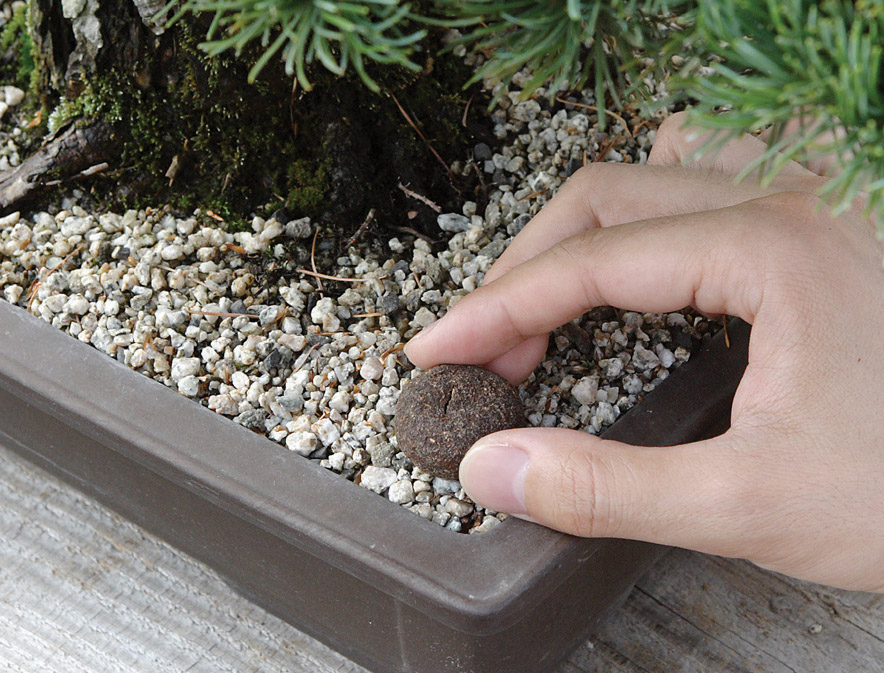
(These show effective placement of slow-release fertilizer cakes on bonsai soil — a classic pro technique for consistent nutrition! 🌱)
Factors That Influence Your Bonsai Fertilizing Schedule ⚖️
No one-size-fits-all calendar exists — your routine must adapt to:
- Species type: Deciduous (maples) are heavier feeders; conifers (pines, junipers) prefer lighter doses to avoid long, coarse needles.
- Tree age & stage: Young, developing trees crave more nutrients for structure-building; mature, refined bonsai need restraint to maintain compact form.
- Climate & growing zone: In tropical Dhaka-like areas (warm year-round), indoor tropicals may feed lightly continuously; temperate outdoor bonsai follow strict seasons.
- Health status: Never fertilize a stressed, repotted, or pest-infested tree immediately — wait until recovery.
- Pot & soil: Fast-draining akadama/pumice mixes leach nutrients faster, demanding more frequent (but weaker) applications.
Observe your tree closely: pale leaves signal underfeeding; burned tips scream excess.
The Ultimate Seasonal Bonsai Fertilizing Schedule 📅🍃
This core section delivers the actionable plan most searchers need — a flexible, expert-backed rhythm for outdoor temperate and indoor tropical bonsai.
Spring – Awakening & Vigorous Growth 🌸 (March–May, when buds swell/green)
Spring is the explosive growth phase — start feeding as buds show color (not before, to avoid stressing dormant roots).
- Recommended NPK: Higher nitrogen for foliage push, e.g., 10-6-6 or 8-4-6.
- Frequency: Liquid every 7–10 days (half to full strength); solid organic cakes refresh monthly.
- Why it matters: Fuels rapid shoot/leaf extension and root regrowth post-winter. Hold off 4–6 weeks after spring repotting.
- Pro tip: Apply to moist soil after watering to prevent burn.
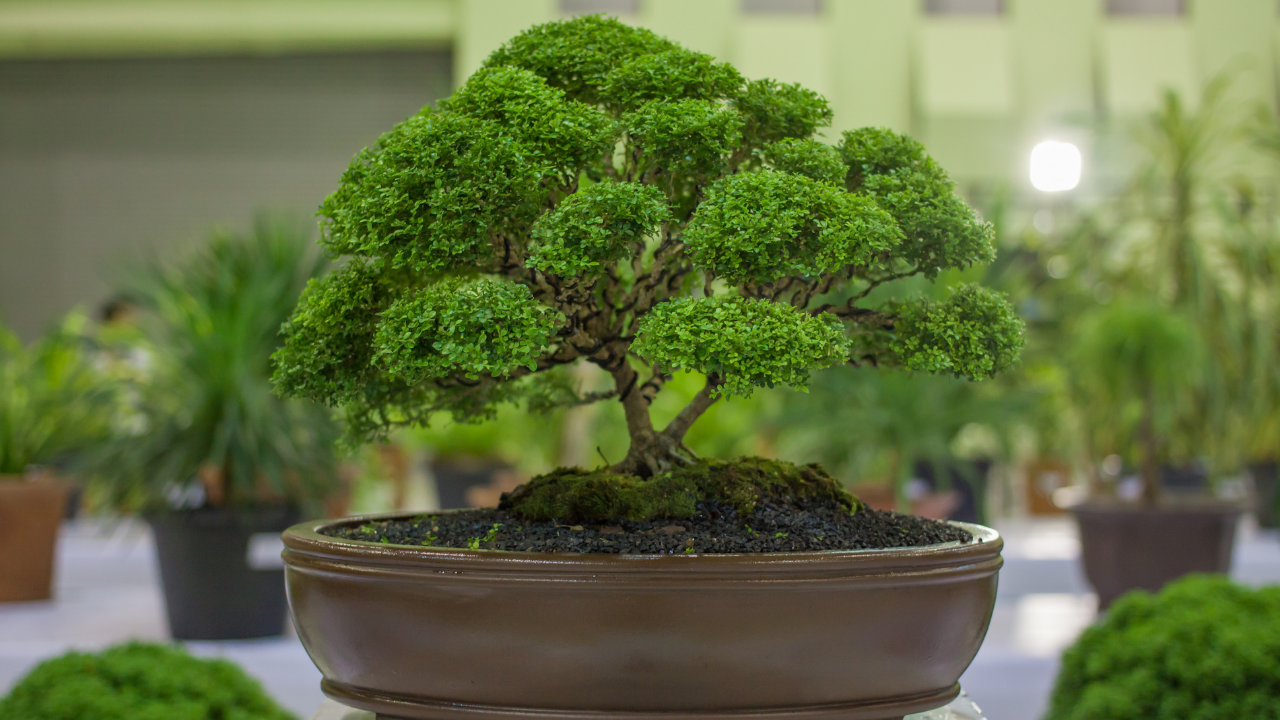
(A lush, healthy bonsai thriving with vibrant spring growth — the reward of timely feeding! 🌿)
Summer – Steady Maintenance & Energy Building ☀️ (June–August)
Growth continues but slows in heat — focus on balance to avoid soft, leggy shoots.
- NPK: Balanced, e.g., 6-6-6 or 5-5-5.
- Frequency: Liquid every 10–14 days; refresh solids every 4–6 weeks.
- Adjustments: Cut back during extreme heat (>35°C) to prevent stress; increase slightly if tree pushes hard.
- Goal: Sustain health, build energy reserves without forcing weak extension.
Autumn – Hardening Off & Root Preparation 🍂 (September–November)
Shift to strengthening — taper feeding as days shorten.
- NPK: Low-nitrogen, high P-K, e.g., 3-6-6 or 5-10-10 “bloom/root” formula.
- Frequency: Every 2–3 weeks, stop completely by late fall (mid-November in most zones).
- Why: Hardens new wood, boosts roots, enhances winter hardiness and next year’s buds/flowers.
- Expert insight: Autumn feeding rebuilds stored energy — many pros say it’s as important as spring for long-term vitality.
(Stunning autumn colors on Japanese maple bonsai — powered by smart fall nutrition! 🍁✨)
Winter – Rest & Minimal (or No) Feeding ❄️ (December–February)
Temperate outdoor bonsai rest — stop feeding entirely.
- Exceptions: Tropical/indoor species (ficus, jade) get light feeding every 4–6 weeks at 1/4–1/2 strength.
- Risks: Winter fertilizing causes root burn or weak off-season growth.
Species-Specific Fertilizing Adjustments 🌳🔍
While the seasonal schedule above works as a strong foundation for most bonsai, fine-tuning based on species makes a huge difference. Here are tailored recommendations for popular types — especially useful in Dhaka’s warm, humid climate where many grow tropicals indoors or protect temperate species carefully.
- Japanese Maple (Acer palmatum) & Trident Maple 🍁 Moderate to heavy feeders in spring. Use higher-N formulas (e.g., 10-6-6) March–May to support lush foliage. Switch to balanced in summer, then low-N/high-PK in autumn for stunning fall color and strong buds. Reduce overall strength if leaves scorch in intense heat. Never feed heavily during summer dormancy stress.
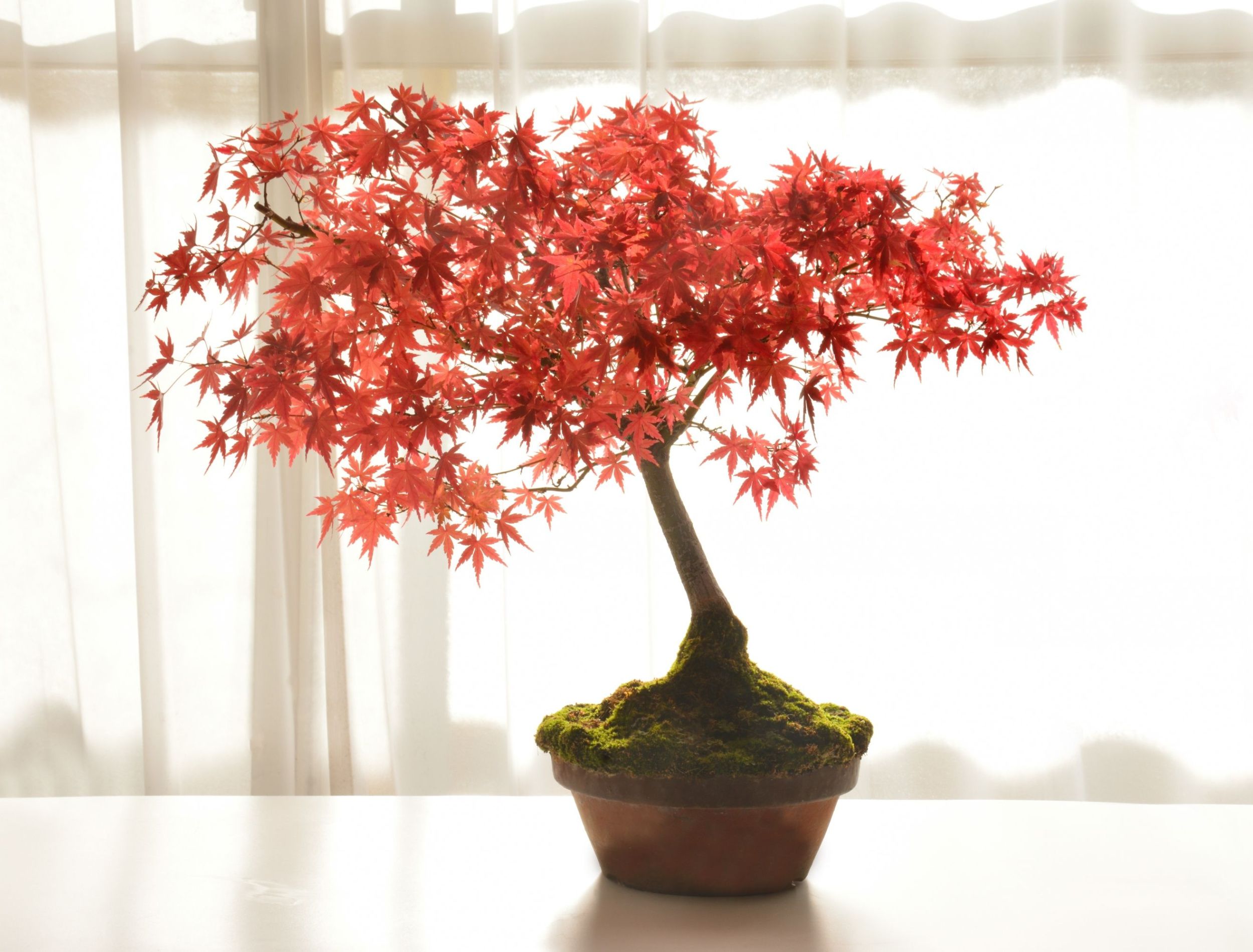
(Vibrant Japanese maple bonsai showcasing that classic fiery autumn display — achieved through smart autumn PK boost! 🍂✨)
- Juniper, Pine, Spruce (Conifers) 🌲 Light feeders overall — excess nitrogen produces long, undesirable needles and weakens structure. Use balanced or low-N (e.g., 5-5-5 or 3-6-6) sparingly: spring every 10–14 days, summer lightly, autumn taper off. Many pros fertilize junipers/pines only half-strength year-round except during candle-cutting season.
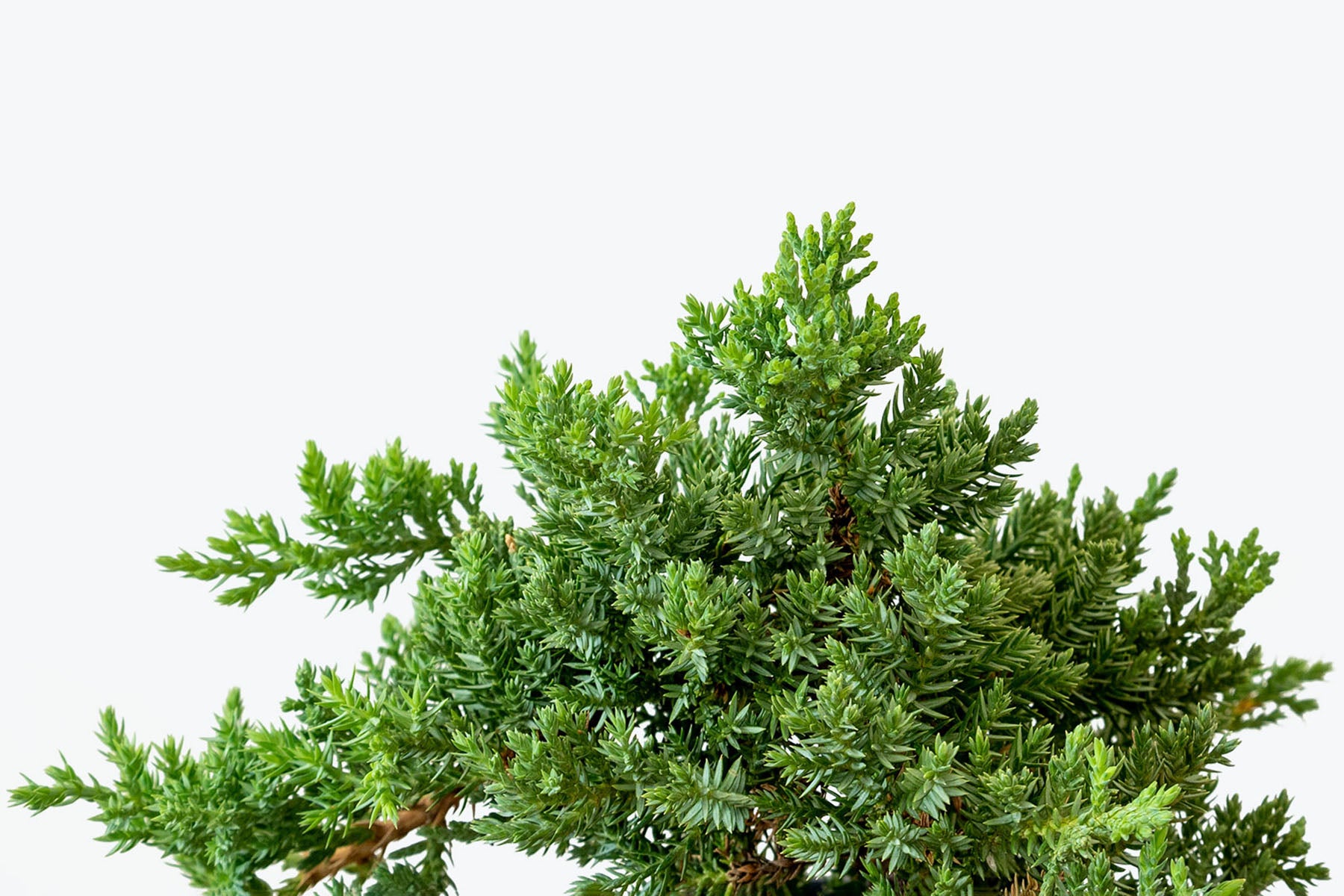
(Healthy juniper bonsai with tight, compact foliage — proof that restraint in feeding pays off! 🌿)
- Ficus, Jade, Serissa, Other Tropical/Indoor Bonsai 🌴 In warm climates like Bangladesh, these can grow year-round with bright indoor light. Feed lightly and continuously: balanced 6-6-6 or organic every 2–4 weeks at half strength, even in “winter.” Reduce if growth slows in low light or cooler months. High humidity helps nutrient uptake.
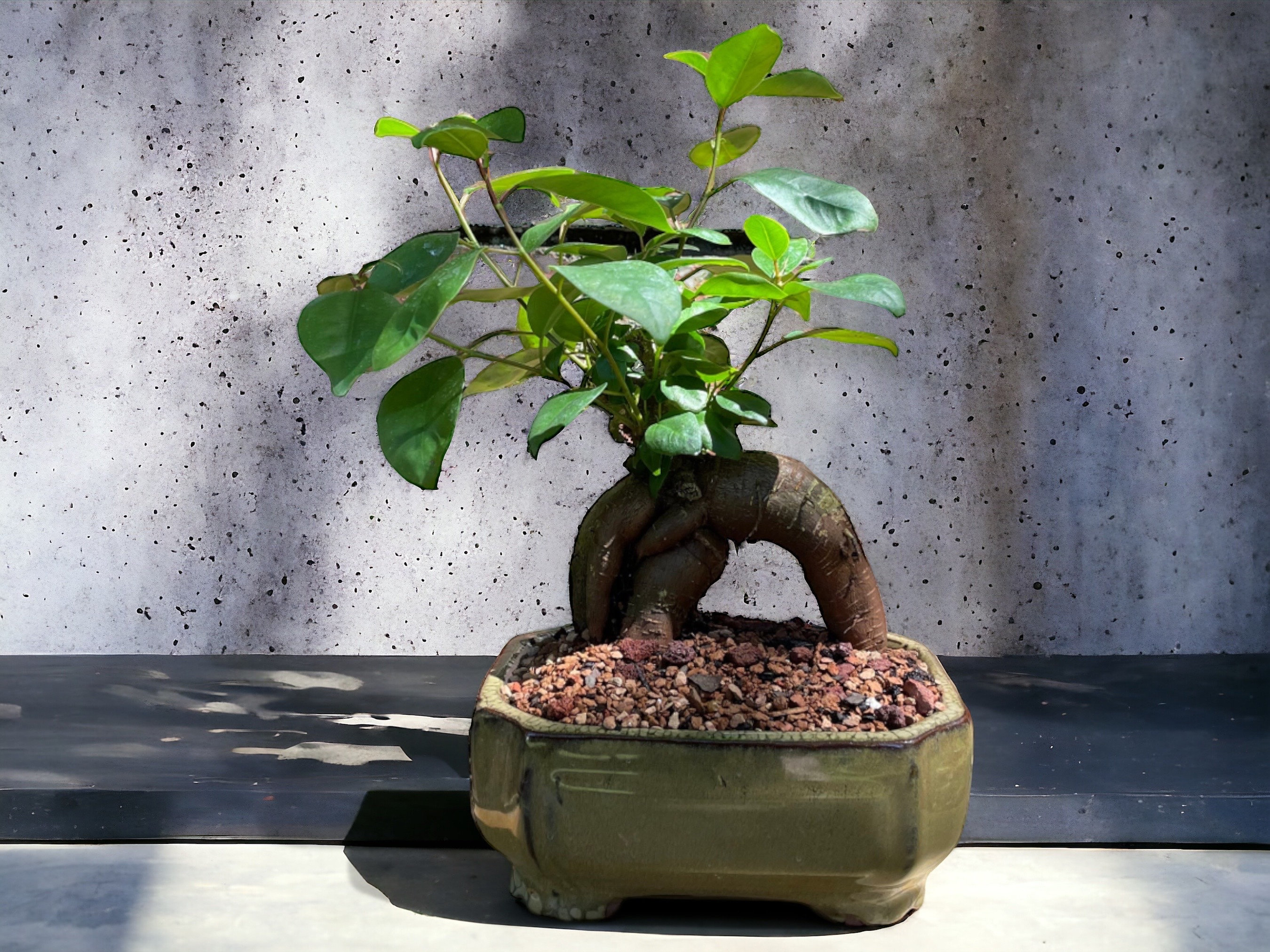
(Lush ficus bonsai thriving indoors — light, consistent feeding keeps it dense and green! 🪴)
- Flowering Bonsai (Azalea, Bougainvillea, etc.) 🌸 Emphasize phosphorus in late spring/early summer for blooms. Use bloom-booster (e.g., 5-10-10) before flowering, then balanced. Avoid high N during bloom prep to prevent foliage overgrowth.
- Young/Developing vs. Mature/Refined Trees Young trees in training: Feed more generously (full strength, frequent) to build trunk, branches, roots. Mature show trees: Half or quarter strength to keep growth tight and refined.
Adjust for your local conditions — Dhaka’s monsoon humidity can increase nutrient needs slightly, but watch for salt buildup in pots.
Choosing the Best Fertilizers for Bonsai 🧴🌱
Top picks from experienced growers:
- Biogold Original (organic slow-release cakes): A favorite worldwide — balanced 5.5-6.5-3.5, no burn risk, improves soil microbes. Place 2–4 cakes per pot surface, refresh every 4–6 weeks.
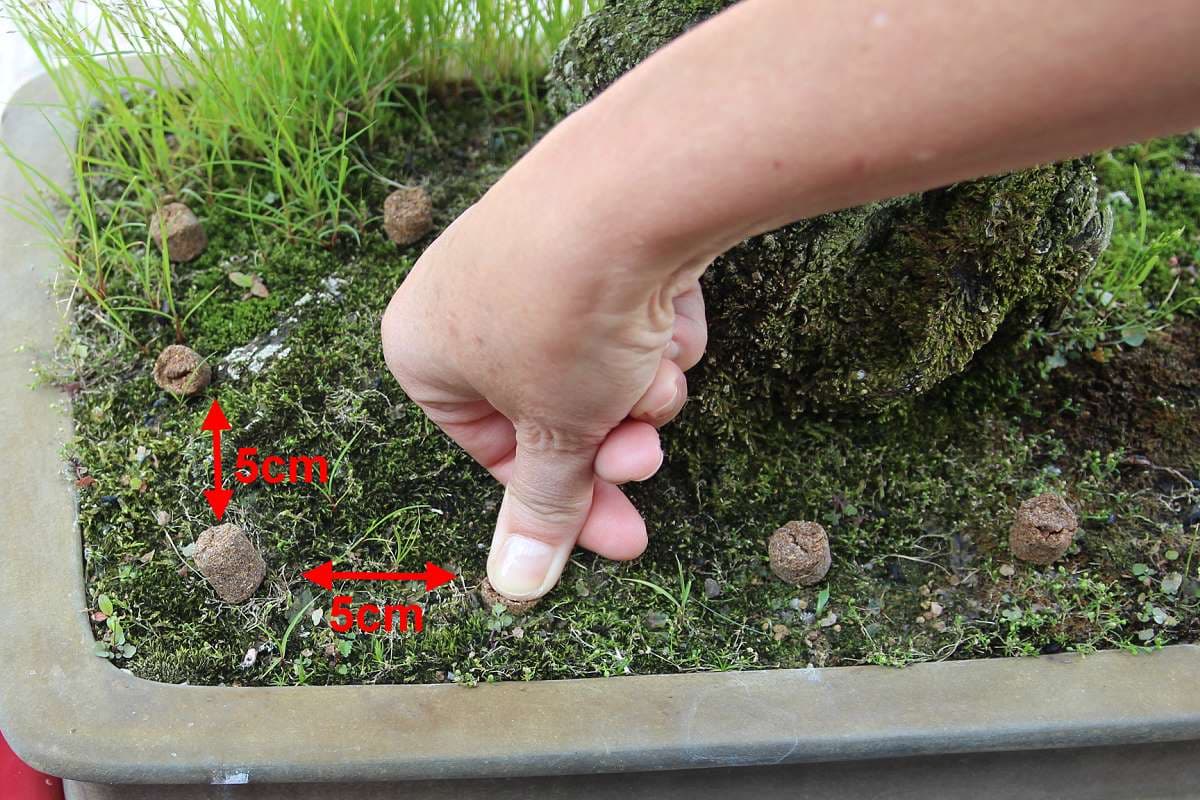
(Biogold pellets/cakes in action — easy, effective, and odor-minimized for home use! 🍂)
- Liquid options: Miracle-Gro Bonsai (balanced), or fish/kelp emulsion for organics. Dilute to 1/4–1/2 strength.
- DIY: Weak compost tea or worm castings — safe but test small amounts first.
Read labels: Lower NPK numbers (e.g., 5-5-5) are safer for bonsai than strong garden fertilizers. Always apply to moist soil.
Common Bonsai Fertilizing Mistakes (And How to Fix Them) ⚠️😓
- Over-fertilizing: Burned tips, salt crust on soil, sudden leaf drop. Fix: Flush pot thoroughly with water, pause feeding 4–6 weeks, repot if severe.
- Under-fertilizing: Small/pale leaves, weak branches. Fix: Resume balanced feeding gradually.
- Feeding stressed trees: After repotting/pruning/pests — wait 4 weeks minimum.
- Wrong timing: High-N in fall causes soft growth vulnerable to frost. Stick to low-N autumn.
- Ignoring climate: In Dhaka, indoor tropicals may need light winter feeding unlike temperate outdoor ones.
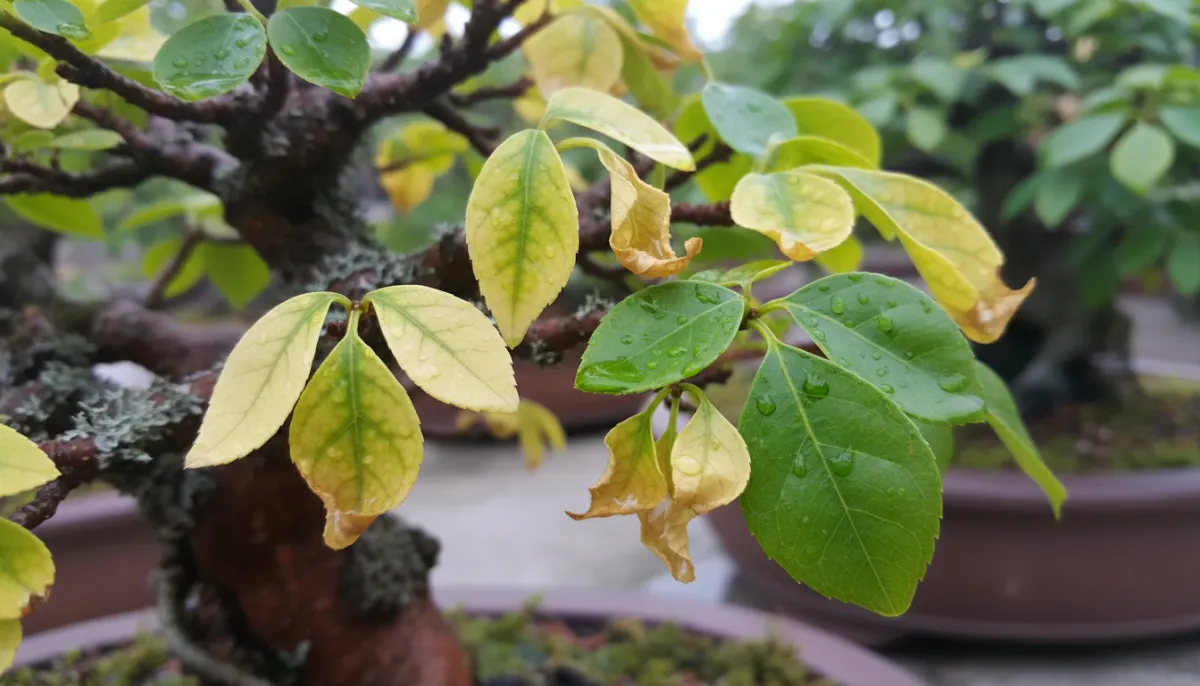
(Signs of nutrient issues like yellowing leaves — catch early and correct with proper schedule! 🌿)
Pro Tips & Advanced Techniques 📌✨
Here are battle-tested tricks from long-time bonsai practitioners to make fertilizing second nature and even more effective:
- Track your schedule effortlessly — Use a simple calendar app (Google Calendar works great) with recurring reminders labeled by species or tree. Some growers place small colored chopsticks or stones next to each pot: green = recently fed, red = due soon. This prevents both forgetting and overdoing it. 📅
- Always feed on moist soil — Water first, wait 10–15 minutes, then apply fertilizer. Dry soil + fertilizer = instant root burn risk. This small habit alone saves many trees!
- “Feed weakly, weekly” philosophy — Popularized by masters like Masahiko Kimura and modern pros at Mirai. Instead of heavy doses monthly, use very dilute liquid (1/4–1/3 strength) more often. This gives steady nutrition, minimizes salt buildup, and encourages finer ramification.
- Repotting year vs. off-year adjustment — In the year you repot (usually spring), skip or halve fertilizer for 6–8 weeks while roots re-establish. Off-years: Resume normal schedule sooner for stronger recovery.
- Foliar feeding as a supplement — In hot Dhaka summers or during recovery, a very weak liquid fertilizer sprayed on leaves (early morning) can deliver quick micronutrients without root stress. Use sparingly — once a month max.
- Monitor leaf color & internode length — Healthy new growth should show rich green leaves with short internodes. Pale/small leaves = increase feeding slightly. Long, floppy shoots = reduce nitrogen and frequency.
These tweaks separate average bonsai from exceptional ones. Observe weekly — your trees will tell you exactly what they need! 👀🌿
Frequently Asked Questions (FAQs) ❓🌱
Here are the most common questions bonsai enthusiasts ask about fertilizing schedules:
When should I start and stop fertilizing my bonsai? Start in early spring as buds swell and show green (usually March in temperate zones, or year-round lightly for tropicals in Dhaka). Stop completely for outdoor temperate trees by late autumn (mid-November). Indoor tropicals can continue lightly through winter.
What’s the best NPK ratio for beginners? Start with a balanced 6-6-6 or 5-5-5 liquid at half strength. It’s forgiving and supports healthy growth without pushing too hard in any direction.
Can I use regular houseplant fertilizer on bonsai? Yes, but dilute it to 1/4–1/3 strength and avoid high-nitrogen lawn/garden formulas. Bonsai-specific or organic slow-release products (like Biogold) are safer and more effective long-term.
How do I know if I’m over-fertilizing? Look for brown, burned leaf tips/edges, white salt crust on soil surface, sudden leaf drop, or stunted new growth. Flush the pot thoroughly with water and pause feeding for 4–6 weeks.
Do indoor tropical bonsai need a different schedule? Yes — in warm climates like Bangladesh, ficus, jade, serissa, and others often grow year-round. Feed lightly (half strength balanced) every 3–4 weeks even in winter, but reduce if light is low or growth slows.
Is it okay to fertilize right after repotting? No — wait 4–8 weeks (or until new buds extend) so delicate new roots aren’t burned. Use plain water only during recovery.
What’s the safest slow-release option for forgetful owners? Biogold Original cakes or similar organic slow-release pellets. Place 2–4 per pot, refresh every 4–6 weeks — very low burn risk and steady nutrition.
Can fertilizer improve flowering or autumn color? Absolutely! High-phosphorus/potassium in late spring boosts blooms on azaleas/bougainvillea. Low-nitrogen/high-PK in autumn strengthens buds and enhances fall color on maples.
How often should I fertilize a young developing bonsai vs. a mature one? Young trees in training: more frequent and slightly stronger to build structure. Mature/refined trees: half or quarter strength to keep growth compact and controlled.
What if my bonsai is showing nutrient deficiency symptoms? Yellowing between veins (iron/magnesium), small pale leaves (general underfeeding), or purplish leaves (phosphorus lack) — resume balanced feeding gradually and consider a micronutrient supplement if symptoms persist.
Conclusion 🌟🍃
Mastering your bonsai fertilizing schedule is one of the fastest ways to transform average trees into vibrant, healthy showpieces. By following the seasonal rhythm — high-N spring push, balanced summer maintenance, low-N/high-PK autumn hardening, and true winter rest (with light feeding for tropicals) — you give your bonsai exactly what it needs, when it needs it.
Remember: observe your trees closely, adjust for species, climate (especially Dhaka’s warm, humid conditions), and health, and never be afraid to start conservatively. Over time, you’ll develop that intuitive “feel” every great bonsai artist has.
Bookmark this guide, take notes on your own trees, and feel free to drop a comment below with your species or any fertilizing wins/challenges — I’d love to hear how it goes! Happy growing, and may your bonsai thrive with lush pads, strong roots, and that perfect compact beauty. 🌳❤️
You’ve got this! 🚀











