
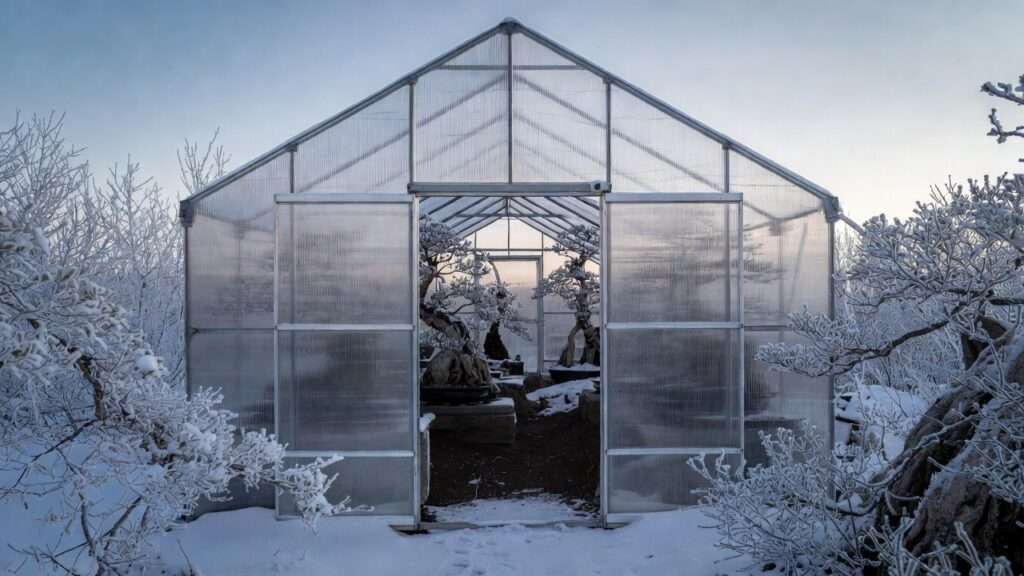
🌨️ Picture this: It’s mid-winter, temperatures have dropped to -12°C (10°F) overnight, biting winds howl through your garden, and yet your precious bonsai—Japanese maples, junipers, pines, and beeches—remain perfectly dormant, roots insulated, foliage protected, and ready to burst into vibrant spring growth. No root damage, no desiccation, no surprise losses. This isn’t luck; it’s the result of smart bonsai greenhouse or cold frame usage.
For bonsai growers in colder climates (USDA zones 6 and below, or anywhere winter lows regularly dip below -10°C / 15°F), overwintering is the single biggest challenge. Shallow pots expose roots to freeze-thaw cycles far faster than in-ground trees, leading to cellular damage, weakened vigor, or outright death. A well-managed cold frame or unheated greenhouse changes everything—providing stable cool dormancy, wind protection, and moisture control without the risks of heated structures that force premature budding.
In this in-depth guide, drawing from trusted sources like Bonsai Empire, Mirai Live principles, experienced growers on Bonsai Nut and Reddit communities, and decades of practical bonsai winter care knowledge, you’ll discover exactly how to implement bonsai greenhouse or cold frame usage effectively. We’ll cover setup, best practices, species-specific advice, common pitfalls, and spring transitions—so you can protect your collection reliably and enjoy healthier trees year after year. ❄️🌳
Whether you’re a beginner facing your first harsh winter or an experienced enthusiast optimizing a larger collection, this skyscraper-level resource solves the real problem: keeping temperate bonsai safely dormant without overheating, drying out, or rotting. Let’s dive in!
Why Winter Protection Matters for Bonsai (The Real Risks)
🌡️ Bonsai trees live in tiny, above-ground root systems that freeze solid much quicker than landscape trees. A single hard freeze can rupture root cells, while repeated freeze-thaw cycles cause heaving and desiccation. Evergreens suffer needle burn from cold winds, and deciduous species risk early bud swell if warmed too soon.
Key winter threats include:
- Root freeze: Most temperate bonsai roots suffer below -5°C to -10°C (23°F to 14°F), depending on species and acclimation.
- Desiccation: Cold, dry winds pull moisture from foliage faster than frozen roots can replace it.
- Excess moisture: In rainy or snowy winters without shelter, pots stay soggy, inviting root rot.
- Disrupted dormancy: Accidental warming (e.g., unvented sunny days) tricks trees into budding early, only for later freezes to kill new growth.
Without protection, losses accumulate—trees weaken over seasons, branches die back, and vigor fades. A properly used cold frame or unheated greenhouse mimics a stable, insulated microclimate, letting trees complete full physiological dormancy safely. This is why experts from cold regions (Canada, northern Europe, US Midwest/Northeast) swear by these methods.
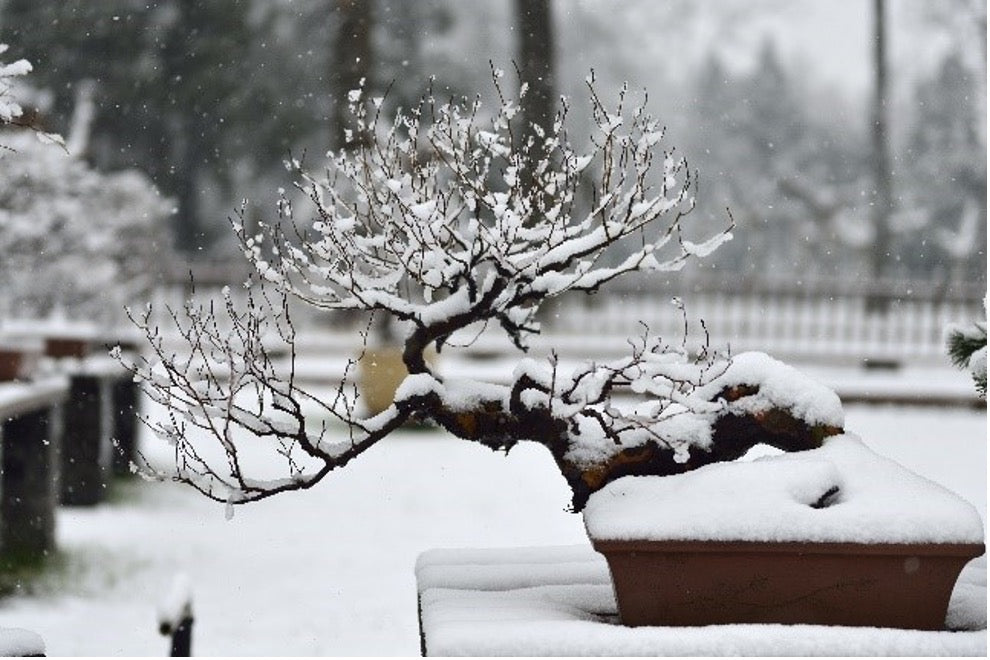
(Here’s a serene example of a bonsai enduring winter snow—protected pots make all the difference!)
Understanding the Tools: Bonsai Greenhouse vs Cold Frame
🔍 These two options serve similar purposes but differ in design, cost, and management.
What Is a Cold Frame?
A low, box-like structure (typically 1–2 feet tall) with a slanted, transparent lid (glass, polycarbonate, or plastic sheeting) that captures solar heat during the day and retains it at night. Often DIY-built from wood and recycled windows.
Pros 🌟
- Inexpensive (many under $100–200 DIY)
- Excellent for maintaining cool, stable dormancy (roots stay just above freezing)
- Strong wind/rain/snow protection
- Low overheating risk if vented
Cons ⚠️
- Limited space and access (crouching required)
- Can warm quickly on sunny winter days (venting essential)
- Less flexible for larger trees or multi-season use

(A beautiful DIY wooden cold frame setup—simple, effective, and bonsai-ready!)
What Is a Greenhouse (Cold or Unheated)?
A taller, walk-in enclosure (often polycarbonate panels or plastic sheeting over a frame) providing more headroom and airflow options.
Pros 🌟
- Accommodates bigger collections and larger specimen bonsai
- Better ventilation (doors, windows, fans)
- Multi-purpose: spring hardening-off, summer shade with cloth
- Easier monitoring and access
Cons ⚠️
- Higher cost ($300–$2000+)
- Greater overheating potential (requires diligent venting/shading)
- More prone to condensation and fungal issues without airflow
Quick Comparison Table (Cold Frame vs Greenhouse for Bonsai)
- Cost — Cold frame: Low 💰 | Greenhouse: Medium-High
- Space Needed — Cold frame: Compact 📏 | Greenhouse: Larger footprint
- Dormancy Maintenance — Both excellent with proper management
- Best For — Cold frame: Small–medium collections, very harsh winters | Greenhouse: Larger collections, versatility
From community experience (Bonsai Nut, Mirai Forum), cold frames edge out for pure winter protection in zones 5–6, while greenhouses shine for growers with 20+ trees or mixed needs.

(This mini unheated greenhouse houses young and repotted bonsai perfectly during cold months!)
When and Why to Use a Bonsai Greenhouse or Cold Frame
🗓️ Deploy these shelters when your local winter regularly sees temperatures below -10°C (15°F) for extended periods—typical in zones 6 and colder, or exposed/high-altitude areas in milder zones.
Primary uses:
- Full dormancy for temperate species (Japanese maple, pine, juniper, larch, beech, elm)
- Extra protection for semi-hardy types (trident maple, olive, pomegranate, some azaleas)
- Shielding from desiccating winds, heavy snow load, or constant winter rain
- Stabilizing microclimate in urban balconies, windy gardens, or freeze-prone spots
Skip for true tropical/subtropical bonsai (ficus, serissa, bougainvillea)—they require heated protection instead.
Step-by-Step Guide: Setting Up Your Bonsai Shelter
🏗️ Proper setup is the foundation of successful overwintering. Follow these steps to create a reliable, low-maintenance microclimate for your trees.
-
Assess Your Climate & Collection Start by knowing your local conditions. Check your USDA hardiness zone (or equivalent), average winter lows, and historical extremes using tools like NOAA or local weather archives. Note wind exposure, snow load risk, and sunny winter days (which cause rapid heating).
Inventory your bonsai:
- Hardy temperate (junipers, pines, larches, spruces): tolerate -15°C to -20°C root temps once acclimated
- Moderately hardy deciduous (Japanese maples, elms, beeches): prefer 0°C to 5°C to stay deeply dormant
- Semi-hardy (trident maples, olives, some azaleas): need extra care, ideally above -5°C
This determines shelter size, insulation needs, and ventilation strategy.
-
Choose & Build/Buy Your Shelter
- Cold frame: Ideal for small–medium collections (5–30 trees). DIY options use pressure-treated wood frames + old storm windows or polycarbonate panels. Slant the lid south-facing at 30–45° for max solar gain. Many growers insulate sides with rigid foam boards.
- Unheated greenhouse: Better for 20+ trees or taller specimens. Look for polycarbonate mini-greenhouses (6×8 ft or larger) with vents and doors. Avoid fully glass models in very cold areas due to breakage risk.
Placement tips:
- Against a north or east-facing wall for thermal mass and wind block
- Avoid full south exposure unless heavy shading/venting planned
- Elevate on blocks or legs for drainage and rodent deterrence

(This sturdy DIY cold frame on a raised platform keeps bonsai elevated and protected—notice the hinged lid for easy access!)

(A bulletproof cold frame design with foam insulation and secure latches—perfect for windy or snowy regions!)
- Prepare the Interior
- Base: Line with gravel or bricks for drainage. Add 2–4 inches of mulch or straw for extra root insulation.
- Benches/shelves: Use sturdy wire or slatted benches to elevate pots 6–12 inches off the ground. This improves airflow, reduces rot risk, and deters mice/voles.
- Monitoring tools: Install a reliable min-max digital thermometer (with probe for soil temp) and hygrometer. Many growers add a simple data logger for peace of mind.
(Another excellent cold frame example—wooden construction with clear top, ideal for urban balconies or small gardens.)
- Ventilation & Monitoring Setup
- Add prop sticks, auto-vents, or hinged lids that open easily.
- For greenhouses: Install roof and side vents; consider solar-powered fans if budget allows.
- Rule of thumb: Open vents/doors whenever daytime temps inside exceed 7–10°C (45–50°F) to prevent heat buildup.
Best Practices for Bonsai Greenhouse or Cold Frame Usage
📋 These expert-recommended habits turn a basic shelter into a bonsai lifesaver.
Temperature Management
- Target root zone: 0–7°C (32–45°F) for most temperate species—cool enough for dormancy, warm enough to avoid freeze damage.
- On sunny winter days, temperatures can spike 15–20°C above ambient—vent aggressively! Prop lids open 4–12 inches or remove entirely on mild days.
- Use 30–50% shade cloth over the lid in very sunny climates to moderate heat.
- If nights drop below -15°C, add temporary bubble wrap or frost blankets over the structure (but remove during day).
Watering & Humidity
- Water frequency drops dramatically—check soil every 7–14 days. Only water if the top 1–2 inches are dry (use a moisture meter for precision).
- Use room-temperature water to avoid shocking frozen roots.
- In dry-winter regions, place shallow trays of water or wet burlap for ambient humidity (prevents needle desiccation on junipers/pines). Avoid over-misting foliage to prevent fungal issues.
Pest & Disease Prevention
- Inspect every tree before moving in—remove dead foliage, treat any pests.
- Ensure good airflow; stagnant humid air breeds botrytis and mold.
- Optional: Apply a dormant copper-based fungicide spray in late fall as prevention.
- Rodent protection: Hardware cloth around base, or peppermint oil-soaked cotton balls as deterrent.
Species-Specific Tips
- Junipers, Pines, Spruces — Very cold-tolerant; minimal intervention needed. Tolerate brief dips to -20°C.
- Japanese Maples, Beeches, Elms — Prefer cooler end of range to maintain deep dormancy; avoid any warming that triggers buds.
- Semi-Hardy (Trident Maple, Olive, Pomegranate, Gardenia) — Add extra insulation (bubble wrap pots) or position in warmest micro-spot; aim for 5–10°C minimum.
- Azaleas/Satsuki — Keep slightly moister and cooler; they resent drying out.

(A well-organized unheated greenhouse bench full of dormant bonsai—pines and junipers thriving under controlled conditions!)

(Inside view of a larger unheated greenhouse setup—specimen trees protected with minimal heating backup only for extremes.)
Common Mistakes to Avoid
🚫 Even experienced growers occasionally slip up—here are the most frequent errors and how to sidestep them for bulletproof winter success.
- Overheating the shelter The #1 killer of dormant bonsai. A sunny winter day can push internal temps to 20–30°C (68–86°F) in just hours, forcing buds to swell and breaking dormancy. New growth then dies in the next freeze. Fix: Check temps multiple times on bright days. Vent early and often—many growers leave lids propped 6–12 inches all day when ambient is above freezing.
- Insufficient ventilation → fungal outbreaks Stagnant, humid air inside a closed cold frame or greenhouse breeds botrytis, needle cast, and root rot. Condensation drips constantly onto foliage. Fix: Crack vents even on cold days if humidity >85%. Use a small fan on low in larger greenhouses.
- Watering too often (or not at all) Overwatering in winter = soggy, oxygen-starved roots → rot. Underwatering = desiccation death, especially for evergreens. Fix: Feel the soil weekly. Water only when the top 2–4 cm is dry. Use a chopstick or moisture meter to check deeper.
- Poor placement or insulation gaps Shelters in full sun without shade cloth, or with gaps letting wind in, create temperature rollercoasters. Fix: Position wisely, seal edges with weatherstripping or snow blocks, and add temporary insulation for extreme cold snaps.
- Forgetting pest/rodent checks Mice love chewing bark under shelter; aphids or scale can persist from fall. Fix: Inspect thoroughly before closing up. Use traps or barriers.
Alternatives If You Can’t Use a Greenhouse or Cold Frame
🌱 Not everyone has space, budget, or permission for a dedicated structure. These proven backups work well:
- In-ground mulch pit / heeling-in bed Dig a trench or pit, bury pots up to the rim in soil or mulch, then cover with straw, leaves, or pine needles. Excellent thermal stability. Best for: Hardy species in zones 5–7; very low cost.
- Insulated garage, shed, or unheated porch Place trees on shelves near a window for light. Open doors/windows on mild days. Wrap pots in bubble wrap or burlap for extra root protection. Best for: Urban growers, balcony limitations.
- Pot wrapping + windbreaks Surround pots with bubble wrap, foam, or horticultural fleece. Create a mini windbreak with plywood or burlap screens. Add a thick mulch layer over soil surface. Best for: Milder winters (zones 7–8) or very hardy trees only.
Many growers combine methods: cold frame for semi-hardy species, mulch pit for ultra-hardy ones.
Spring Transition: Safely Emerging from Protection
🌷 The exit strategy is just as critical as entry—rushing it causes sunscald, windburn, or late-frost damage.
Follow this gradual acclimation timeline (adjust ±1–2 weeks based on your local last-frost date):
- Late winter / early spring (Feb–Mar in most zones)
- Increase ventilation dramatically on warmer days (>10°C ambient).
- Remove shade cloth if used.
- Begin light watering as soil thaws and roots become active.
- 2–4 weeks before last expected hard freeze
- Prop lids/doors open during the day, close at night if frost risk remains.
- Watch for early bud swell—cooler is still better until danger passes.
- After last hard freeze (typically Apr–May)
- Move trees out gradually: first to shaded, sheltered spot for 7–10 days.
- Protect from intense spring sun and drying winds for another week or two.
- Resume normal watering, fertilizing, and wiring as growth accelerates.
Monitor closely for the first 2–3 weeks outdoors—many trees look “rough” right after winter but bounce back beautifully with proper care.
Real-World Examples & Case Studies
Here are practical stories from real growers (paraphrased and anonymized from Bonsai Nut, Mirai Live forums, and Reddit r/Bonsai discussions):
- Zone 4 Canada – Insulated cold frame success A grower with 45 trees built two 4×8 ft cold frames against the house wall. Used foam board insulation on sides/base, polycarbonate lids, and auto-vents. Lost only one trident maple in 8 winters—most trees emerged stronger than neighbors left outside. Key: vented religiously on sunny days.
- Urban balcony in zone 6b – Mini polycarbonate greenhouse Limited to a 4×6 ft kit greenhouse. Placed junipers/pines on bottom shelf (cooler), maples higher up. Added a small oscillating fan. Zero losses in 5 years despite -18°C nights.
- Costly lesson – Unvented overheating disaster A beginner left a small greenhouse closed during a 5°C sunny day in January. Internal temp hit 28°C; maples and elms pushed buds. Next -10°C night killed new growth. Lesson: always assume sun will heat fast—check twice daily.
Frequently Asked Questions (FAQs)
❓ Can I use a heated greenhouse for temperate bonsai? No—any heat above ~10°C risks breaking dormancy early. Use only unheated/cold structures for hardy species. Heated greenhouses are for tropical bonsai only.
❓ How often should I water in a cold frame or greenhouse? Usually every 10–21 days, depending on species, pot size, and humidity. Check soil moisture manually—never guess.
❓ What’s the best material for a bonsai cold frame? Polycarbonate panels (twin-wall for insulation) or old glass storm windows over a sturdy wood frame. Avoid single-layer plastic sheeting—it tears and loses heat quickly.
❓ Do evergreen bonsai need light in winter? Yes—some light is essential to prevent excessive needle drop. Cold frames and greenhouses provide plenty; fully dark sheds/garages are not ideal long-term.
❓ Cold frame vs burying pots—which is better? Cold frame usually wins for access, monitoring, and airflow. Burying is excellent when space or budget is tight, but harder to check trees regularly.
Final Thoughts & Expert Winter Protection Checklist
✅ Your at-a-glance action plan:
- Assess climate & species needs
- Build/buy shelter with strong ventilation
- Insulate base & elevate pots
- Install reliable thermometer/hygrometer
- Vent aggressively on sunny days
- Water sparingly—check weekly
- Inspect for pests before closing up
- Transition gradually in spring
Mastering bonsai greenhouse or cold frame usage transforms winter from a season of worry into one of quiet confidence. Your trees complete true dormancy, emerge vigorous, and reward you with healthier growth, better ramification, and fewer losses over the years.
Protect your collection this winter—you’ve got the tools and knowledge now. 🌳❄️💚
Have you tried a cold frame or unheated greenhouse setup? Drop your experiences, climate zone, or favorite species tips in the comments—I read and reply to every one!











