
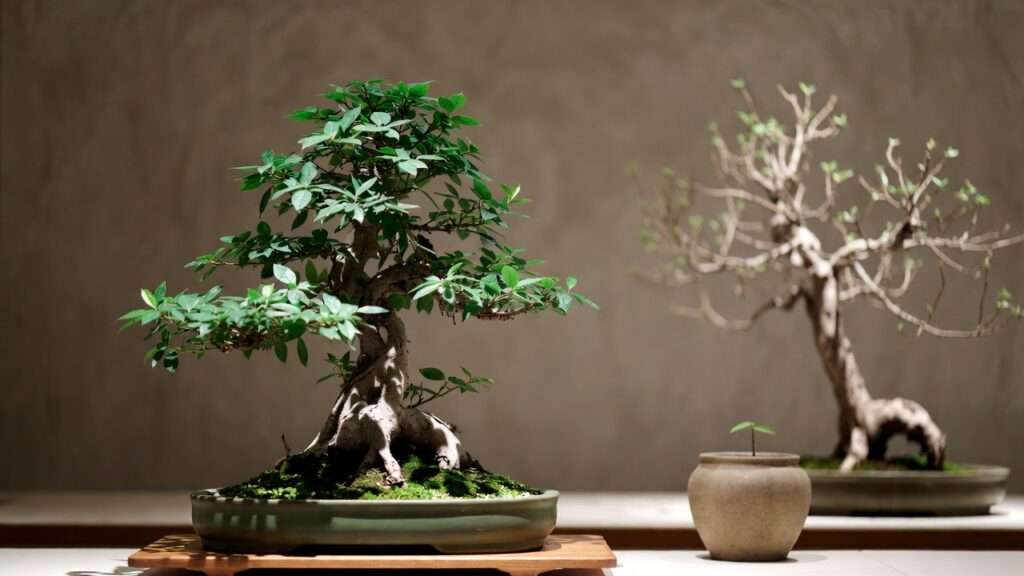
Imagine this: You’ve poured years of love, patience, and meticulous care into your bonsai — pruning branches at just the right moment, wiring with precision, and nurturing it through seasons of growth. Finally, the day arrives for your first (or next) bonsai show. You set up your tree proudly… only to notice it gets overlooked amid the crowd. The judges pass by quickly, and fellow enthusiasts glance but don’t linger. 😔 The issue? It’s rarely the tree itself. More often, it’s the display — a subtle breach of bonsai show display etiquette that shifts focus away from your living masterpiece.
In the world of bonsai exhibitions, etiquette isn’t about rigid rules for restriction; it’s about respect. Respect for the tree as the undisputed star, for centuries-old Japanese traditions like the tokonoma alcove display, and for the community of growers who share this art. Proper bonsai display etiquette ensures your tree shines, tells its story clearly, and earns the admiration (and perhaps awards) it deserves. Whether you’re prepping for a local club show, a regional exhibition, or dreaming of Kokufu-ten level perfection, mastering these guidelines elevates your presentation from good to unforgettable. 🌟
In this comprehensive guide, we’ll cover everything from foundational philosophy to practical timelines, common pitfalls, creative twists, and expert-level tips. By the end, you’ll have the tools to create stunning, respectful displays that honor bonsai artistry.
Understanding the Foundations of Bonsai Display Etiquette 🏛️
Bonsai show display etiquette revolves around one core principle: the tree is always the star 🌳. Every element — stand, pot, accent plant (kusamono or shitakusa), and even negative space — exists to support and enhance the bonsai, never to compete.
This tradition draws heavily from the Japanese tokonoma, a recessed alcove in formal rooms where art is displayed for contemplation. In a tokonoma, a scroll (representing heaven), a bonsai or suiseki (representing humanity), and an accent plant (representing earth) create harmony. Modern exhibitions adapt this: limited space (often ~6 feet wide, mimicking a tatami mat), shallow depth, and intentional composition focus viewer attention on details.
Etiquette distinguishes styles:
- Traditional: Strict adherence to proportions, seasonality, and balance (e.g., Kokufu-ten model).
- Creative: Adds storytelling or context while respecting basics.
- Avant-garde: Pushes boundaries, sometimes making the tree part of a larger narrative.
Why does this matter? Poor etiquette distracts — a clashing accent or oversized stand pulls eyes away. Great etiquette invites deeper appreciation, fostering personal growth and community respect.
Essential Rules for Bonsai Show Displays: Traditional Guidelines 📜
The Classic Tokonoma-Inspired Display Setup
Most exhibitions base layouts on tokonoma principles: ~6 ft wide space, shallow depth. Key elements include:
- Main bonsai (or group)
- Appropriate stand
- Accent plant on a small platform
- Optional scroll or viewing stone (less common in Western shows)
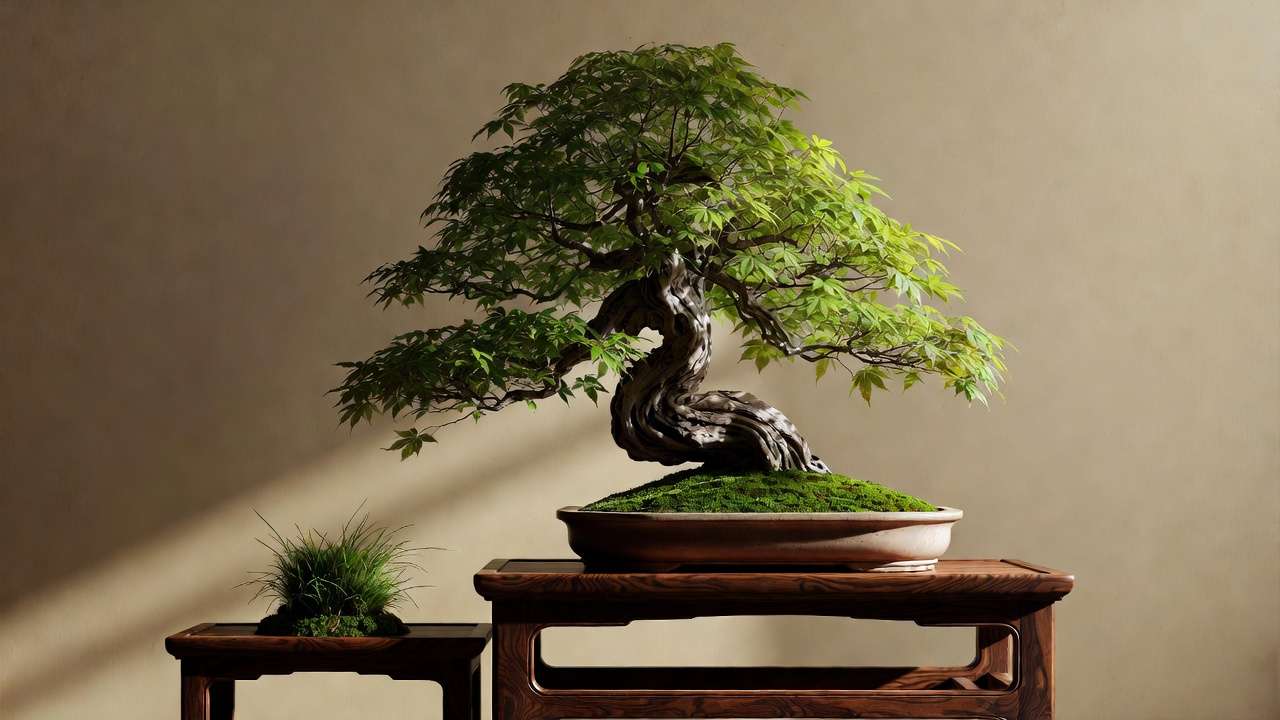
Position the bonsai slightly off-center for dynamic balance. Follow the “golden triangle” — imagine lines from corners creating focal points where elements align naturally. The viewer’s eye should flow smoothly from tree to accent and back.
Stand Selection and Sizing Rules
Stands elevate the tree to eye level (typically 42–48 inches total viewing height for optimal trunk viewing at ~2/3 up). Use these guidelines:
- 1-3-2 rule (approximate): Stand width ≈ 1.3× pot length; height ≈ 1/5–1/3 tree height.
- Material harmony: Match wood tone and formality (e.g., formal rectangular pot on simple dark stand).
- Stability first: Add rubber feet if needed to prevent wobble.
A mismatched stand makes even a masterpiece look awkward.
(Image: Traditional tokonoma-inspired bonsai display with main tree, stand, and accent plant — notice the balanced proportions and off-center placement)
Accent Plants and Companions — Do’s and Don’ts
Accents (kusamono/shitakusa) provide seasonality and context without stealing focus:
- Do: Choose lower-growing plants (never taller than main stand). Match season (e.g., flowering for spring, grasses for autumn).
- Position: On the “flow” side (where branches point), creating nagare (movement).
- Don’t: Use distracting colors, overgrown plants, or mismatched pots. Keep clean — no dead leaves!
Accents contrast: vibrant flowers complement a stark winter silhouette.
(Image: Example of harmonious kusamono accent with flowering companion enhancing a bonsai’s seasonal story)
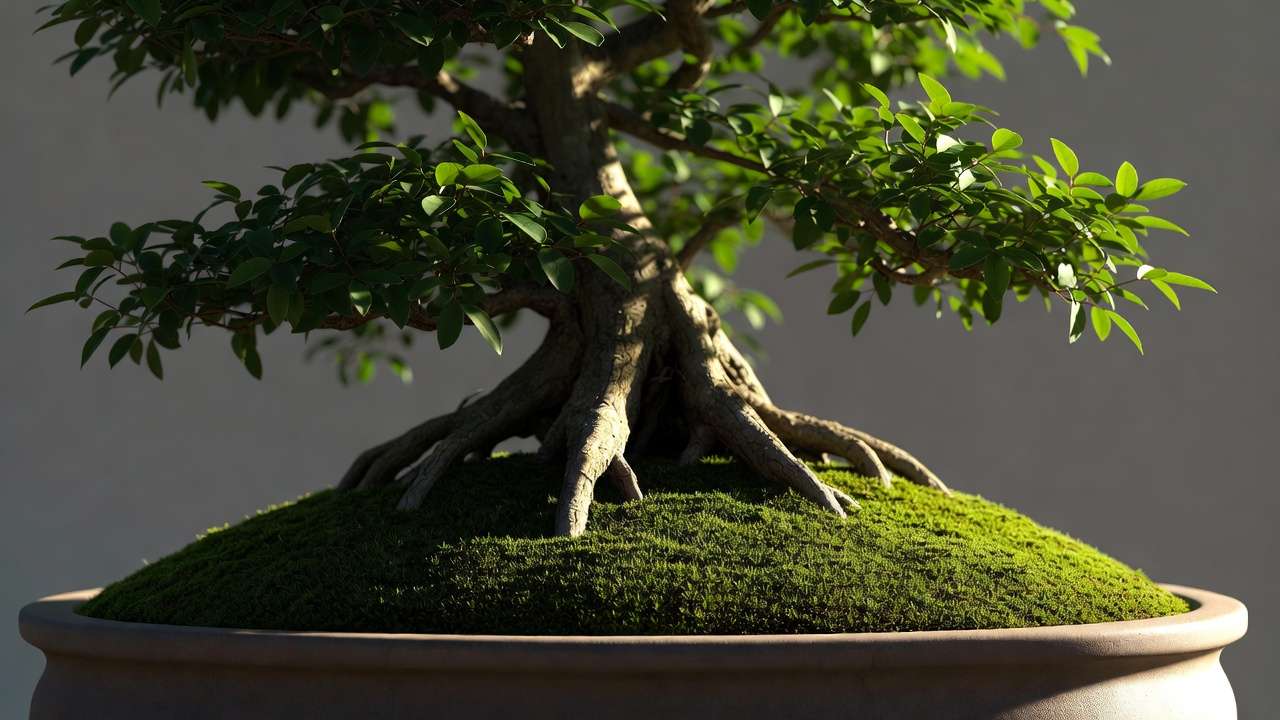
Pot, Soil, and Grooming Standards
- Pots: Spotless, no cracks or chips visible.
- Soil surface: Fresh moss, no weeds or debris.
- Grooming: No crossing branches, no visible trunk wire (branch wire tidy if present). Align foliage for clean silhouette.
These details signal professionalism.
Preparation Timeline: Get Show-Ready Like a Pro ⏰🌱
Success starts months ahead. Here’s a realistic timeline:
90–60 Days Out:
- Major structural pruning and wiring.
- Research show rules (space limits, categories).
- Select tree(s) and commission/match stand if needed.
60–30 Days Out:
- Fine-tune ramification, pinch new growth.
- Source accent plant — grow or acquire seasonally appropriate one.
- Fertilize lightly, ensure health.
Final 7–2 Days:
- Deep clean pot/stand.
- Last grooming: Remove eye-pokers, shine leaves if appropriate.
- Thorough watering — avoid soggy soil on setup day.
Pro Checklist 📋✨:
- Tools (concave cutters, wire cutters, brush)
- Spares (extra moss, small pots)
- Water mister
- Camera for setup photos
This timeline prevents rushed mistakes.
Common Mistakes to Avoid: Etiquette Pitfalls That Cost Awards 🚫
Even experienced growers slip up — these are the most frequent display errors that diminish impact and sometimes lead to lower scores:
- Overcrowding the display space Cramming too many elements (multiple accents, oversized companions, or extra stones) violates negative space principles. Judges look for clarity and breathing room. Solution: Stick to one main tree + one accent unless entering a multi-tree category like shohin or saikei.
- Mismatched scales or clashing colors/styles A tiny accent plant next to a massive cascade bonsai looks lost; bright red flowering accents with a stark deadwood juniper feels disjointed. Always ensure visual harmony — accents should be 1/3 to 1/2 the height of the main stand.
- Visible tags, dirty pots, or neglected accents Entry tags, price stickers, or nursery labels scream “amateur.” Pots with old soil, algae, or dead moss detract. Accents with wilting leaves or weeds signal poor preparation.
- Ignoring seasonality or viewer flow Displaying a spring-flowering accent in autumn or positioning elements so the viewer’s eye gets stuck instead of flowing along the branches.
- Handling etiquette at the show Never touch another exhibitor’s tree (even to adjust a leaf). Ask permission before photographing close-ups. Respect setup times and organizers’ instructions.
Here are visual contrasts to drive the point home:
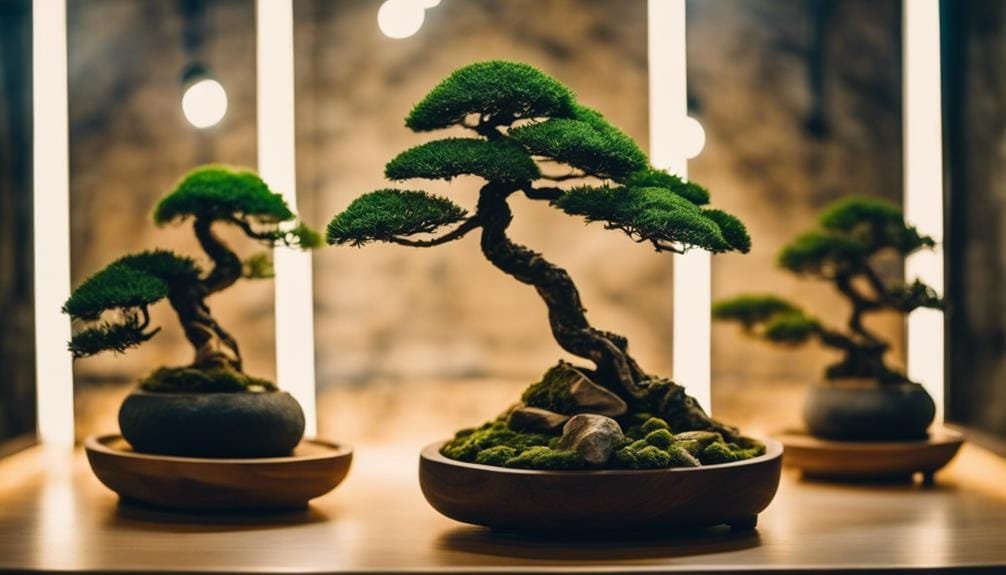
These examples highlight clean, balanced displays versus cluttered or mismatched ones. Spot the differences — and avoid the pitfalls!
Creative and Modern Display Ideas: Bending Rules Respectfully 🎨
Tradition provides the foundation, but many Western and contemporary artists add personal flair without disrespecting etiquette:
- Storytelling elements — Use subtle found objects (e.g., a small weathered rock suggesting a mountain landscape) or layered stands for depth, as long as the tree remains dominant.
- Seasonal innovation — Pair a deciduous tree in autumn color with warm-toned accents or grasses evoking wind-swept plains.
- Shohin group displays — Multiple small trees on tiered or asymmetrical platforms, creating mini-landscapes while keeping each tree distinct.
- Avant-garde approaches — Elevated or suspended stands, minimalist black backgrounds, or integrated lighting (if show rules allow) — always ensuring the bonsai is the focal point.
The key? Innovation should enhance the tree’s story, not overshadow it.

These modern setups show how creativity can shine while honoring core principles.
Expert Insights and Real-World Examples from Bonsai Masters 👨🏫
Veteran practitioners emphasize subtlety. As Jonas Dupuich (Bonsai Tonight) often notes: “The display should feel inevitable — as if the tree chose its companions and stand naturally.”
In major shows like Kokufu-ten, winners consistently demonstrate perfect proportions, seasonal harmony, and impeccable grooming. Look at these award-worthy examples:

Notice the elegant simplicity: clean stands, fresh moss, perfectly placed accents, and no distractions. These displays win because they respect tradition while showcasing exceptional trees.
Regional differences exist — Japanese shows favor strict tokonoma style; American and European exhibitions often allow more creativity in accents or backgrounds — but core etiquette (tree first, harmony, cleanliness) remains universal.
Practical Tips for Your First (or Next) Bonsai Show 🌟
- What to bring:
- Grooming tools (small scissors, tweezers, soft brush)
- Spare moss, soil, and small backup accent
- Water spray bottle and mister
- Clean cloths for last-minute polishing
- Camera/phone for documentation
- Setup day etiquette:
- Arrive early (many shows allocate specific times).
- Communicate politely with organizers.
- Set up quietly and efficiently — others are working too.
- Step back frequently to check viewer perspective.
- Post-show reflection: Take photos from multiple angles. Note what worked and what didn’t. Ask for judge feedback if available — it’s gold for improvement.
Frequently Asked Questions (FAQs) ❓
What if my tree is yamadori/collected — any special display rules? Yamadori (wild-collected) trees often feature dramatic deadwood or rugged trunks. Display them on rustic, textured stands with natural accents (grasses, stones) to emphasize their wild origin — but still follow sizing and balance rules.
Can I display wired trees? Yes, but wire should be neat, anodized (not shiny copper if possible), and branch wire hidden where feasible. Remove trunk wire before showing unless it’s integral to current training.
How many trees in a shohin display? Typically 3–7 for formal groups; odd numbers feel more natural. Ensure each tree has breathing space and the overall composition flows.
Is there etiquette for photographing or touching displays? Never touch without explicit permission. For photos, ask first and avoid flash (it can harm foliage). Respect “Do Not Touch” signs.
What makes a “Best in Show” display stand out? Flawless execution of etiquette + exceptional tree quality + emotional impact. Judges look for trees that feel alive, harmonious, and perfectly presented — evoking awe and contemplation.
Conclusion: Elevate Your Bonsai Art Through Thoughtful Display 🌿🏆
Bonsai show display etiquette isn’t about following rules to limit creativity — it’s about creating the clearest, most respectful stage for your tree to perform. When every element supports the bonsai, viewers (and judges) connect deeply with its story of time, patience, and beauty.
Apply these guidelines at your next exhibition, whether local club event or international dream. You’ll not only increase your chances of recognition but also deepen your own understanding of this profound art.
Ready to create your stunning display? Share your before-and-after photos in the comments, ask questions, or subscribe for more expert bonsai care and styling guides. Your tree deserves the spotlight — give it the perfect frame. ❤️🌳











