
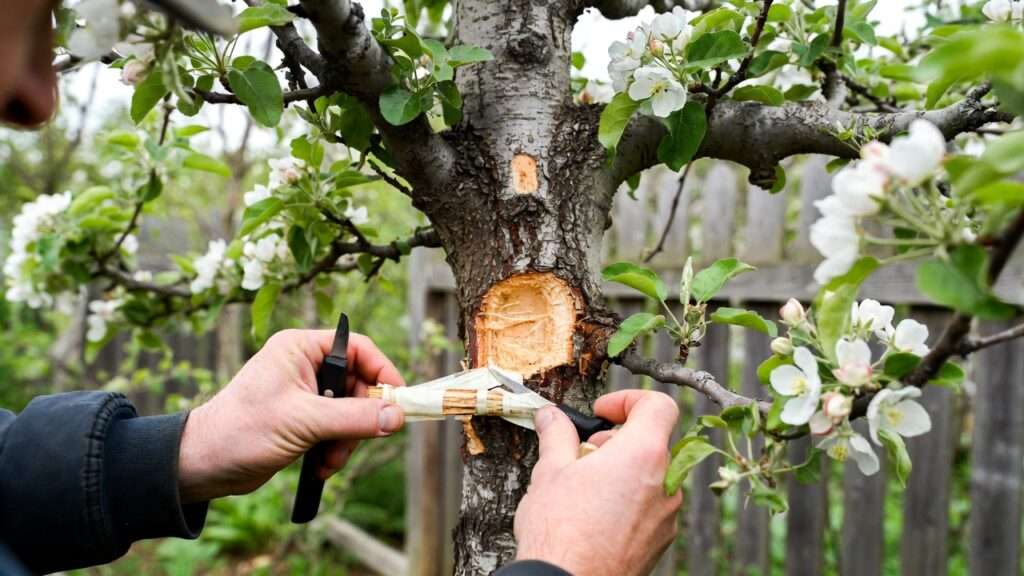
Imagine stepping into your garden one crisp spring morning only to find your beloved apple tree or cherished pear completely girdled—bark stripped in a perfect ring around the trunk by hungry rabbits, voles, or even accidental lawnmower damage. 😱 Your heart sinks: without the vital sap flow, the tree seems doomed to wither and die. But hold on—there’s real hope! Bridge grafting for bark damage repair is a proven, hands-on technique that has saved countless fruit and landscape trees by reconnecting the tree’s vascular system and restoring life-sustaining nutrient flow. Many gardeners and orchardists report 80–90%+ success rates on pome fruits like apples and pears when done correctly, turning a potential loss into a thriving survivor that produces for decades more. 🌟
In this comprehensive guide, we’ll walk you through everything you need to know: the science behind why girdling kills, when and how to perform bridge grafting step by step, essential tools, realistic success expectations, aftercare tips, and proven prevention strategies to avoid future heartbreak. Whether you’re a home gardener in a suburban yard or managing a small orchard, this expert-level resource draws from university extension recommendations (like MSU, WVU, and UConn) and real-world experience to give you the confidence to save your tree. Let’s dive in and bring your girdled tree back to life! 💚
Understanding Bark Damage and Girdling Injury 🌿
Bark damage isn’t just cosmetic—it’s a vascular crisis. The tree’s bark includes the phloem (which transports sugars from leaves to roots) and the thin cambium layer (the growth engine where new wood and bark form). When animals like rabbits, mice, voles, or even deer strip bark in a complete ring (known as girdling), this flow halts. Roots starve without carbohydrates, while the upper tree eventually suffers from blocked water and nutrients moving upward via the xylem.
- Partial girdling (less than 50–60% circumference): Trees often recover naturally as callus tissue bridges the gap over time.
- Complete or near-complete girdling: Without intervention, most trees die within 1–3 seasons, though resilient species like apples can surprise you by surviving longer on stored reserves.
- Common causes: Rodent chewing in winter (under snow cover), mechanical injury from string trimmers or vehicles, sunscald cracking in winter, or even weed whacker mishaps.
Early detection is key—inspect trunks regularly, especially in late winter/early spring. If you catch damage before full girdling sets in, simple wound dressing might suffice. But for severe cases, bridge grafting steps in as the go-to repair method. 📏
Bridge Grafting Explained – The Science Behind the Save 🔬
Bridge grafting is a repair graft that literally builds “bridges” across the damaged zone. You insert healthy scion pieces (bridges) from the same tree (or compatible variety) to reconnect the cambium and phloem above and below the injury. Once healed, these bridges resume sap flow, allowing the tree to feed its roots and continue growing.
Why it works so well:
- Cambium-to-cambium contact sparks callus formation and union healing.
- Multiple bridges (every 2–4 inches) distribute flow and increase success odds.
- Best for pome fruits (apples, pears)—they respond exceptionally well due to vigorous cambium activity and compatibility.
- Stone fruits (peaches, cherries, plums) have lower success rates due to disease susceptibility (e.g., bacterial canker) and less forgiving tissue.
- Other species like walnuts, oaks, or maples can work but with more variable results.
Compared to inarching (using root suckers or planting new seedlings to graft in), bridge grafting uses upper-tree scions and is ideal when root access is limited. It’s a time-tested technique backed by decades of university extension research—many older fruit trees in historic orchards owe their longevity to it! 🌳❤️
When to Perform Bridge Grafting – Timing Is Critical ⏰
Success hinges on perfect timing. Bridge grafting thrives when the bark slips—meaning it separates easily from the wood without tearing, signaling active sap flow and cambium activity.
- Ideal window: Early spring, just as buds swell (typically March–May, depending on your climate zone). In many regions, this aligns with full pink to early bloom stage.
- Why spring? The tree is “waking up,” scions stay hydrated longer, and healing begins quickly.
- Test for slipping bark: Gently lift a small flap—if it peels cleanly, go time!
- Avoid: Winter dormancy (scions dry out, no healing), late summer (heat stress), or fall (limited recovery time before winter).
Pro tip: If damage is discovered in winter, collect scions immediately during pruning and store them—then act fast once spring arrives. For southern climates like warmer zones, the window might open earlier; in cooler areas, wait for reliable warmth. Always check local conditions—timing varies! 🌸
Signs Your Tree Can Be Saved (And When to Give Up) ⚖️
Not every damaged tree is salvageable, but many are:
- High chance: Older, established trees (5+ years) with vigorous roots; partial girdling; healthy upper canopy.
- Moderate chance: Complete girdling on apples/pears; damage under 12–18 inches tall.
- Lower chance: Young trees (1–3 years)—consider cutting back below damage and training a new leader instead.
- Poor prognosis: Stone fruits with full girdling; extensive vertical damage; diseased/weak trees.
Assess: Measure the girdled percentage and wound height. If over 50% but the tree still leafs out partially, bridge grafting often revives it. University experts note older pome fruit trees frequently recover fully with this method.
Preparing for Bridge Grafting – Gather Your Tools & Materials 🛠️
Before you make the first cut, assemble everything you need. Proper preparation prevents mistakes and boosts success rates—many failed grafts stem from dull tools, poor sealing, or mismatched scions. Here’s a complete, expert-recommended list based on university extension guidelines (UConn, MSU, WVU, and others):
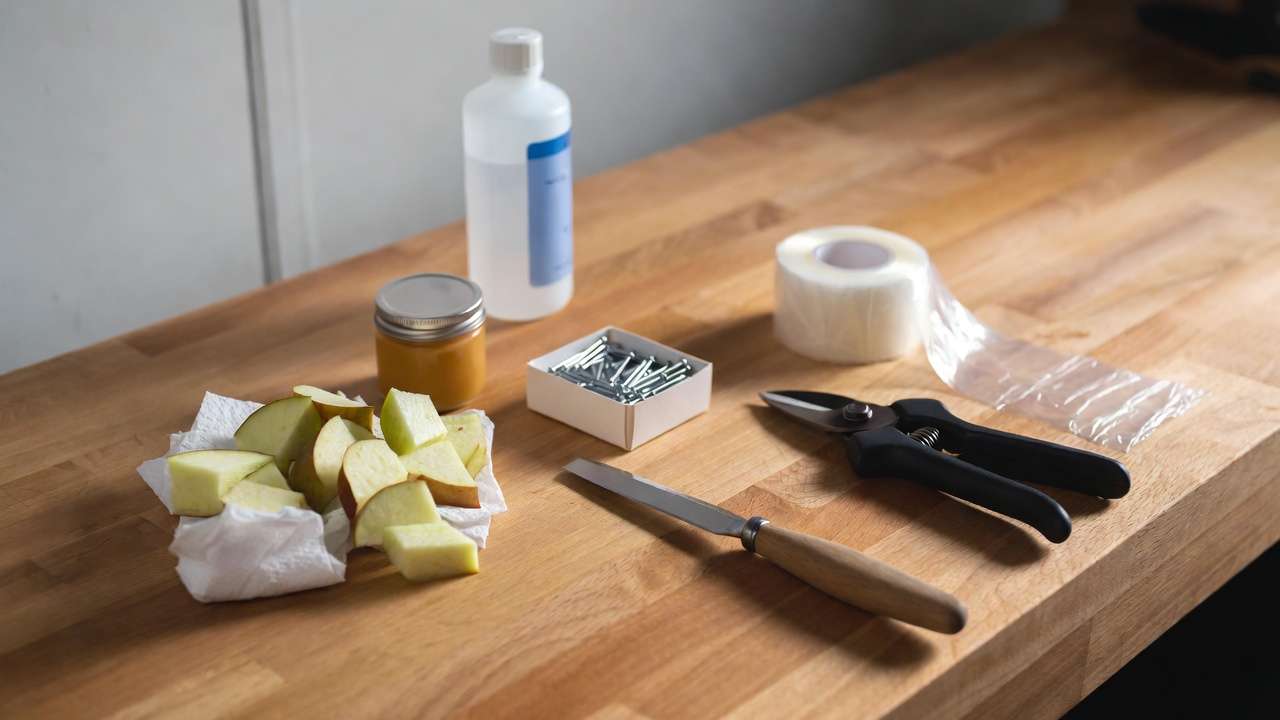
Essential Tools and Supplies:
- Sharp grafting knife (or high-quality box cutter with replaceable blades) – crucial for clean, precise cuts without tearing tissue.
- Pruning shears or loppers for trimming scions.
- Small brads or tacking nails (1-inch long, thin) – to secure bridges without splitting wood.
- Grafting wax, water-based asphalt emulsion, or tree wound dressing – seals cuts to prevent drying and disease entry.
- Optional but highly recommended: Parafilm or grafting tape (stretchy, breathable) for extra moisture retention.
- Short wooden dowel or block (about ¾-inch thick) – helps create the slight bow in scions for better contact and flexibility.
- Rubbing alcohol and clean cloth – for sterilizing tools between cuts to avoid spreading pathogens.
- Measuring tape and marker – to plan bridge placement.
Pro Tip: Work on a clean surface. Sterilize your knife frequently—dip in alcohol and wipe dry. A dull blade crushes cambium instead of slicing it, dooming the graft. 🔪
Collecting and Storing Scionwood Like a Pro ❄️
Scions (the “bridge” pieces) are the heroes of this repair. They must come from the same tree (or a compatible variety of the same species) for best compatibility and vigor.
- When to collect: During winter dormancy (late fall to early spring pruning season), ideally January–February in most climates. Cut while wood is fully dormant to minimize stress.
- What to select: 1-year-old (sometimes 2-year-old) straight shoots, pencil-thick (¼–½ inch diameter). Avoid thin, weak twigs or overly thick branches.
- Length: Cut pieces 3–6 inches longer than the girdled wound height (typically 12–18 inches for most trunk damage).
- Quantity: Plan for one bridge every 2–4 inches around the trunk circumference—e.g., a 12-inch diameter trunk might need 8–12 bridges for full coverage and redundancy.
- Storage: Wrap in damp paper towels or sphagnum moss, seal in a plastic bag, and store in the refrigerator (35–40°F / 2–4°C). Label with variety and date. They can stay viable for months if kept moist but not wet—check weekly to prevent mold.
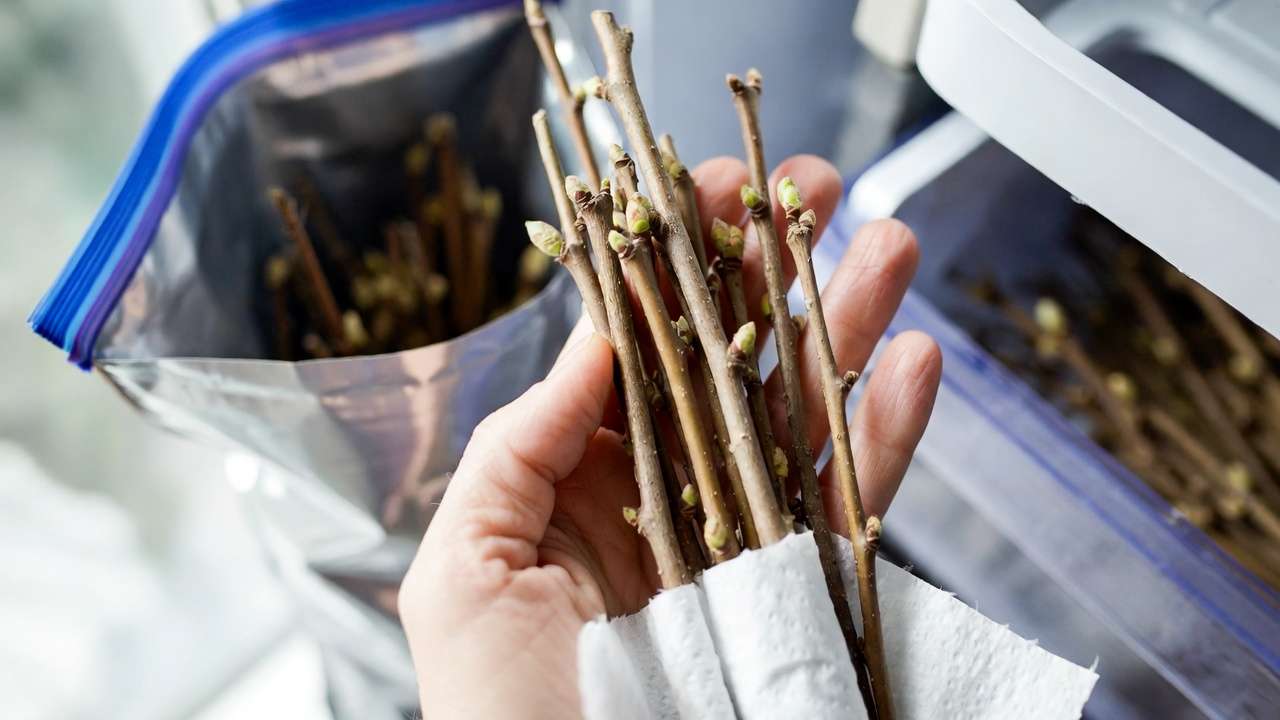
Collect extras! If some dry out or fail, you’ll have backups. Many successful grafters collect during routine winter pruning, anticipating potential rodent damage. 🌱
Step-by-Step Bridge Grafting Guide – Your Hands-On Tutorial 📝
Now the exciting part: actually performing the graft. Follow these steps precisely—cambium alignment is everything. Work on a calm, dry day when bark is slipping (test by gently lifting a flap—it should peel cleanly without resistance).
H2: Preparing the Damaged Area
- Clean the wound thoroughly: Remove all loose, dead, or shredded bark using your knife or shears.
- Trim edges to smooth, even cuts—create gentle curves if jagged. Expose healthy, green cambium/wood around the entire girdled zone.
- If damage extends below soil line, carefully excavate a few inches to reach live tissue (backfill later with soil).
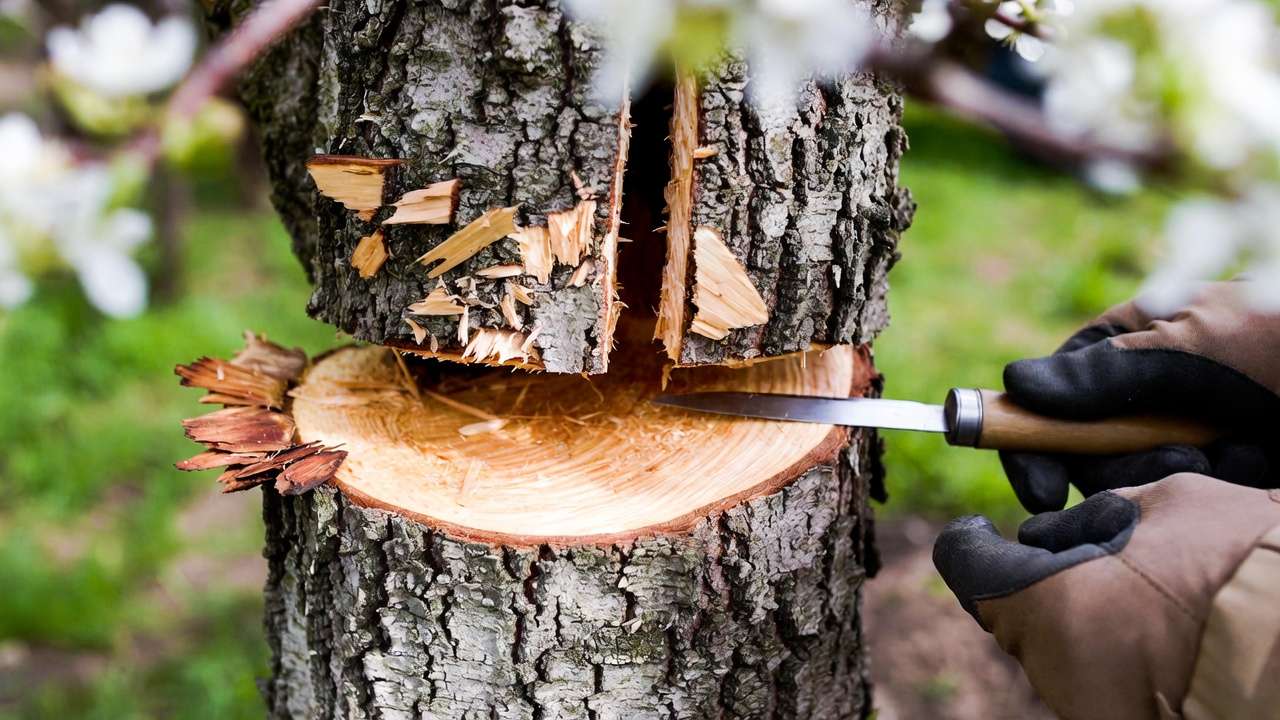
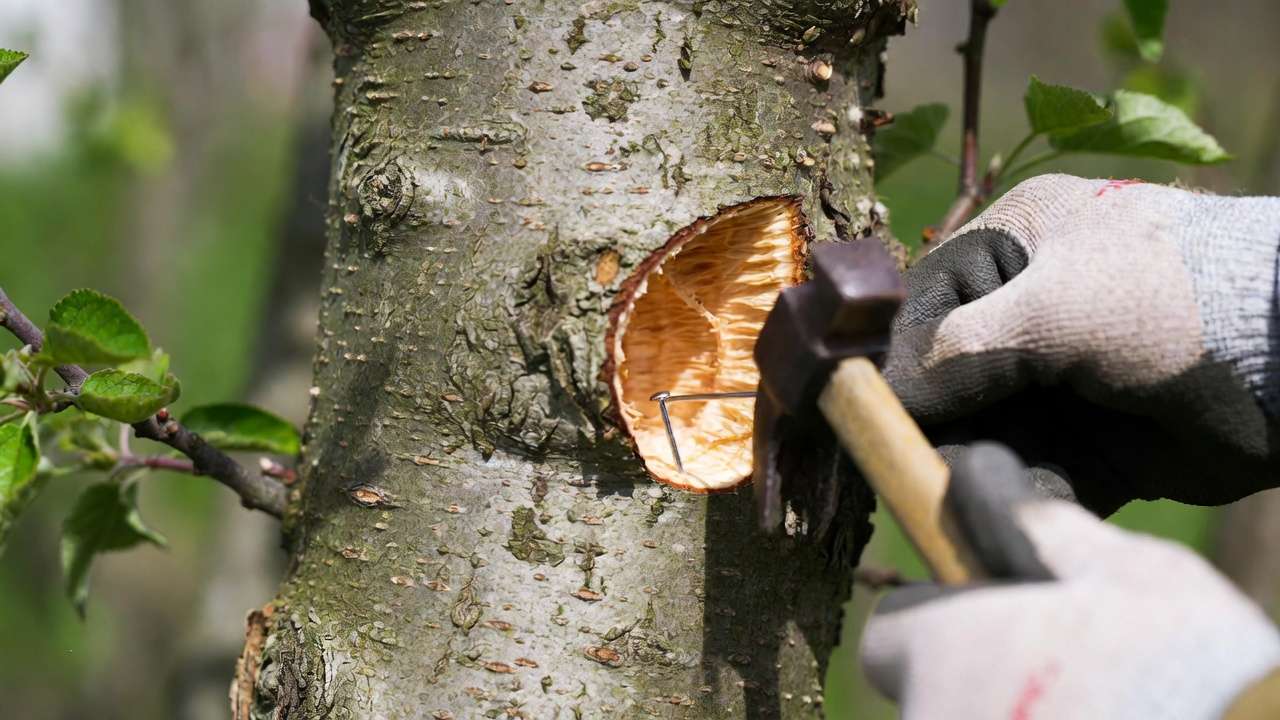
H2: Detailed Bridge Grafting Steps (with Illustrations Suggested) (Pro suggestion: Include labeled diagrams or photos here—before/after, close-ups of cuts, healed unions. Alt-text for SEO: “Step-by-step bridge grafting process on girdled apple tree trunk”.)
- Measure and cut scions: Cut each scion to length + 3–4 inches extra. Make long, shallow, tapered wedge cuts (1½–2 inches) on both ends, on the same plane. The bevel should expose cambium clearly.
- Create inlay slits on the tree: Above and below the wound, make vertical slits in the bark about 2 inches long and matching the scion width. Start from the wound edge and cut upward/downward into healthy bark. Gently lift flaps to expose cambium.
- Insert the bridge: Place the wedged end of the scion into the lower slit first (cambium-to-cambium contact—green layers must touch!). Then flex the scion slightly and insert the upper end. Create a gentle outward bow (use dowel to prop if needed)—this ensures flexibility as the tree grows and prevents breakage.
- Secure firmly: Nail through the scion ends into the trunk using small brads. Place 1–2 nails per end—enough to hold but not split wood.
- Repeat around the trunk: Space bridges evenly every 2–4 inches. More bridges = better flow and higher success.
- Seal everything: Coat all cut surfaces, nail holes, and graft unions generously with grafting wax or emulsion. This locks in moisture and blocks pathogens.
H3: Common Variations
- Bark slot method: Instead of inlay slits, cut horizontal flaps and slide scions underneath (good for thicker bark).
- Inarching alternative: If root suckers are present, graft them upward across the wound (no scion collection needed).
- For very large wounds: Use longer scions or combine with inarching for extra support.
Take your time—rushed cuts lead to poor contact. Many first-timers succeed on the first try with sharp tools and patience! 📸 (Embed visual aids here for maximum value.)
Aftercare and Monitoring – Maximize Survival Chances 🌿
The graft is done—now the real work begins. Proper aftercare dramatically increases the odds of a full recovery. Many trees show visible callus growth (healing tissue) within 4–8 weeks, but full vascular reconnection can take 1–3 growing seasons.
Immediate Post-Graft Care (First 4–6 Weeks):
- Protect from elements: Wrap the trunk lightly with breathable tree wrap or shade cloth if in full sun to prevent sunscald on fresh grafts. Avoid plastic that traps moisture and invites rot.
- Water deeply and consistently: Keep soil evenly moist (not soggy) to support root recovery. Newly reconnected trees are especially vulnerable to drought stress.
- Mulch generously: Apply 2–4 inches of organic mulch (wood chips, bark) in a wide ring around the base—keep it away from the trunk to prevent rot. This conserves moisture and moderates soil temperature.
- Remove competing growth: Gently rub off any buds or shoots sprouting directly from the scions themselves. Let the tree direct energy into union healing rather than new tip growth on the bridges.
- Support if needed: For larger or leaning trees, add temporary staking to reduce wind rocking that could dislodge fresh grafts.
Long-Term Monitoring and Maintenance (Months to Years):
- Weekly checks first month, then monthly: Look for callus formation (whitish/pinkish tissue bulging at graft unions), new leaf vigor, and no signs of drying/shrinking scions.
- Fertilization timing: Skip heavy feeding the first season—wait until the second spring. Then use a balanced, slow-release fertilizer (e.g., 10-10-10) at half strength to avoid pushing excessive top growth at the expense of root recovery.
- Pest and disease vigilance: Watch for borers, canker fungi, or rodents returning. Apply preventive trunk sprays if borers are common in your area. Remove any competing sprouts from below the graft line to prevent them from taking over.
- Pruning strategy: In year 2+, prune lightly to shape and remove dead wood. Avoid heavy pruning until the tree demonstrates strong recovery.
Success Rates and Realistic Expectations 📊 University extension trials and experienced arborists report:
- Apples and pears: 80–95% survival and full recovery when grafts are properly timed, well-contacted, and cared for.
- Stone fruits (peaches, plums, cherries): 40–70% — lower due to gum exudation and disease issues.
- Other species (walnut, oak, maple): 50–80% depending on vigor and wound size.
Key success factors: Early spring timing, cambium alignment, multiple bridges, good sealing, and vigorous tree health pre-injury. Failures often trace to poor contact, drying out, or late-season grafting. Even partial success (a few bridges taking) can save the tree by maintaining enough flow.
If grafts fail after one season (scions shrivel, no callus, tree declines), options include:
- Cutting the trunk cleanly below damage and regrafting or training a new leader (common for young trees).
- Planting a new tree if the specimen is small or low-value.
Preventing Future Bark Damage – Proactive Tree Care Tips 🛡️
The best repair is prevention. Rodent damage alone destroys thousands of trees annually—especially in snowy regions where mice/voles tunnel under cover.
Rodent & Animal Protection Strategies:
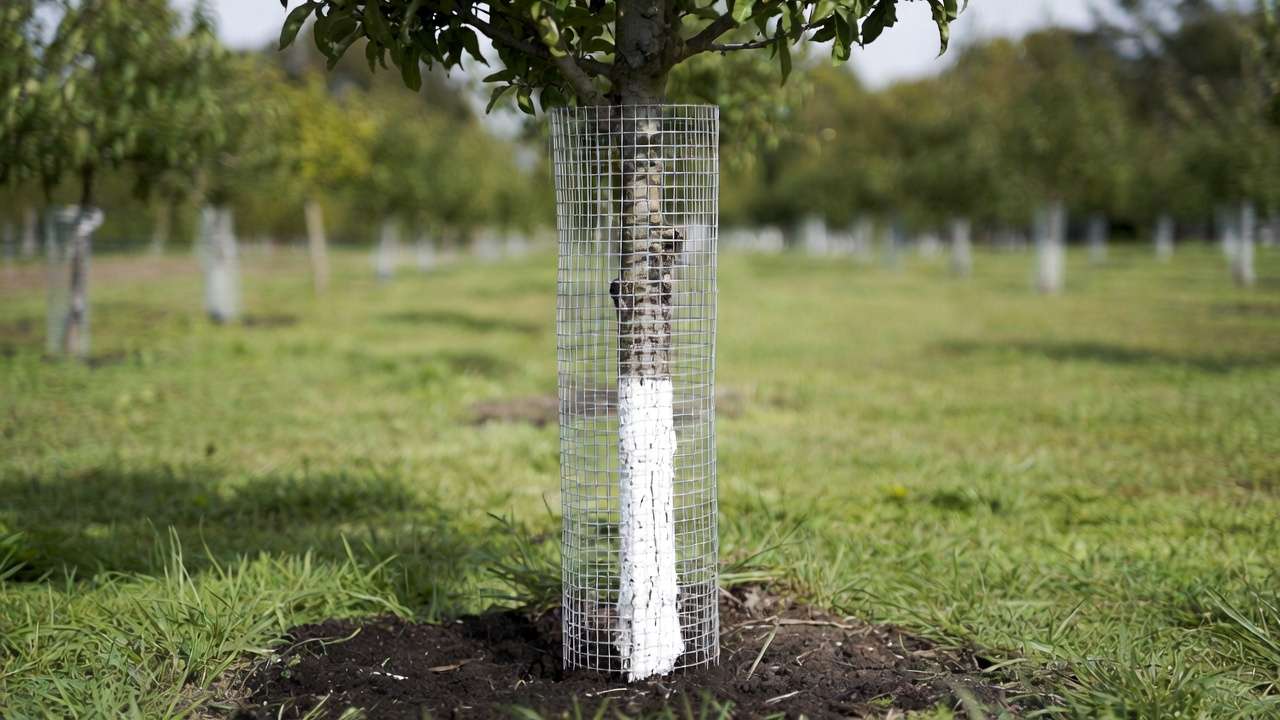
- Install hardware cloth cylinders (¼-inch mesh) around trunks, buried 6 inches deep and extending 18–24 inches above expected snow line.
- Use plastic spiral tree guards or corrugated tubes during winter—remove in spring to prevent moisture buildup.
- Apply rodent repellents (capsaicin-based sprays, predator urine) or plant deer-resistant companions nearby.
- Clear tall grass/weeds around trunks in fall to eliminate hiding spots.
- In heavy rodent years, consider snap traps or bait stations placed safely away from pets/wildlife.
Mechanical & Environmental Prevention:
- Use tree guards or wraps to protect against string trimmers and lawn equipment.
- Apply white latex paint (diluted 50/50 with water) to trunks in late fall to reduce sunscald cracking on young or thin-barked trees.
- Prune lower branches to improve air circulation and reduce rodent access.
Consistent prevention turns a once-a-decade emergency into a rare event. 🌱
Frequently Asked Questions (FAQs) ❓
Can I bridge graft stone fruits like peaches or cherries? Yes, but success is lower (40–70%) due to gumming and disease risk. Use very clean technique and consider alternatives like trunk replacement for young trees.
What if the damage extends below the soil line? Carefully excavate to healthy tissue. If too deep, combine bridge grafting with inarching using nearby root suckers or even planting nurse seedlings to graft in.
How long until the tree is fully recovered? Visible healing in 1–2 months; strong vascular reconnection in 1–3 years. Many trees resume normal fruiting within 2–4 seasons.
Is bridge grafting worth it for small/young trees? Often not—young trees (<4–5 years) recover faster from cutting back below damage and training a new leader. Reserve bridge grafting for valuable, mature specimens.
What are good alternatives if grafting fails? Cut below injury and regraft, air-layer a branch for a new tree, or plant a replacement. For sentimental trees, attempt both grafting and propagation simultaneously.
Conclusion – Give Your Tree a Fighting Chance! 💚
Discovering girdled bark is heartbreaking, but bridge grafting for bark damage repair offers a powerful, time-honored way to fight back. With sharp tools, precise timing, careful technique, and diligent aftercare, you can reconnect the lifeblood of your tree and watch it rebound stronger than before.
Inspect your trees this winter, collect scionwood during pruning, and be ready to act the moment spring arrives. Many gardeners who’ve saved “doomed” trees describe it as one of the most rewarding experiences in horticulture—turning potential loss into triumph. Your tree has invested years growing for you; now give it the chance to keep growing for decades more. 🌳❤️
You’ve got this—happy grafting!











