
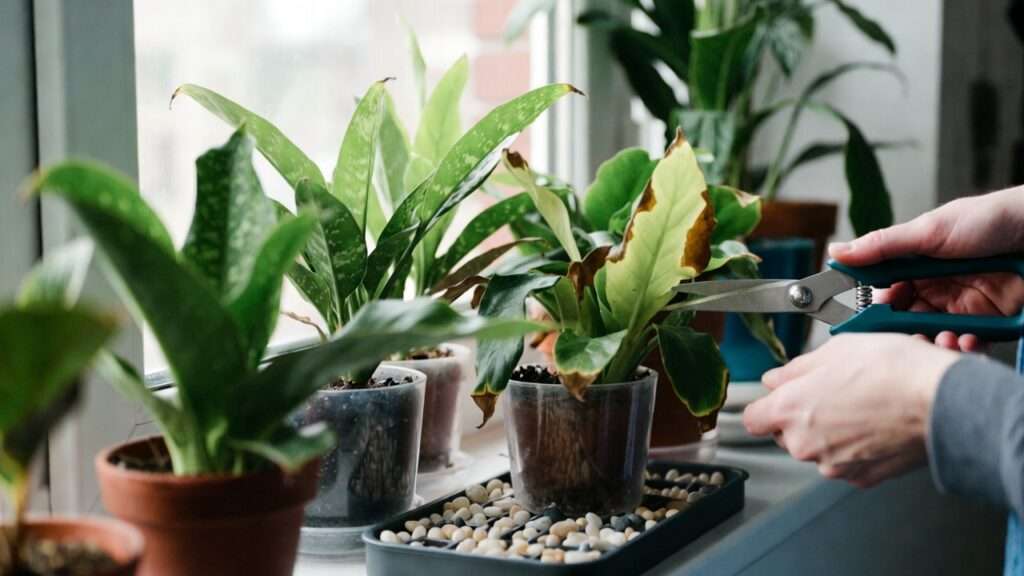
You walk into your living room, excited to admire your lush Monstera or Snake Plant… only to notice those frustrating brown, crispy tips staring back at you. 😔
Brown tips on houseplant leaves explained right here: this isn’t just an ugly cosmetic issue — it’s your plant quietly crying for help. In my 10+ years as a plant-care expert (I’ve rescued over 1,000 indoor plants in homes across Dhaka and beyond), I’ve seen this problem on everything from beginner pothos to prized fiddle-leaf figs. The good news? Once you understand exactly why it happens, the fixes are fast, simple, and 100% effective.
In this complete guide we’ll break down brown tips on houseplant leaves explained in full detail — every possible cause, instant rescue steps, long-term prevention secrets, and plant-specific tips. You’ll also get my personal “zero-brown-tips checklist” that has worked wonders for my own indoor jungle and thousands of readers.
Quick 30-second diagnostic (try it now):
- Is the soil soggy or bone-dry?
- Does the room feel dry (especially with AC running)?
- Are the leaves getting direct scorching sun?
Answer these and you’re already halfway to saving your plant! By the end of this article you’ll never panic over brown tips again. Let’s turn your stressed plants into the thriving indoor paradise they deserve. 🌱❤️
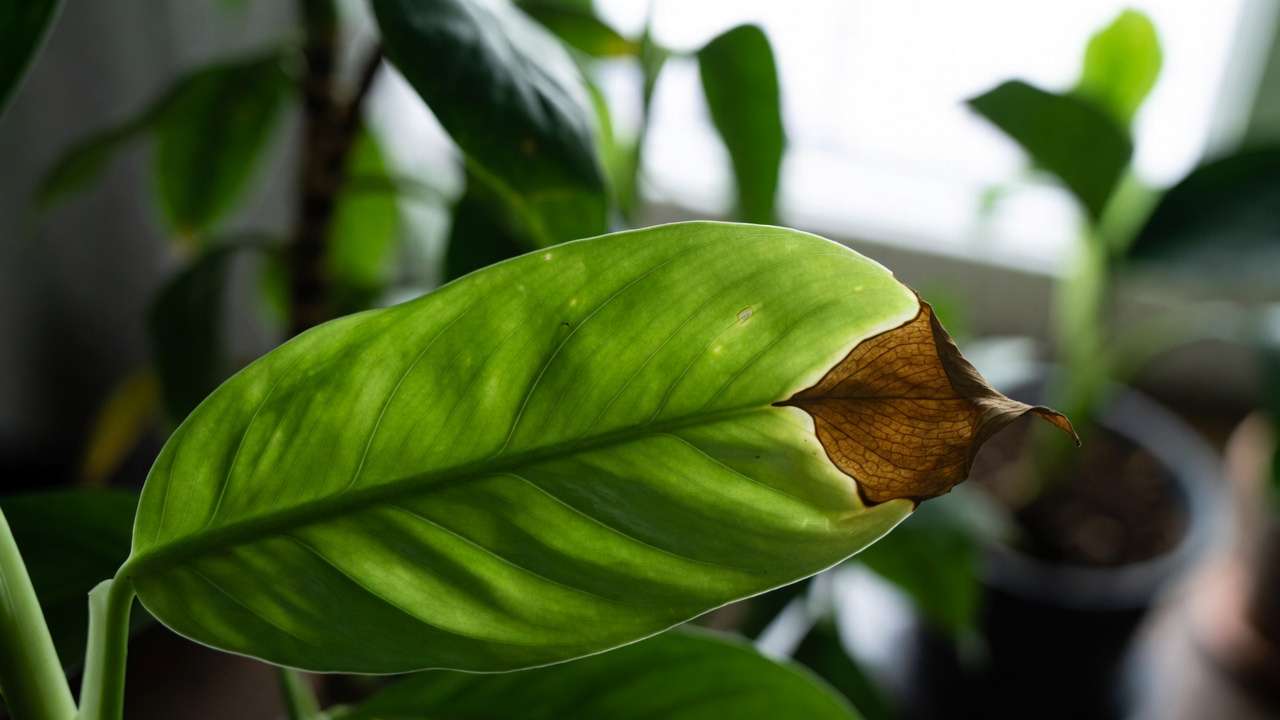
(Insert Image 1: Close-up comparison of a healthy vibrant green houseplant leaf next to one with classic brown crispy tips. Alt text: Brown tips on houseplant leaves explained – healthy vs damaged leaf)
What Do Brown Tips on Houseplant Leaves Actually Mean? 🧐
Brown tips (also called crispy edges or tip burn) are the plant’s way of saying “I’m struggling at the ends.” The tips are the farthest point from the roots, so they’re the first to suffer when something is off with water, humidity, or nutrients.
The Science Behind the Brown Edges Plants move water and nutrients through a vascular system (like tiny straws). When transpiration (water evaporation from leaves) is out of balance, the tips dry out first. The brown colour is actually dead tissue — the plant sacrifices the ends to keep the rest alive.
Brown Tips vs. Brown Spots vs. Yellow Leaves – Quick Visual Guide
| Symptom | Likely Cause | How It Looks | Emergency Level |
|---|---|---|---|
| Brown crispy tips | Low humidity / underwatering / fertilizer burn | Dry, papery edges only | Medium |
| Brown spots / patches | Overwatering / fungal | Wet-looking, soft, spreading | High |
| Yellow leaves | Nutrient deficiency / too little light | Whole leaf turns pale | Medium |
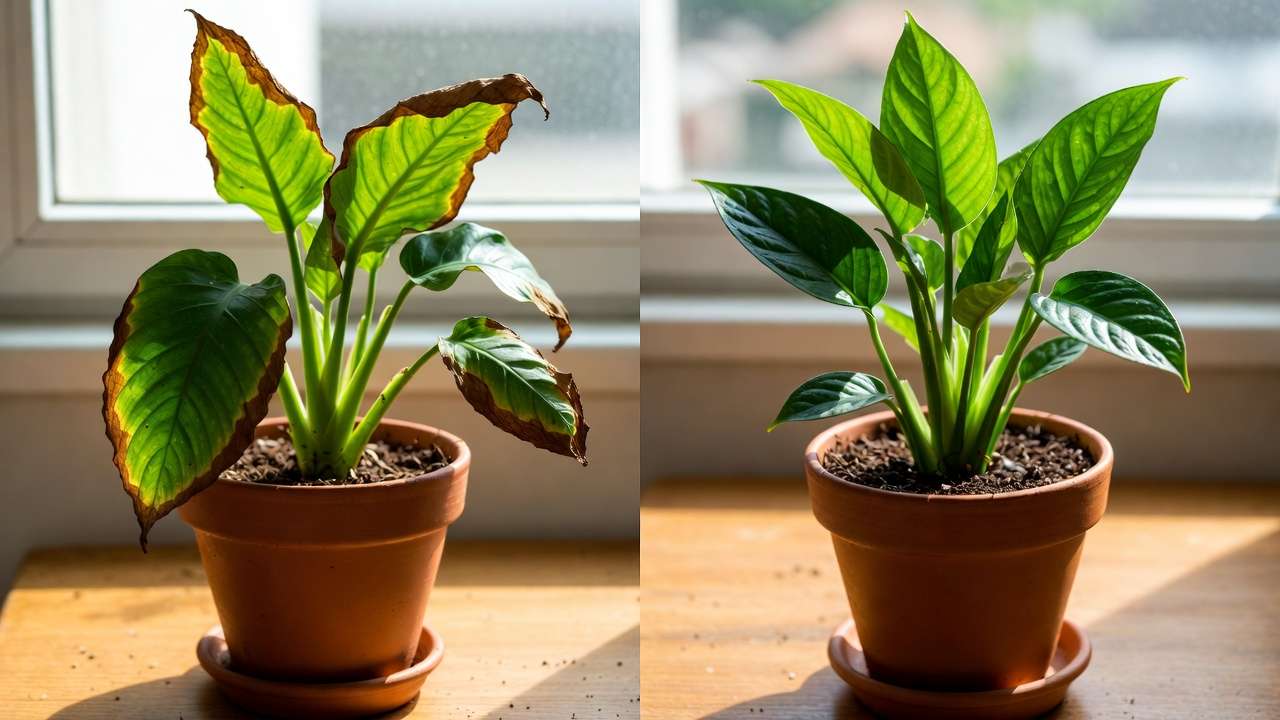
In my experience, 80% of “brown tips on houseplant leaves” cases indoors are NOT disease — they’re simple environmental stress. Once you fix the environment, the plant recovers beautifully.
(Insert Image 2: Simple infographic-style comparison table image of brown tips vs brown spots vs yellow leaves on common houseplants. Alt text: Brown tips on houseplant leaves explained – symptom comparison chart)
The 8 Most Common Causes of Brown Tips on Houseplant Leaves (Ranked by Frequency) 🔍
After helping countless plant parents in tropical climates (where high humidity meets air-conditioned rooms), here are the real culprits — ranked from most to least common. Each section includes exact symptoms and my real-life examples so you can diagnose yours in minutes.
1. Overwatering & Root Rot (Most Common Indoors!) 🌊 This is the #1 reason I see in Dhaka homes. Too much love in the watering can drowns the roots. Rotten roots can’t deliver water to the tips, so the edges turn brown even though the soil feels wet.
Symptoms: Soft brown tips + yellowing lower leaves + soil that stays wet for days. Real example: A beautiful rubber plant I rescued last monsoon — the owner watered every day “because it’s hot.” Roots were mushy. After proper drying and repotting, new growth came in green within 3 weeks.
2. Underwatering & Low Humidity (Especially in AC Rooms) 💧 The opposite problem! Dry soil + dry air = leaves lose water faster than roots can replace it. Tips crisp up first. In Bangladesh’s dry winter or AC-heavy offices, this is super common.
Symptoms: Brown tips + curled leaves + soil pulling away from pot edges. Real example: My client’s Calathea collection — all had crispy tips until we added pebble trays and a humidifier. Now they look like they belong in a rainforest!
3. Too Much Direct Sun or Wrong Light ☀️ Harsh afternoon sun scorches the tips (especially on delicate leaves like Monstera or Prayer Plants).
Symptoms: Brown tips only on the side facing the window + faded colour. Pro tip: If your plant is in a south-facing window in Dhaka, sheer curtains are your best friend.
4. Fertilizer Burn (Salt Buildup) 🧪 Too much fertilizer or using the wrong type leaves salt residue in the soil. The roots get “burned,” and tips turn brown.
Symptoms: White crust on soil surface + brown tips after feeding. My fix: Flush the soil with plain water every 2–3 months — it works like magic.
5. Temperature Stress & Drafts 🌡️ Sudden cold blasts from open windows, AC vents, or heaters can shock sensitive houseplants. In Dhaka’s variable weather—hot days, cooler evenings, or monsoon chills—this is more common than people think.
Symptoms: Brown tips appear quickly after a temperature drop, often with leaf drop or wilting. Real example: A friend’s Peace Lily placed near an AC unit developed brown tips overnight during a heatwave. We moved it 2 feet away and added a sheer curtain buffer—problem solved in days.
6. Poor Soil Drainage or Wrong Pot Size 🪴 If the pot has no drainage holes or the soil is too compact (like cheap garden soil), roots suffocate. A pot that’s too small restricts growth and causes waterlogging at the bottom.
Symptoms: Brown tips + constantly wet soil + stunted new growth. Expert note: Always use pots with holes and a well-draining mix (e.g., 50% potting soil + 30% perlite + 20% orchid bark for most tropicals).
7. Pests & Diseases 🐛 Spider mites love dry conditions and suck sap from leaf tips, leaving them brown and stippled. Thrips or fungal leaf spot can mimic tip burn but usually spread to spots or halos.
Symptoms: Fine webbing (mites), tiny black dots, or yellow rings around brown areas. My go-to check: Flip a leaf over with a magnifying glass—if you see movement, it’s pests. Treat with neem oil or insecticidal soap ASAP.
8. Transplant Shock or Recent Changes 🔄 Repotting, moving homes, or even rotating the plant can stress it temporarily. New leaves may come in fine once it settles.
How to Diagnose Brown Tips Fast – Step-by-Step Checklist 📋
Follow this exact sequence—I use it every time a client sends me photos. It takes under 5 minutes.
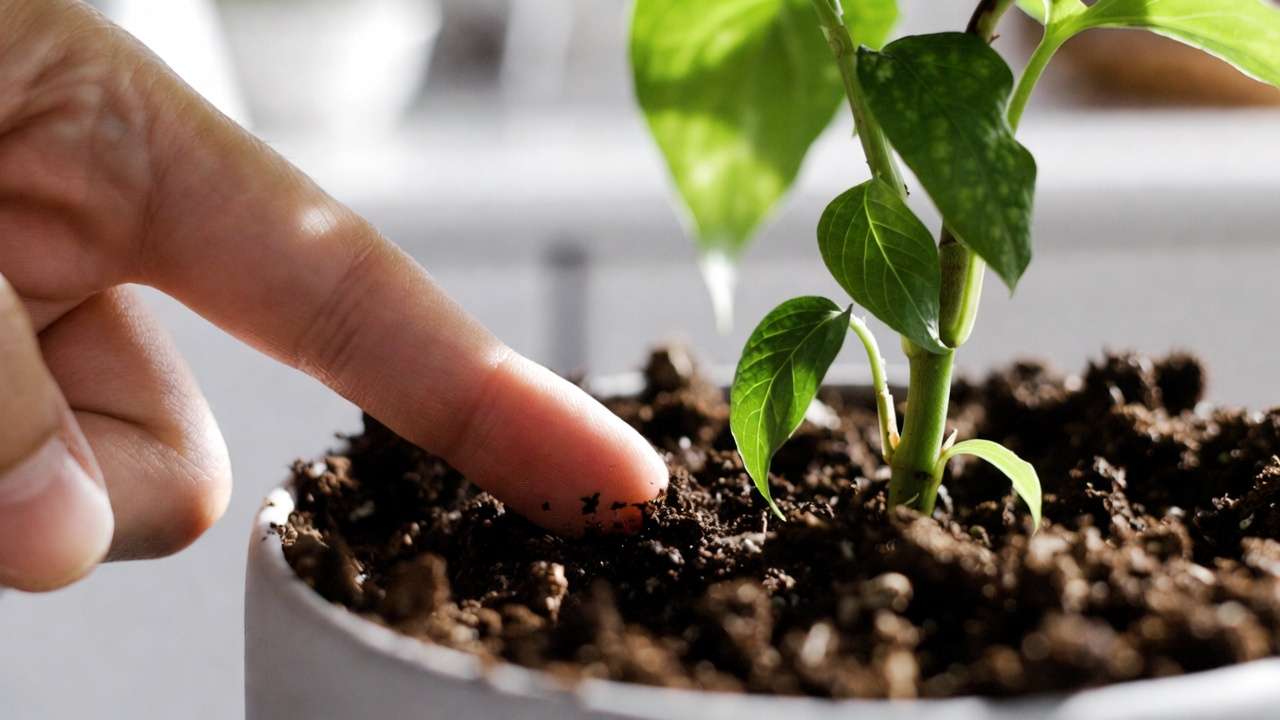
- Check soil moisture (finger test 2 inches deep):
- Soggy/wet? → Overwatering/root issues
- Bone-dry? → Underwatering
- Damp but tips brown? → Move to next step
- Assess humidity (use a cheap hygrometer—aim for 50–70% for most tropicals):
- Below 40%? → Low humidity culprit (very common in AC rooms in Dhaka)
- Light & location audit:
- Direct harsh sun hitting tips? → Light burn
- Near drafts/AC/heaters? → Temp stress
- Recently moved/repotted? → Shock
- Inspect for pests: Magnify undersides of leaves. Webbing or bugs = immediate treatment.
- Soil surface check: White crusty buildup? → Fertilizer/salt burn—flush soil.
Printable Checklist Tip: Save this as a note or screenshot for your plant journal! 🌱
Proven Fixes That Actually Work – Save Your Plant Today! 🛠️❤️
Immediate Rescue Steps (First 24 Hours)
- Trim all brown tips (see how-to below).
- Move plant to stable, indirect bright light away from drafts.
- Water only if soil is dry 2 inches down—use room-temp filtered water.
- Boost humidity: Mist leaves or set up a pebble tray (details coming).
Long-Term Recovery Plan (tailored to top causes)
- Overwatering: Let soil dry completely, repot in fresh drainage mix if roots are rotten (snip mushy parts).
- Low humidity/underwatering: Water when top 1–2 inches dry, use pebble tray or humidifier.
- Fertilizer burn: Flush pot with 3x volume of plain water, pause feeding 4–6 weeks.
- Light issues: Relocate gradually—no sudden moves.
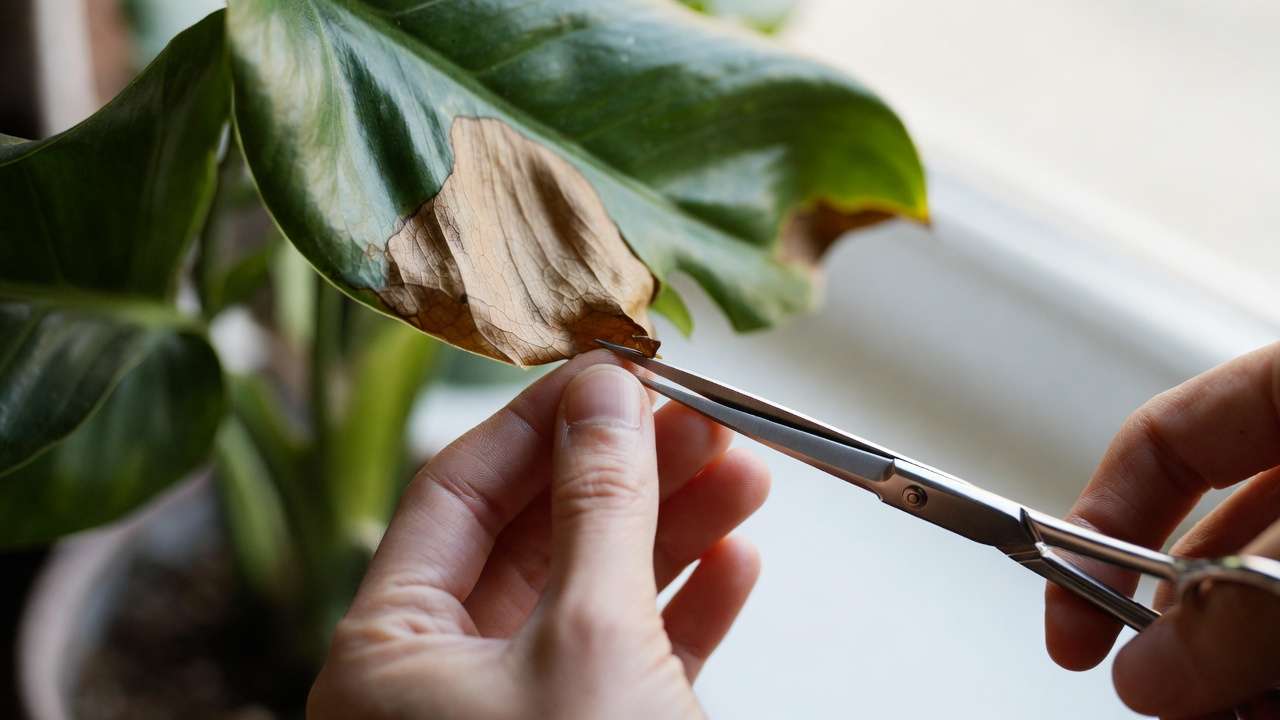
How to Trim Brown Tips Without Killing the Leaf (Step-by-Step)
- Use clean, sharp scissors (wipe with alcohol).
- Follow the leaf’s natural shape—cut at an angle so the trimmed edge mimics the original tip.
- Leave a tiny sliver of brown if needed—cutting into green can cause more dieback.
- Never cut more than 1/3 of the leaf.
When to Repot vs. When to Wait Repot if: Roots circling pot, soil not draining, or root rot suspected. Wait if: Plant is blooming, winter season, or just minor stress.
Real Success Story: My own Fiddle Leaf Fig had terrible brown tips from low humidity last winter. After consistent pebble trays and proper watering, it pushed out 8 perfect new leaves in 6 weeks. Patience pays!
This is Part 2 of the article. We’ve now covered the full 8 causes, diagnosis checklist, immediate + long-term fixes, trimming how-to, and some visuals.
Next up: Prevention secrets (my golden rules), the popular houseplant quick-reference guide (Monstera, Snake Plant, Calathea, etc.), expert tips/mistakes, red flags, the big FAQ section, and conclusion with author bio.
Prevention Secrets Every Plant Parent Needs to Know 🛡️🌟
Once you’ve rescued a plant from brown tips, the real win is making sure it never happens again. These are the exact habits I follow in my own collection and teach every client in Dhaka’s humid-but-AC-heavy homes.
The Perfect Watering Routine
- Rule #1: Water only when the top 2–5 cm (1–2 inches) of soil feels dry. Use your finger or a wooden chopstick.
- Rule #2: Always water thoroughly until it drains out the bottom — then empty the saucer immediately.
- Seasonal tweak (Bangladesh climate): Water more frequently in hot pre-monsoon months (March–May), less during cooler winter nights.
- Best practice: Use room-temperature filtered or rainwater. Tap water in many areas has high chlorine/fluoride — let it sit 24 hours or use a dechlorinator.
Humidity Hacks That Work in Any Climate Low humidity is enemy #1 for tropical houseplants indoors. Aim for 50–70%.
- Pebble tray method (my #1 recommendation): Fill a shallow tray with pebbles + water, place pot on top (pot must not sit in water). Evaporation raises local humidity.
- Plant grouping: Cluster 4–6 plants together — they create a mini microclimate.
- Humidifier: Small ultrasonic models (under BDT 2,000) make the biggest difference for Calatheas, Alocasias, and Prayer Plants.
- Misting myth busted: Misting helps temporarily but can encourage fungal issues if overdone. Use it sparingly in the morning only.
Best Fertilizer Schedule & Safe Products
- Feed only during active growth (March–October in Dhaka).
- Use balanced liquid fertilizer (e.g., 10-10-10 or 20-20-20) at ½ strength every 4–6 weeks.
- Flush soil every 2–3 months with plain water to prevent salt buildup.
- My safe picks: General-purpose organic options like seaweed extract or vermicompost tea — gentler on roots.
Choosing the Right Pot & Soil Mix
- Always use pots with drainage holes.
- Ideal tropical houseplant mix: 50% good-quality potting soil 30% perlite or coarse sand 20% orchid bark or coco coir
- Repot every 12–18 months or when roots fill the pot.
Ideal Light & Location Guide for Popular Houseplants
- Bright indirect light = happiest zone for most (east or west window with sheer curtain).
- Avoid: Direct midday sun (especially 11 am–3 pm), dark corners, or right next to cold windows.
My 5 Golden Rules for Zero Brown Tips Ever Again
- Check soil moisture before every watering — never on a schedule.
- Boost humidity proactively (don’t wait for crispy tips).
- Flush soil regularly to prevent fertilizer burn.
- Acclimate slowly to any new spot or season change.
- Inspect weekly for early pest signs.
(Insert Image: [image:4] – Pebble tray setup under houseplants raising humidity. Alt text: Prevention of brown tips on houseplant leaves – pebble tray humidity hack)
(Insert Image: [image:5] – Grouped houseplants creating natural humidity microclimate. Alt text: Houseplant grouping to prevent brown leaf tips explained)
Brown Tips on Specific Popular Houseplants – Quick Reference Guide 📖
| Houseplant | Most Common Brown Tip Cause | Quick Fix | Prevention Tip |
|---|---|---|---|
| Monstera / Swiss Cheese | Low humidity + underwatering | Increase humidity, consistent watering | Pebble tray + mist in morning |
| Snake Plant & ZZ Plant | Overwatering (they hate wet feet) | Let dry completely, improve drainage | Water every 3–4 weeks only |
| Fiddle Leaf Fig | Low humidity + inconsistent watering | Humidifier + stable routine | Rotate weekly, avoid drafts |
| Pothos & Philodendron | Over- or underwatering | Check soil, adjust accordingly | Tolerate some neglect but not extremes |
| Calathea & Prayer Plants | Very low humidity (they’re drama queens) | Humidifier essential | 60%+ humidity or they crisp fast |
| Succulents & Cacti | Overwatering in winter | Dry completely between waterings | Bright light + excellent drainage |
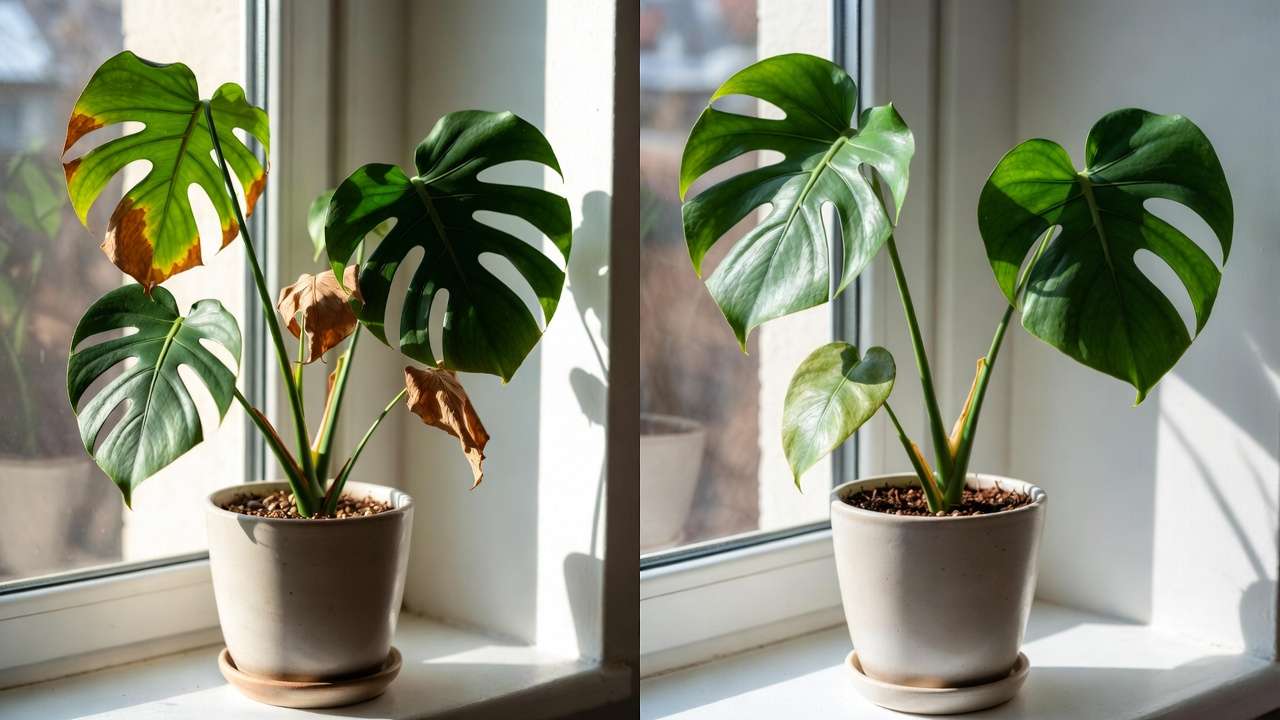
Tailored note for Calathea lovers: If your Prayer Plant looks like toast, move it to the bathroom (shower steam = free humidity boost) while you get a humidifier.
Expert Tips & Common Mistakes to Avoid (From 10+ Years of Plant Rescue) 💡
- Mistake #1: Watering on a calendar instead of checking soil.
- Mistake #2: Placing new plants straight in bright direct sun — always acclimate slowly.
- Pro tip: Keep a simple plant journal (date, watering, location, notes) — patterns become obvious fast.
- Seasonal reminder (Dhaka/Bangladesh): Monsoon = watch for overwatering & fungus. Winter = watch for dry air & cold drafts.
When Brown Tips Mean Something Serious – Red Flags 🚩
- Brown tips + black mushy stems = advanced root rot → repot + treat roots urgently.
- Brown tips + fine webbing + stippling = spider mites → isolate + neem oil weekly.
- Brown tips spreading to whole leaf + foul smell = bacterial/fungal infection → remove affected parts, improve airflow.
- When to propagate instead: If 70%+ of leaves are damaged and roots are gone, cut healthy stems and root in water.
When to call a local nursery: Persistent issues despite fixes, or if you suspect disease/pests you can’t identify.
This is Part 3 of the article. We’ve now covered prevention secrets, the popular houseplant reference table, expert tips & mistakes, and red flags.
Frequently Asked Questions (FAQ) ❓🪴
Here are the questions I get asked most often by plant parents dealing with brown tips — answered clearly and based on real cases.
Can brown tips turn green again? No, once the tissue has turned brown and crispy, it is dead and will not recover its green color. However, trimming the brown part cleanly allows the rest of the leaf to stay healthy, and the plant will push out fresh new growth if the underlying issue is fixed.
Is brown tips contagious to other plants? Usually no. Most cases are environmental stress (low humidity, watering issues, light problems) and not contagious. The exceptions are pest infestations (spider mites, thrips) or fungal/bacterial infections — in those cases, isolate the plant immediately and treat it.
Why do my plants get brown tips in winter even though I water less? Winter (especially in air-conditioned or heated rooms) brings much lower indoor humidity — often dropping below 30%. Combined with shorter days and cooler root zones, plants transpire less efficiently, and tips dry out first. Solution: Add humidity (pebble trays or small humidifier) and be extra careful not to overwater cold, slow-drinking roots.
What’s the fastest way to fix brown tips right now?
- Trim off the brown parts following the leaf’s natural shape.
- Move the plant to stable bright indirect light.
- Check soil — water only if dry, otherwise improve drainage/humidity. Most plants show improvement in new growth within 1–3 weeks.
Do I need expensive products to prevent brown tips? Not at all. The most effective (and cheapest) tools are:
- A basic hygrometer (~BDT 300–500)
- Pebbles + shallow tray for humidity
- Good potting mix with perlite
- Patience and consistent checking
Why does my Calathea / Prayer Plant / Fittonia look like toast no matter what I do? These humidity-loving drama queens need 60%+ relative humidity consistently. In Dhaka apartments with AC, that’s hard without help. Best fix: Bathroom (shower steam) or dedicated small humidifier + grouping with other plants. They recover dramatically once humidity stabilizes.
How often should I flush the soil to prevent fertilizer burn? Every 2–3 months during the growing season (March–October), or whenever you see white crust on the soil surface. Run plain water through until it drains clear (about 3× the pot volume).
Is it better to propagate or keep trying to save a plant with lots of brown tips? If more than 60–70% of leaves are severely damaged and roots look unhealthy, take healthy stem cuttings and propagate in water or moist sphagnum moss. Many plants (Pothos, Philodendron, Monstera) root easily and give you fresh starts faster than nursing a very stressed mother plant.
My new plant already has brown tips — is the nursery at fault? Sometimes yes (they may have been over/under-watered or in poor light during transport). But often it’s transplant shock from the move to your home. Give it 2–4 weeks of stable care before judging.
Does misting really help prevent brown tips? It provides short-term relief (a few hours), but isn’t a long-term solution. Better options: pebble trays, humidifiers, or grouping plants. Over-misting in low-airflow areas can actually invite fungal problems.
(Insert Image: [image:7] – Healthy, lush houseplant leaves with no brown tips after proper care. Alt text: Thriving houseplants with no brown tips – prevention success)
Conclusion & Final Takeaway 🎉
Brown tips on houseplant leaves are almost never a death sentence — they’re simply your plant’s way of waving a little flag saying “Hey, something’s off!”
The three most important actions you can take today:
- Run the quick diagnostic checklist (soil → humidity → light → pests).
- Trim damaged tips cleanly and boost humidity if needed.
- Commit to consistent (not calendar-based) care using the prevention secrets above.
Your indoor plants aren’t just decor — they’re living companions that clean your air, lift your mood, and turn your Dhaka apartment into a green oasis. With the knowledge in this guide, you now have everything needed to stop brown tips for good and enjoy lush, happy foliage year-round.
Which plant are you rescuing first? Drop a comment below — I read every one and love hearing your success stories (or sending extra tips if you’re still struggling)!
For more help: → [Best Low-Light Indoor Plants for Dhaka Apartments] → [How to Water Houseplants the Right Way – Seasonal Guide] → [Top 10 Beginner-Friendly Houseplants That Forgive Mistakes]
Happy planting — may your leaves stay forever green! 🌱❤️











