
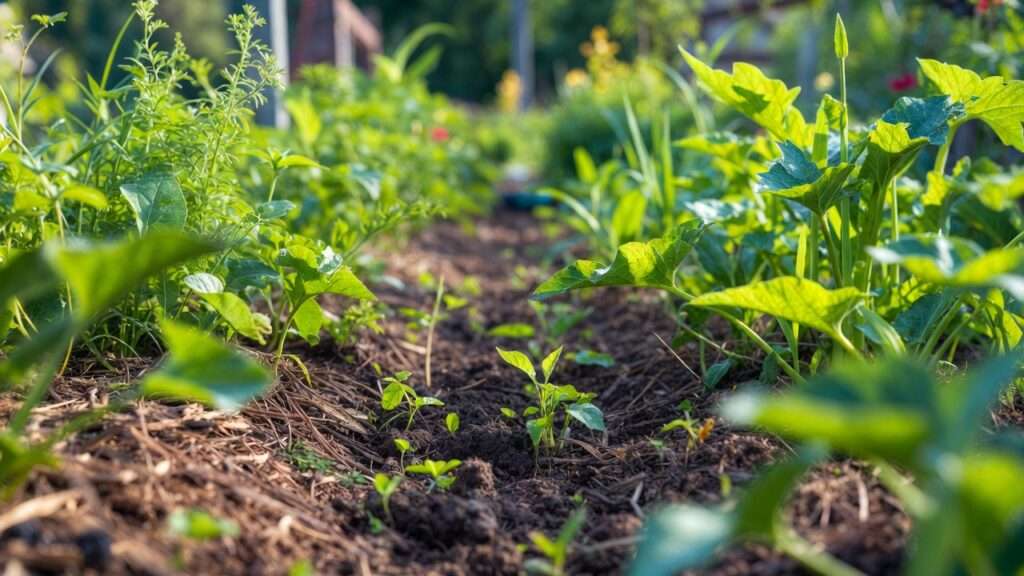
Have you ever poured your heart into planting beautiful flowers, vegetables, or fruit trees—only to watch them struggle with yellow leaves, stunted growth, or constant pest issues? 😔 If you’re nodding along, you’re not alone. The problem often isn’t the plants themselves… it’s the soil beneath them. In today’s world of depleted, compacted, and chemically-treated gardens, many home growers face the same frustration: plants that just don’t thrive despite watering, fertilizing, and weeding.
The good news? Building healthy soil in sustainable gardens is the game-changing solution that turns weak, struggling plots into vibrant, resilient ecosystems. Healthy soil isn’t just “dirt”—it’s a living, breathing community that supports stronger roots, better nutrient uptake, drought resistance, and naturally pest-resistant plants. 🌿 By focusing on regenerative practices like no-till methods, organic matter addition, and boosting the soil food web, you can create soil that holds 20 times its weight in water, sequesters carbon to fight climate change, and produces more nutrient-dense harvests—all without relying on synthetic inputs. 📈
In this comprehensive guide, I’ll walk you through the essential, science-backed steps to transform your garden soil for long-term success. Whether you’re tending a small backyard plot, raised beds, or caring for fruit trees in Khulna’s tropical climate, these methods are practical, affordable, and proven to deliver results. Let’s dive in and build the foundation your plants deserve! 🚀
Understanding Healthy Soil: The Basics Every Gardener Needs to Know 🧪
What Makes Soil “Healthy” in a Sustainable Garden?
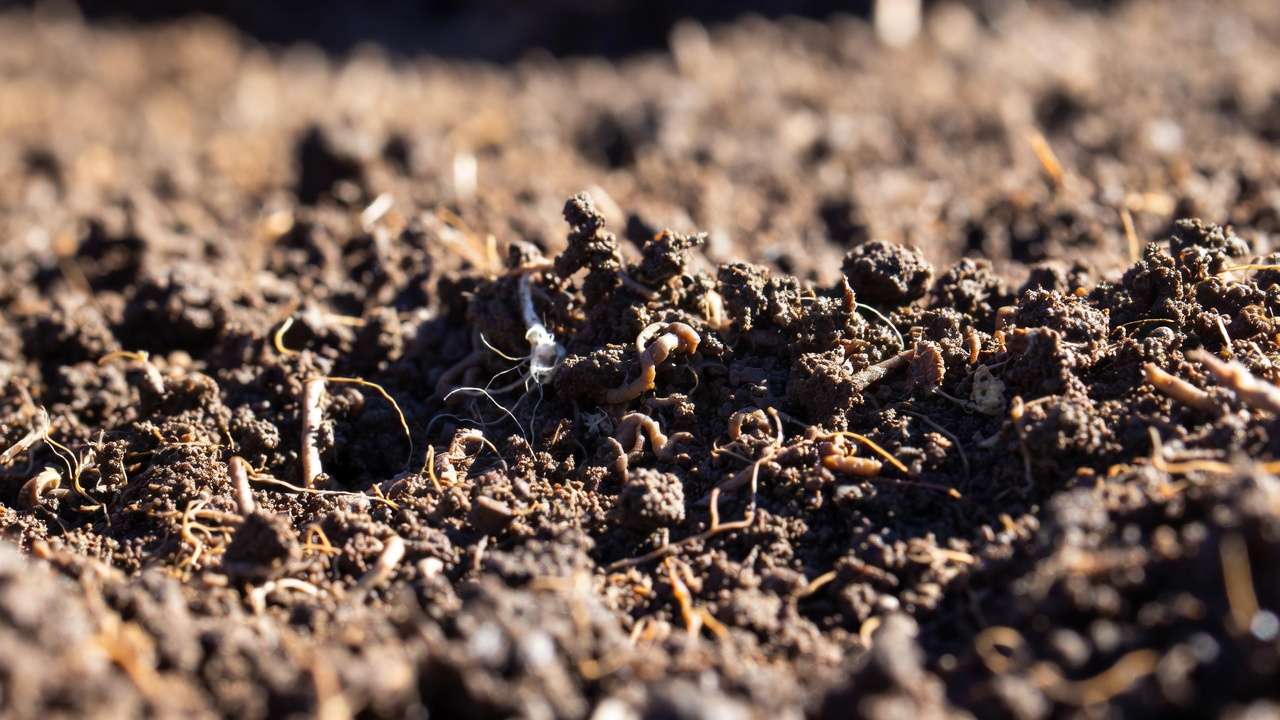
Healthy soil is more than fertile—it’s alive! It has excellent physical structure (crumbly aggregates that allow air and water to move freely), balanced chemistry (proper pH and nutrients), and thriving biological activity from billions of microorganisms.
At the heart is the soil food web: bacteria 🦠 break down organic matter, fungi 🍄 form networks to transport nutrients (especially phosphorus), earthworms 🪱 aerate and create channels, and mycorrhizal fungi partner with plant roots to extend their reach up to 100 times farther. Aim for 5-8% organic matter—think rich, dark, earthy-smelling soil that holds together when squeezed but crumbles easily.
Common Soil Problems in Home Gardens (and Why They Happen)
Many gardens suffer from:
- Compaction — from foot traffic or heavy rain, limiting root growth and water infiltration.
- Low organic matter — leading to poor nutrient holding and drought vulnerability.
- Nutrient imbalances and pH issues — often from over-fertilizing or erosion.
- Dead microbial life — killed by synthetic pesticides, excessive tilling, or bare soil exposure. ❌
Conventional practices like frequent digging and chemical use accelerate degradation, breaking fungal networks and releasing stored carbon.
Benefits for Plants, Trees, and the Planet 🌍
Investing in healthy soil pays off hugely:
- Stronger, deeper roots mean plants withstand drought, floods, and winds better.
- Enhanced disease and pest resistance—fewer sprays needed!
- Higher nutrient density in fruits, veggies, and leaves for healthier you.
- Environmental wins: reduced erosion, better stormwater filtration, carbon sequestration (healthy soils store massive amounts of CO₂), and support for pollinators and wildlife. 🌳 Your garden becomes part of the solution to climate challenges.
Step 1: Assess Your Starting Point (Don’t Skip This!) 🔍
How to Test and Understand Your Garden Soil
Before building, know what you’re working with! Start with simple DIY tests, then consider professional analysis.
- Jar test for texture: Fill a jar halfway with soil, add water to the top, shake vigorously, and let settle 24-48 hours. Layers show sand (bottom), silt, clay (top)—ideal is balanced loam.
- Ribbon test: Moisten soil and squeeze into a ball. If it forms a long ribbon without cracking, it’s clay-heavy; gritty and falls apart = sandy.
- Infiltration test: Dig a small hole, fill with water, and time how long it takes to drain—slow means compaction.
- pH DIY check: Mix soil with vinegar (fizz = alkaline) or baking soda + water (fizz = acidic).
For accuracy, send samples to a local lab (ask for pH, nutrients, organic matter, and ideally biology). Ideal pH is 6.0-7.0 for most plants and trees—adjust gently with lime (raise) or sulfur (lower).
Quick Wins Based on Your Soil Type
- Clay soils: Add coarse organic matter like compost to improve drainage.
- Sandy soils: Focus on mulch and cover crops to retain moisture and nutrients.
- Loamy: You’re ahead—maintain with minimal disturbance!
Step 2: Minimize Soil Disturbance (The No-Till Revolution) 🚫🌾
Why Tilling Destroys Soil Health—and What to Do Instead
Tilling might feel productive, but science shows it’s one of the fastest ways to degrade soil. Each pass with a rototiller or spade shatters the soil’s natural aggregates—those crumbly clumps that create pore spaces for air, water, and roots. More critically, it slices through the delicate mycorrhizal fungal networks that can extend hundreds of meters, acting like an underground internet for nutrient and water sharing between plants. 🕸️
Tilling also brings buried weed seeds to the surface (triggering germination explosions), oxidizes organic matter (releasing stored carbon as CO₂), and accelerates erosion. Studies from sources like the USDA Natural Resources Conservation Service and Penn State Extension confirm that no-till systems build 30-40% more organic matter over time, drastically reduce erosion (up to 90% less!), and foster robust microbial communities for better plant resilience.
The alternative? Embrace no-till (or no-dig) gardening. Leave the soil undisturbed after initial setup, letting earthworms, fungi, and roots do the “tilling” naturally. In tropical climates like Khulna’s humid, warm conditions, this preserves moisture and prevents rapid organic matter breakdown from heat and rain.
Tools and Techniques for Low-Disturbance Gardening 🛠️
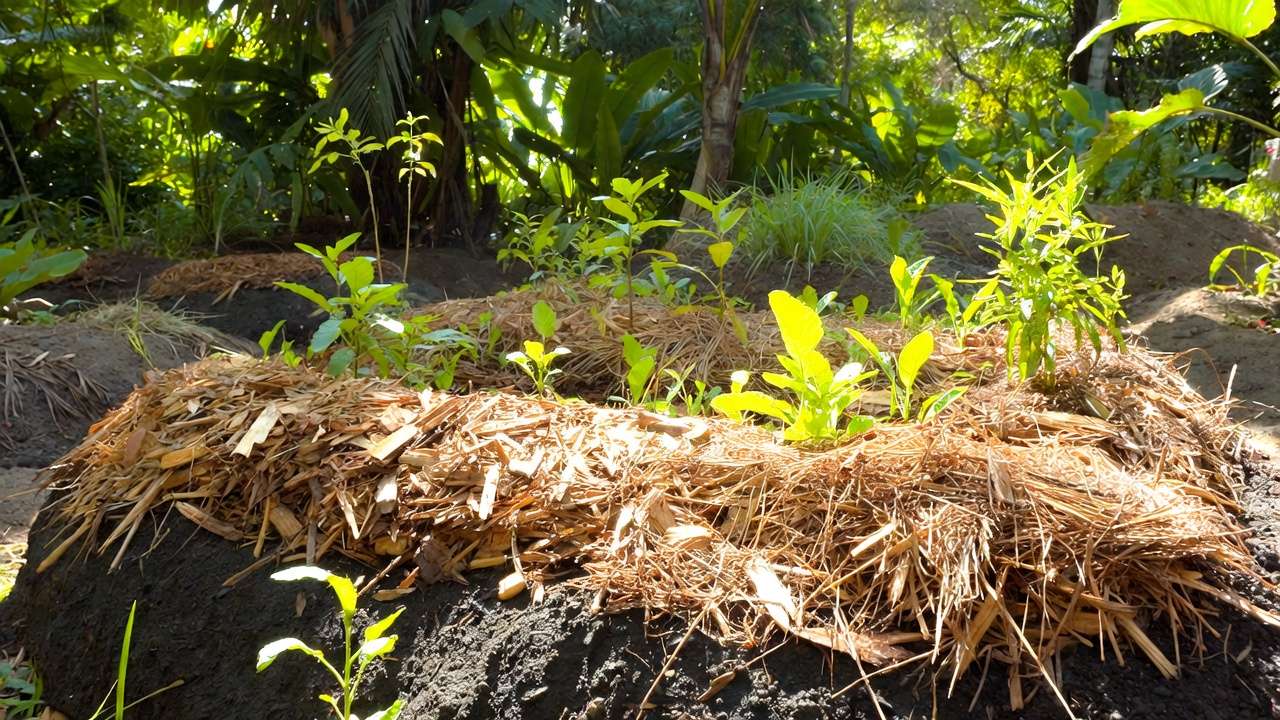
- Sheet mulching (lasagna gardening): Lay cardboard or thick newspaper over grass/weeds, wet it down, add 4-6 inches of compost, then top with 6-8 inches of mulch (wood chips, straw, leaves). Plant directly into pockets of compost—roots will penetrate downward as layers decompose.
- Broadforking: For occasional gentle aeration in compacted spots, use a broadfork to lift soil without flipping it—preserves structure.
- Chop-and-drop: Cut cover crops or green material and leave it on the surface as instant mulch.
Transition tip: If starting a new bed, do one light initial incorporation of compost if soil is extremely poor, then commit to no-till forever. Many gardeners see noticeable improvements in soil structure within 1-2 seasons, with major gains by year 3-5.
Step 3: Feed the Soil with Organic Matter (The #1 Game-Changer) 🍂
Building Organic Matter Naturally and Affordably
Organic matter is the fuel for soil life—aim to increase it steadily to 5-8%. It improves water-holding capacity (crucial in Khulna’s hot, sometimes dry spells), nutrient cycling, and structure.
Compost 101: The gold standard!
- Hot composting (fast, 2-6 months): Layer greens (kitchen scraps, grass clippings) and browns (leaves, cardboard) in a 1:2-3 ratio, keep moist like a wrung-out sponge, turn weekly for aeration. Ideal temp 55-65°C kills pathogens/weeds.
- Cold composting (slow, 6-12+ months): Pile materials and let nature work—perfect for lazy gardeners.
- Vermicomposting: Use red wigglers in a bin for apartment-friendly, nutrient-rich castings (worm poop is microbe-packed!). 🪱 Add kitchen scraps, harvest castings every few months.
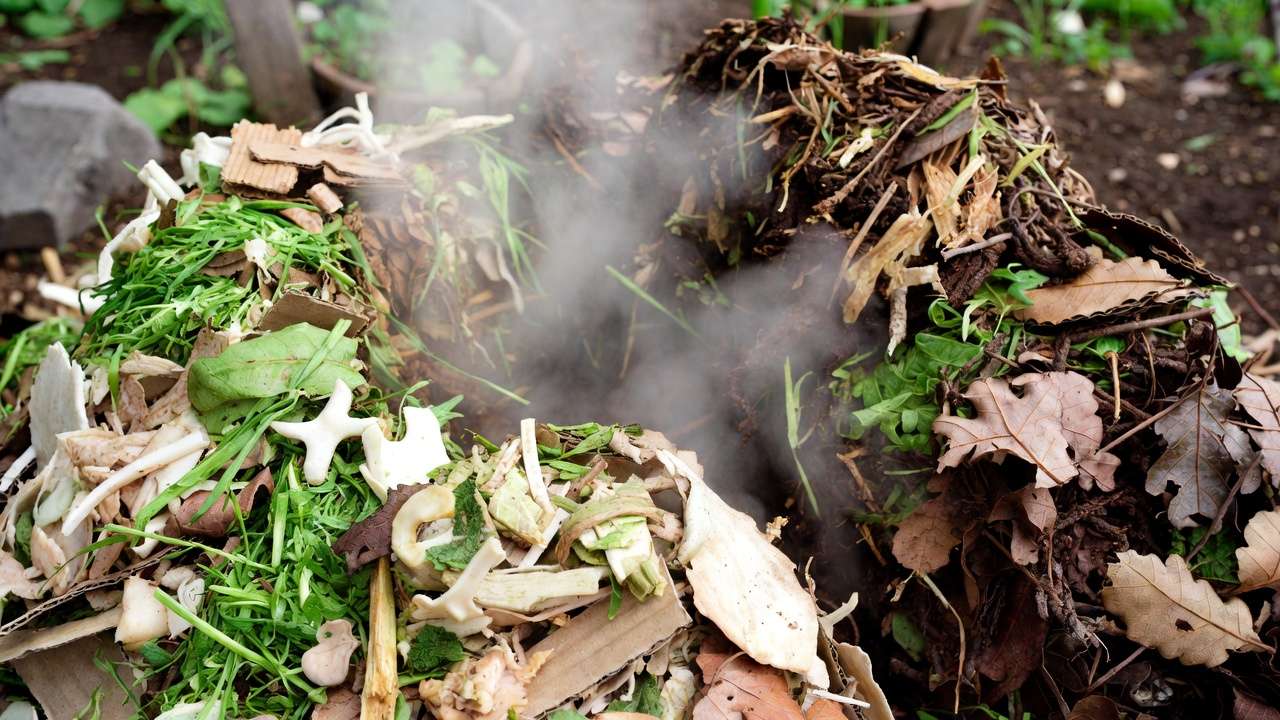
Sources: Homemade is best and free—collect leaves in fall, grass clippings (untreated), veggie scraps. Supplement with local manure (well-aged cow/horse) if available in Khulna markets.
Mulching Mastery
Mulch is your soil’s blanket! Apply 3-6 inches around plants/trees:
- Wood chips (arborist chips—often free): Great for trees, fungal-dominant decomposition.
- Straw or rice straw (common in Bangladesh): Lightweight, suppresses weeds.
- Leaves or chopped garden waste: Free, adds diversity.
Benefits: Retains moisture (reduces watering by up to 50%), moderates temperature, feeds microbes as it breaks down, and prevents erosion. Refresh annually—never let soil go bare!
Cover Crops & Green Manures for Year-Round Protection 🌼
Keep living roots in the ground as much as possible—they pump exudates (sugars) that feed microbes and prevent erosion. Top home-garden choices:
- Legumes like clover, cowpea, or sunn hemp (nitrogen-fixers, great for tropical climates).
- Buckwheat (fast-growing, smothers weeds, attracts pollinators).
- Daikon radish (deep roots break compaction naturally).
- Cereal rye or oats (excellent for winter cover in milder areas).
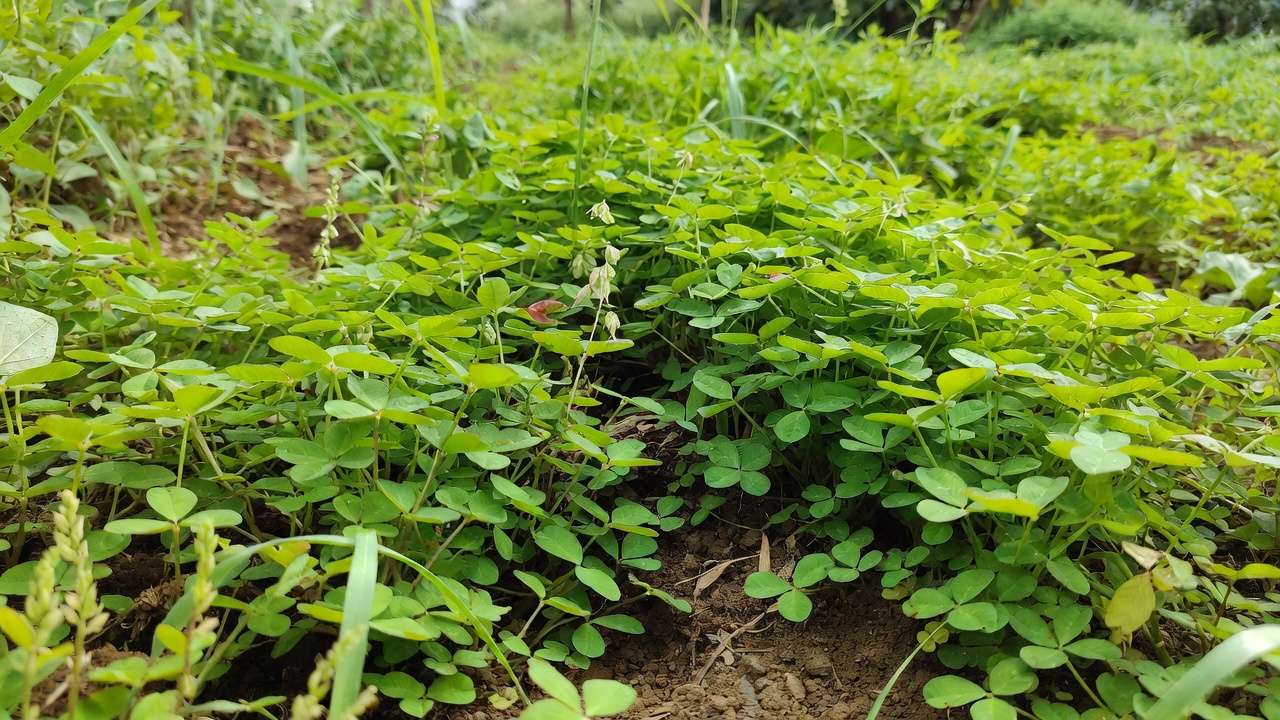
Plant in off-seasons, then chop-and-drop or crimp (roll down) before flowering. In Khulna’s year-round growing potential, rotate covers between veggie beds or under fruit trees for continuous soil cover.
Step 4: Boost Biological Life (Wake Up the Soil Food Web!) 🦠🍄
Cultivating Beneficial Microbes and Fungi
The real magic of healthy soil happens underground. A teaspoon of healthy garden soil can contain more living organisms than there are people on Earth! The most important players are bacteria, fungi, protozoa, nematodes, and micro-arthropods — they cycle nutrients, suppress pathogens, and make minerals available to plants in forms they can actually use.
The crown jewel of this system is mycorrhizal fungi. These beneficial fungi form partnerships with the roots of over 90% of land plants (including almost all vegetables, fruit trees, and ornamentals). In exchange for sugars from the plant, mycorrhizae dramatically increase the root system’s reach, improve drought tolerance, and enhance uptake of phosphorus, zinc, copper, and water.
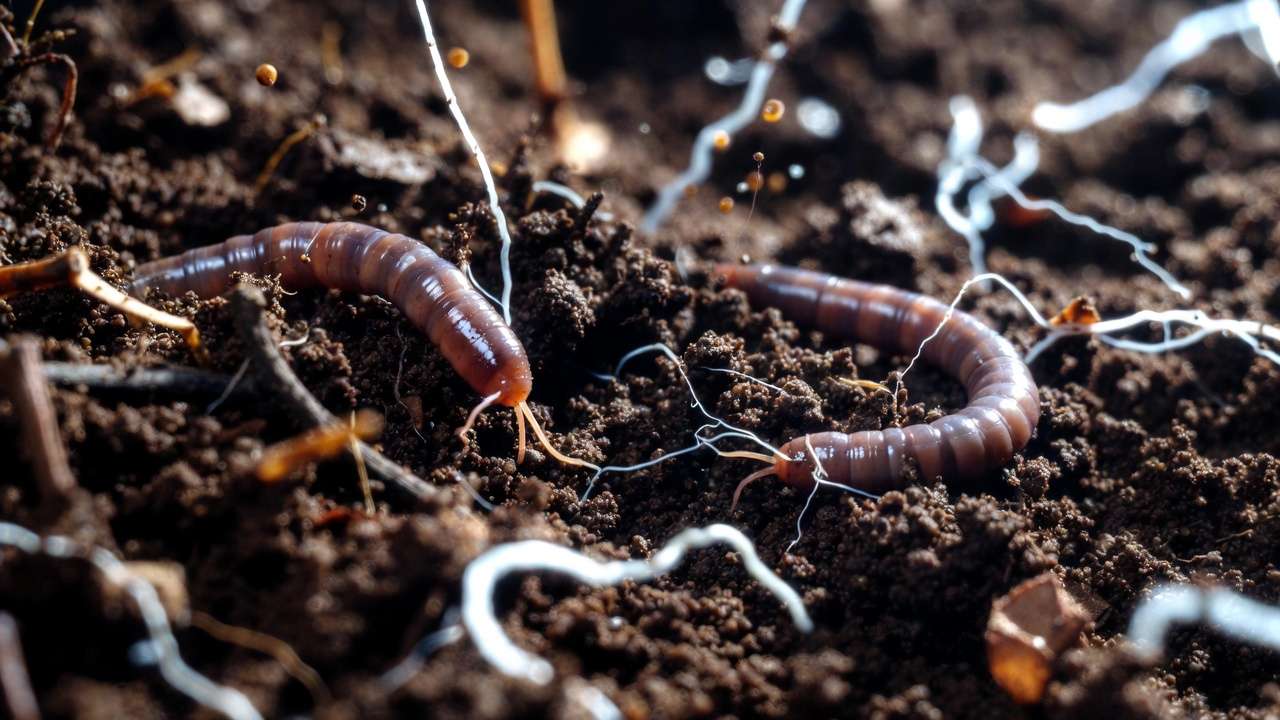
Practical ways to encourage mycorrhizae:
- Avoid high-phosphorus synthetic fertilizers (they suppress fungal growth).
- Use mycorrhizal inoculants when planting new trees, shrubs, or transplants — especially helpful in poor or disturbed soils.
- Keep the soil covered and undisturbed so the fungal networks can spread.
Simple homemade compost tea / microbial booster
- Fill a 5-gallon bucket with non-chlorinated water (let tap water sit 24 hours or use rainwater).
- Add 1–2 cups of high-quality finished compost or worm castings.
- Aerate with an aquarium pump for 24–48 hours (optional but increases microbial numbers).
- Use within 4–8 hours as a soil drench or foliar spray.
Repeat every 2–4 weeks during the growing season — you’ll often notice greener leaves and faster growth within a few applications.
Encouraging Earthworms and Other Helpers 🪱
Earthworms are the soil engineers. Their tunnels improve aeration and drainage, and their castings are one of the best slow-release fertilizers available.
Quick ways to attract and protect earthworms:
- Keep soil moist (not soggy) — mulch helps tremendously.
- Never use synthetic pesticides or harsh chemical fertilizers.
- Add organic matter regularly — they love partially decomposed leaves, grass clippings, and manure.
- Avoid deep tillage — it destroys their homes.
You’ll know your soil biology is improving when you start seeing lots of earthworm castings (small soil pellets) on the surface after rain.
Avoid These Soil Killers ⚠️
- Synthetic fertilizers — high salt content harms microbes.
- Broad-spectrum pesticides & fungicides — kill both bad and good organisms.
- Bare soil — exposed soil loses moisture, erodes, and bakes in the sun.
- Excessive watering with chlorinated tap water — chlorine kills beneficial bacteria and fungi.
Step 5: Maintain and Improve Long-Term (Seasonal Checklist) 📅
A Year-Round Plan for Ever-Improving Soil
Healthy soil building is not a one-time project — it’s a lifestyle. Here’s a simple seasonal rhythm that works beautifully in warm, humid climates like Khulna:
Spring
- Lightly top-dress beds with compost or worm castings.
- Plant early nitrogen-fixing cover crops (cowpea, sunn hemp, clover).
- Inoculate new plantings with mycorrhizae.
- Refresh mulch where it has thinned.
Summer
- Maintain thick mulch layer to conserve moisture during hot months.
- Chop-and-drop fast-growing cover crops or weeds before they seed.
- Apply compost tea every 3–4 weeks during peak growth.
Fall
- Sow cool-season or long-term cover crops (daikon radish, buckwheat, legumes).
- Apply a thick layer (8–12 cm) of mulch around trees and perennials.
- Collect fallen leaves — they make excellent free mulch and fungal food.
Winter / Monsoon Transition
- Keep soil covered to prevent erosion during heavy rains.
- Protect young trees with extra mulch rings.
- Plan next season — order cover crop seeds, source free wood chips, start a new compost pile.
Special Considerations for Trees and Perennials 🌳
Fruit trees, shade trees, and long-lived perennials benefit enormously from the “tree guild” concept:
- Create a 1–2 meter mulch ring around the tree (never pile mulch against the trunk).
- Plant shallow-rooted, nitrogen-fixing companions (clover, peanut, pigeon pea) under the canopy.
- Add dynamic accumulators (comfrey, yarrow, daikon) to mine deep minerals.
- Inoculate the root zone with mycorrhizal fungi at planting — trees can show dramatically better growth in the first 2–3 years.
Real-Life Examples and Case Studies 🌟
Success Stories from Sustainable Gardeners
- Small backyard transformation — A 50 m² urban plot in a tropical city went from compacted, low-yielding soil to producing abundant tomatoes, okra, moringa, and papayas within 2.5 years — using only sheet mulching, homemade compost, and no-till cover crops.
- Fruit tree revival — A struggling 8-year-old mango tree doubled its canopy size and started bearing consistently after the owner stopped tilling under the drip line, added 10 cm of wood-chip mulch, and applied mycorrhizal inoculant.
- Raised bed turnaround — Beds that needed constant watering now stay moist for 7–10 days between rains — thanks to 30%+ organic matter built over three seasons.
Quick Tips & Expert Insights (Skimmable Value) 💡
- Top 10 fast actions for noticeable improvement in 4–12 weeks:
- Stop tilling today
- Cover every inch of bare soil
- Start a compost pile/bin
- Apply mulch everywhere
- Plant a cover crop in empty spots
- Use compost tea monthly
- Avoid synthetic products completely
- Test your soil this season
- Add worm castings around new plants
- Be patient — biology takes time
- Pro insight: Mimic nature — forests have no bare soil, no tilling, constant root growth, and massive fungal networks. The closer your garden mimics a healthy forest floor, the more resilient it becomes.
Frequently Asked Questions (FAQs) ❓
Here are the questions I hear most often from gardeners just starting their journey toward living, regenerative soil.
How long does it take to see real improvements in soil health? You’ll usually notice positive changes within the first growing season (3–6 months): better water infiltration, easier digging (even without tilling), healthier-looking plants, and more earthworms. Dramatic transformations—darker color, crumbly structure, noticeably higher yields, and much lower watering needs—typically take 2–4 years of consistent no-till, mulching, and organic matter addition. Biology builds exponentially once you give it the right conditions.
Can I build healthy soil in raised beds or containers? Absolutely! The same principles apply.
- Use high-quality, living compost as 30–50% of your mix.
- Top with 5–8 cm of mulch (even in pots).
- Avoid over-watering and never let the surface go completely bare.
- Add worm castings or mycorrhizal inoculant when planting. Many urban gardeners in small spaces or on balconies achieve excellent results this way.
Is it possible to do this without spending much money? Yes — many of the best methods are free or very low-cost:
- Collect fallen leaves, grass clippings (from untreated lawns), kitchen scraps.
- Ask neighbors or tree services for wood chips.
- Use cardboard from packages as sheet mulch base.
- Make your own compost and chop-and-drop weeds/cover crops. The biggest “expense” is usually time and patience, not money.
What are the best beginner-friendly compost sources if I can’t make enough myself yet?
- Well-aged cow or poultry manure (widely available in Khulna markets or nearby farms — make sure it’s at least 6 months old).
- Vermicompost/worm castings (small bags are affordable and go a long way).
- Local municipal or farm compost if tested and free of contaminants. Start small and gradually rely more on your own system.
How does building healthy soil help with climate change? Healthy, living soil is one of the planet’s most powerful carbon sinks. Practices like no-till, cover cropping, mulching, and increasing organic matter can sequester significant amounts of CO₂ — some estimates suggest well-managed gardens and small farms can store 1–4 tons of carbon per hectare per year. Plus, resilient soils need less irrigation and synthetic inputs, lowering your garden’s overall footprint. Every healthy patch contributes to global healing. 🌍
What if my soil is extremely poor or contaminated? Start with heavy sheet mulching to smother weeds and begin decomposition on top. Add thick layers of compost and mulch, plant tough pioneer species (like cowpea, sunn hemp, moringa, or pigeon pea), and avoid digging up contaminants. Over time, biology can help remediate many issues — but for serious heavy-metal or chemical contamination, get a professional soil test first.
Conclusion: Start Small, Grow Big 🌿❤️
Building healthy soil in sustainable gardens isn’t about perfection — it’s about consistent, gentle care that lets nature do most of the heavy lifting.
Here’s your simple starting checklist:
- Test your soil this week (even just the jar and ribbon tests).
- Stop tilling and cover every bare spot with mulch or living plants.
- Start (or expand) a compost system — even a small bin makes a difference.
- Pick one new habit: chop-and-drop, monthly compost tea, or planting a cover crop patch.
Within months you’ll see stronger plants, fewer problems, and soil that feels alive under your hands. In a few years, your garden will become noticeably more resilient, productive, and beautiful — all while helping the planet at the same time.
Your trees will stretch taller, your vegetables will taste sweeter, and you’ll spend less time fighting nature and more time enjoying it. That’s the true joy of sustainable gardening.
Thank you for reading — now go touch some soil and start building! 🌱 If you try any of these steps, I’d love to hear how it goes in the comments. Happy gardening, Shuvo — here’s to thriving plants and living earth beneath your feet! ✨











