
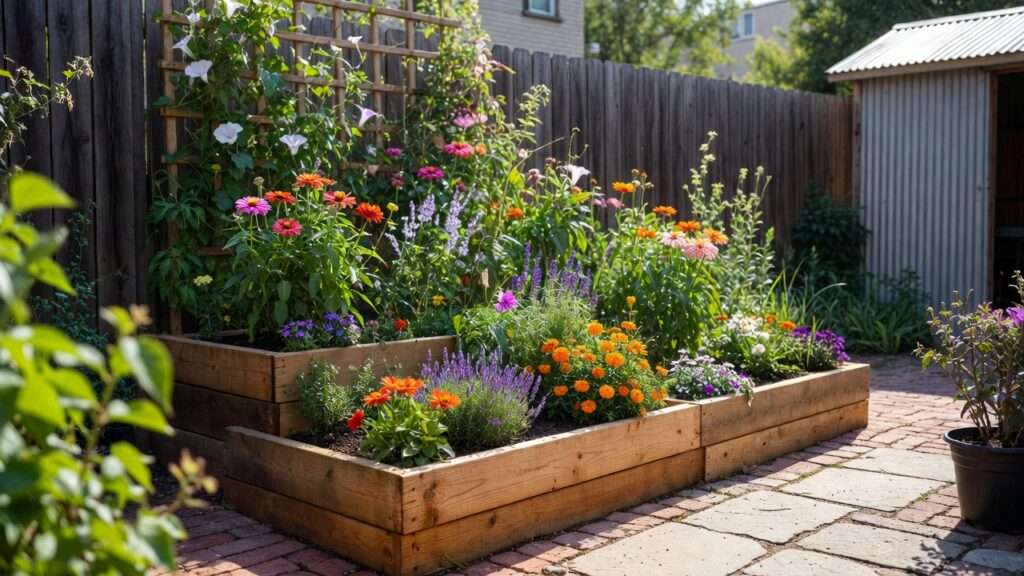
Imagine stepping onto your tiny patio or peering out at a cramped backyard and seeing waves of vibrant color—zinnias dancing in the breeze, lavender spilling over edges, and petunias cascading like living curtains. For so many of us in urban homes, apartments, or small lots, that dream feels out of reach. But here’s the good news: building raised flower beds in limited space is one of the smartest ways to turn even the smallest yard into a blooming paradise. 🌷
As a horticulturist with over 15 years of experience helping gardeners maximize tight spaces (from balcony nooks in city apartments to compact suburban plots), I’ve seen raised beds transform drab corners into joyful retreats. They solve real problems: poor native soil, constant weeding battles, back-straining bending, and that frustrating lack of room for the flowers you love. Raised beds give you control—better drainage to prevent root rot in annuals, deeper soil for perennial roots, ergonomic height for easy tending, and clever designs that multiply planting area without eating up your footprint.
In this comprehensive guide, you’ll get everything you need: step-by-step building instructions, space-saving design ideas that go beyond basic boxes, flower recommendations tailored for small areas, maintenance secrets for non-stop blooms, and pro tips to avoid common pitfalls. Whether you’re a beginner dreaming of your first colorful display or a seasoned gardener craving more impact in less space, these strategies deliver stunning results. Let’s turn your limited space into a flower-filled oasis! ✨
Why Choose Raised Flower Beds for Limited Spaces? 🌿
Raised beds aren’t just trendy—they’re a game-changer for small yards. Here’s why they shine when space is tight:
- Superior Soil Control — You fill them with premium mix, bypassing rocky, compacted, or nutrient-poor native ground. This means healthier roots and more vibrant blooms.
- Excellent Drainage — Elevated design prevents waterlogging, crucial for flowers like zinnias or salvia that hate wet feet. Studies and gardener reports show raised setups reduce irrigation needs by up to 30% in some cases while cutting weed pressure dramatically.
- Ergonomic Gardening — At 12-18 inches high (or taller), you avoid constant stooping—perfect for aging backs or limited mobility.
- Space Maximization — Intensive planting (closer spacing than in-ground) plus vertical options let you grow 20-50% more flowers in the same footprint compared to flat beds.
- Aesthetic & Functional Wins — They define zones, add structure, and look polished against fences, patios, or walls—turning eyesores into features.
- Pest & Weed Reduction — Elevation deters some critters, and clean fill means fewer weeds from the start.
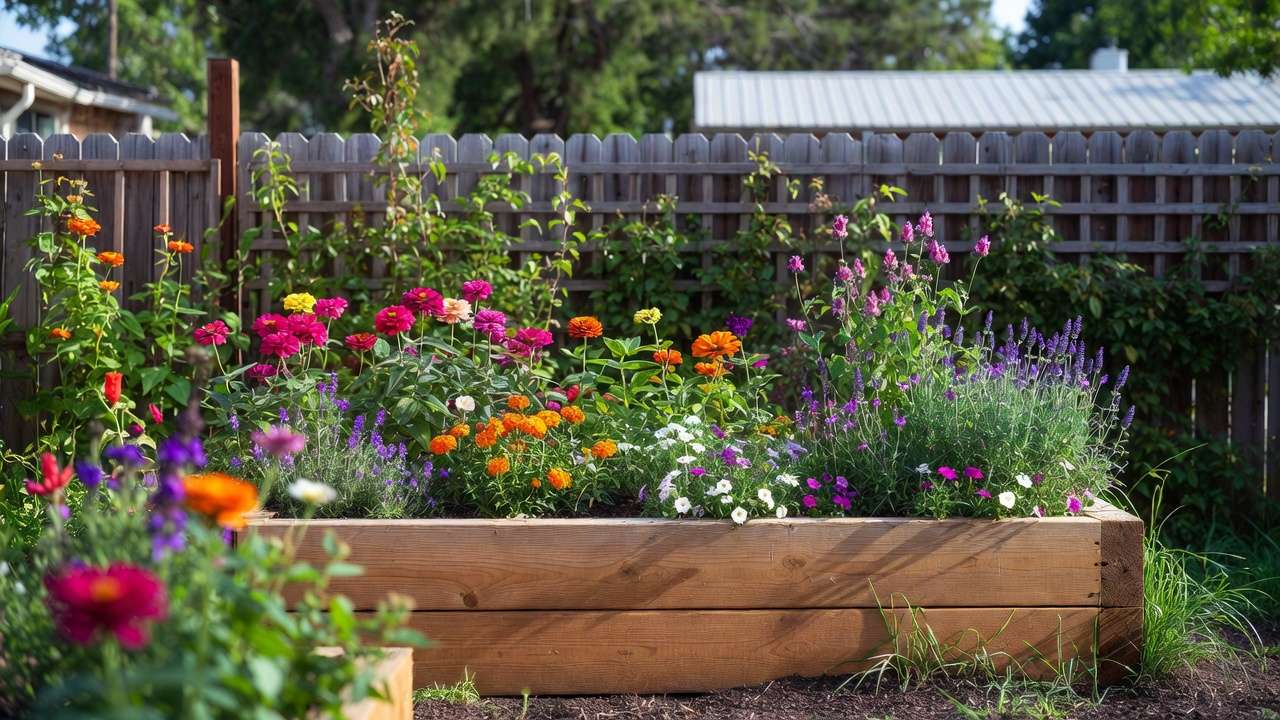
Quick Comparison Table (Raised vs. In-Ground vs. Containers in Small Spaces):
| Feature | Raised Beds | In-Ground | Containers |
|---|---|---|---|
| Soil Quality Control | Excellent | Limited | Good but limited volume |
| Drainage | Superior | Variable | Excellent |
| Space Efficiency | High (intensive + vertical) | Low | Medium (many pots needed) |
| Weed Control | High | Low | High |
| Accessibility | Great (raised height) | Poor (bending) | Variable |
| Longevity/Cost | Medium-High | Low | Medium (frequent repotting) |
For flower-focused gardening in tight spots, raised beds win hands-down. They’re ideal for creating pollinator havens 🐝 or cutting gardens without sprawling.
Planning Your Raised Flower Bed in a Tiny Yard 📏
Success starts with smart planning—skip this, and even the prettiest bed underperforms.
- Assess Your Space — Measure precisely: aim for beds no wider than 3-4 ft for easy reach from both sides. Ensure 6-8+ hours of sun for most blooming flowers (track with a sun calculator app). Leave 2-ft paths for access.
- Sunlight & Microclimates — South-facing walls or patios trap heat for heat-lovers like marigolds; shadier corners suit impatiens or begonias.
- Location Ideas — Hug fences/walls, claim corners, line patios, or go mobile on balconies. Avoid low spots prone to puddling.
- Budget & Timeline — DIY wood beds start under $50-100; metal kits $100-300. Plan a weekend build—most are beginner-friendly.
- Local Considerations — Check HOA rules or balcony weight limits in urban areas like apartments.
Pro Tip: Sketch on paper or use free apps like Garden Planner to visualize layouts.
Best Materials for Building Raised Flower Beds 🛠️
Choose wisely—materials affect durability, safety, looks, and plant health.
- Wood (Top Choice for Natural Beauty) 🌲 — Cedar or redwood: naturally rot-resistant, no harmful leaching, lasts 10-20+ years. Avoid pressure-treated if concerned about chemicals near edibles/flowers.
- Pros: Customizable, warm aesthetic, holds moisture well.
- Cons: Higher cost, eventual rot in wet climates.
- Metal (Modern & Long-Lasting) — Galvanized steel or corten: rust-resistant, lifetime durability.
- Pros: Sleek look, no rot, great for wet/small spaces like patios.
- Cons: Can heat up in full sun (shade soil surface), pricier upfront.
- Concrete Blocks/Cinder Blocks — Stackable, affordable, permanent.
- Pros: Cheap, sturdy, easy DIY.
- Cons: Can raise soil pH slightly; less “cute” unless painted/stacked creatively.
- Upcycled/Recycled Options ♻️ — Old wine barrels (cut in half), dresser drawers, or troughs.
- Pros: Eco-friendly, unique charm, budget.
- Cons: Variable durability; ensure food-safe.
Pros/Cons Quick Guide + Safety: For flowers, prioritize non-toxic options. Tools needed: drill, screws, level, saw (or pre-cut at store).
Step-by-Step Guide: How to Build Your Raised Flower Bed 🔨
Ready to build? Here’s a foolproof process for small-space success.
Choose Size & Shape for Limited Space Opt for 2×4 ft rectangles, 3×3 ft squares, L-shapes for corners, or narrow 1-2 ft strips along walls. These fit tight spots while allowing reach without stepping in.
Site Preparation Level ground, lay cardboard/weed barrier as base (smothers grass, decomposes naturally). On concrete/patios: add drainage holes if needed.
Assembly Instructions (Example: Simple Cedar 2×4 ft Bed)
- Cut four 2×12 boards: two 4-ft, two 2-ft (or buy pre-cut).
- Screw corners with 3-inch deck screws (pre-drill to prevent splitting).
- Stack 2-3 layers for 12-24″ height. Alternative: Metal kit—snap together; blocks—stack & fill.
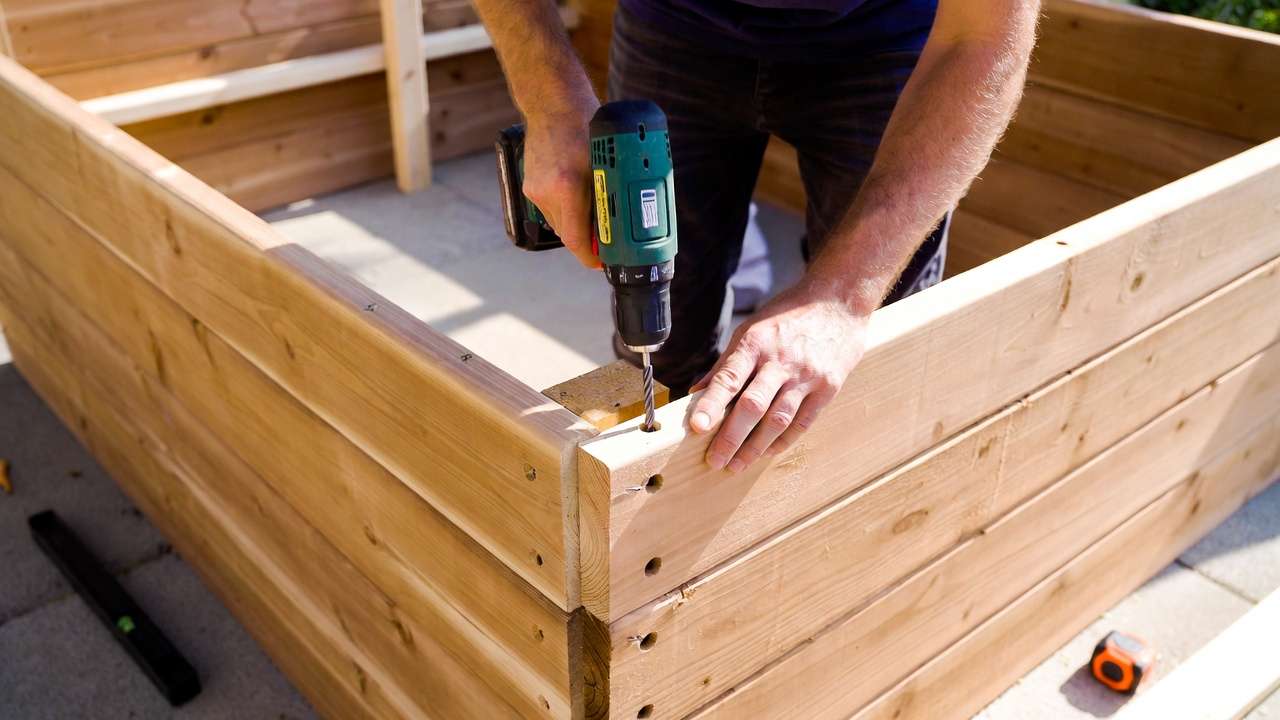
Height Recommendations 12-18″ ideal for most flowers (deep roots without excess soil cost). Taller (24-36″) for standing comfort or wheelchair access.
Filling with Soil Best mix for flowers: 50-60% high-quality topsoil, 30-40% compost (aged, rich), 10% perlite/vermiculite for drainage. Add slow-release organic fertilizer. Layer technique (Hügelkultur-inspired): branches/logs at bottom for slow nutrient release + moisture hold.
Safety & Mistakes: Wear gloves, level carefully, avoid over-tightening screws.
Smart Design Ideas for Raised Flower Beds in Small Yards 🌟
This is where creativity meets practicality. The real magic of raised beds in limited space comes from designs that multiply your planting area, add vertical interest, and turn awkward spots into focal points. Here are proven, space-smart ideas I’ve used and refined in countless small gardens.
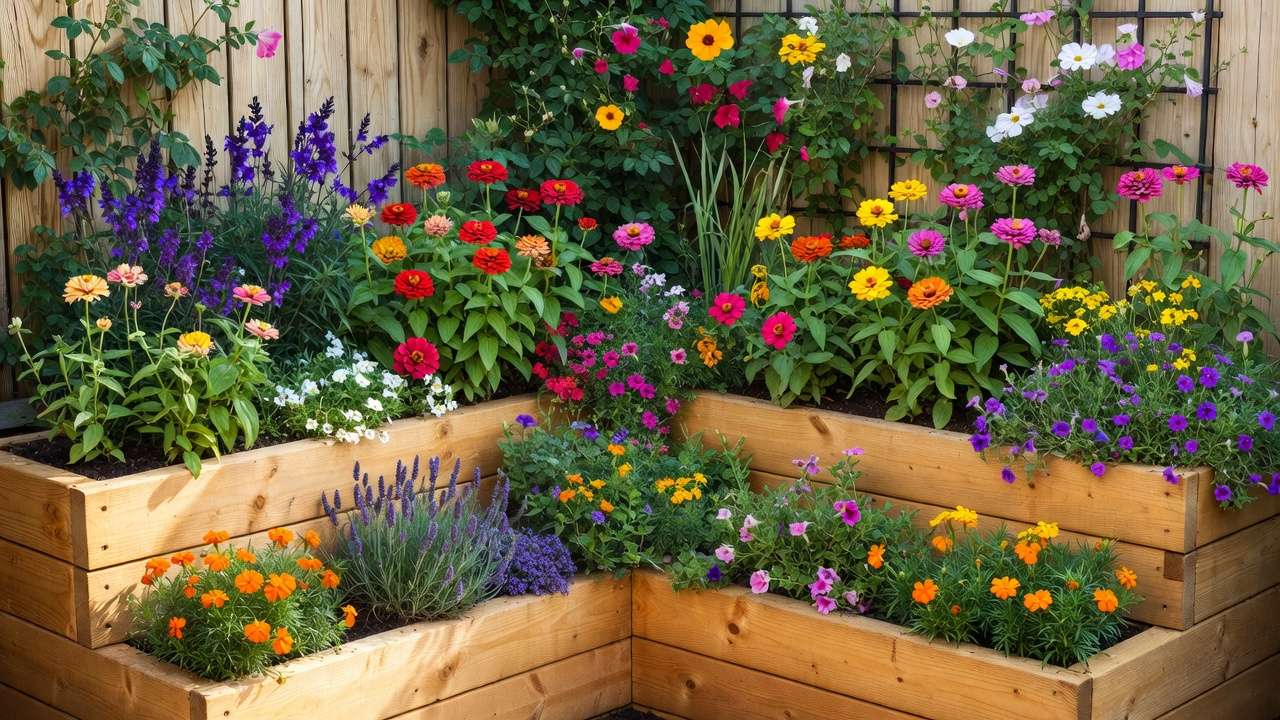
Vertical & Tiered Designs (H3) Going up is your best friend when square footage is scarce.
- Add sturdy trellises, obelisks, or arched arbors at the back or center of the bed for climbing flowers like sweet peas, morning glories, clematis, or dwarf climbing roses. These can double or triple your bloom display without widening the footprint.
- Build tiered/stacked beds: Create a gentle staircase effect with 2–3 progressively smaller beds on top of each other (e.g., 4 ft wide bottom, 3 ft middle, 2 ft top). Fill each level with cascading or low-growers for a waterfall-of-color look. Pro Tip: Use lightweight cedar or metal frames for upper tiers to keep weight manageable on patios/balconies.
Corner & Wall-Hugging Beds (H3) Corners and fence lines are often wasted—turn them into assets.
- L-shaped or triangular beds fit snugly into 90° corners, giving you planting space on two sides while leaving the center open.
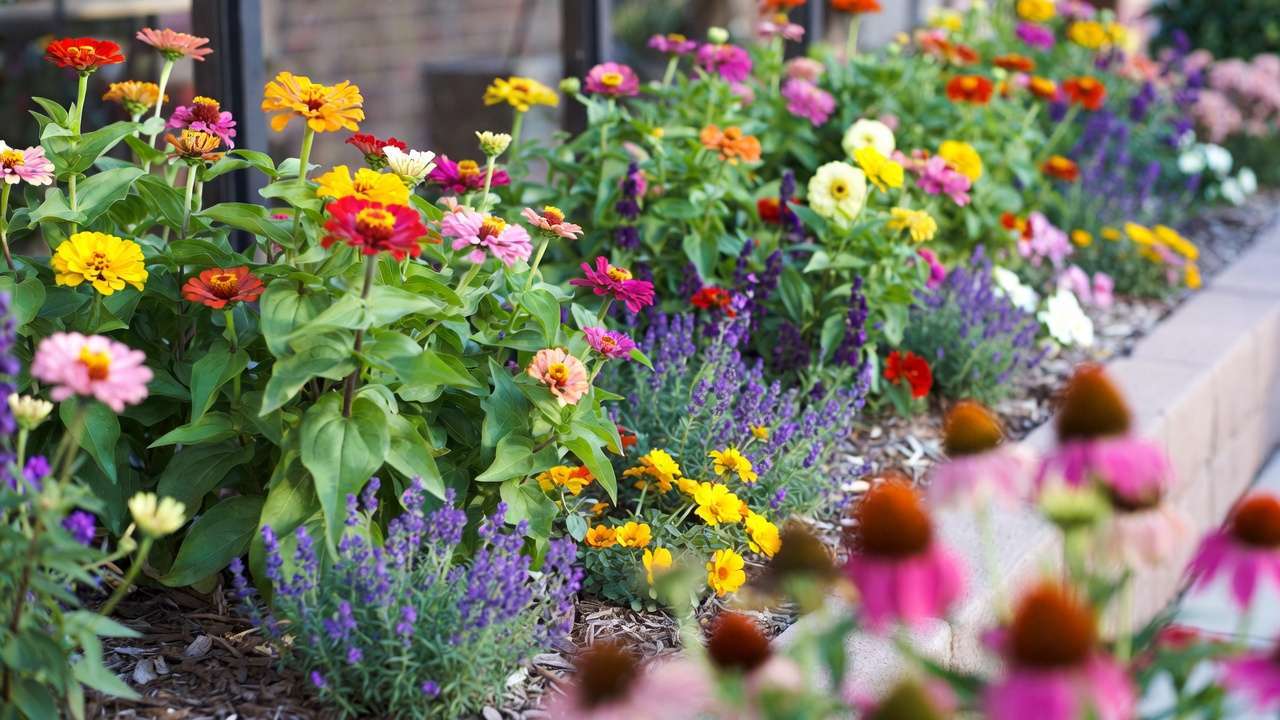
- Long, narrow “ribbon” beds (12–18 inches wide × 6–10 ft long) run along fences, house walls, or patio edges. They’re perfect for a colorful border without intruding on usable yard space. Bonus: Paint the back fence a soft contrasting color (sage green or pale blue) to make flowers pop even more.
Modular & Mobile Options (H3) Flexibility is key for renters or balcony gardeners.
- Build on casters (heavy-duty wheels rated for 200+ lbs each) so you can roll beds into sun/shade or indoors during harsh weather.
- Use stackable kits (metal troughs or cedar modules) that let you add/remove layers seasonally.
- Repurpose wooden crates or large nursery pots inside a simple frame for an instant movable flower display.
U-Shaped or Keyhole Styles (H3) These maximize access while packing in more plants.
- U-shape: Three connected sides (open front) lets you reach everything easily—great around a small patio table or seating area.
- Keyhole: A circular or oval bed with a narrow “keyhole” path cut into the center for 360° access. It’s surprisingly space-efficient and looks charming with a central birdbath or obelisk accent.
Built-in Seating or Multi-Function Beds (H3) Combine beauty with utility.
- Build extra-wide top boards (or cap with flat 2×6 cedar) to create a bench edge—perfect for morning coffee surrounded by blooms.
- Integrate small shelves or pockets on the sides for pots of trailing flowers (like lobelia or bacopa) to add another layer of color.
Aesthetic Touches for That Wow Factor 🎨
- Paint exterior boards in soft pastels, matte black, or white for modern contrast.
- Add stone, brick, or river-rock borders for a polished look.
- Install solar-powered fairy lights or small stake lights along the edges for evening magic.
- Mix textures: Pair smooth metal with rustic wood or rough stone for visual interest.
These designs aren’t just pretty—they’re proven to increase usable planting area by 30–70% compared to a single flat bed in the same space.
Best Flowers for Raised Beds in Small Spaces 🌺
Choosing the right plants is crucial: you want compact growth, long bloom times, pollinator appeal, and easy care.
Annuals for Non-Stop Color (H3) These deliver instant impact and bloom all season.
- Zinnias (dwarf varieties like ‘Zahara’ or ‘Profusion’ series): Bright, daisy-like flowers, heat-tolerant, excellent for cutting.
- Marigolds (French or signet types): Compact, pest-repelling, sunny orange/yellow pops.
- Petunias & Supertunias: Trailing habit perfect for edges; wave varieties cascade beautifully.
- Cosmos ‘Sonata’ or ‘Sensation’ mix: Airy, tall-but-not-too-tall stems with delicate blooms.
- Nasturtiums (trailing): Edible flowers, pest deterrent, spill over sides like living curtains.
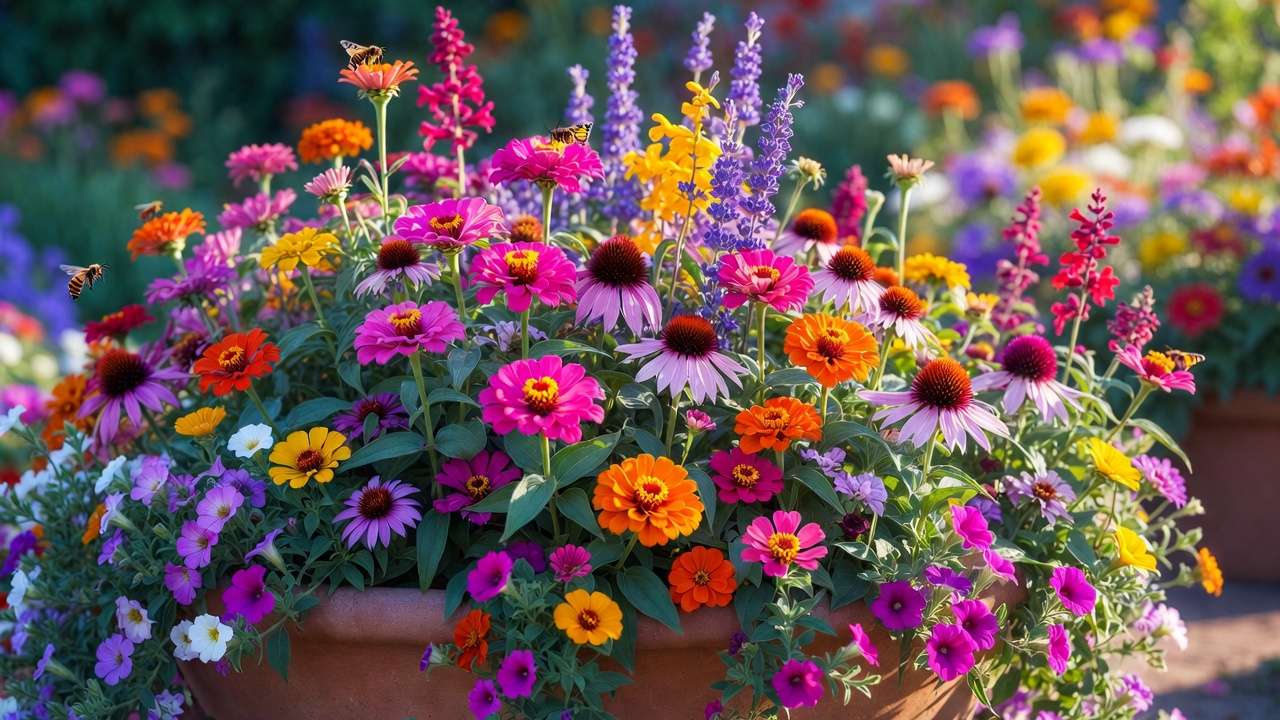
Perennials for Long-Term Beauty (H3) Invest once, enjoy for years.
- Lavender (English or Lavandin): Fragrant, drought-tolerant, silver foliage year-round interest.
- Coneflowers (Echinacea ‘Magnus’ or compact ‘Kim’s Knee High’): Pollinator magnets, long bloom, sturdy stems.
- Daylilies (dwarf reblooming types like ‘Stella de Oro’): Reliable, low-maintenance color.
- Salvia (perennial types like ‘May Night’ or ‘Caradonna’): Spiky purple/blue blooms, hummingbird favorite.
- Catmint (Nepeta ‘Walker’s Low’): Soft gray-green foliage, endless lavender-blue flowers.
Compact & Vertical Bloomers (H3) Maximize every inch.
- Dwarf sunflowers (‘Sunspot’ or ‘Teddy Bear’) for cheerful height without sprawl.
- Climbing sweet peas or pole beans mixed with flowers for vertical drama.
- Trailing calibrachoa, verbena, or million bells for edge spillover.
Companion Planting Tips 🐝 Group pest-repelling flowers (marigolds, nasturtiums, alliums) near vulnerable ones. Plant pollinator magnets (lavender, coneflowers, zinnias) together to create a bee/butterfly buffet. Succession plant: Sow quick annuals between perennials for continuous color.
Seasonal Succession Planting Chart (Example for Zones 6–9):
| Season | Early Spring | Late Spring–Summer | Fall |
|---|---|---|---|
| Focus | Bulbs + cool annuals | Heat-loving annuals + perennials | Mums, asters, ornamental kale |
| Examples | Pansies, tulips | Zinnias, petunias, salvia | Chrysanthemums, sedum |
Maintenance Tips for Thriving Raised Flower Beds 💧
Once your raised bed is built and planted, consistent care keeps those blooms coming strong all season long. Raised beds actually make maintenance easier than in-ground gardens because you control the environment more precisely.
Watering & Irrigation
- Most flowers in raised beds need consistent moisture—about 1 inch per week, more during heat waves.
- The elevated soil dries out faster than ground soil, so check daily by sticking your finger 2 inches down.
- Install a simple drip irrigation system or soaker hoses laid in a zigzag pattern under mulch. This delivers water directly to roots, reduces evaporation, and prevents wet foliage (which cuts down on fungal diseases like powdery mildew).
- Mulch everything: 2–3 inches of shredded bark, straw, or pine needles conserves moisture, suppresses weeds, and slowly feeds soil as it breaks down.
Fertilizing Organically for Maximum Blooms
- Start with a balanced organic slow-release fertilizer (e.g., 4-4-4 or 5-10-10 for flowering emphasis) mixed into the soil at planting.
- Mid-season boost: Every 4–6 weeks, apply a liquid bloom booster (fish emulsion, seaweed extract, or compost tea) to encourage continuous flowering.
- Avoid high-nitrogen fertilizers late in the season—they push leafy growth at the expense of flowers.
Pruning, Deadheading & Overwintering
- Deadhead religiously: Snip spent blooms just above a leaf node to trigger more buds (especially important for zinnias, petunias, and marigolds).
- Pinch back annuals early for bushier growth; shear perennials like catmint after first bloom for a second flush.
- In fall (Zones 5–9), cut back perennials to 4–6 inches after frost, add extra mulch, and leave seed heads on coneflowers/lavender for overwintering birds.
- For annual beds, pull spent plants, refresh soil with compost, and cover with mulch or cover crop (like clover) over winter.
Pest & Disease Prevention in Raised Setups
- Elevation helps deter slugs, rabbits, and some ground pests.
- Encourage beneficial insects: Plant dill, fennel, or alyssum nearby to attract ladybugs and lacewings.
- Common issues & fixes:
- Aphids → Blast with water hose or use neem oil spray.
- Powdery mildew → Improve air circulation, avoid overhead watering.
- Root rot → Ensure excellent drainage; don’t overwater.
- Scout weekly—early detection is easiest in the contained space of a raised bed.
Seasonal Care Checklist
- Spring: Refresh soil, divide overcrowded perennials, plant cool-season annuals.
- Summer: Deep water during heat, deadhead daily, fertilize monthly.
- Fall: Plant spring bulbs between perennials, mulch heavily.
- Winter: Protect pots/beds in cold zones with burlap wraps or bubble wrap.
Common Mistakes & Pro Troubleshooting 🛠️
Even experienced gardeners slip up—here are the top pitfalls I see most often in small-space raised flower beds, plus how to fix them:
- Overcrowding Plants Symptom: Leggy growth, poor airflow, disease outbreaks. Fix: Follow spacing guidelines on plant tags (e.g., zinnias 12–18″ apart). Thin seedlings early. In tight beds, prioritize fewer, high-impact plants over cramming.
- Poor Drainage Leading to Root Rot Symptom: Wilting despite watering, yellow lower leaves. Fix: Always include perlite/vermiculite in soil mix. Drill extra drainage holes in wood/metal beds if needed. Elevate beds slightly on bricks if on concrete.
- Wrong Height or Material Choices Symptom: Back pain, rotting wood too soon, soil heating up. Fix: Build 12–18″ high for comfort. Choose rot-resistant cedar/metal over cheap pine. Shade soil surface with mulch if using metal in hot sun.
- Neglecting Succession Planting Symptom: Gaps in bloom after spring flush. Fix: Sow quick annuals (cosmos, marigolds) every 3–4 weeks; interplant fast-growers with slower perennials.
- Forgetting Pollinators & Balance Symptom: Few butterflies/bees, disappointing flower production. Fix: Always include nectar-rich natives (coneflowers, salvia, lavender) alongside showy annuals.
Pro Insight: Keep a simple garden journal—note what bloomed when, which varieties thrived, watering amounts. Over 2–3 seasons, you’ll dial in the perfect formula for your microclimate.
FAQs: Building Raised Flower Beds in Limited Space ❓
How deep should raised flower beds be for flowers? 12–18 inches is ideal for most annuals and perennials. This gives roots room to spread while keeping soil volume (and cost) reasonable. For very deep-rooted perennials like lavender, go 18–24 inches.
Can I build raised beds directly on concrete or a patio? Yes! Just ensure good drainage—add a layer of gravel or landscape fabric underneath, or use pots inside the frame. Many balcony gardeners do this successfully.
What are the best budget-friendly materials? Cinder blocks or concrete retaining wall blocks (stack without mortar), reclaimed wood pallets (sand and line with landscape fabric), or galvanized metal troughs from farm stores.
How can I make raised flower beds look beautiful year-round? Mix evergreen perennials (lavender, sedum), spring bulbs, summer annuals, and fall mums/asters. Add structure with small obelisks, birdbaths, or painted edges.
Are raised beds good for beginner gardeners? Absolutely—they’re more forgiving than in-ground beds. You control soil quality, weeds are minimal, and everything is at eye level for easy monitoring.
Do raised beds need lining? Not usually for flowers. Landscape fabric on the bottom stops weeds from below; plastic lining is only needed if you’re worried about wood leaching (rare with cedar).
How do I protect them in winter? Mulch heavily, wrap wooden sides in burlap if in a freeze-thaw zone, and move mobile beds to a sheltered spot.
Can I grow climbing flowers in small raised beds? Yes—add a trellis or obelisk. Compact climbers like sweet peas, clematis ‘Bijou’, or miniature roses work beautifully.
Conclusion 🌺
There you have it—a complete, expert-guided roadmap to building raised flower beds in limited space and transforming your small yard, patio, or balcony into a breathtaking sea of blooms. From choosing the perfect materials and space-saving designs to selecting compact, high-performing flowers and keeping everything thriving with minimal effort, you now have all the tools to create a garden that feels abundant, no matter how tiny your plot. 🌷
Raised flower beds truly are the ultimate solution for urban gardeners, apartment dwellers, and anyone craving more color without more space. They deliver healthier plants, fewer weeds, easier maintenance, and that joyful “wow” factor every time you step outside. In my 15+ years of helping gardeners just like you, I’ve watched these simple structures spark renewed passion for gardening—turning overlooked corners into personal sanctuaries filled with fragrance, butterflies, and cut bouquets all season long.
Don’t wait for the “perfect” yard or more time. Start small this weekend: measure a corner, grab a few cedar boards or a metal kit, and build your first bed. Plant a handful of zinnias and lavender, watch them explode with color, and let the magic unfold. Before you know it, you’ll be planning your second (and third!) bed. 🌟
I’d love to see your creations! Share photos of your raised flower beds in the comments below, tag us on social media, or drop a question if you hit a snag—I’m here to help. Even the smallest space can burst with stunning blooms, and you’ve absolutely got this! Happy gardening, and here’s to a yard overflowing with beauty. ✨
Quick Recap of Your Action Steps:
- Measure your space and sketch a simple plan 📏
- Choose rot-resistant materials and build in one afternoon 🔨
- Fill with quality soil mix and add your favorite flowers 🌸
- Water, deadhead, and enjoy the show all season 💧
- Expand with vertical or tiered designs as confidence grows 🌿
Thank you for reading! If this guide inspired you, bookmark it, share it with a fellow plant lover, and check out our other articles on plant care, companion planting, and tree tips for small yards. See you in the garden! 🐝











