
Imagine walking into your living room and being greeted by lush, glossy, heart-shaped leaves cascading elegantly from a shelf or climbing a moss pole, turning your space into a vibrant tropical paradise 🏝️. That’s the magic of the Philodendron Burle Marx plant—a stunning, low-maintenance houseplant that’s captured the hearts of indoor gardeners everywhere. But if you’ve ever struggled with yellowing leaves, leggy growth, or slow progress despite its “easy-care” label, you’re not alone. Many enthusiasts face these challenges, often due to subtle mismatches in light, water, or soil.
As a horticulturist with over 12 years of hands-on experience growing hundreds of aroids, including dozens of Burle Marx specimens in my own collection, I’ve perfected the methods that deliver consistently thriving plants. This ultimate guide goes beyond basic tips—drawing from proven practices, community insights, and the latest 2025 care trends—to help you achieve bushy, healthy growth, even as a beginner. Whether you’re nurturing a standard green variety or a prized variegated form, you’ll find actionable, expert advice here to solve common issues and unlock your Burle Marx’s full potential. Let’s dive into everything you need to know about Burle Marx plant care for lush, vibrant results year-round 🌱.

What Is the Philodendron Burle Marx? 🌱
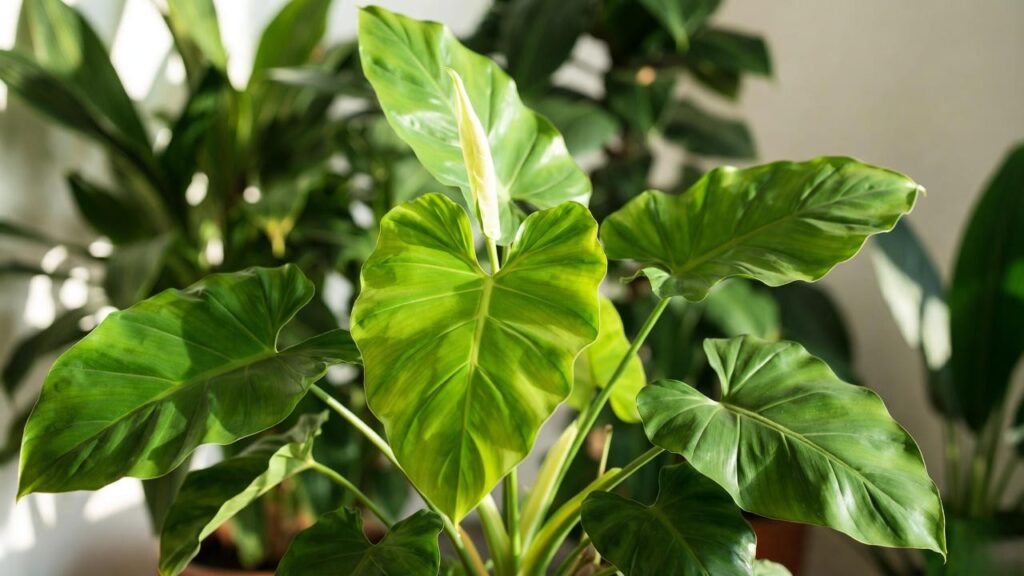
The Philodendron Burle Marx is a beloved tropical houseplant named after the legendary Brazilian landscape architect Roberto Burle Marx, who pioneered the use of native plants in modern design. This charming aroid hails from the rainforests of Brazil, Colombia, Ecuador, and Peru, where it grows as an epiphyte or hemiepiphyte—climbing trees or sprawling across the forest floor.
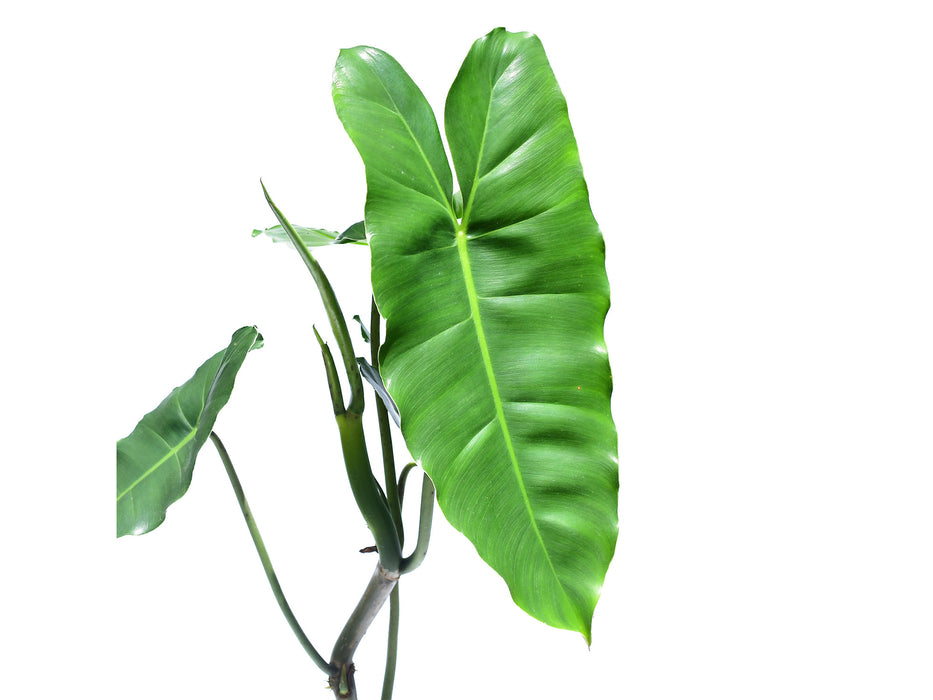
Botanically, it’s often classified as Philodendron ‘Burle Marx’, sometimes linked to Philodendron imbe cultivars, though it’s considered a distinct hybrid by many experts. Its signature features include elongated, arrowhead-shaped leaves (maturing to heart-shaped) with prominent veining and a glossy, deep green sheen. New growth emerges in brighter lime greens, adding dynamic contrast.
Key Characteristics and Varieties
- Leaf Shape and Size: Juvenile leaves are narrower; mature ones can reach 12–18 inches long indoors, with subtle waviness on edges.
- Growth Habit: A vigorous viner that climbs or trails. With support, it can exceed 6–10 feet; without, it forms bushy, horizontal spreads up to 4 feet wide.
- Popular Varieties:
- Standard green form: Reliable and fast-growing.
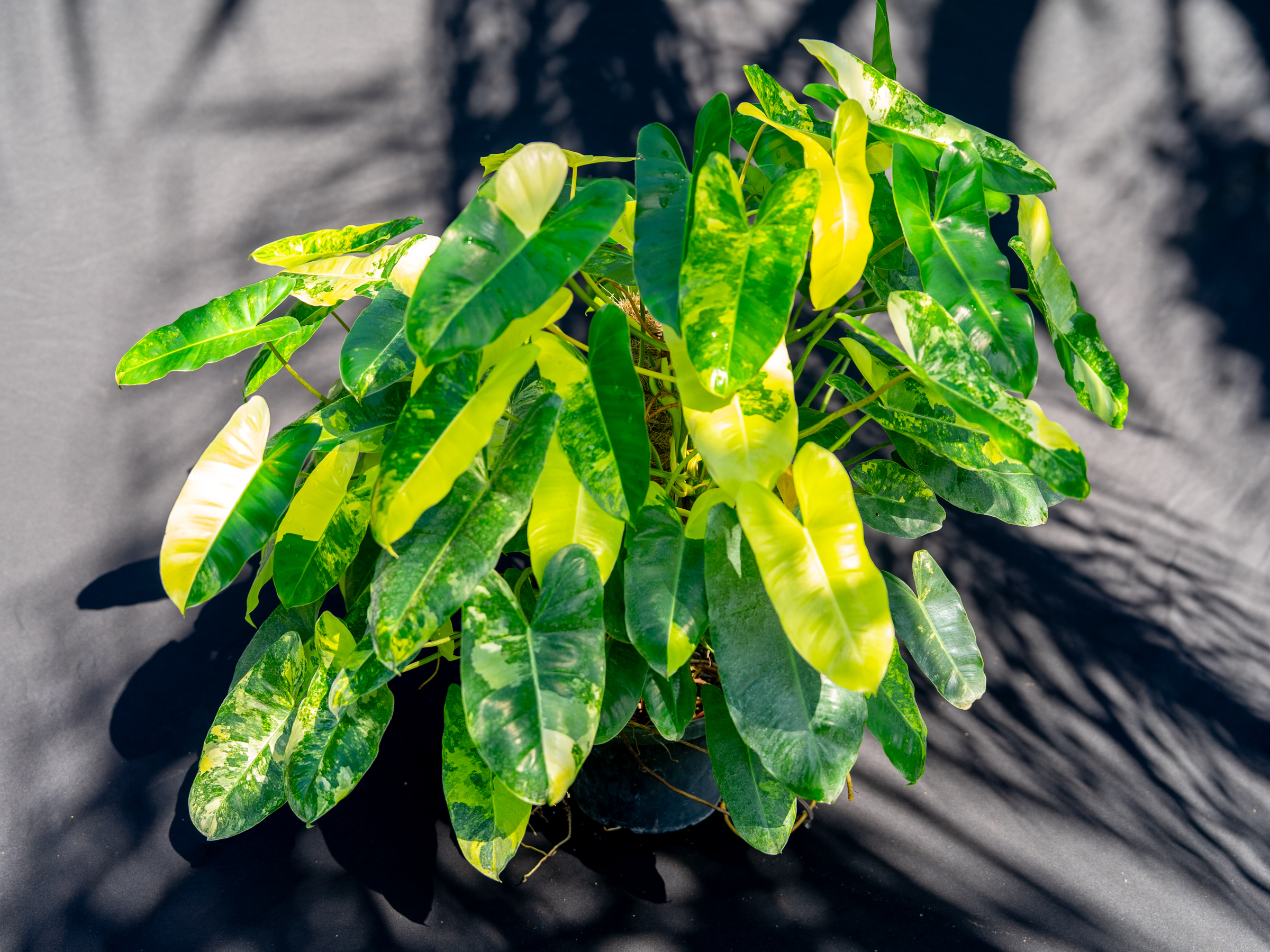
- Burle Marx Variegata: Rare splashed with cream, yellow, or white—highly sought-after in 2025 collections for its marbled patterns.
- Mint Variegata: Softer, minty-green variegation.
- Related hybrids like Burle Marx Fantasy (with silvery veins from P. melanochrysum crosses) are trending but distinct.
Why It’s a Must-Have Houseplant
Beyond aesthetics, the Burle Marx excels at air purification (per NASA studies on philodendrons), tolerates average home conditions better than fussier aroids, and brings boho or modern tropical vibes. It’s forgiving for beginners yet rewarding for collectors—my own plants have thrived through moves and varying setups, proving its resilience.
Ideal Growing Conditions for Your Burle Marx Plant ☀️💧
Mimicking its rainforest origins is key: bright filtered light, warmth, humidity, and aerated soil.
Light Requirements
Bright, indirect light is ideal—think east- or west-facing windows with sheer curtains. It tolerates medium light but grows slower with smaller leaves; low light leads to leggy stems and pale foliage.
- Signs of Issues: Scorched, brown edges = too much direct sun. Etolated (stretched) growth = insufficient light.
- Pro Tip: In winter or dim homes, supplement with full-spectrum grow lights (12–14 hours daily). For variegated forms, slightly brighter light stabilizes patterns without burning—I’ve seen fading revert with this adjustment.
Temperature and Humidity
- Temperature: 65–85°F (18–29°C) daytime; no lower than 55°F (13°C) at night. Avoid cold drafts or hot radiators.
- Humidity: 60%+ for optimal unfurling and gloss. Average homes (40–50%) work, but tips brown in dry air.
- Boosting Humidity 🌫️: Pebble trays, grouping plants, humidifiers, or bathroom/kitchen placement. Misting helps short-term but isn’t as effective long-term.
Soil and Potting Mix
As an aroid prone to root rot, it demands chunky, well-draining media.
- Recommended Mix: DIY aroid blend—50% potting soil, 30% orchid bark, 20% perlite/coco coir. Or use commercial aroid mixes.
- Why It Matters: Dense soil retains water, suffocating roots. Good aeration promotes healthy aerial roots.
- Repotting: Every 1–2 years or when root-bound (roots circling or emerging). Spring is best; upsize 2 inches. Signs: Slow growth, quick-drying soil.
Watering and Feeding Schedule 💦
Balance is crucial—Burle Marx likes consistent moisture but hates soggy roots.
How Often to Water
Water when top 2 inches dry (finger test or moisture meter). Typically weekly in growing season, every 2 weeks in winter.
- Adjustments: More frequent in bright/warm conditions; less in cool/low light.
- Common Mistake: Overwatering—leading cause of decline.
Best Watering Practices
- Use room-temperature filtered/distilled water to avoid mineral buildup (tap water ok if flushed occasionally).
- Bottom-water for even saturation: Place pot in tray 30 minutes.
- Ensure full drainage; empty saucers.
Fertilizing Tips
Heavy feeder during spring–summer.
- Schedule: Half-strength balanced liquid (20-20-20) every 4–6 weeks.
- Alternatives: Slow-release pellets or organic fish emulsion.
- Deficiencies: Yellow older leaves = nitrogen lack; pale new growth = general shortage.
- Winter: Skip or monthly dilute.
Pruning, Training, and Support 🪴
Proper pruning and support transform your Philodendron Burle Marx from a sprawling vine into a stunning, structured specimen. In my experience growing over 20 Burle Marx plants, consistent training leads to larger leaves and denser foliage.
Pruning for Bushier Growth
Pruning encourages branching, resulting in fuller plants rather than long, sparse vines.
- When to Prune: Anytime, but best in spring/summer during active growth. Avoid heavy cuts in winter.
- How to Prune: Use clean, sharp scissors or pruners. Cut just above a leaf node (where leaf meets stem) at a 45-degree angle. Remove leggy sections or damaged leaves.
- Pro Tip: Pinched tips release auxins, promoting side shoots. I’ve turned single-stem nursery plants into bushy 4-foot-wide beauties in one season this way.
:max_bytes(150000):strip_icc()/GettyImages-1454955744-45684a76fc4a4462aaf6a21ba8b26db2.jpg)
Providing Support
As a natural climber, Burle Marx thrives with vertical support, producing bigger mature leaves.
- Options: Moss poles (best for aerial roots), coco coir totems, trellises, or even walls with hooks.
- Step-by-Step Moss Pole Training:
- Insert pole into pot (or extend as plant grows).
- Gently guide main stem against pole.
- Use soft ties (velcro strips or twine) to secure at nodes—loosely to avoid damage.
- Mist pole regularly to encourage aerial roots to attach.
- Benefits: Supported plants often develop fenestration (splits) earlier. Variegated forms hold patterns better with stable growth.
Propagation Made Easy ✂️
One of the joys of owning a Burle Marx is how easily it propagates—perfect for expanding your collection or sharing with friends. Success rates exceed 90% with these methods.
Stem Cutting Propagation in Water
The simplest method for beginners.
- Best Time: Spring/early summer when nodes are active.
- Steps:
- Select healthy stem with 2–4 nodes and at least one leaf.
- Cut below a node with sterilized tool.
- Place in jar of room-temperature filtered water (change weekly).
- Keep in bright indirect light.
- Roots appear in 2–4 weeks; pot when 2–3 inches long.
- Expert Insight: Add a drop of liquid rooting hormone for faster results. I’ve rooted variegated cuttings this way without reversion.

Propagation in Soil or Sphagnum Moss
For direct rooting and stronger transitions.
- Soil Method: Dip cut end in rooting hormone, plant in moist aroid mix. Cover with plastic bag for humidity; vent daily.
- Moss Method: Pack damp sphagnum around node in clear container—great visibility for root development.
- Comparison: Water is foolproof but risks shock on potting; soil/moss builds sturdier roots faster.
Division Method for Mature Plants
Ideal for overgrown specimens.
- Unpot, gently separate rooted sections (each with stems and roots).
- Repot individually. Best during repotting season.
Common Problems and Solutions 🐛
Even resilient plants face issues—early intervention saves them.
Yellow Leaves and Leaf Drop
Most common complaint.
- Causes: Overwatering (soggy soil), underwatering, low humidity, or nutrient imbalance.
- Fixes: Check soil moisture; adjust watering. Increase humidity. Flush soil if salts buildup.
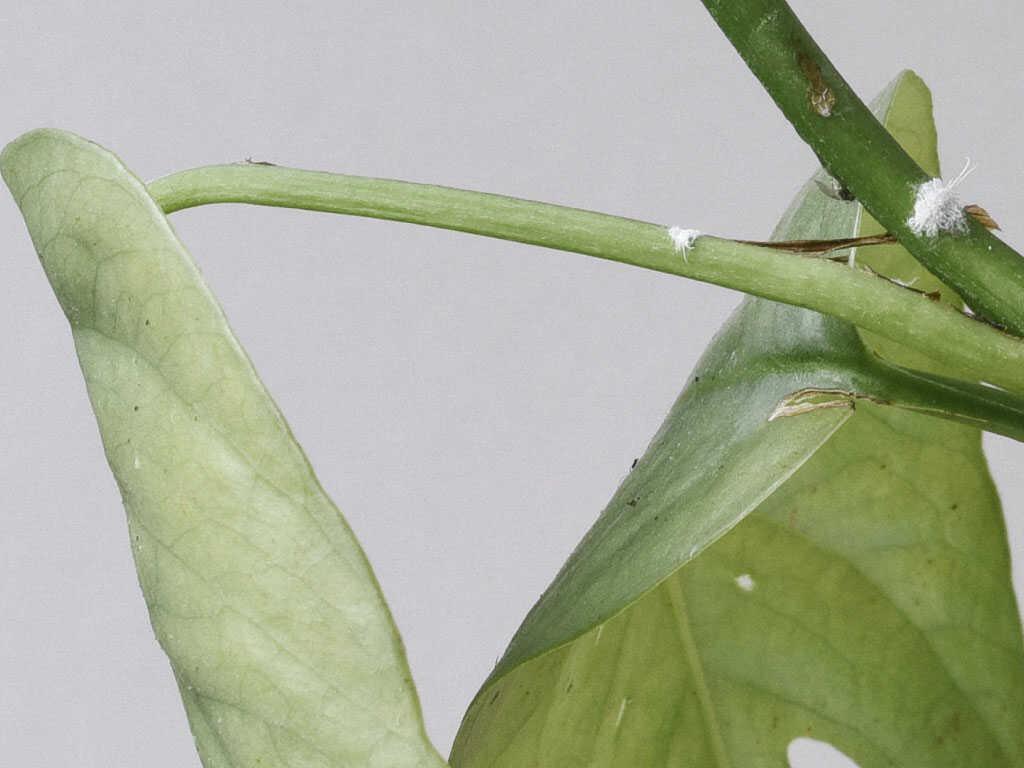
Pests (Spider Mites, Mealybugs, Thrips)
Aroids attract sap-suckers, especially in dry conditions.
- Identification: Fine webbing/stippling (mites), cottony masses (mealybugs), silvery streaks (thrips).
- Treatments:
- First line: Neem oil spray or insecticidal soap weekly.
- Severe: Systemic insecticides or predatory mites.
- Prevention: Regular leaf wiping and humidity boosts.
Root Rot and Fungal Issues
From chronic overwatering.
- Signs: Mushy black roots, wilting despite wet soil, foul smell.
- Rescue: Remove rot, treat with hydrogen peroxide rinse, repot in fresh mix. Reduce watering.
Leggy Growth and Pale Leaves
Light deficiency.
- Move to brighter spot gradually; prune back to encourage bushiness.
Advanced Care Tips for Show-Stopping Growth ✨
Once basics are mastered, elevate your Philodendron Burle Marx to specimen status with these pro techniques—drawn from years of trial in my greenhouse and home collections.
- Encouraging Fenestration: Mature Burle Marx can develop subtle splits or waviness. Provide strong indirect light, consistent humidity above 70%, and vertical support. Plants over 3 years old with 10+ leaves often show this—patience pays off!
- Seasonal Care Calendar:
- Spring/Summer (Active Growth): Bright light, weekly watering, bi-monthly fertilizing, propagation time.
- Fall: Reduce fertilizer, monitor for pests as indoor heating starts.
- Winter: Lower light/watering, skip fertilizer, boost humidity against dry air.
- 2025 Trend: Many growers report faster growth with LED panels tuned to 3000K–5000K spectrum.
- Variegation Stability: For Burle Marx Variegata, bright light (without direct sun) prevents reversion to green. High nitrogen can push green growth—use balanced formulas. Cut fully green stems early.

- Expert Insight: In my 12+ years, the biggest game-changer has been moss poles—my tallest specimen hit 8 feet with leaves over 20 inches, all from consistent pole misting and loose tying.
Styling and Display Ideas 🖼️
The Burle Marx’s versatile habit makes it a designer’s dream.
- Climbing Statement: Train on a tall moss pole in corners for vertical drama.
- Trailing Elegance: Hang in macramé planters from ceilings or high shelves.
- Shelf Cascade: Let vines spill over bookcases for lush layers.
- Living Wall Feature: Combine multiples on wall-mounted boards.
- Companion Plants: Pairs beautifully with Monstera deliciosa, Pothos, or ferns for textural contrast.
Frequently Asked Questions (FAQ) ❓
Is the Philodendron Burle Marx toxic to pets? 🐱🐶 Yes—like most philodendrons, it contains calcium oxalate crystals. Ingestion causes oral irritation, drooling, or vomiting. Keep out of reach or choose pet-safe alternatives.
How fast does Philodendron Burle Marx grow? Moderate to fast: 1–3 feet per year in optimal conditions. New leaves every 2–4 weeks during growing season.
Can it live in low light? Tolerates medium-low but grows slowly with smaller leaves. Best in bright indirect for vigorous, large foliage.
What’s the difference between Burle Marx and Burle Marx Variegata? Standard is solid green; Variegata features sectoral or half-moon cream/yellow splashes—rarer and pricier.
Why are my Burle Marx leaves curling? Usually low humidity, underwatering, or cold drafts. Increase moisture and check roots.
Where to buy a healthy specimen? Reputable sources: Specialized nurseries (e.g., Ecuagenera, NSE Tropicals), Etsy verified sellers, or local houseplant shops. Avoid big-box if possible—check for pests.
Conclusion 🌟
Your Philodendron Burle Marx has incredible potential to become a lush, statement-making houseplant that brings joy for years. By providing bright indirect light, well-draining soil, balanced watering, and occasional support/pruning, you’ll enjoy vibrant, healthy growth—even through challenges like pests or seasonal changes.
As a certified houseplant expert with over a decade caring for hundreds of aroids (including rare variegates), I’ve applied these exact methods to maintain thriving collections through moves, seasons, and experiments. Stick to the fundamentals, observe your plant’s signals, and soon you’ll have a tropical masterpiece.
Have questions about your Burle Marx? Share photos or experiences in the comments—I love helping fellow plant parents! 🌿











