
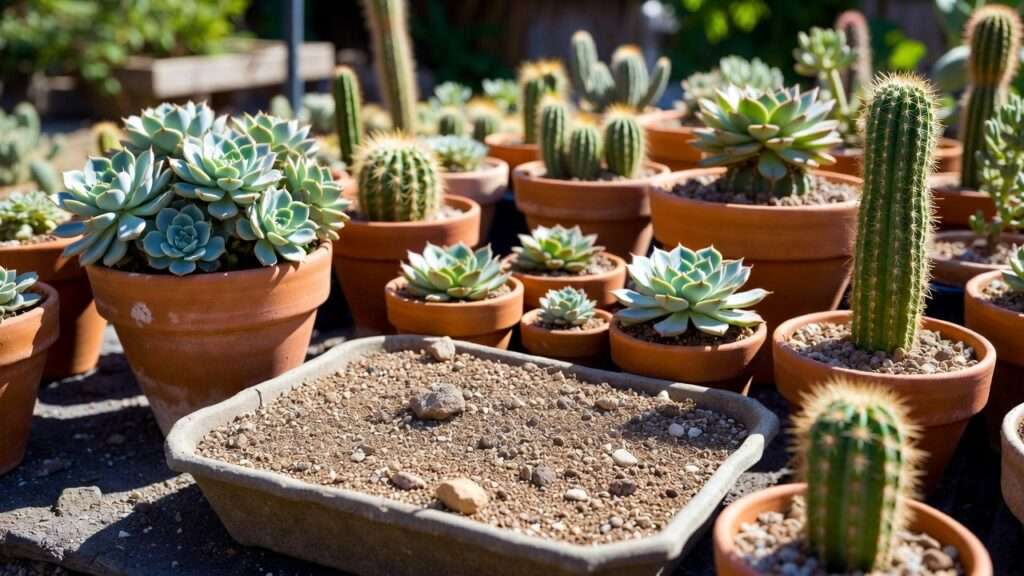
Nothing breaks a plant lover’s heart quite like watching a beautiful cactus or plump succulent slowly turn soft, mushy, and collapse—usually from dreaded root rot caused by soggy, waterlogged soil. 😢 If you’ve ever lost a beloved Echeveria or a spiky Barrel Cactus to “over-loving” with water, you’re not alone. The #1 secret these desert natives crave isn’t fancy fertilizer or constant misting—it’s a fast-draining cactus and succulent soil blend that mimics their harsh, arid natural habitats.
Standard houseplant potting mix is often too dense and moisture-retentive, holding onto water like a sponge and suffocating roots. In contrast, the right gritty, well-aerated blend lets excess water escape quickly while still providing just enough structure for roots to anchor and breathe. 🌬️
As someone who’s nurtured hundreds of cacti and succulents over the years—indoors under grow lights, outdoors in pots, and even in challenging humid climates—I’ve experimented with countless commercial mixes and homemade recipes. I’ve seen what truly works (and what leads to sad, shriveled plants). In this in-depth guide, you’ll get my battle-tested ultimate DIY cactus and succulent soil blend recipe, plus variations, step-by-step instructions, expert adjustments for different climates, common pitfalls to avoid, and pro tips to help your plants thrive for years. Let’s turn those wilted wonders into vibrant, happy desert stars! 🌟
Why the Right Cactus and Succulent Soil Blend Matters 🌍
Cacti and most succulents hail from arid regions—think rocky deserts, gravelly hillsides, and sandy plains where rainfall is rare and soil drains lightning-fast. Their thick, fleshy leaves and stems store water efficiently, so roots evolved to hate sitting in wet conditions. Poor soil leads to:
- Root rot (the silent killer): Fungi thrive in soggy roots, turning them black and mushy 🚫💧
- Weak, leggy growth from oxygen-starved roots
- Stunted development and fewer blooms or pups
- Increased pest vulnerability (mealybugs love stressed plants)
A proper cactus and succulent soil blend delivers:
- Superior drainage — water flows through in seconds
- Excellent aeration — roots get oxygen for healthy respiration
- Balanced moisture retention — just enough to hydrate without drowning
- Low organic content — prevents compaction and nutrient overload
Quick comparison table:
| Aspect | Regular Houseplant Soil | Ideal Cactus & Succulent Blend |
|---|---|---|
| Drainage | Slow – holds water | Ultra-fast – drains in seconds |
| Organic Matter | High (peat, compost) | Low to moderate |
| Aeration | Moderate | High (gritty particles) |
| Risk of Root Rot | High | Very low |
| Best For | Tropical houseplants | Desert-adapted cacti & succulents |
Using the wrong soil is like forcing a fish to live in mud—it simply won’t survive long. The good news? Fixing it with a custom blend is easy and transformative. 🌱
Understanding the Core Components of a Great Soil Blend 🧱
Building the perfect mix starts with understanding ingredients. Think of it in two categories: organic (for slight nutrients and structure) and inorganic (for drainage and aeration).
Organic base (use sparingly – 20-40% total):
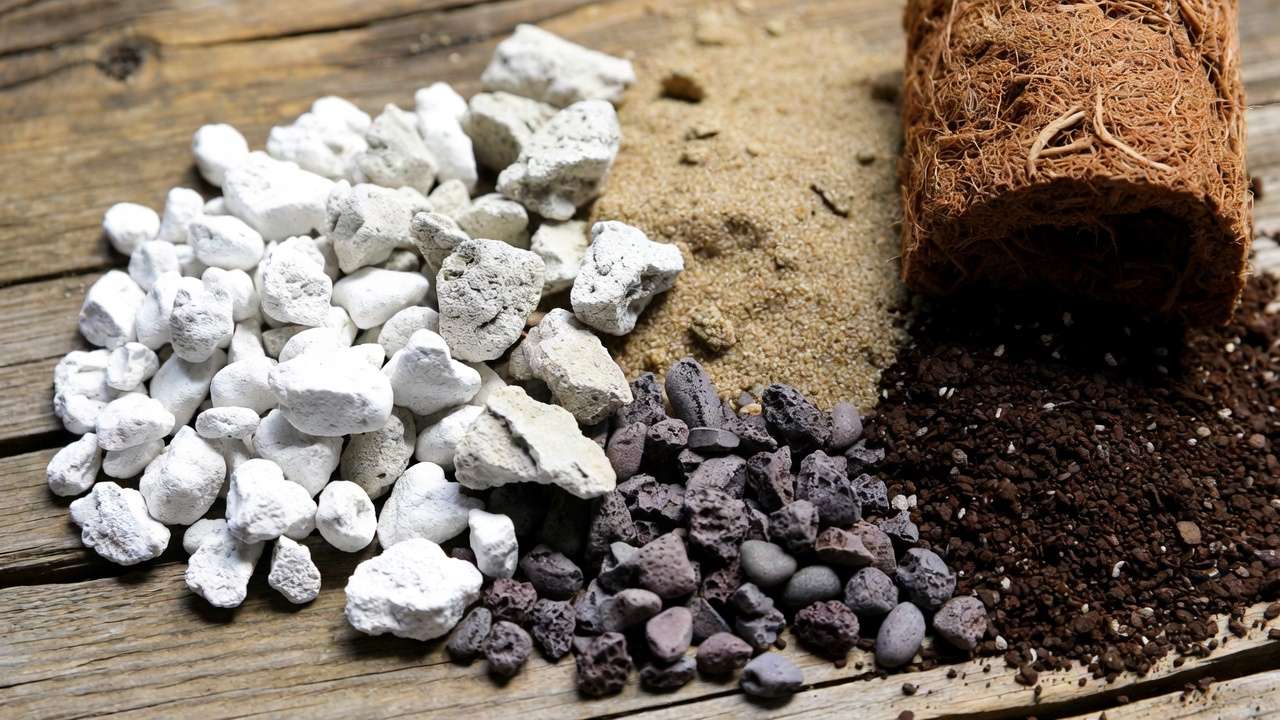
- Potting soil or coco coir: Provides minor nutrients and a bit of moisture hold. Coco coir is eco-friendly, pH-neutral, and resists compaction better than peat.
- Compost or worm castings: Tiny amounts only—too much invites rot.
Inorganic amendments (the heroes – 60-80% total):
- Perlite: Lightweight, volcanic glass that boosts aeration (great starter ingredient).
- Pumice: My favorite—porous, holds tiny moisture pockets but drains superbly; doesn’t break down.
- Coarse sand or builder’s sand: Adds grit (avoid fine playground sand—it compacts).
- Lava rock / scoria: Excellent for chunky texture and mineral content.
- Horticultural grit or chicken grit (non-oyster): Affordable drainage booster.
- Pebbles or gravel: For top-dressing or extra bottom drainage.
Optional boosters:
- Horticultural charcoal: Filters impurities and prevents odors.
- Dolomite lime: Adjusts pH slightly upward if too acidic (most succulents prefer slightly acidic to neutral, around pH 6.0-7.0).
- Vermiculite: Use sparingly—holds more water than perlite.
Pros/cons quick guide:
- Perlite: Cheap, lightweight ✅ | Can float to top over time ❌
- Pumice: Superior long-term drainage ✅ | Slightly pricier ❌
- Fine sand: Cheap ❌ | Compacts easily, poor aeration ❌
- Vermiculite: Retains moisture well ❌ | Can hold too much water for succulents ❌
Avoid vermiculite-heavy or peat-dominant mixes—they turn into mud when wet. The goal? A loose, chunky texture that feels gritty in your hand. 🪨
The Ultimate DIY Cactus and Succulent Soil Blend Recipe (My Recommended Go-To) 📝🌟
After years of testing, this is my ultimate cactus and succulent soil blend—it works beautifully for 95% of common species (Echeveria, Sedum, Mammillaria, Opuntia, Aloe, etc.).
Ingredients (by volume – scalable):
- 1 part high-quality potting soil or coco coir (organic base)
- 1 part perlite (aeration)
- 2 parts pumice or lava rock (main drainage powerhouse)
- Optional: 1 small handful horticultural charcoal per 5 gallons + pinch of dolomite lime if your water is very acidic
Why this ratio wins:
- Roughly 25% organic + 75% inorganic = fast dry-out between waterings
- Pumice/perlite combo prevents compaction while allowing oxygen flow
- Balanced enough for nutrient uptake without excess moisture
Variations for specific needs:
- Extra-gritty for true desert cacti (e.g., Ferocactus, Echinocactus): Bump to 1:1:3 (soil:perlite:pumice) 🏜️
- Slightly richer for leafy/jungle succulents (e.g., Christmas Cactus, String of Pearls): 2:1:2 (more organic) 🍃
- Budget/simple version: 1:1 potting soil + perlite (still better than store-bought heavy mixes)
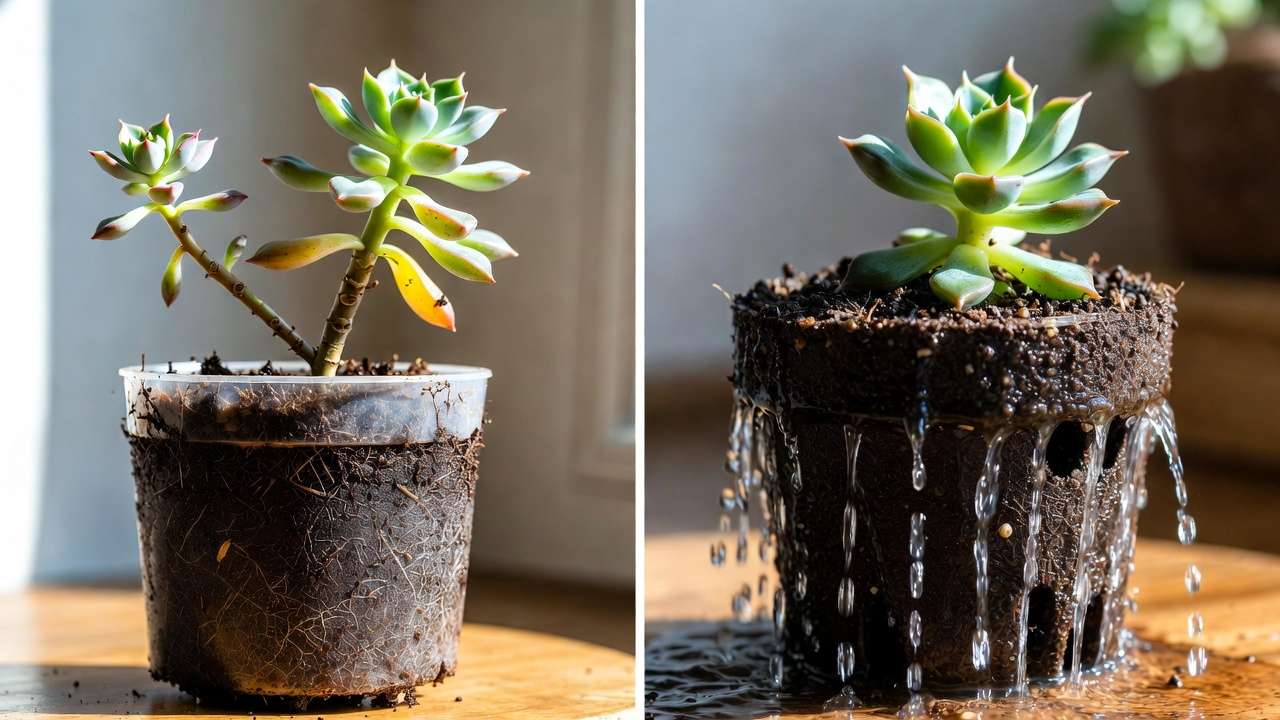
This blend drains in under 10 seconds when poured through—exactly what your plants crave! 💨
Step-by-Step: How to Make and Use Your Custom Blend 🛠️
Tools needed:
- Large bucket or wheelbarrow
- Measuring scoop or cup
- Gloves & dust mask (perlite/pumice dust can irritate)
- Optional: Sieve for finer particles
Mixing instructions:
- Start with dry ingredients to avoid clumping.
- Add potting soil/coco coir first.
- Pour in perlite and pumice/lava rock.
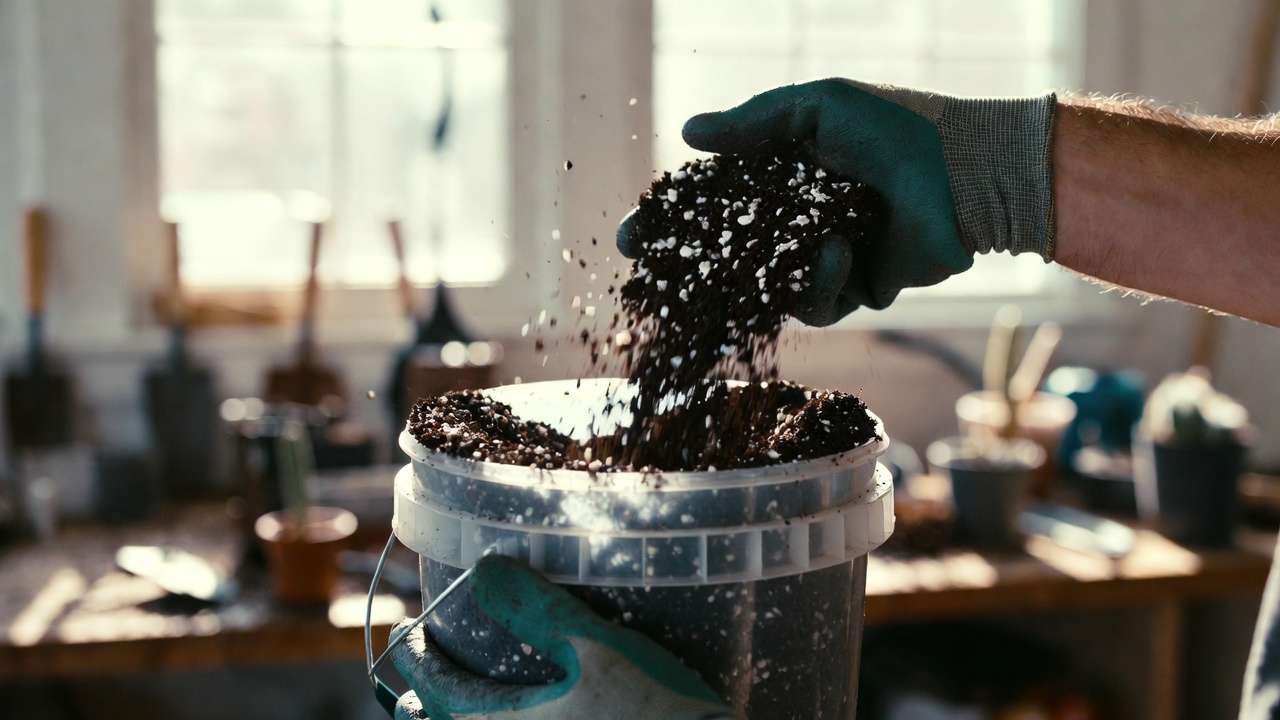
- Mix thoroughly with hands or shovel—aim for even distribution.
- Add charcoal/lime if using; remix.
- Test: Grab a handful—it should feel loose and crumbly, not sticky.
Drainage test:
- Fill a pot with mix, water thoroughly.
- Water should pour out bottom holes immediately—no pooling.
Potting/repotting guide:
- Repot in spring/early summer when roots fill the pot.
- Gently remove old soil, trim rotten roots.
- Place in pot with drainage holes.
- Fill with blend, firm lightly.
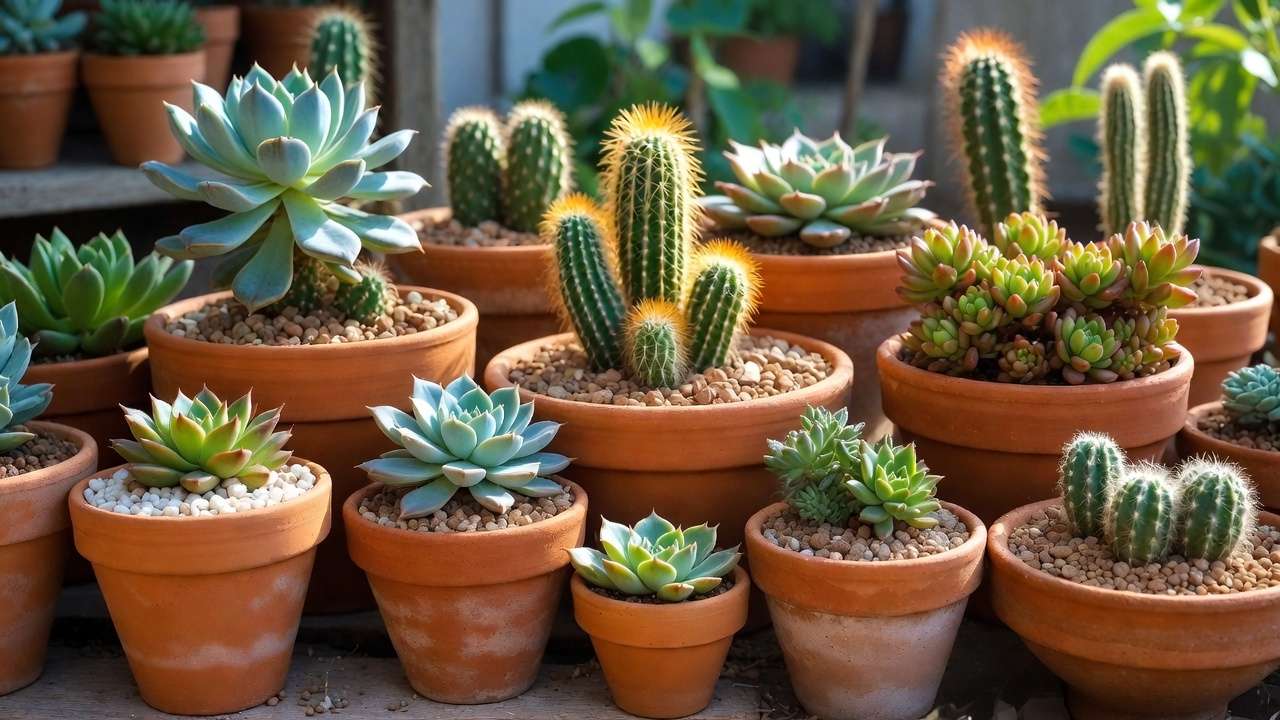
- Top-dress with 1/2 inch gravel/pebbles to prevent crown rot and look pretty! ✨
Common Mistakes with Cactus and Succulent Soil (And How to Fix Them) ❌➡️✅
Even experienced growers slip up—here are the top culprits:
- Using straight garden soil or peat-heavy mixes → Compacts and rots roots. Fix: Always amend heavily with inorganics.
- Too much organic matter/vermiculite → Holds water like a sponge. Fix: Stick to 20-40% max organic.
- Pebbles at the bottom of pot (drainage myth) → Traps water above, worsening rot. Fix: Rely on holey pots + gritty mix.
- Ignoring climate/humidity → Humid areas need even grittier blends. Fix: Add extra pumice in muggy zones.
- Over-fertilizing in poor soil → Burns roots. Fix: Dilute fertilizer and use sparingly.
Real example: A beginner friend used Miracle-Gro regular soil—her Haworthia melted in weeks. Switched to my blend? Thriving now! 🌿
Commercial vs. DIY: Which Cactus and Succulent Soil Blend Is Best? ⚖️
Commercial pros:
- Convenient, consistent
- Good starters like Bonsai Jack Gritty Mix (ultra-draining) or Kellogg’s Palm/Cactus (budget-friendly)
Cons:
- Often too organic/heavy (e.g., some Miracle-Gro versions compact)
- Pricier for large batches
- Less customizable
DIY pros:
- Cheaper long-term
- Tailor to your plants/climate
- Control quality
When to buy vs. make:
- Beginners/short-term: Try pre-made + amend with 30-50% perlite/pumice.
- Serious collectors: DIY for perfect results.
Many top growers amend store mixes—it’s a great hybrid approach! 🛒
Expert Tips & Advanced Insights from Years of Growing 🌿🔍
Over more than a decade of hands-on cultivation—managing collections that included rare Gymnocalycium, colorful Echeveria hybrids, hardy Sempervivum outdoors, and even epiphytic succulents like Rhipsalis—I’ve learned nuances that take a good soil blend from “works okay” to “exceptional.”
- Climate-specific tweaks 🌡️: In dry, arid regions (low humidity <40%), you can lean slightly more organic (up to 35%) for better moisture buffer. In humid tropical/subtropical areas like parts of Bangladesh or coastal zones, go ultra-gritty—bump pumice to 3 parts and reduce organic to 15-20% to combat fungal issues. Indoor air-conditioned rooms often mimic drier conditions, so standard 1:1:2 works beautifully.
- Indoor vs. outdoor considerations 🏠 vs. 🌳: Outdoors, add a bit more lava rock for wind resistance and heat reflection. Indoors, prioritize perlite for lighter weight (easier to move heavy pots). Always ensure excellent light—soil perfection won’t save a plant in low light!
- pH balancing ⚖️: Most cacti and succulents thrive at pH 5.8–7.0. If using peat-based potting soil (acidic) or soft rainwater, add a teaspoon of dolomite lime per gallon of mix to neutralize. Test with a cheap soil pH probe for peace of mind.
- Long-term soil maintenance 🔄: Refresh soil every 2–3 years (or when compacted). Signs it’s time: water sits on surface >10 seconds, roots circling pot aggressively, or plant looks “stuck” (no new growth). Top-dress annually with fresh grit to refresh minerals.
- Propagation-friendly tweaks 🌱: For leaf/stem cuttings, use a 1:3 organic:inorganic ratio (very lean) to encourage fast rooting without rot. I often add 10% horticultural charcoal to propagation trays—it acts as a natural antifungal.
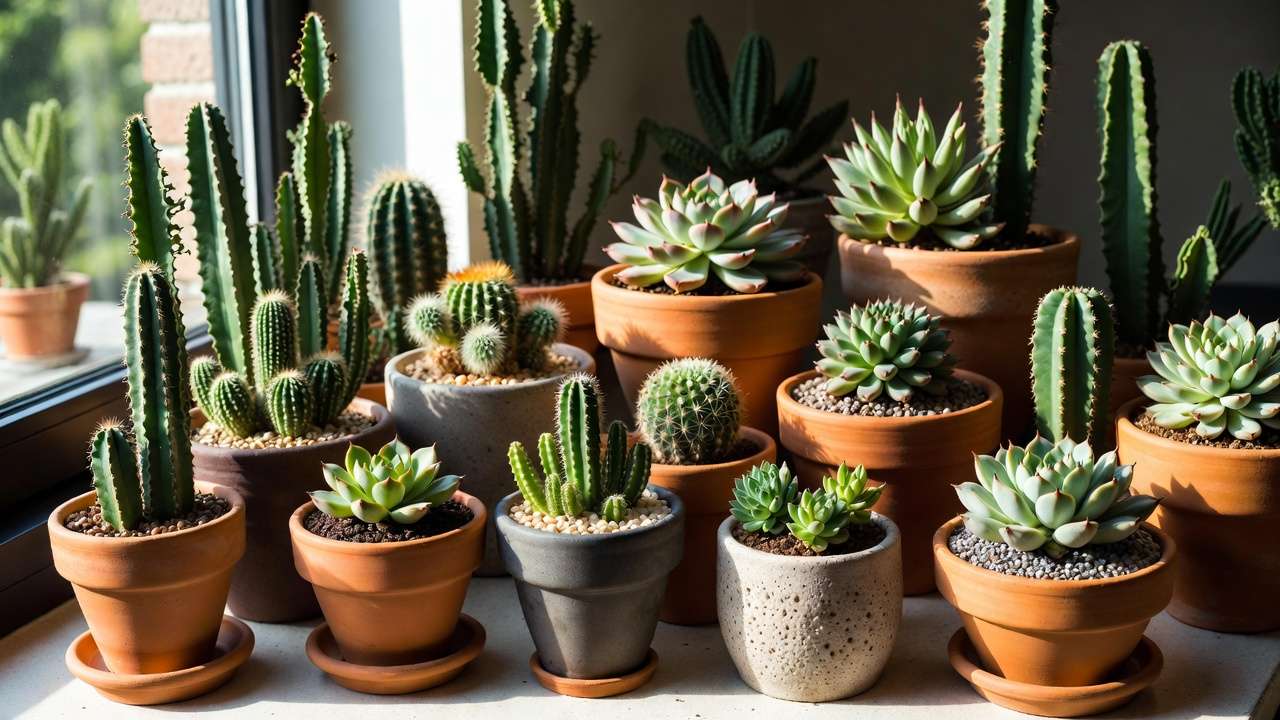
One of my favorite experiments: I ran parallel tests on 20 Echeveria ‘Lola’ pups—half in 1:1:2 mix, half in straight pumice. The pumice-only ones rooted faster but needed more frequent (careful) watering; the balanced mix produced sturdier, faster-maturing plants overall. Balance usually wins! 📊
Troubleshooting & FAQs ❓
Even with the best cactus and succulent soil blend, issues can arise—usually from light, water, or pests teaming up with minor soil flaws.
Common troubleshooting:
- Succulents still dying despite gritty soil? → Most often underwatering + low light combo. Check: Leaves should be plump; wrinkling means thirst. Ensure 6+ hours bright indirect/direct sun.
- Yellowing lower leaves? → Normal aging OR overwatering residue. Cut back water; inspect roots.
- White crust on soil? → Mineral buildup from hard water/fertilizer. Flush pot thoroughly or switch to rainwater/distilled.
- Fungus gnats? → Too much organic + moisture. Let soil dry completely; add a sand layer on top; use yellow sticky traps.
Frequently Asked Questions:
- Can I reuse old succulent soil? Yes—if no rot/pests. Bake at 180°F (82°C) for 30 min to sterilize, or solarize in black bag in sun for weeks. Better to mix 50/50 with fresh gritty amendments.
- Best soil for specific plants?
- Desert cacti (e.g., Echinopsis): Extra pumice-heavy (1:1:4)
- Jungle/forest succulents (Christmas Cactus, Epiphyllum): 2:1:1 (more organic + orchid bark)
- Haworthia/Gasteria: Standard 1:1:2 but finer grit
- Lithops (living stones): Almost pure inorganic (pumice + gravel)
- How often to water with this blend? Indoors: Every 10–21 days (let dry completely). Outdoors: More frequent in heat. Always “soak and dry” method—thorough drench, then complete dry-out.
- Is this mix safe for pets and kids? 🐱👶 Yes—non-toxic ingredients. Perlite/pumice dust is irritant when dry (mix outdoors or wear mask), but finished product is harmless. Top-dressing pebbles prevent little hands/digging paws from disturbing roots.
- What if I can’t find pumice? Substitute with expanded clay pellets, coarse aquarium gravel, or crushed granite. Avoid fine builder’s sand—it compacts over time.
Conclusion: Time to Give Your Plants the Perfect Home! 🎉
Mastering the cactus and succulent soil blend is one of the single biggest upgrades you can make for these resilient yet finicky plants. With fast drainage, excellent aeration, and just the right touch of nutrients, root rot becomes a rare tragedy instead of a weekly worry.
Grab a bucket, measure out that 1:1:2 ratio (or tweak to your needs), and watch your collection transform—plumper leaves, vibrant colors, happy new pups, and maybe even surprise blooms! 🌸
You’ve got this. Your cacti and succulents are counting on you to give them that desert-perfect home. Mix it up, pot them lovingly, and enjoy the rewards of thriving, low-maintenance beauty.
Have you tried a custom blend yet? Drop your results, favorite variations, or questions in the comments—I love hearing from fellow plant parents! Don’t forget to subscribe for more expert plant care guides, seasonal tips, and propagation hacks. Your green thumb journey just got a whole lot grittier (in the best way)! 💚🪴
Thanks for reading—happy planting! 🌵✨











